Engineered for high load capacity, steep-angle transport, and harsh operational conditions across London and global hubs.
An in-depth analysis of high-inclination bulk material handling, comparing global distribution logistics with localized engineering requirements in London.
Greater London remains one of Europe's most complex logistics and civil engineering environments. From massive infrastructure updates such as the Thames Tideway Scheme, terminal expansions at the Port of London (including Tilbury and London Gateway), to localized waste reclamation and aggregate processing along the Thames, the demand for space-efficient material handling is severe.
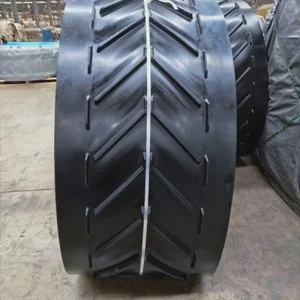
In tight urban setups, horizontal floor space is restricted. Conveyor lines must travel vertically or at steep angles to bridge height differentials in crushing, screening, and concrete batching plants. For example, aggregate terminals in Barking and Greenwich rely on patterned conveyor belts to move wet sand, gravel, and recycled concrete from Thames barges up into processing silos. Standard flat belts cannot handle these materials at such steep inclines without losing product, generating excess dust, or causing spillage. Selecting the right pattern depth (ranging from 5mm low-profile up to 32mm high-profile chevron cleats) is critical to maintaining high-capacity output and complying with strict UK environmental regulations.
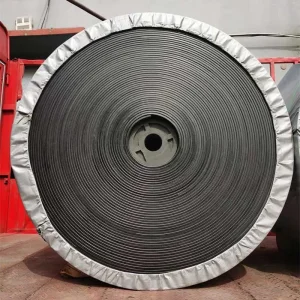
On a global scale, the extraction and processing of bulk materials—such as coal, iron ore, limestone, and copper concentrates—rely heavily on robust conveyor systems. The evolutionary transition from standard fabric-reinforced plies (EP and Nylon) to steel wire rope core structures has drastically expanded run distances and tensile strengths.
Heavy-duty operations require compound innovations that resist high temperatures, abrasive tearing, chemical degradation, and ozone cracks. As global supply chains strive for maximum throughput, downtime because of belt tearing or splice failure becomes incredibly expensive. Because of this, advanced manufacturing facilities utilize computerized vulcanization processes and raw material testing laboratories to ensure every batch of rubber meets international standards (such as DIN 22102 and ISO 15236).
The conveyor belt industry is shifting toward smart and sustainable systems. Key areas of development include:
A leading Chinese manufacturer with over two decades of experience in high-performance rubber systems.
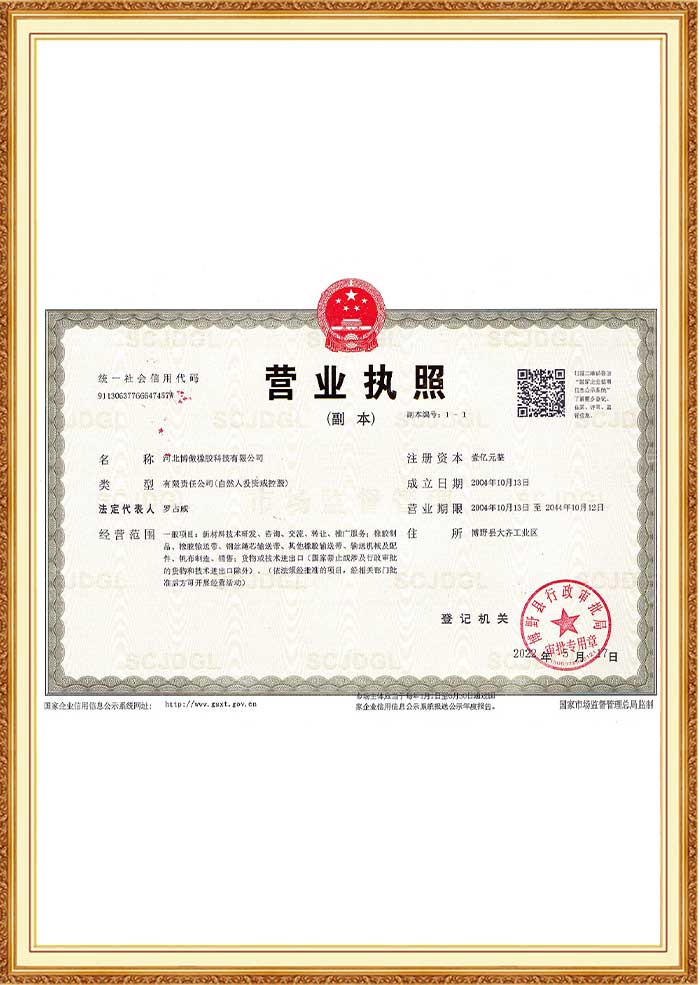
Founded in 2004, Hebei Boao Rubber Technology Co., Ltd. is located in the Rubber Industrial Park of Boye County, Baoding, Hebei Province. Over the last 22 years, the company has grown to cover more than 30 acres, establishing itself as a premier Chinese manufacturer. We specialize in product development, design, and manufacturing for conveyor belts and supporting industrial accessories under the "Jinao" brand.
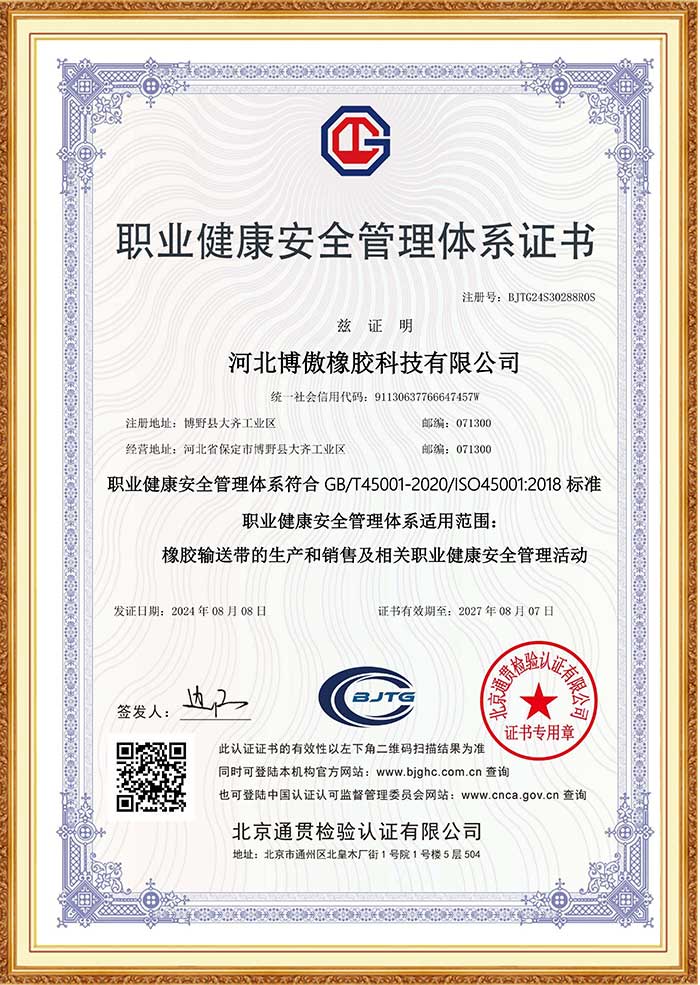
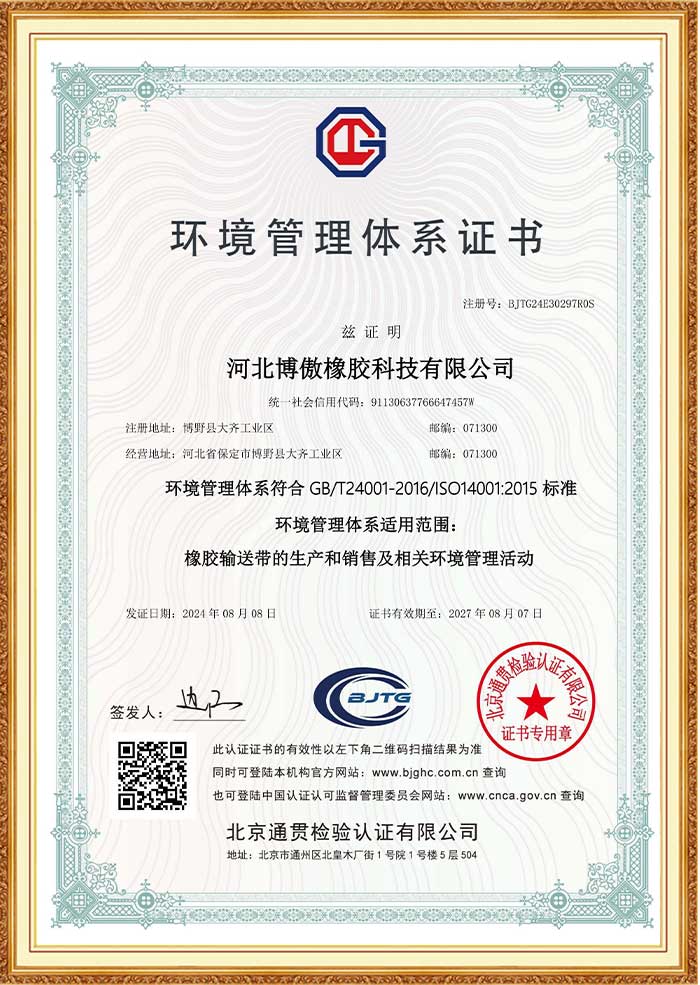
Boao has achieved international quality management system certifications. Our facilities feature advanced production lines for rubber rolling, forming, vulcanization, and testing. This setup allows us to monitor the production process from raw rubber compounds to finished goods, ensuring reliable performance in demanding environments worldwide.
Our factory features an independent chemical analysis lab and physical testing room. We analyze raw rubber, tensile reinforcements, and curing performance, ensuring no substandard material enters production or leaves the warehouse.
Professional inspectors check thickness, width, adhesion, and vulcanization levels at every stage. We utilize modern test equipment to ensure compliance with standards like DIN, AS, ISO, and SANS.
Backed by professional technical support, our products are shipped throughout China and exported internationally. We serve critical industries including steel, metallurgy, coal, cement, power generation, port logistics, and farming.
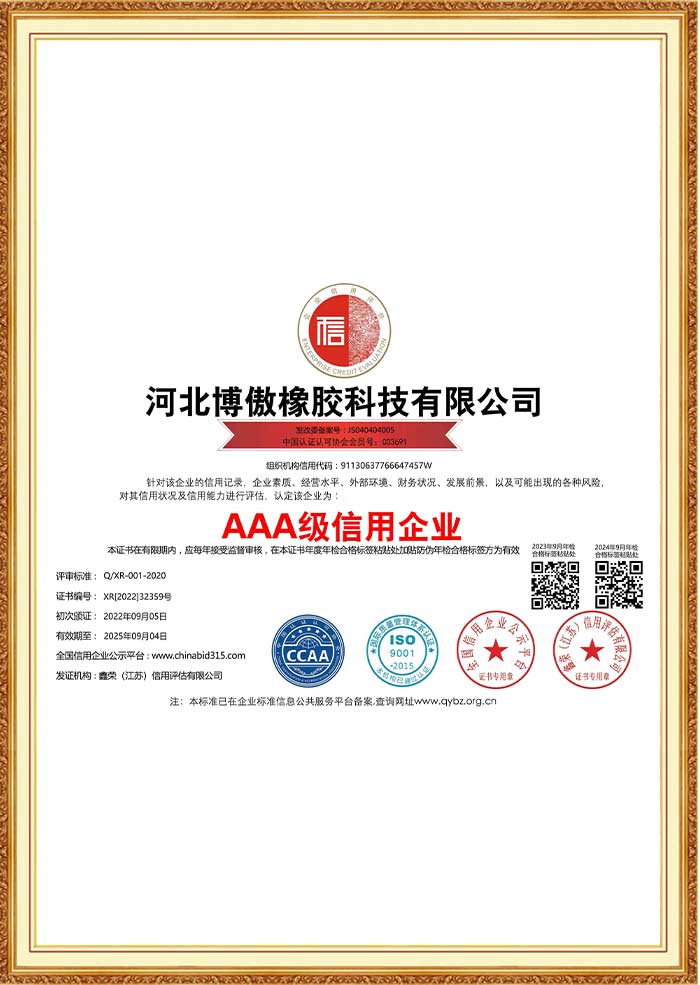
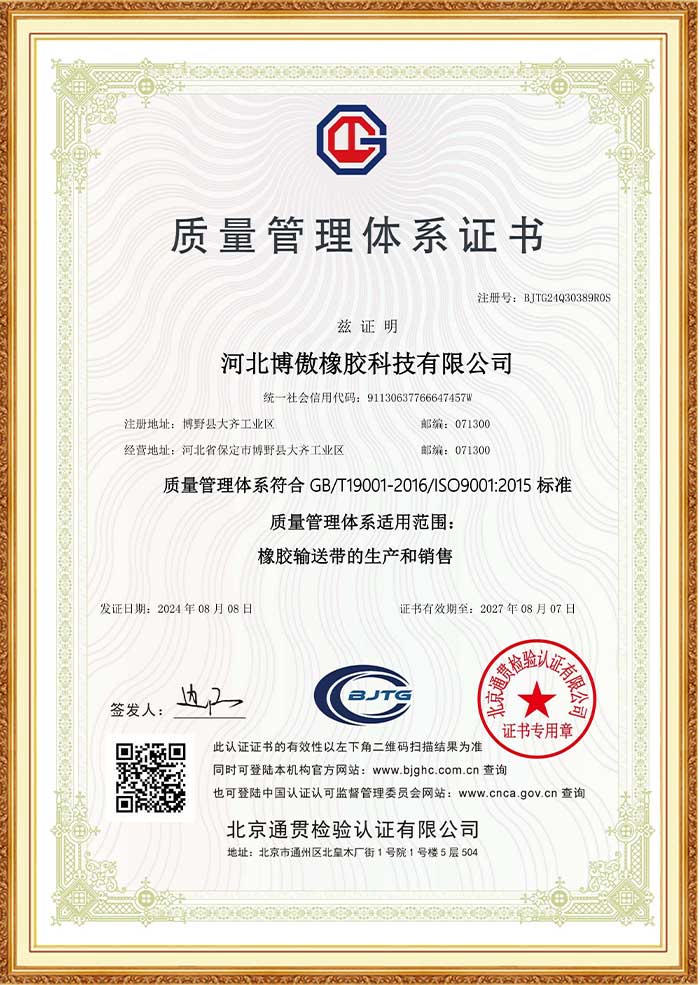
Maximizing product service life and minimizing unplanned downtime through professional engineering support.
Operating heavy bulk material systems requires ongoing maintenance. Our service packages are designed to reduce cost per ton processed by ensuring proper alignment, splice integrity, and wear tracking.
Whether handling damp soil in London tunneling work or aggregate at sorting yards, our technical plans cover installation, vulcanized splicing, cover repair, and tracking adjustments.
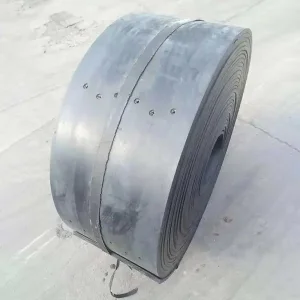
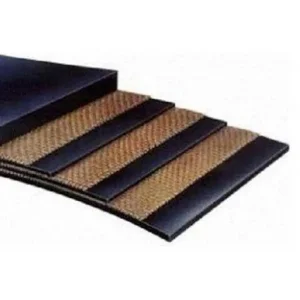
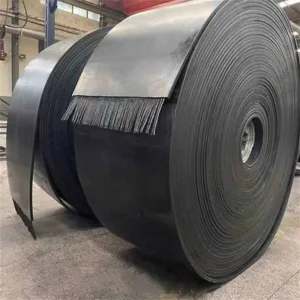
Fabric Reinforced Belts (EP, NN, PP), Heat-Resistant Belts, Steel Cord Belts, Cold-Resistant, Oil/Acid Resistant, Chevron Patterned Belts (Herringbone, U-Shape, Crescent), High Incline Corrugated Sidewall Belts.
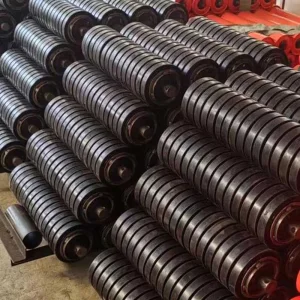
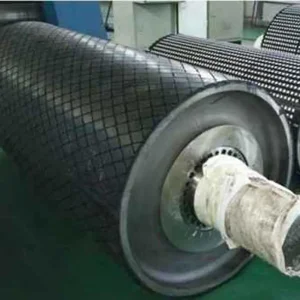
Troughing Idlers, Impact/Buffer Rollers, Ceramic Lagged Drive Pulleys, Return Rollers, Idler Brackets (Trough, Centering, Tensioning), and Sidewall Cleats.
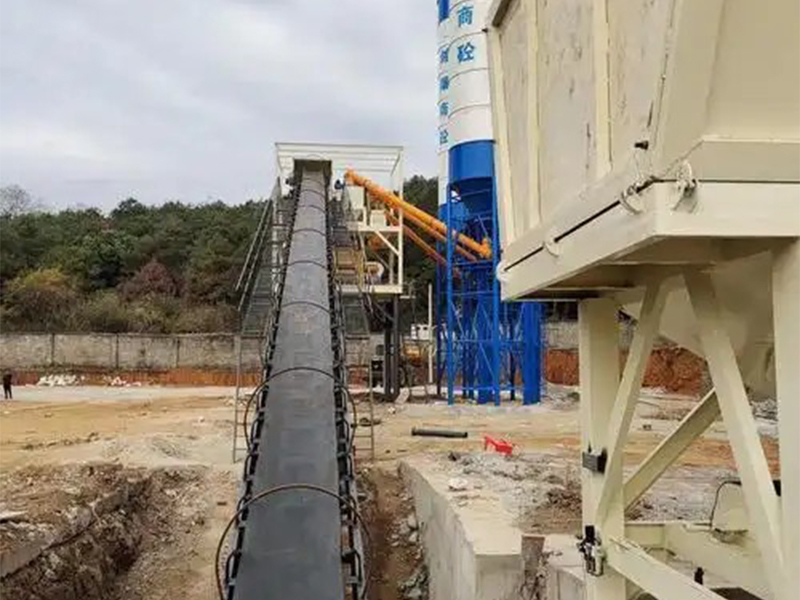
Supplying patterned conveyor systems for concrete and ballast processing in key UK transit expansions.
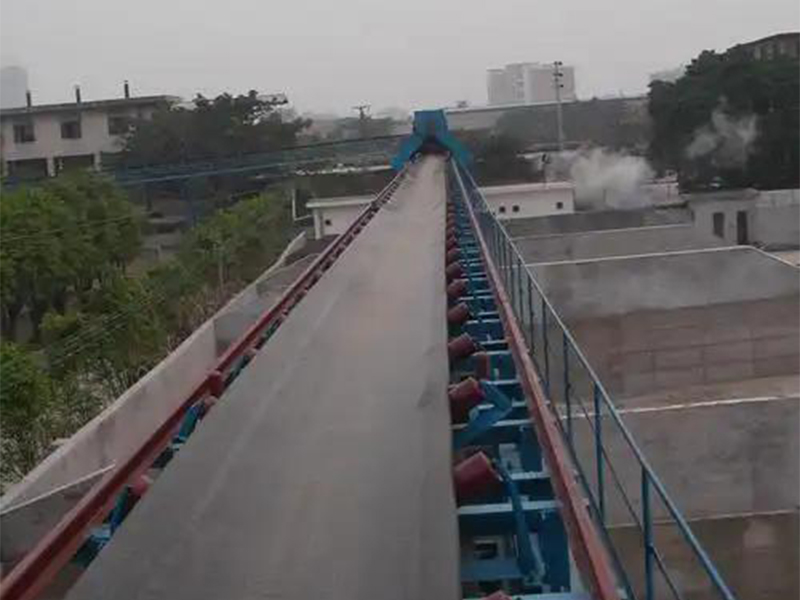
High-capacity conveyor systems designed to handle abrasive raw materials with minimal dust emissions.
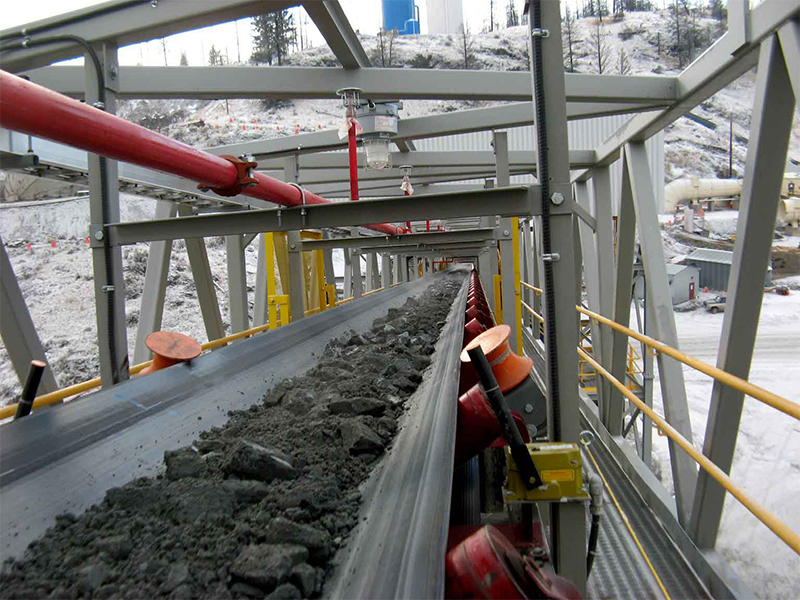
Heavy-duty flame-retardant steel cord belts for high-capacity underground and surface extraction lines.
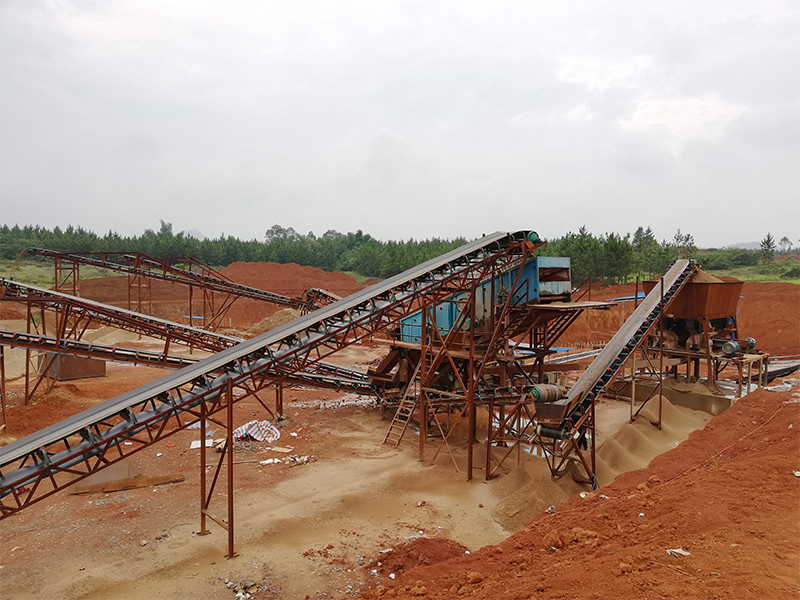
Heat-resistant belting built to operate near smelting furnaces and handling hot slag.
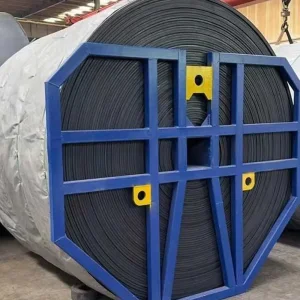
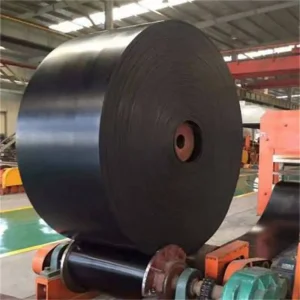
Heavy-duty idler brackets, rollers, high-strength nylon, and steel wire reinforced belts for demanding logistics setups.
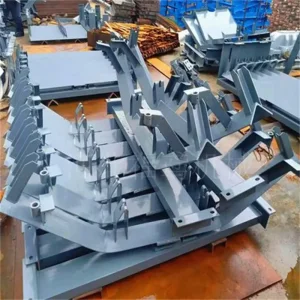
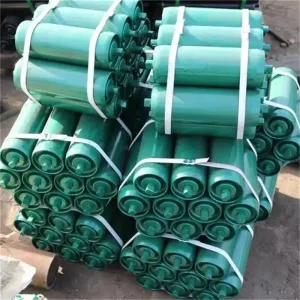
Expert answers addressing the selection, operation, and maintenance of patterned and heavy-duty conveyor belts.
Flat conveyor belts are generally restricted to incline angles between 15° and 18°, depending on the material's internal friction angle. Patterned conveyor belts (such as chevron, cleated, or herringbone profiles) allow operators to move materials up inclines of 25° to 45° by preventing fallback and sliding, making them ideal for space-constrained industrial sites.
We operate an independent testing laboratory. We test raw materials, check compound characteristics, and perform physical property tests (including tensile strength, elongation at break, and DIN abrasion loss). Every production run is inspected before shipment to ensure compliance with standards like ISO 9001.
EP (Polyester-Nylon) belts offer high tensile strength, low elongation, and good dimensional stability, making them suitable for long-distance transport. NN (Nylon-Nylon) belts provide excellent flexibility, impact resistance, and high fatigue life, which is preferred for shorter, high-impact systems handling sharp, heavy materials.
Fugitive dust and spillage are key environmental concerns in London. Operators can address these issues by using patterned belts to prevent slide-back, installing impact-absorbing rollers to reduce material bounce at transfer points, and utilizing custom scrapers. Choosing low-noise idlers also helps meet local noise limits.
Get in touch with our engineering team today to discuss custom belt patterns, high-tensile carcasses, or specialized roller designs tailored to your setup.
Send Inquiry Now Boao Rubber