 Boao Rubber
1 / 3
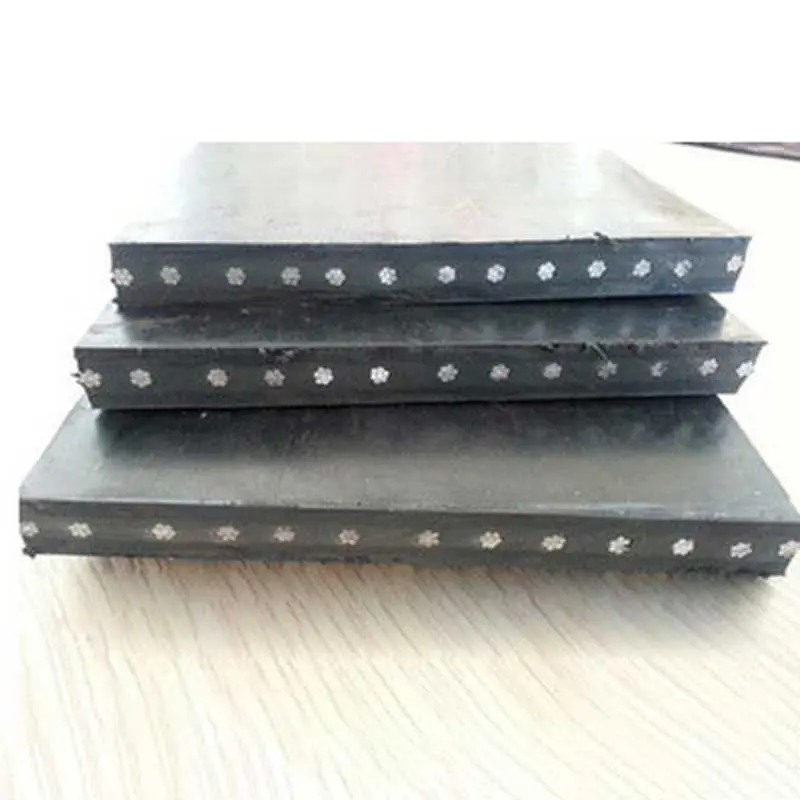
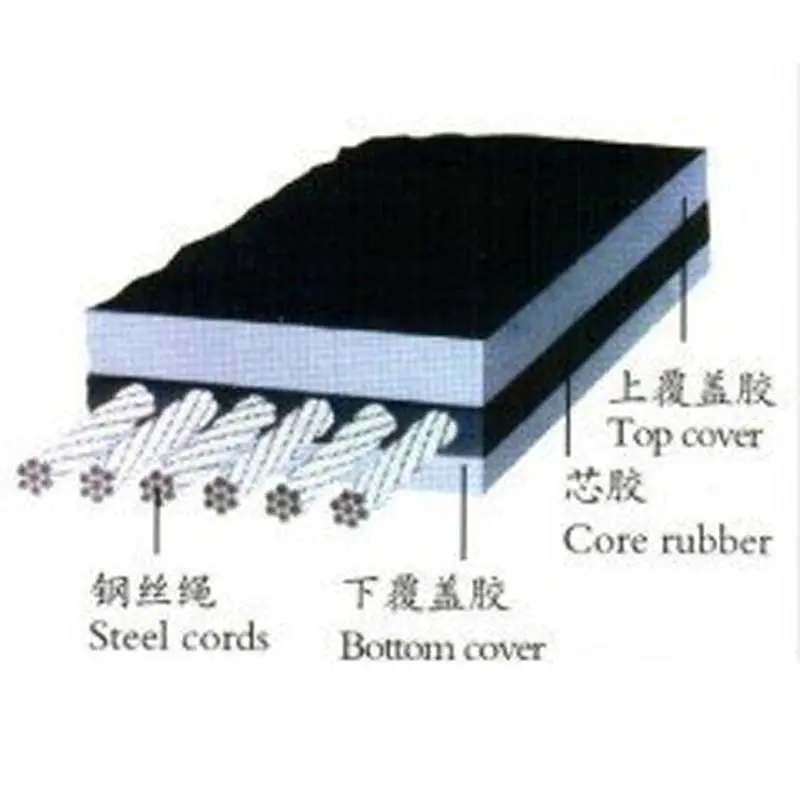
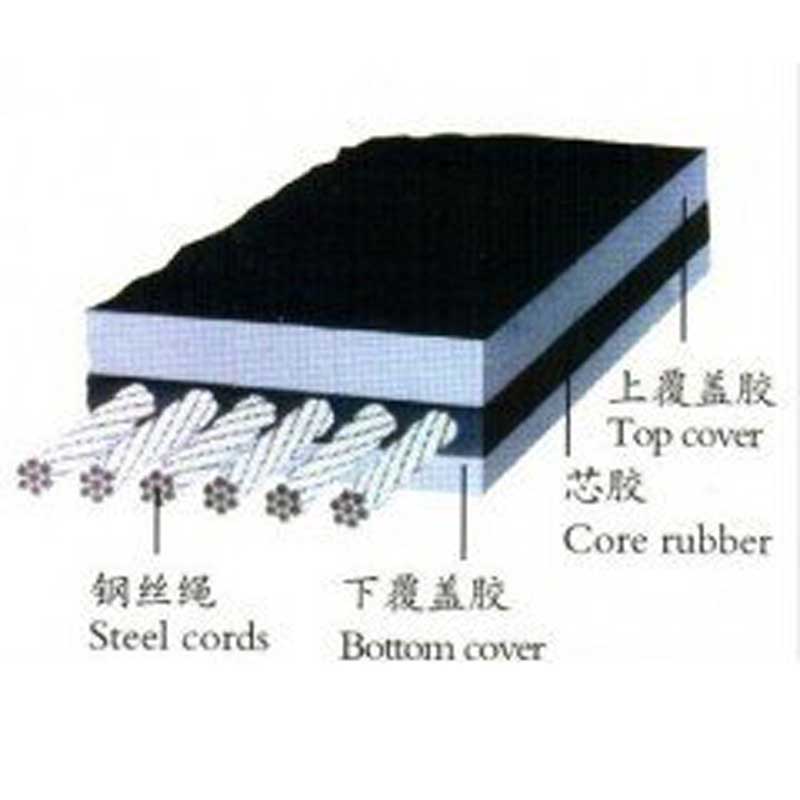
Adopting a new type of structural steel wire rope as the tensile body, it has high tensile strength, low elongation, good groove forming ability, and good bending flexibility, suitable for long-distance, high-capacity, and high-speed material transportation.
The core adhesive has sufficient penetration space to enter between each strand, and the bonding strength between rubber and steel wire rope is high, with good rust resistance, alleviating mutual shear and twisting between strands, and excellent dynamic fatigue resistance, giving the product a longer service life.
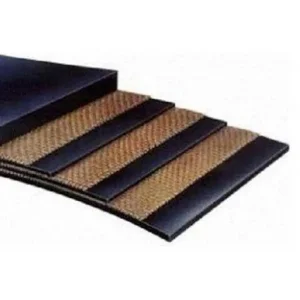
Structure: A new type of steel wire rope is used as the tensile body, with one or both sides perpendicular to the longitudinal steel wire rope, and reinforcement layers such as steel wire rope, steel wire cord, fiber rope, and fiber fabric evenly laid horizontally.
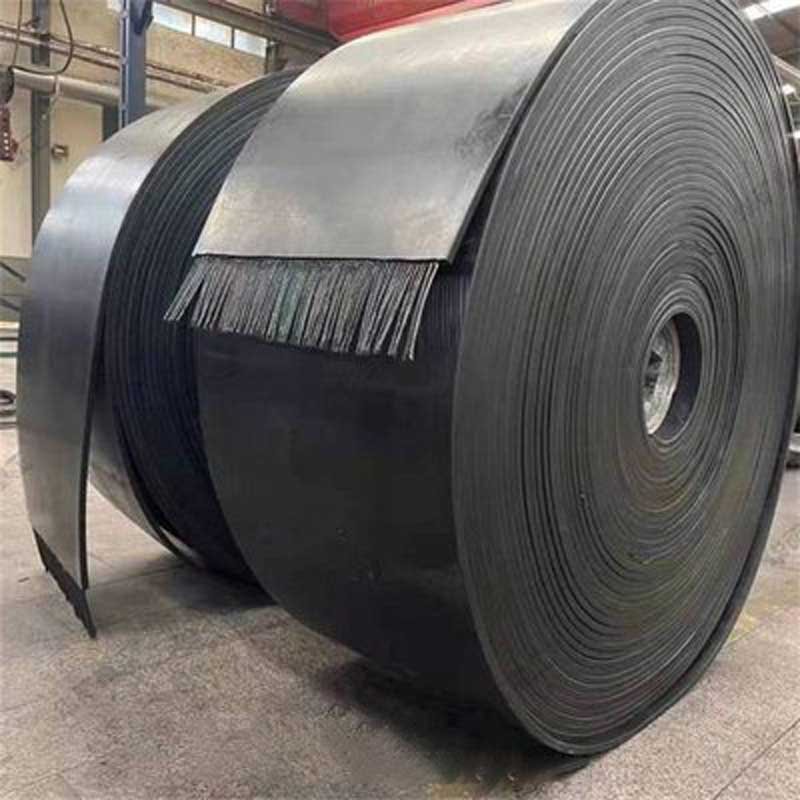
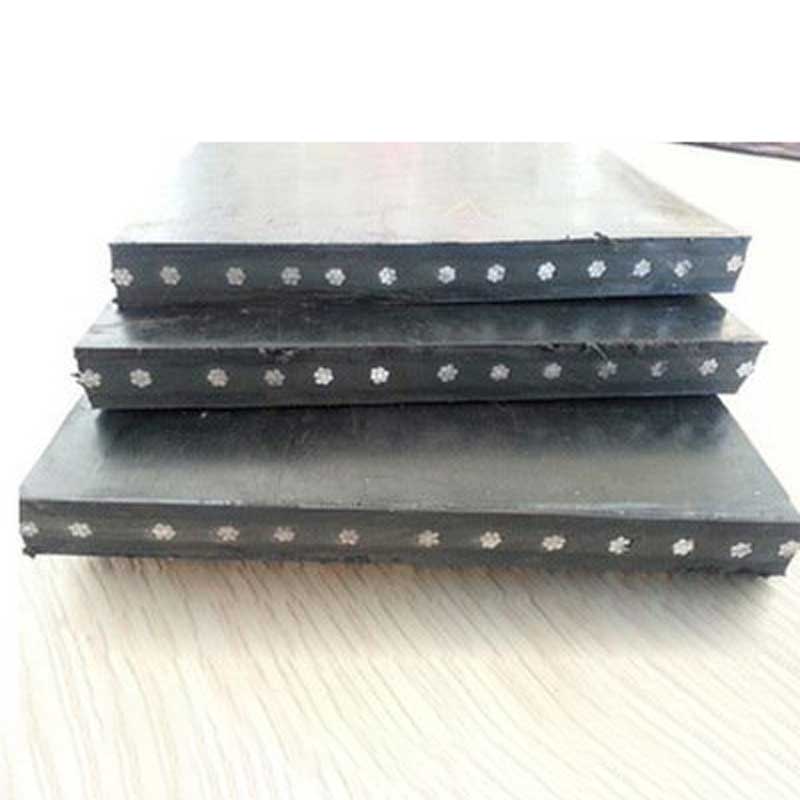
High Tensile Strength: Suitable for single machine large-span and long-distance material transportation.
High Adhesion Strength Between Rubber and Steel Wire Rope: The surface of the steel wire rope is galvanized, and a rubber material with excellent adhesion performance to the steel wire rope is used, which has high adhesion strength to the steel wire rope, impact resistance, no falling off, and long service life.
Uniform Tension of Steel Wire Rope: Adopting advanced manufacturing technology, the steel wire rope is arranged evenly, with consistent tension, smooth operation, and less likely to deviate.
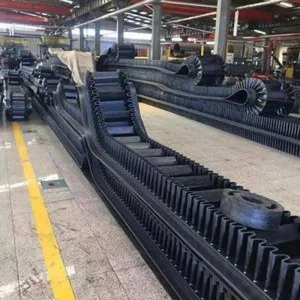
Good Grooving Ability: The belt is soft and easy to form deep grooves, with a large amount of materials to be transported and less likely to scatter.
Small Diameter of Transmission Spoke: The belt core is composed of a layer of longitudinally arranged steel wire rope as the skeleton, which has excellent resistance to bending and fatigue performance. It can be configured with smaller diameter wheels, making the belt conveyor equipment compact.
Low Elongation in Use: The belt conveyor requires a short tightening stroke.
X-ray inspection can be used to prevent safety accidents.
A steel wire rope core conveyor belt uses steel wire ropes as the tensile body embedded within a rubber belt. It is designed for long-distance, high-capacity, and high-speed material transportation, commonly used in mining, port, cement, and power industries.
A standard steel wire rope core conveyor belt uses longitudinal steel wire ropes as the tensile body. A tear-resistant (horizontally reinforced) version adds additional reinforcement layers — such as steel wire rope, steel wire cord, fiber rope, or fiber fabric — laid horizontally on one or both sides, providing superior resistance to transverse tearing.
Good rubber penetration ensures the core adhesive fills the spaces between each strand of the steel wire rope, creating a strong bond. This improves rust resistance, reduces shear and twisting between strands, enhances dynamic fatigue resistance, and significantly extends the service life of the belt.
X-ray inspection technology can be used to detect internal damage, broken wires, or structural abnormalities within the belt without disassembly. This is a key safety measure to prevent accidents during operation.
Steel wire rope core conveyor belts offer significantly higher tensile strength, much lower elongation, better groove-forming capability, longer service life, and the ability to span longer distances with fewer support structures compared to traditional fabric conveyor belts.
The surface of the steel wire rope is galvanized, and a specially formulated rubber material with excellent adhesion properties is used. This combination ensures high bonding strength between the rubber and the steel wire rope, providing impact resistance and preventing the rubber from detaching during use.