Premium industrial belts manufactured by Hebei Boao Rubber Technology to the highest safety and wear standards.
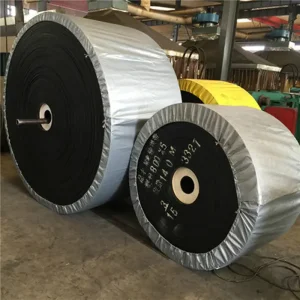
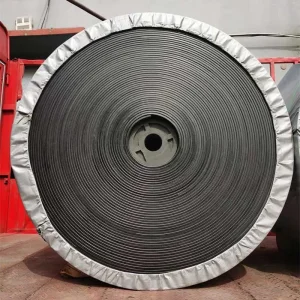
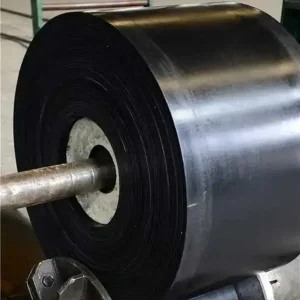
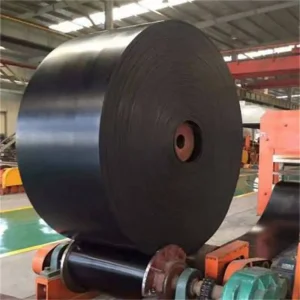
Expert insights into structural durability, skim coats, and mechanical distribution in bulk material transport.
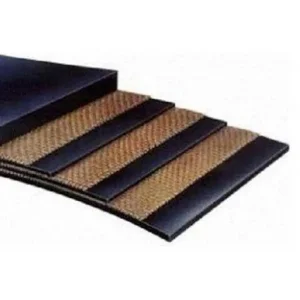
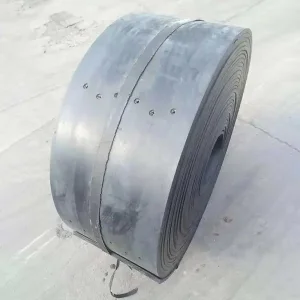
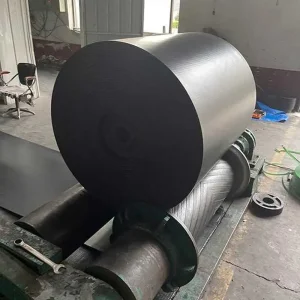
In modern industrial applications, heavy-duty bulk material transport is dominated by multi-ply fabric-reinforced conveyor systems, colloquially termed **layered conveyor belts**. The foundational engineering of a layered conveyor belt is designed to solve a complex mechanical problem: transmitting high tensile forces over long distances while remaining flexible enough to conform to troughing idlers and negotiate drive pulleys. Unlike single-ply or steel cord variations, layered or multi-ply belts utilize a sandwich structure containing layers of synthetic fabrics, bound together by specialized rubber compounds. This architecture is vital for minimizing downtime in mining operations, cement kilns, steel mills, and agricultural processing facilities.
The primary core layers, known as the plies, are typically constructed using either Nylon (NN - Polyamide/Polyamide) or EP (Polyester-Nylon) fabrics. The warp threads (running lengthwise along the belt) absorb the dynamic tension, while the weft threads (running crosswise) govern the impact absorption capacity, flexibility, and mechanical fastener holding strength. In an EP conveyor belt, polyester warp fibers provide low elongation properties, ensuring minimal take-up adjustment distances—ideal for long-distance transport. Polyamide weft fibers, on the other hand, provide excellent troughing characteristics. In contrast, NN (Nylon/Nylon) belts offer outstanding flexibility and elastic resilience, making them the default choice for heavy impact and high curvature configurations.
To maximize interfacial adhesion between these fabric plies and prevent delamination under continuous bending stresses, chemical skim coats (rubber formulation bounds) are calendered between every layer. This elastic interface distributes localized impact stresses horizontally across the carcass, preventing single points of failure. The external layers of the belt, or the cover rubbers, are specialized polymer matrices formulated to protect the internal skeleton from thermal shock, chemical corrosion, tearing, and mechanical wear. As a premier **layered conveyor belt factory**, Hebei Boao Rubber Technology utilizes customized elastomer recipes to guarantee these properties under rigorous field environments.
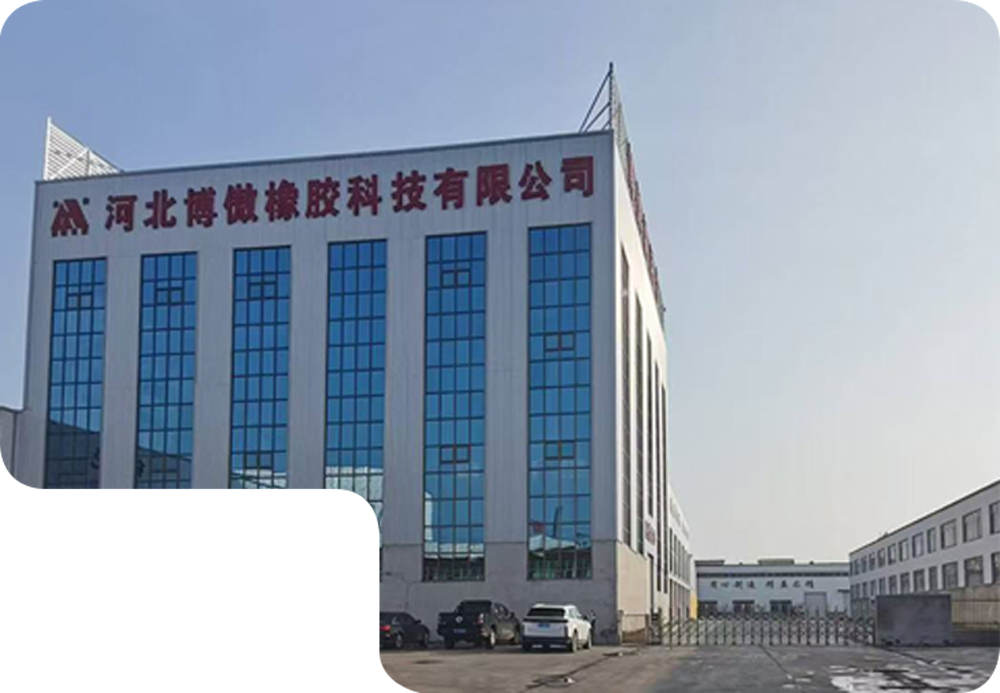
Founded in 2004, Hebei Boao Rubber Technology Co., Ltd. has established itself as an industry leader in heavy-duty conveyor solutions. Located within the Boye County Rubber Industrial Park in Baoding, Hebei Province, our facilities span more than 30 acres of advanced manufacturing space. Under our flagship brand, **"Jinao"**, we provide an end-to-end service cycle including product development, scientific research, component design, vulcanization manufacturing, and global post-sales engineering support.
Our competitive advantage is rooted in complete supply chain and production control. Our infrastructure houses multiple continuous rolling, calendering, molding, and press-vulcanization lines. We execute rigorous QA protocols via our independent chemical analysis department and physical material testing laboratories. We perform real-time verification at every phase—from raw polymer evaluation to carcass adhesion monitoring and final finished product tensile testing. We strictly adhere to the operational mandate: **unqualified raw materials do not enter production, and non-conforming finished products do not leave the factory.** This absolute standard underpins our reputation for reliability among international operators.
We source premium natural rubber and high-tenacity, low-shrinkage polyester/nylon yarns from certified global vendors. All raw material batches undergo chemical analysis for purity and consistency prior to compounding.
Utilizing high-precision platen and Rotocure vulcanization machinery, we ensure uniform temperature and pressure distributions across the entire surface profile, preventing micro-voids and local weak spots.
Our physical testing laboratory is equipped with advanced tensile testing apparatuses, DIN abrasion testers, ozone degradation chambers, and heat-aging ovens to simulate extreme lifecycle conditions.
How state-of-the-art automation and regional supply ecosystems provide unmatched price-to-performance metrics.
The global bulk material handling market demands highly reliable components delivered on strict schedules. Under the framework of **China Factory 4.0**, factories like Hebei Boao Rubber Technology have transformed traditional rubber production into highly optimized, automated, and digitalized ecosystems. By utilizing closed-loop internal mixers, automated chemical batching systems, and laser-guided ply alignment calenders, human error in compounding and layup is virtually eliminated. This level of process repeatability ensures that a multi-ply belt produced today displays identical mechanical and chemical properties to one manufactured several months prior.
Furthermore, being situated in the industrial heartland of Hebei Province provides major supply chain advantages. Our proximity to domestic raw material suppliers—including specialized steel manufacturers, synthetic fabric weavers, carbon black suppliers, and rubber tree processing hubs—secures a constant reserve of critical feedstocks. This geographical advantage shields global buyers from wild pricing fluctuations and supply delays. In times of global supply chain disruptions, Boao's integrated operations guarantee consistent production capacity, providing international EPC (Engineering, Procurement, and Construction) companies and mine operators with predictable lead times and reliable project scheduling.
| Belt Material Grade / Fabric Code | Tensile Strength (N/mm) | Elongation at Break (%) | Temperature Resistance Range | Key Applications |
|---|---|---|---|---|
| EP 100 - EP 400 (Multi-ply) | 100 - 2000 N/mm | ≤ 1.5% (Elongation at reference load) | -20°C to +60°C | General bulk handling, aggregates, gravel, sands, and port terminals. |
| NN 100 - NN 400 (High-Impact) | 100 - 2400 N/mm | ≤ 2.5% (High elastic modulus) | -30°C to +80°C | Heavy mining, limestone crushing, hard rock quarries, and high-impact drop zones. |
| Heat Resistant (T1, T2, T3) | Up to 1800 N/mm | ≤ 2.0% | -10°C to +200°C (Peaks up to 250°C) | Cement clinker handling, sintering plants, slag processing, and chemical fertilizers. |
| Acid & Alkali Resistant | Up to 1600 N/mm | ≤ 1.8% | -15°C to +80°C | Chemical manufacturing, phosphate processing, waste management, and pulp mills. |
| Cold Resistant (C1, C2) | Up to 2000 N/mm | ≤ 2.0% | -50°C to +50°C | Arctic mining, high-altitude open-pit operations, and extreme winter zones. |
Proof of performance: how Boao conveyor systems optimize output in heavy industrial operations.
A conveyor belt is not just an isolated component; it is the vital link in an enterprise's production flow. Our engineering team designs macro-level solutions that integrate seamlessly with advanced conveyor structures (troughing idlers, impact cradles, magnetic separators, and tracking devices). By developing custom formulations, we address specific industrial pain points, such as localized wear from sharp aggregate fall or severe chemical degradation from phosphate exposure. This systematic approach significantly extends the operating life of the belt, reducing maintenance overhead and maximizing throughput.
High-Temperature Sinter & Slag Operations - Engineered Heat Resistant Belts
Nickel Mining & Processing - Heavy-Duty Impact Resistant Multi-Ply Systems
Underground Mining Trunk Line - Flame Retardant & Antistatic NN Belting
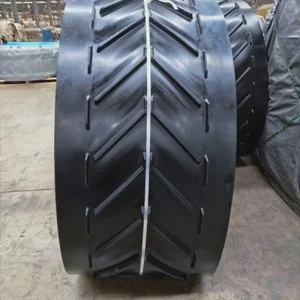
Precision Batching Systems - Chevron Patterned & Cleated Conveyor Belting
Clinker Transport Line - EP Heat Resistant System Upgrades
Bulk Handling and Crushing Stations - Optimized Energy Saving Rubber Compound Belts
Maximizing belt service life through preventative maintenance, splice engineering, and material management.
A conveyor belt's service life is determined not only by its initial manufacturing quality, but also by how it is installed, tensioned, and maintained. At Boao, we support our clients with a comprehensive **Technical Service Blueprint**. This framework is designed to remove the complexity of handling multiple suppliers, providing all belt diagnostics, splice kits, and mechanical accessory solutions from a single, reliable source.
We work closely with client engineering teams to implement predictive maintenance programs. This includes regular inspections of the belt's thickness, surface tracking, and splice integrity. When a belt requires replacement or splicing, we provide detailed instructions and materials for both hot vulcanization (which utilizes matching uncured skim and cover stock to ensure up to 90% strength retention at the splice joint) and cold adhesive bonding. Additionally, we assist with stocking strategies, ensuring that critical replacement belts are stored in optimal conditions (controlled humidity, away from direct UV exposure, and suspended to prevent core deformation) to protect your investment before installation.
We provide comprehensive lifecycle support: planned replacement, splice engineering, regular system inspections, and emergency technical troubleshooting to keep your production running smoothly.
Our support covers everything from matching compound selection and customized thickness profiles to safety stock optimization and training for local maintenance crews.
Our main objective is to reduce operational wear, lower energy consumption across the drive motor systems, and increase overall MTBF (Mean Time Between Failures).
Next-generation R&D paths: ultra-low rolling resistance, bio-elastomers, and integrated smart sensors.
At Hebei Boao Rubber Technology, we design our products with future industrial requirements in mind. Our research division focuses on two major areas: carbon footprint reduction and smart sensor integration. In terms of material science, we are actively developing and testing **Ultra-Low Rolling Resistance (ULRR)** bottom cover compounds. In heavy conveyor installations, a significant portion of energy consumption comes from the continuous indentation deformation of the rubber cover as it passes over the idler rollers. By modifying the rubber's viscoelastic properties and reducing indentation energy loss, ULRR compounds can reduce total conveyor system power demands by up to 15%, lowering energy costs and carbon emissions.
Additionally, we are exploring the integration of IoT-enabled wear diagnostic sensors within our high-tensile multi-ply belts. By embedding durable RFID chips or continuous conductive loop threads directly into the skim layers, operators can monitor belt tracking, wear, and structural integrity in real time. This allows the system to automatically signal control panels to pause operations in the event of a rip or tear, preventing costly downtime. These advancements, combined with our ongoing research into bio-sourced polymers and recycled reinforcing fibers, position Hebei Boao at the cutting edge of industrial conveying technology.
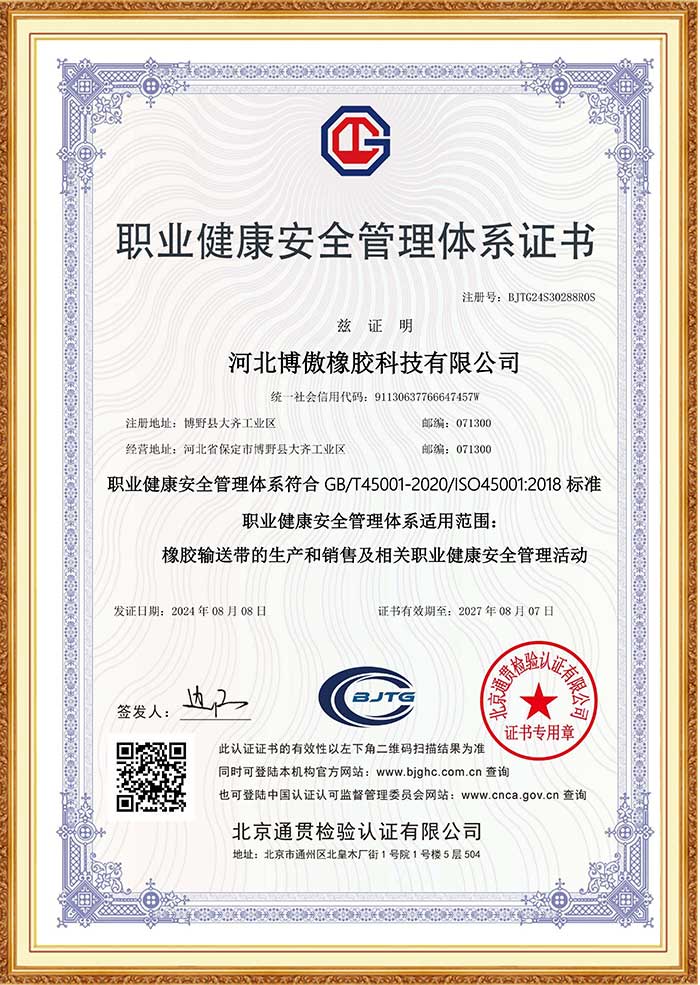
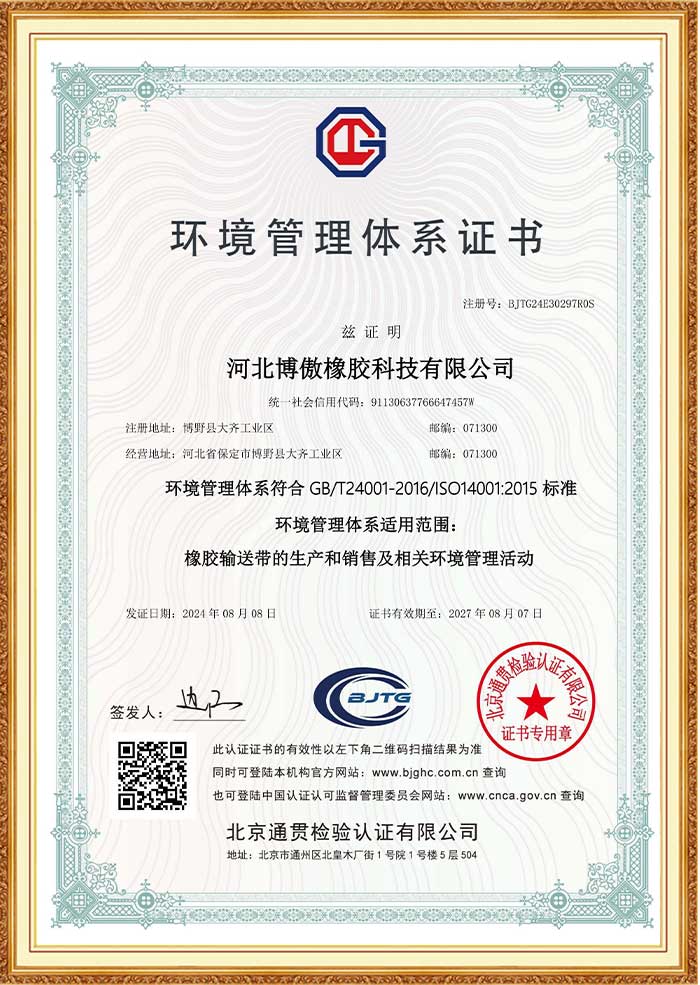
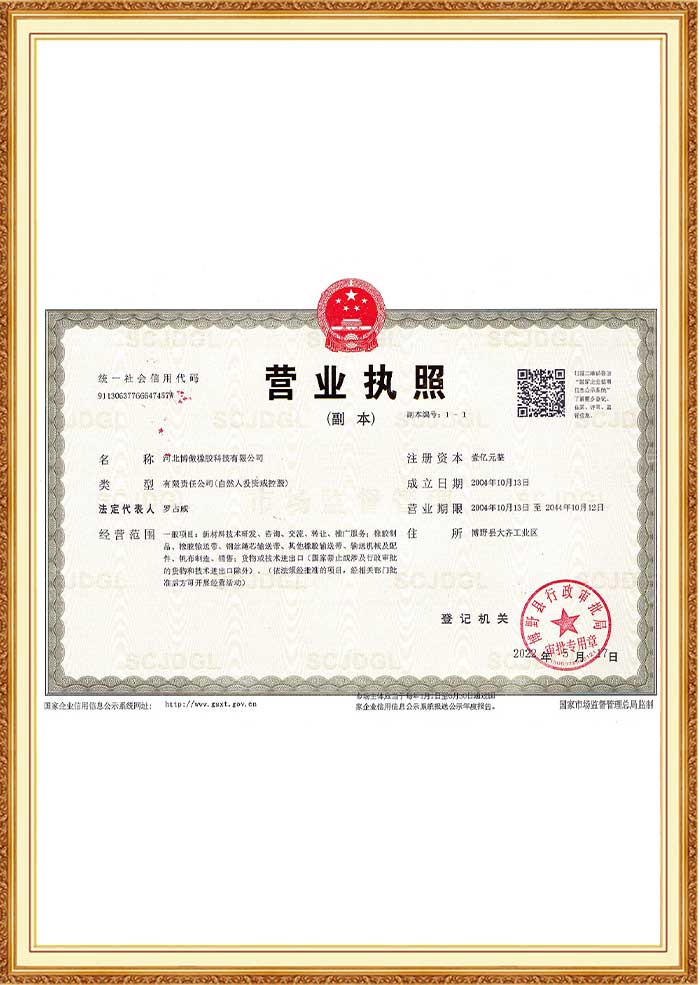
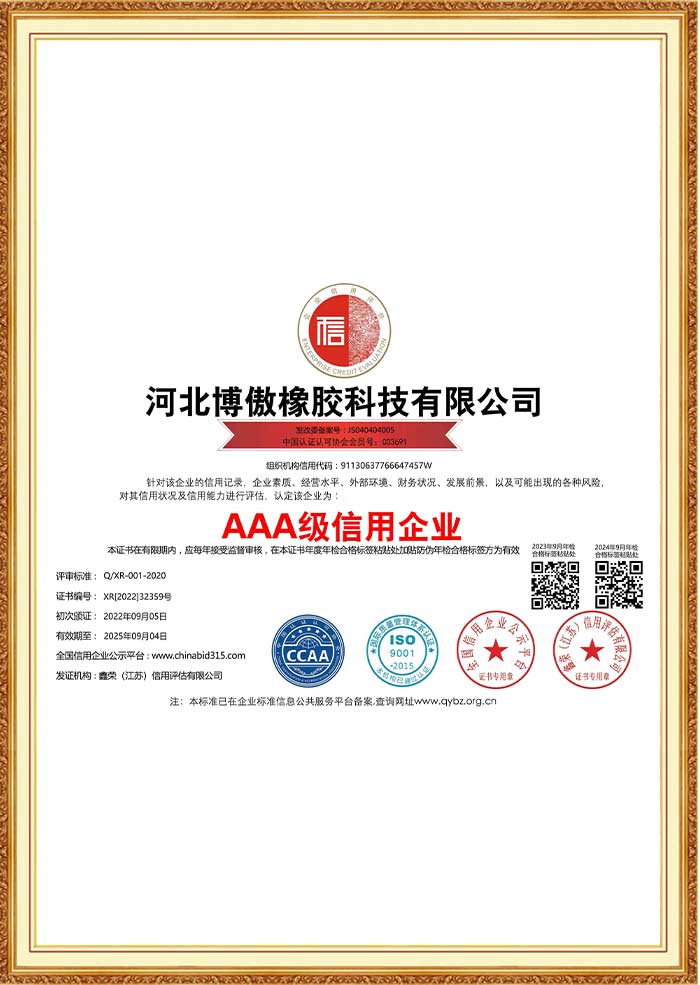
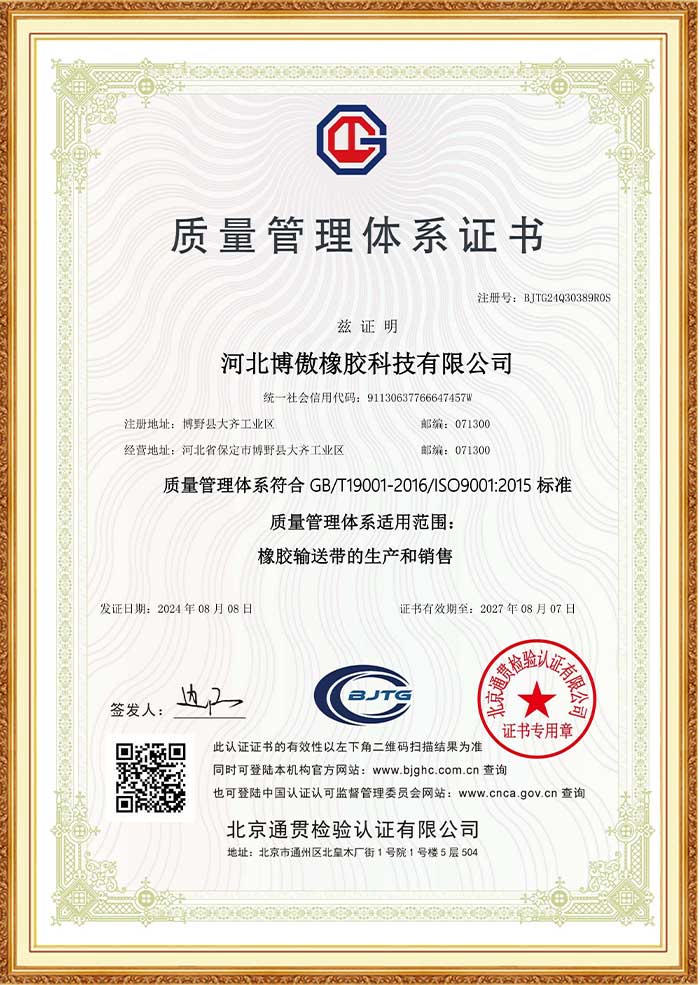
Certified proof of manufacturing quality, showing our compliance with global heavy-duty engineering standards.
Direct answers from our senior application engineers on material selection, design criteria, and life-extension protocols.
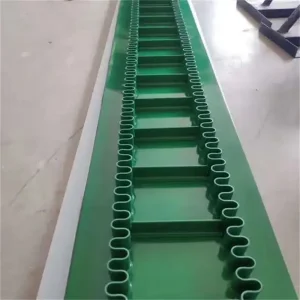
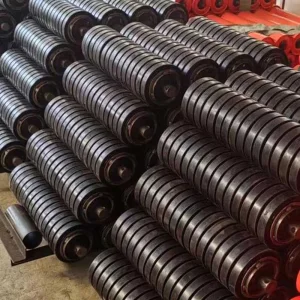
Explore our specialized range of fabric, steel-reinforced, and patterned belts built for extreme industrial applications.
Provide your system's operational requirements (belt length, width, material handled, and peak temperature) to receive a detailed engineering recommendation from our technical team within 24 hours.
 Boao Rubber