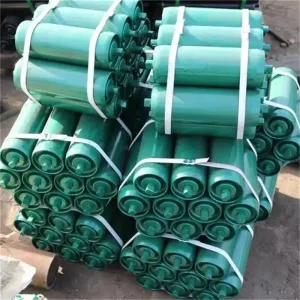
China Suppliers Factory - High-Quality Conveyor Trough-Type Idler Rollers for Efficient Material Handling

,

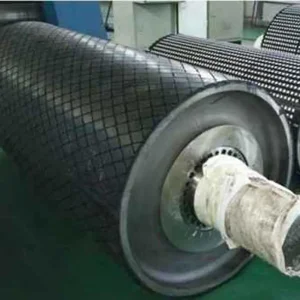
The conveyor drum is an essential component in conveyor systems, designed to support and guide conveyor belts or chains for the efficient movement of materials. With varying driving methods, conveyor rollers are categorized into powered roller conveyors and unpowered roller conveyors, catering to different operational needs.

,

Powered drum conveyors utilize electric motors to rotate the drums, effectively driving the conveyor belt or chain. These conveyors are ideal for scenarios demanding high conveying speeds and substantial load capacities. Their key benefits include high efficiency, stable operation, and strong adaptability, making them a preferred choice among manufacturers and suppliers in China.

,

On the other hand, non-powered drum conveyors operate using the weight of the material or external thrust to rotate the drums. This makes them suitable for transporting lightweight materials or in applications where energy savings are critical. The advantages of non-powered conveyors include a simple structure, easy maintenance, and cost-effectiveness, making them a valuable option from factories looking to optimize their operations.

,

Product Description

Introduction to Drum
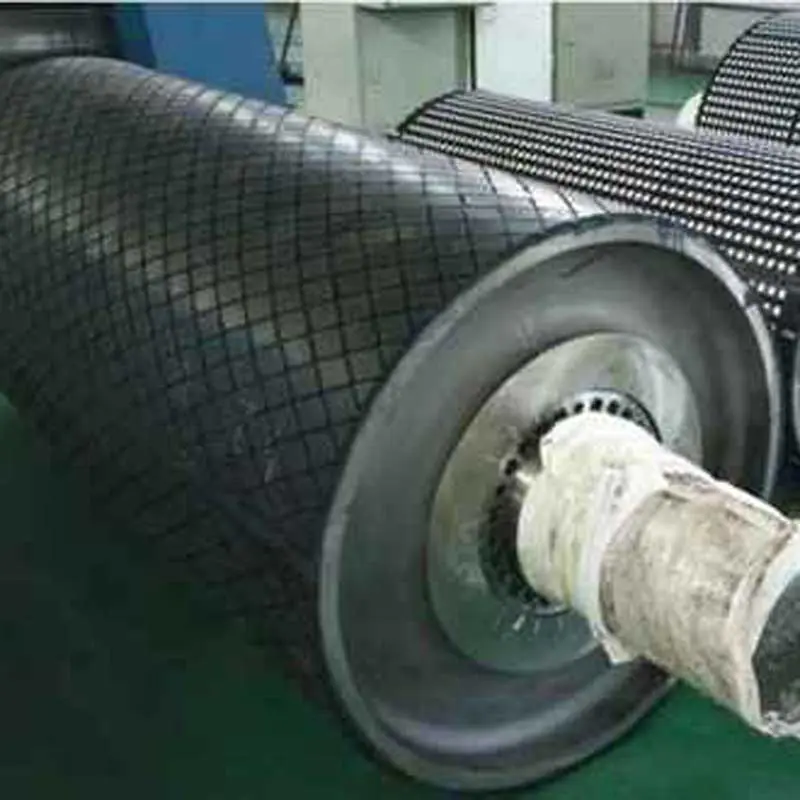
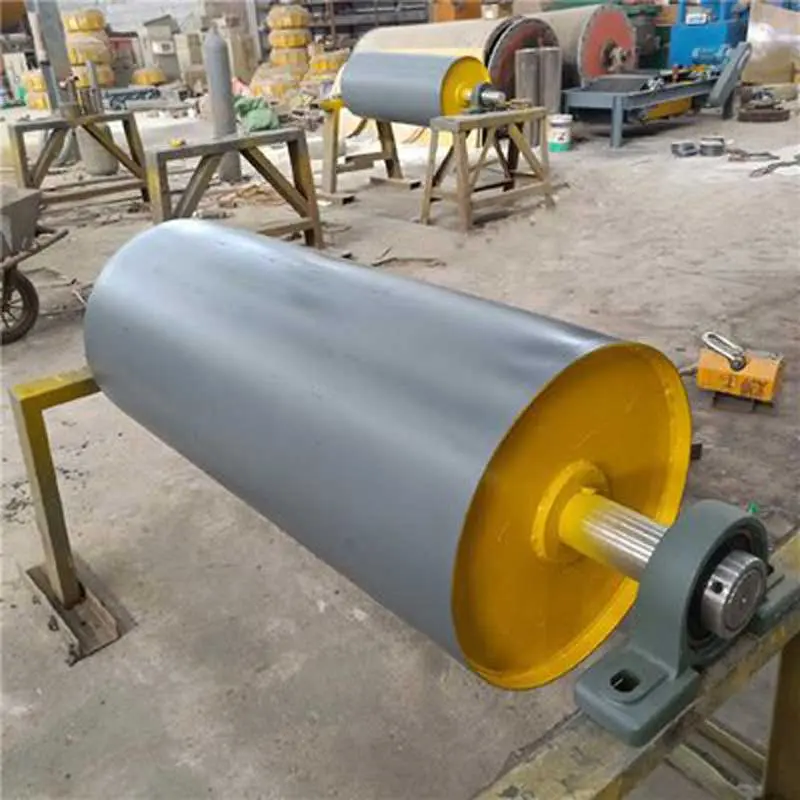
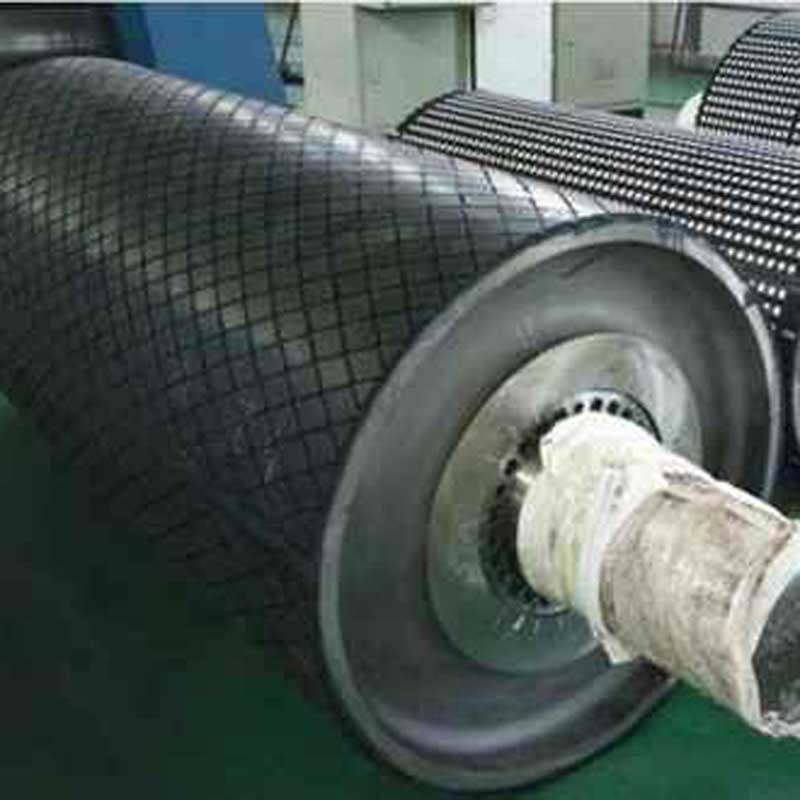
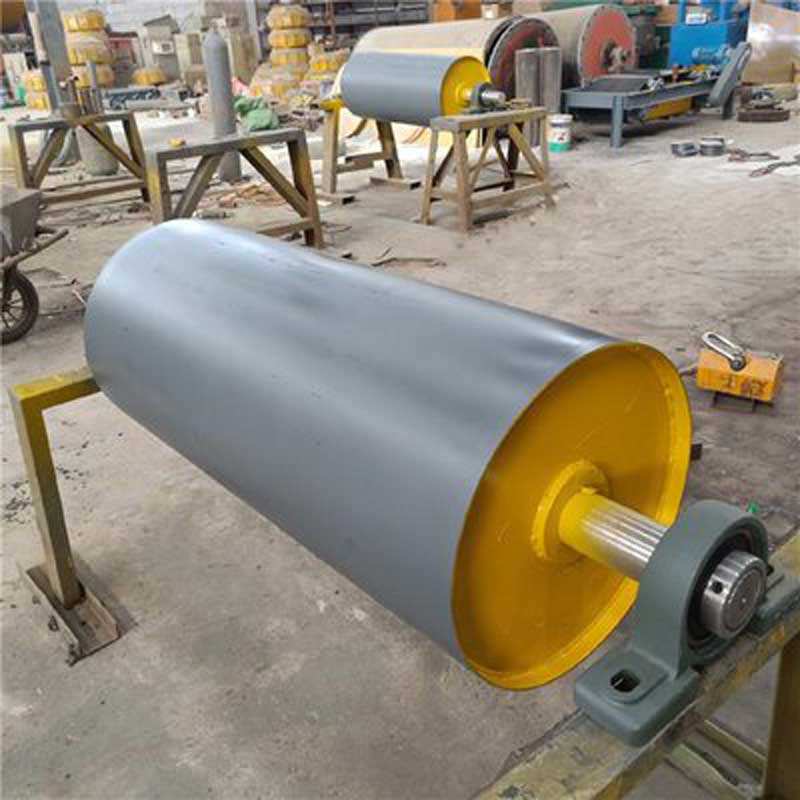
Conveyor drum is a cylindrical conveying accessory, divided into driving drum (transmission drum) and driven drum. These rollers play a crucial role in various mechanical equipment, including circular screen printing machines, digital printers, conveying equipment, papermaking and packaging machinery, etc.
Rollers are usually made of seamless steel pipes, but other materials such as aluminum alloy 6061T5, 304L/316L stainless steel, 2205 duplex stainless steel, cast steel parts, or solid forged alloy steel cores can also be used according to different process requirements. The selection of these materials depends on the specific application environment and performance requirements.
conveyor-drum1
conveyor-drum2
Key Selection Points
Frame Material

The selection of frame material is crucial. Common rack materials include carbon steel, aluminum profiles, and stainless steel. For the food industry, it is recommended to prioritize choosing a fully stainless steel body to ensure hygiene and corrosion resistance.
Drum Material

The material of the drum needs to be determined according to specific requirements. Optional materials include carbon steel galvanized, chrome plated, nickel plated, cast adhesive (encapsulated), stainless steel, and steel plastic steel. Different materials are suitable for different working environments and material characteristics.
Surface Treatment

The carbon steel body can be treated with spraying, plastic spraying, or baking paint, while the stainless steel body can be treated with mirror polishing, matte, sandblasting, or wire drawing to meet different aesthetic and protective requirements.
Load Capacity

The material and model of the drum should be determined primarily based on the load capacity. This helps ensure the stability and safety of the conveyor during operation.
Food Industry Requirements

For the food industry, in addition to choosing a fully stainless steel body, stainless steel rollers should also be prioritized to further ensure food safety and equipment cleanliness.
Height Configuration

Normally, the top height of the conveyor drum is slightly lower than the side height of the machine body. However, if there are special requirements, the height of the side of the body can also be set to be higher than or equal to the height of the top of the drum, and side shields, edges, or guardrails can be installed as needed.
Inquiry Information

When inquiring and selecting, users should provide detailed requirement information as much as possible, including material name, material properties, packaging size, machine material, approximate size, speed, and conveying capacity, so that manufacturers can provide the most suitable solution.
Frequently Asked Questions (FAQ)
Q
What is the difference between a driving drum and a driven drum?
A driving drum (also called a transmission drum) is connected to a motor or power source and is responsible for driving the conveyor belt or system. A driven drum, on the other hand, rotates passively due to the movement of the belt and is primarily used to support and guide the belt at the return end.
Q
What materials are commonly used for conveyor drums?
Conveyor drums are commonly made from seamless steel pipes, but other materials such as aluminum alloy 6061T5, 304L/316L stainless steel, 2205 duplex stainless steel, cast steel parts, and solid forged alloy steel cores can also be used depending on the specific application environment and performance requirements.
Q
Which drum material is recommended for food industry applications?
For food industry applications, it is strongly recommended to use a fully stainless steel body along with stainless steel rollers. This ensures compliance with hygiene standards, resistance to corrosion, and ease of cleaning to maintain food safety.
Q
What surface treatment options are available for conveyor drums?
For carbon steel drums, common surface treatments include spraying, plastic spraying, and baking paint. For stainless steel drums, options include mirror polishing, matte finish, sandblasting, and wire drawing. The choice depends on both aesthetic preferences and the level of protection required by the working environment.
Q
How do I determine the right drum model based on load capacity?
The drum material and model should be selected primarily based on the anticipated load capacity of your conveyor system. It is advisable to provide manufacturers with detailed specifications — including material name, material properties, packaging dimensions, machine material, approximate size, operating speed, and conveying capacity — so they can recommend the most suitable drum model.
Q
Can the height configuration of the conveyor drum be customized?
Yes. While the standard configuration has the top height of the conveyor drum slightly lower than the side height of the machine body, custom configurations are possible. The side height can be set equal to or higher than the drum top height, and additional accessories such as side shields, edges, or guardrails can be installed to meet specific operational or safety requirements.

Related Products