 Boao Rubber
1 / 2
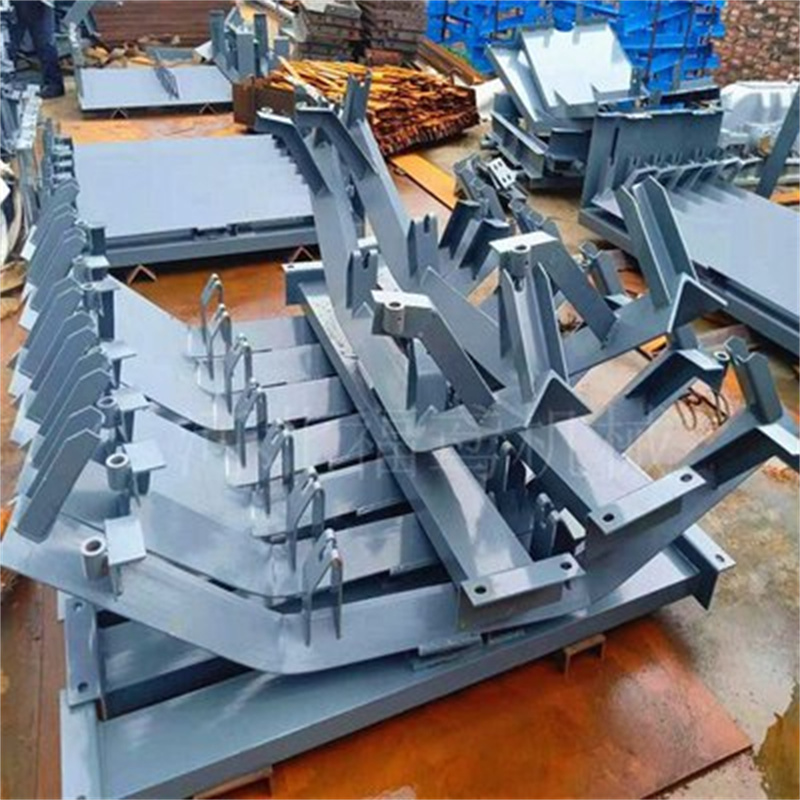
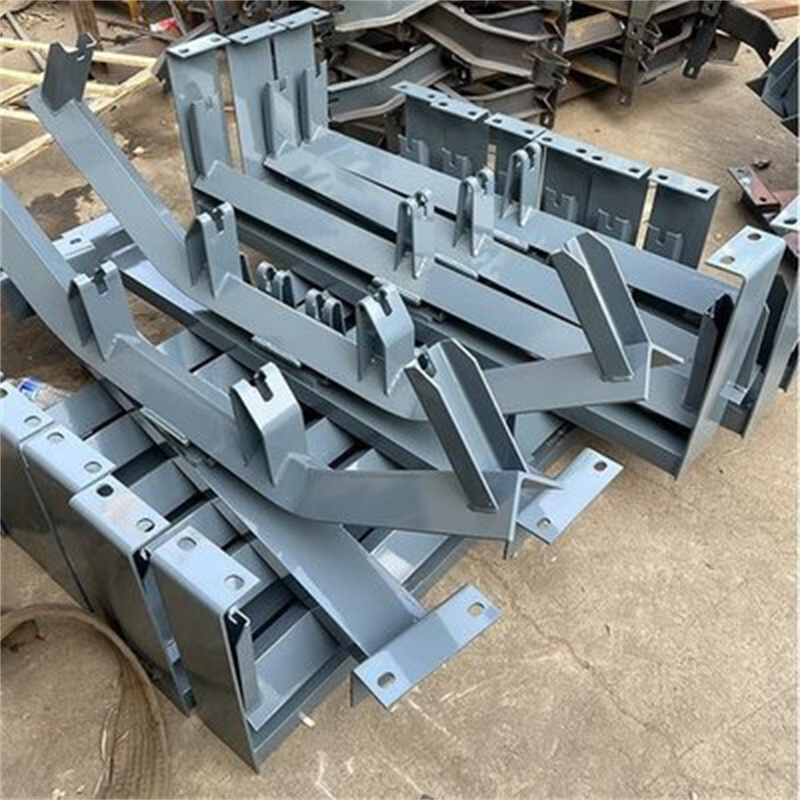
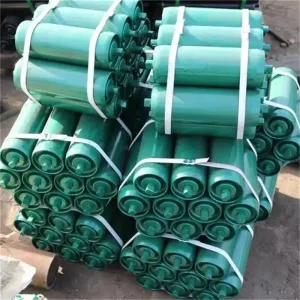
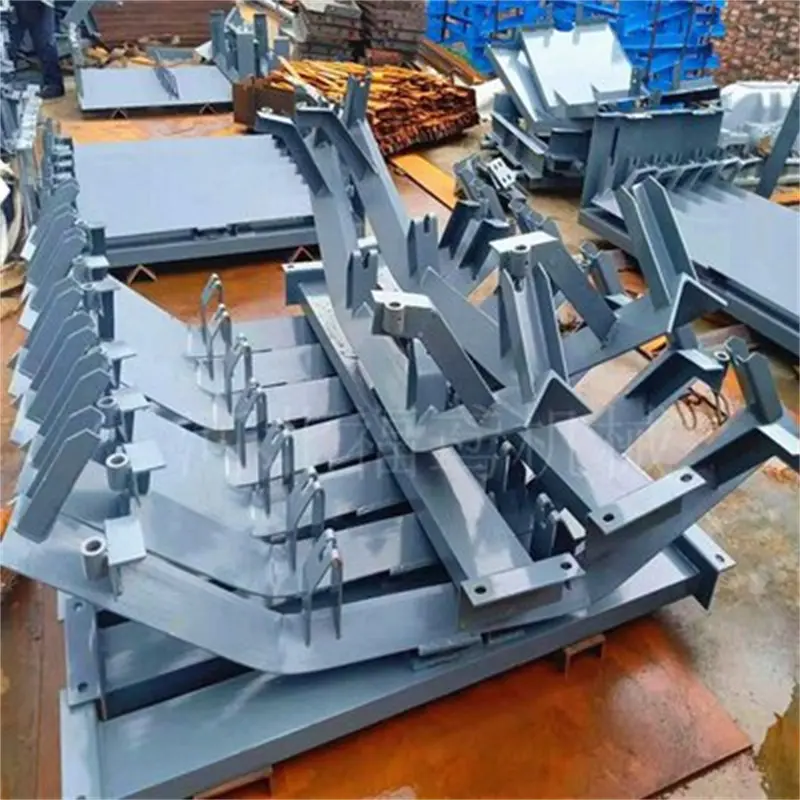
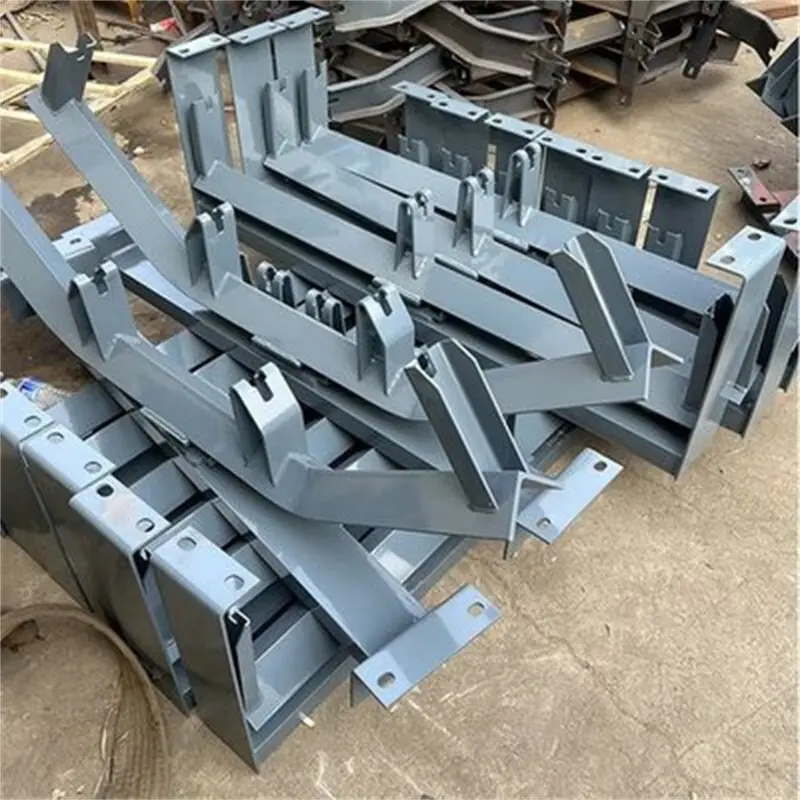
Conveyor supports are a crucial component of conveyor systems, used to support and secure the various parts of the conveyor, ensuring stable operation.
To support the various parts of the conveyor, ensuring its stable operation; adjustable in height to create horizontal or inclined conveying surfaces; its load-bearing capacity must exceed the sum of the weight of the conveyor components and the conveyed items to ensure safe system operation.
Common materials include steel, aluminum alloy, wood, and plastic. Steel supports are high-strength and impact-resistant, suitable for heavy industrial applications; aluminum alloy supports are lightweight and corrosion-resistant, commonly used in the food and pharmaceutical industries; wooden supports are low-cost and easy to process, suitable for light loads or temporary systems; plastic supports are water-resistant and chemically resistant, often used in special environments.
Structures include C-shaped steel, square/rectangular tubing, etc. C-shaped steel is an open structure, easy to install and adjust; square/rectangular tubing is a closed structure, with strong torsional resistance, suitable for long-span support. Additionally, there are truss structures, which distribute loads and reduce resonance during long-distance conveying.
Based on mobility, supports can be divided into fixed and mobile supports. Fixed supports are typically bolted to the ground, providing stable support; mobile supports are equipped with casters for easy movement and are suitable for temporary or frequently repositioned applications.
Based on application, supports can be divided into standard supports and driven supports. Standard supports are used for general support; driven supports add a support structure at the drive end to ensure the stability of the drive section.
These include the support's span, height, and load-bearing capacity. The support span is related to the load and needs to be designed based on specific load and material allowable stress parameters to ensure the support's strength and stability.