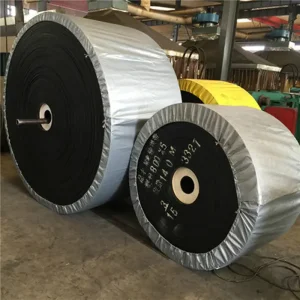
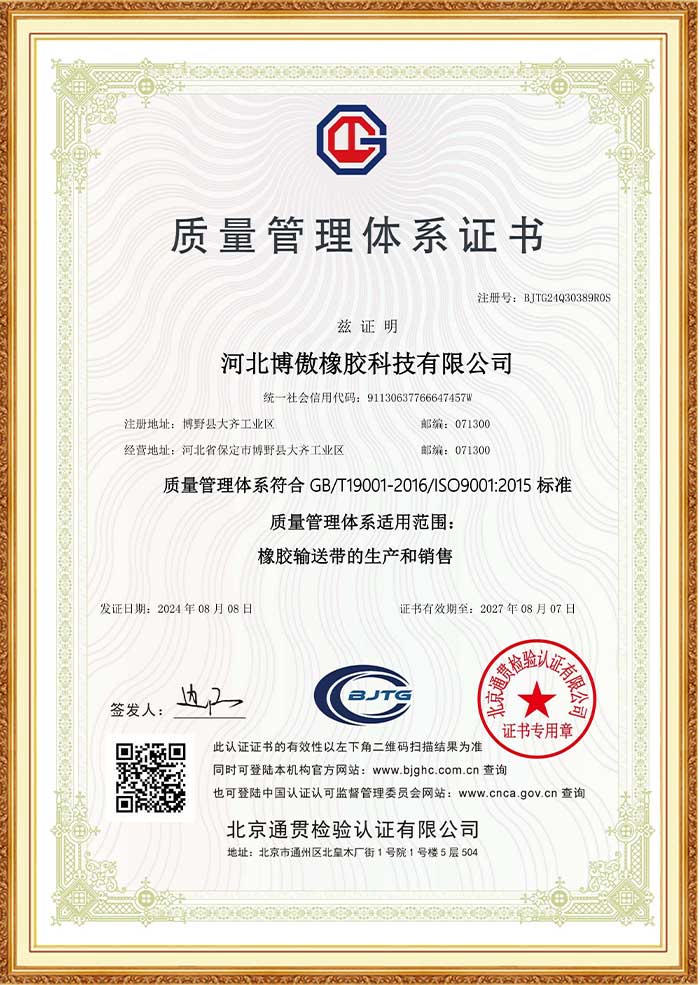
Established in 2004, Hebei Boao Rubber Technology Co., Ltd. has spent over two decades developing high-performance elastomeric transportation solutions. Situated within the sprawling Rubber Industrial Park of Boye County, Baoding, Hebei Province, our modern production facility spans more than 30 acres. Through rigorous engineering, research and development, and a customer-first approach, we have earned international certifications for our manufacturing infrastructure, securing ISO 9001 and industry-specific safety credentials for heavy bulk industrial applications.
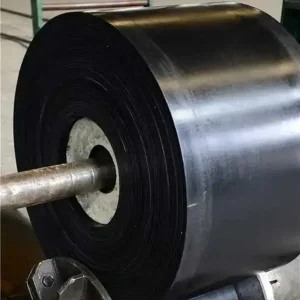
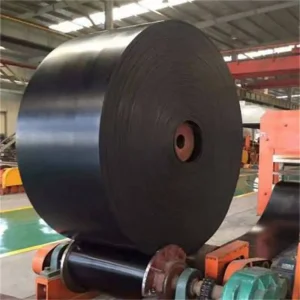
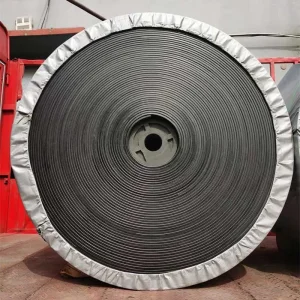
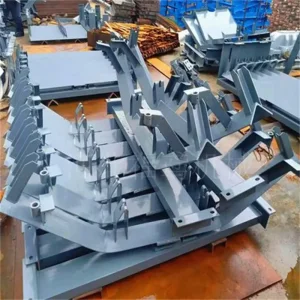
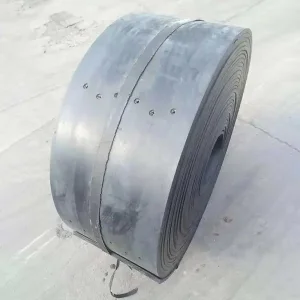
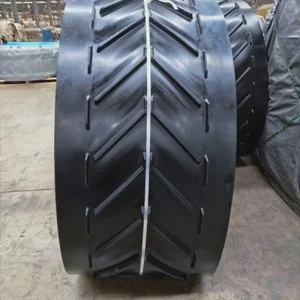
Our signature brand, "Jinao", represents heavy-duty reliability. We supply fully integrated conveyor systems, including EP, NN, steel cord conveyor belts, specialized heat-resistant, cold-resistant, acid-resistant, and corrugated sidewall variants, as well as crucial material-handling components such as trough-type idler rollers, ceramic rollers, and structural steel brackets. Our vertically integrated production model runs from raw material compounding through chemical analysis, physical properties testing, and high-pressure vulcanization.
In structural material handling, the edge of a conveyor belt is its most vulnerable region. Industrial tracking systems, misalignment errors, and material contact constantly subject the edge to transverse shear forces and severe abrasion. Without engineered edge reinforcement, standard belts undergo rapid delamination, where moisture penetrates the internal textile plies (EP/NN) or corrodes the internal steel wire rope core.
From a physics perspective, conveyor belt systems utilize three-roll or five-roll trough configurations to maximize cross-sectional material load. The transition zone (where the belt moves from flat pulley state to troughed state) puts extreme strain on the edges. Edge elongation occurs dynamically. If the edge rubber lacks high elasticity and tensile strength, microscopic fissures develop. Our research at Hebei Boao Rubber Technology focuses on formulating proprietary rubber blends that balance hard wear resistance with dynamic flexibility, ensuring the edge remains structurally sound even under high-frequency load transitions.
Our facility features an independent chemical analysis room and physical test laboratory. Raw materials (SMR, SBR, Carbon Black) undergo strict testing before mixing to ensure molecular consistency and compound performance.
Sophisticated experimental equipment tracks vulcanization curves, tensile strengths, dynamic load capabilities, and abrasion loss indices (DIN 22102, ISO 4649) on every production run.
Backed by strong engineering expertise and field technician support, our conveyor systems serve key bulk material operations in steel, mining, energy, and port terminals worldwide.
Industrial conveyors serve as the primary vascular system of modern mining and heavy manufacturing. Regionally, demands shift according to environmental conditions and material characteristics. In cold zones like Northern Europe and North America, rubber belts must retain flexibility at sub-zero temperatures. In hot, humid equatorial climates, heat-resistant and chemical-resistant compounds are critical.
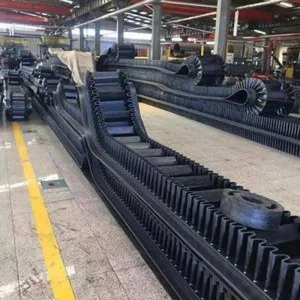
As bulk handling throughput needs increase, plants are moving from flat systems to steep incline layouts to save space and streamline transport. This transition requires high-integrity edge belts and corrugated sidewall configurations. High-capacity mining networks require anti-tear steel wire rope cores to prevent longitudinal splitting from tramp iron or large rock impacts.
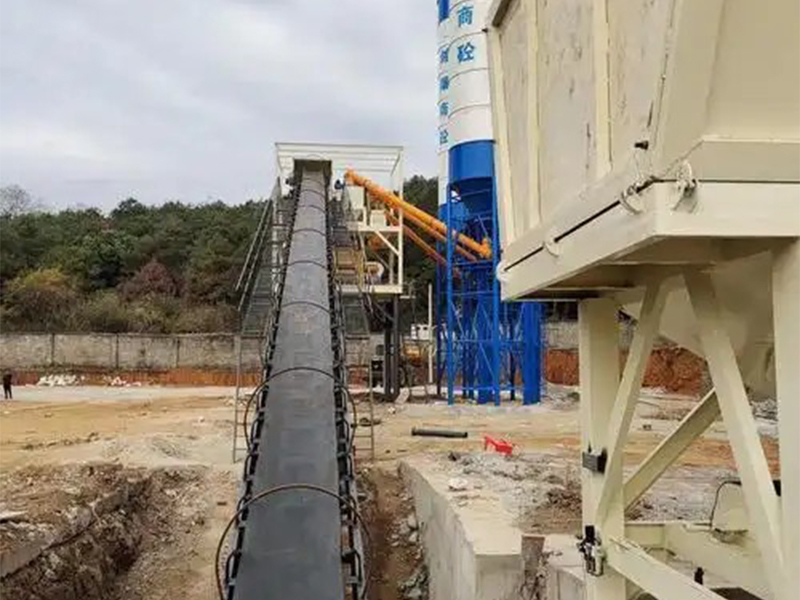
High-efficiency cement and aggregate mixing plants requiring durable, dust-suppressed patterned belt lines.
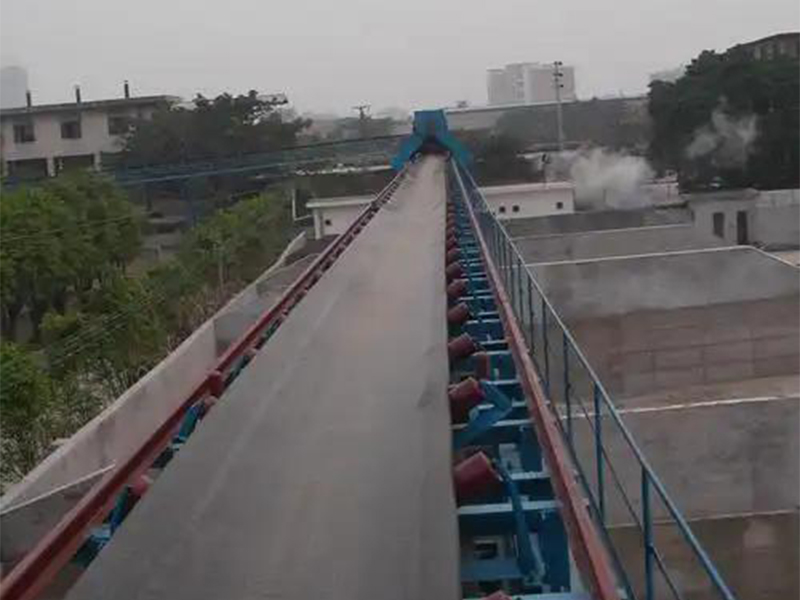
Handling highly abrasive clinker under thermal stress using specialized multi-ply heat-resistant compounds.
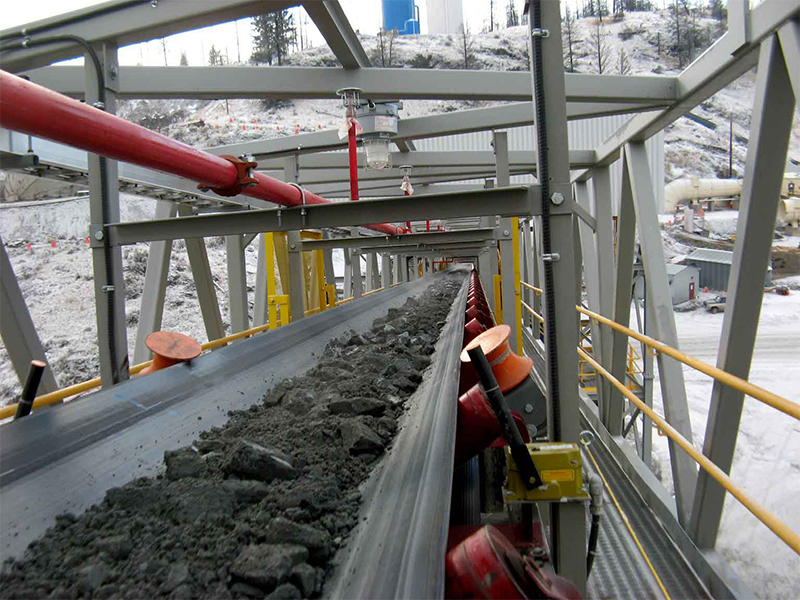
Heavy-duty, flame-retardant and anti-tear underground mine networks utilizing steel wire core belts.
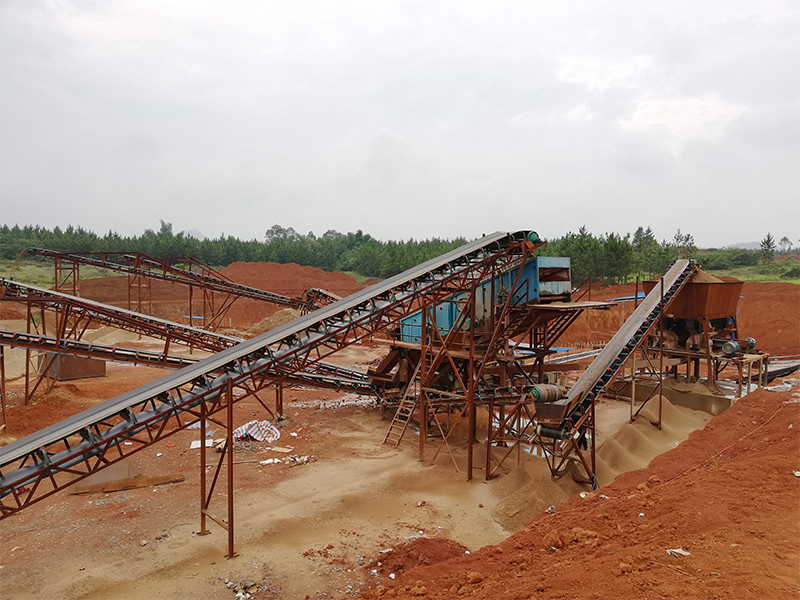
High-durability acid-resistant systems for chemical processing and industrial mineral smelting.
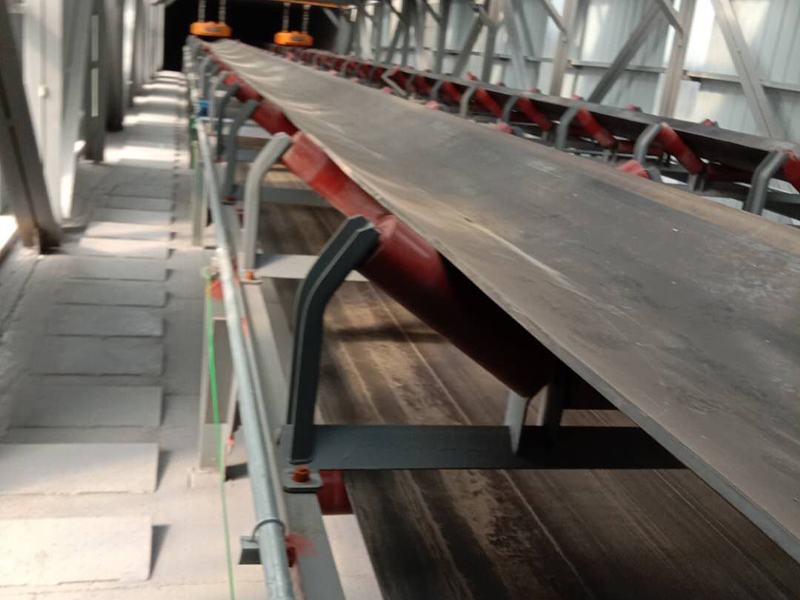
High-temperature raw sinter conveyance using advanced grade rubber compounds to prevent cracking.
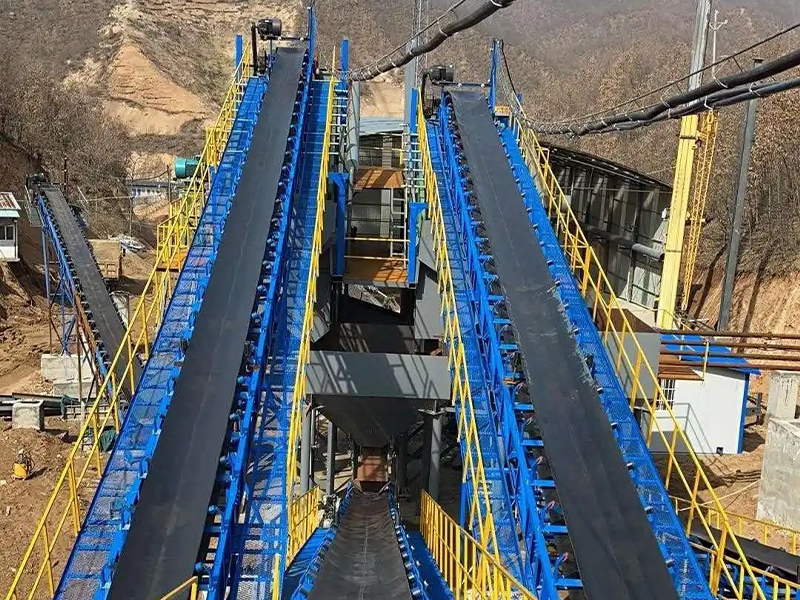
Open-pit and deep underground copper and gold transport utilizing impact-resistant idlers and high-strength belts.
The conveyor belt industry is shifting toward smart, connected systems and sustainable materials. Driven by the need to reduce downtime, edge wear diagnostics are becoming digital. Embedded RFID chips, magnetic flux leakage sensors, and optical scanners track thickness loss and edge degradation in real time.
Our R&D team at Hebei Boao Rubber Technology is working on three main pillars of conveyor innovation:
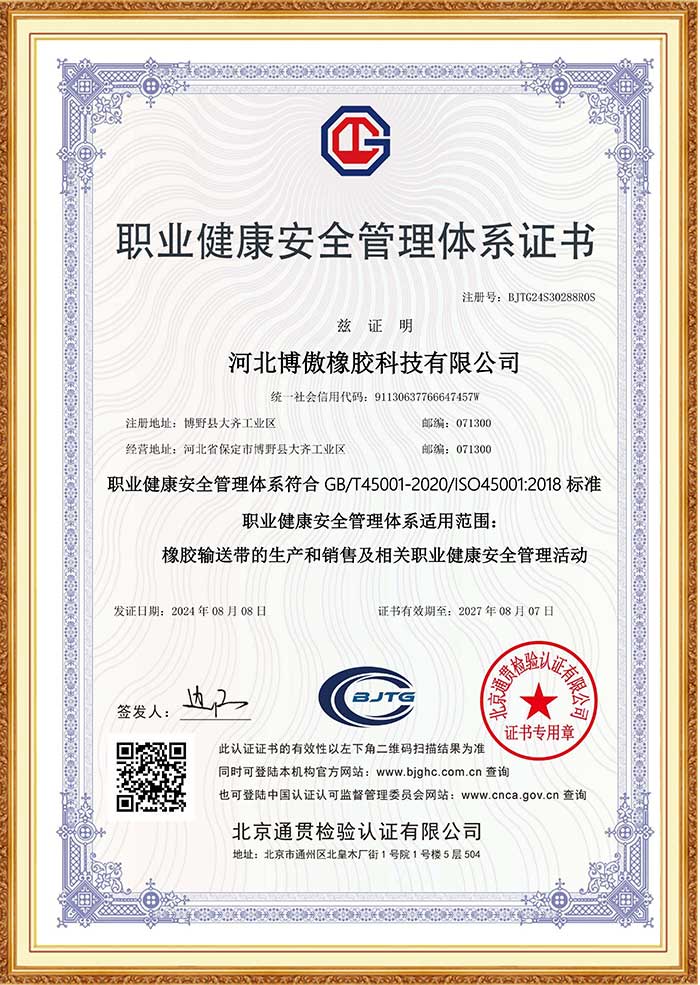
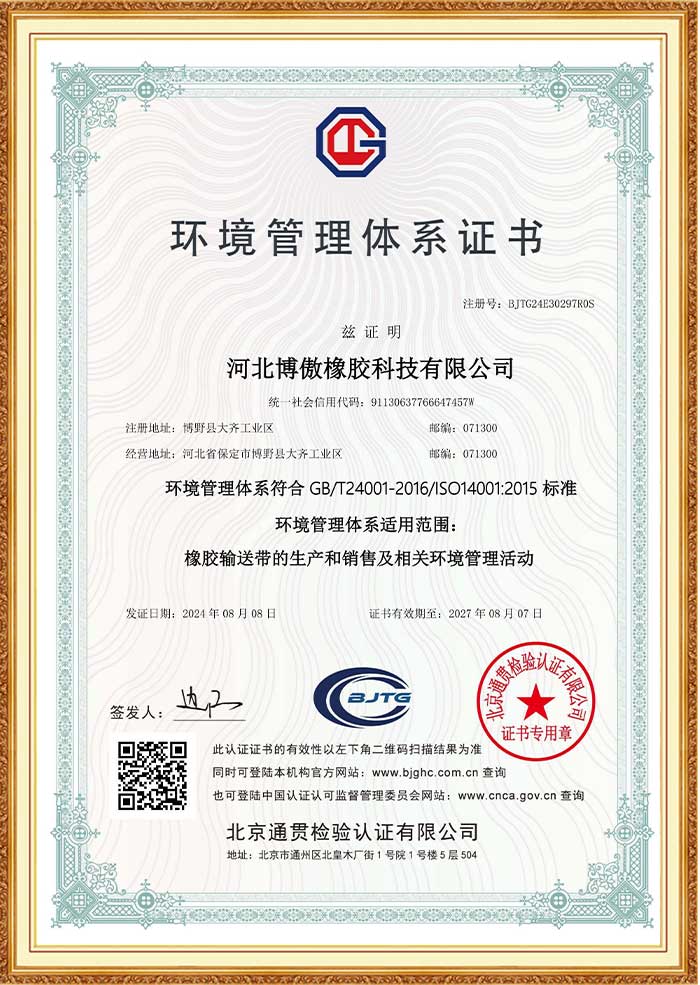
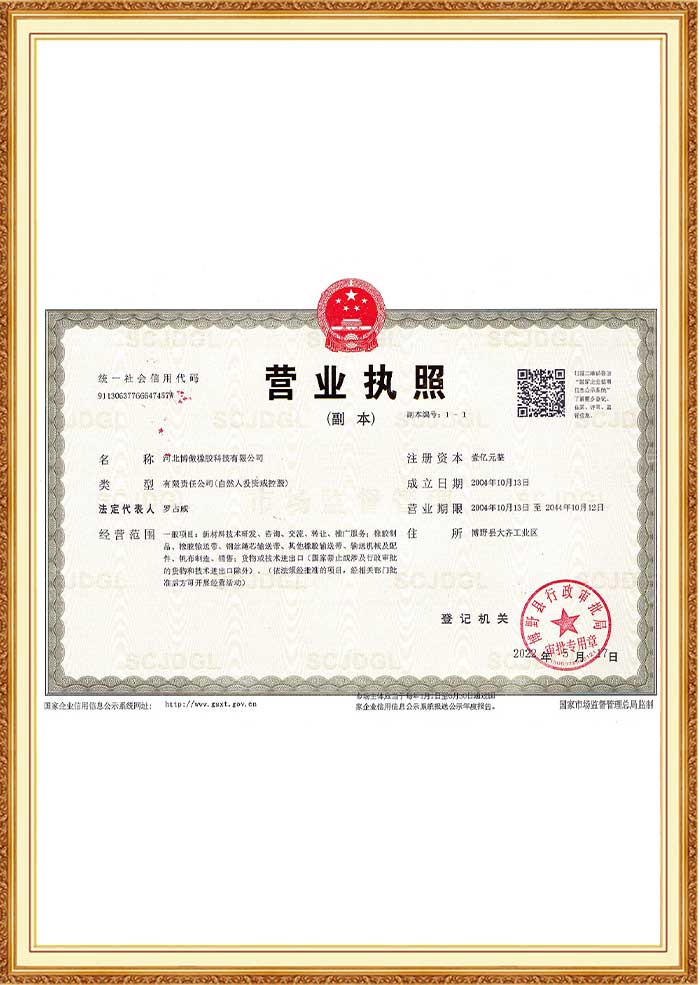
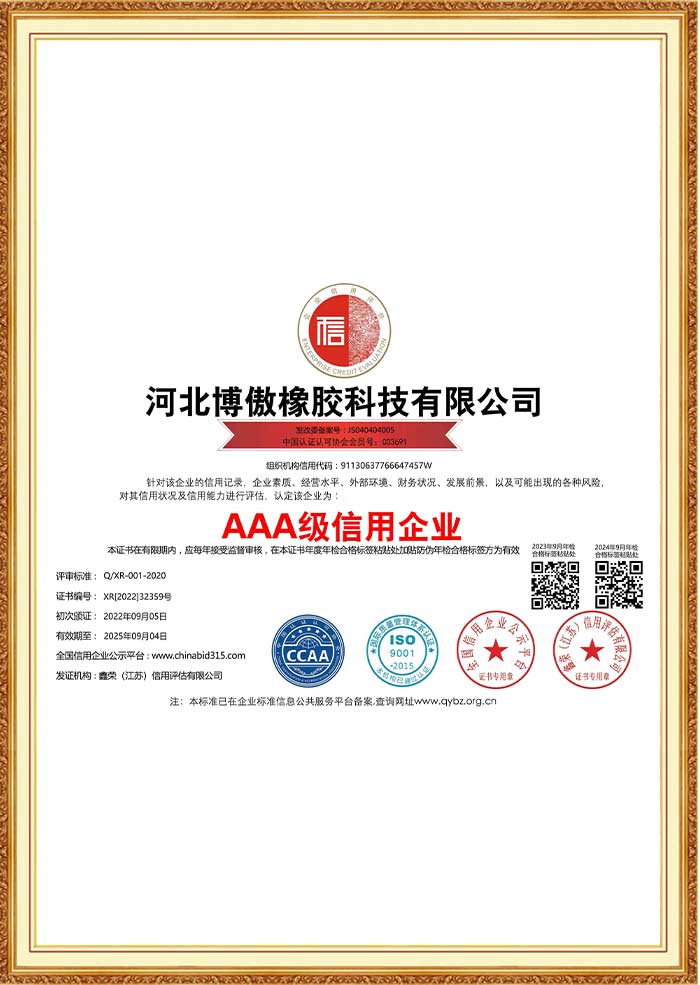
Our certificates represent our commitment to quality, reflecting regular audits and rigorous compliance.
Optimal material handling goes beyond selecting the right belt. It requires an integrated system of components, brackets, idlers, and proper maintenance. Hebei Boao Rubber Technology offers complete technical support programs to keep material lines running reliably.
We provide planned system inspections, repair scheduling, emergency hot splicing, and belt retrofits to minimize unscheduled downtime.
Our coverage includes customized inventory stocking, cold/hot vulcanized joint splicing, rubber surface re-sheeting, and structural tension alignment checks.
We focus on extending conveyor belt life cycles, reducing drive friction, and lowering the total cost of ownership (TCO) for our partners.
 Boao Rubber