Home >
Hot Products >
Best High-Quality Rubber Lifting Conveyor Belt from China Suppliers and Factory for Efficient Material Handling Manufacturer, Factories
1 / 2
Best High-Quality Rubber Lifting Conveyor Belt from China Suppliers and Factory for Efficient Material Handling Manufacturer, Factories
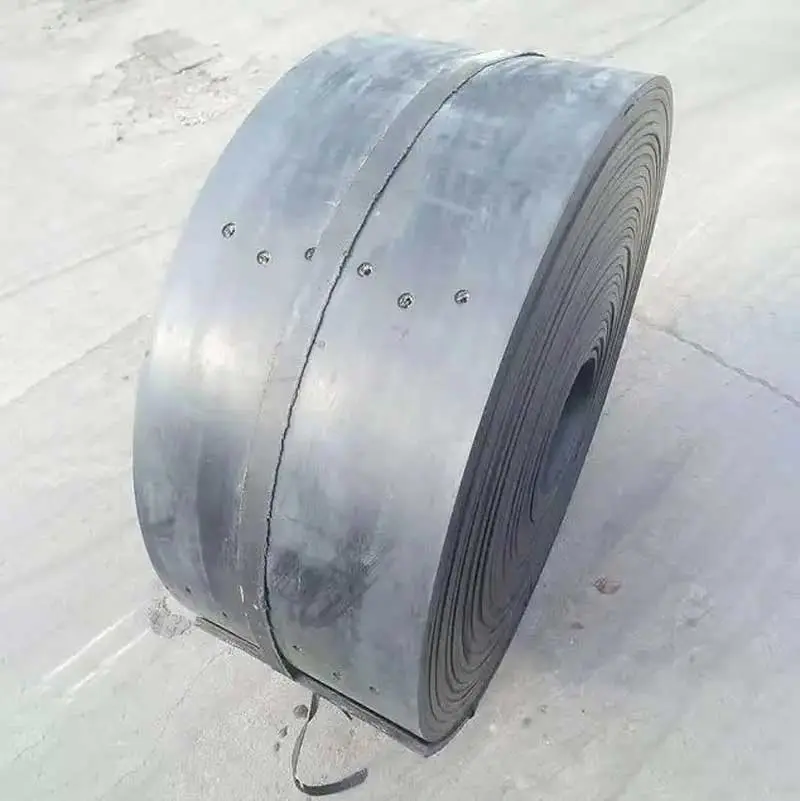
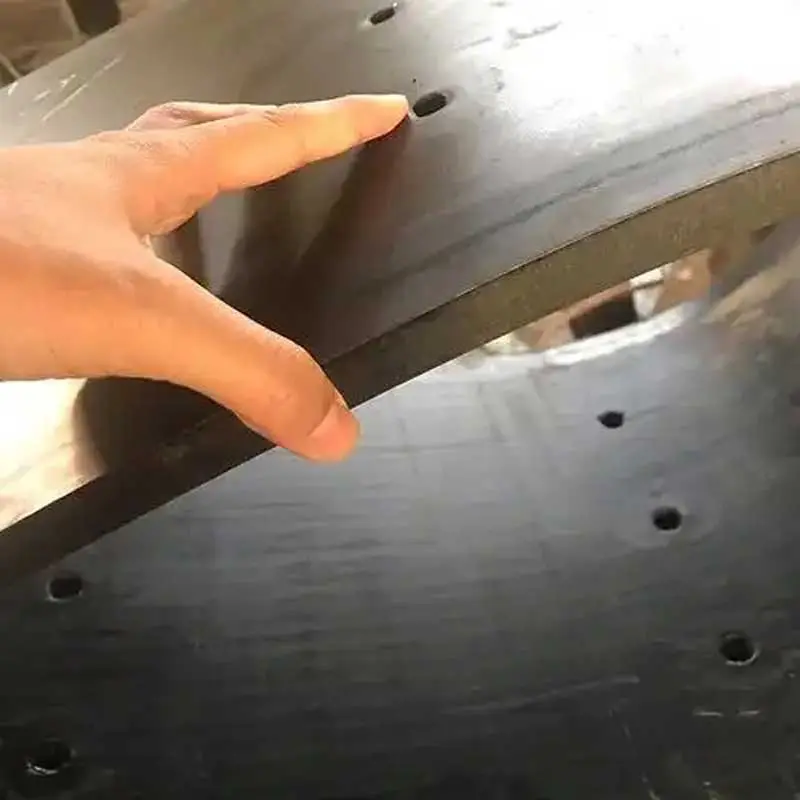
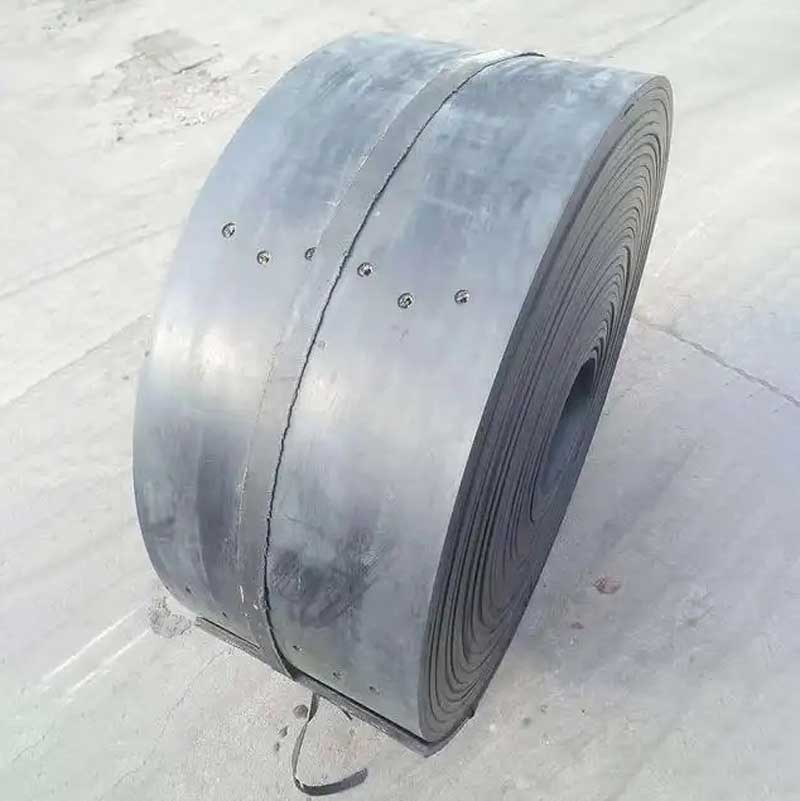
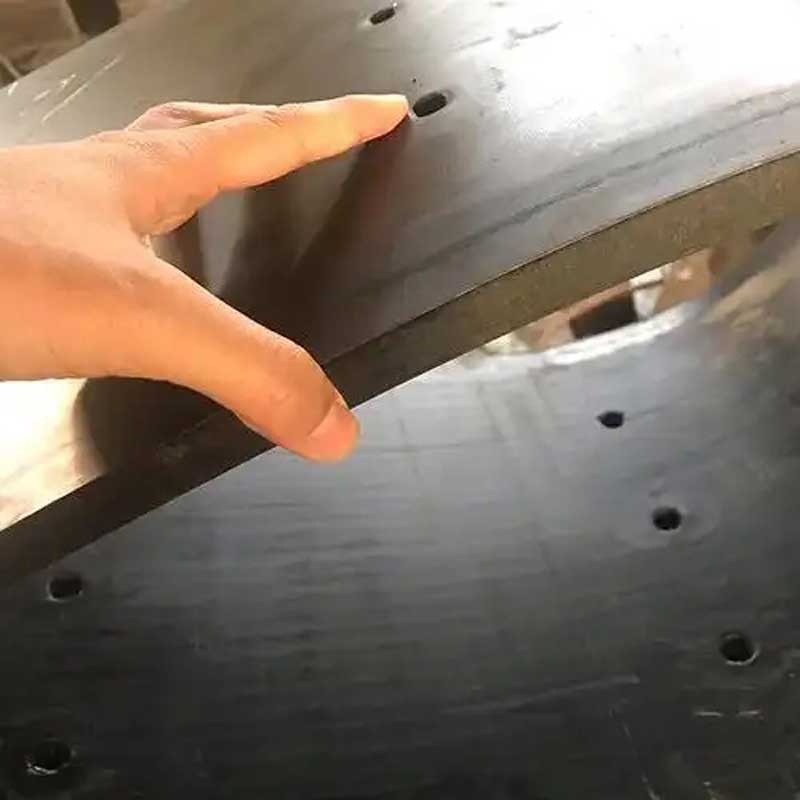
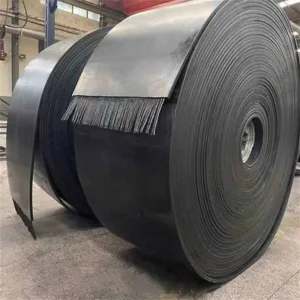
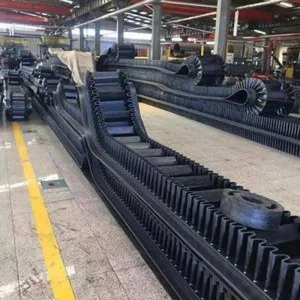
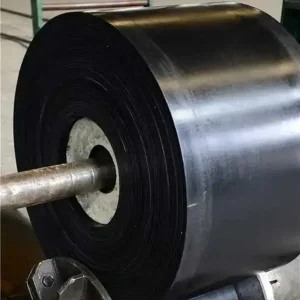
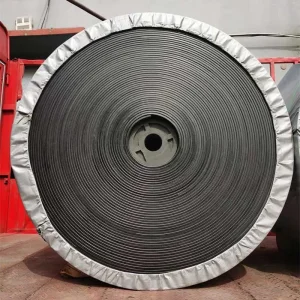
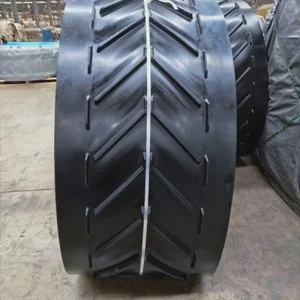
The Rubber Lifting Belt, a premier industrial rubber product, is essential for efficient material handling in various industries. Widely utilized in the installation of hoppers, this conveyor belt serves as a crucial traction component for bucket elevators, facilitating the lifting and transportation of materials. Our belts are manufactured in China and come in two core structures: fabric core and steel wire rope core. Depending on the application and the nature of the materials being conveyed, we offer three variations to meet your needs: strong wear (D-type), moderate wear (L-type), and heat-resistant (T-type) for high-temperature materials. As a leading supplier and factory of rubber lifting belts, we are committed to delivering high-quality products that enhance operational efficiency
Fabric Core
The strength specifications (N/mm) series of fabric core lifting belts include: 100, 125, 160, 200, 250, 315, 400, 500, and above. The width specifications (mm) series include: 150, 200, 300, 400, 500, 600, 650, 700, 800, 1000, 1200, 1400, 1600.
Steel Wire Rope Core
The strength specifications (N/mm) of the steel wire rope core lifting belt include: St630, St800, St1000, St1250, St1600, St2000, St2500. The width specifications (mm) include: 200, 250, 300, 350, 400, 450, 550, 600, 680, 800, 850, 1000, 1050, 1200, 1300, 1400.
Marking Example 1: 1000 B 9508 4.5T × 3.0 1000 NN5
Indicates a bucket type lifting belt with a strength specification of 1000 N/mm, produced in August 1995. Upper cover layer: 4.5 mm, lower cover layer: 3 mm, belt width: 1000 mm, core material: nylon canvas (5 layers).
Marking Example 2: St1000 B 9508 5T × 5T 1200 Φ3.5
Indicates a steel wire rope core bucket type lifting belt with a strength specification of 1000 N/mm, produced in August 1995. Both upper and lower cover layers: 5 mm, belt width: 1200 mm, steel wire rope diameter: 3.5 mm. Complies with chemical industry standard HG/T 2577-1994 "Rubber Lifting Belt".
This standard was revised in 2005 and is currently awaiting approval. The revised standard has been renamed as "Rubber or Plastic". Strength and width specifications are now consistent with general-purpose conveyor belts. The covering layer performance is divided into three types:
L-type — General environmental conditions
T3-type — Heat resistance not exceeding 150 °C
T4-type — Heat resistance up to 175 °C
The revised standard also specifies the punching and drilling of lifting belts.
More Details
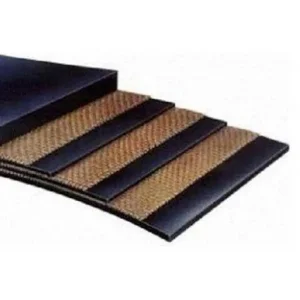
The rubber lifting belt is made up of multiple layers of adhesive fabric, and the core of the belt should generally be covered with adhesive. According to different usage temperatures, it can be divided into heat-resistant lifting belts and ordinary lifting belts. According to the different core materials, it can be divided into full cotton, polyester cotton interwoven, nylon, and EP lifting belts.
According to different performance characteristics, lifting belts are further classified by wear resistance and load:
D-type — Strong wear resistance
L-type — Moderate wear resistance
T-type — Heat-resistant type
Main width specifications of lifting belts include: 150, 200, 250, 300, 350, 400, 500, 600 mm, and more.
Frequently Asked Questions
Q1
What are the main types of rubber lifting belts available?
Rubber lifting belts are generally categorized by core material and temperature resistance. By core material, they include full cotton, polyester cotton interwoven, nylon, and EP types. By temperature usage, they are divided into ordinary lifting belts and heat-resistant lifting belts.
Q2
What strength specifications are available for fabric core lifting belts?
Fabric core lifting belts are available in the following strength specifications (N/mm): 100, 125, 160, 200, 250, 315, 400, 500, and above, covering a wide range of industrial requirements.
Q3
What do the marking codes on lifting belts mean?
The marking codes indicate key specifications of the lifting belt, including the strength specification (N/mm), production date, upper and lower cover layer thickness, belt width, core material type, and the number of fabric layers. For example, "1000 B 9508 4.5T × 3.0 1000 NN5" describes a 1000 N/mm nylon canvas belt with 5 layers produced in August 1995.
Q4
What heat resistance levels are available for lifting belt covering layers?
The covering layer of rubber lifting belts is classified into three performance types: L-type for general environmental conditions, T3-type for heat resistance up to 150 °C, and T4-type for heat resistance up to 175 °C, suitable for high-temperature industrial environments.
Q5
What standard governs rubber lifting belts?
Rubber lifting belts comply with the chemical industry standard HG/T 2577-1994 "Rubber Lifting Belt." This standard was revised in 2005 and renamed to "Rubber or Plastic," aligning strength and width specifications with general-purpose conveyor belt standards.
Q6
What width specifications are available for steel wire rope core lifting belts?
Steel wire rope core lifting belts are available in width specifications (mm) of: 200, 250, 300, 350, 400, 450, 550, 600, 680, 800, 850, 1000, 1050, 1200, 1300, and 1400, offering extensive options for various heavy-duty applications.
 Boao Rubber