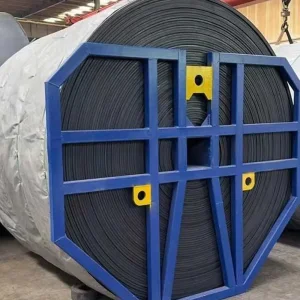
Engineered for minimal footprint and maximum elevation efficiency in Kuala Lumpur's bulk material processing facilities.
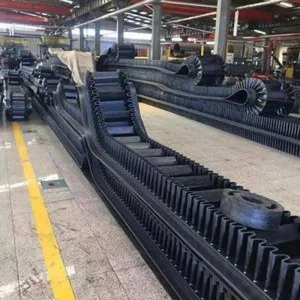
Kuala Lumpur and its surrounding Selangor industrial belt represent the commercial heartbeat of Malaysia. As urban densification continues to accelerate, spatial availability inside concrete plants, quarries, tunneling works, and logistics hubs has dropped dramatically. The traditional long, flat horizontal conveyor layout is no longer feasible for many modern operations due to footprint limitations. This spatial constraint has triggered an exponential demand for steep-angle and vertical material lifting solutions, primarily facilitated by wavy edge conveyor belts (corrugated sidewall belts) and specialized incline systems.
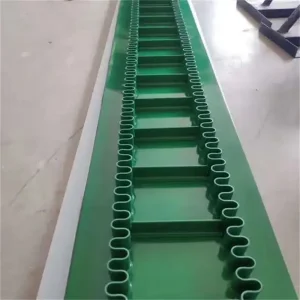
From the limestone processing clusters in Batu Caves and Rawang to the heavy manufacturing parks of Shah Alam, systems must handle massive quantities of abrasive aggregate, cement, coal, and chemicals without spillage. In highly humid tropical environments like Kuala Lumpur, bulk materials often become sticky or muddy due to sudden heavy rainfall. Traditional flat belts cannot prevent material fallback under these conditions. Edge conveyor belts, featuring integrated corrugated sidewalls and high-profile cleats, physically capture the material in pocket compartments, ensuring consistent volumetric flow rates even at 90-degree vertical elevation.
International procurement managers operating within the ASEAN region demand rigorous technical accountability. When sourcing industrial conveyor components, decisions are guided by total cost of ownership (TCO) rather than simple initial price points. A belt tear or unexpected joint failure at a port unloading terminal in Port Klang can lead to operational downtime costs running into tens of thousands of dollars per hour.
Our manufacturing ethos aligns directly with the highest standards of reliability. We understand that a truly resilient conveyor belt requires specialized compounding: high tensile synthetic fabrics (EP/NN), heavy-duty steel wire cords with superior adhesion properties, and robust vulcanization chemistry. By utilizing an independent chemical analysis room and physics laboratory, every single batch of raw materials is vetted for compliance prior to production. This guarantees that parameters such as abrasion resistance (expressed in mm³ loss), tensile strength (MPa), and elongation at break meet or exceed international standards like DIN 22102, ISO, and MS (Malaysian Standards).
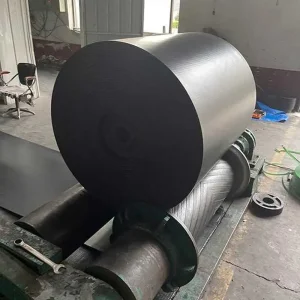
Heavy-duty structures and composite materials designed to withstand extreme tropical weathering and high chemical exposure.
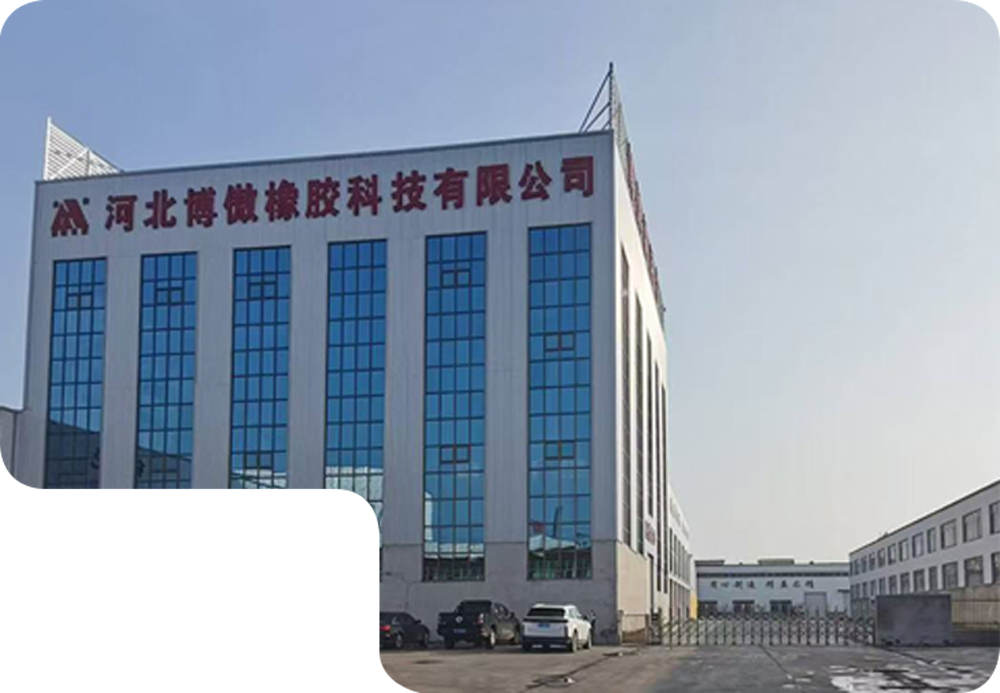
Hebei Boao Rubber Technology Co., Ltd. (producing under our premium "Jinao" trademark) represents the apex of modern Chinese industrial belt production. Situated in the Boye County Rubber Industrial Park, Baoding, Hebei, our facility spans more than 30 acres of advanced manufacturing space. Over 22 years of continuous operation, we have transitionally scaled into a smart manufacturing enterprise, deploying high-capacity automated compounding lines, multi-roll calenders, computerized vulcanizing presses, and specialized profiling equipment.
This Industry 4.0 foundation is not merely about volume; it is about absolute precision. Conveyor belts, particularly wavy edge and corrugated sidewall belts, are subjected to extreme compound stresses. The joint between the base belt, the sidewall, and the cleat is historically the primary point of failure on cheap, manually assembled belts. By using advanced cold-bonding technology, high-frequency vulcanization, and optimized rubber formulations, we ensure monolithic integration. The sidewall and cleats become an inseparable part of the base belt structure, resisting shear forces even when conveying high-density minerals at steep angles.
Furthermore, our supply chain resilience ensures that raw materials—including premium natural rubber, high-tensile polyester fibers (EP), and specialized synthetic additives—are strictly controlled. In an era of global transport uncertainties, our proximity to key ports and structured shipping partnerships enables swift, reliable delivery directly to Kuala Lumpur and the wider Malaysian market, maintaining competitive lead times.
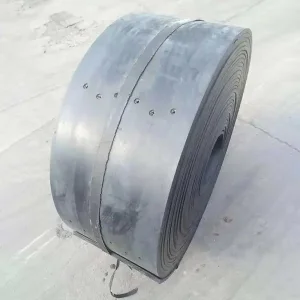
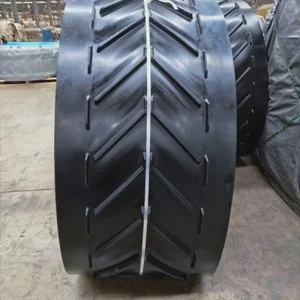
Integrated profiles ranging from C, T to TC allow material transport from 30 up to 90 degrees vertical without slideback.
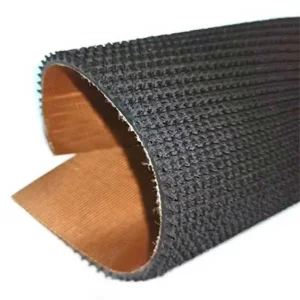
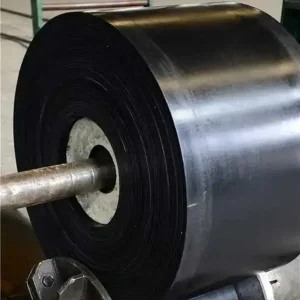
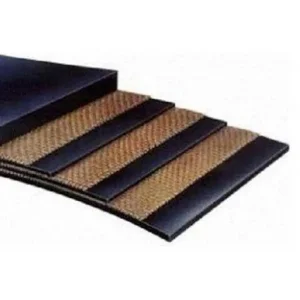
Multi-ply synthetic fabric cores provide excellent mechanical strength, minimal elongation, and high flexibility.
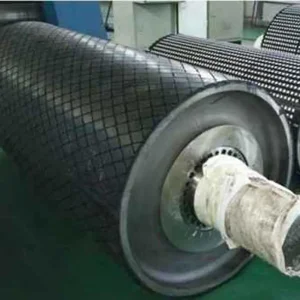
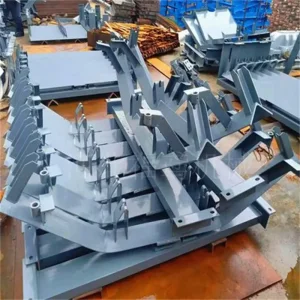
Designed with transverse reinforcement to prevent bowing or collapse under heavy load, ensuring flat tracking.
In the Klang Valley region, our products are deployed across a variety of specific operational contexts:
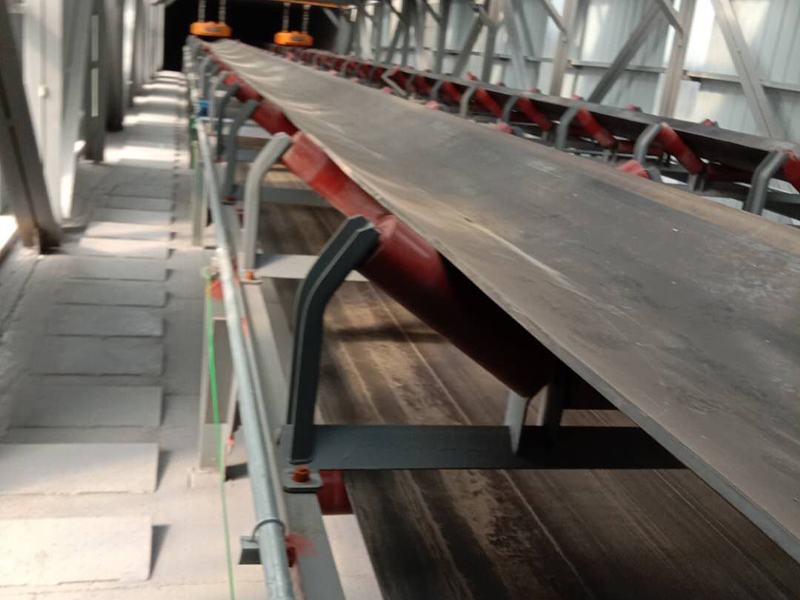
Deployments in steel mills, cement plants, mining concessions, and mixing plants across the region.
Taihang Steel KL
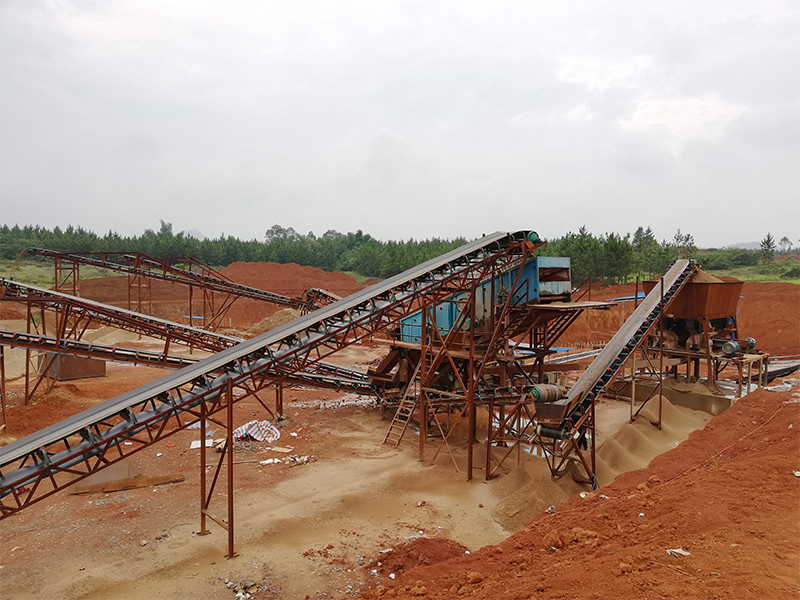
Tsingshan Malaysia
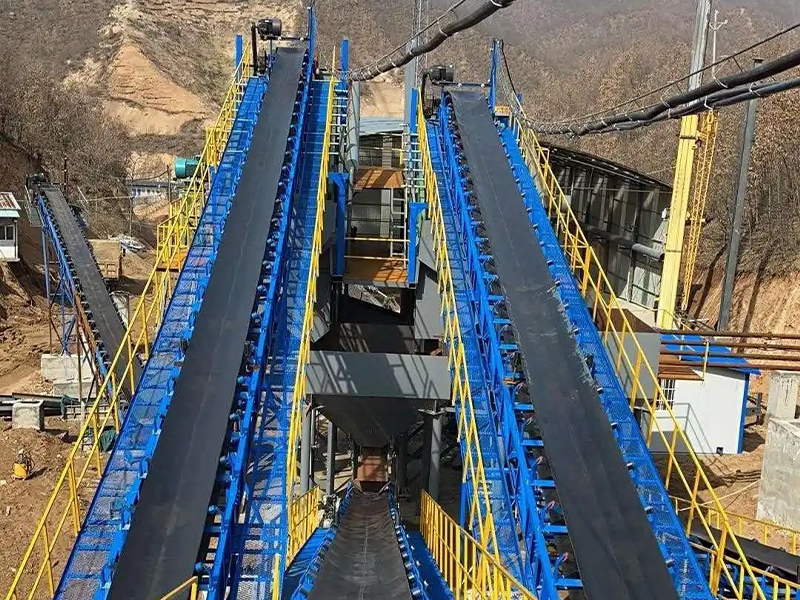
Zijin Mining Malaysia
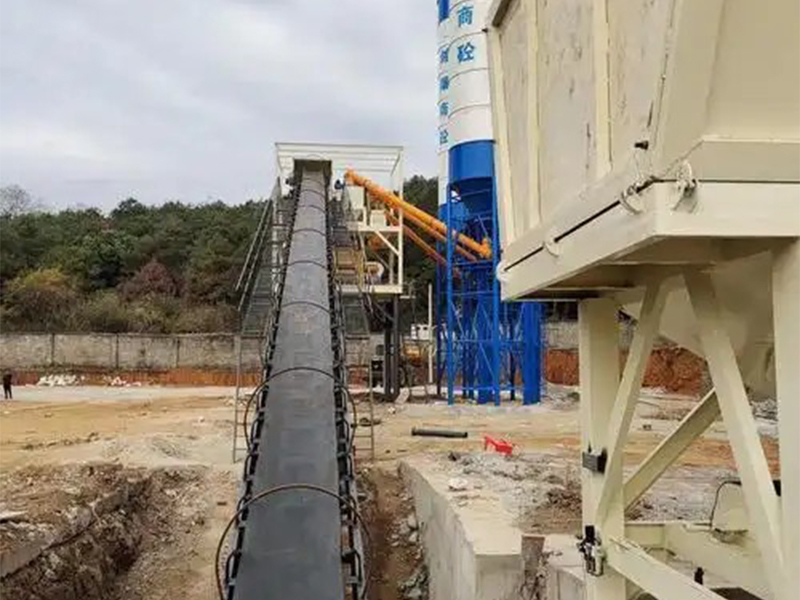
Klang Valley MRT Plant
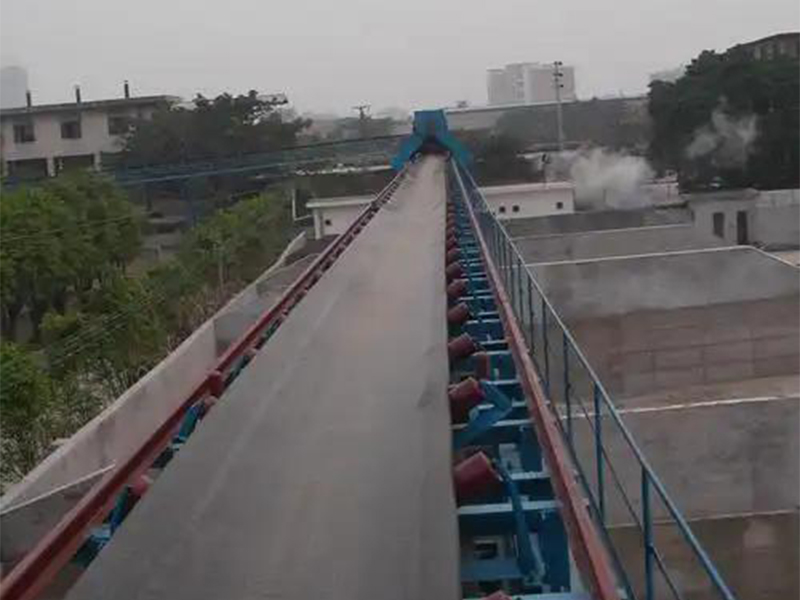
Conch Cement Rawang
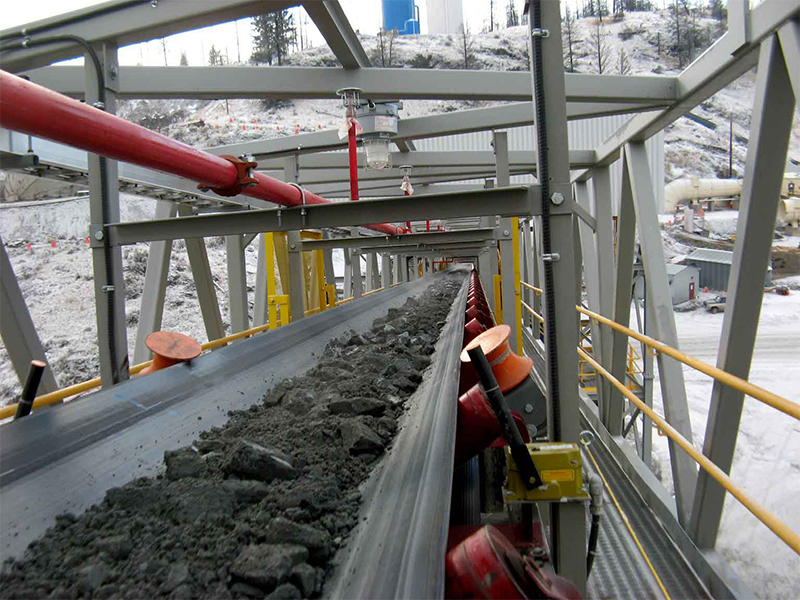
Datong Coal Energy Hub
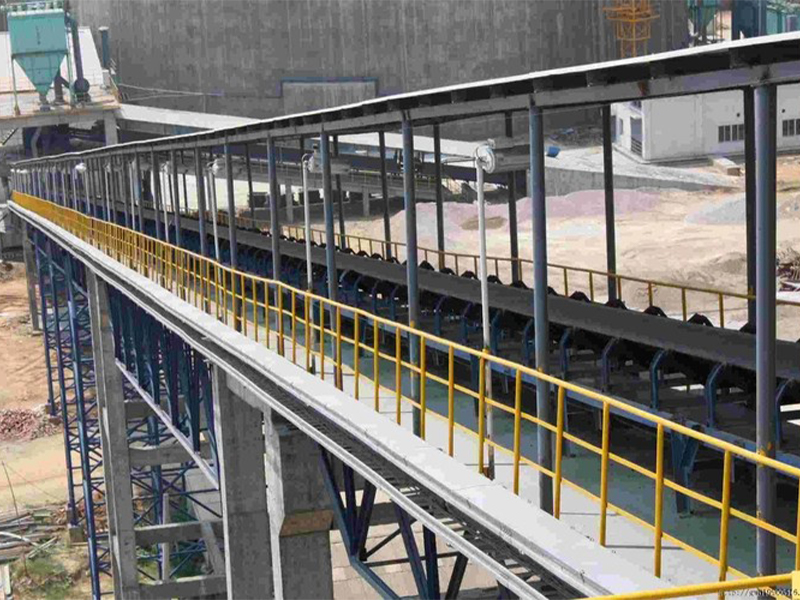
Jidong Cement Port Klang
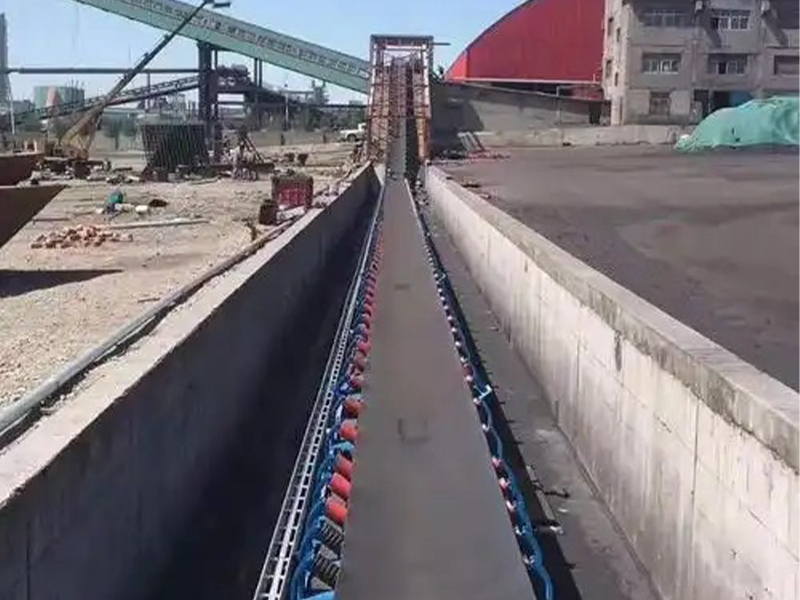
Jinmei Group Malaysia
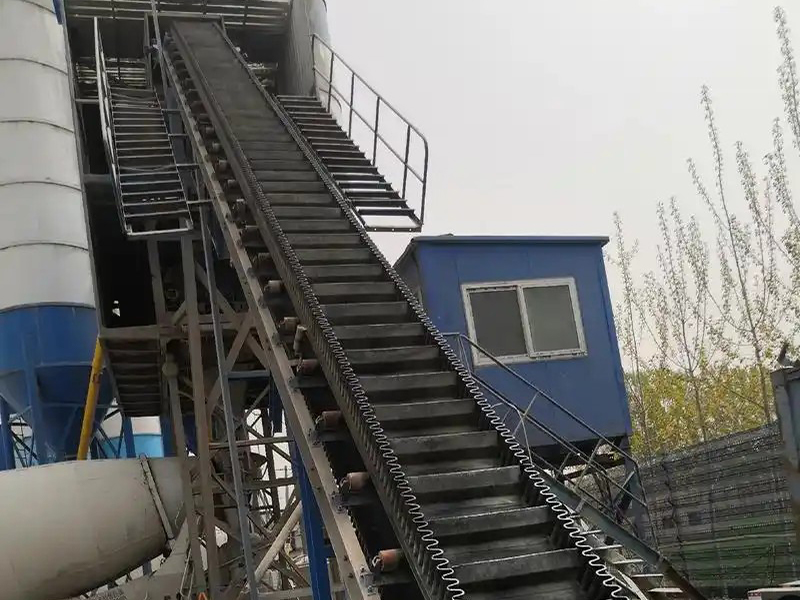
Puyang Steel Klang
Jinao Quality Mark
Minimizing bulk transport downtime through structural support, planned replacements, and on-site engineering consultations.
We do not merely supply rubber components; we provide integrated, high-availability service protocols. Our technical plan covers every stage of conveyor life cycle operation:
Expert answers addressing design considerations, material selection, and maintenance in tropical conditions.
Unlike flat belts where materials spill past the sides above 18 degrees, wavy edge belts utilize flexible, corrugated rubber sidewalls to retain materials. Cleats are positioned transversely across the belt width, creating stable pockets. The material is contained within these pockets, enabling vertical transport up to 90 degrees.
Polyester-Polyester (EP) fabrics are highly recommended. Unlike cotton cores, EP fabric does not rot or degrade when exposed to moisture. It offers high tensile strength, minimal mechanical elongation, and superior resistance to cyclic bending, ensuring excellent tracking stability.
Sustained high temperatures and UV exposure accelerate rubber oxidation and cause cracking. Our formulations integrate anti-oxidants and specialized EPDM/SBR blends to extend thermal resistance and protect the belt core, preventing premature cracking and hardening.
Delamination is prevented by using high-frequency vulcanization and premium cold bonding rubber formulations. The sidewall and base belt are unified through chemical cross-linking under pressure, creating a high-strength bond that resists continuous flexing over small pulleys.
Please provide the material type (density, size, moisture content), vertical lifting height, horizontal transport distance, incline angle, belt width, required capacity (tons/hour), and driving pulley diameter. Our engineers will calculate the required fabric plies and cleat/sidewall height profiles.
We operate a fully equipped, independent test lab. Every batch of rubber undergoes rheometer cure checking, mechanical tensile testing, abrasion analysis (DIN standards), and core adhesion pull testing. Finished products are visually and structurally inspected before release.
Premium specialized conveyor products engineered to perform in harsh, chemically aggressive, or fire-hazardous environments.
 Boao Rubber