Discover our primary selection of heavy-duty conveyor belts, rollers, and mechanical accessories manufactured in Boye County Industrial Park, utilizing advanced compounding and reinforcement technologies.
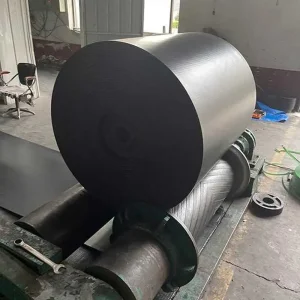
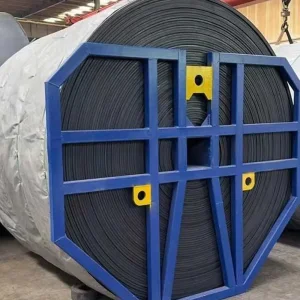
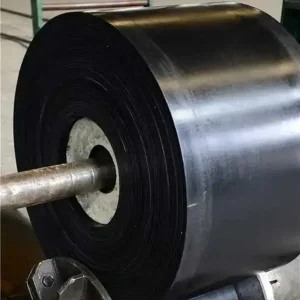
Established in 2004 and home of the internationally registered brand "Jinao", Hebei Boao Rubber Technology Co., Ltd. is strategically situated in the famous Rubber Industrial Park of Boye County, Baoding, Hebei Province. Over the course of 22 years of high-intensity product development and technical validation, we have scaled our production facilities to span over 30 acres, hosting advanced processing lines and complex quality control laboratories.
We are a certified heavy-industry manufacturer integrating engineering R&D, structural design, dynamic testing, and international technical service support. Boao's infrastructure has been recognized under rigorous international quality management certifications, reinforcing our position as a global leader in high-performance polyester conveyor belts and supporting transport machinery accessories.
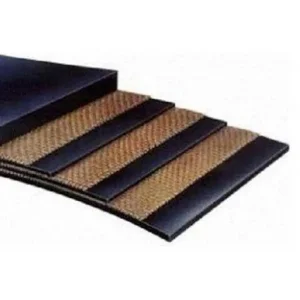
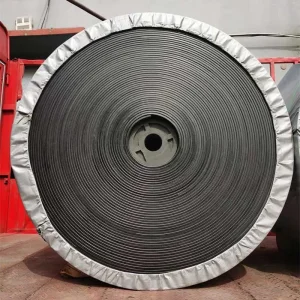
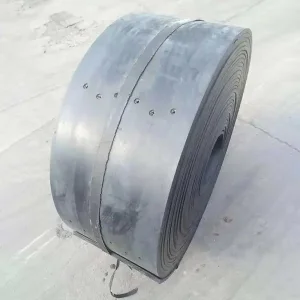
Polyester rubber conveyor belts (commonly known as EP conveyor belts) represent one of the most critical structural developments in solid and bulk material handling systems. The prefix "EP" refers to the synthetic composition of the carcass plies: Polyester (E) in the longitudinal warp direction, and Polyamide/Nylon (P) in the transverse weft direction.
Warp cords composed of polyester offer a remarkably high modulus of elasticity, keeping structural elongation to an absolute minimum under continuous dynamic tension. This ensures minimal take-up travel, protecting long-distance conveyors against premature belt sag and dynamic slippage.
Nylon/Polyamide fibers in the transverse weft exhibit low weight and high elasticity. This provides the belt with maximum flexibility across its cross-section, enabling deep trough angles (up to 45 degrees) to optimize cargo cross-sectional area and prevent side spillage.
The combination of high-density vulcanized rubber covers and multi-ply EP fabric provides exceptional resilience when high-mass materials drop from heights. The energy is distributed across the carcass layers, reducing localized puncture risks and ply separation.
In modern industrial landscapes, heavy-duty mining, quarrying, and bulk port terminals require belt installations that run consistently. Unlike traditional cotton-ply belts (CC) which are prone to moisture rot, or nylon-nylon (NN) belts which undergo noticeable stretch, EP belts deliver a balanced operational profile that integrates dimensional stability with excellent chemical resistance. Standard designations such as EP200, EP300, and EP400 define the nominal tensile strength per millimeter of width, permitting engineers to specify the exact safety factor required based on conveyor lengths, drive pulley diameters, and load profiles.
The modern procurement landscape for industrial-grade rubber conveyor belts has shifted. Today's global buyers—spanning engineering procurement companies (EPCs), large-scale mining operations, and port authorities—no longer look exclusively at initial unit costs. Total Cost of Ownership (TCO), material certification compliance, and supply chain resilience are now the decisive metrics in international tenders.
Hebei's Boye County serves as one of the premier industrial clusters for rubber manufacturing globally. By locating our operations in this ecosystem, Hebei Boao Rubber Technology secures immediate access to raw polymers, synthetic fabrics, chemical accelerators, and machinery components. This proximity creates a vertically integrated manufacturing line that minimizes lead times and eliminates international logistics delays during sudden demand surges.
Moving toward Factory 4.0 standardizations, our production line implements PLC-controlled vulcanizing presses. Temperature, pressure, and vulcanization times are continuously logged and corrected in real-time. This eliminates defects such as internal voids, uneven curing, and ply thickness variation, ensuring that each roll shipped meets international standards (DIN, AS, ISO, SANS, ASTM).
Polyester rubber conveyor belts are deployed in highly specific sectors, each demanding distinct compound configurations to survive mechanical wear and chemical exposure. Below we analyze five critical industrial application scenarios where Boao's customized belts provide optimal service life.
Sinter, slag, and coke conveying operations demand belts capable of resisting temperatures up to 200°C (with peaks of 400°C). Our heat-resistant conveyor belts are compounded with Ethylene Propylene Diene Monomer (EPDM) covers, resisting thermal cracking and preventing premature aging under high radiative heat.
Coal transport requires high safety profiles to prevent underground fires. Our flame retardant belts comply with international fire-safety standards, including self-extinction under high-friction slip tests and strict smoke suppression properties to ensure workers can evacuate safely in emergencies.
Conveying chemical fertilizers, raw sulfur, or rock phosphate exposes rubber compounds to aggressive chemical corrosion. Our acid and alkali resistant conveyor belts utilize customized polychloroprene or specialized synthetic blends to maintain structural integrity and resist compound swelling.
High-capacity ship-loaders process millions of tons of abrasive ores yearly at high speeds. Under these conditions, cover wear is primarily caused by sliding abrasion. Our DIN-X and DIN-Y cover grade compounds are optimized to limit abrasion loss to less than 90mm³, extending operating life.
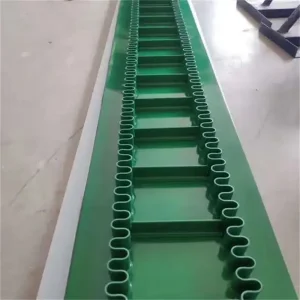
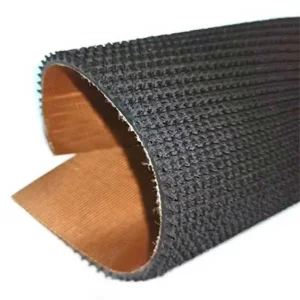
When plant layout space is limited, bulk materials must be lifted at angles from 30 to 90 degrees. Our corrugated sidewall and patterned (herringbone/chevron) conveyor belts prevent material fallback and back-sliding, maximizing material throughput per square meter of footprint.
In cold climate mining zones, standard rubber hardens, cracks, and loses elasticity, leading to structural failures. Boao cold-resistant conveyor belts remain flexible at temperatures as low as -50°C, maintaining flexibility and preventing splice cracking.
We have partnered with some of the largest industrial groups, mining operations, and state-backed infrastructure projects to supply robust conveyor networks under challenging operating conditions.
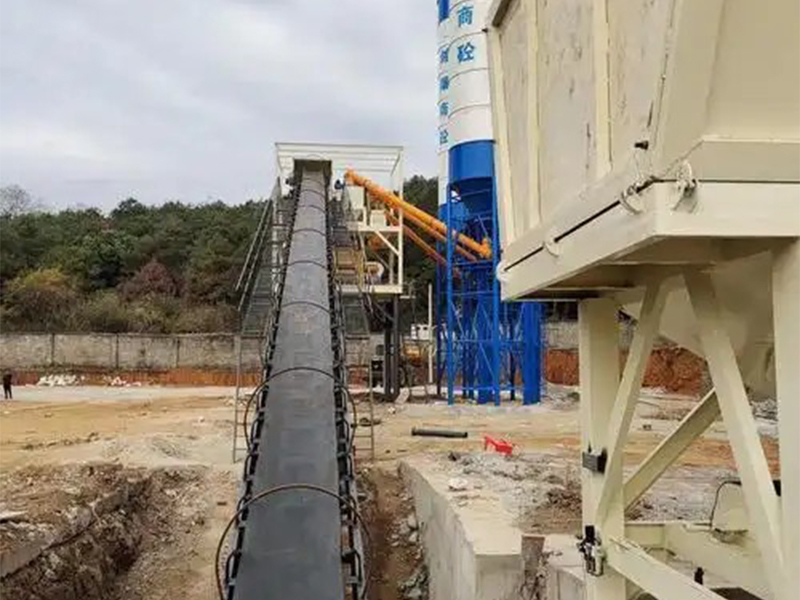
China Railway Group Mixing Plant
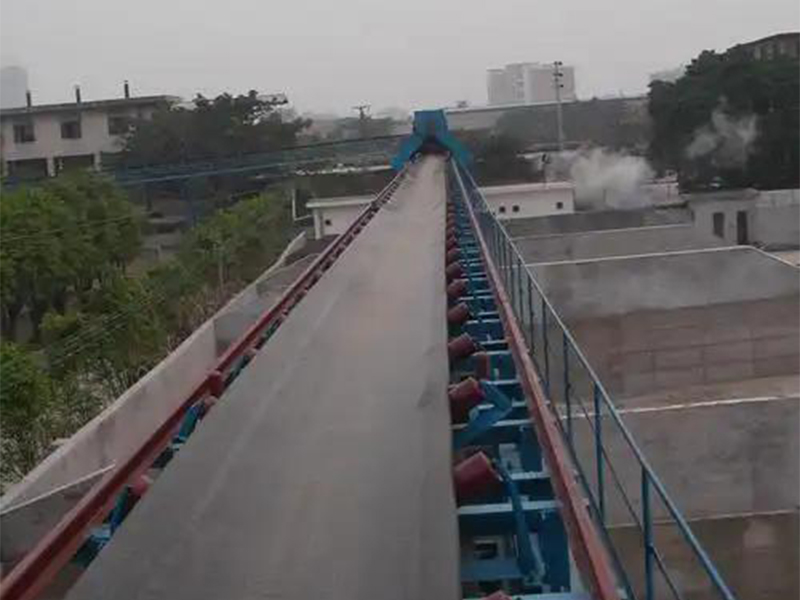
Conch Cement
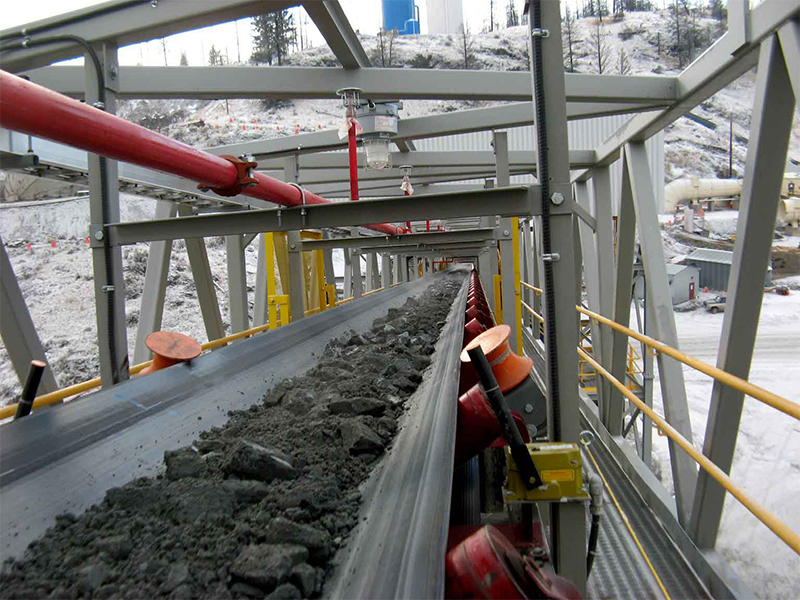
Datong Coal Group
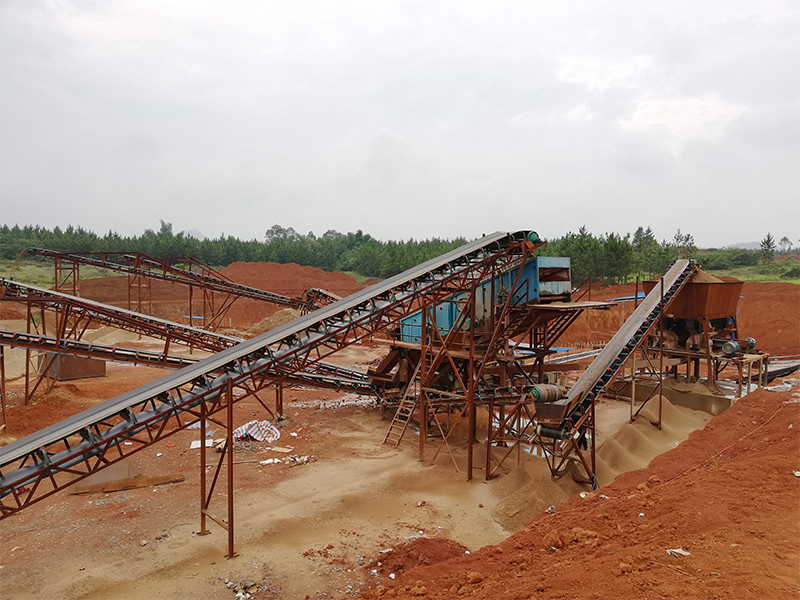
Tsingshan Group
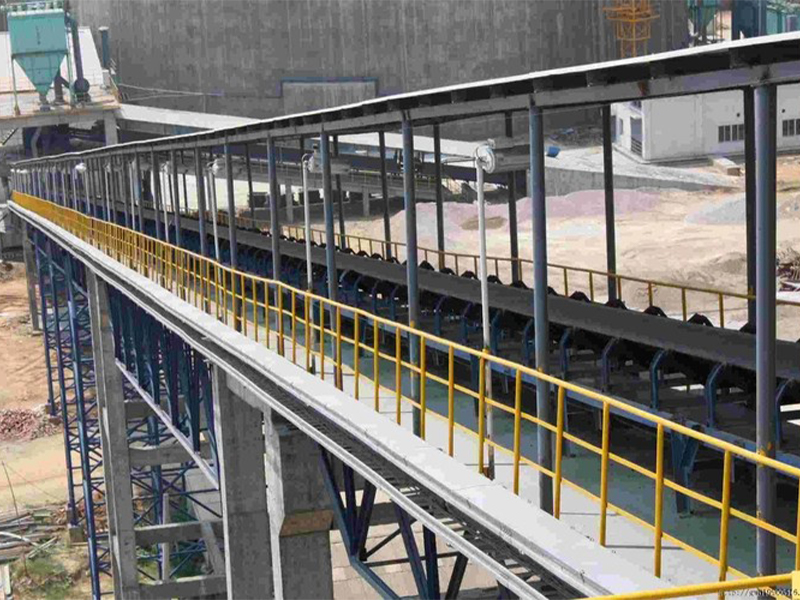
Jidong Cement Group
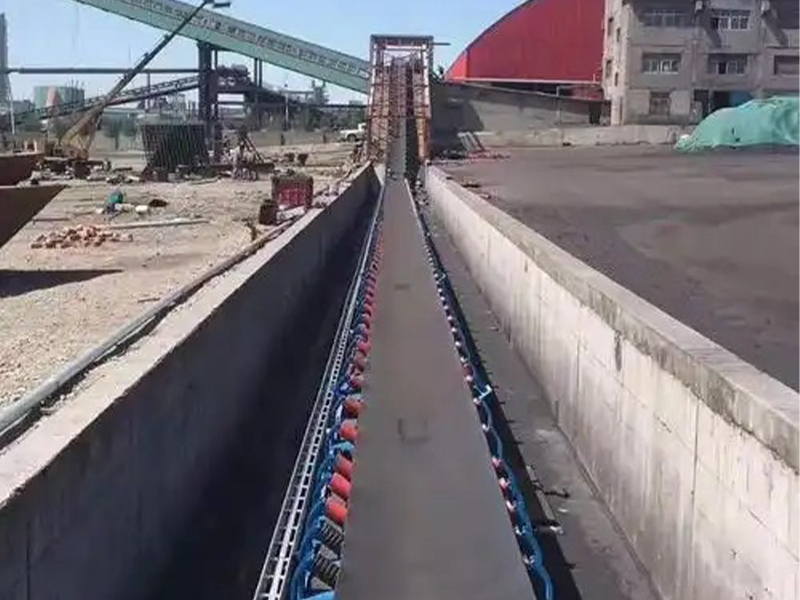
Jinmei Group Coal Conveying Line
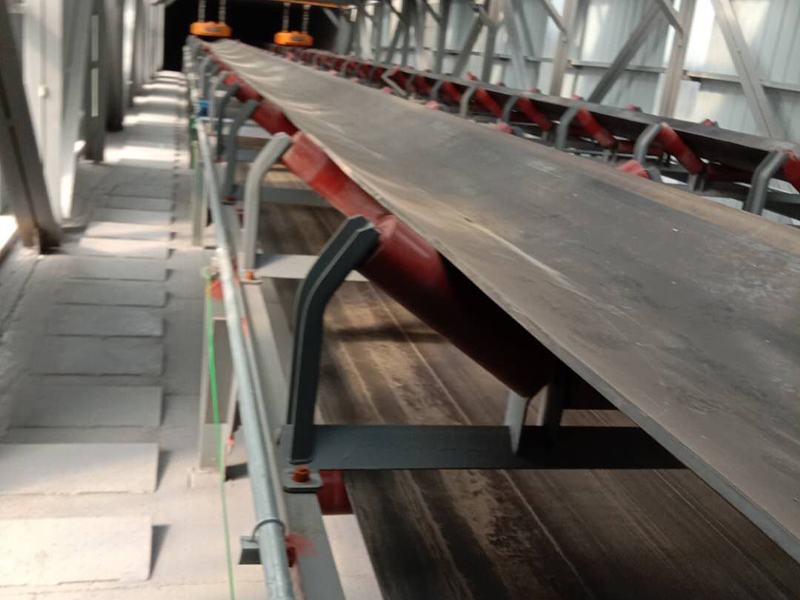
Taihang Steel
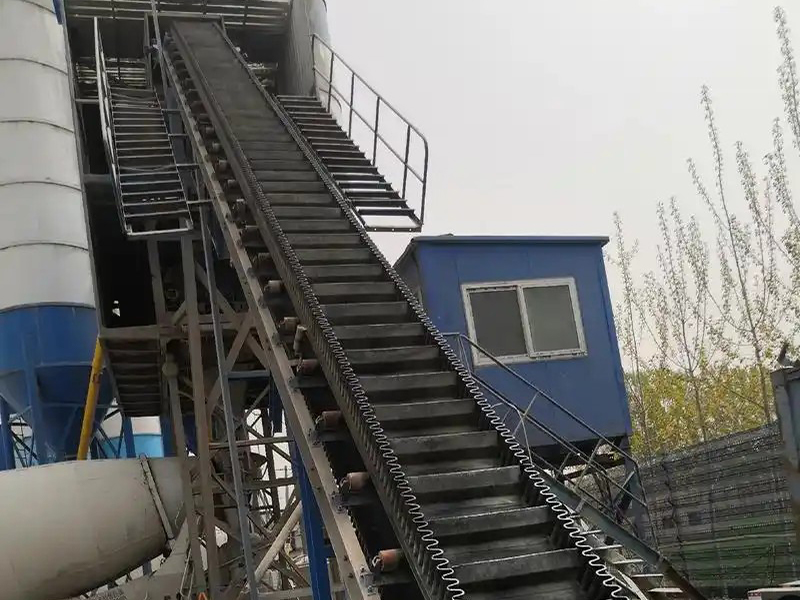
Puyang Steel Group
A conveyor belt is a dynamic investment. To help customers minimize cost-per-ton and maximize belt service life, Boao provides comprehensive technical design planning and emergency support structures. Skip the hassle of sourcing from multiple suppliers—our factory provides your ideal material handling and packaging solutions in one place.
Evaluation of conveyor geometry, motor power, and drop heights to determine the correct EP ply configuration and cover thickness before manufacturing.
We work with large mining and port operators to manufacture and store reserve rolls, ensuring rapid shipment in case of unexpected belt damage.
Provision of customized cold bonding adhesives, vulcanizing rubber materials, and technical parameters to ensure hot-vulcanized splices achieve up to 90% of parent belt strength.
Consultancy on regular cleaning, idler alignment, and transition distance management to prevent cover wear and localized ply delamination.
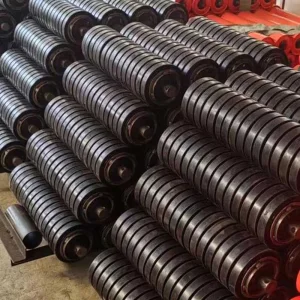
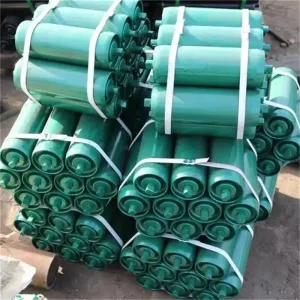
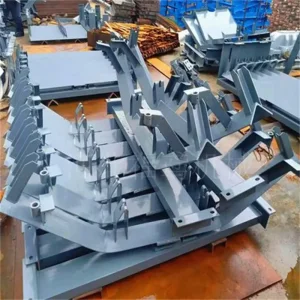
A robust conveying system requires highly matched mechanical components. Explore our engineering accessories, rollers, and custom brackets developed to reduce conveyor drag and balance belt loading.
Get in touch directly with our engineering department. Our team provides fast, customized parameter calculations, physical testing data sheets, and competitive pricing for global logistics ports, mining consortia, and industrial plants.
Hebei Boao Rubber Technology Co., Ltd. is committed to providing you with the highest quality products and excellent services. If you have any questions or need assistance with our products, please feel free to contact us and we will be happy to assist.
EP conveyor belts utilize polyester warp fibers that feature a significantly higher modulus of elasticity than nylon. This results in minimal structural elongation during operation, which translates to shorter take-up strokes and less tension readjustment. NN belts, while highly flexible, stretch significantly more under equivalent tension, which can lead to drive slippage and high maintenance requirements on long-distance conveyor runs.
Hebei Boao Rubber Technology operates an independent chemical analysis lab and physical testing room. Every batch of natural rubber and synthetic polymers is analyzed for rheometer characteristics, tensile strength, hardness, and wear index before compounding. Unqualified materials are rejected immediately. Our finished belts undergo standardized testing for vulcanization quality, carcass adhesion, and cover abrasion resistance.
We manufacture rubber covers in compliance with international standards such as DIN 22102. For severe abrasive environments, we offer DIN-X (heavy impact and abrasion, < 120 mm³) and DIN-Y (general-purpose wear resistance, < 150 mm³). We also supply ultra-abrasion resistant compounds that limit material loss to less than 90 mm³ for coastal bulk loading terminals and heavy ore operations.
Yes. Our Flame Retardant Rubber Conveyor Belts are engineered with self-extinguishing covers and anti-static additives. They are designed to meet flame propagation standards and undergo drum friction tests, ensuring they will not generate or support fire under belt slip conditions in underground coal extraction environments.
Thanks to our localized supply chain in the Boye County Rubber Industrial Park, our typical manufacturing cycle is 15 to 25 days, depending on order size and custom engineering configurations (e.g. specialized sidewalls, custom compounds). This integrated ecosystem ensures highly reliable delivery times compared to non-specialized manufacturing zones.
Our acid and alkali resistant belts use synthetic polymers, such as EPDM or specialized neoprene compounds, formulated to resist chemical attack. This formulation prevents chemicals from penetrating the cover and degrading the internal fabric plies, which protects the conveyor from swelling, peeling, and loss of tensile strength.
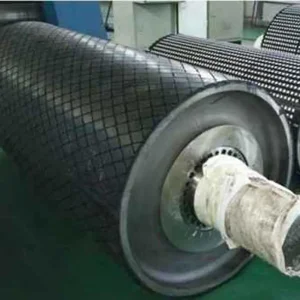
Yes. We offer fully integrated solutions. In addition to Jinao conveyor belts, we design and manufacture supporting accessories, including rubber buffer rollers, trough idler rollers, brackets, centering brackets, and drive pulleys, to ensure the belt runs aligned and smooth.
Our cold-resistant belts are compounded with specialized low-temperature polymers. They remain flexible, elastic, and fracture-resistant at ambient temperatures down to -50°C, making them suitable for outdoor bulk materials handling in arctic climates.
Yes. We manufacture patterned conveyor belts in magic carpet, concave, convex, herringbone, and chevron profiles. These patterns are vulcanized directly onto the top cover during production, providing reliable grip and preventing rollback on steep conveyor inclines.
All rolls are tightly wound on steel-reinforced cores, wrapped in heavy-duty waterproof polypropylene packaging, and secured with steel strapping. This prevents deformation and moisture absorption during ocean transport, ensuring the belt arrives ready for splicing at your facility.
 Boao Rubber