 Boao Rubber
1 / 3
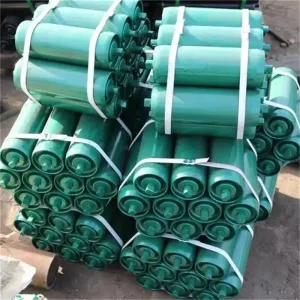
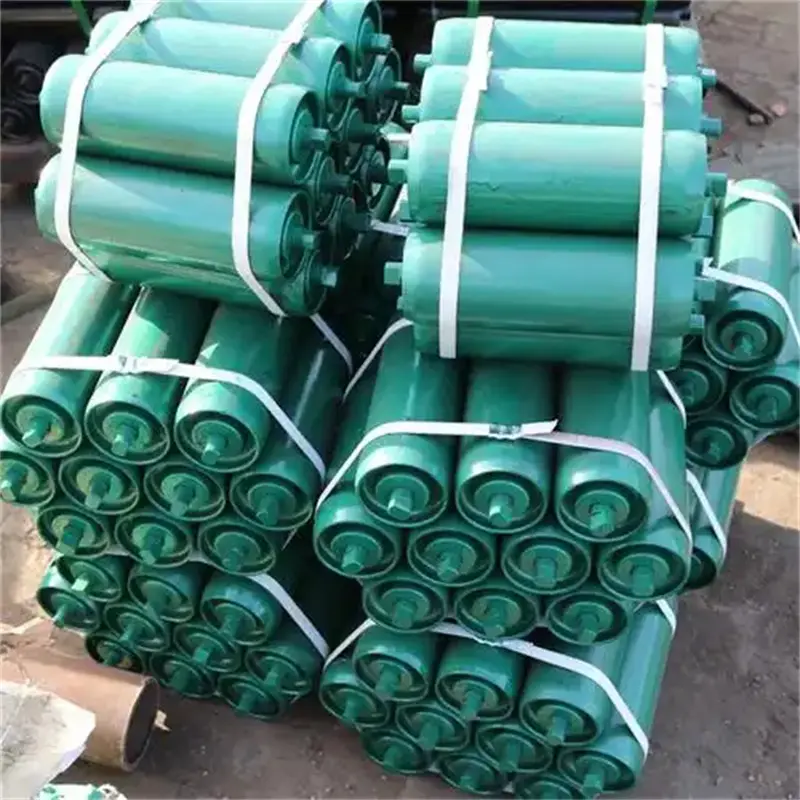
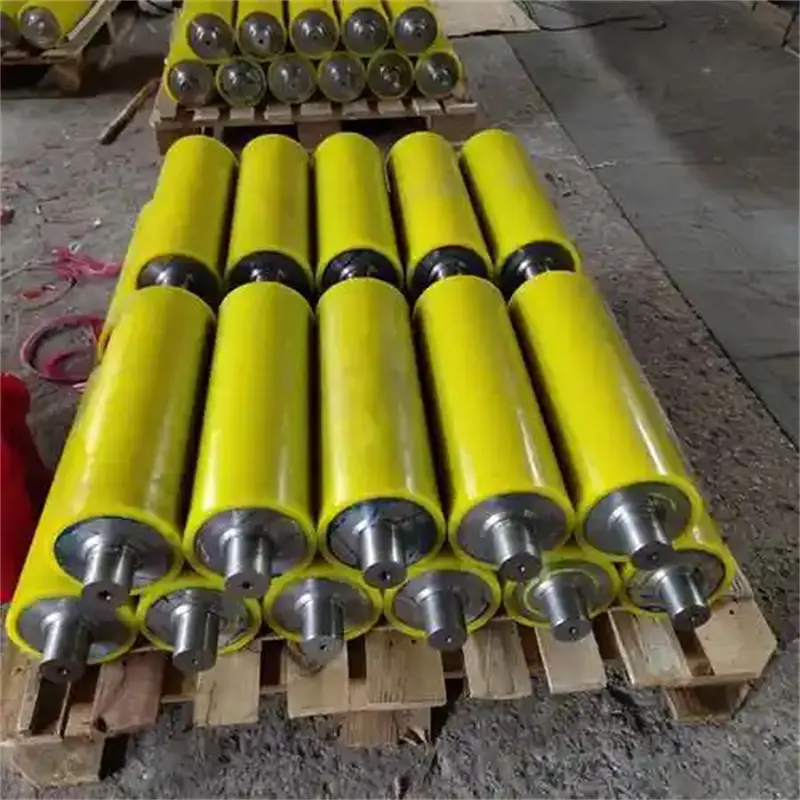
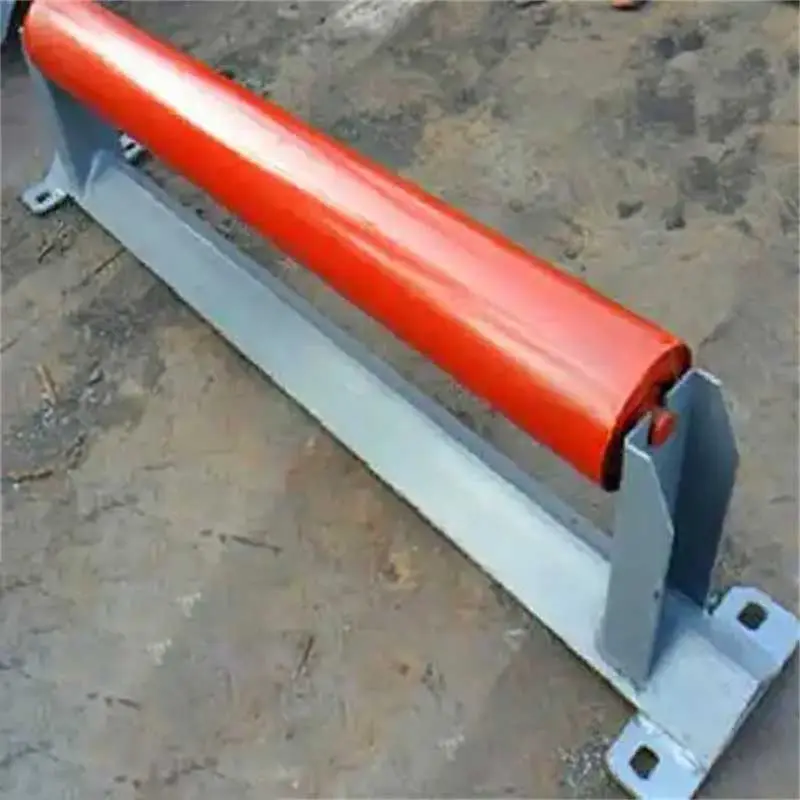
The idler roller of a belt conveyor is the most important component of a belt conveyor, and it is also the component that occupies the largest number of belt conveyors. The idler roller of a belt conveyor is different from the unpowered drum used for material conveying, although its composition and appearance are similar. However, the carrying capacity of the belt conveyor rollers is relatively large, and there are corresponding limitations on the speed.
The standard groove angle for the groove type idler is 35 degrees, so the most commonly used in each conveyor are the 35 degree groove type idler and the 35 degree groove type forward leaning idler.
Buffer rollers have 35 degree and 45 degree options. When using canvas conveyor belts, only 35 degree groove type buffer rollers can be selected. When using a 45 degree groove type buffer roller, it can be used in the section of the guide groove that is not affected by material impact.
Large capacity, long-distance, high belt tension, and important conveyors should generally be equipped with transition sections.
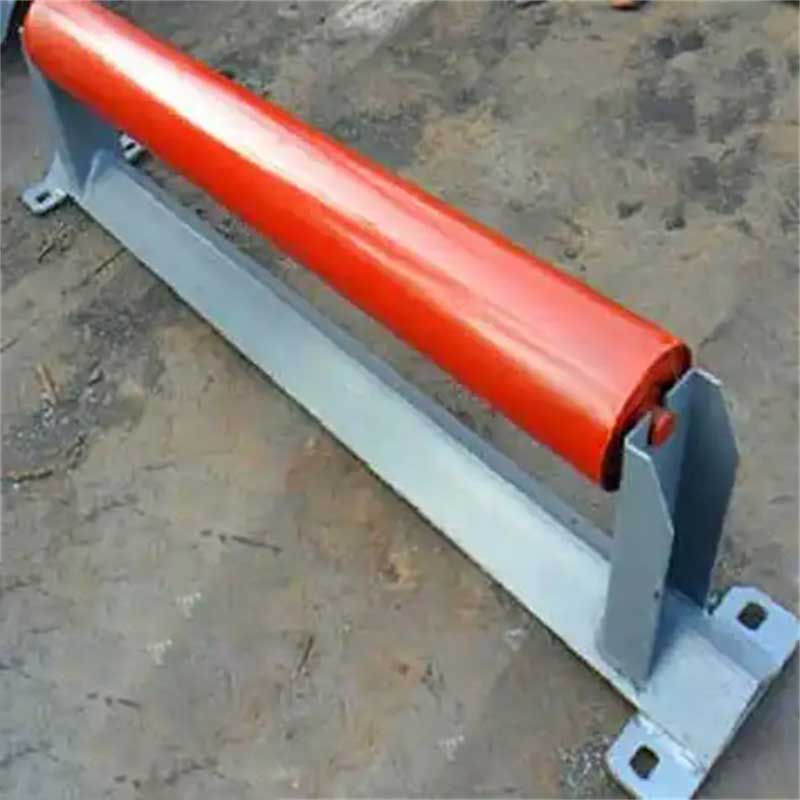
The return roller, also known as the parallel lower roller, is the most commonly used type of lower roller.
Self aligning rollers include ordinary self-aligning rollers, friction self-aligning rollers, and conical self-aligning rollers. The self-aligning roller is used to automatically correct excessive deviation of the conveyor belt during operation, ensuring the normal operation of the conveyor.
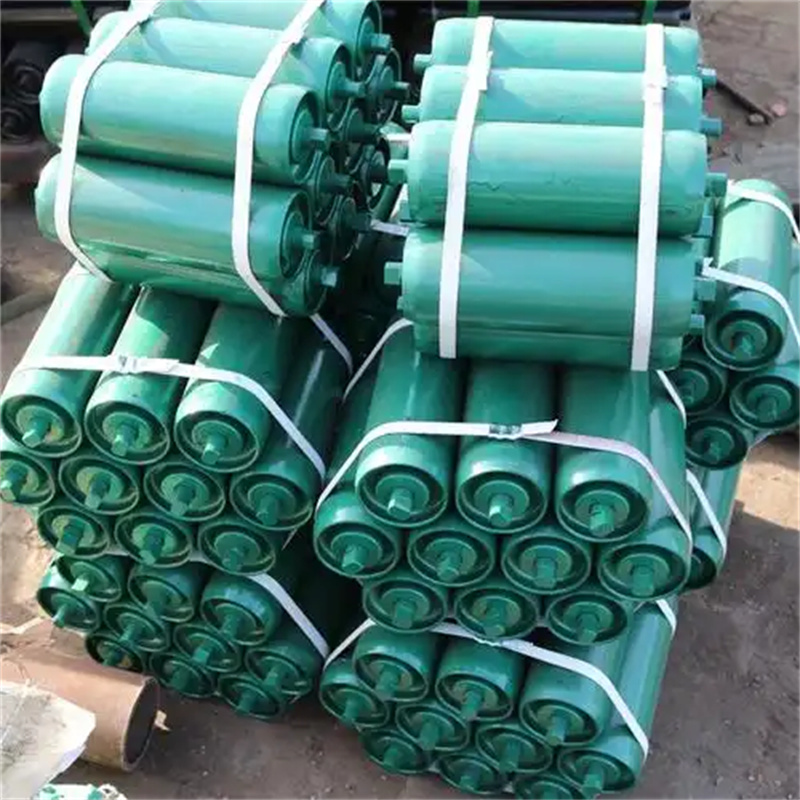
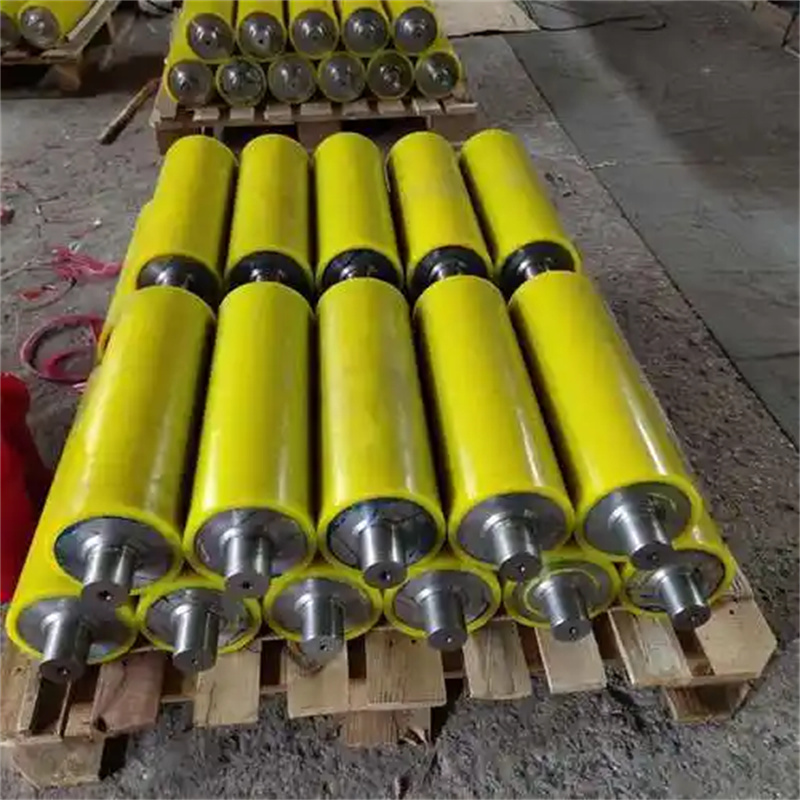
The standard groove angle for the groove type idler is 35 degrees. The 35 degree groove type idler and the 35 degree groove type forward leaning idler are the most commonly used configurations in belt conveyors.
Although they are similar in composition and appearance, belt conveyor idler rollers have a relatively larger carrying capacity and come with specific speed limitations, while unpowered drums are generally used for basic material conveying without these constraints.
A 45 degree groove type buffer roller can be used in sections of the guide groove that are not affected by material impact. However, when using canvas conveyor belts, only 35 degree groove type buffer rollers should be selected.
Self-aligning rollers are used to automatically correct excessive deviation of the conveyor belt during operation. They come in several types including ordinary self-aligning rollers, friction self-aligning rollers, and conical self-aligning rollers, all helping to ensure normal conveyor operation.
Large capacity, long-distance, high belt tension, and important conveyors should generally be equipped with transition sections. Transition rollers help ensure a smooth transition for the conveyor belt, reducing wear and improving performance.
The return idler roller is also commonly referred to as the parallel lower roller. It is the most widely used type of lower roller in belt conveyor systems.