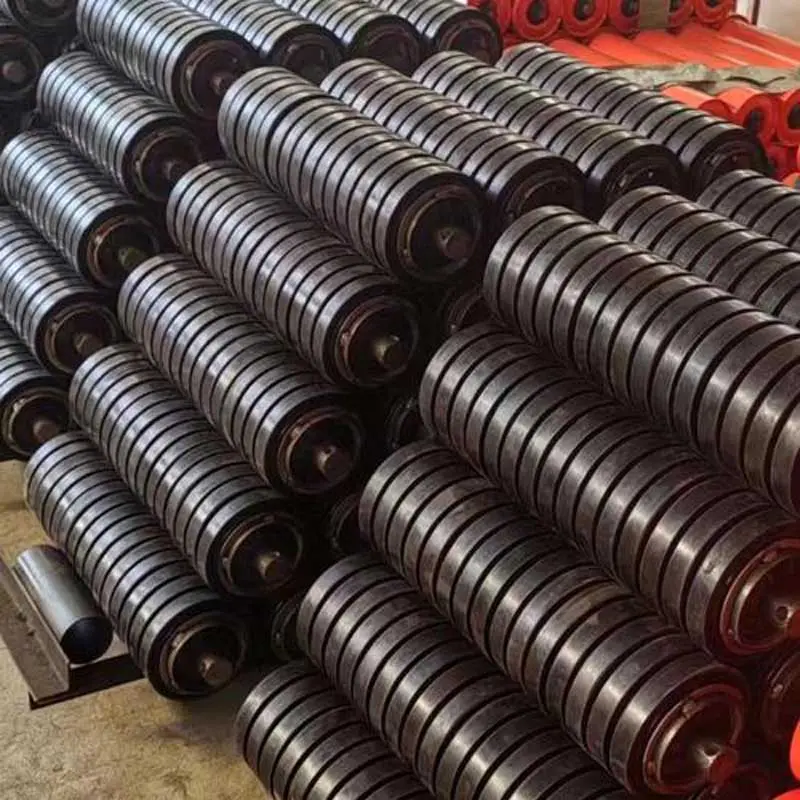
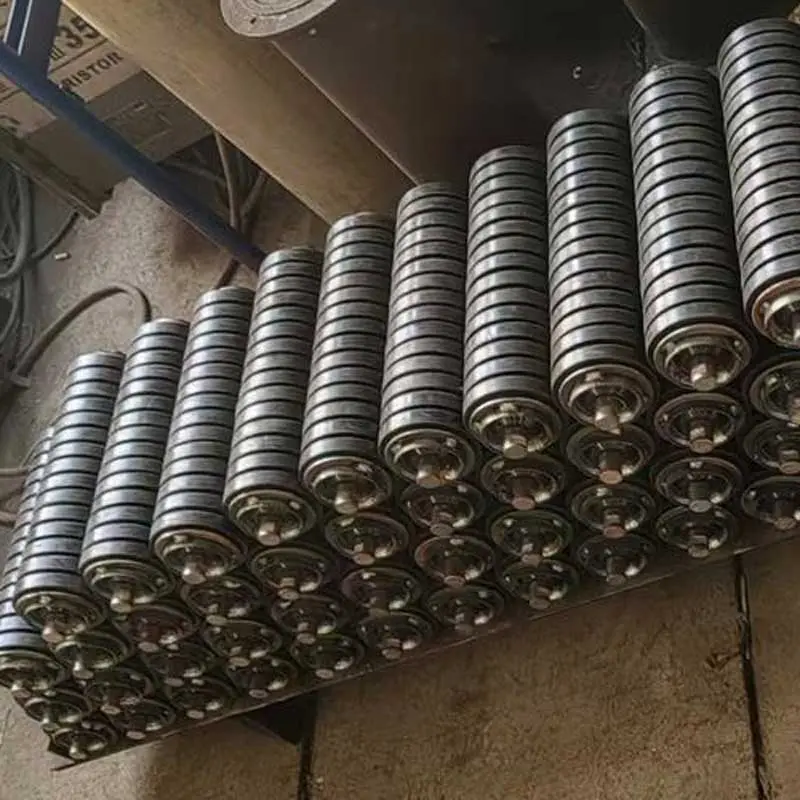
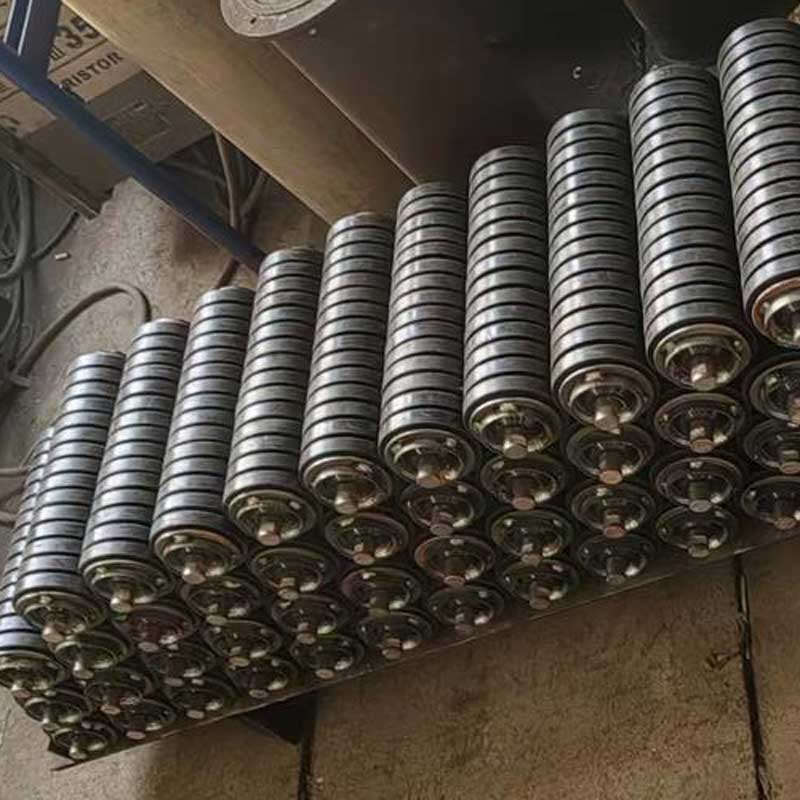
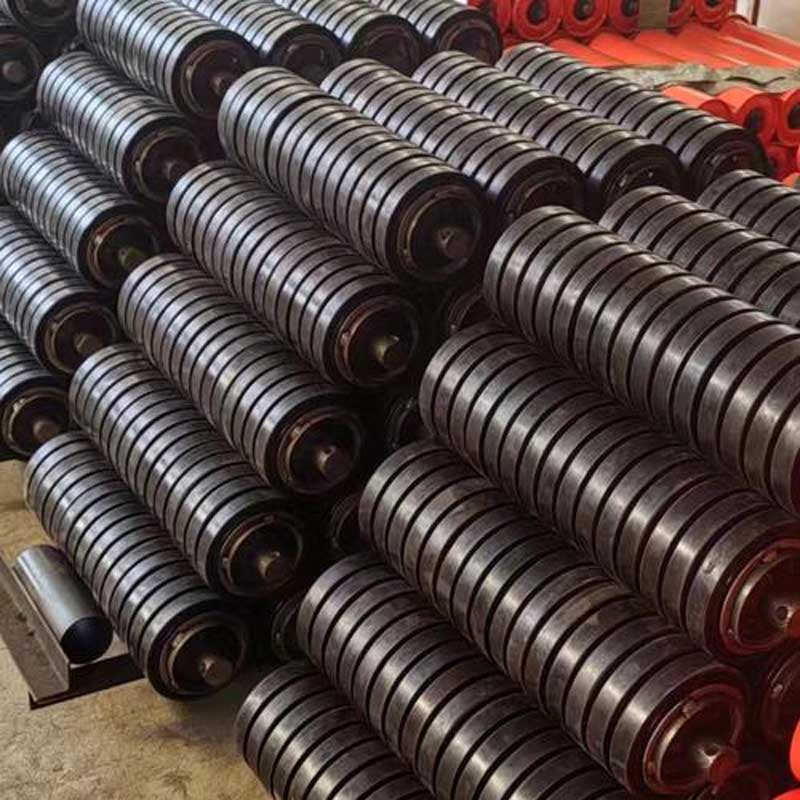
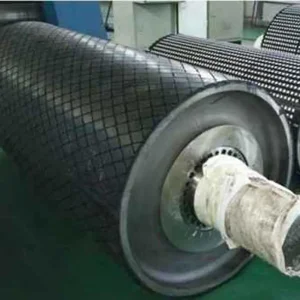
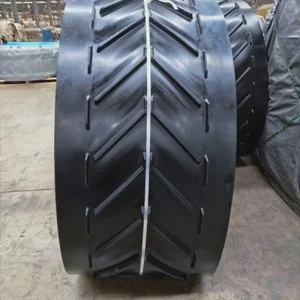
China Suppliers Factory Rubber Buffer Idler Roller for Corrosive Environments - Durable & Lightweight Solutions

,

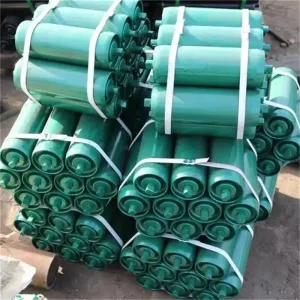
Introducing the Impact Idler, a revolutionary product designed specifically for harsh environments like coal washing plants, coking plants, and chemical facilities. As one of the leading China suppliers of industrial components, we manufacture the Impact Idler to enhance the performance of belt conveyors by minimizing the impact of falling materials on the conveyor belt. Our idlers boast over ten times the toughness of conventional metals and provide five times the lifespan of traditional column shoes. Additionally, they offer exceptional corrosion resistance, flame retardancy, and anti-static properties while remaining lightweight.

,

Crafted from a specialized polymer, the roller body showcases mechanical properties akin to bronze, delivering outstanding wear resistance and self-lubricating features without harming the belt. The buffering roller not only excels in functionality but also provides superior anti-corrosion performance. With the roller body and sealing components made from durable polymer materials, our Impact Idler is built to last—offering service life that can exceed five times that of ordinary rollers, especially in corrosive environments. Trust our factory to provide you with the highest quality Impact Idlers that stand up to the toughest conditions.

,

Product Description

Performance and Advantages
The buffer roller is lightweight and has low rotational inertia. The specialized polymer material for rollers is lightweight, with a specific gravity of one seventh that of steel. Rollers made from this material weigh about half of ordinary rollers, have low rotational inertia, and low friction between rollers and belts.
impact-idler
impact-idler2
Purpose
Buffer rollers are installed below the receiving section of the conveyor to reduce the impact of materials on the conveyor belt during material dropping, thereby extending the service life of the conveyor belt. The spacing between buffer rollers is generally 100–600 millimeters.
Standard Diameter Parameters
According to the Chinese national conveyor industry standards, there are four standard types of buffer roller diameters for belt conveyors with a belt width of 500mm–1400mm:
Ø 89 mm Ø 108 mm Ø 133 mm Ø 159 mm
With the emergence of wide belt conveyors, the diameter of buffer rollers has also shown an increasing trend.
Installation and Selection
In terms of installation, the buffer roller is designed to increase the density of installation. Damaged rollers should be regularly inspected and replaced in a timely manner. For conveyor belts with large drop heights, it is recommended to install buffer air locks and replace the buffer rollers with buffer beds.
Key selection criteria to consider:
Radial runout of the roller
Flexibility of the roller
Axial displacement
Dust and water resistance
Axial bearing capacity
Impact resistance of the roller
Protection
1 Buffer Roller Temperature Protection
When the temperature of the belt conveyor drum exceeds the limit due to friction with the belt, the detection device installed closely to the drum sends an overtemperature signal. After receiving the signal, the receiver delays for 3 seconds, causing the execution part to act, cutting off the power supply to the motor, and the conveyor automatically stops running — providing temperature protection.
2 Roller Group Speed Protection
If the conveyor malfunctions — such as motor burnout, mechanical transmission damage, belt or chain breakage, or belt slipping — the magnetic switch in the accident sensor SG installed on the driven part cannot close at normal speed. The control system then follows the inverse time characteristic and, after a certain delay, the speed protection circuit takes effect, cutting off the motor power supply to prevent the accident from expanding.
3 Buffer Roller Coal Bunker Coal Level Protection
There are two coal level electrodes in the coal bunker — high and low. When there is no empty car in the bunker, the coal level gradually rises. When the coal level reaches the high level electrode, the coal level protection is activated. Starting from the first belt conveyor, each conveyor stops one by one due to the stacking of coal at the tail of the machine.
Frequently Asked Questions
Q What is a buffer roller and what is it used for?
A buffer roller is a specialized conveyor component installed below the receiving section of a conveyor belt. Its primary purpose is to absorb and reduce the impact force of materials dropping onto the conveyor belt, which significantly extends the service life of the belt and reduces maintenance costs.
Q What material is used to make buffer rollers, and why is it beneficial?
Buffer rollers are made from a specialized polymer material. This material has a specific gravity of only one seventh that of steel, making the rollers approximately half the weight of ordinary steel rollers. The lightweight design results in low rotational inertia and reduced friction between the roller and the belt.
Q What are the standard diameter sizes for buffer rollers?
According to Chinese national conveyor industry standards, the four standard buffer roller diameters for belt conveyors with belt widths of 500mm–1400mm are: Ø 89mm, Ø 108mm, Ø 133mm, and Ø 159mm. As wide belt conveyors have become more common, larger diameter options are also increasingly available.
Q What is the recommended spacing for buffer roller installation?
The standard spacing between buffer rollers is generally between 100 and 600 millimeters. For conveyor systems with large material drop heights, it is advisable to install buffer air locks and consider replacing buffer rollers with buffer beds for enhanced protection.
Q What key factors should be considered when purchasing buffer rollers?
When selecting buffer rollers, the following performance criteria should be carefully evaluated: radial runout of the roller, rotational flexibility, axial displacement tolerance, dust and water resistance, axial bearing capacity, and overall impact resistance. These factors directly affect the reliability and longevity of the roller in operation.
Q What protection mechanisms are associated with buffer roller systems?
Buffer roller systems typically incorporate three key protection mechanisms: (1) Temperature protection — automatically cuts power when drum temperature exceeds safe limits; (2) Speed protection — detects abnormal operating speeds caused by mechanical failures and shuts down the system; (3) Coal level protection — monitors coal bunker levels using high and low electrodes and sequentially stops conveyors to prevent overflow or coal stacking accidents.

Related Products