Explore our key industrial products engineered for maximum wear resistance, high-temperature performance, and bulk material conveying efficiency.
Established in 2004, Hebei Boao Rubber Technology Co., Ltd. is positioned in the heart of the Rubber Industrial Park of Boye County, Baoding, Hebei Province. Over more than 22 years of dedication, our manufacturing site has expanded to cover an area of over 30 acres, enabling us to implement state-of-the-art technological production systems and laboratory testing processes.
Under our premium trademark brand "Jinao", we have developed a comprehensive vertical system that integrates design, raw material testing, structural engineering, and vulcanized manufacturing of heavy-duty conveyor belts and industrial conveyor components. We successfully achieved international quality management system certification in our early phases, establishing strict benchmarks for our global shipping pipelines.
Our advanced infrastructure includes high-precision rolling, forming, vulcanization lines, and dedicated chemical and physical testing labs. This guarantees that every single batch of raw rubber compound and finalized 3/8" rubber belting adheres to national and global regulatory metrics.
Deep-dive research on technical standards, compounding parameters, and global demand dynamics.
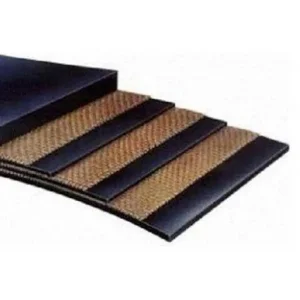
In heavy-duty industrial bulk handling, 3/8-inch (approximately 9.5 mm) rubber belting represents one of the most critical structural thicknesses specified for mining, smelting, and aggregate operations. The 3/8" dimension typically dictates the cover thickness (the protective top and bottom rubber layers) or the overall gauge of multi-ply fabric belts (such as EP or NN synthetic carcasses). Choosing the appropriate cover ratio, such as 3/8" top cover x 3/32" bottom cover, is essential for operations handling abrasive run-of-mine ores, sharp quartz, crushed granite, and hot clinker.
The core structural design utilizes a polyester-warp/polyamide-weft (EP) or nylon-warp/nylon-weft (NN) fabric core. The synthetic plies are integrated through high-grade SBR (Styrene Butadiene Rubber), Natural Rubber (NR), or Nitrile (NBR) skim coats that deliver exceptional inter-ply adhesion levels, preventing delamination when conveying materials over steep inclines or through deep troughing angles. For systems operating under extreme stress, wire core reinforcing cables are utilized to optimize longitudinal tensile limits and mitigate vertical tears.
The manufacturing cluster located in Boye County, Hebei, represents a globally recognized industrial hub for rubber compounding and vulcanization technology. China-based manufacturers like Hebei Boao Rubber Technology achieve unique efficiency advantages through several factors:
Procurement directors and plant managers in North America, Europe, Australia, and South America face strict compliance criteria. Our Jinao brand rubber belts are formulated to fulfill international quality standards, including ISO 14890, DIN 22102, AS 1332, and RMA (Rubber Manufacturers Association) Class I and Class II grading limits. Whether deployed in frozen regions requiring cold-resistant polymers that retain flexibility at -45°C, or in chemical processing plants requiring acid/alkali-impervious covers, our technical formulations are customized to eliminate premature failure risks, maximizing system lifecycle and optimizing cost-per-ton handling efficiency.
A look at the quality assurance systems and structural capabilities that drive our success.
Every manufacturing step is monitored via our in-house physical laboratory and testing room. Raw polymer supplies, carbon blacks, accelerators, and reinforcing fabrics are subjected to testing before entering the production floor.
We deploy professional quality inspectors across all mixing, calendering, ply layering, and vulcanization steps, utilizing advanced instrumentation to confirm zero-defect products leave the factory.
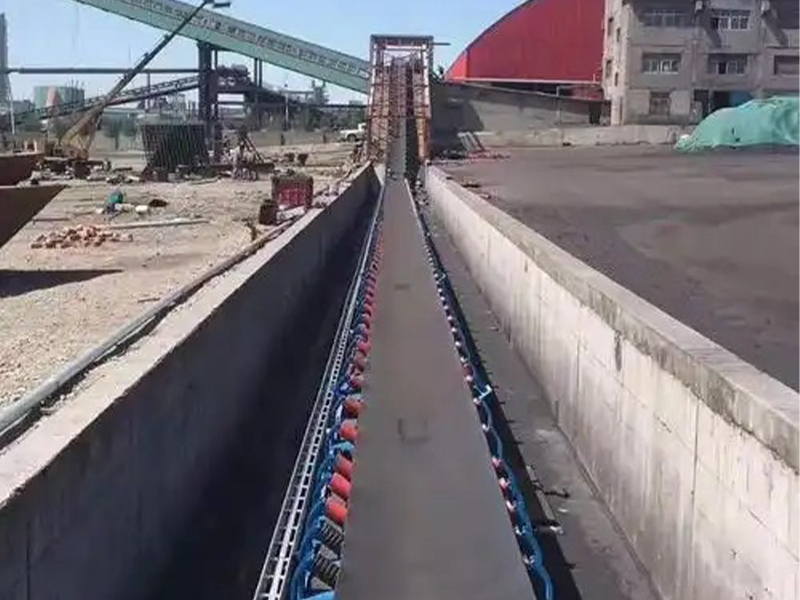
Our heavy-duty belts are utilized across steel plants, metallurgical plants, power generation stations, coal mines, cement plants, grain terminals, and major maritime ports worldwide.
Review the full scope of products fabricated under our ISO-certified manufacturing process.
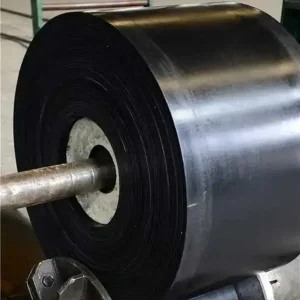
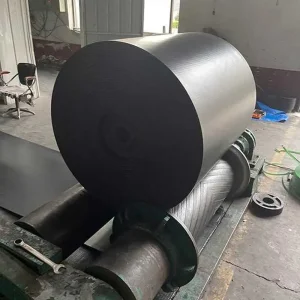
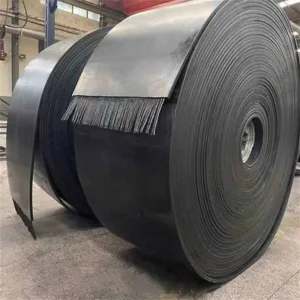
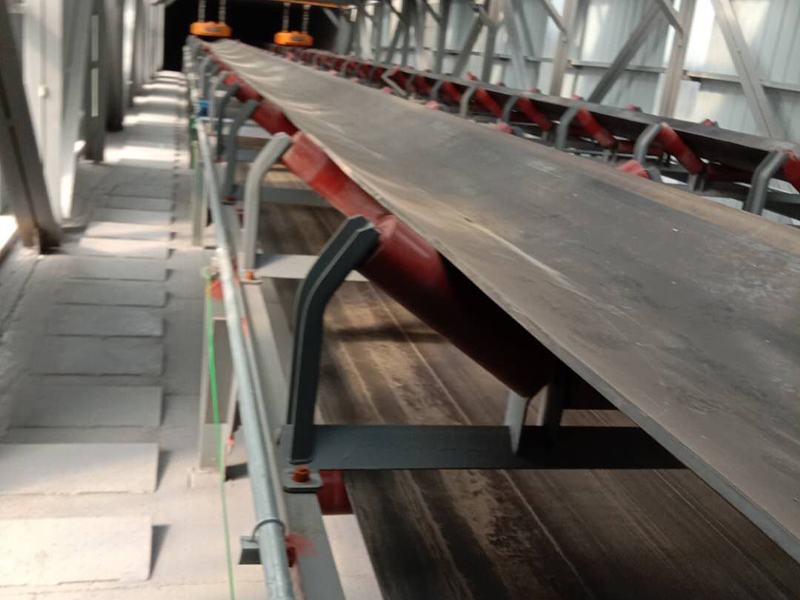
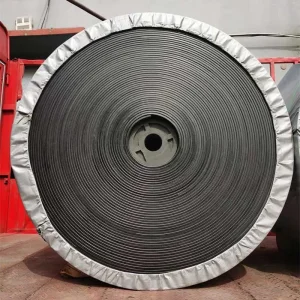
Includes ordinary layered conveyor belts (NN, EP, PP fabric cores), heat-resistant belts, chemical-resistant and oil-resistant variations, circular loop belts, and specialized cold-resistant compounds.
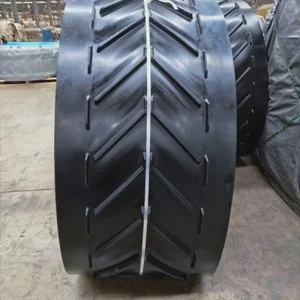
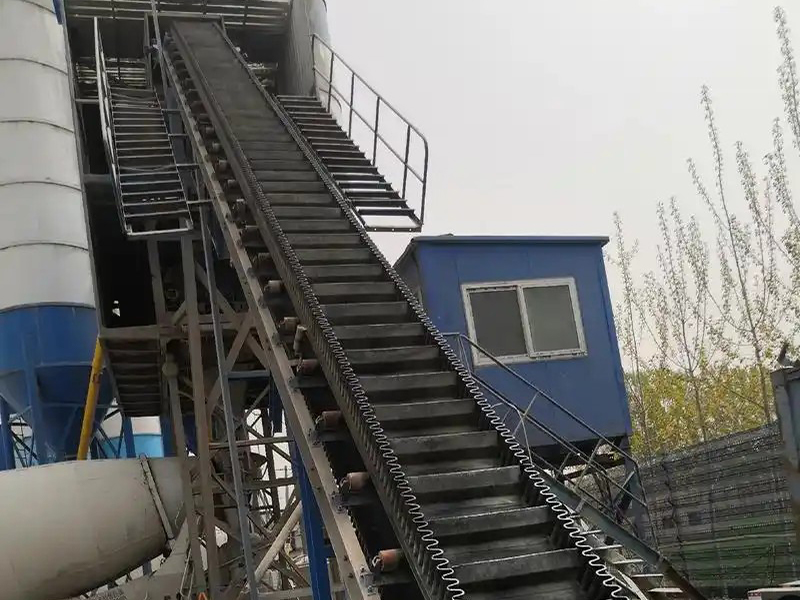
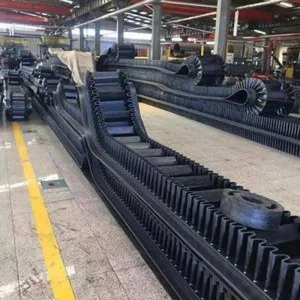
Engineered for high-angle material lifting, featuring chevron/herringbone patterns, magic carpet profiles, high-angle wavy edge sidewall belts, and specialized rubber waterstop profiles.
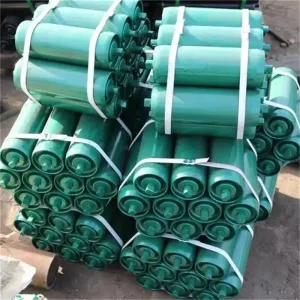
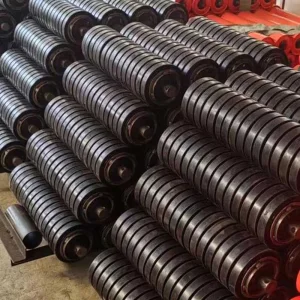
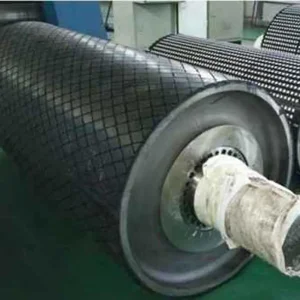
High-quality troughing idlers, impact rollers, return rollers, rubber buffer idler configurations, ceramic lagging pulleys, magnetic separator pulleys, return brackets, and tension systems.
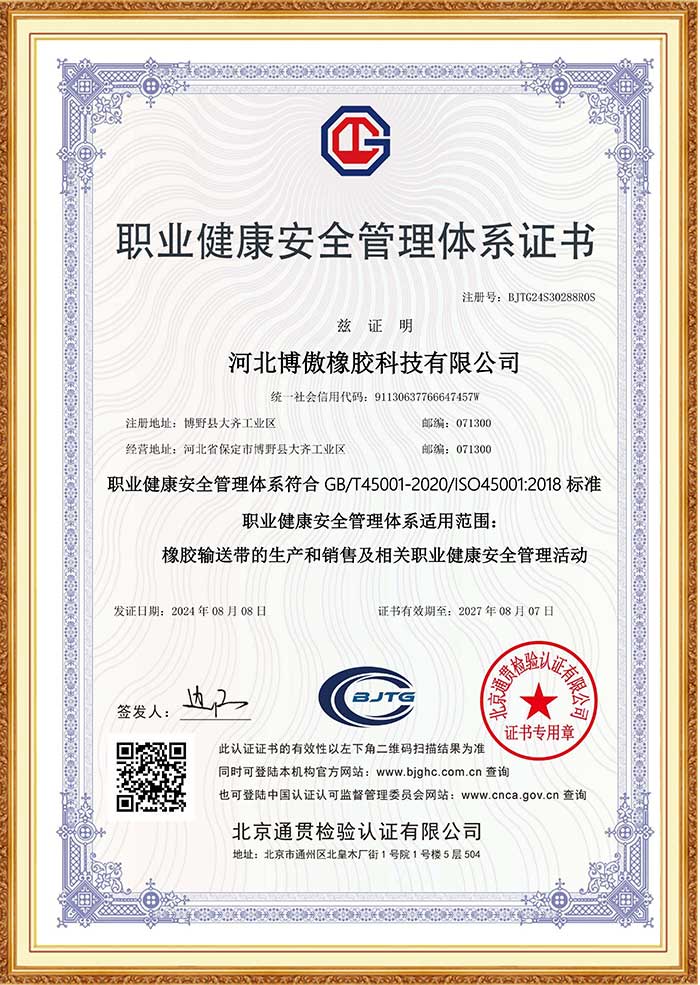
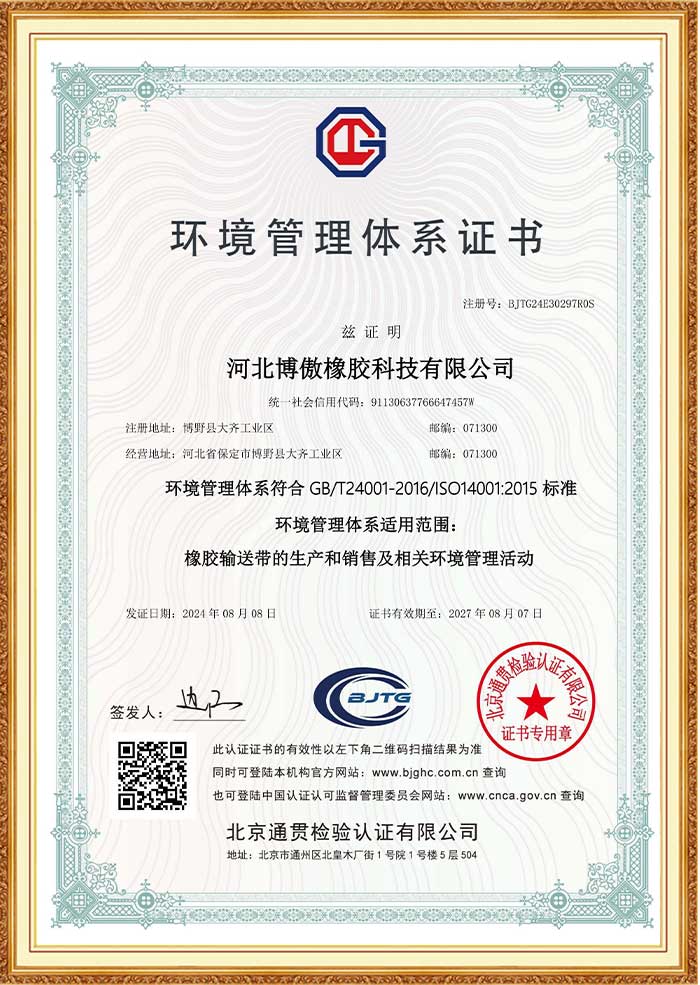
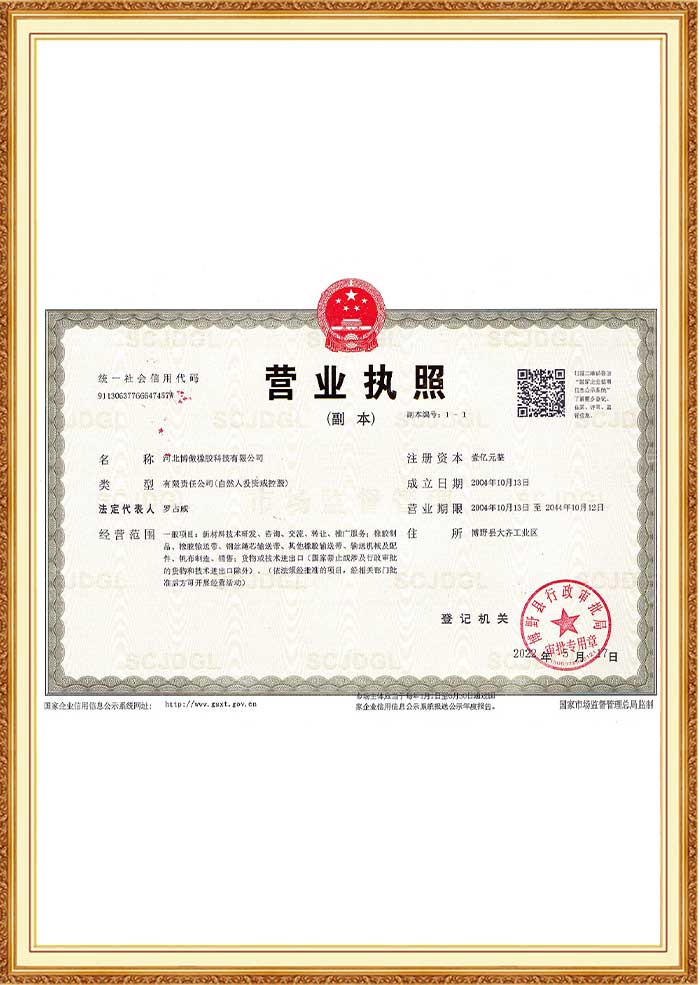
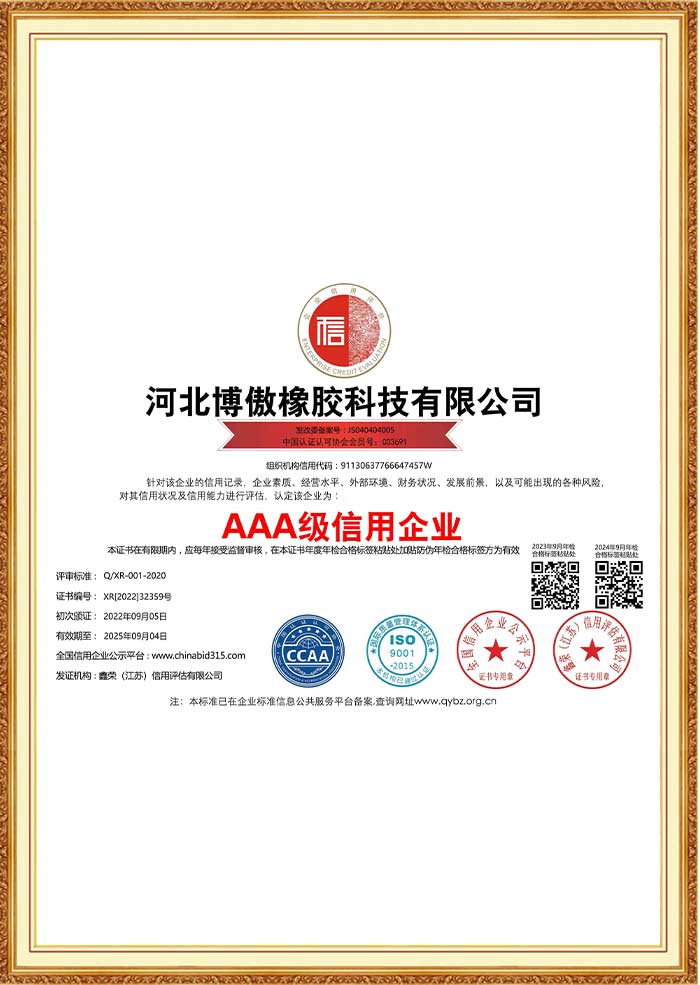
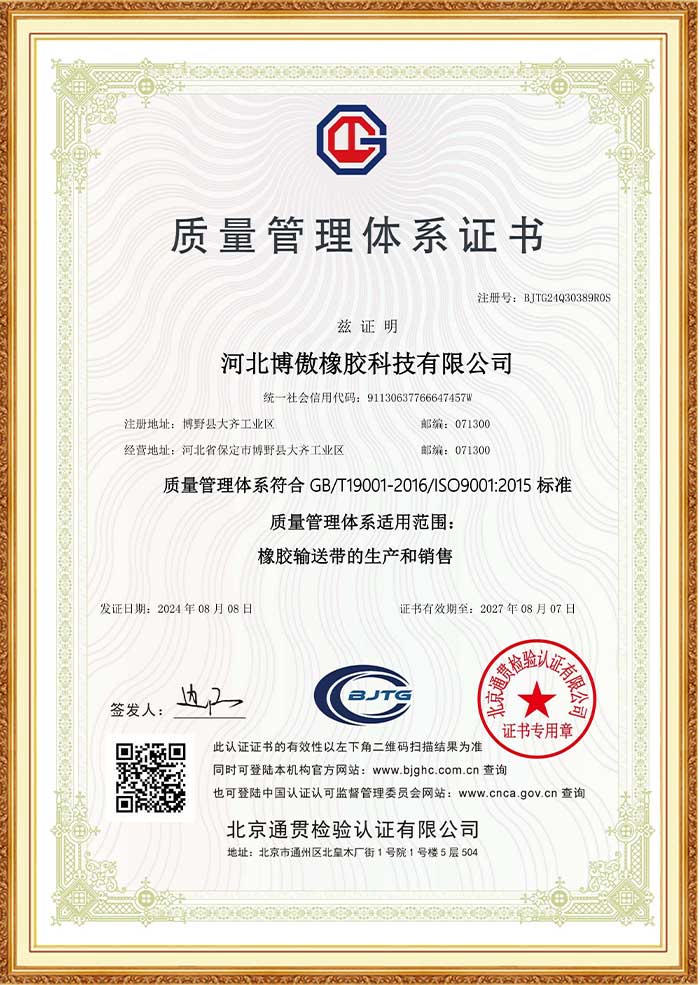
Our commitment to rigorous quality management system requirements ensures reliable conveyor belt operations.
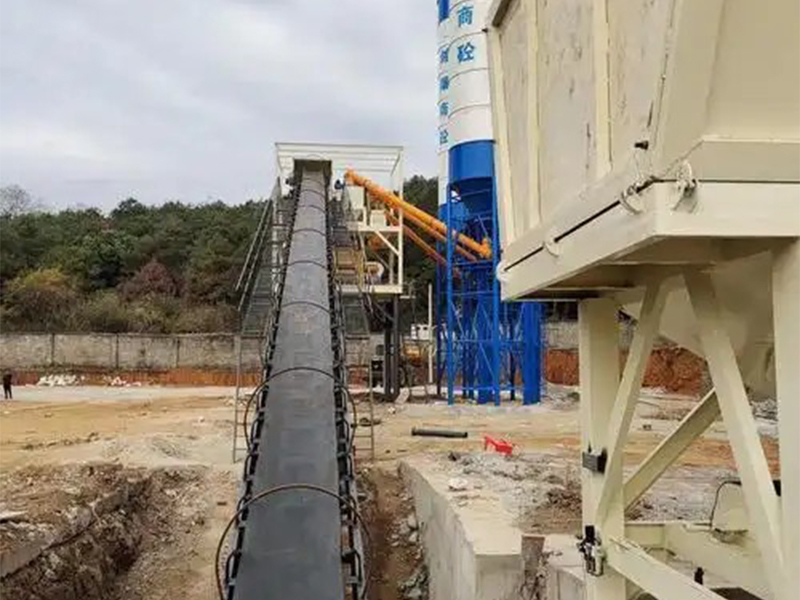
Deployments of our heavy-duty belting solutions across major mining, steel, and cement operations.
China Railway Group
Conch Cement
Datong Coal Group
Tsingshan Group
Jidong Cement Group
Jinmei Group
Taihang Steel
Puyang Steel Group
Beyond manufacturing: we optimize your entire conveyor system lifecycle to maximize plant uptime.
Scheduled maintenance, belt joining, dynamic vulcanized splicing, diagnostic monitoring, and critical emergency repairs.
Ensuring inventory management protocols, stocking custom widths and thicknesses, vulcanizing, and cover repair services.
Enhancing daily transport capacity, reducing energy drag, and minimizing mechanical wear on pulley faces.
Ensuring stable, reliable operation, minimizing system friction coefficients, and extending service life.
In-depth technical answers addressing compounding parameters, durability standards, and system selection.
A 3/8" (approx. 9.5 mm) cover thickness represents the wear-resistant rubber layer applied on the top side of the carcass. This specification is designed to absorb the kinetic impact of falling bulk materials (such as heavy ores, crushed rocks, and coal) and protect the interior fabric or steel reinforcing cords from puncture, cuts, and premature failure.
EP (Polyester-Nylon) fabrics offer lower longitudinal stretch under tension, making them ideal for long-distance conveyors where tracking is crucial. NN (Nylon-Nylon) fabrics provide superior elasticity and dynamic fatigue resistance, making them well-suited for high-impact applications and systems with deep troughing angles.
For temperatures exceeding 120°C (up to 200°C continuous, 400°C peak), EPDM (Ethylene Propylene Diene Monomer) or chlorobutadiene compounds are used. These elastomeric polymers exhibit exceptional thermal stability, preventing surface cracks and ply separation caused by heat exposure.
DIN 22102 defines grades like X, Y, and W. Grade X represents high abrasion resistance (loss ≤ 120 mm³) for heavy, sharp materials. Grade Y is suited for general-purpose applications (loss ≤ 150 mm³). Grade W is designed for highly abrasive materials (loss ≤ 90 mm³), maximizing service life under abrasive conditions.
Our acid and alkali-resistant conveyor belts are formulated with specialized synthetic rubber compounds that resist absorption of acidic and alkaline solutions. This prevents chemical degradation of the elastomer and the reinforcement plies, protecting the bond between layers.
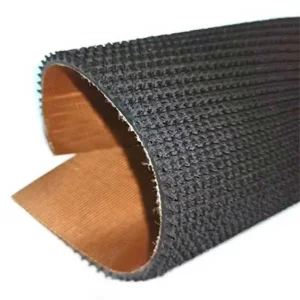
Yes. We manufacture chevron, magic carpet, and concave-convex textured rubber profiles. These patterns increase material friction, allowing bulk transport up steep inclines (up to 30–40 degrees) without slippage.
Get in touch with our engineering team for customized compound selections, tensile strength calculations, and detailed pricing proposals.
Request a Technical ConsultationOur complete range of industrial products, components, and cold-resistant conveyor solutions.
 Boao Rubber