 Boao Rubber
1 / 2
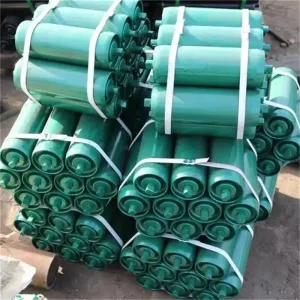
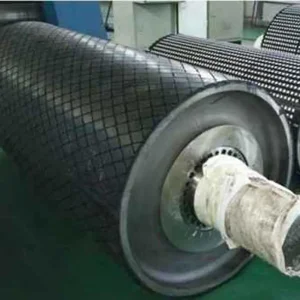
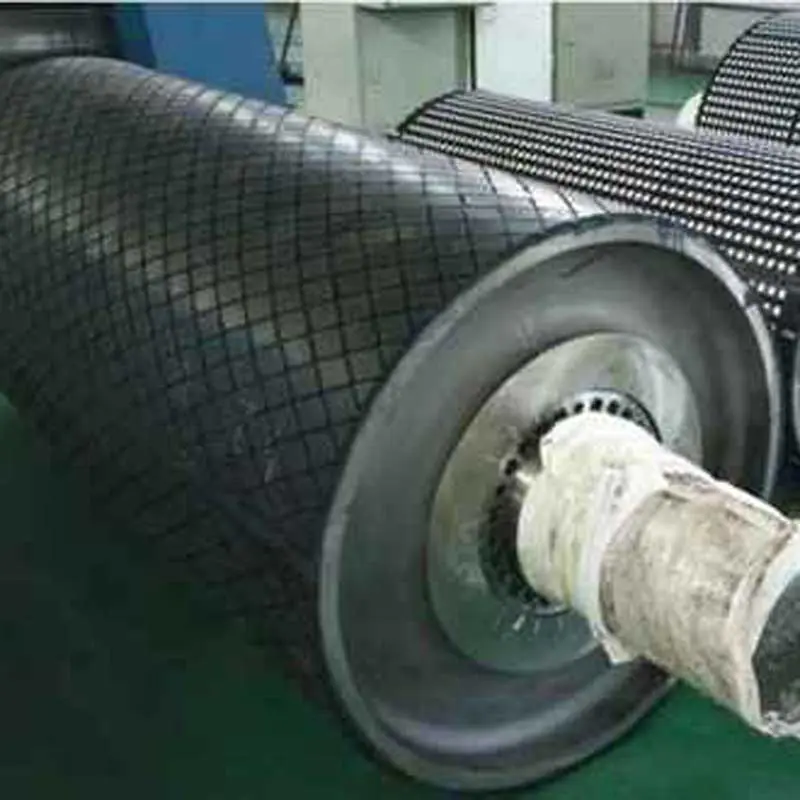
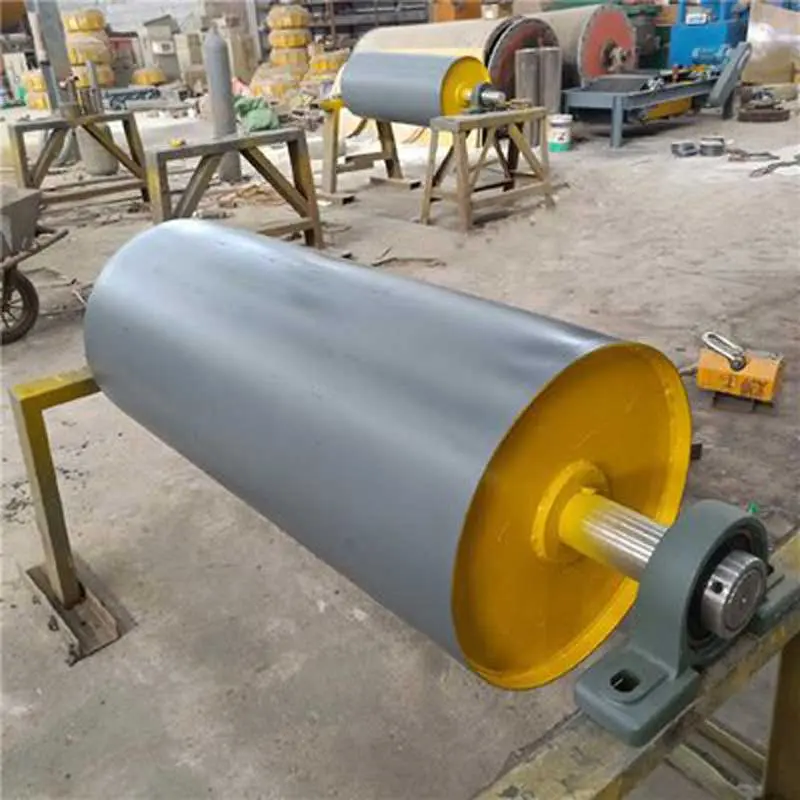
Rollers are usually made of seamless steel pipes, but other materials such as aluminum alloy 6061T5, 304L/316L stainless steel, 2205 duplex stainless steel, cast steel parts, or solid forged alloy steel cores can also be used according to different process requirements. The selection of these materials depends on the specific application environment and performance requirements.
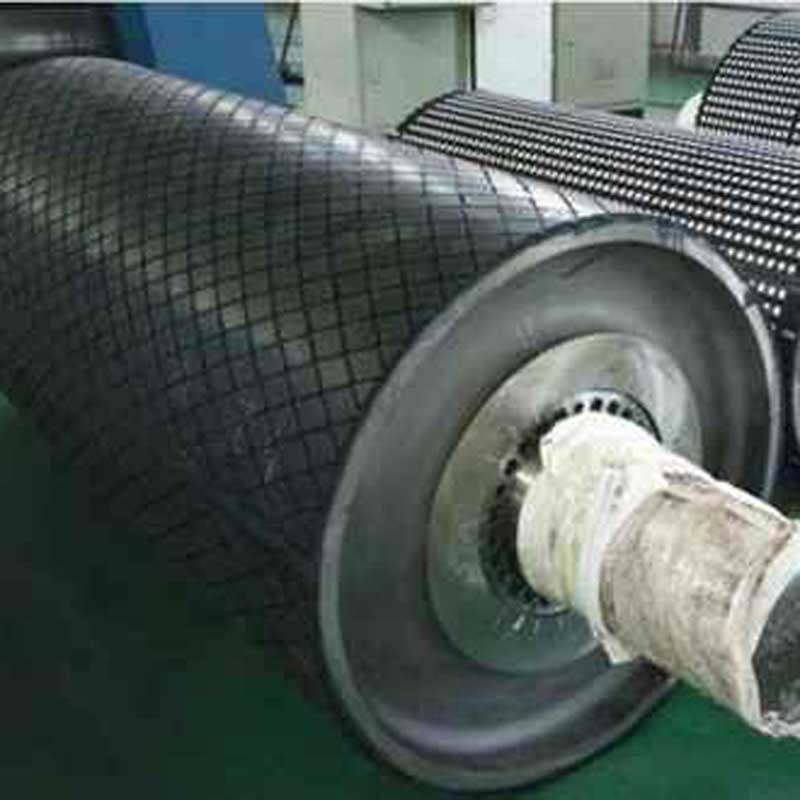
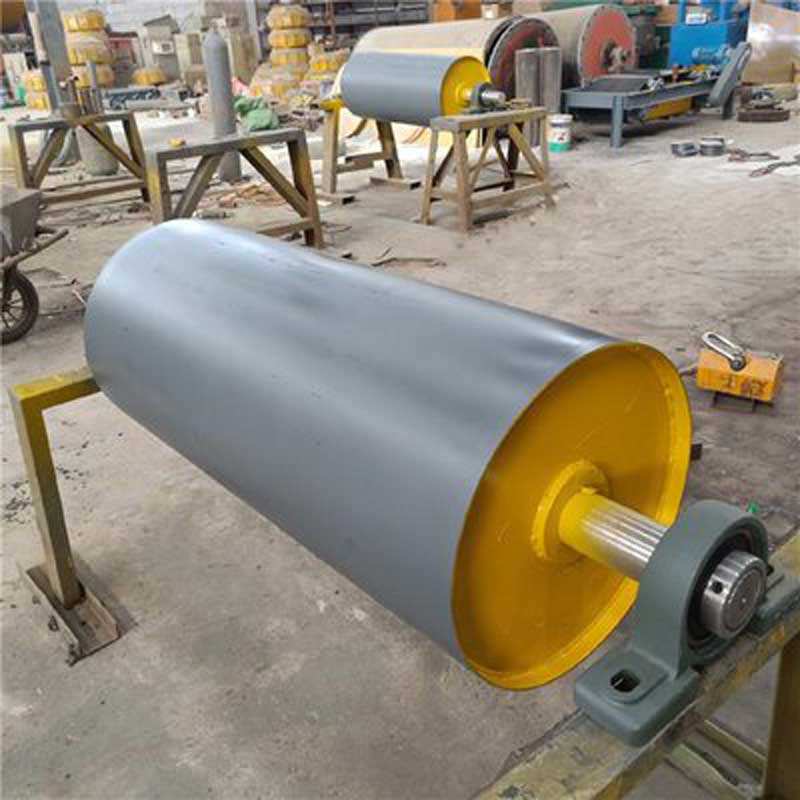
Frame Material Selection: Common rack materials include carbon steel, aluminum profiles, and stainless steel. For the food industry, it is recommended to prioritize choosing a fully stainless steel body to ensure hygiene and corrosion resistance.
Drum Material: Optional materials include carbon steel galvanized, chrome plated, nickel plated, cast adhesive (encapsulated), stainless steel, and steel plastic steel. Different materials are suitable for different working environments and material characteristics.
Surface Treatment: The carbon steel body can be treated with spraying, plastic spraying, or baking paint, while the stainless steel body can be treated with mirror polishing, matte, sandblasting, or wire drawing to meet different aesthetic and protective requirements.
Load Capacity: The material and model of the drum should be determined primarily based on the load capacity. This helps ensure the stability and safety of the conveyor during operation.
Food Industry Requirements: In addition to choosing a fully stainless steel body, strong stainless steel rollers should also be prioritized to further ensure food safety and equipment cleanliness.
Height Configuration: Normally, the top height of the conveyor drum is slightly lower than the side height of the machine body. However, if there are special requirements, the height of the side can also be set higher than or equal to the drum top height, with side shields, edges, or guardrails installed as needed.
Inquiry & Selection Information: When inquiring, users should provide detailed information including material name, material properties, packaging size, machine material, approximate size, speed, and conveying capacity, so that manufacturers can provide the most suitable solution.