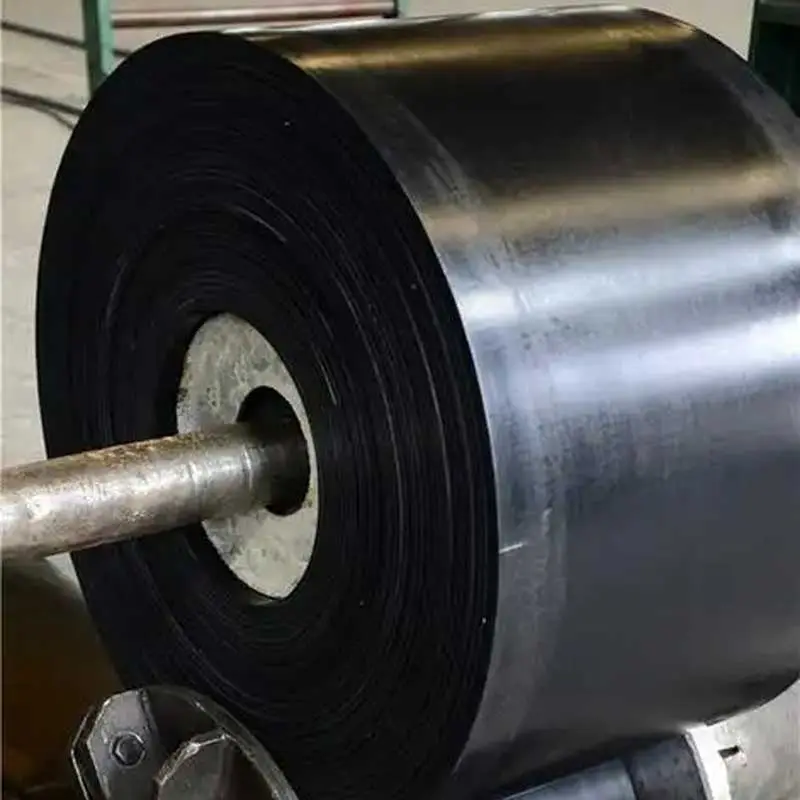
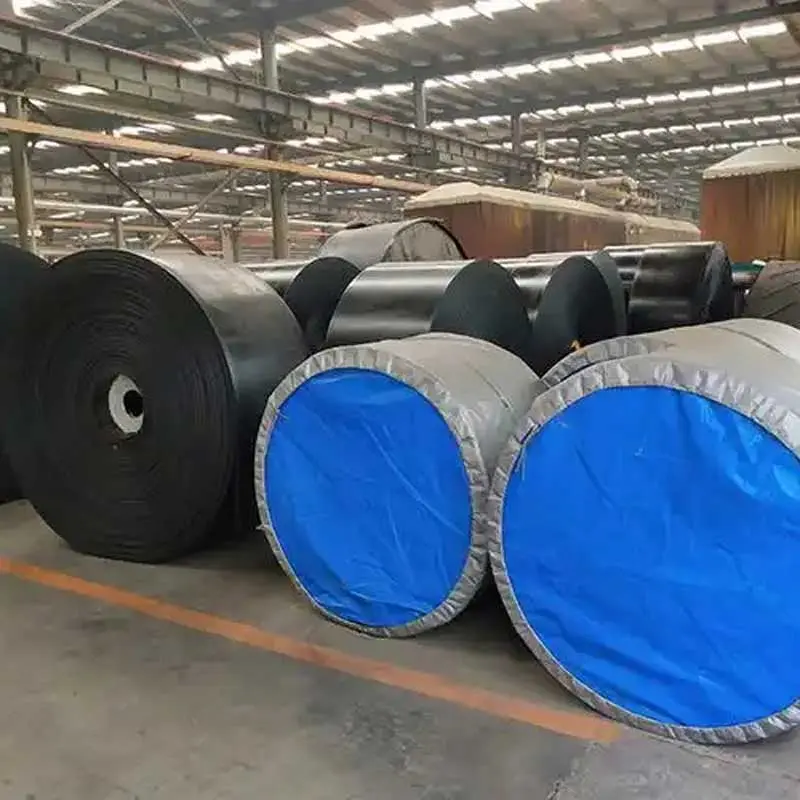
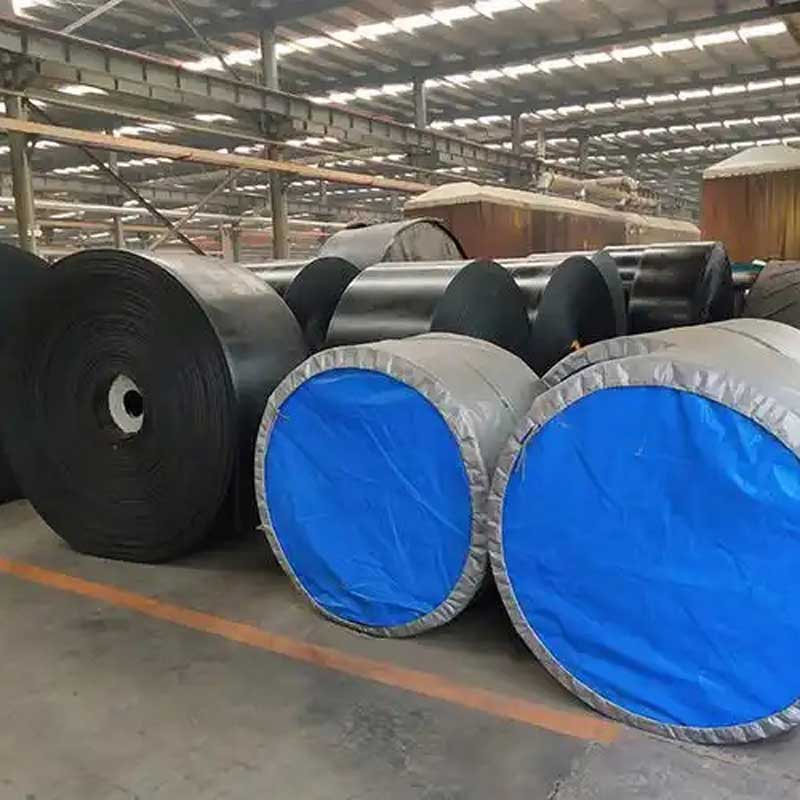
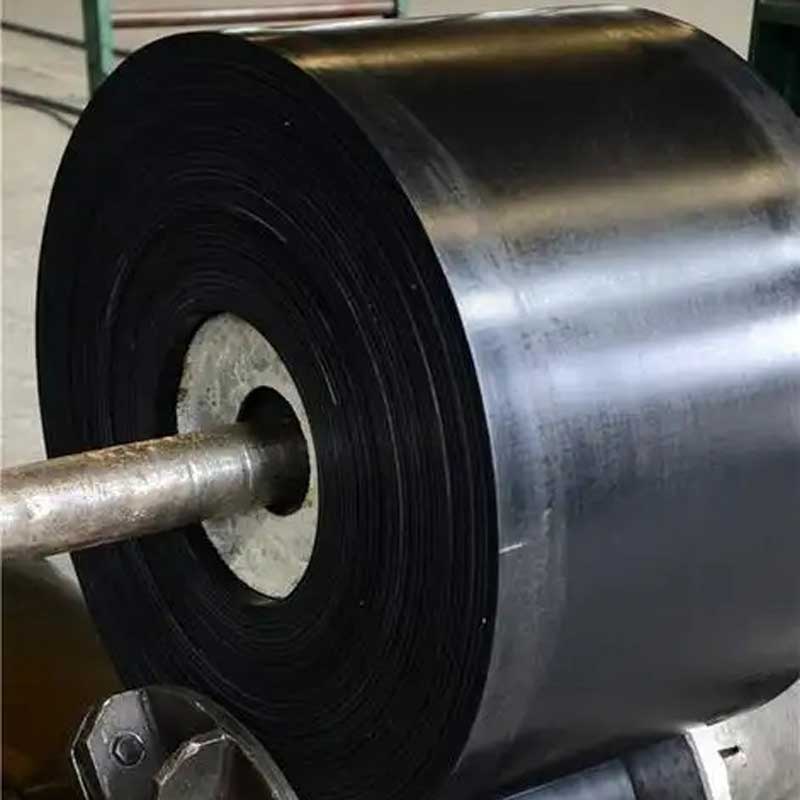
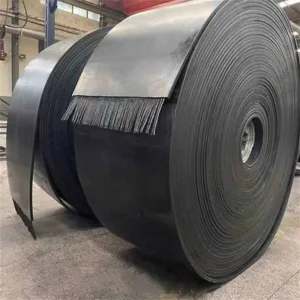
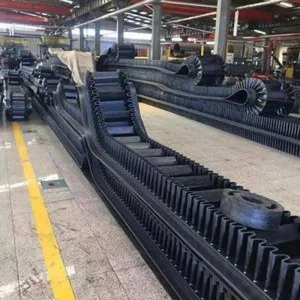
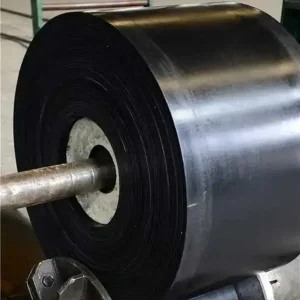
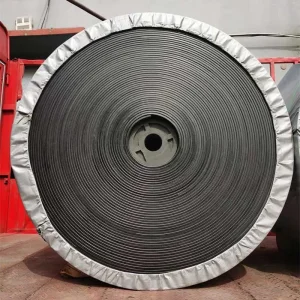
🚧 Product Introduction
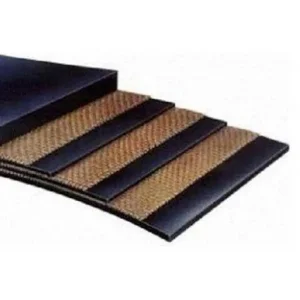
Cotton canvas, nylon canvas, or polyester canvas is selected as the core, with good elasticity and good groove forming performance, and low elongation when used. The covering adhesive made of acid and alkali resistant materials has good chemical corrosion resistance and good physical properties.
Suitable for transporting materials containing acidic and corrosive substances in chemical plants, fertilizer plants, paper mills, and other mining enterprises. It can also be used for sun drying salt in seawater.
NN100
NN150
NN200
NN250
NN300
NN350
NN400
NN450
NN500
EP100
EP150
EP200
EP250
EP300
EP350
EP400
EP450
EP500
▭
(2) Bandwidth
100mm – 3000mm
❐
(3) Fabric Layers
1 – 10 Layers
🛡
(4) Cover Adhesive
Working surface: 1.5–8.0mm
Non-working surface: 1.5–4.5mm
Acid and alkali resistant conveyor belts are divided into many specifications and models according to different usage environments and requirements. According to the size of transportation volume, they are divided into commonly used models based on width (B represents width, in millimeters):
B500
B600
B650
B800
B1000
B1200
B1400
B1600
B1800
B2000
? Frequently Asked Questions
Q What materials are used as the core of acid and alkali resistant conveyor belts?
The core is made from cotton canvas, nylon canvas, or polyester canvas. These materials provide good elasticity, excellent groove-forming performance, and low elongation during use, ensuring reliable long-term operation.
Q In which industries are acid and alkali resistant conveyor belts commonly used?
They are widely used in chemical plants, fertilizer plants, paper mills, and other mining enterprises where materials containing acidic or corrosive substances need to be transported. They are also suitable for sun drying salt in seawater environments.
Q What bandwidth options are available for these conveyor belts?
The bandwidth ranges from 100mm to 3000mm, covering a wide range of industrial transportation needs. Common width models include B500, B600, B650, B800, B1000, B1200, B1400, B1600, B1800, and B2000.
Q How many fabric layers can an acid and alkali resistant conveyor belt have?
The fabric layer count ranges from 1 to 10 layers. The number of layers is selected based on the load requirements, transportation distance, and specific working conditions of the application.
Q What are the cover adhesive thickness specifications?
The working surface cover adhesive thickness ranges from 1.5mm to 8.0mm, while the non-working surface cover adhesive thickness ranges from 1.5mm to 4.5mm. The appropriate thickness is chosen based on the abrasiveness and corrosiveness of the materials being transported.
Q What core material grades are available for acid and alkali resistant conveyor belts?
Available core material grades include NN series (NN100, NN150, NN200, NN250, NN300, NN350, NN400, NN450, NN500) and EP series (EP100, EP150, EP200, EP250, EP300, EP350, EP400, EP450, EP500), allowing selection based on tensile strength and application requirements.
 Boao Rubber