Best Rubber Buffer Idler Roller Supplier, Factories

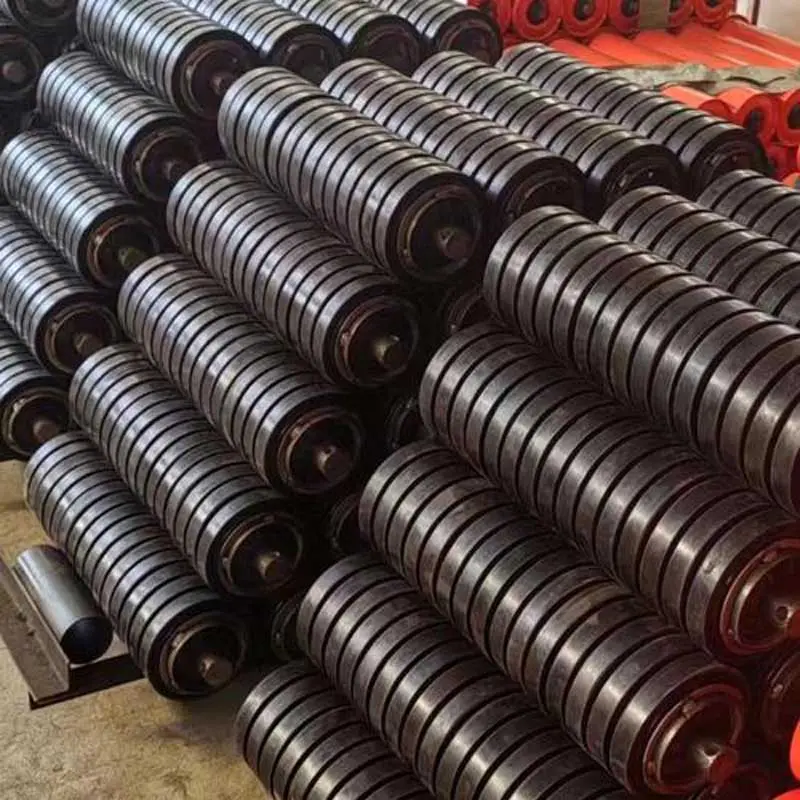
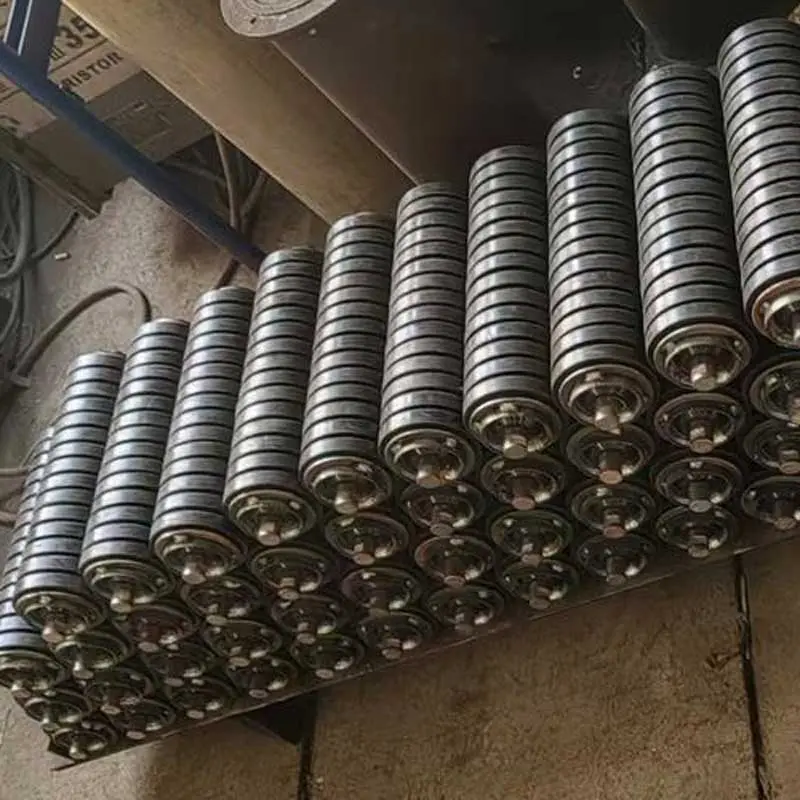
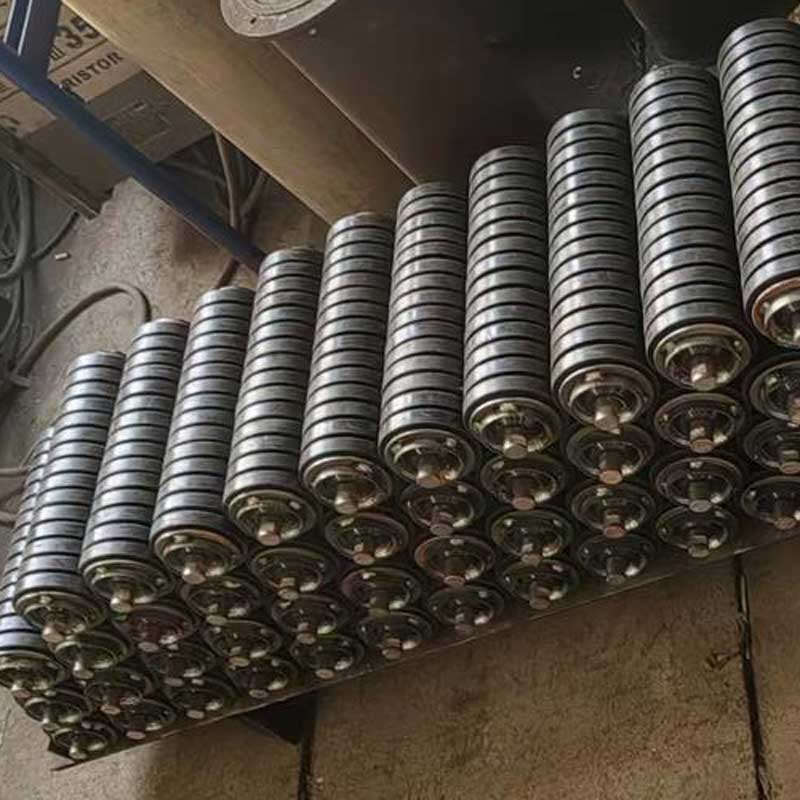
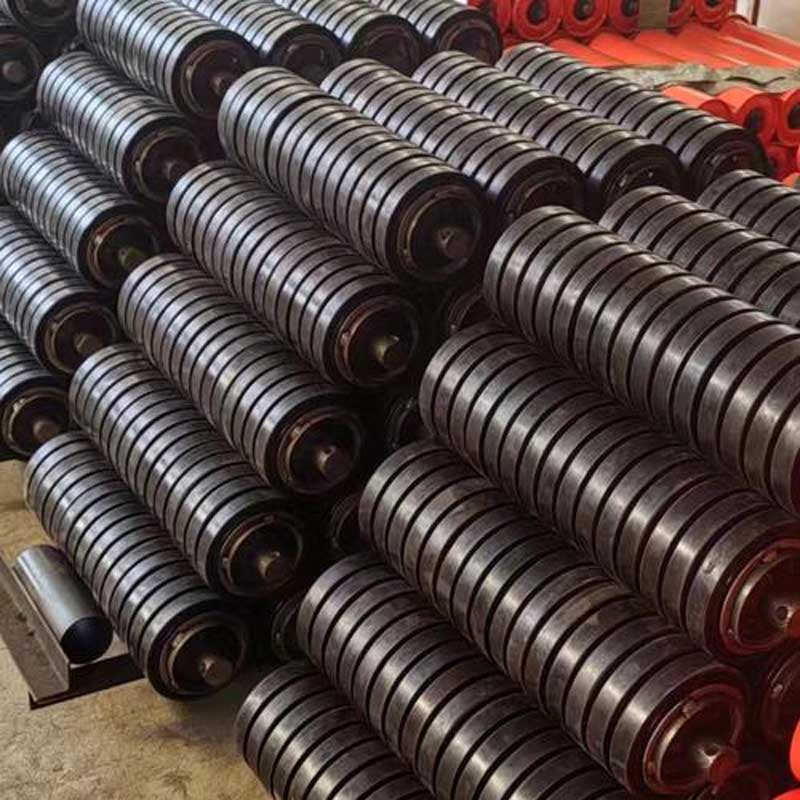
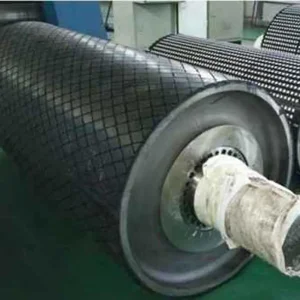
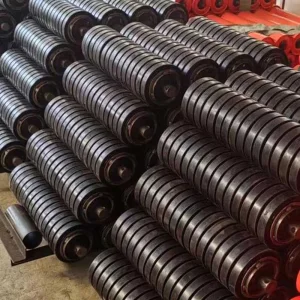
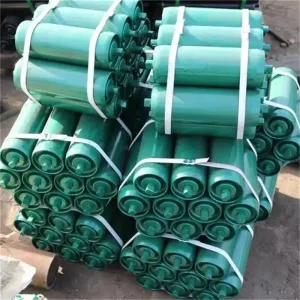
Impact idler, a type of idler developed for corrosive environments such as coal washing plants, coking plants, and chemical plants, is used at the feeding point of belt conveyors to reduce the impact of falling materials on the conveyor belt. It has more than 10 times the toughness of ordinary metals, five times the lifespan of traditional column shoes, corrosion resistance, flame retardancy, anti-static properties, and light weight. It is widely used in mining. The polymer material specifically designed for the roller body has mechanical properties similar to bronze, excellent wear resistance, and good self-lubricating performance, without damaging the belt. The buffering roller has superior anti-corrosion performance. The roller body and sealing components are made of polymer materials, which are corrosion-resistant. When used in corrosive environments, the service life can reach more than 5 times that of ordinary rollers.

Product Description

Performance and advantages

The buffer roller is lightweight and has low rotational inertia. The specialized polymer material for rollers is lightweight, with a specific gravity of one seventh that of steel. Rollers made from this material weigh about half of ordinary rollers, have low rotational inertia, and low friction between rollers and belts.
impact-idler
impact-idler2

Purpose

Buffer rollers are installed below the receiving section of the conveyor to reduce the impact of materials on the conveyor belt during material dropping, thereby extending the service life of the conveyor belt. The spacing between buffer rollers is generally 100-600 millimeters.

Standard diameter parameters

According to the Chinese national conveyor industry standards, there are four standard types of buffer roller diameters for belt conveyors with a belt width of 500mm-1400mm, namely:
  • 89mm
  • 108mm
  • 133mm
  • 159mm
With the emergence of wide belt conveyors, the diameter of buffer rollers has also shown an increasing trend.

Installation and selection

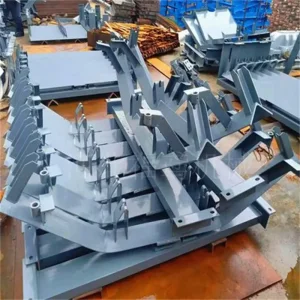
In terms of installation, the buffer roller is designed to increase the density of installation; The second is to regularly inspect and replace damaged rollers in a timely manner. For conveyor belts with large drop heights, it is recommended to install buffer air locks and replace the buffer rollers with buffer beds.

In terms of purchasing, the following precautions should be taken based on the characteristics of the buffer roller: radial runout of the roller, flexibility of the roller, axial displacement, dust and water resistance of the roller, axial bearing capacity of the roller, and impact resistance of the roller.

Protection

(1) Buffer roller temperature protection
When the temperature of the belt conveyor drum exceeds the limit due to friction with the belt, the detection device installed closely to the drum sends an overtemperature signal. After receiving the signal, the receiver delays for 3 seconds, causing the execution part to act, cutting off the power supply to the motor, and the conveyor automatically stops running, providing temperature protection.
(2) Roller group speed protection
If the conveyor malfunctions, such as the motor burning out, the mechanical transmission part being damaged, the belt or chain being pulled apart, the belt slipping, etc., the magnetic switch in the accident sensor SG installed on the driven part of the conveyor cannot be closed or cannot be closed at normal speed. At this time, the control system will follow the inverse time characteristic and after a certain delay, the speed protection circuit will take effect, causing the executing part to act and cutting off the power supply to the motor to avoid the accident from expanding.
(3) Buffer roller coal bunker coal level protection
There are two coal level electrodes in the coal bunker, high and low. When there is no empty car in the bunker, the coal level will gradually rise. When the coal level reaches the high level electrode, the coal level protection will be activated. Starting from the first belt conveyor, each conveyor will stop one by one due to the stacking of coal at the tail of the machine.

Frequently Asked Questions (FAQ)

What are the benefits of the polymer material used in buffer rollers?
The specialized polymer material is lightweight, with a specific gravity of just one-seventh that of steel. This reduces the roller's overall weight by about half compared to ordinary rollers, leading to low rotational inertia and minimized friction between the rollers and conveyor belts.
Where are buffer rollers installed, and what is the typical spacing?
Buffer rollers are installed underneath the receiving section of the conveyor to mitigate the impact of dropping materials and protect the belt. The recommended spacing between buffer rollers generally ranges from 100 to 600 millimeters.
What standard buffer roller diameters are used in the industry?
For belt conveyors with widths from 500mm to 1400mm, Chinese industry standards establish four standard diameters: 89mm, 108mm, 133mm, and 159mm. Additionally, larger diameters are increasingly common with wider belt conveyors.
What parameters should be considered when purchasing buffer rollers?
Purchasers should evaluate factors based on roller characteristics, including radial runout, flexibility, axial displacement, dust and water resistance, axial bearing capacity, and overall impact resistance.
How does the temperature and speed protection system operate?
Temperature protection stops the conveyor if drum temperatures exceed limits by cutting motor power after a 3-second delay. Speed protection shuts down power if the sensor detects malfunctions like chain breakage or belt slippage to prevent damage expansion.

Related Products