Engineered by Hebei Boao Rubber Technology for maximum durability, heat resistance, and environmental safety.
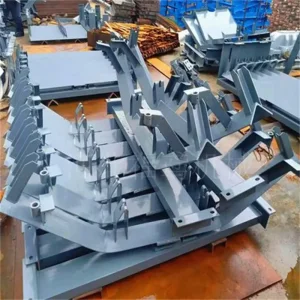
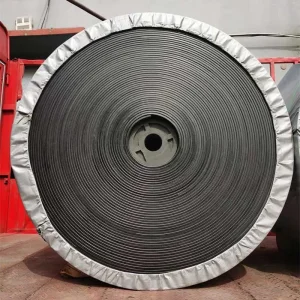
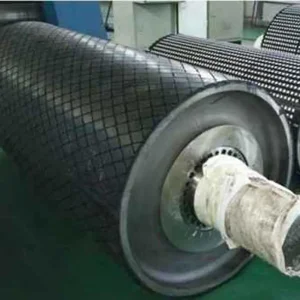
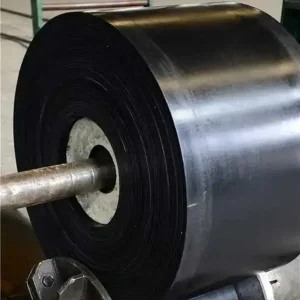
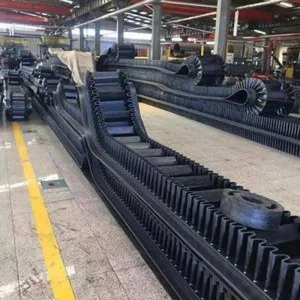
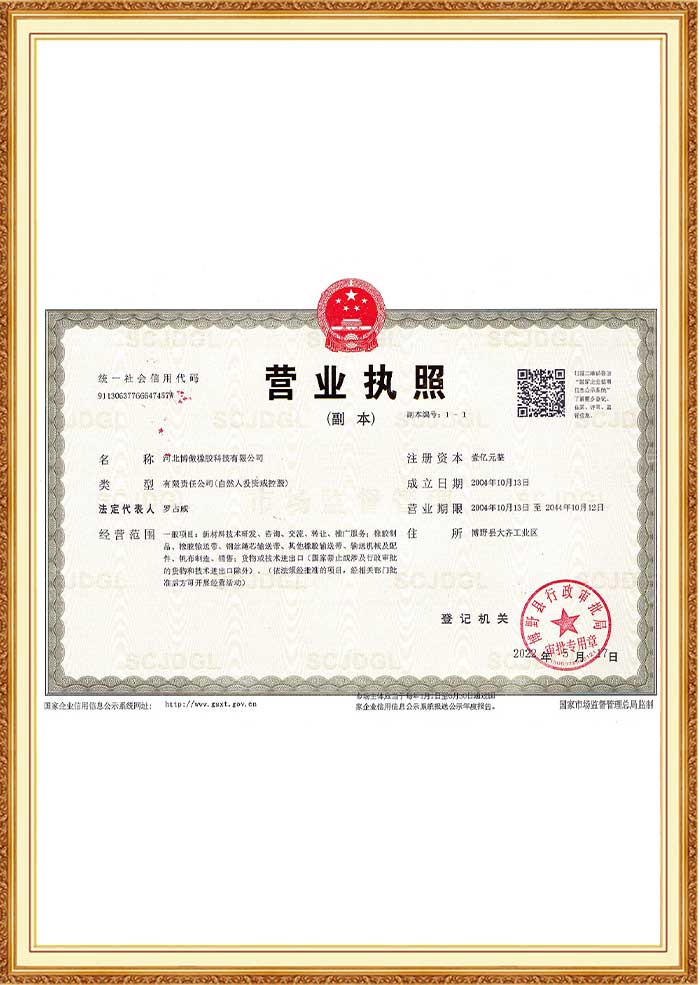
Established in 2004, Hebei Boao Rubber Technology Co., Ltd. is situated in the Boye County Rubber Industrial Park, Baoding, Hebei Province. Over more than two decades, Boao has grown into a premier manufacturer combining product research, system design, modern production, and after-sales field support. The plant spans more than 30 acres, showcasing advanced automated systems for raw material compounding, textile calendering, high-strength vulcanization, and systematic quality inspection.
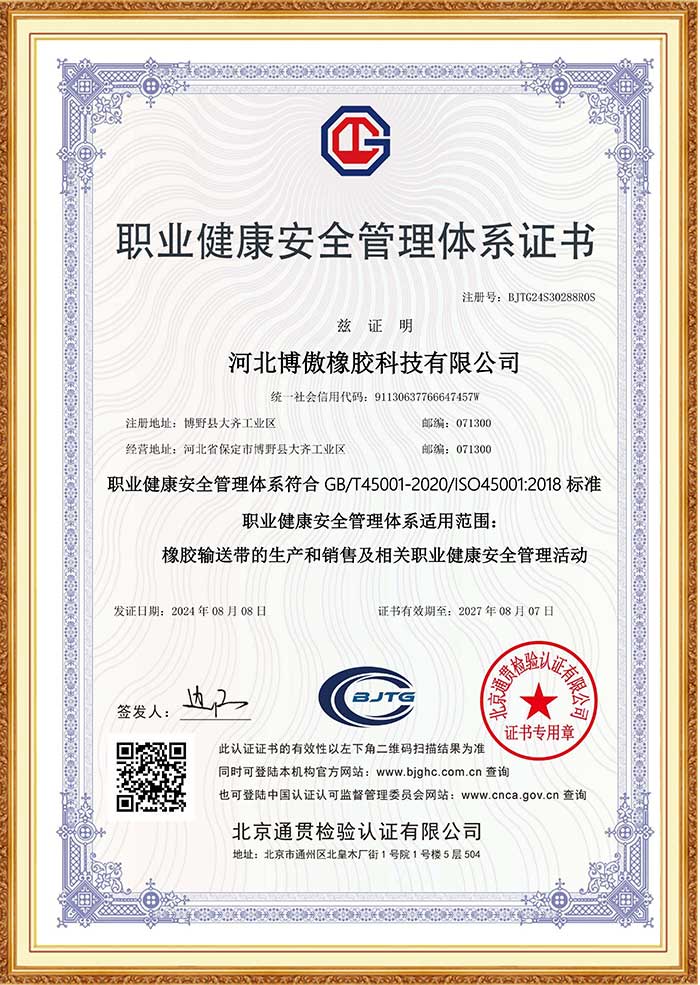
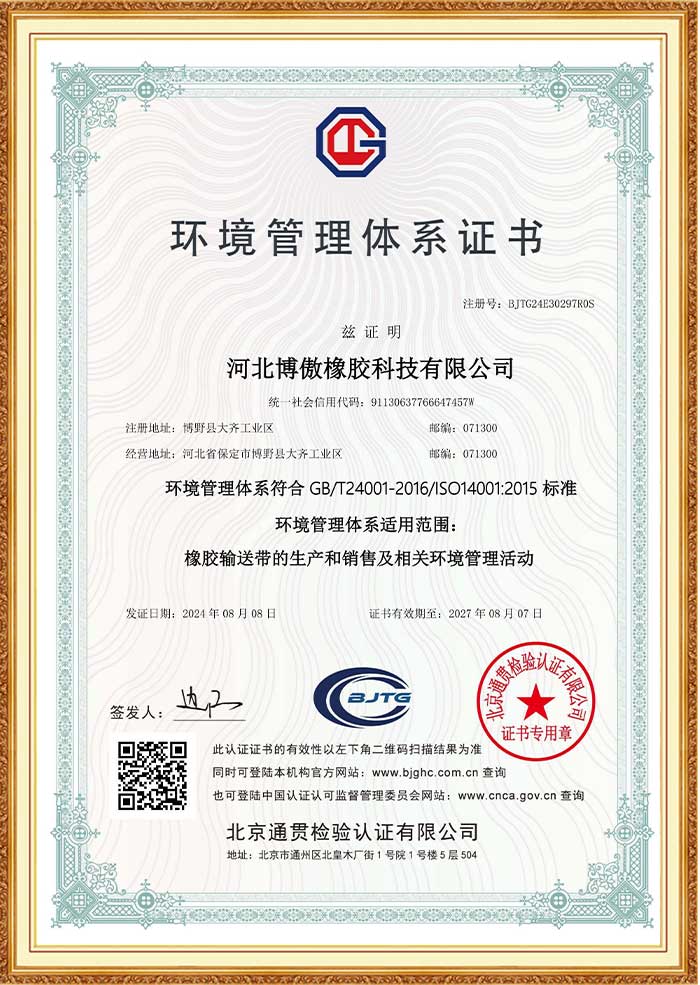
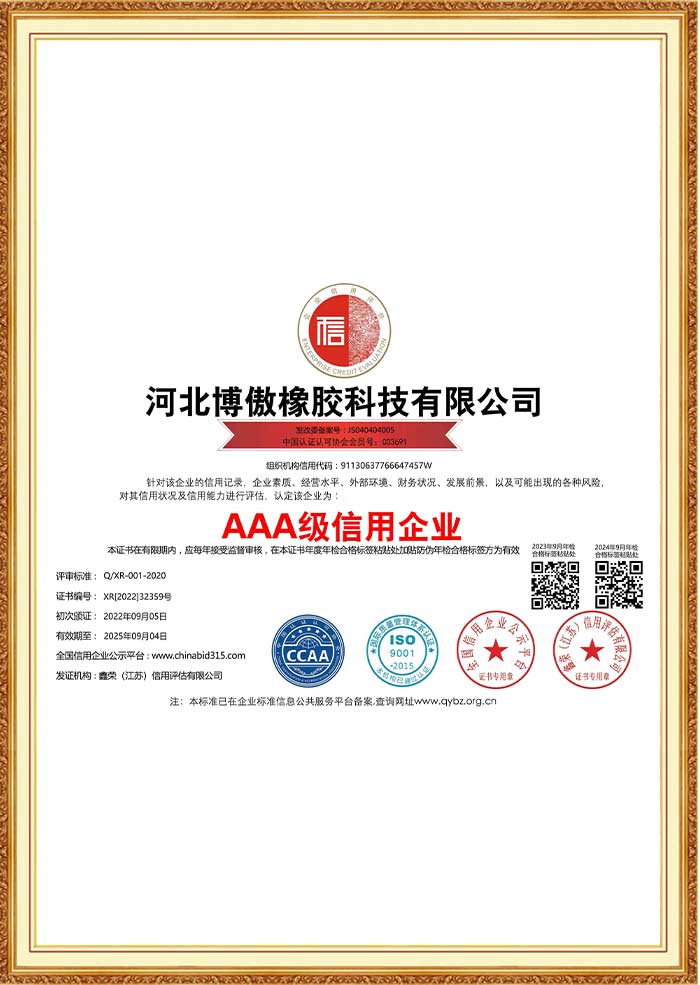
Under our prominent brand name "Jinao", we manufacture high-capacity conveyor belts and accessories designed for harsh conditions. Certified under international quality standards, Boao operates state-of-the-art physics labs and analytical chemistry rooms, verifying raw materials and final production batches to ensure compliance with strict international benchmarks.
A comprehensive analysis of global application trends, environmental benefits, and operational metrics.
In bulk material handling, traditional troughed belts are face limits when navigating tight terrain, protecting materials from wind or rain, or containing dust and environmental emissions. Tubular conveyor belts (or pipe conveyor belts) solve these issues by transitioning from a flat belt profile to a closed, cylindrical form along the conveying line. This design protects bulk materials within a sealed environment, eliminating product spillage and environmental contamination.
Globally, industries are upgrading to closed-loop handling systems to comply with strict environmental regulations like Europe’s Green Deal and China's Environmental Protection Tax Law. Closed transportation is now required for coal-fired power plants, coastal ports, cement plants, and steel mills. Tubular conveyor systems eliminate fugitive dust emissions at the source, preventing materials like chemical powders, iron ore, and sulfur from escaping.
"According to global bulk handling statistics, upgrading to tubular conveyor belts can reduce material loss due to windage and spillage by up to 98.4%, while ensuring compliance with local particulate matter (PM2.5 / PM10) regulatory limits."
A standard troughed belt is limited to vertical inclinations of roughly 15° to 18° without special cleats. Pipe conveyors can negotiate much steeper angles (up to 30°) and tight horizontal and vertical curves. This tight-radius capability reduces structural costs by avoiding the transfer stations and extra towers required by conventional conveyor lines.
Designed to handle high dynamic stress, extreme temperatures, and strict chemical resistance requirements.
Our dedicated chemical labs and testing rooms monitor every step of production. Raw materials, textiles, and vulcanized rubber compounds undergo strict inspections before release.
Designed with balanced transverse stiffness and longitudinal flexibility. This ensures the belt rolls into a stable cylinder and opens reliably at discharge points, preventing pipe collapse.
Our custom compounding prevents edge curling and premature wear at the overlap line, maintaining a tight dust seal even when handling abrasive materials over long run lengths.
Operating conditions vary widely by sector. Selecting the right elastomer cover and fabric core is critical to maximizing the operating life of a tubular conveyor system. Below are typical operating environments where our "Jinao" brand conveyor systems are deployed:
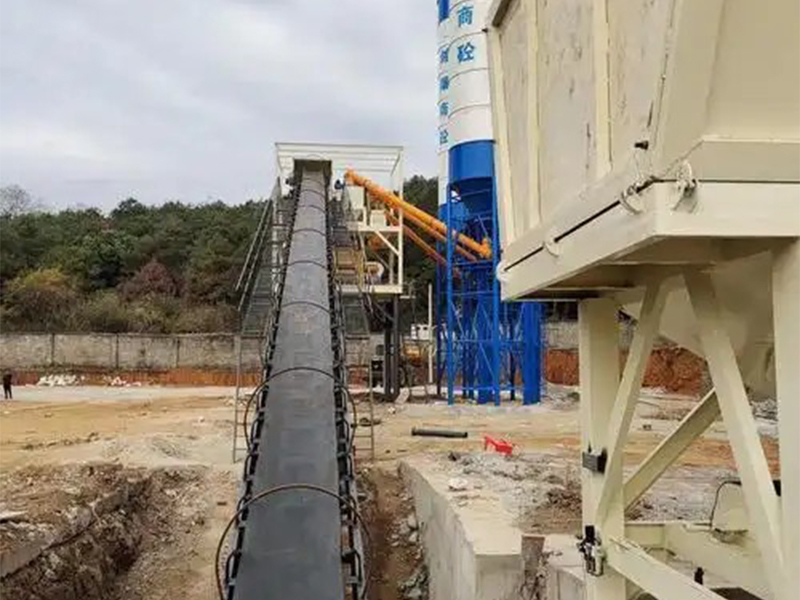
Mixing Plant Conveying Line
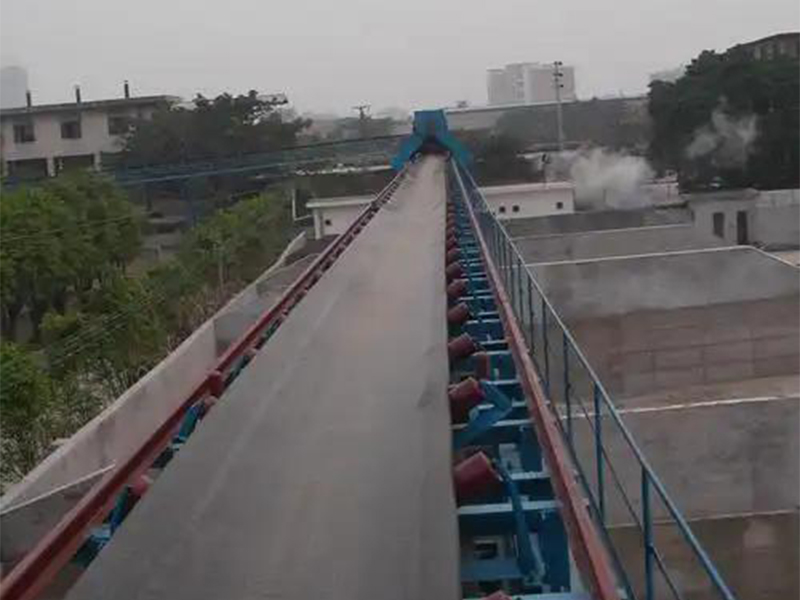
Dust-Free Clinker System
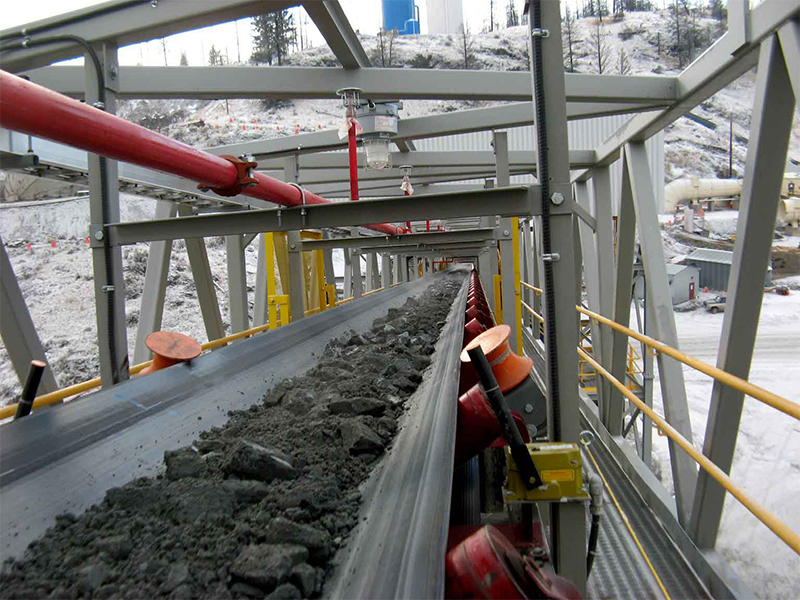
Heavy-Duty Underground Mine
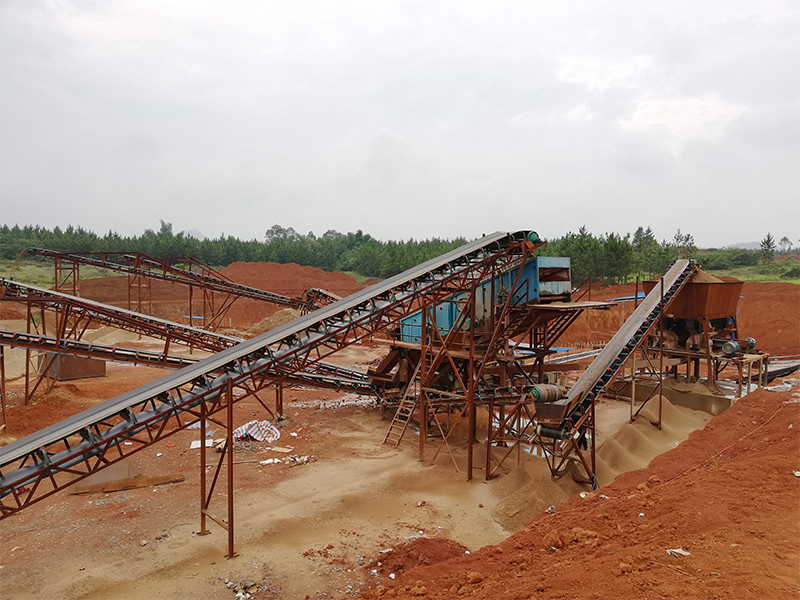
Nickel Smelting Feed Lines
Modern pipe conveyors operate under high fatigue conditions. The belt is continually bent, rolled, and unrolled under tension. To guarantee reliable performance over a long service life, our research team focuses on three key areas:
Fatigue-Resistant Rubber Formulation: We use high-grade synthetic rubbers (SBR, BR, and EPDM blends) optimized to prevent ozone cracks, micro-fissures, and aging.
Engineered Reinforcement Fabrics: Standard EP (polyester/nylon) or NN (nylon/nylon) fabrics can stretch too much under high tension. We apply advanced heat-stretching processes to our fabric cores to control elasticity, ensuring the belt maintains its cylindrical shape without sag.
Low Rolling Resistance (LRR) Bottom Covers: For long-distance systems, the interaction between the conveyor belt and the idlers consumes significant energy. Our low rolling resistance compounds reduce energy consumption by 15% to 25%, lowering overall operational costs.
Maximizing system uptime requires ongoing maintenance, regular inspections, and a proactive spare parts strategy. Our team offers a comprehensive support package designed to minimize downtime:
Complete lifecycle support: including system planning, scheduled replacement, on-site cold/hot vulcanized splicing, and emergency repair services.
Our technicians maintain precise overlap sealing, monitor structural alignment, and measure cover wear to extend overall belt life and reduce energy consumption.
We maintain safety stock at our factory to ensure rapid response to emergency replacement needs, keeping critical production lines running.
In the modern industrial landscape, rubber conveyor belts are the backbone of bulk material transport systems. From deep underground mining operations to port facilities handling millions of tons of cargo annually, heavy-duty rubber belts facilitate the seamless movement of materials that power our global economy.
The evolution of these critical components reflects decades of engineering innovation, material science breakthroughs, and an unwavering commitment to operational efficiency and safety. Today, the focus is on smarter, cleaner, and more efficient designs. The tubular conveyor belt represents the latest step in this evolution, combining high structural strength with complete environmental containment.
Common questions regarding installation, performance, maintenance, and material selection for tubular conveyor belts.
The overlap width depends on the nominal pipe diameter. Typically, the overlap is calculated to be between 10% to 15% of the belt perimeter. This ensures a clean seal that prevents dust emissions and material spillage, without causing excessive edge wear or twisting.
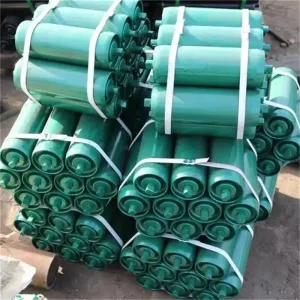
Unlike traditional troughed belts, pipe conveyors are supported by hexagonal idler arrangements on all sides. This design holds the closed belt in position through curves, distributing tension and radial forces evenly across the belt's cross-section.
For shorter distances and lower tensions, EP (Polyester-Nylon) fabrics offer cost-effective flexibility. For long-distance systems with high tensions and vertical lifts, steel cord reinforcements are preferred to minimize stretch and prevent longitudinal tearing.
Twisting is prevented through proper tensioning, precise idler alignment, and selecting a belt with balanced transverse stiffness. Our "Jinao" belts are engineered with symmetrical carcass designs to ensure straight tracking.
Yes. Using specialized heat-resistant cover compounds (such as EPDM and heavy-duty synthetic rubber blends), our belts can transport hot materials up to 200°C without cracking, cover separation, or losing shape.
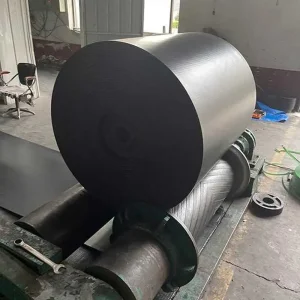
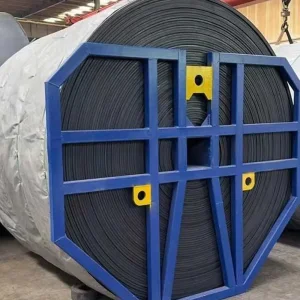
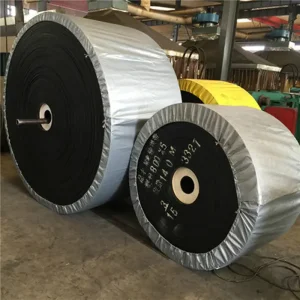
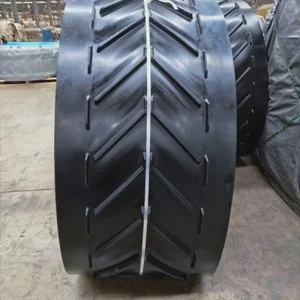
Industrial conveyor belts, heavy-duty rollers, brackets, and custom mining accessories direct from our manufacturing plant.
 Boao Rubber