Best Patterned Rubber Conveyor Belt from China Suppliers - Quality Factory Options for Efficient Material Handling Factories, Factory

Introducing our high-quality patterned conveyor belts, expertly manufactured in China. Our specialized factory produces inclined conveyor belts featuring a unique patterned covering on the working surface, designed to enhance performance and reliability in various applications. These conveyor belts are equipped with human shaped patterns that rise above the belt body, offering effective grip and traction, The patterns available are versatile, with options for open or closed designs, and can be classified into three types: high, medium, and low. As leading suppliers of patterned conveyor belts, we prioritize durability and efficiency, making our products ideal for industries requiring reliable material handling solutions. Trust our China-based factory for top-notch conveyor belts that meet your operational needs

Product Description

Introduction

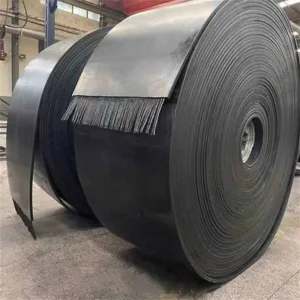
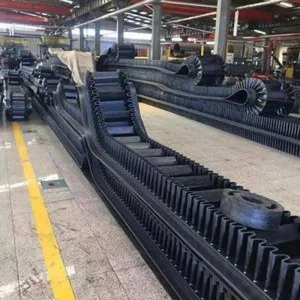
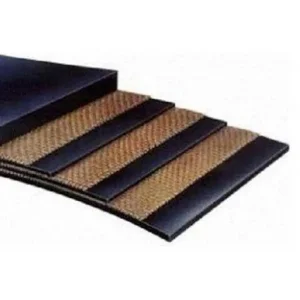
A patterned conveyor belt is an inclined conveyor belt composed of a patterned covering adhesive on the working surface and a flat covering adhesive and belt core on the non working surface.
Pattern Conveyor Belt · Features:
  • Core materials: Ordinary cotton canvas (CC), polyester cotton blended canvas (CP), nylon (NN), polyester (EP), etc.
  • Bandwidth: 300–800 mm
  • Pattern height: 5, 10, 15, 20 mm — Pattern shape can be designed according to user requirements.
  • Inclination angle: Suitable for conveying materials with an inclination angle of 0–40°, preventing material from sliding down.
  • Patterned-conveyor-belt1
  • Patterned-conveyor-belt2
Commonly Used Patterned Conveyor Belts
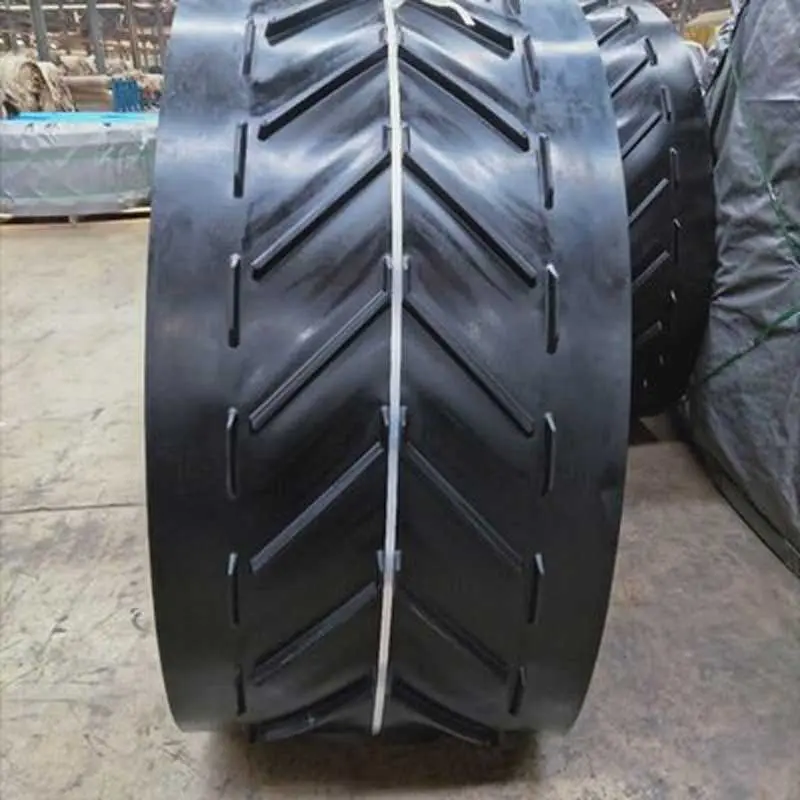
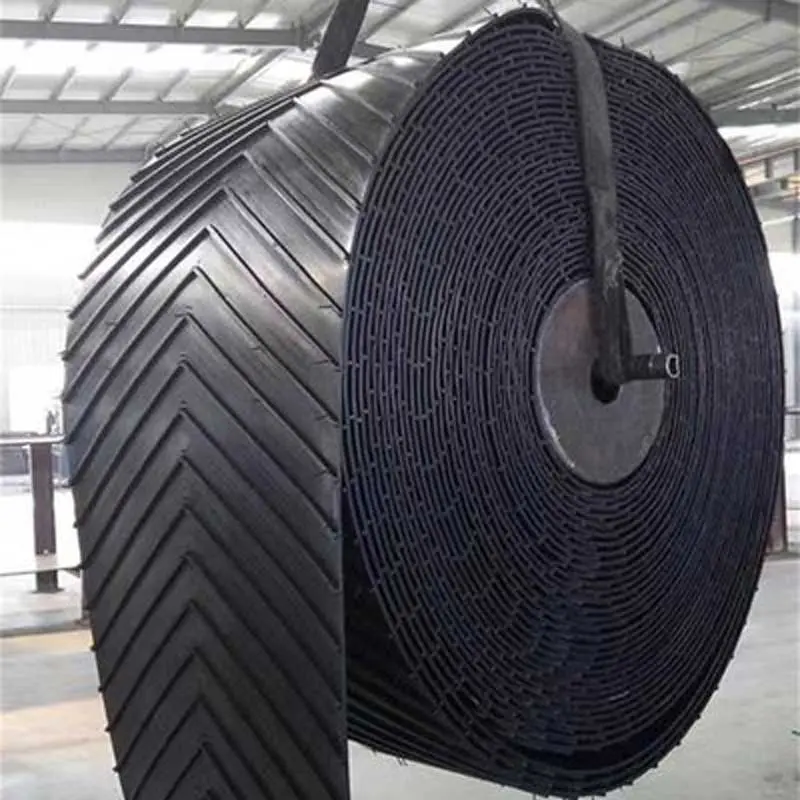
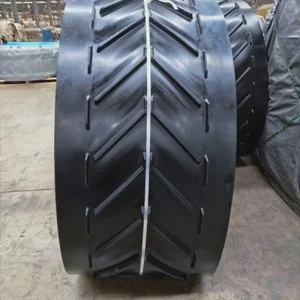
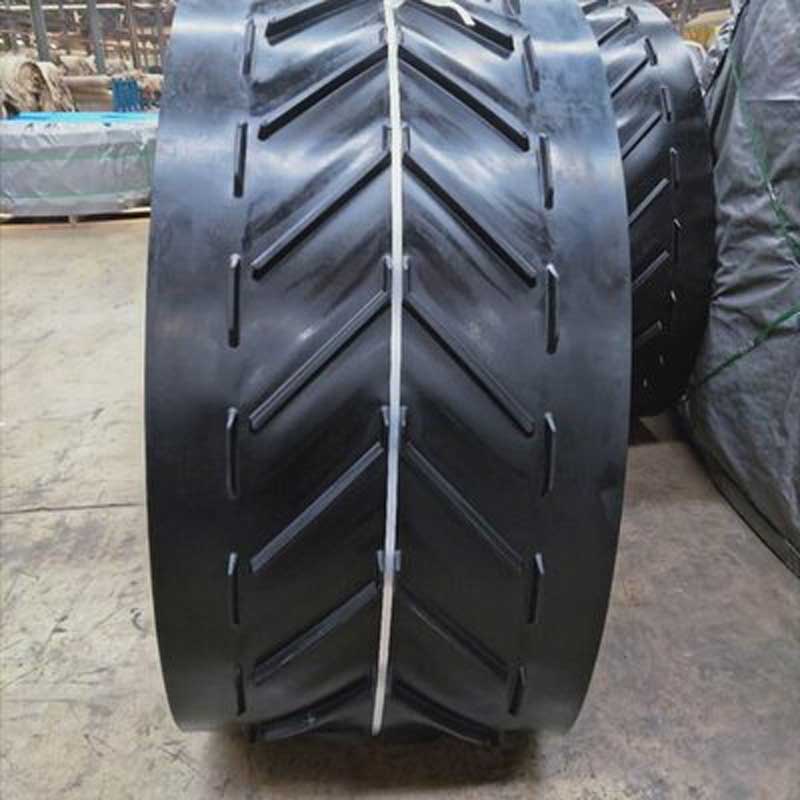
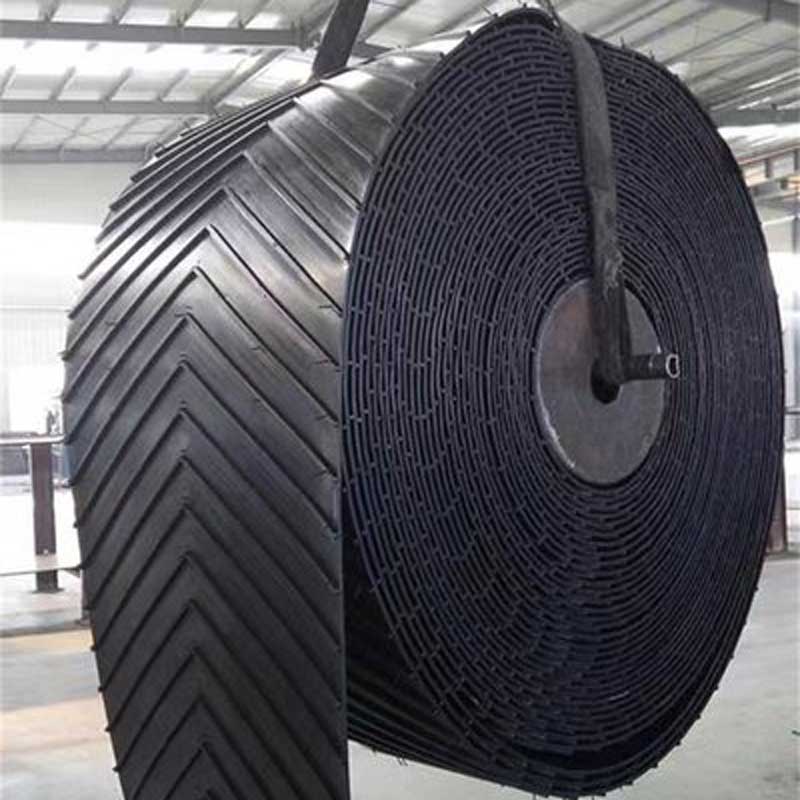
Herringbone Pattern
Feature

There are "human" shaped patterns on the belt surface that are higher than the belt body. The patterns can be open or closed, and each pattern can be divided into three types: high, medium, and low.

Purpose

Suitable for conveying powdered, granular, and small materials with an inclination angle of ≤ 40 degrees, as well as bagged materials.

Striped Pattern
Feature

There are strip-shaped patterns on the belt surface that are higher than the belt body, divided into three types: high, medium, and low. Each type can be arranged in sparse, dense, and other forms.

Purpose

Suitable for horizontal conveying of packaging materials with an inclination angle of ≤ 30 degrees. If the groove is formed, it can replace the herringbone pattern.

Granular Pattern
Feature

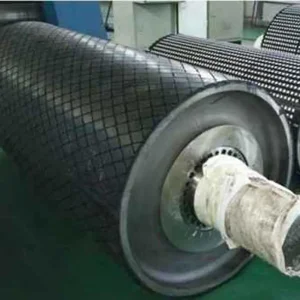
There are granular patterns on the belt surface that protrude from or are embedded in the belt body. Pits can also be made into square holes, edges, and cloth patterns.

Purpose

Convex granular patterns are suitable for soft packaging or materials requiring gripping force (e.g., cardboard boxes). Concave granular patterns are suitable for granular materials with an inclination of ≤ 45 degrees.

Fan-Shaped Pattern
Feature

There are semi-circular (or 1/4 circular) patterns on the belt surface. When the tape is grooved, the pattern is intertwined into a fan-shaped (or semi-circular) shape, belonging to the high pattern category.

Purpose

Suitable for conveying powder, particles, and block materials with a large inclination angle of ≤ 45 degrees.

Other available patterns: Lawn, fishbone, diamond grid, cross, mesh, inverted triangle, horseshoe, sawtooth, small dot, diamond, snake skin, cloth, large frustum, wave, washboard, straight, golf, large grid, matte, coarse texture, grid patterns — each suitable for different performance requirements across various industrial environments.
Composition and Variety
Composition:

The patterned conveyor belt consists of two parts: the base belt and the patterned belt.

Common Varieties

Due to different materials being transported and varying inclination angles, the required pattern shape and height also differ. Commonly used varieties include: herringbone, octagonal, fishbone, U-shaped, cylindrical, pockmarked, etc. — or designed according to user requirements, suitable for powder, granular, and block materials with an inclination angle of less than 30 degrees.

Maintenance of Patterned Conveyor Belts
  • Keep the belt clean during transportation and storage; avoid direct sunlight or rain and snow immersion; prevent contact with acids, alkalis, oils, and organic solvents; maintain a distance of at least one meter from heating devices.
  • Warehouse temperature should be maintained between 18–40°C, and relative humidity between 50–80%.
  • During storage, conveyor belts must be placed in rolls and not folded. Flip once every quarter during storage.
  • Do not use conveyor belts of different types and specifications together; adhesive bonding is recommended for joints.
  • Select the type, structure, specifications, and number of layers reasonably according to usage conditions.
  • Running speed should generally not exceed 2.5 m/s. For large block materials with high wear or fixed unloading devices, use low speed whenever possible.
  • Reasonably select the diameter of the transmission drum, the matching of transmission and reversing drums, and the groove angle of the idler according to conveyor design regulations.
  • Feeding direction should follow the belt's running direction. Use a chute to minimize material fall distance. Use buffer rollers and soft, moderate material blocking plates to prevent belt surface damage.
Precautions

With the popularization of conveyor belts in industrial production, multiple varieties, high performance, lightweight, multifunctional, and long service life are key concerns. Correct use is particularly important. The following precautions should be observed:
  • 1
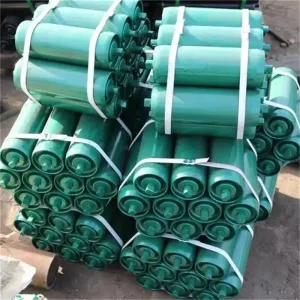
    Avoid rollers being covered by material, which may cause ineffective rotation. Prevent material leakage from getting stuck between the drum and the tape. Lubricate moving parts regularly — but do not oil the conveyor belt itself.
  • 2
    Prevent the conveyor belt from starting under load.
  • 3
    If the conveyor belt deviates, take timely corrective measures.
  • 4
    When local damage is found on the conveyor belt, use artificial cotton for timely repair to prevent the damage from expanding.
  • 5
    Avoid the conveyor belt from being blocked by the frame, pillars, or block materials to prevent collision, breakage, and tearing.
Frequently Asked Questions
Q What is a patterned conveyor belt and how does it differ from a standard flat belt?
A patterned conveyor belt features raised or embossed patterns on its working surface, which provide additional grip to prevent materials from sliding. Unlike standard flat belts, patterned belts are specifically designed for inclined conveying applications with angles up to 40–45 degrees, depending on the pattern type.
Q What inclination angles are patterned conveyor belts suitable for?
The maximum inclination angle depends on the pattern type. Herringbone and striped patterns are suitable for up to 40° and 30° respectively, while fan-shaped and concave granular patterns can handle inclination angles of up to 45 degrees.
Q What core materials are available for patterned conveyor belts?
Patterned conveyor belts are available with several core material options, including ordinary cotton canvas (CC), polyester-cotton blended canvas (CP), nylon (NN), and polyester (EP). The choice of core material affects the belt's strength, flexibility, and suitability for specific applications.
Q How should patterned conveyor belts be stored to extend their service life?
Belts should be stored in rolls (never folded), in a clean environment away from direct sunlight, rain, and chemicals such as acids, alkalis, and oils. The storage temperature should be between 18–40°C with a relative humidity of 50–80%. Belts should be flipped once every quarter during long-term storage.
Q Can patterned conveyor belts be customized for specific industrial applications?
Yes. Pattern shape, height (5, 10, 15, or 20 mm), and bandwidth (300–800 mm) can all be designed or adjusted according to user requirements. Custom patterns are available for unique working environments and material handling needs across various industries.
Q What is the recommended maximum running speed for a patterned conveyor belt?
The running speed of a conveyor belt should generally not exceed 2.5 meters per second. For applications involving large block materials, high abrasion, or fixed unloading devices, it is recommended to operate at lower speeds to reduce wear and extend belt life.

Related Products