 Boao Rubber
1 / 2
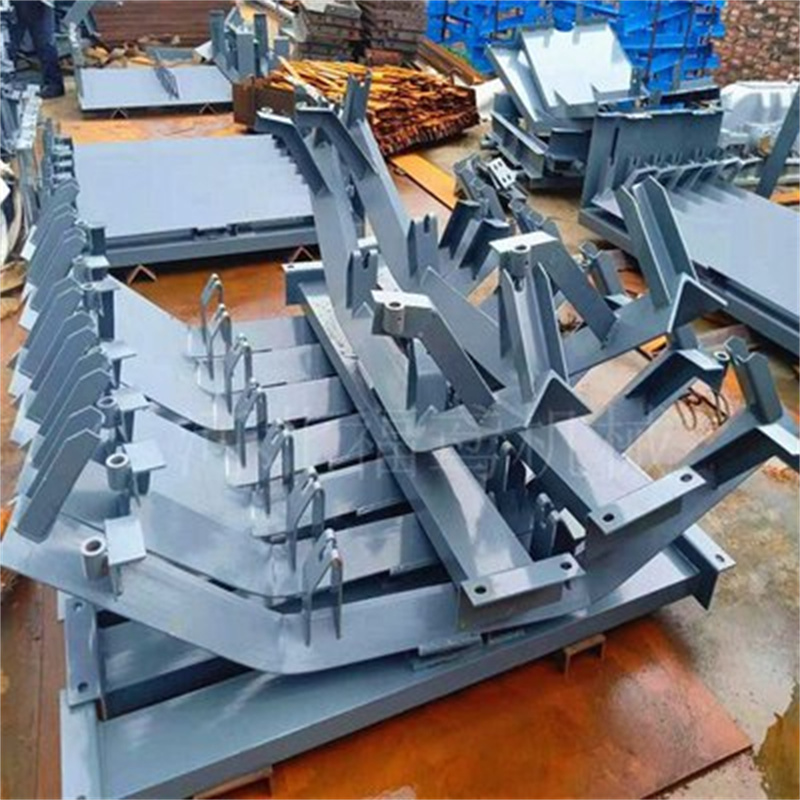
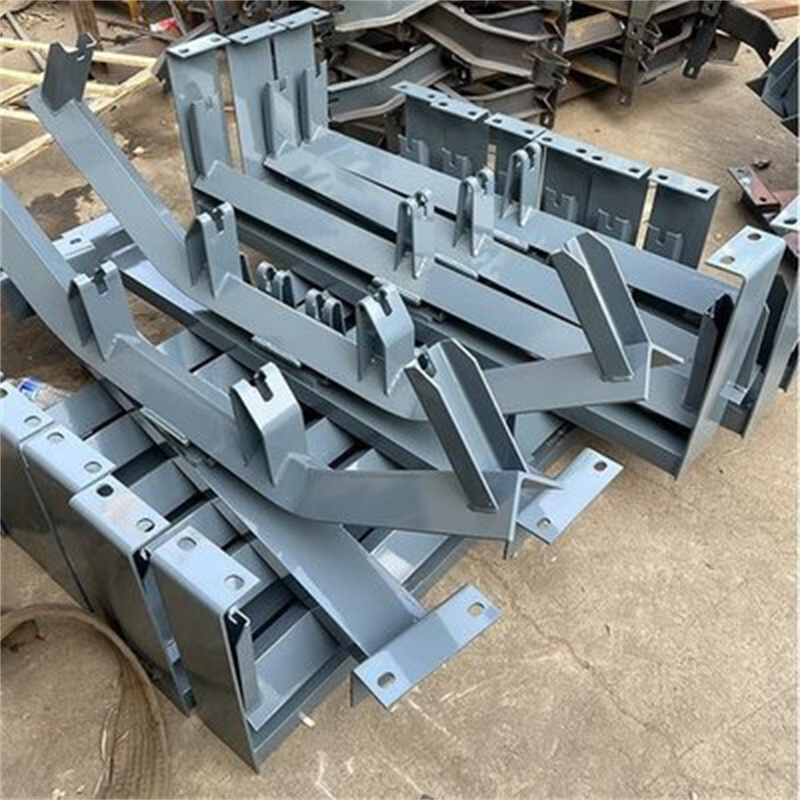
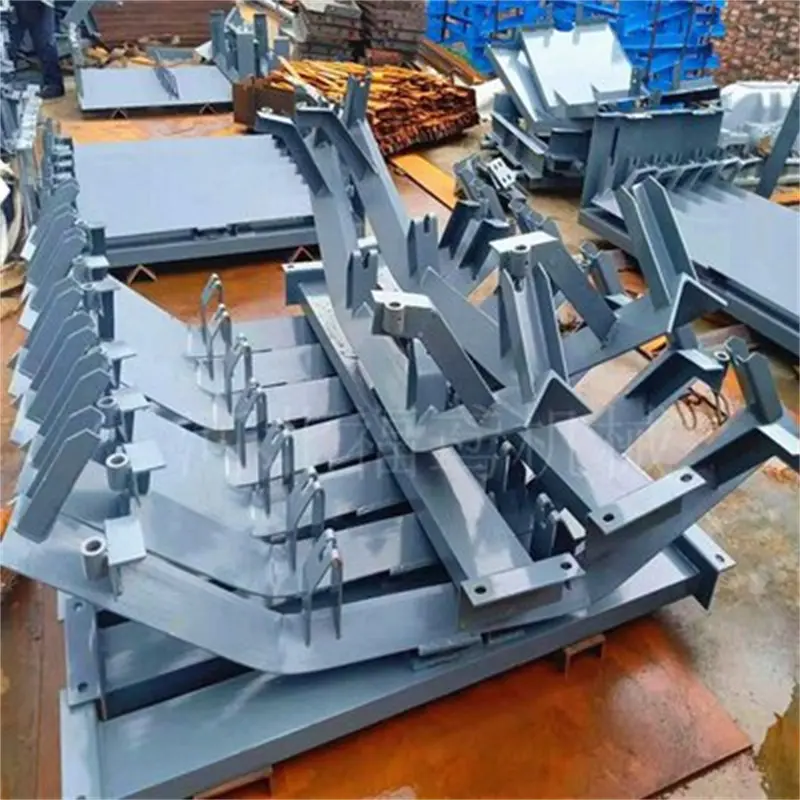
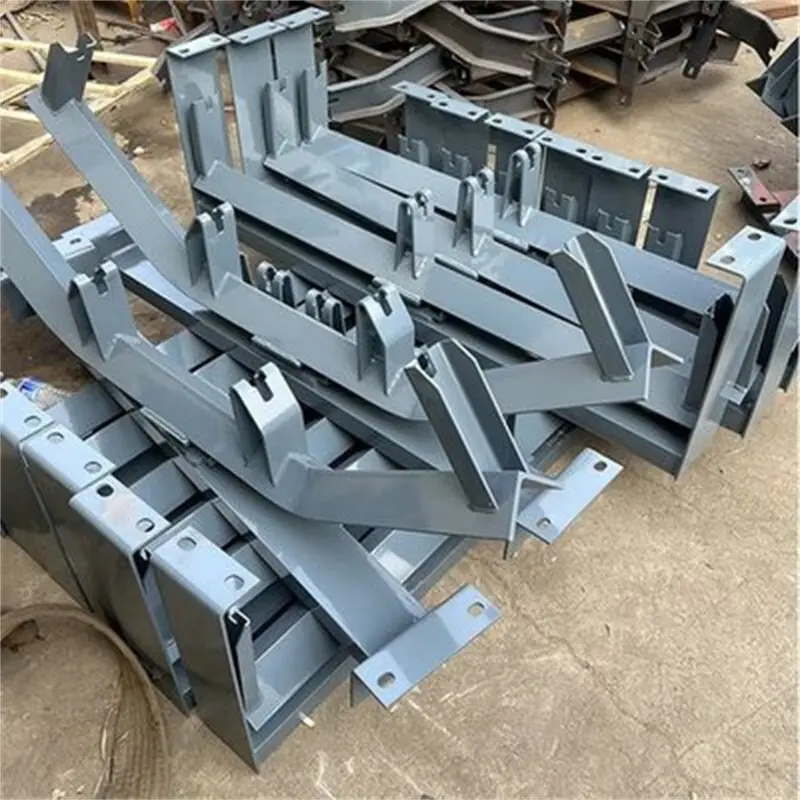
Supports various parts of the conveyor ensuring stable operation. Height is adjustable to create horizontal or inclined conveying surfaces. Load-bearing capacity must exceed the combined weight of conveyor components and conveyed items to ensure safe system operation.
Common materials include steel, aluminum alloy, wood, and plastic. Steel supports are high-strength and impact-resistant for heavy industrial use; aluminum alloy is lightweight and corrosion-resistant for food & pharma; wooden supports suit light loads; plastic supports handle special chemical environments.
Available in C-shaped steel (open, easy to install/adjust), square/rectangular tubing (closed, strong torsional resistance, ideal for long spans), and truss structures that distribute loads and reduce resonance during long-distance conveying.
By mobility: Fixed supports (bolted to ground, stable) and Mobile supports (with casters, for temporary/repositioned use). By application: Standard supports (general use) and Driven supports (reinforced at drive end for enhanced stability).
Critical parameters include span, height, and load-bearing capacity. The support span is determined by the load requirements and must be designed according to specific load values and allowable material stress to ensure structural strength and long-term stability.