Discover our primary selection of heavy-duty belts and matching accessory systems manufactured in Boye County, Baoding.
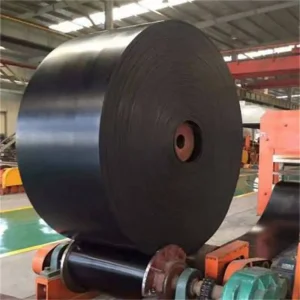
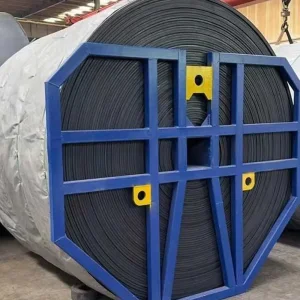
A deep dive into structural calculations, cover compound densities, and tension dynamics.
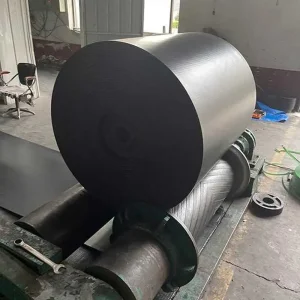
In heavy-duty material transport, the weight of the rubber conveyor belt is a critical engineering factor rather than just a logistical metric. Calculating the weight accurately is central to determining the motor tension, power requirements, conveyor structural capacity, and long-term operating costs. As a leading manufacturer, Hebei Boao Rubber Technology Co., Ltd. customizes the weight profile of conveyor belts according to operational thresholds, balancing raw durability with energetic efficiency.
The total weight of a rubber conveyor belt relies on three main variables: carcass reinforcement structure, top and bottom cover thicknesses, and the density of the compound formula used. The basic formula is expressed as:
Total Weight (kg/m) = [ (t1 + t2) × ρ + (Carcass Mass) ] × Width (m)
Where t1 and t2 represent the thickness of top/bottom rubber covers (mm), ρ is the rubber compound density (typically varying from 1.15 to 1.45 g/cm³ based on grade requirements like abrasion, heat, or flame retardance), and the Carcass Mass represents the fabric plies (EP/NN) or steel cord weight per square meter.
Integrating raw product development, design, and manufacturing for global markets under the "Jinao" Brand.
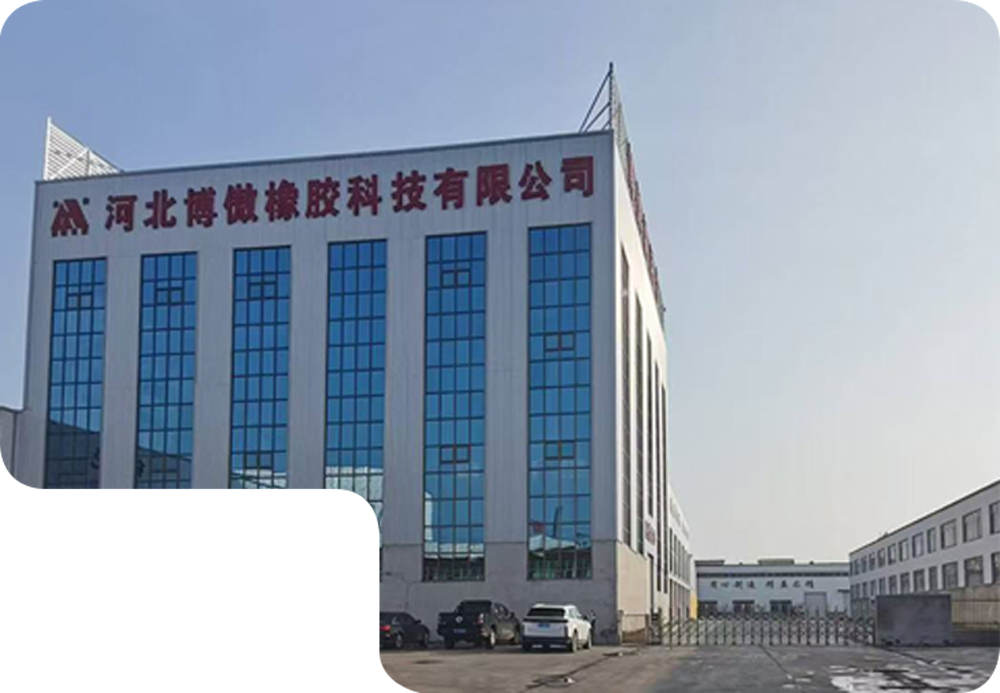
Founded in 2004 and situated in the core of Boye County Rubber Industrial Park, Baoding, Hebei Province, Hebei Boao Rubber Technology has grown into a leading manufacturer of premium conveyor belts and support systems. Our modern production complex has multiple advanced lines for rolling, forming, vulcanization, and material testing.
We pride ourselves on manufacturing high-standard fabric belts (NN, EP, PP), extreme heat-resistant lines, cold-resistant variations, chemical/acid-resistant profiles, and high-performance steel cord conveyor belts. The company operates a fully integrated QC loop ensuring that no raw materials proceed to production without meticulous validation, and no finished product leaves our facility without certifying structural parameters.
How our centralized cluster system guarantees superior material sourcing and cost optimization.
Our presence within the Boye County Industrial Park connects us directly to China's leading chemical compound synthesizers and fabric weavers. This local availability translates to shorter lead times and optimized material acquisition costs.
Our facility houses an independent chemical analysis laboratory and a mechanical testing center. Every batch of rubber compound is evaluated for tensile strength, elongation at break, ozone resistance, and abrasion index before manufacturing.
Through high-capacity continuous vulcanization lines and modern pressure control systems, we achieve uniform ply adhesion and cover thickness. This allows us to keep our products aligned with global standards like DIN, AS, and ISO.
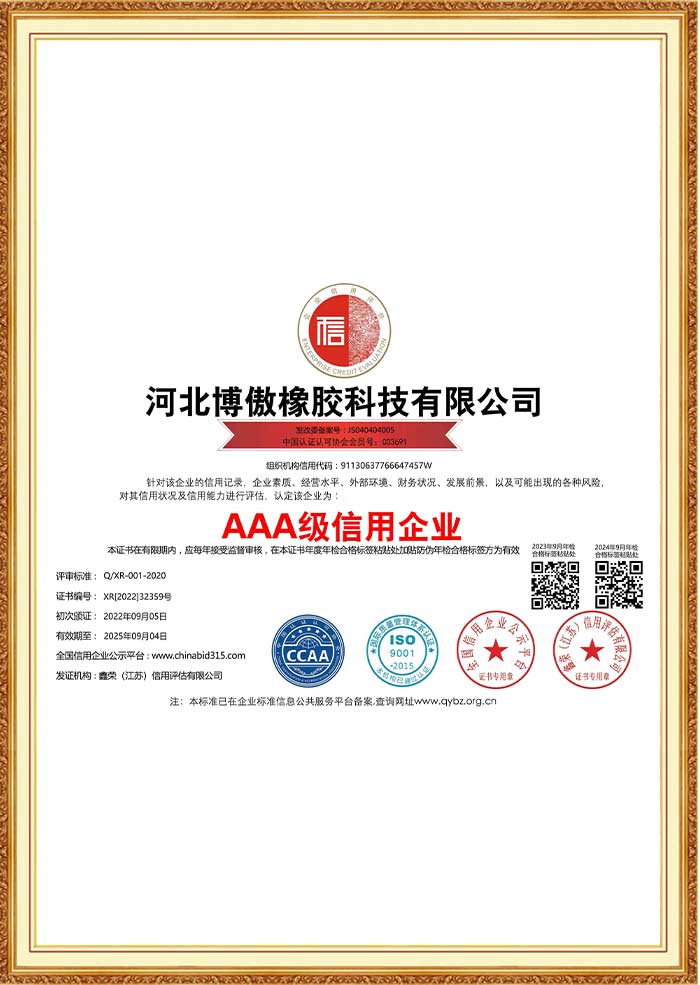
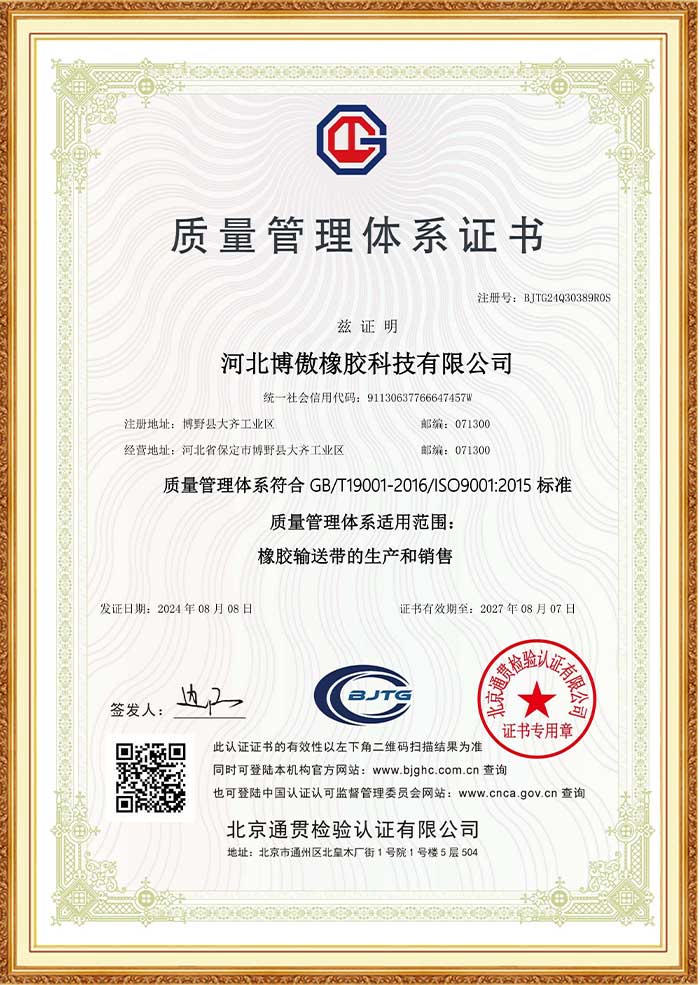
Our operations and products are backed by robust quality standards and international safety certificates.
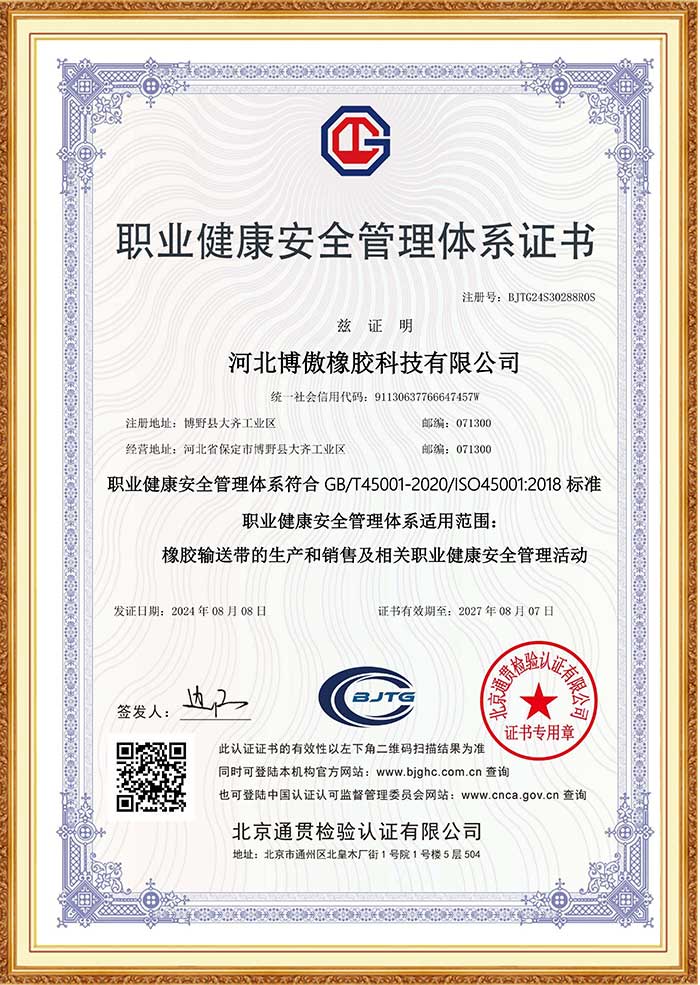
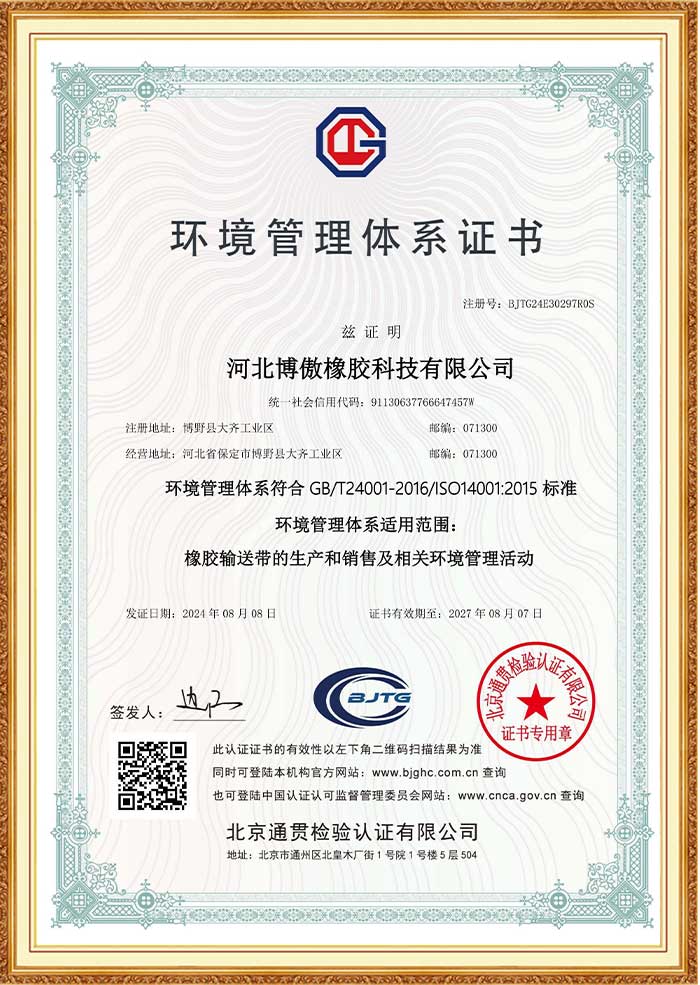
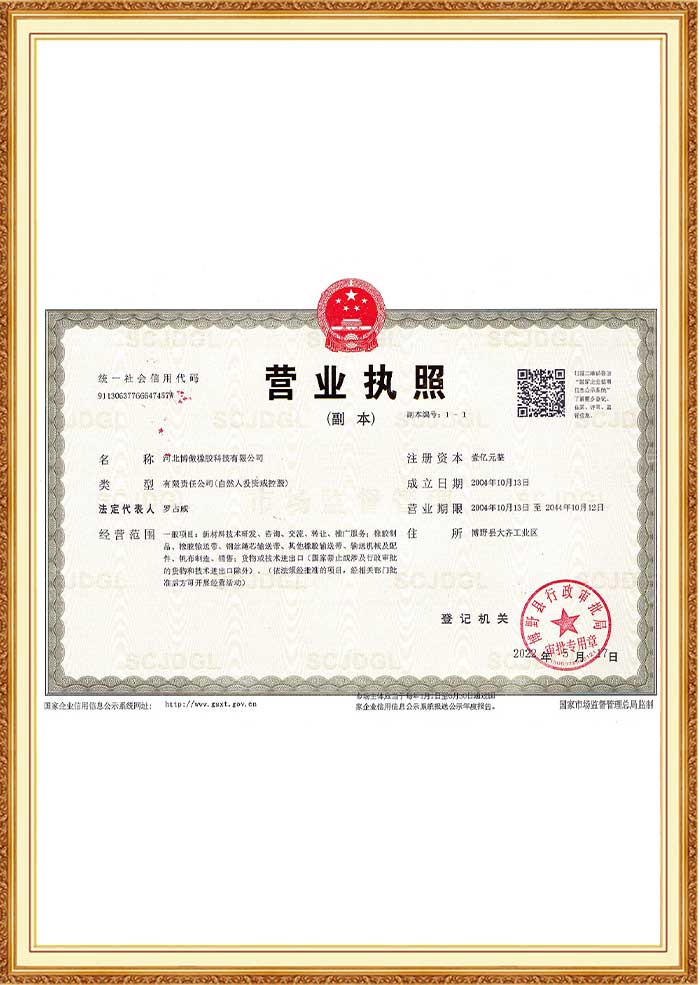
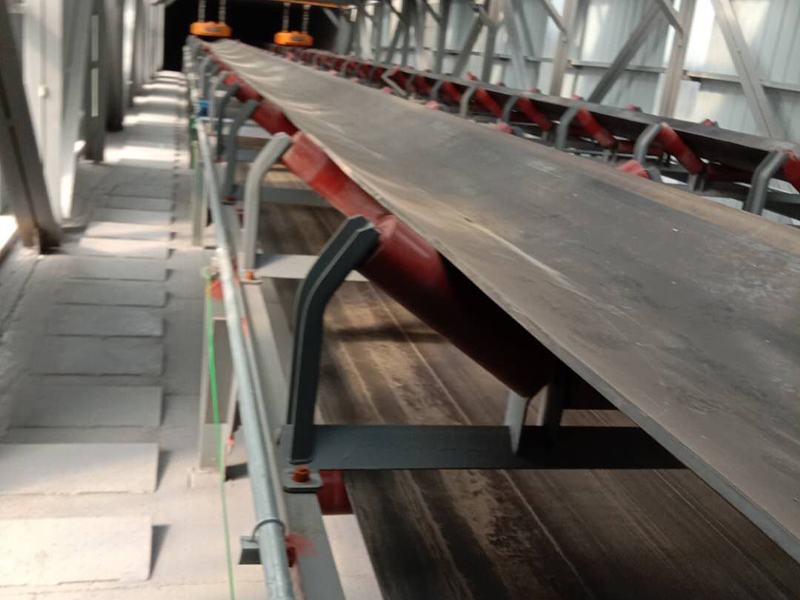
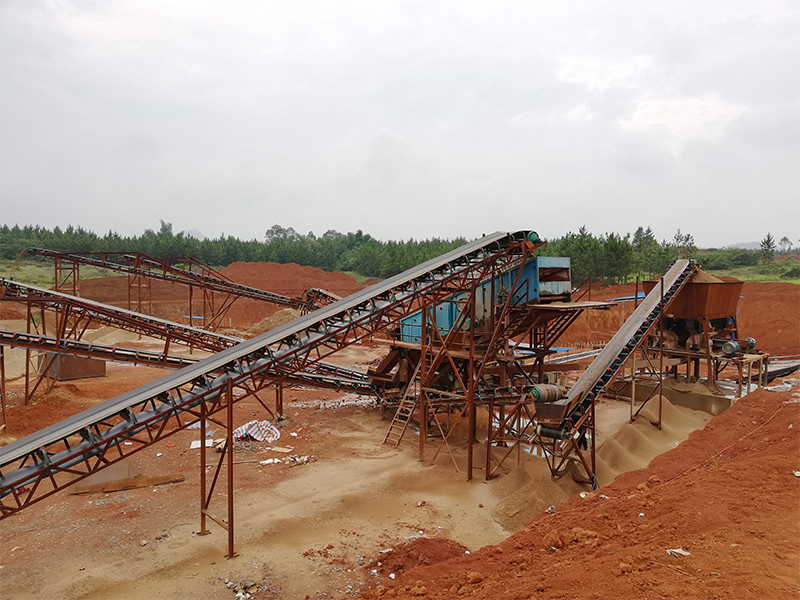
Real-world projects where Jinao conveyor belts deliver long-lasting service under challenging conditions.
Our heavy-duty steel wire cord belts are used in massive underground mines, managing large tonnage over miles-long pathways. Design choices focus on tear resistance and optimized compound weights to limit belt drag.
Providing specialized high-temperature and heat-resistant compound formulas, our belts carry sintered ores and hot coke at temperatures exceeding 250°C without ply separation.
Featuring highly abrasive materials, cement plants benefit from our wear-resistant outer covers that balance outer cover density with long life, reducing structural wear on idlers.
 Taihang Steel
 Tsingshan Group
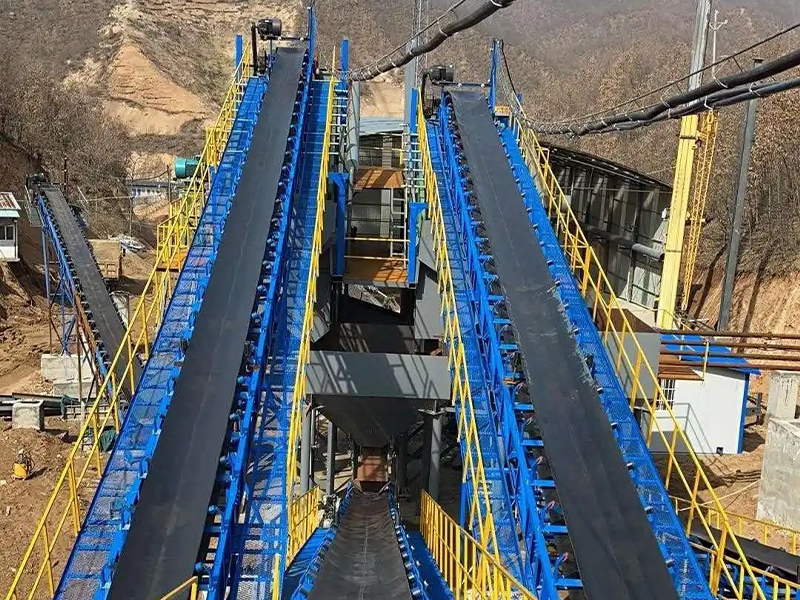 Zijin Mining
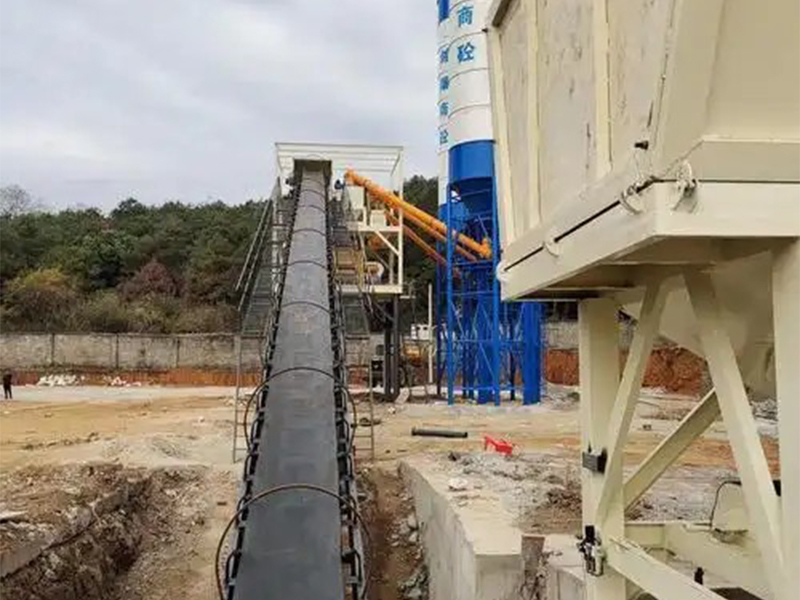 China Railway Group
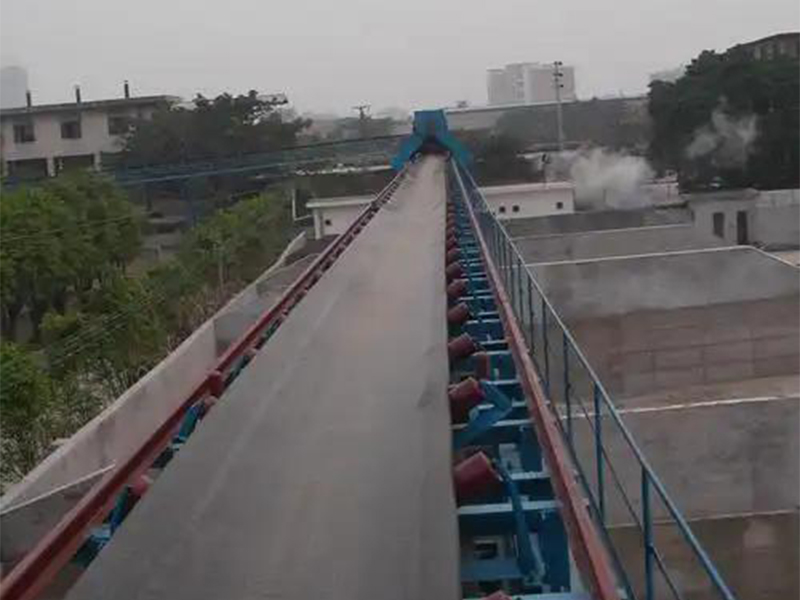 Conch Cement
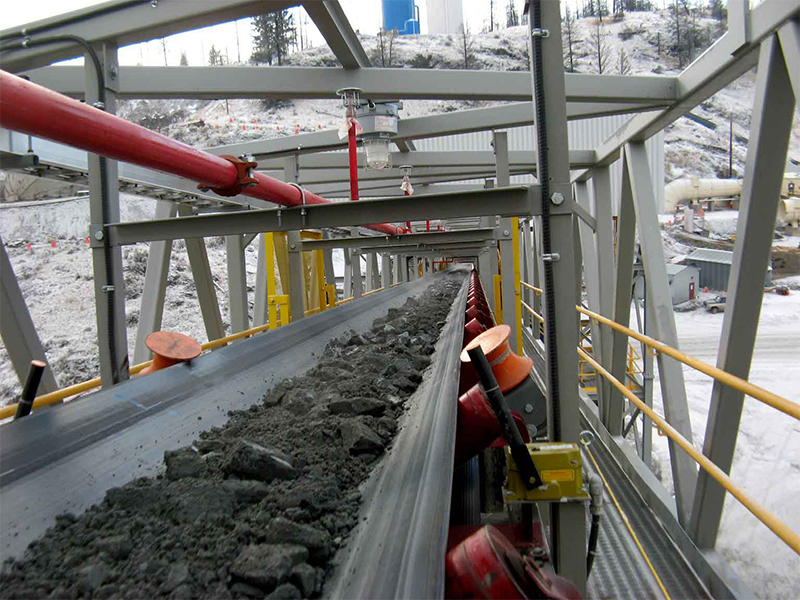 Datong Coal Group
Typical weight configurations and physical properties of industrial grade rubber conveyor belts.
| Belt Specification | Reinforcement Type | Typical Cover Thickness (mm) | Approximate Weight (kg/m²) | Applicable Standards |
|---|---|---|---|---|
| EP 400/3 3+1.5 | Polyester / Nylon Fabric | 4.5 mm (3 Top + 1.5 Bottom) | ~ 6.8 - 7.2 | DIN 22102, ISO 14890 |
| NN 600/4 4+2 | Polyamide Fabric (NN) | 6.0 mm (4 Top + 2 Bottom) | ~ 8.9 - 9.5 | AS 1332, GB/T 7984 |
| Steel Cord ST 1000 6+6 | Zinc-Coated Steel Wire Rope | 12.0 mm (6 Top + 6 Bottom) | ~ 18.5 - 20.0 | DIN 22131, ISO 15236 |
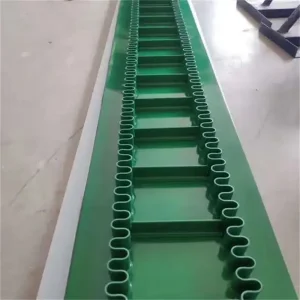
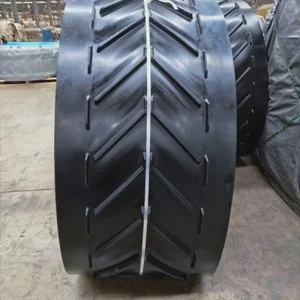
| Chevron Pattern C15 3+1.5 | Layered Fabric Reinforcement | 4.5 mm Base + 15mm Cleat | ~ 8.2 - 9.0 | GB/T 11601 |
| Flame Retardant (MSHA Grade) | Heavy-Duty EP Carcass | 5.0 mm (3 Top + 2 Bottom) | ~ 8.1 - 8.6 | ISO 340, EN 12882 |
Modern conveyor technology is trending towards energy-efficient belt design. Under the ISO 5048 framework, up to 60% of a long horizontal conveyor's energy consumption is linked to dynamic indent rolling resistance (IRR) as the belt moves over the idlers. By using lighter carcass structures and rubber formulas that minimize indent loss, companies can significantly reduce power consumption without reducing belt lifespan. Hebei Boao Rubber Technology continues to invest in these advanced compounding techniques.
Common questions answered by our engineering and production departments.
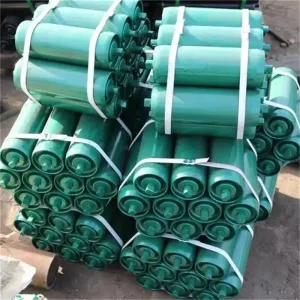
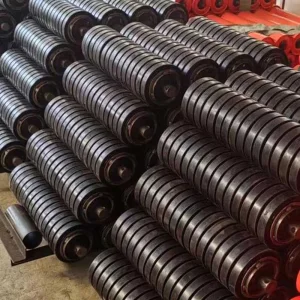
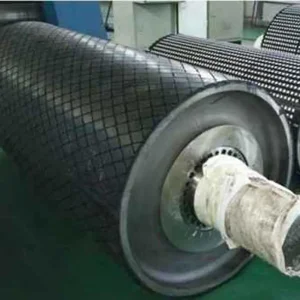
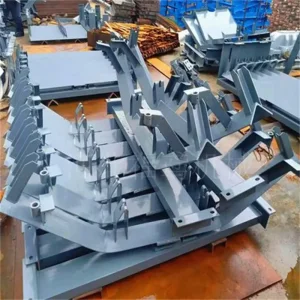
Explore additional specialized conveyor configurations, roller components, and brackets.
Connect with our engineering office to build your optimized conveyor belt specification sheet.
 Boao Rubber