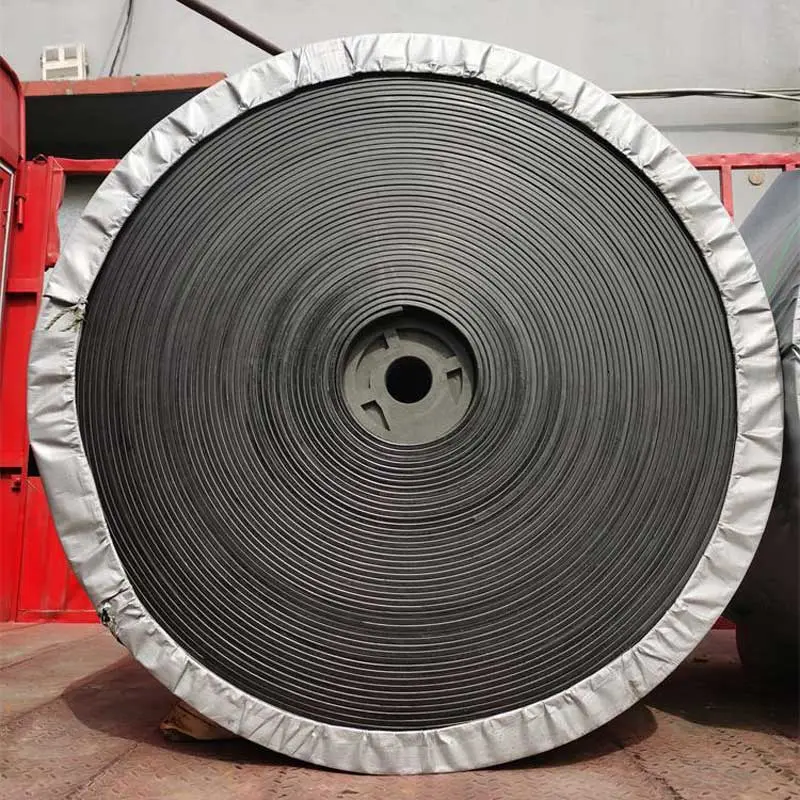
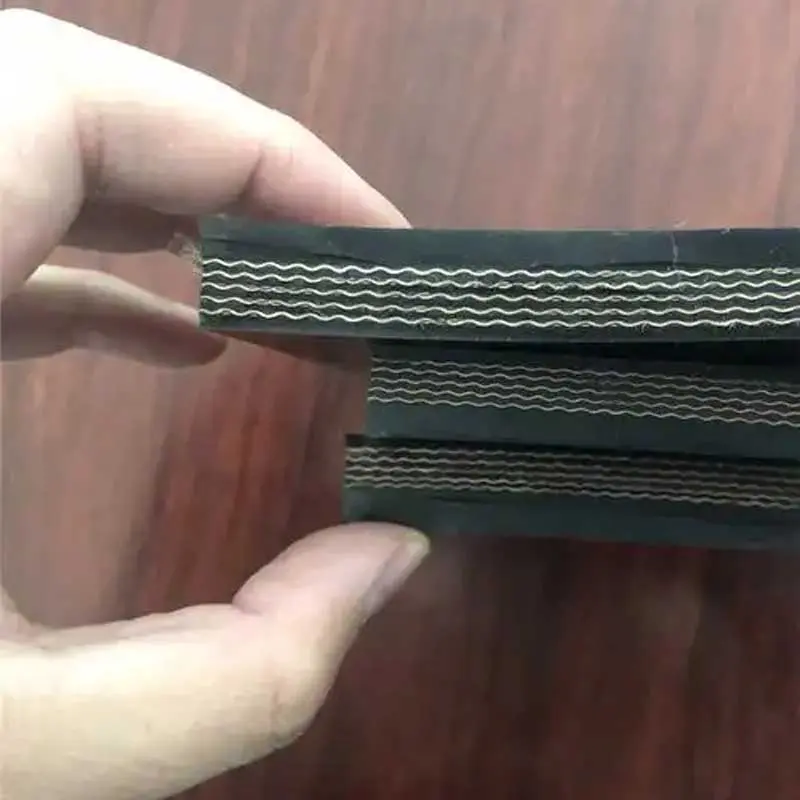
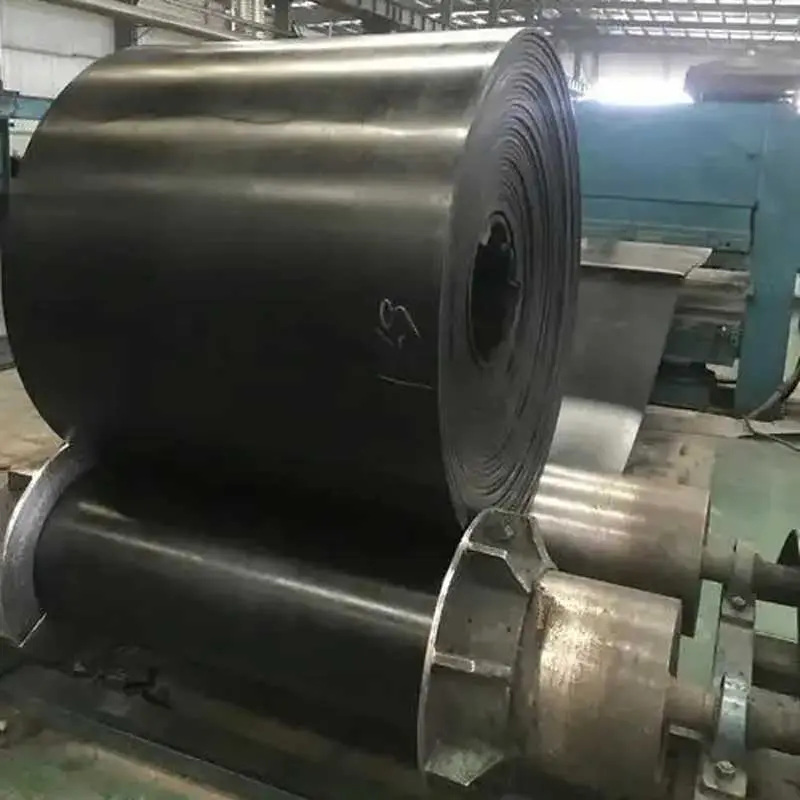
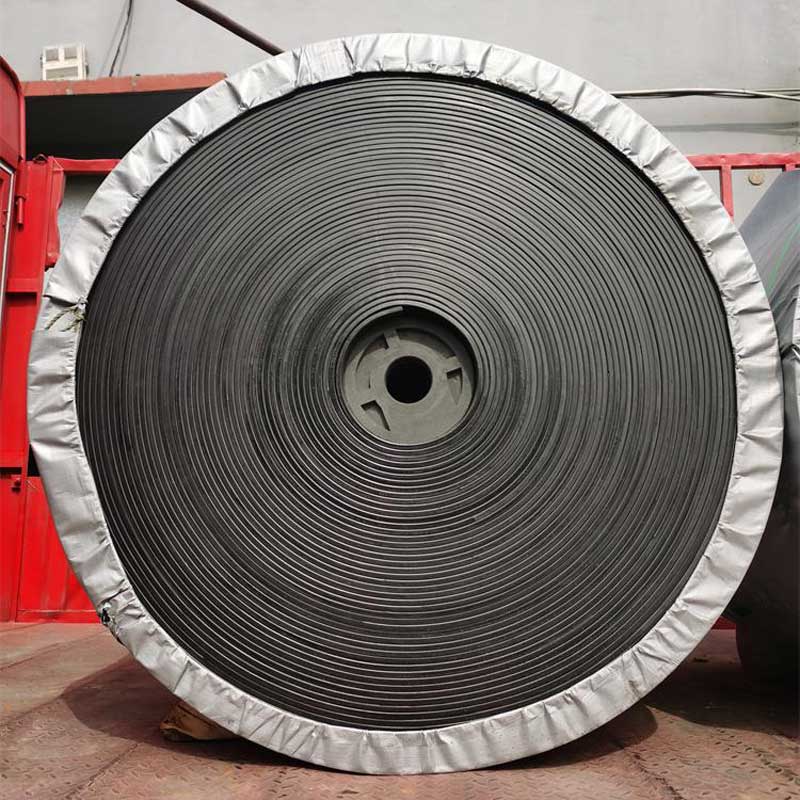
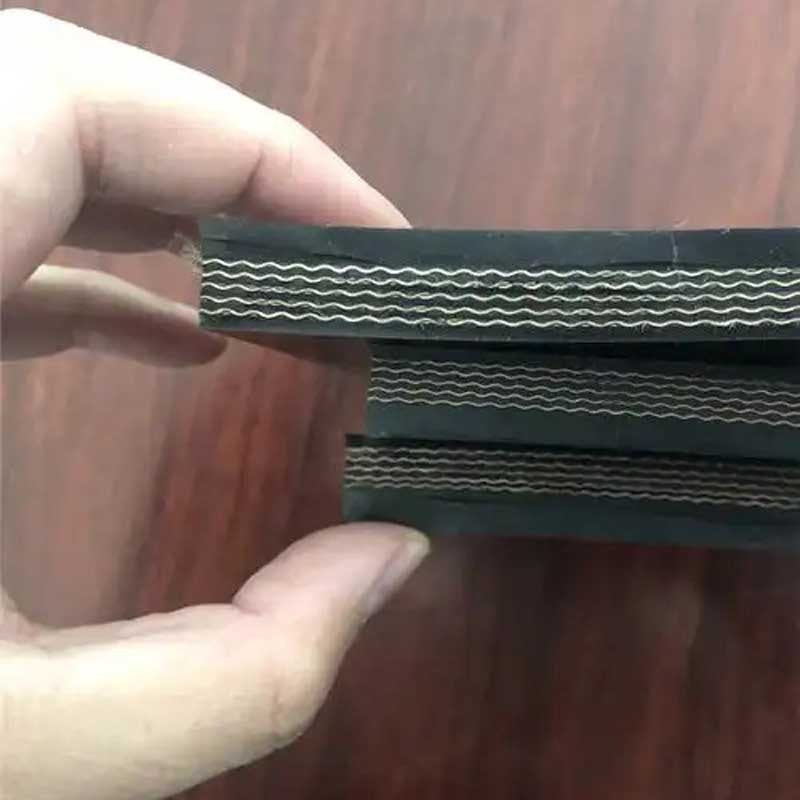
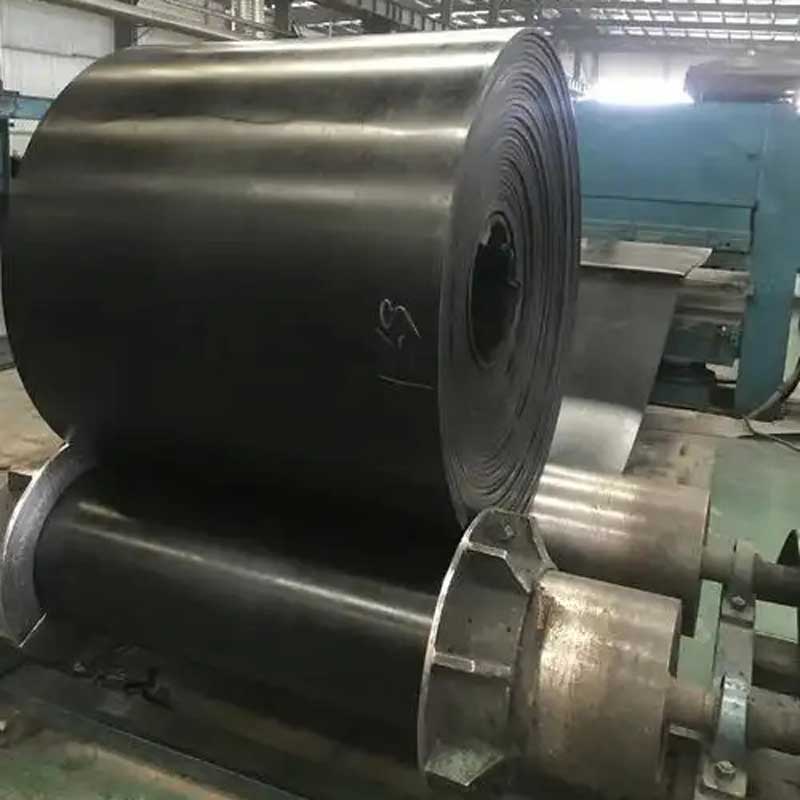
Cold resistant conveyor belt is a type of conveying equipment designed specifically for low-temperature environments, widely used in industries such as mining, ports, metallurgy, and chemical engineering. The technical indicators of cold resistant conveyor belts mainly include the following aspects:
📌
In summary, the technical indicators of cold resistant conveyor belts cover multiple aspects such as cold resistance, covering rubber performance, physical properties, and size specifications. These indicators collectively determine the applicable environment and working capacity of cold resistant conveyor belts.
❓
Frequently Asked Questions
Q
What is the difference between C1 and C2 cold resistant conveyor belt levels?
The C1 level cold resistant conveyor belt is designed for operating environments ranging from -45 to 50 °C, making it suitable for moderately cold climates. The C2 level offers superior cold resistance, rated for environments as low as -60 °C, making it ideal for extreme cold regions and applications.
Q
What industries commonly use cold resistant conveyor belts?
Cold resistant conveyor belts are widely used in industries such as mining, ports, metallurgy, and chemical engineering — particularly in facilities or regions where low-temperature conditions are prevalent and standard conveyor belts would fail or degrade quickly.
Q
What are the three types of covering adhesive performance grades?
Based on covering adhesive performance, cold resistant conveyor belts are classified into three types: H (scratch resistant), suitable for sharp material handling; D (wear-resistant), for high-abrasion applications; and L (general), for standard conveying tasks in cold environments.
Q
What size specifications are available for cold resistant conveyor belts?
Cold resistant conveyor belts are available in a wide range of sizes. Bandwidth can range from 100mm to 3000mm, with 1 to 10 fabric layers. Common core materials include NN100 and NN150. The working surface adhesive thickness is typically 1.5–8.0mm, and the non-working surface is 1.5–4.5mm.
Q
What physical properties make cold resistant conveyor belts suitable for harsh environments?
Cold resistant conveyor belts are engineered with high elasticity, impact resistance, long-term compression stability, small deformation rates, and excellent cold resistance. These properties allow them to maintain structural integrity and operational performance even under sustained low-temperature exposure and mechanical stress.
Q
How do I choose the right cold resistant conveyor belt for my application?
Selecting the right cold resistant conveyor belt depends on several factors: the minimum operating temperature of your environment (C1 or C2 grade), the type of material being conveyed (affecting the covering adhesive grade H, D, or L), the required belt width and number of layers, and the mechanical load requirements. Consulting with a specialist based on these parameters will ensure optimal performance and longevity.
 Boao Rubber