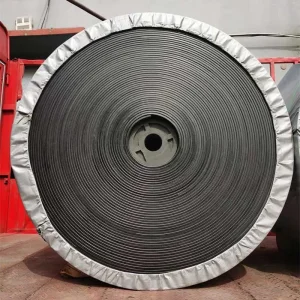
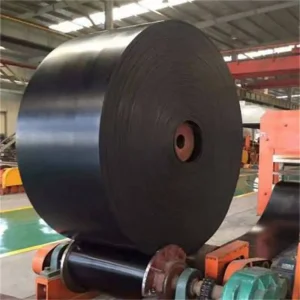
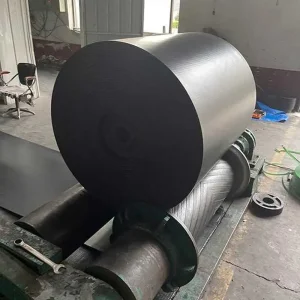
Engineered rubber belts and tracking systems engineered to perform in the most demanding conditions.
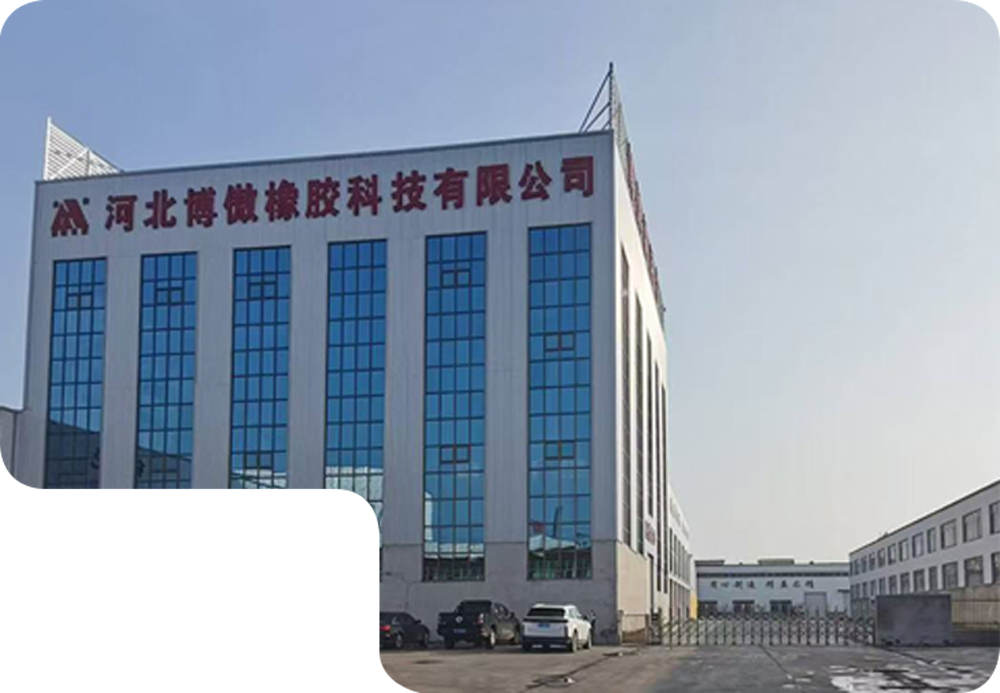
Founded in 2004, Hebei Boao Rubber Technology Co., Ltd. (operating our renowned proprietary "Jinao" brand) has evolved into China's premier manufacturer and system integrator of heavy-duty industrial conveyor belts and related accessories. Located in the specialized Rubber Industrial Park of Boye County, Baoding, Hebei Province, our facilities span a vast footprint of over 30 acres.
Our business model combines raw compound formulation, structural textile weaving, multi-stage vulcanization, and finished product qualification all under a single ISO-certified infrastructure. With our specialized laboratories and dedicated engineers, we provide industrial clients worldwide with bespoke material conveyance pathways engineered to withstand high impact, extreme temperatures, flame exposure, and chemical wear.
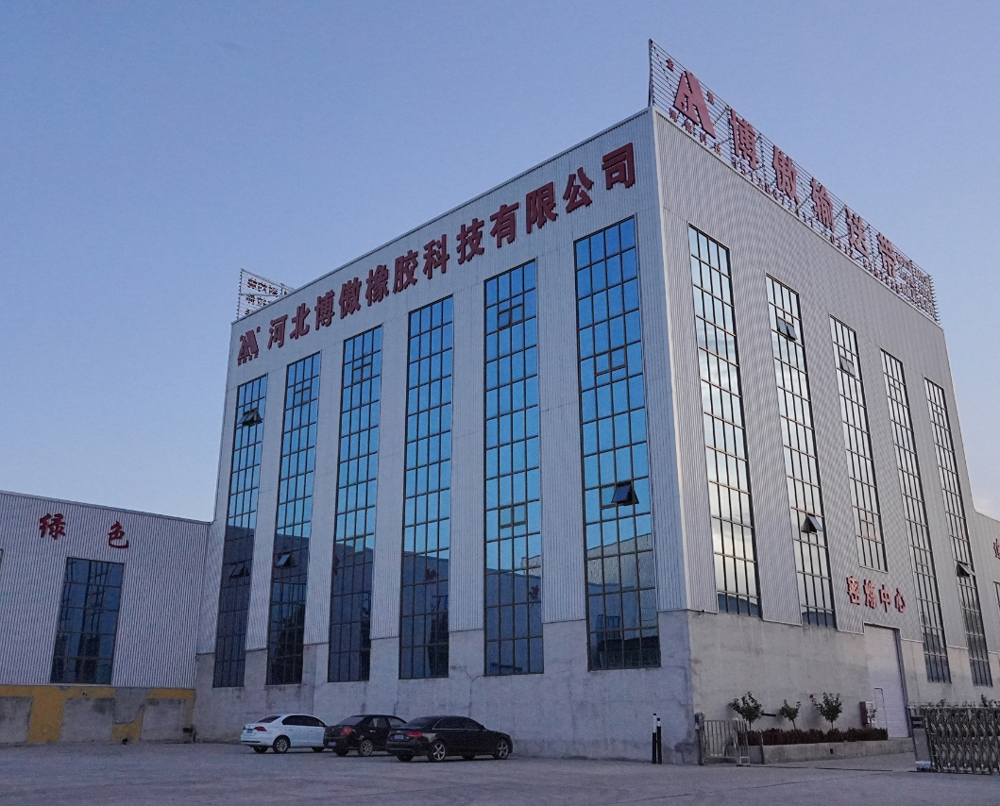
Why Tier-1 global industrial companies trust Boao "Jinao" brand products.
We maintain an independent in-house laboratory to perform continuous checks on rubber hardness, tensile strength, heat resistance, and chemical aging of polymers before they are approved for manufacturing.
Every roll of conveyor belt is serialized, allowing full traceability back to the specific vulcanization queue. Unqualified raw inputs are strictly prohibited from entering the line, and non-conforming finished products never leave the factory floor.
Our heavy industrial material handling products are widely used in key industrial projects in the domestic market, and are exported to North America, Southeast Asia, South America, and Africa.
In modern heavy industries—such as mining, steel production, cement manufacturing, and power generation—the conveyor system functions as the primary material artery. The overall productivity of the plant is directly tied to the reliability and physical envelope of the conveyor belt. Historically, standard rubber formulations were vulnerable to catastrophic failure when exposed to extreme operational elements like hot sinter clinkers, cryogenic outdoor temperatures, sharp rock impacts, or chemical swelling agents.
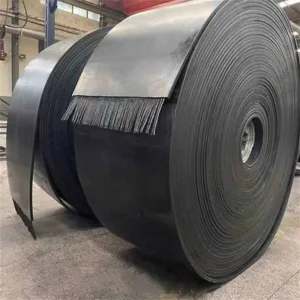
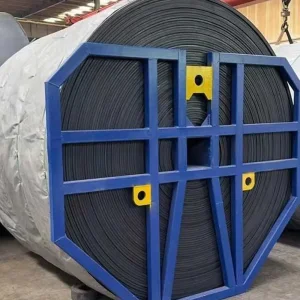
To solve these engineering challenges, Hebei Boao Rubber Technology Co., Ltd. has spent over two decades optimizing composite materials. We laminate high-grade synthetic elastomers with advanced reinforcement fabrics like Polyester (EP) and Polyamide (NN), or heavy steel wire cords. The result is a conveyor matrix capable of handling tensile loads upwards of thousands of Newtons per millimeter, with minimal elongation and outstanding tracking characteristics.
"Our Jinao brand products represent the intersection of high-polymer chemistry and mechanical structural stability, designed specifically to operate without interruption in high-stress industrial environments."
Choosing the right core reinforcement is critical to ensuring operational success and avoiding belt stretch.
| Belt Category | Reinforcement Type | Tensile Strength Range | Thermal/Physical Properties | Ideal Application Sectors |
|---|---|---|---|---|
| General Purpose Rubber Belts | EP / NN Fabric Plies | 100 - 630 N/mm per ply | Standard DIN 22102 (Z, W, Y, X) | Gravel, Sand, Coal handling plants |
| Steel Wire Rope Belts | High-Tensile Steel Cords | ST 500 - ST 5400 | Excellent structural tracking, zero stretch | Deep-shaft mining, long overland systems |
| Heat Resistant Belts | EP / Aramid / Steel Cord | Up to 2400 N/mm | Withstands peaks up to 220°C (T3 / T4) | Cement clinker, steel mills, metallurgy |
| Cold Resistant Belts | EP / NN / Steel Cord | 100 - 3150 N/mm | Flexible down to -50°C (C1 / C2 Grade) | Arctic mining, cold winter climates |
| Flame Retardant Belts | Chloroprene (CR) / PVC / PU | Mechanical & chemical weave | Self-extinguishing (ISO 340 / MSHA) | Underground coal mines, grain silos |
The global industrial supply chain heavily relies on China's integrated industrial hubs for good reason. Boye County in Baoding, Hebei, is a world-renowned rubber manufacturing cluster. This concentrated ecosystem offers significant advantages:
Every industry faces its own unique challenges. A standard conveyor belt that performs well in a dry gravel pit will quickly degrade or fail when subjected to the high-temperature environment of a cement plant, the chemical exposure of a fertilizer facility, or the sub-zero temperatures of a northern mining project.
For instance, in cold-weather applications (such as mining in Russia, Northern China, or Northern Europe), rubber can become brittle and crack. Our Cold Resistant Rubber Conveyor Belts utilize a custom-formulated polybutadiene-rubber matrix that preserves rubber elasticity even when temperatures drop to -50°C.
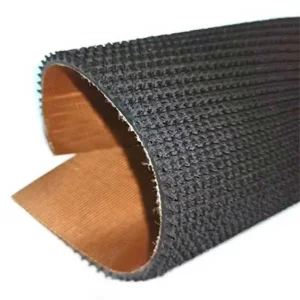
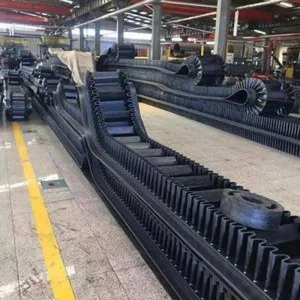
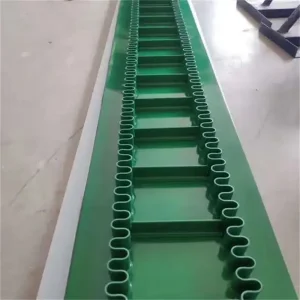
Conversely, vertical conveying systems with steep incline angles require High Angle Wavy Edge Conveyor Belts (corrugated sidewall belts). These systems use flexible rubber side pockets to prevent cargo from spilling, allowing materials to be transported vertically at angles up to 90 degrees. This space-saving design is critical for compact urban factories, mixing stations, and underground silos.
Our products undergo rigorous testing and international quality management system certifications.
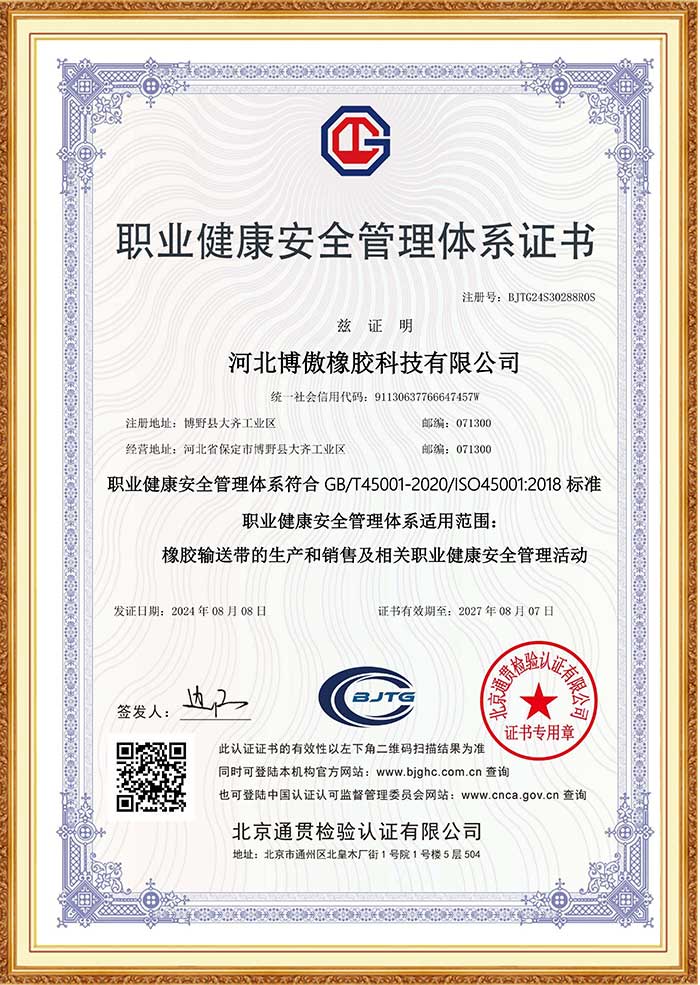
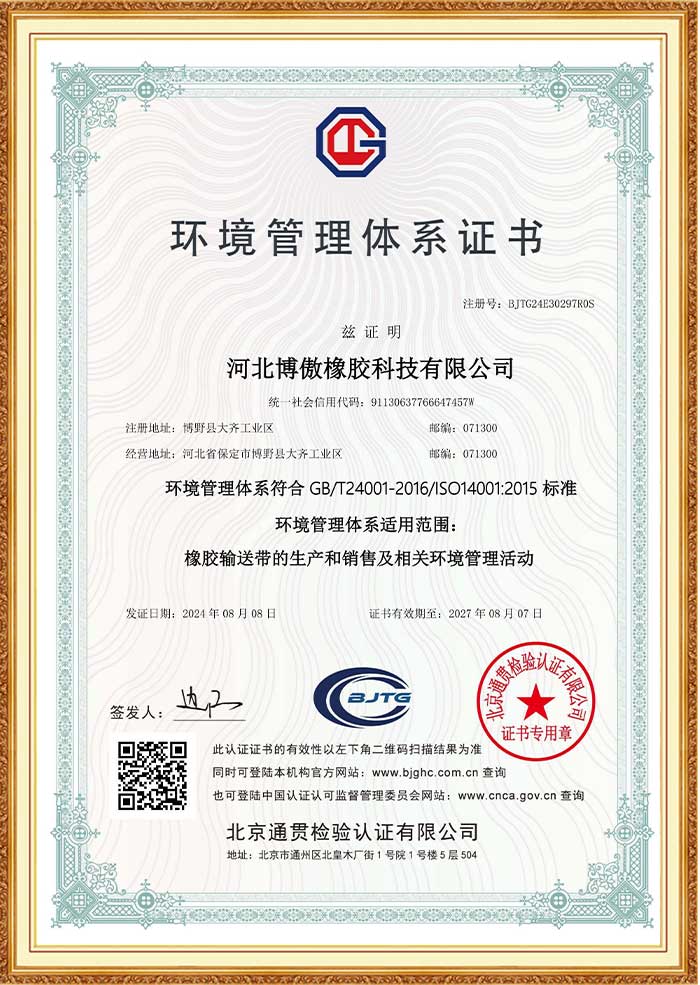
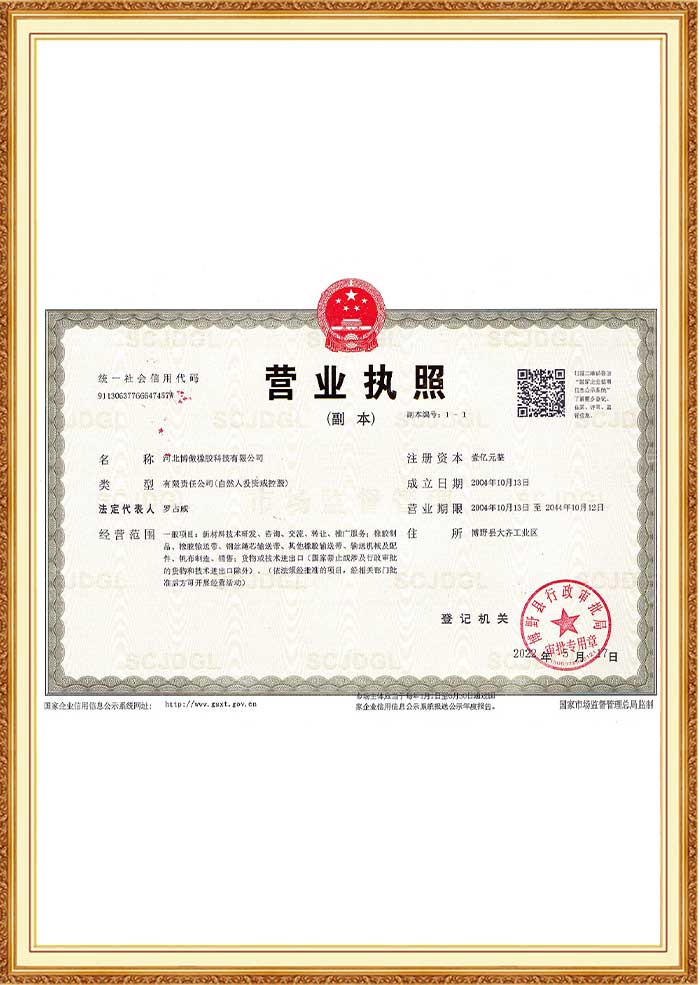
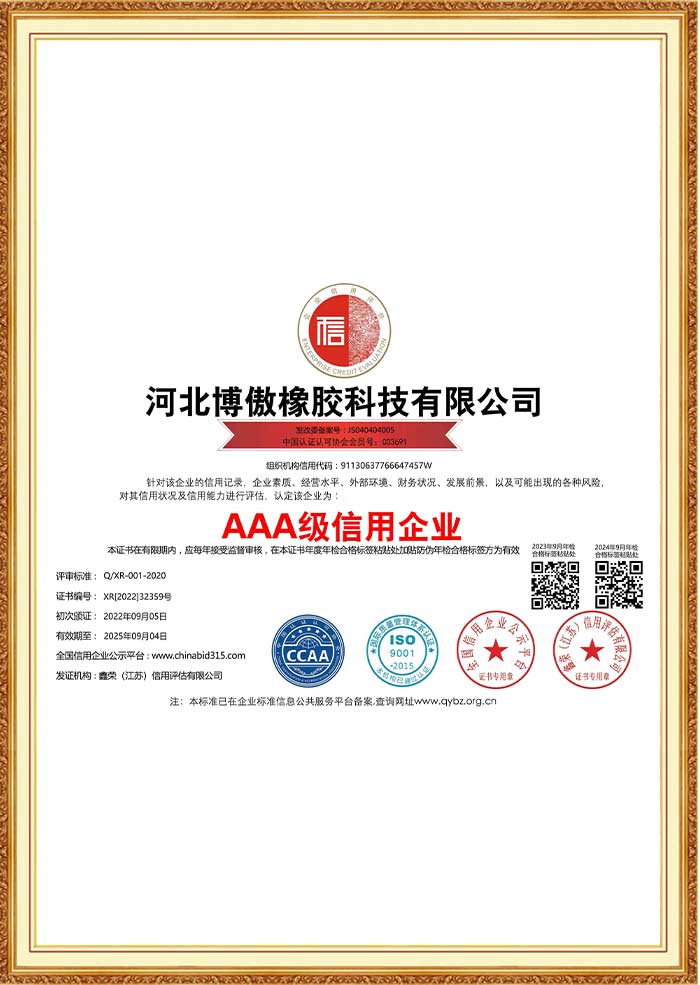
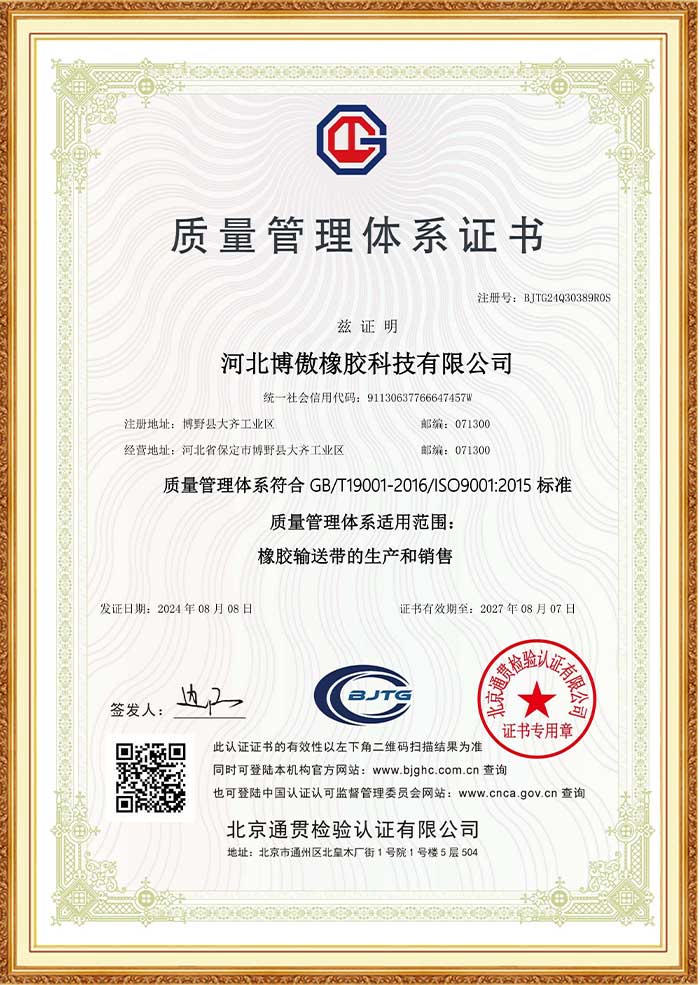
Providing heavy-duty material transport solutions for leading global enterprises.
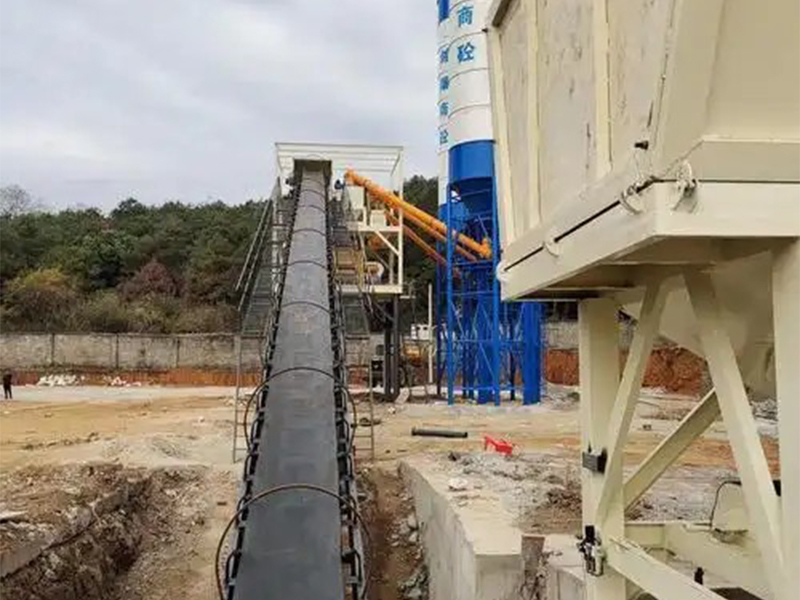


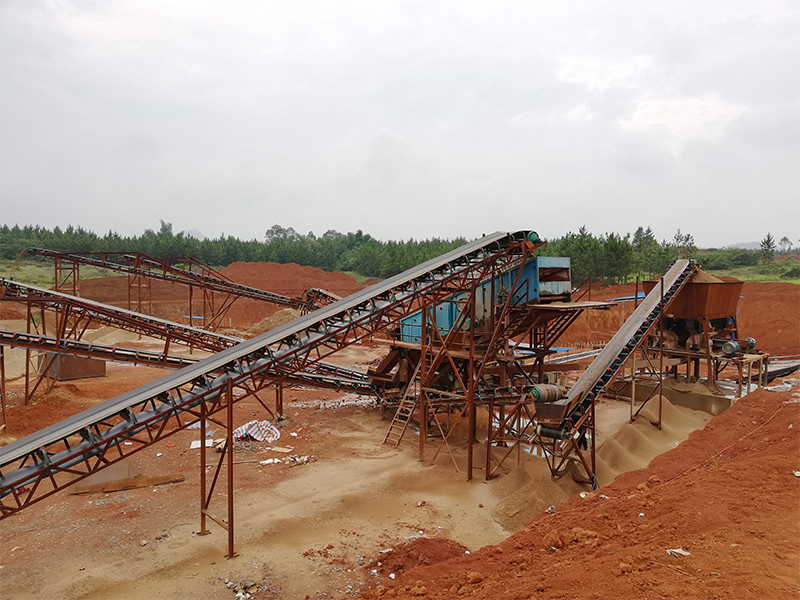
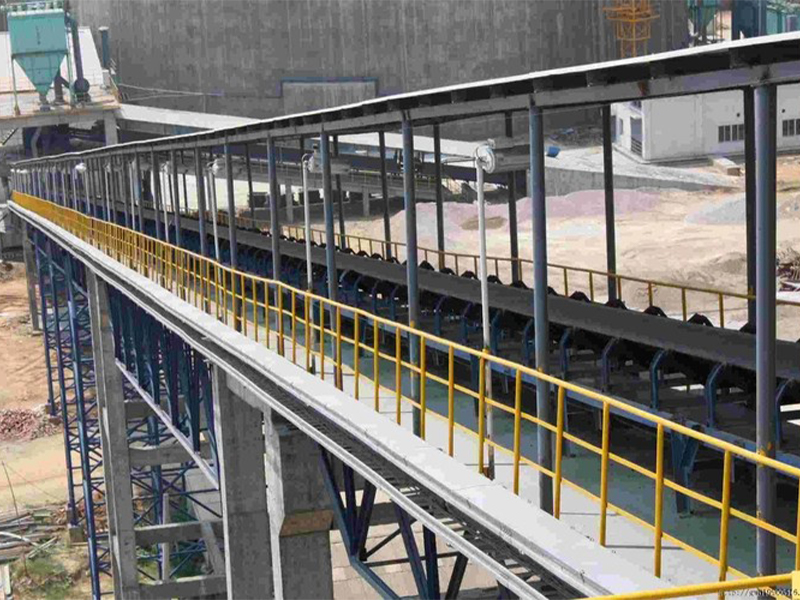
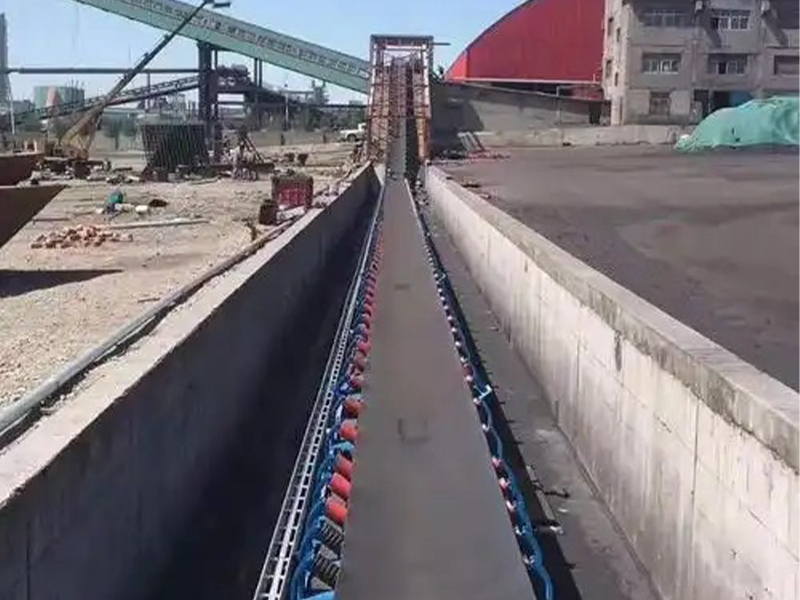
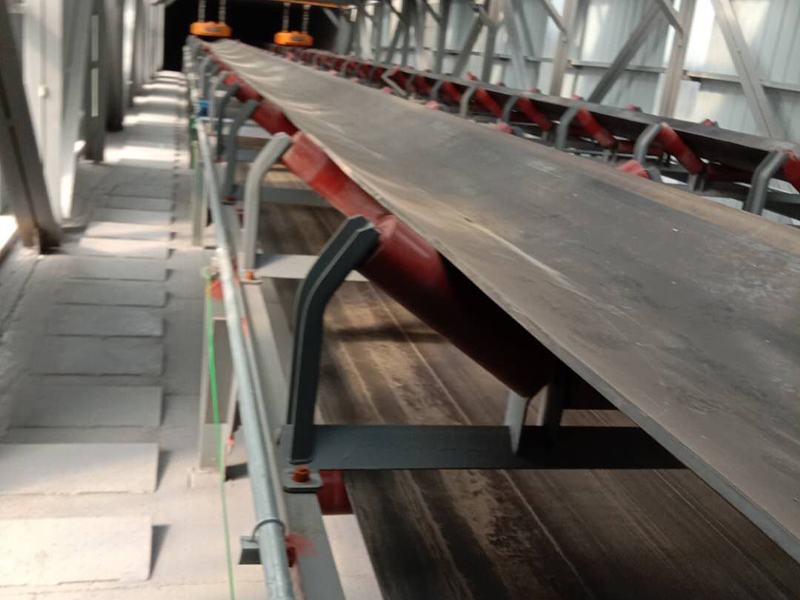
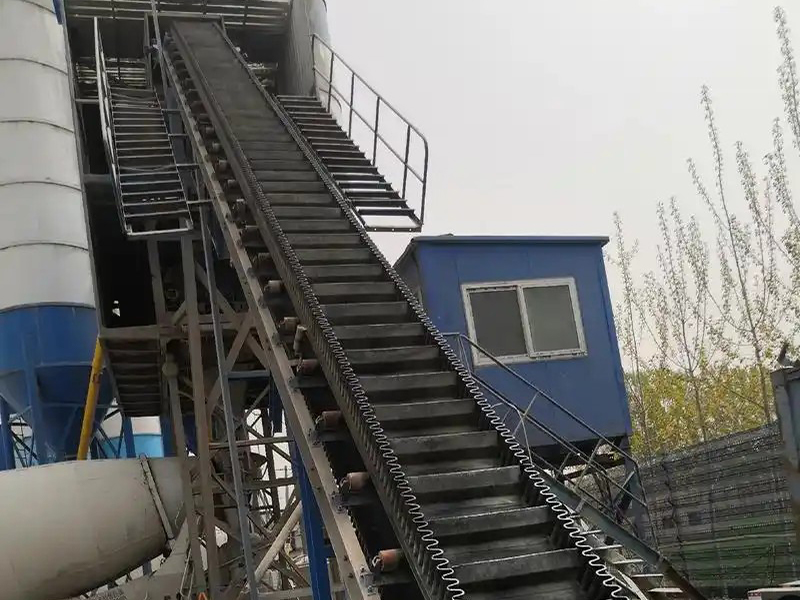
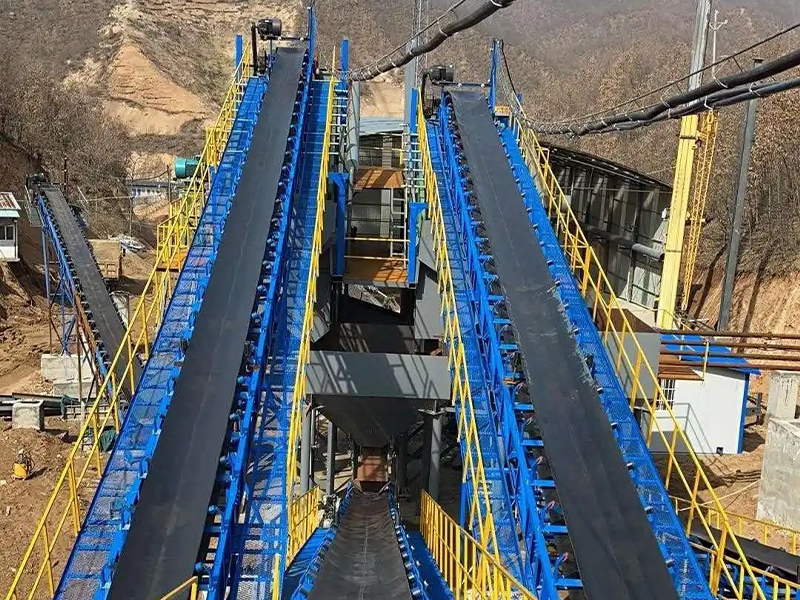
In high-capacity conveyor operations, unexpected downtime is extremely costly. A single belt failure can halt production, resulting in significant losses. To address this risk, Hebei Boao Rubber Technology Co., Ltd. offers a comprehensive lifecycle support program for global mining and logistics networks.
1. Scheduled Diagnostic Inspections: Our field engineers use non-destructive ultrasonic testing (NDT) to measure rubber cover wear and identify internal steel cord alignment anomalies before they cause a failure.
2. Specialized Vulcanization & Splicing: We provide step-by-step splicing manuals, specialized vulcanization compounds, and hot-vulcanizing equipment to ensure high-strength, long-lasting belt splices that match the life of the belt.
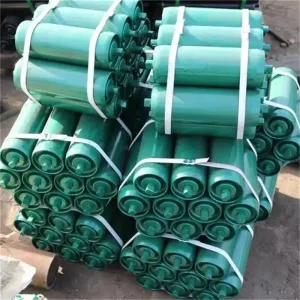
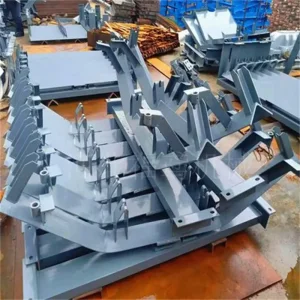
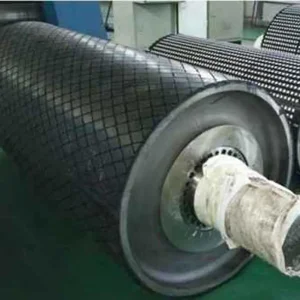
3. Optimized Pulley Lagging & Roller Coordination: The lifetime of a conveyor belt is directly affected by the performance of the system's idlers and pulleys. We design and supply high-precision conveyor idler rollers (troughing, impact, return, and suspended types) along with matching brackets to ensure optimal belt tracking and minimize edge wear.
Inside our ISO 9001 certified manufacturing plant in Boye County, Baoding, Hebei, China.
Technical guidance from our principal engineering division to help you make informed decisions.
Explore our high-performance steel core, flame retardant, and wear-resistant solutions.
 Boao Rubber