Explore our foundational industrial range, engineered to deliver exceptional durability and wear resistance in corrosive, high-load environments.
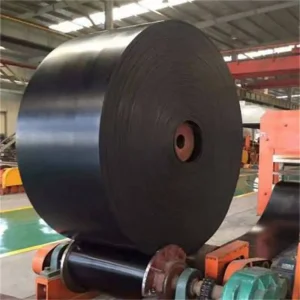
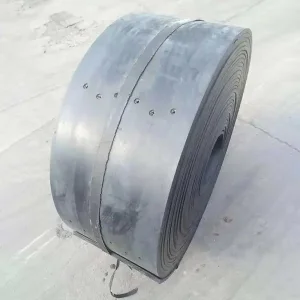
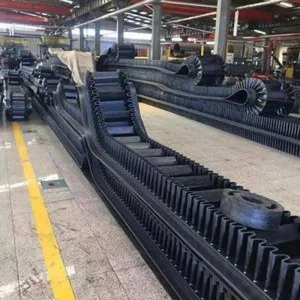
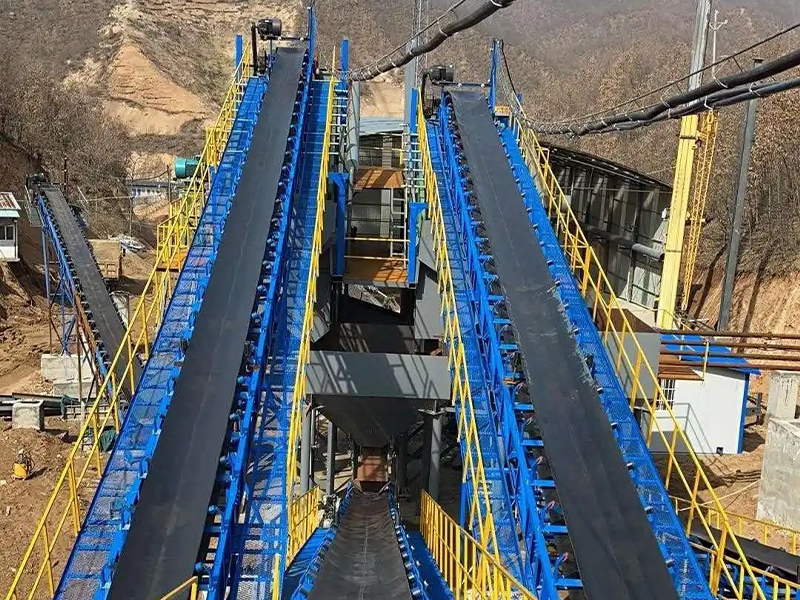
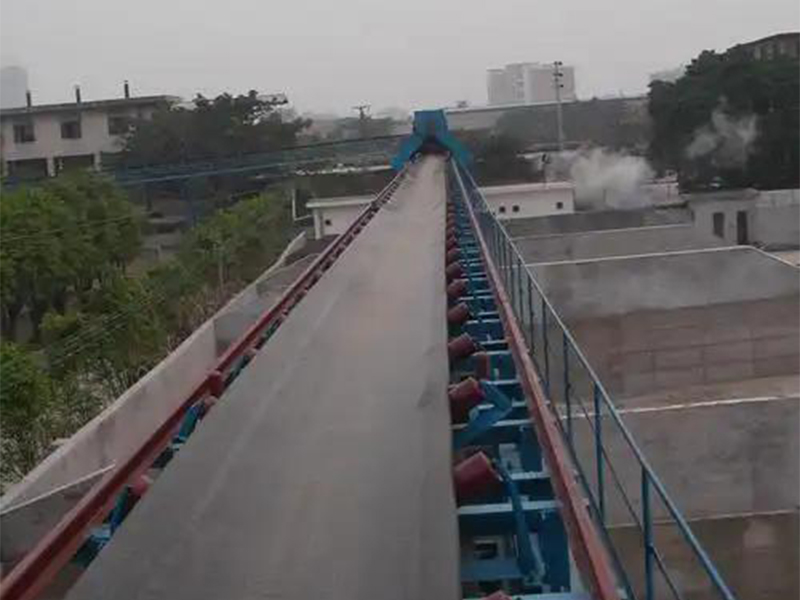
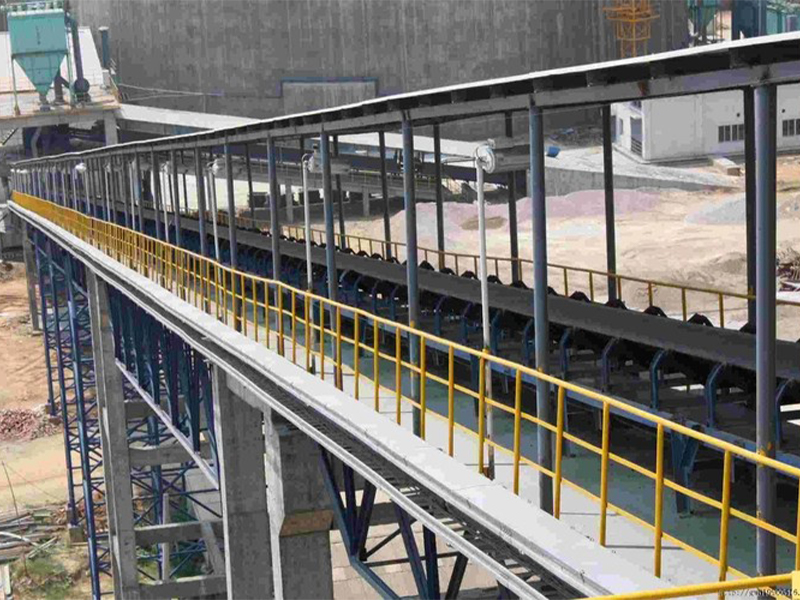
In high-capacity material handling systems, the strength of a conveyor line is defined by its weakest connection point. Traditional spliced belts, while adaptable, present inherent structural vulnerabilities at their joints. To eliminate these points of failure, industrial processes have shifted toward endless rubber conveyor belts. These jointless, vulcanized loops are fabricated directly without mechanical splices or hot/cold vulcanized field joints, offering unprecedented performance stability, structural uniformity, and extended lifecycles in critical mining, steel production, and logistics settings.
"The elimination of physical joints in rubber conveyor belt design directly translates to a 40% reduction in system downtime and minimizes the dynamic mechanical stresses typically concentrated at splice interfaces." — Technical Directorate, Hebei Boao Rubber Technology
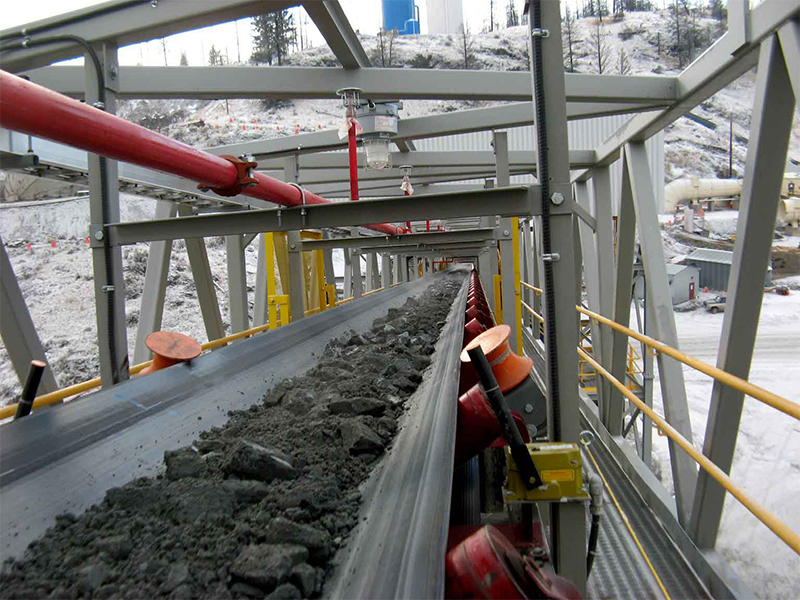
The global demand for high-strength endless rubber conveyor belts is driven by rapid industrialization, particularly in the extraction, chemical processing, and distribution sectors. In regions like Southeast Asia, Latin America, and Sub-Saharan Africa, mega-scale mining installations depend on heavy-duty conveyor systems to move ores, minerals, and aggregates continuously over vast distances. Meanwhile, mature industrial regions like Europe and North America focus heavily on energy efficiency, emission containment, and system longevity, stimulating demand for specialty compounds such as oil-resistant, flame-retardant, and low rolling-resistance rubber belts.
Endless conveyor belts are preferred in these sectors because joint failure on a transcontinental bulk handling system or within a deep underground coal mine can incur losses exceeding tens of thousands of dollars per hour. Eliminating field vulcanization saves substantial installation time, reduces labor costs, and removes the risk of human error during onsite belt splicing. This structural reliability has made the endless rubber belt a global standard for critical machinery like bucket elevators, high-angle wavy-edge systems, and mobile ship loaders.
Modern endless belt manufacturing has evolved far beyond traditional compression molding. The industry is currently undergoing a structural transformation led by polymer science and advanced reinforcement techniques:
| Belt Type | Reinforcement Material | Key Performance Attribute | Primary Application Fields |
|---|---|---|---|
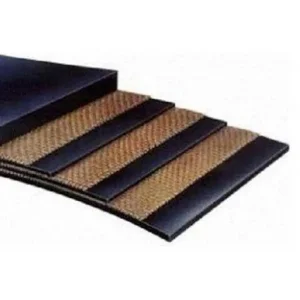
| Polyamide (NN) Series | Nylon Fiber / Warp & Weft | Excellent Elasticity, High Impact Resilience | Aggregate Mining, Quarrying, Coal Transport |
| Polyester (EP) Series | Terylene Fabric Matrix | Minimal Tensile Elongation, High Adhesion | Metallurgy, Port Terminals, Cement Facilities |
| Steel Cord Core | Zinc-Coated Steel Wire Rope | Ultra-High Tensile Strength, Long Span Ability | Deep Mine Haulage, Long-Distance Overland Belts |
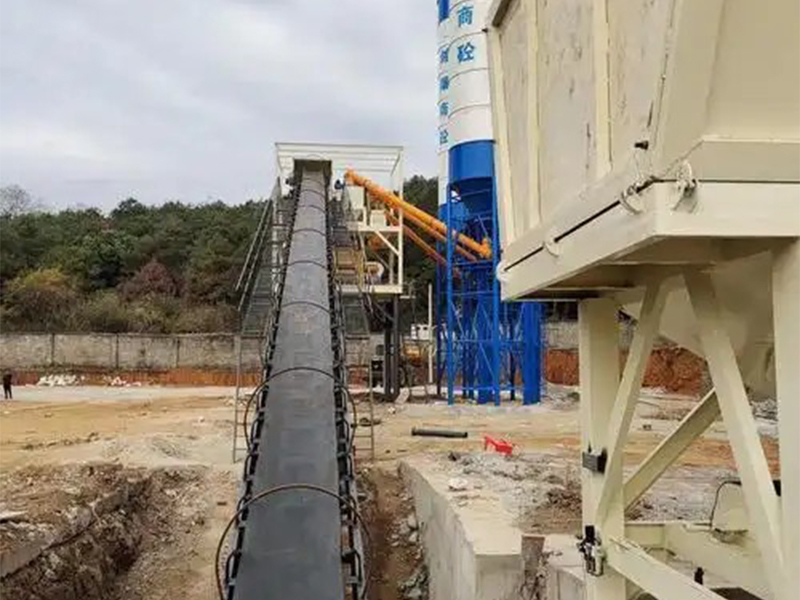
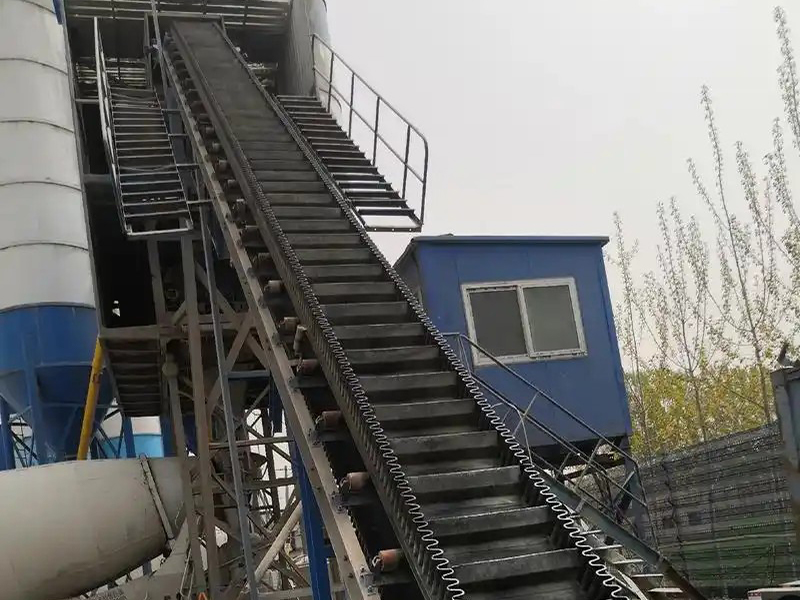
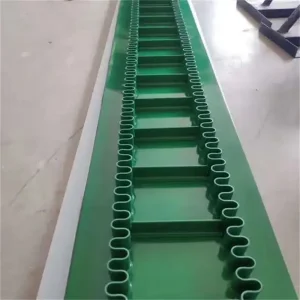
| Wavy Edge / Cleated | Cross-Stabilized Polyester Core | Steep Incline Material Retention (up to 90°) | Urban Tunneling, Silo Storage, Mixing Plants |
Every operational environment presents unique mechanical and chemical challenges. Localizing conveyor solutions is key to optimizing belt life:
Corrosive & Aggressive Chemical Environments: In chemical fertilizer production and port handling of mineral concentrates, acid and alkali resistance is mandatory. Applying specialized EPDM or chloroprene rubbers prevents chemical degradation and swelling of the carcass.
Extreme Thermal Operations: For sinter plants in steel mills and clinker handling in cement factories, heat-resistant conveyor belts constructed from specialty polymers can withstand continuous temperatures up to 200°C (and brief spikes up to 400°C) without cracking or delaminating.
High-Angle Steep Incline Systems: In densely populated urban areas or vertical mining shafts, space is limited. High Angle Wavy Edge Conveyor Belts allow vertical transport (up to 90 degrees), preventing material rollback while minimizing the system footprint.
Our modern laboratory facilities ensure that no substandard raw materials enter our manufacturing stream, and no unqualified products leave our facility.
Our chemical analysis room performs incoming inspection on raw polymers, carbon blacks, and compounding agents, validating chemical composition prior to production.
Equipped with electronic tensile testers, DIN abrasion resistance testers, and rubber rheometers, we run dynamic fatigue simulations to guarantee product durability.
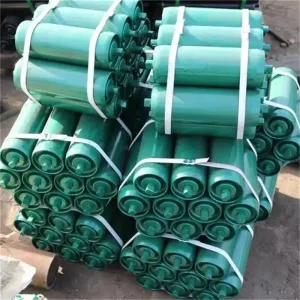
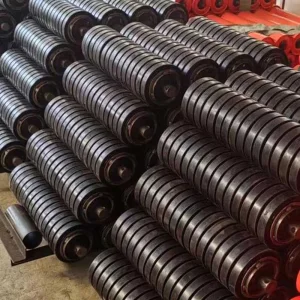
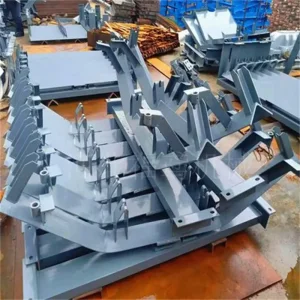
We provide a comprehensive range of supporting components, including impact rollers, ceramic pulley lagging, centering brackets, and custom skirt board rubbers.
Established in 2004 in the Boye County Rubber Industrial Park, Baoding, Hebei Province, our company spans more than 30 acres of advanced manufacturing space. Under our flagship "Jinao" brand, we integrate product development, engineering design, raw material testing, vulcanization, and global service support.
With modern calenders, automated building machines, and multi-platen vulcanizing presses, we produce high-performance industrial conveyor belts. Our products are engineered for extreme durability, long lifecycles, and high efficiency in heavy industries like mining, steel manufacturing, cement processing, power generation, and port terminals.
Our manufacturing processes follow strict quality standards, ensuring traceability from raw rubber compound mixing to final belt inspection.
Our quality management certificates validate our adherence to international manufacturing protocols and environmental standards.
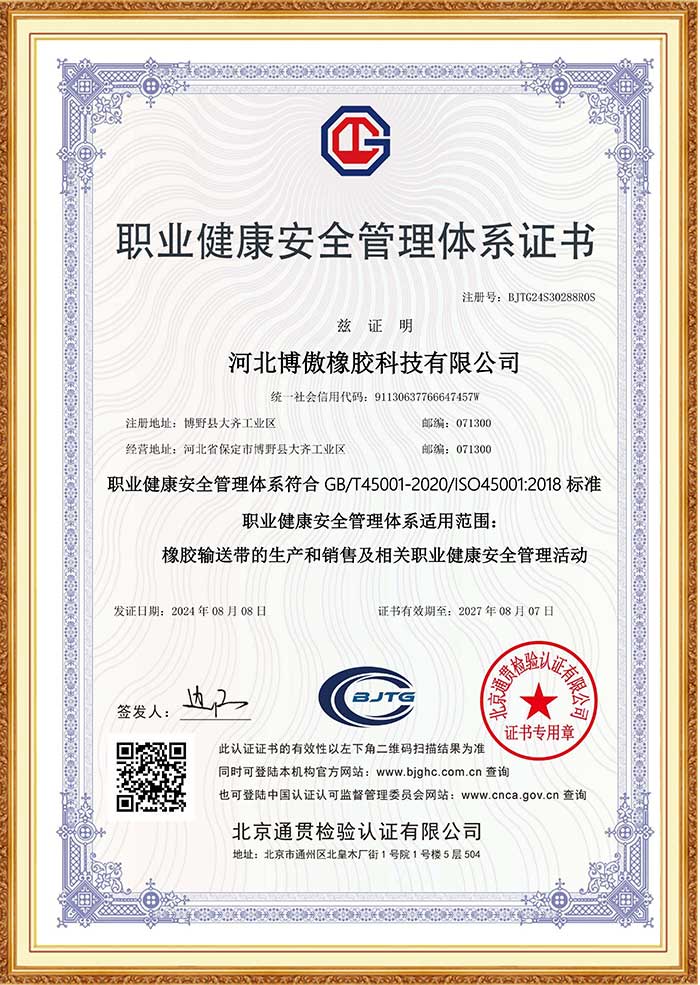
ISO9001 Certificate
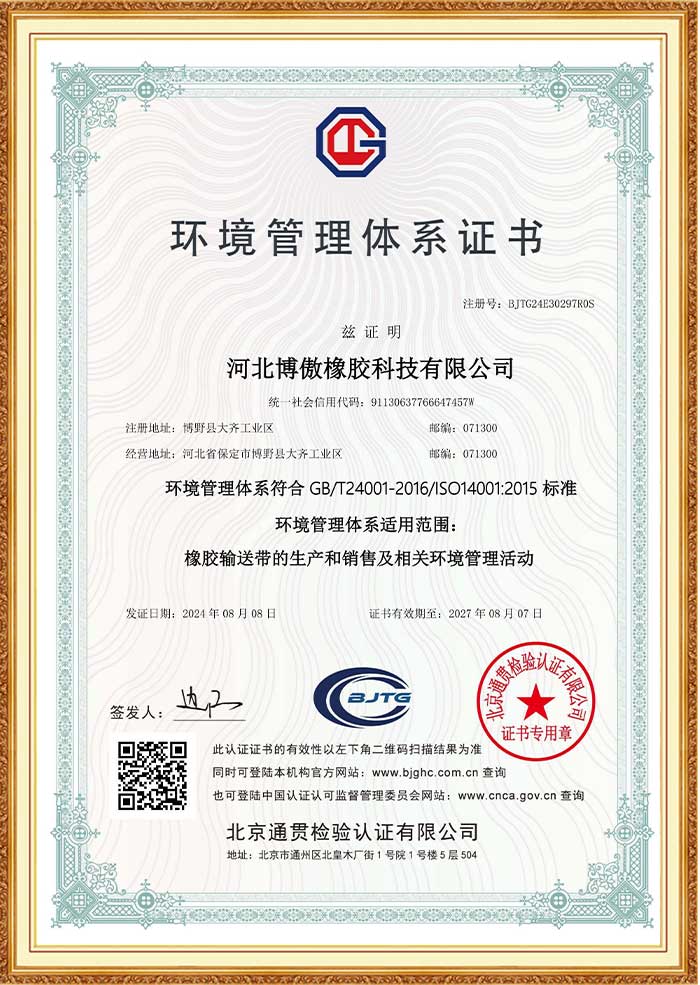
Safety Compliance
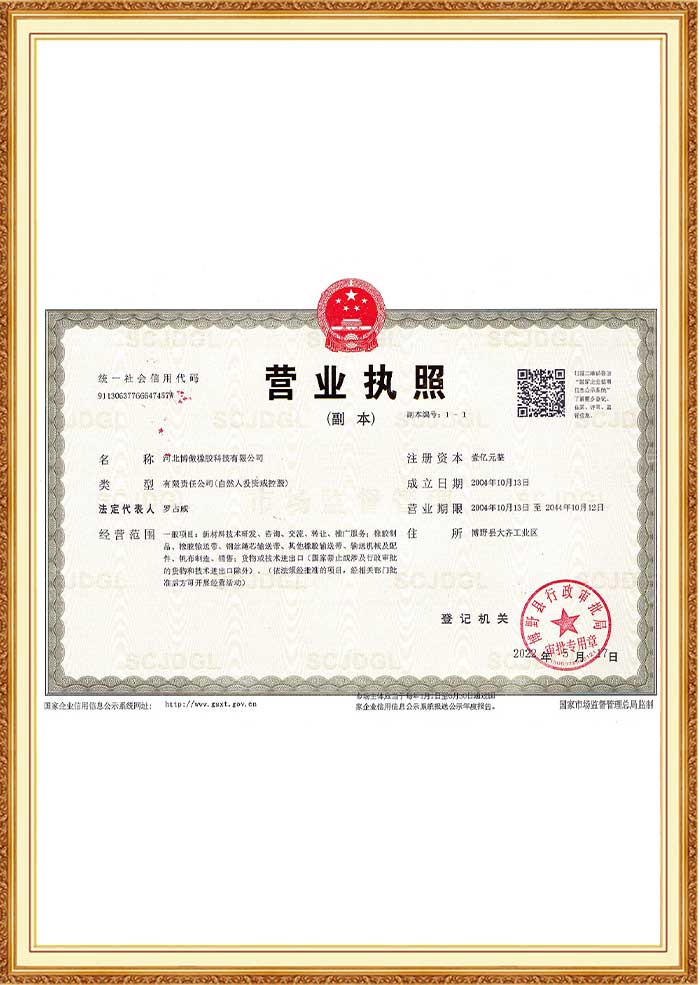
Technical Inspection
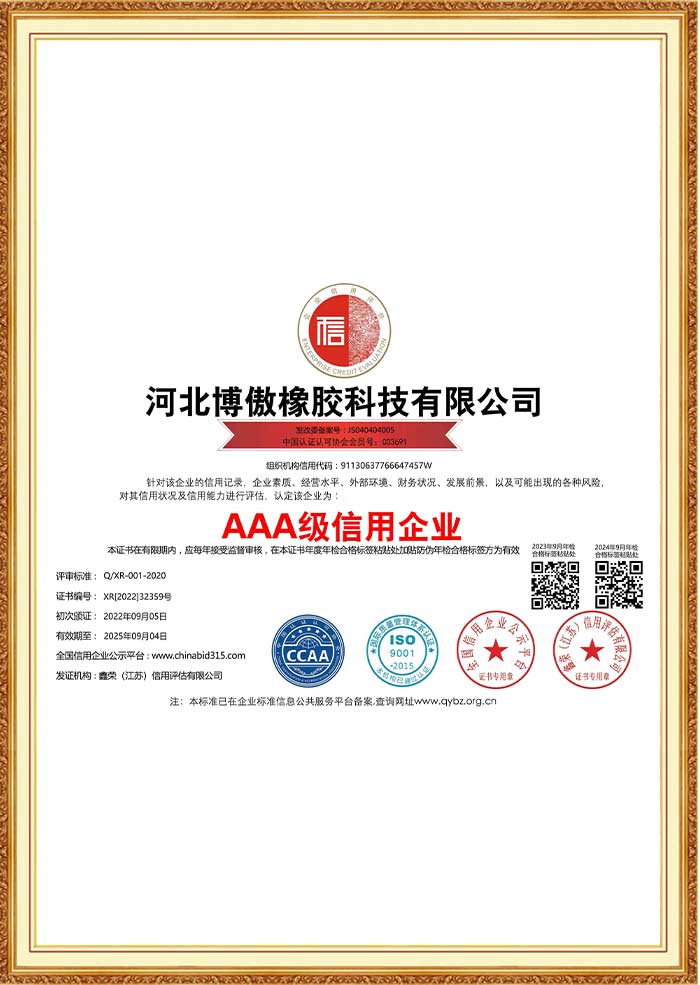
Industrial Standards
Our products are utilized in major bulk material transport lines across steel manufacturing, power generation, metallurgy, and port distribution centers.
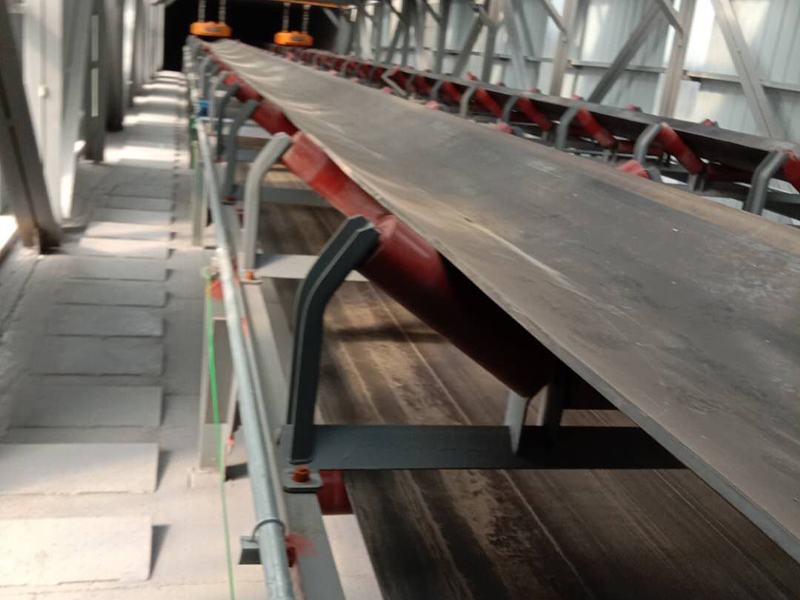
Taihang Steel
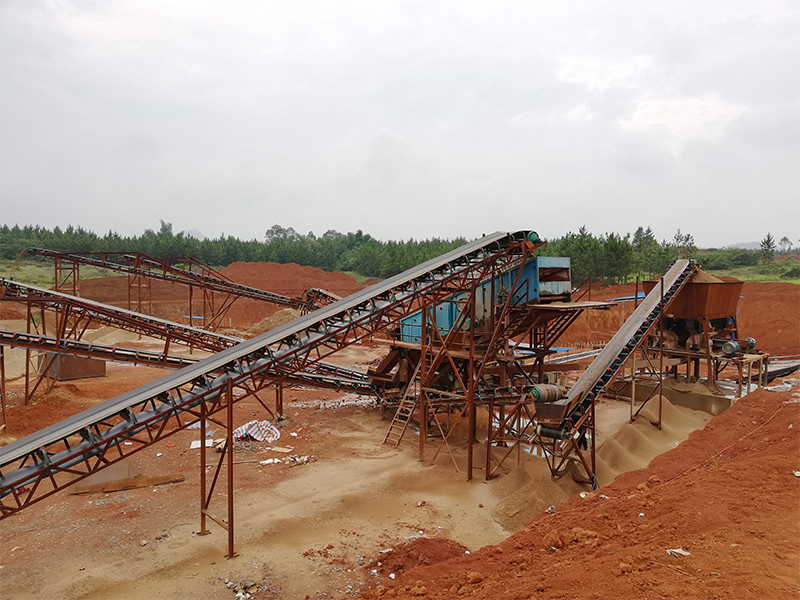
Tsingshan Group
Zijin Mining
China Railway Group
Conch Cement
Datong Coal Group
Jidong Cement Group
Puyang Steel Group
A comprehensive maintenance plan is essential to maximize the service life of heavy-duty endless conveyor systems.
Our team assists in calibrating roller alignment, tensioning devices, and pulley lagging, ensuring even tracking and minimal edge wear.
We analyze operating variables, including drop heights, material sharp edge characteristics, and chemical exposure, to recommend the optimal cover rubber thickness and polymer composition.
Our field technicians support regional partners with layout engineering, transition distance calculations, and preventative maintenance strategies to help minimize operational downtime.
Answers to common technical questions about selecting, installing, and maintaining endless rubber conveyor belts.
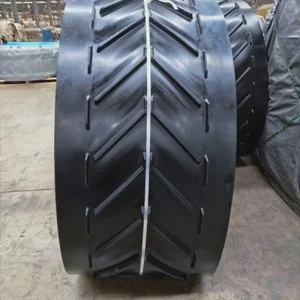
Explore our targeted solutions, including high-inclination wavy edge profiles, flame-retardant styles, and custom patterned belts designed to prevent product slippage.
 Boao Rubber