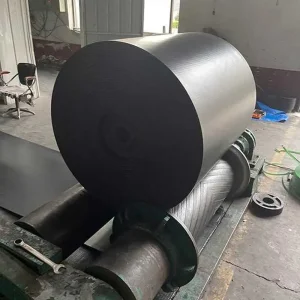
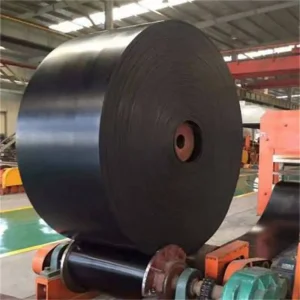
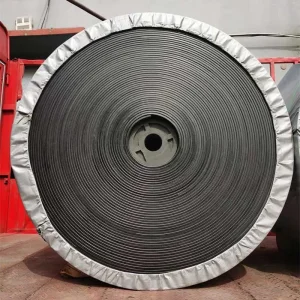
Explore our elite selection of heat-resistant, burn-resistant, and structural conveyor systems designed to withstand extreme thermal stresses.
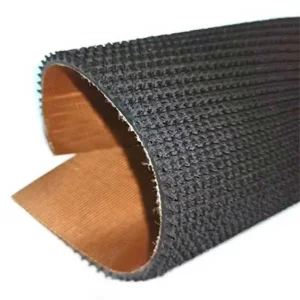
An authoritative analysis of thermodynamic performance, material longevity, and commercial value of modern heat-shielded bulk material handling.
In modern industrial environments, the transport of super-heated bulk materials represents a critical stress factor on mechanical infrastructure. Heavy-duty industries such as metallurgy, cement processing, sinter plants, and power generation continuously demand the transport of materials reaching temperatures of up to 400°C. Standard elastomeric belts fail instantly under these conditions, leading to degradation, thermal cracking, core de-lamination, and catastrophic operational downtime.
True **burn-resistant rubber conveyor belts** are specifically designed to manage this intense heat. Their engineering utilizes specialized cover compounds—often composed of premium EPDM (Ethylene Propylene Diene Monomer) or synthetic SBR (Styrene-Butadiene Rubber) matrices—specifically cross-linked to resist high-temperature oxidation and thermal degradation. Understanding the distinction between superficial "heat resistance" and true structural "burn resistance" is critical for industrial operators seeking to minimize capital expenditure and enhance conveyor lifetime.
"True burn resistance prevents heat from penetrating the structural core carcass. By utilizing self-charring barrier properties, our premium belts create an insulating carbonaceous layer under intense contact, ensuring the internal fabric or steel cords remain intact."
The global commercial landscape has witnessed a significant shift towards smart, high-performance compounds. Factors such as environmental regulations, strict plant safety standards (e.g., ISO 340 and DIN 22109-certified flame-retardant limits), and the skyrocketing cost of unplanned shutdowns have driven engineering teams to implement E-E-A-T (Expertise, Authoritativeness, Trustworthiness) standards in procurement. As a leading manufacturer, Hebei Boao Rubber Technology Co., Ltd. continuously refines chemical compound formulas to achieve the optimal balance between high tensile strength and thermal insulation.
How modern rubber formulations protect the reinforcing structural carcass from extreme thermal oxidation.
When hot bulk material like cement clinker, sintered ore, or slag sits directly on a conveyor belt, heat transfers primarily through conduction. To prevent the core from reaching its critical degradation threshold, the top cover must act as an insulating barrier. Hebei Boao Rubber Technology achieves this through:
By optimizing the vulcanization vulcanizing agents and utilizing sulfur-donor curing systems, the cross-link density remains stable even under constant thermal exposure.
Integrating highly dispersible carbon black grades to maintain structural mechanical properties such as abrasion resistance and tear resistance under thermal stress.
Applying high-modulus EP (Polyester-Nylon) fabrics or heat-stabilized Steel Wire Rope carcasses that exhibit minimal thermal shrinkage over long-term operations.
Delivering certified industrial belting and accessories for over two decades under the recognized "Jinao" brand.
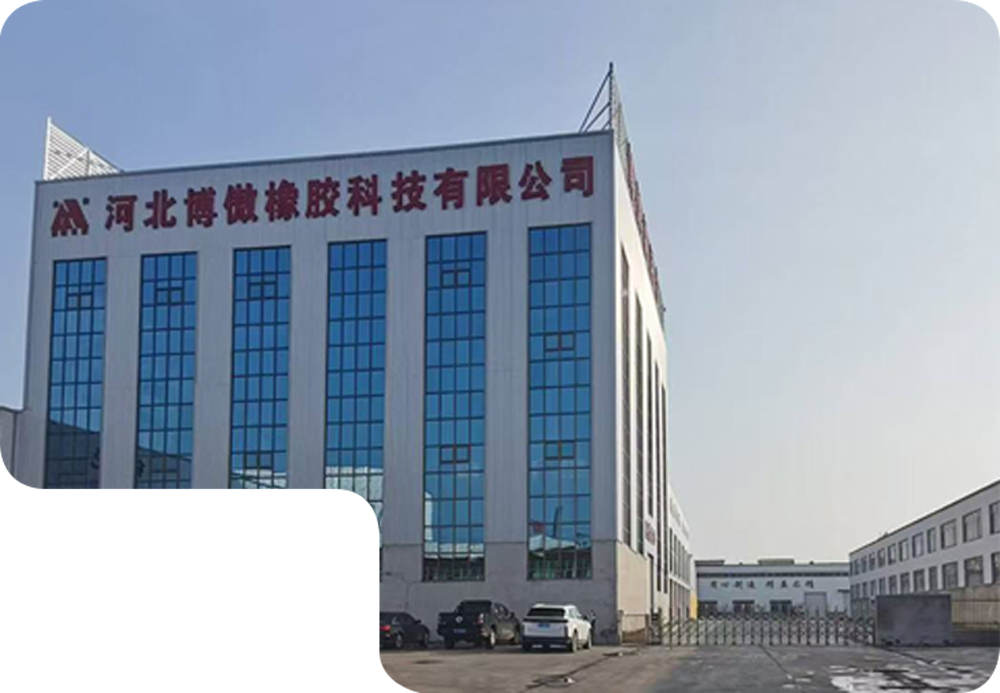
Founded in 2004, serving heavy industry globally
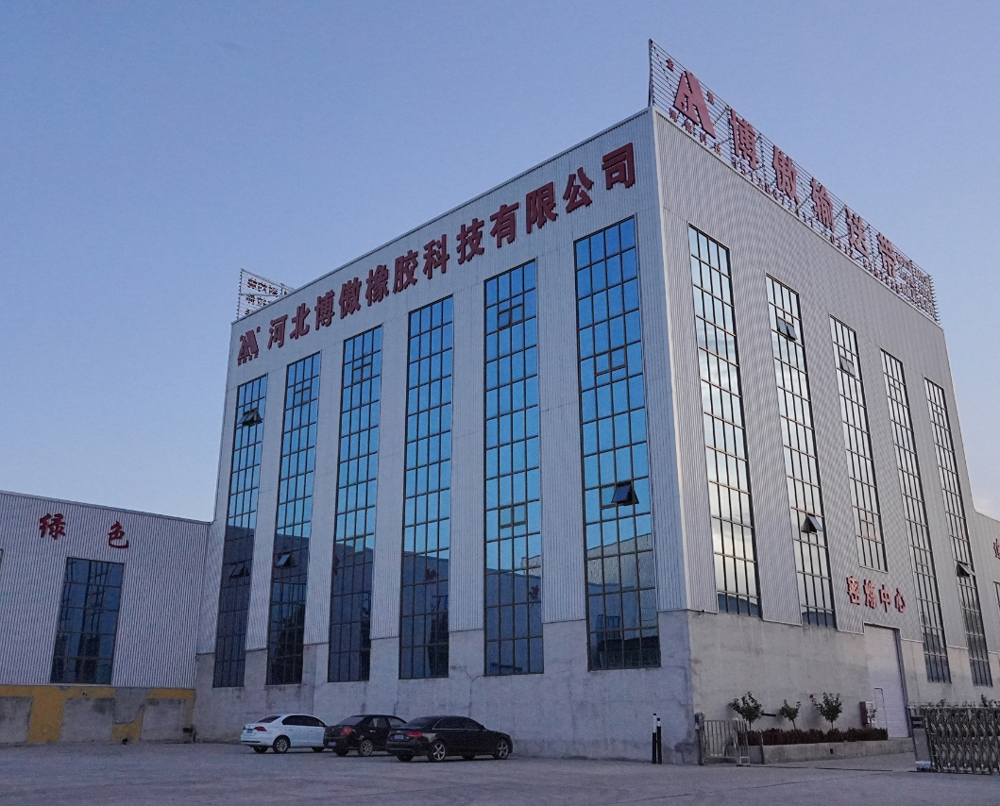
Located in the prestigious **Rubber Industrial Park of Boye County**, Baoding, Hebei Province, our state-of-the-art facility spans over **30 acres**. Under our flag brand **"Jinao"**, we integrate raw polymer research, design, production, and full-scale technical consulting.
Our facility features advanced production lines for calendering, forming, vulcanization, and material testing. From raw polymer inspection to final tensioning tests, every process complies with the international ISO 9001 quality management system.
We operate an independent laboratory setting to assure compliance with your strict physical and chemical parameters.
Our advanced physical testing and chemical analysis rooms ensure that raw rubber, cords, and vulcanized covers meet strict industrial standards before leaving our factory.
Experienced quality inspectors deploy state-of-the-art testing equipment like electronic tensile testing and aging chambers to prevent sub-standard products from being dispatched.
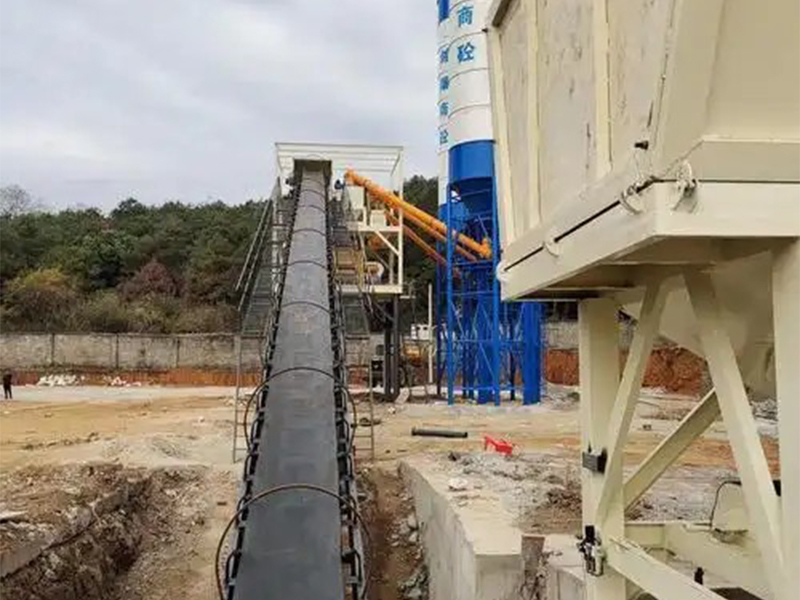
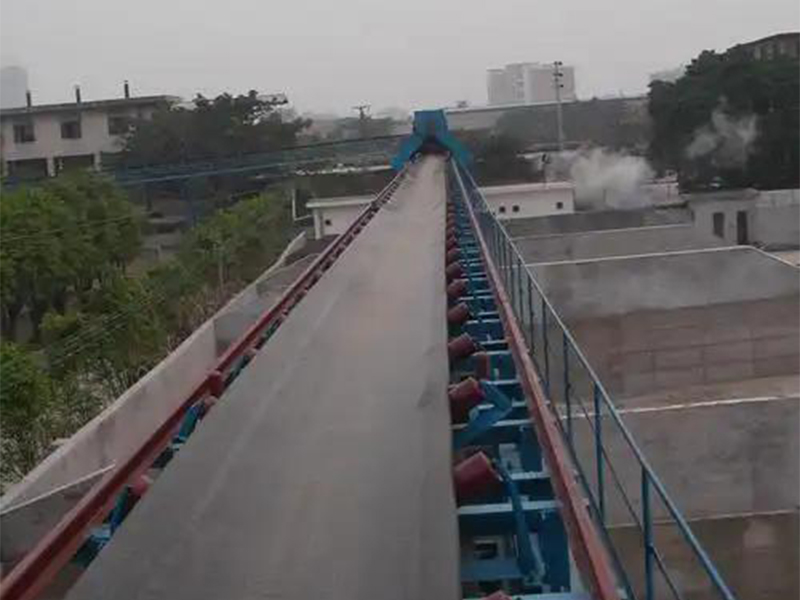
Boao products are widely utilized in primary economic sectors including steel plants, mining facilities, power stations, fertilizer complexes, and port operations.
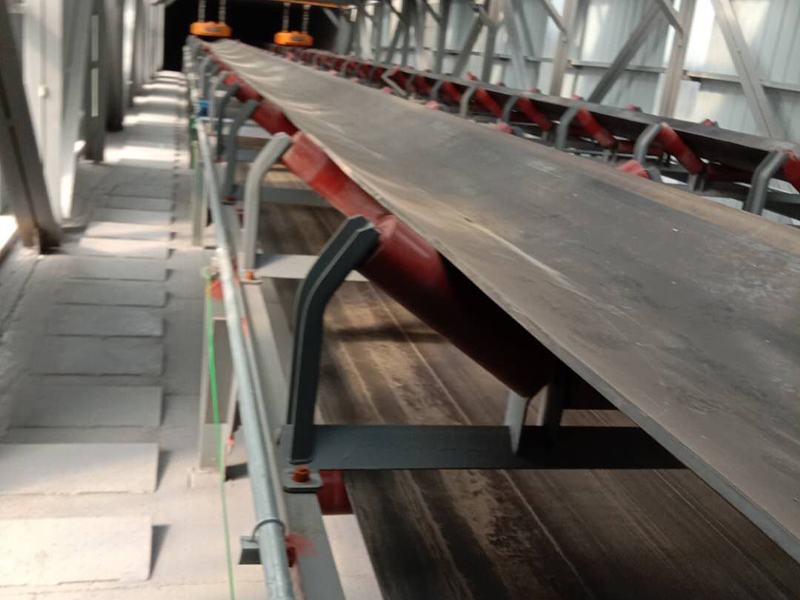
We supply a complete array of conveyor belts and matching mechanical hardware designed to optimize performance.
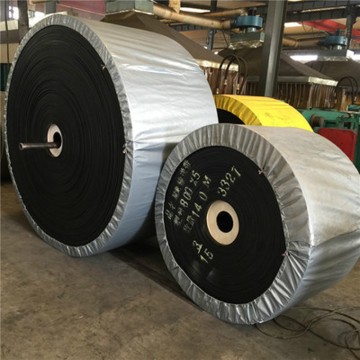
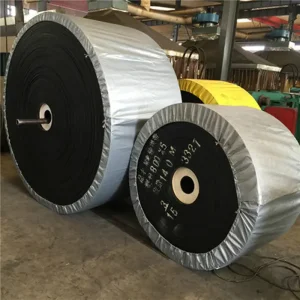
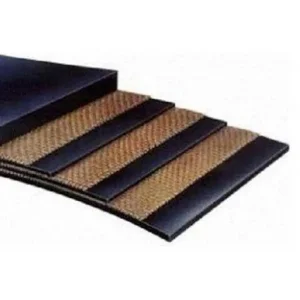
Features multi-ply textile (NN/EP/PP) layers, cold-resistant covers, and oil/acid-resistant formulations built for heavy bulk carriage.
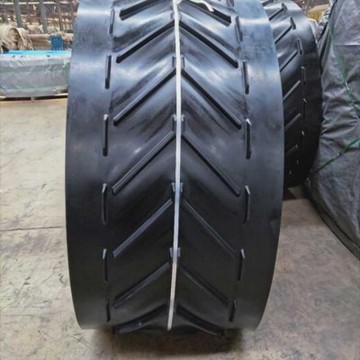
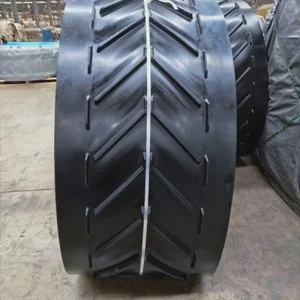
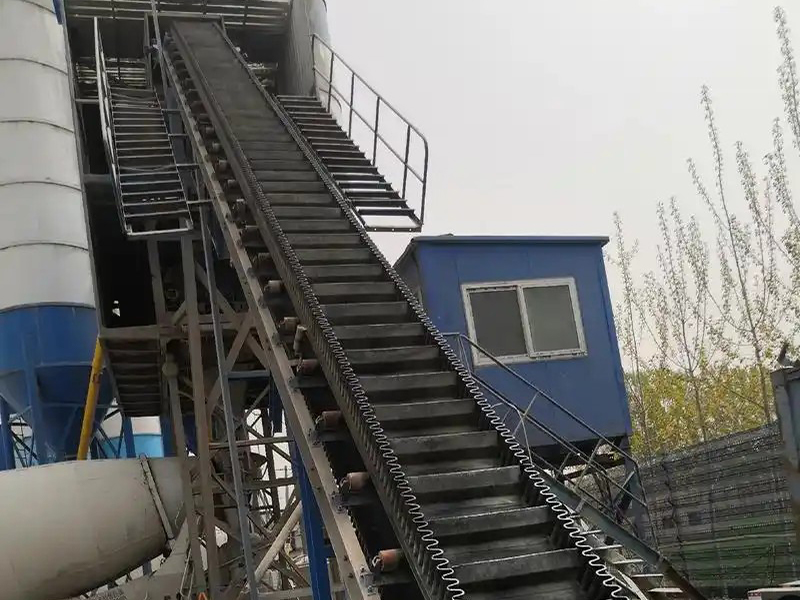
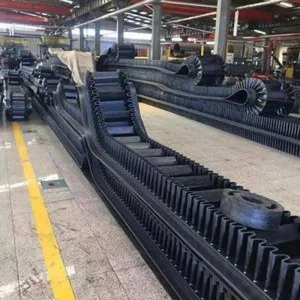
Chevron, high-inclination corrugated sidewalls, and textured pattern structures to prevent slide-back on steep inclines.
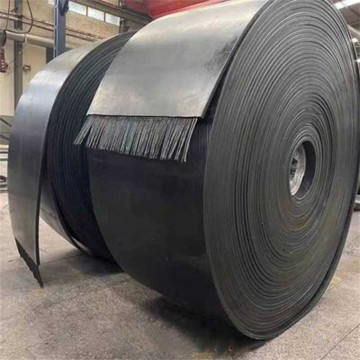
Ultimate tensile strength and tear resistance for long-distance transport, overland conveyor lines, and heavy mining shafts.
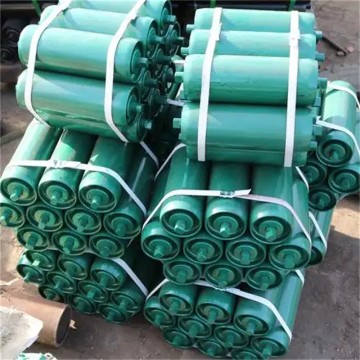
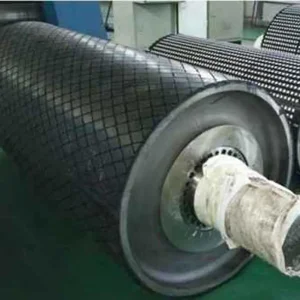
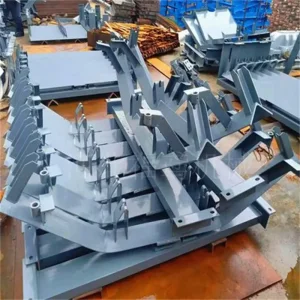
Troughing idlers, impact rollers, return brackets, ceramic pulleys, and pulley lagging components for system compatibility.
Engineered to comply with international specifications and tested for long-life durability.
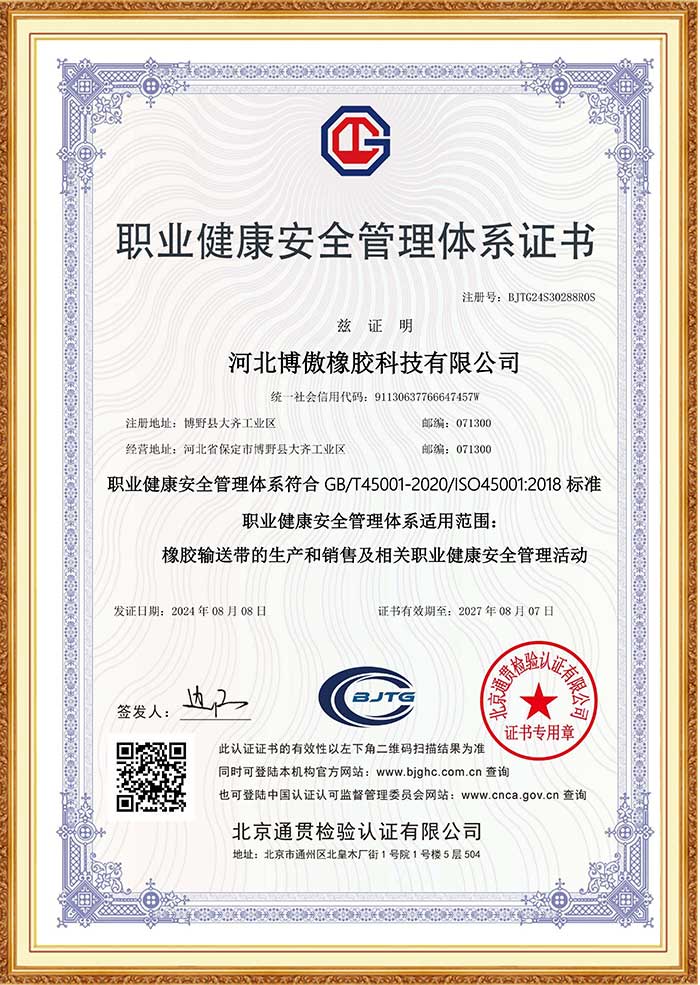
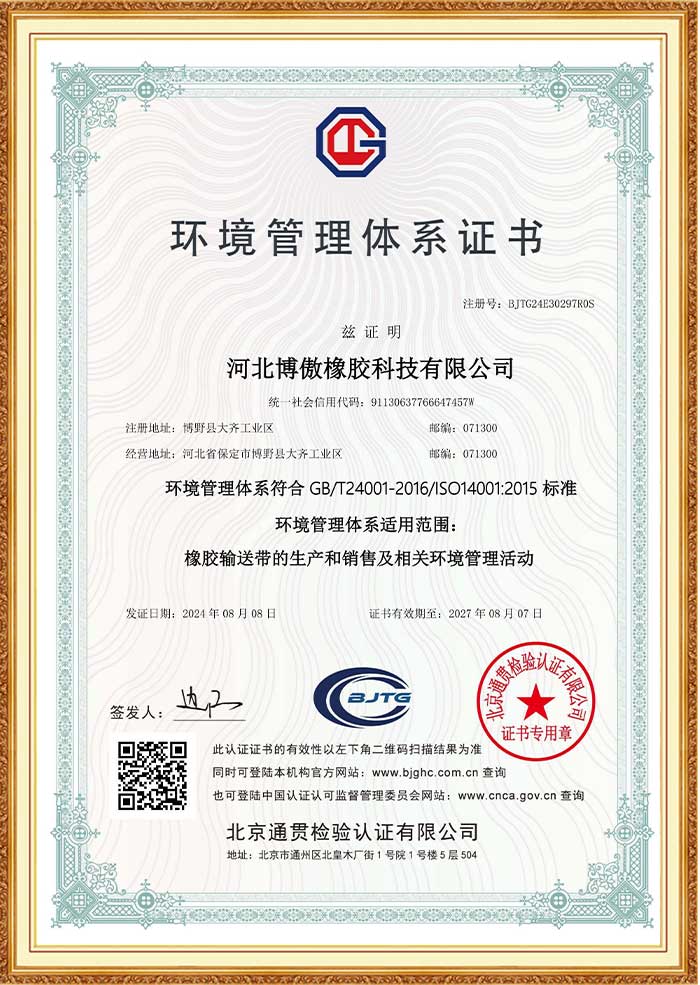
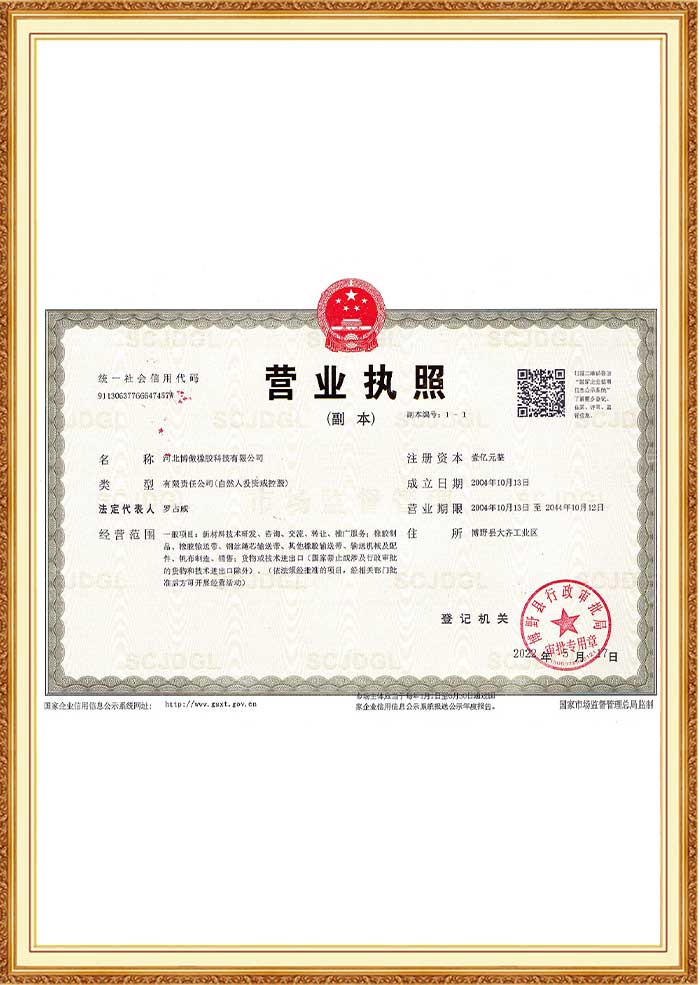
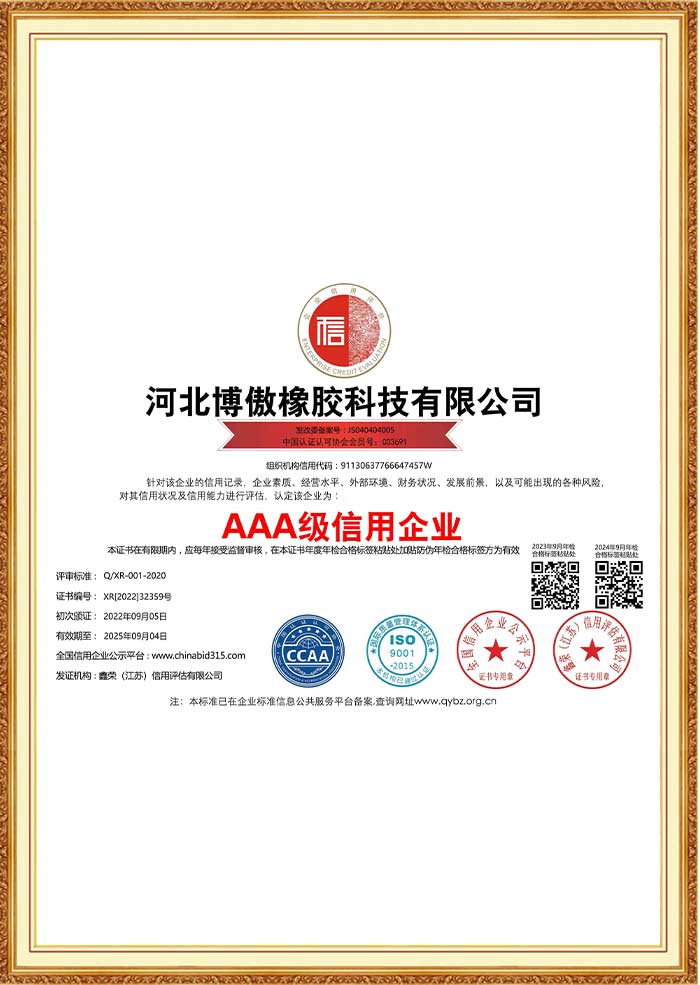
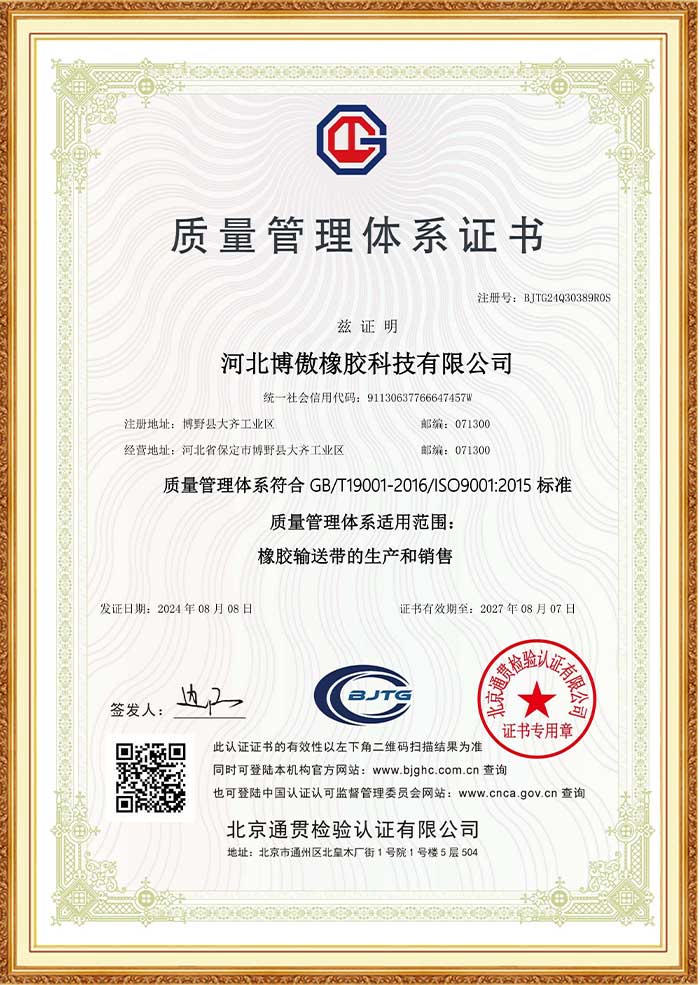
Minimize lifecycle costs and maximize operational safety through tailored engineering support.
Operating conveyor systems in high-heat environments like cement kilns and steel mills requires ongoing inspection. We do not just supply raw rubber; we design customized service structures to match your operation schedules.
Our dedicated technical teams assist in planning conveyor replacements, cold bonding or hot vulcanized splicing, safety stock optimization, and regular site testing. By ensuring matching compounds and precise tension control, we help prevent premature tracking issues, edge wear, and splice separations.
"Through coordinated scheduling and scheduled inspections, our technical service layouts help customers extend belting lifespans by up to 35%, ensuring stable bulk material handling and minimized downtime."
We partner with leading enterprises across coal, metallurgical, and cement production industries.
Addressing primary engineering questions on thermal limits, compound selections, and splicing methods.
Examine our complete selection of steel wire, heat-resistant, cold-resistant, and structural belt configurations.
Connect directly with our engineering team for sample requests, material compatibility consultation, and bulk pricing schedules.
 Boao Rubber