 Boao Rubber
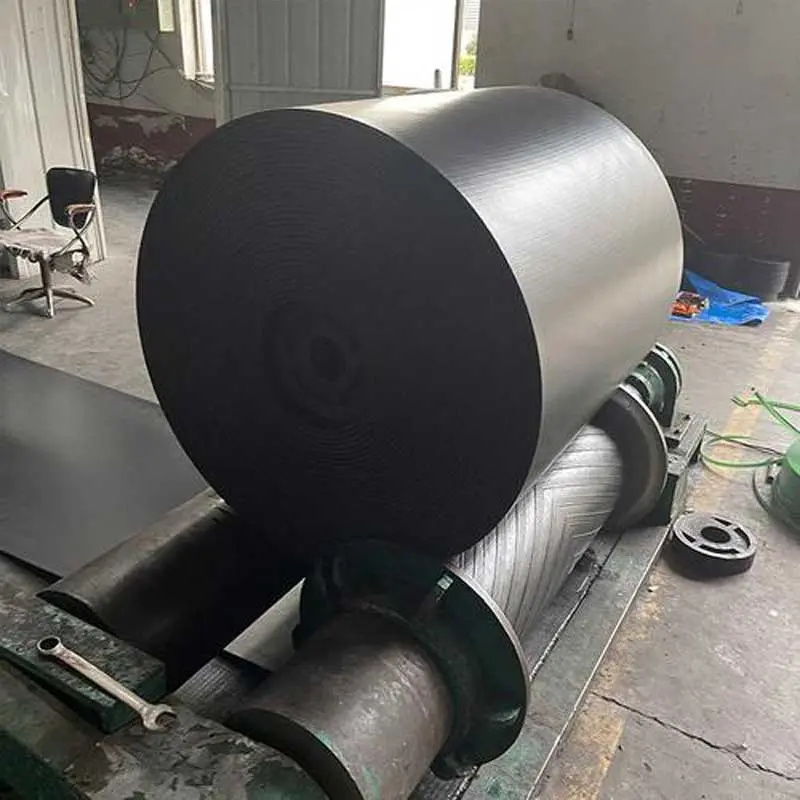
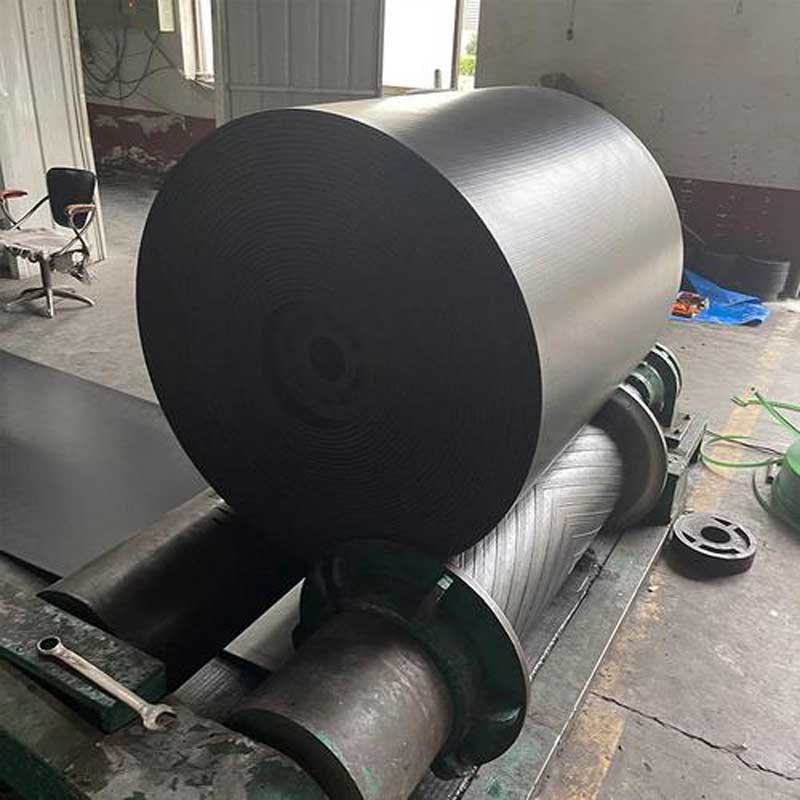
1 / 2
Isolate or dilute combustible gases: Minimizes the exposure of critical belt components to reactive fuels.
Cooling suppression: Achieves the high temperature resistance of the rubber conveyor belt to the ignition level. The design of rubber conveyor belt formula must be adjusted according to the on-site working conditions. The conveyor belt has passed flame retardant testing and electrostatic testing, and has obtained a certificate of conformity, coal safety mark, and customer recognition.
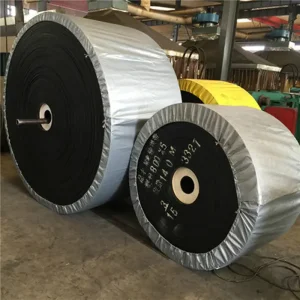
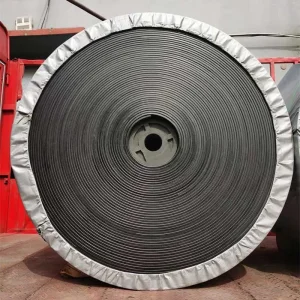
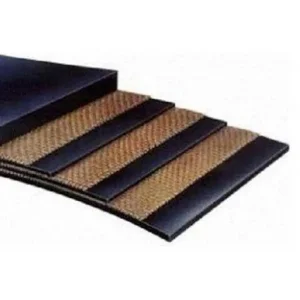
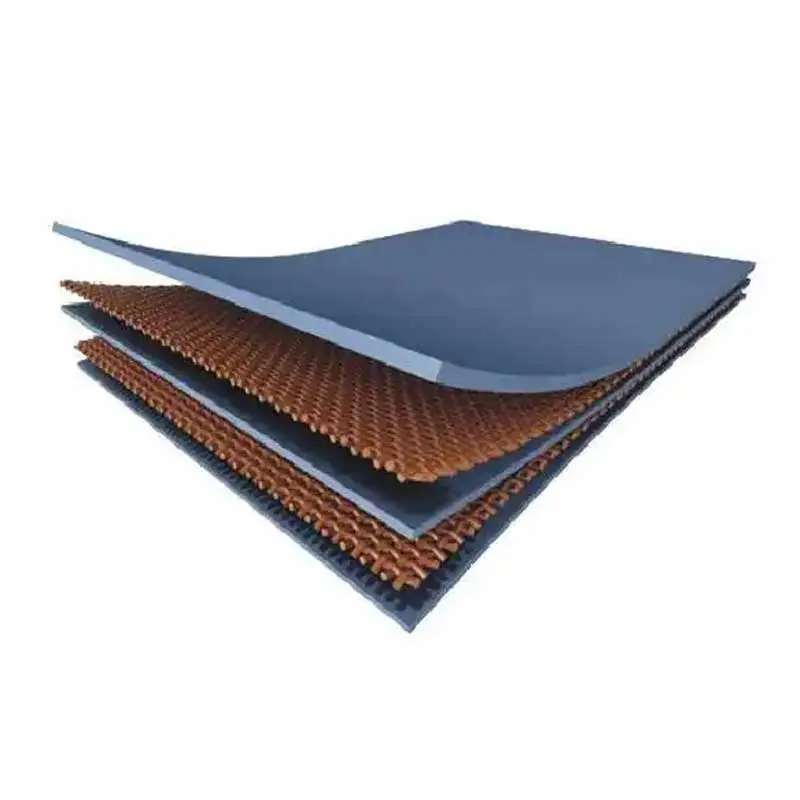
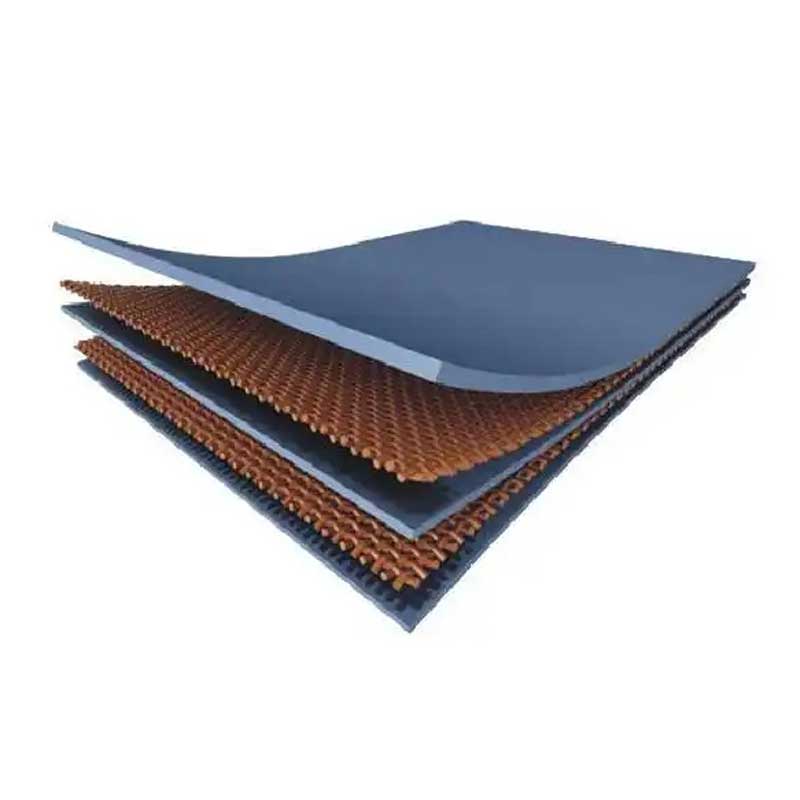
(1) A dense core woven from warp and weft filaments and covered cotton;
(2) Immersing with specially formulated PVC material achieves extremely high bonding strength between the core and the cover adhesive;
(3) Specially formulated cover adhesive; so as to make the belt resistant to impact, tear, and wear.
A: Flame retardants protect conveyor belts through various mechanisms including inhibitory effects to suppress oxidation, endothermic reactions that lower temperature, covering effects for heat and air insulation, dilution of combustible gases, and transferring thermal decomposition modes.
A: While individual flame retardants may have minimal effects on their own, combining synergistic flame retardants works together to significantly enhance the overall cooling and flame retardant performance.
A: The service life is determined by the dense woven core of warp and weft filaments, high-strength bonding from specialized PVC impregnation, and a robust cover adhesive formulated for impact, tear, and wear resistance.
A: The conveyor belt uses an integral core skeleton that is thoroughly impregnated and coated with a specially formulated, anti-static, and flame-retardant PVC material.
A: Yes, these belts have successfully passed both flame retardant and electrostatic testing, and have officially obtained conformity certificates and the coal safety mark.