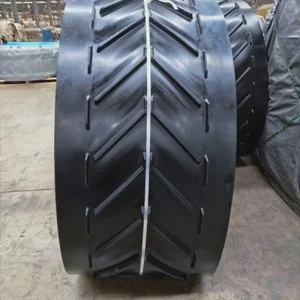
Explore our leading factory-direct conveyor systems engineered for heavy-duty material transport, impact resistance, and maximum operational safety.
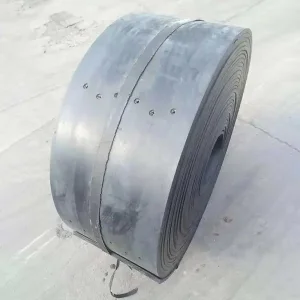
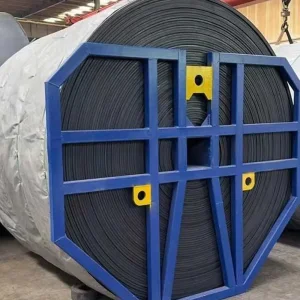
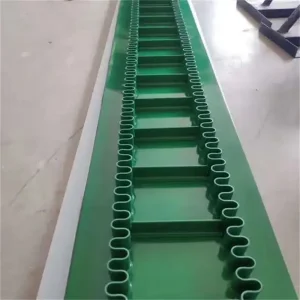
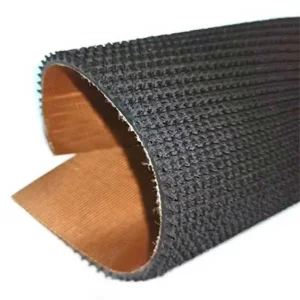
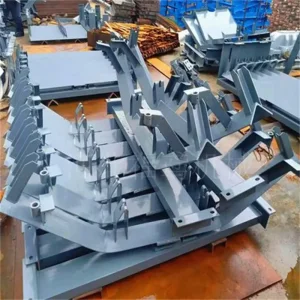
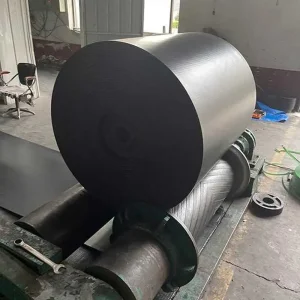
Underground mining operations are demanding environments. In confined coal mines, a single spark or small friction-induced fire can lead to catastrophic consequences. Traditional multi-ply rubber belts present risk profiles due to potential layer delamination and exposure of flammable carcass fabrics. This is where Whole-Core Flame-Retardant Conveyor Belts (Solid Woven Belts) excel, representing a major innovation in material handling safety.
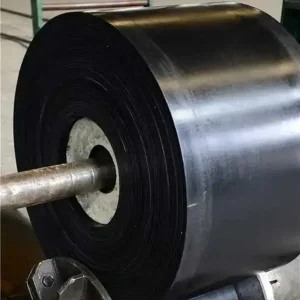
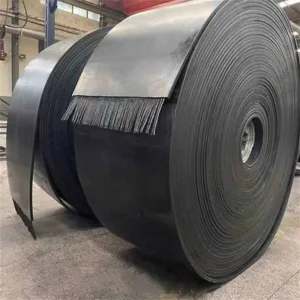
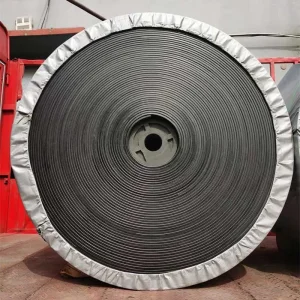
Engineered with a unified solid-woven fabric core, these belts utilize a continuous weave process of polyester-cotton or high-tensile aramid synthetic fibers. Unlike laminated multi-ply belts, the whole-core design eliminates inner-ply separation. The carcass is completely impregnated with formulated PVC (Polyvinyl Chloride) paste or vulcanized PVG (rubber-modified PVC) elastomer. This impregnation ensures that every fiber is sealed within fire-retardant agents, providing excellent resistance to flame propagation, electrostatic buildup, and mechanical damage.
When sourcing solid woven whole-core belts from China, technical buyers must differentiate between PVC and PVG covers based on mechanical load, incline parameters, and abrasion factors:
| Performance Indicator | Solid Woven PVC Conveyor Belt | Solid Woven PVG Conveyor Belt |
|---|---|---|
| Outer Cover Material | Primarily Polyvinyl Chloride (Plasticized PVC Cover) | Rubber-modified PVC Blend (Nitrile-Butadiene Rubber & PVC) |
| Maximum Conveying Incline | Suitable for angles < 16° | Excellent grip for angles < 20° |
| Impact & Slip Resistance | Moderate. Best suited for dry, clean, non-abrasive mining environments | High. Superior elasticity prevents material slippage and absorbs point impacts |
| Abrasion Loss (DIN 53516) | ≤ 250 mm³ (higher plastic component wear) | ≤ 120 mm³ to 150 mm³ (rubber-grade wear behavior) |
| Fire Safety Certifications | Strict compliance with MT914, BS3289, and AS4606 standards | Excellent ratings for drum friction, spirit burner, and gallery tests |
The choice between PVC and PVG is a balance between initial capital expenditure and operating lifetime. PVC offers a cost-effective solution for short-to-medium distance overland and coal preparation plant lines, while PVG, with its resilient rubberized cover, is preferred for main trunk conveyors, heavy aggregate handling, and wet, steep mine shafts.
22 Years of Expert Manufacturing Under the "Jinao" Brand
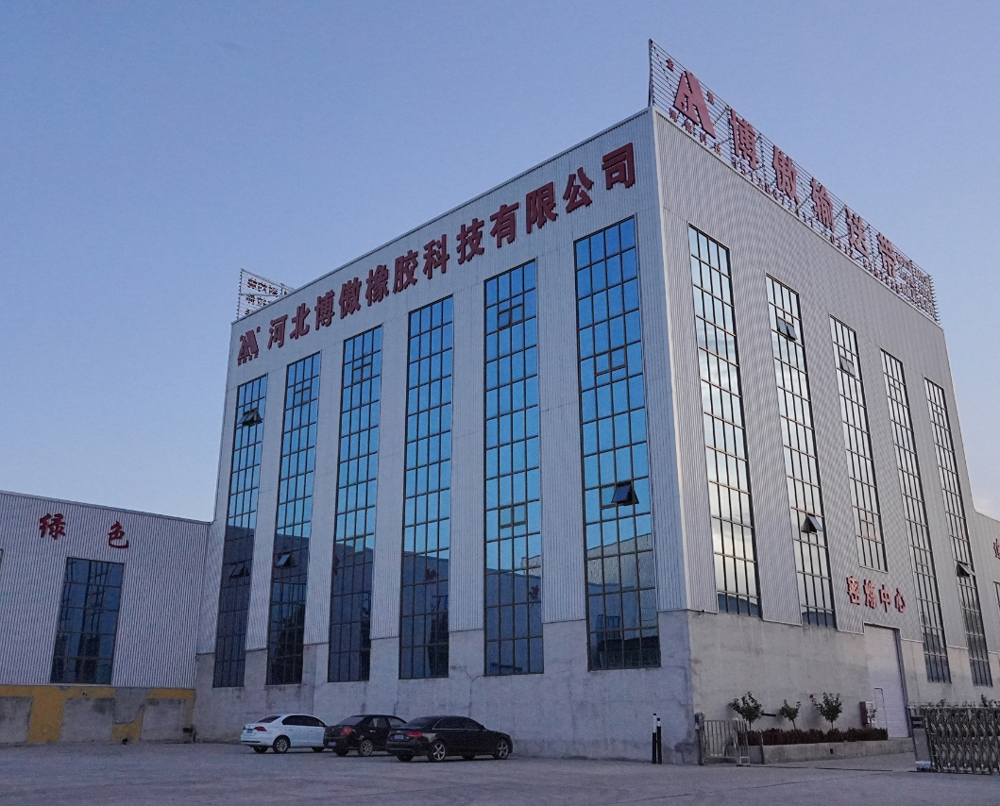
Located in the heart of northern China's industrial manufacturing hub—the **Rubber Industrial Park of Boye County, Baoding, Hebei Province**—Hebei Boao Rubber Technology Co., Ltd. covers an area of over 30 acres. Since our inception, we have focused on the design, production, and testing of high-safety industrial conveyor belts.
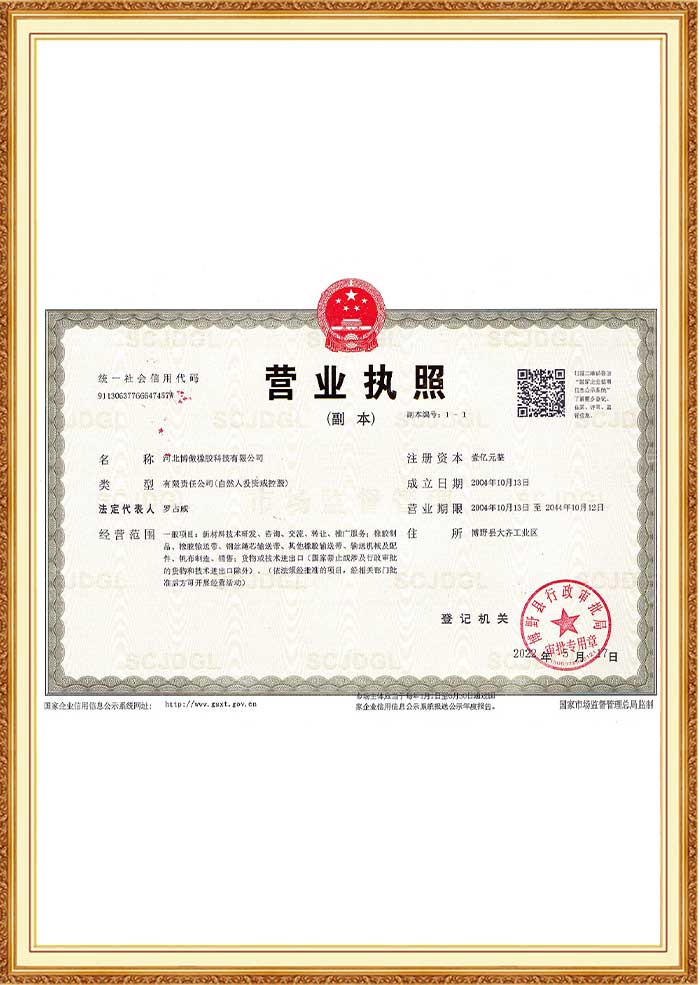
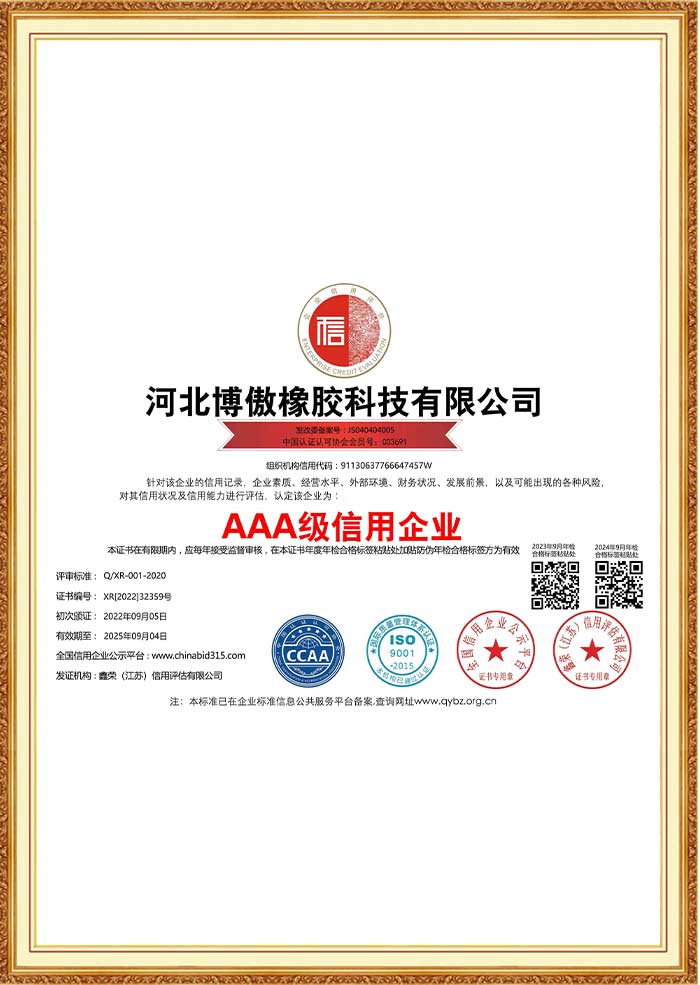
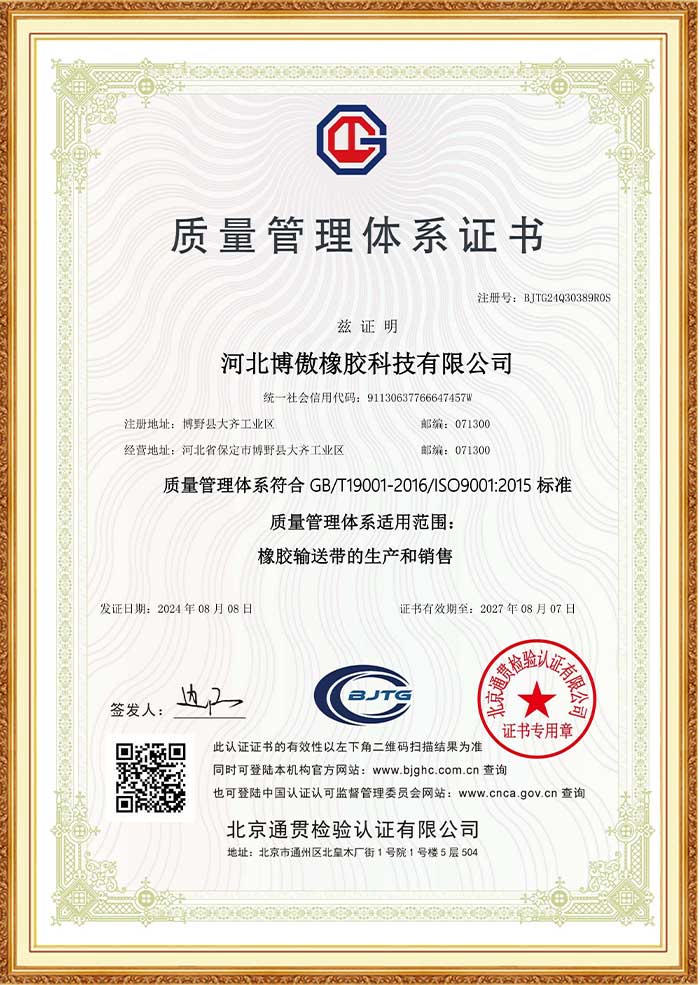
We operate fully integrated production lines, covering compound mixing, calendar extrusion, continuous vulcanization, and finished product quality control. Our **"Jinao" brand** is recognized across China and internationally, reflecting our commitment to the quality management systems required by modern bulk logistics operations.
Sourcing Whole-Core Flame-Retardant Conveyor Belts from Chinese manufacturers like Jinao offers structural, technological, and logistical advantages that help optimize operational budgets:
Chinese industrial clusters, particularly in the Hebei province, support local sourcing of high-tensile polyester, specialized PVC compounding pastes, and eco-friendly flame retardants, keeping production lead times short and pricing competitive.
Modern Chinese factories utilize high-density heavy-duty loom machinery that creates thick solid woven cores, ensuring uniform tensile strength across the belt's length and width.
With an in-house chemical analysis room and physical laboratories, Jinao tests production runs for flame propagation, surface resistance, and drum friction before dispatch.
This cluster-based infrastructure allows Chinese manufacturers to offer custom widths (ranging up to 2400 mm) and high tensile strengths (from 680S to 3100S) for diverse industrial applications.
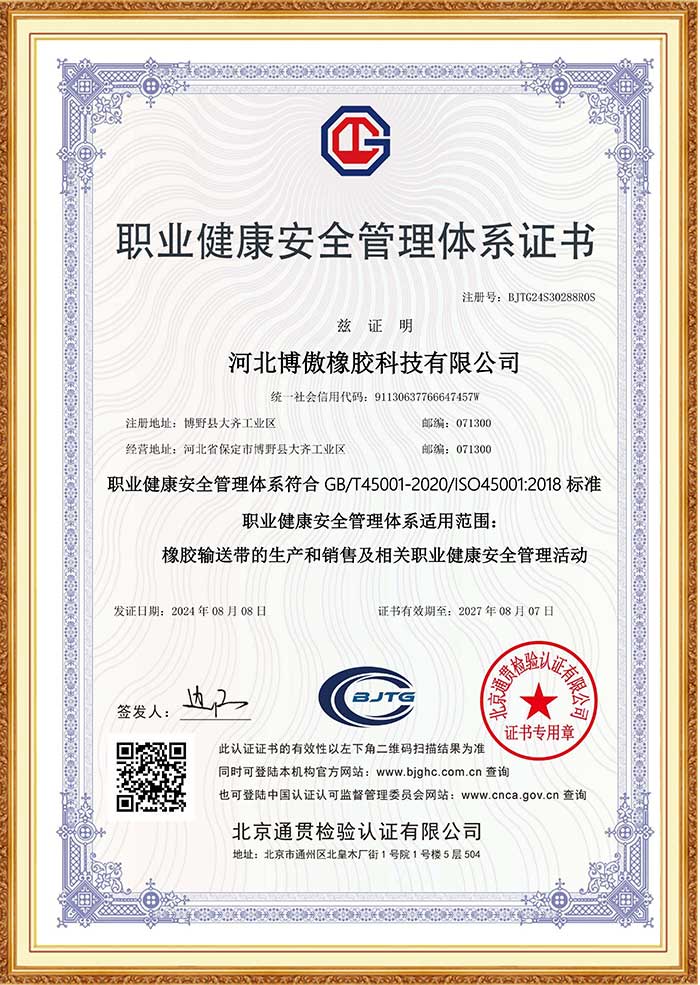
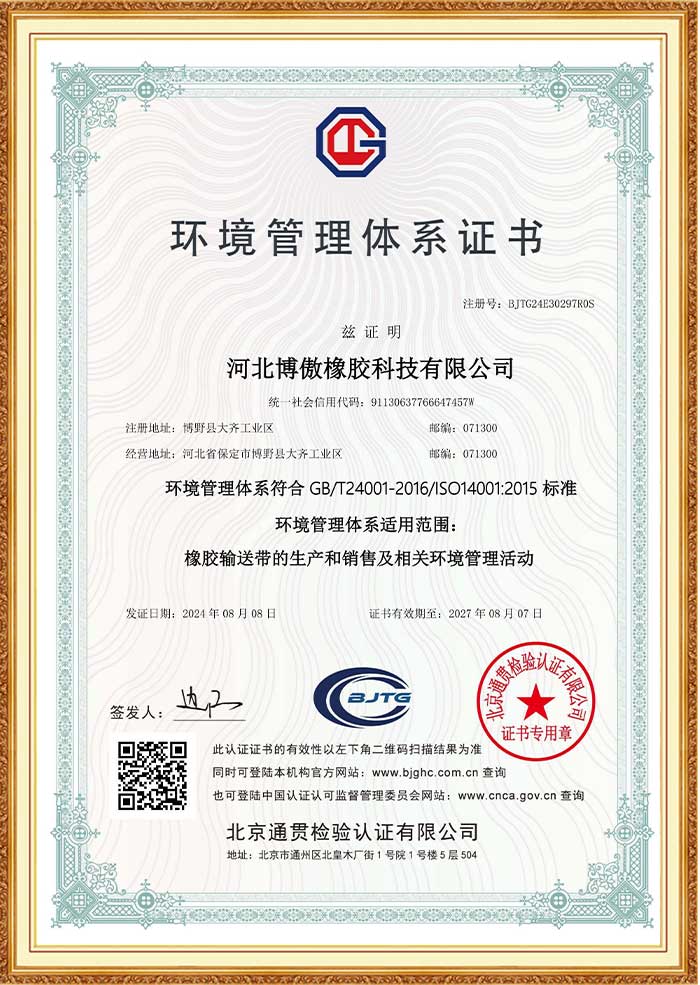
Providing verified fire protection starts with our internal control mechanisms. Our laboratory tests check both chemical formulation and physical properties to ensure reliability.
Our quality control system monitors every stage of production, from raw material inspection to final product release. Materials that do not meet our specification standards are rejected at the gate, keeping our defect rate low.
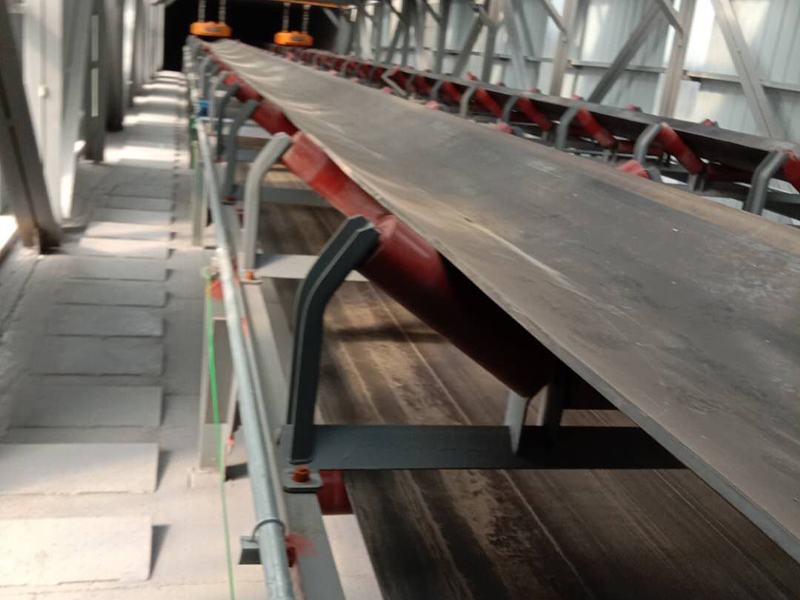
Whole-core flame-retardant conveyor belts are key components in high-throughput material handling operations. Different industries require customized solutions to optimize conveyor life:
Underground mines require compliance with fire and static safety standards. Jinao's PVG and PVC solid woven belts are designed to handle underground coal transport safely, mitigating risks from coal dust and methane gas.
Power plant coaling lines feed coal mills continuously. Our whole-core flame-retardant belts offer steady performance, low maintenance, and reliable fire resistance, helping to keep power plants operating smoothly.
Sintering plants, blast furnace charging systems, and slag removal lines run at elevated temperatures. Boao's high-temperature and flame-retardant belts carry hot materials while maintaining structural integrity.
Grain dust is highly explosive. Static buildup must be avoided. Our PVC elevator belts combine flame retardancy and high electrical conductivity to ensure grain handling operations remain safe and efficient.
Port operations involve high volumes, variable weather conditions, and marine moisture. We supply wide, high-tensile solid woven belts with weather-resistant properties, helping ports manage rapid loading and unloading cycles.
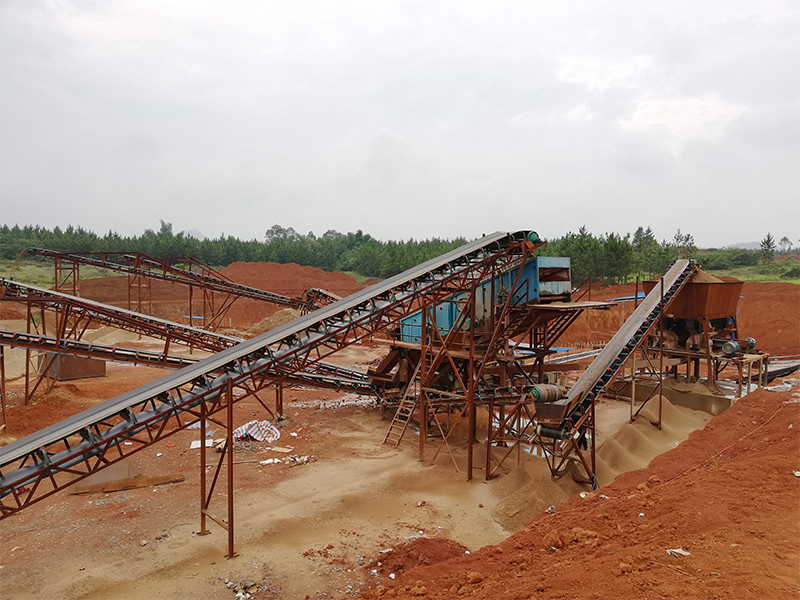
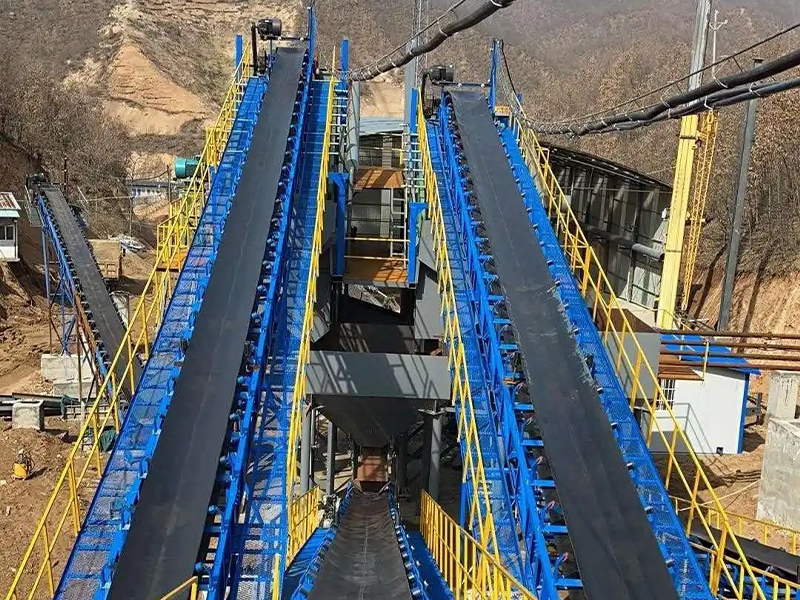
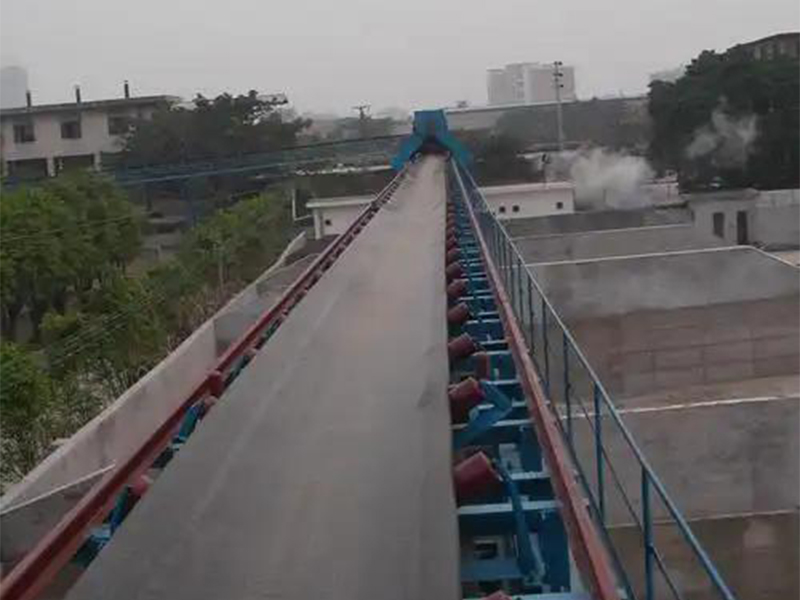
Jinao conveyor belt systems are utilized by major enterprises in steel, energy, cement, and mining across the region.
Taihang Steel
Tsingshan Group
Zijin Mining
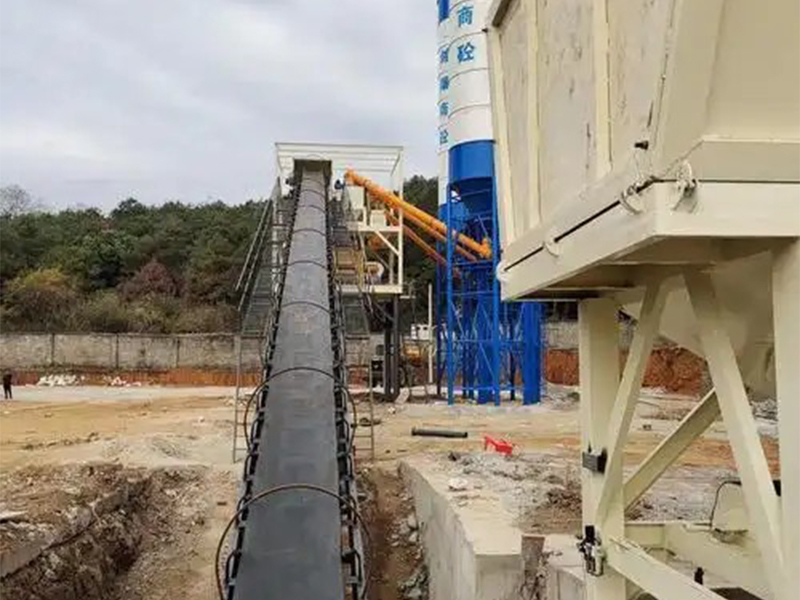
China Railway Group Mixing Plant
Conch Cement
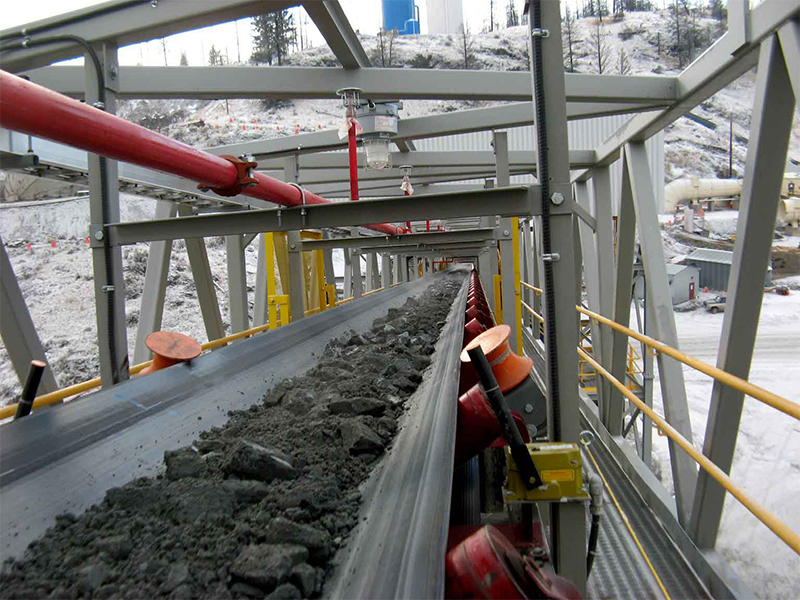
Datong Coal Group
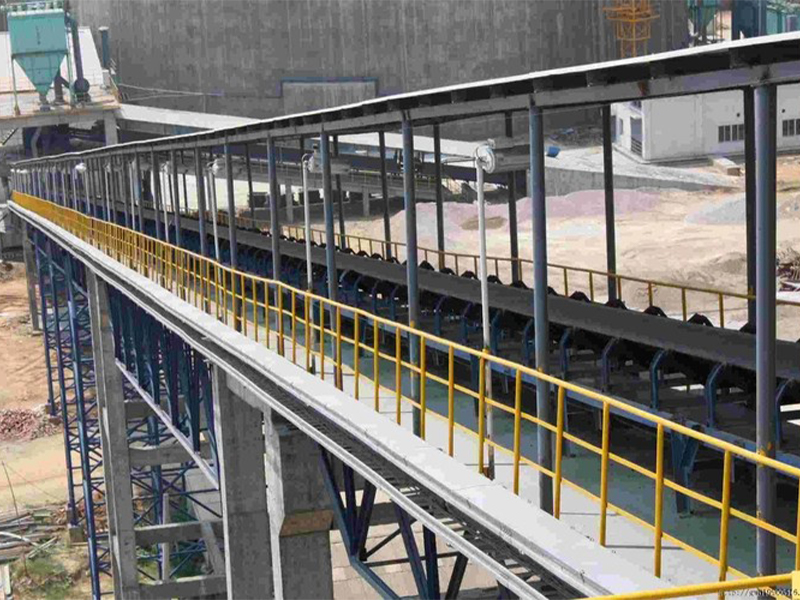
Jidong Cement Group
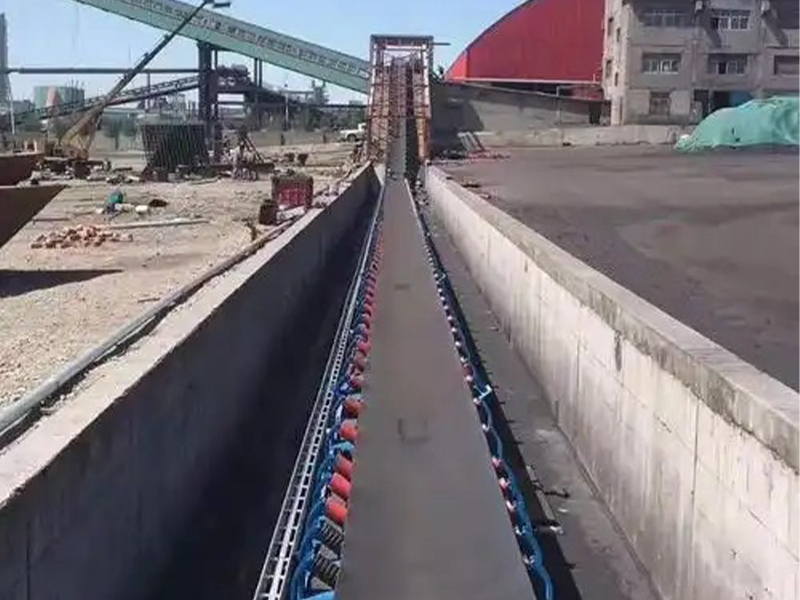
Jinmei Group Coal Conveying Line
A conveyor belt represents a significant capital investment. Minimizing downtime requires a structured maintenance program. Hebei Boao Rubber Technology offers technical assistance throughout the conveyor system's lifecycle:
We work with operations teams to manage spare parts inventories. By monitoring wear and tear on site, we help plan replacements to prevent unscheduled shutdowns.
Splices are critical points for conveyor belt strength. We provide vulcanization compounds, patch materials, and clear instruction guides to help field crews create secure, reliable joints.
Our engineers analyze transfer points, chute angles, and belt cleaners to reduce mechanical stress and wear on your flame-retardant belts, extending their operating life.
Find answers to common questions about selecting, importing, and maintaining whole-core flame-retardant conveyor belts.
For underground operations, belts must meet safety specifications like MT914 (China's coal industry standard), BS3289 (British standard), AS4606 (Australian standard), or MSHA approval (US). These standards define limits for flame propagation, electrical resistance, and drum friction.
A PVC solid woven belt features a plasticized cover, making it suitable for lower inclinations (up to 16°) and dry conditions. A PVG belt incorporates a nitrile-butadiene rubber cover over the PVC-impregnated core. The rubber modification improves elasticity, wear resistance, grip on inclines (up to 20°), and impact absorption.
Multi-ply belts consist of layers bonded by skim rubber. Under heavy loads or impact, these layers can delaminate, allowing fine materials to accumulate between plies and creating potential safety hazards. The solid-woven core is a single unified structure that resists delamination and distributes mechanical stress evenly.
Under typical operating conditions, a PVG belt can achieve a service life of 3 to 7 years. Realized lifetime depends on material abrasiveness, maintenance routines, drive system configuration, and environmental variables.
Buyers can request verified test reports from independent testing laboratories (such as SGS or local mining science institutes). Jinao provides chemical analysis certificates for every batch, confirming that plasticizers, fire retardants, and antistatic chemicals meet target specifications.
Access our factory production catalog featuring steel-core belts, wear resistant profiles, and custom support components designed for heavy industrial material systems.
 Boao Rubber