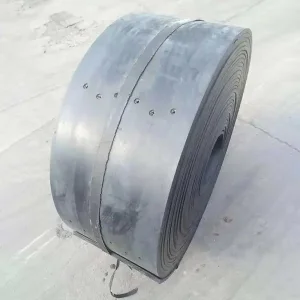
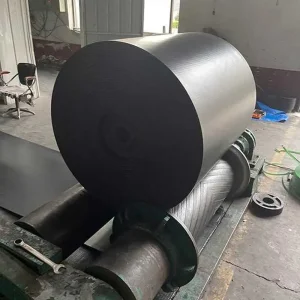
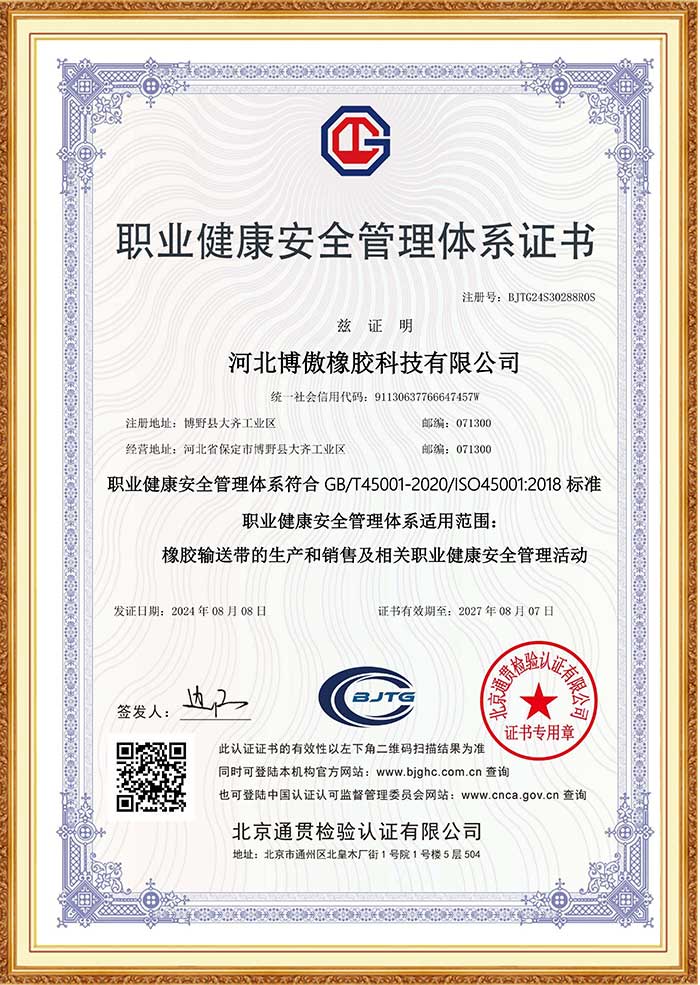
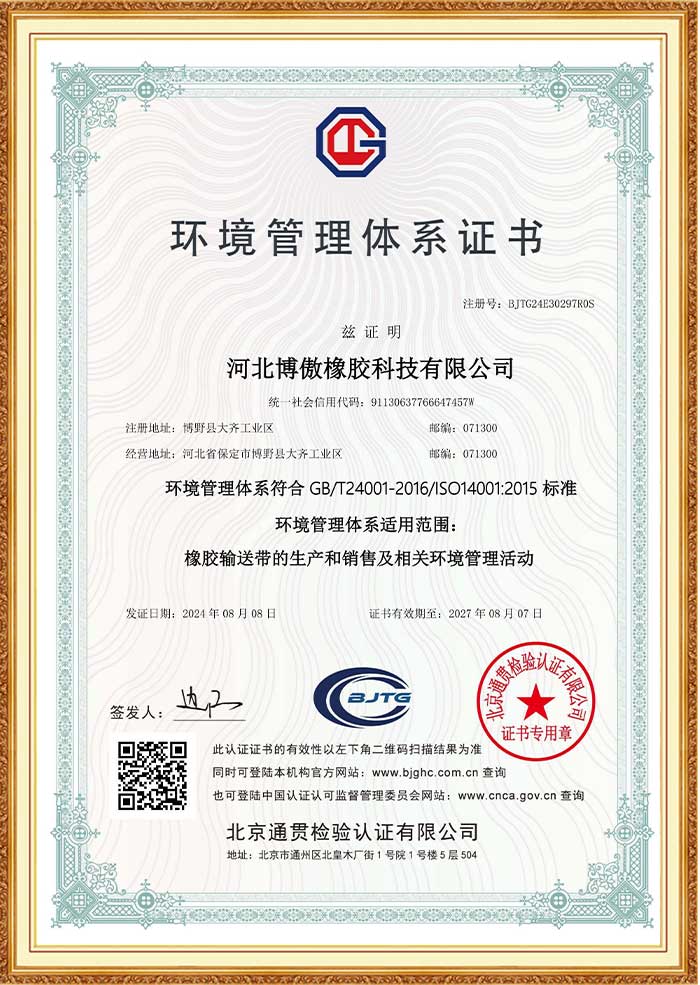
Direct from our advanced ISO-certified production lines. Heavy-duty construction built for absolute reliability.
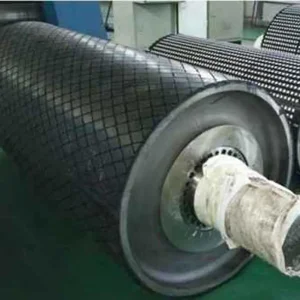
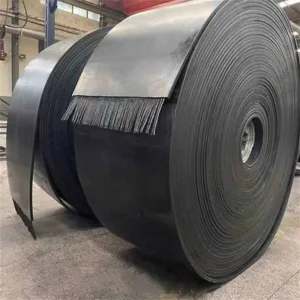
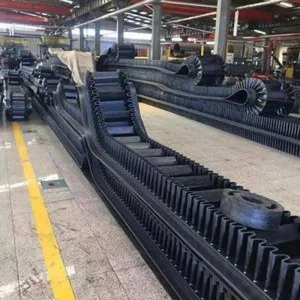
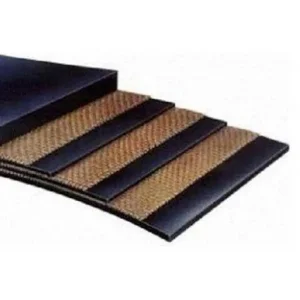
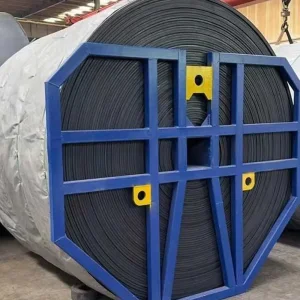
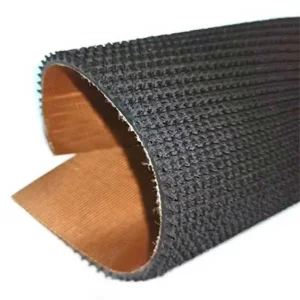
In modern industrial configurations, rubber conveyor belts serve as the vital arterial network of heavy industrial applications, facilitating the bulk transportation of raw materials across global ports, steel plants, mining quarries, and power stations. As global supply chain demands escalate, manufacturing enterprises are shifting focus toward custom profiles, patterns, and intelligent structural marking - often referred to within custom fabrication fields as precision rubber belt printing and curing.
A global shift toward extreme environment operations requires custom compounding. From the sub-zero iron ore reserves of Northern Europe to the intensely hot copper mines in South America, belt resilience dictates continuous production uptime. High-fidelity calendering processes allow manufacturers to structuralize the rubber face, integrating high-strength polymer layers (EP/NN fabrics) or steel wire ropes. Finding the best rubber belt printer manufacturer and factory is no longer just about acquiring rubber loops; it is about choosing a technical partner capable of executing molecular compound modification and precise mechanical layout printing.
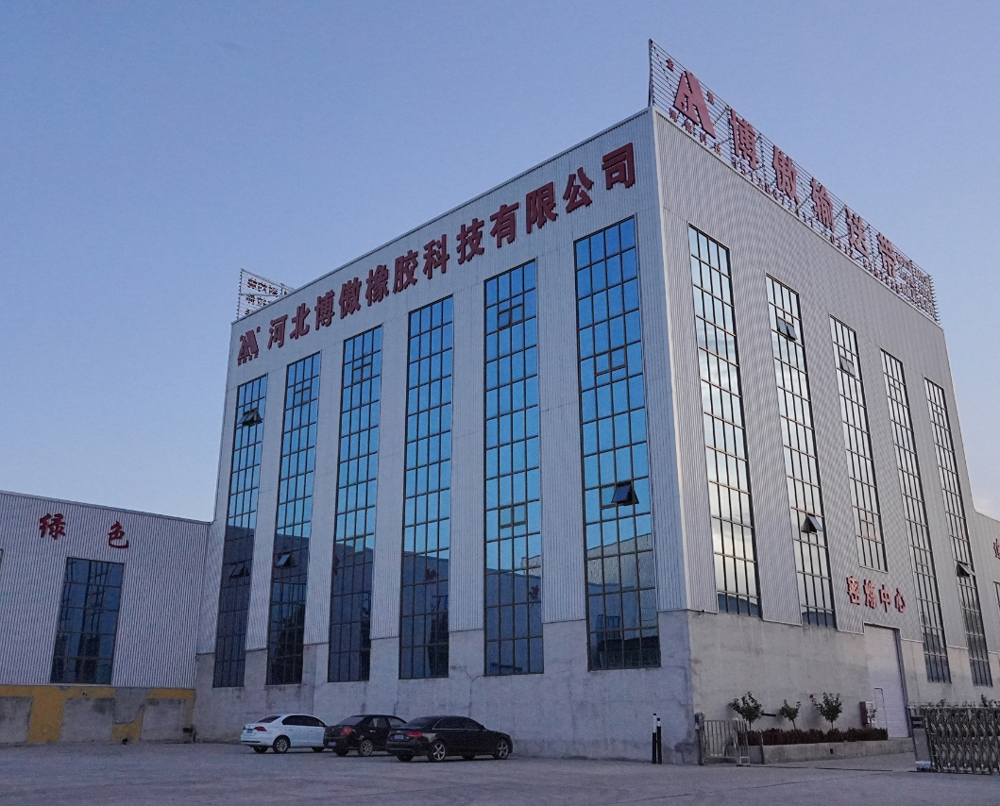
Official Home of the Renowned "Jinao" Brand
Founded in 2004, Hebei Boao Rubber Technology Co., Ltd. is located in the Rubber Industrial Park of Boye County, Baoding, Hebei Province. Over the span of 22 years, Boao has grown from a local factory into a massive professional Chinese enterprise covering over 30 acres. The company integrates product design, research, materials development, manufacturing, and technical on-site maintenance services.
Certified under international quality management systems, the factory features highly advanced raw material testing systems, multiple automated rolling lines, heavy calendering machines, multi-stage vulcanization systems, and comprehensive physical & chemical laboratories. Through precision vulcanization and profile embossing, we formulate specialized belt surfaces suitable for high-angle transportation, heat deflection, flame containment, and chemical resilience.
Adapting material compounding & mechanical design to the green and digital industrial revolution.
By blending high-grade EPDM, Nitrile, and SBR with nano-silica and carbon black reinforces, we produce belt covers with minimal heat degradation and maximized tear resistances, catering directly to heavy metallurgy and cement manufacturing.
Integrating RFID tracking microchips and magnetic loop detection lines within our steel wire rope core conveyor belts allows operators to monitor wear patterns, splice fatigue, and belt tracking in real-time, reducing catastrophic failure risks.
Transitioning to low-energy vulcanization presses and organic curing agents eliminates harmful off-gassing during field vulcanization and factory runs, supporting heavy industries in hitting their carbon neutrality objectives.
An authoritative technical perspective on engineering high-integrity bulk material conveying belts.
In modern industrial applications, selecting the appropriate reinforcement fabric is crucial. Nylon (NN) conveyor belts feature high elasticity, excellent impact resistance, and superior troughability. This makes them ideal for long-distance transport of heavy ores under high stress. Polyester (EP) conveyor belts, on the other hand, utilize a warp polyester and weft polyamide construction. They exhibit a low elongation rate, high modulus, and outstanding heat stability. EP belts are highly resistant to moisture, micro-organisms, and mildew, which makes them optimal for chemical factories, fertilizer industries, and grain logistics where dimensional stability is mandatory.
Conveying hot sinter, cement clinker, or coke requires specialized rubber formulations to prevent heat cracking, hardening, and separation of the plies. Our Jinao brand utilizes a premium combination of EPDM (Ethylene Propylene Diene Monomer) and high-density butyl rubbers. EPDM provides exceptional resistance to ozone, oxidation, and heat aging by maintaining a highly stable chemical backbone. This formulation allows our heat-resistant and high-temperature resistant conveyor belts to operate at steady-state temperatures of 150°C (302°F) to upwards of 180°C (356°F), with transient peaks reaching 220°C (428°F) without structural core degradation.
The term "Rubber Belt Printer" describes the custom vulcanization presses and textured calenders used to embed specific patterns onto raw rubber belt covers. Custom patterns, such as herringbone, convex/concave, and wavy edge profiles, increase structural friction. This enables material transport up steep inclines ranging from 18° to 45°. High-angle transportation systems rely on the chemical bond between the cleats and the base belt. This bond is achieved through simultaneous co-vulcanization under high pressure, preventing split failures and maximizing lifetime durability.
For high-tension long-distance mine systems, steel wire rope core belts provide the ultimate tensile strength. To prevent catastrophic tears caused by sharp foreign objects, we integrate high-strength steel cords and transverse anti-tear reinforcement meshes. This structure distributes impact energy laterally, prompting instant sensor shut-offs and confining damage to a minimal zone. It ensures operations can run continuously without risking catastrophic tear-outs.
Ensuring not a single foot of unqualified conveyor belting departs our facility.
Our raw materials—including polymers, carbon blacks, plasticizers, and vulcanizing agents—must clear severe verification sweeps within our chemical lab. This guarantees compound consistency and prevents early polymer degradation in acid or alkaline conditions.
Equipped with sophisticated tensile testers, DIN abrasion instruments, and dynamic fatigue testers. Every batch of rubber undergoes strict testing for elongation limits, cover wear index, and rubber-to-reinforcement adhesion values.
Backed by an extensive domestic distribution network and dedicated export divisions. Our technical service teams support mines, steel mills, and maritime shipping hubs globally with responsive onsite assistance.
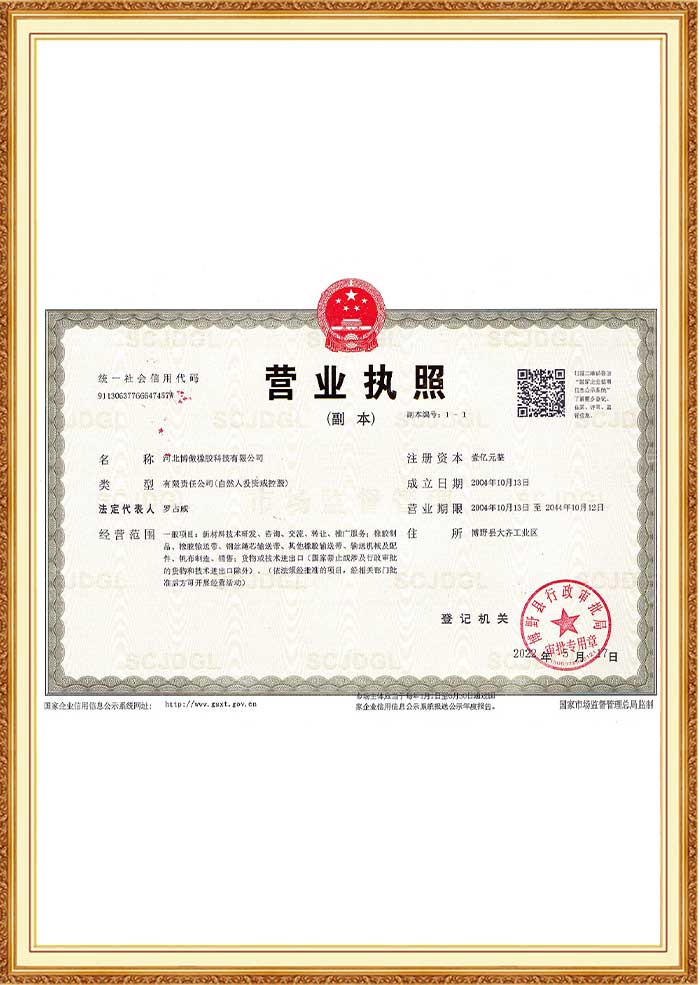
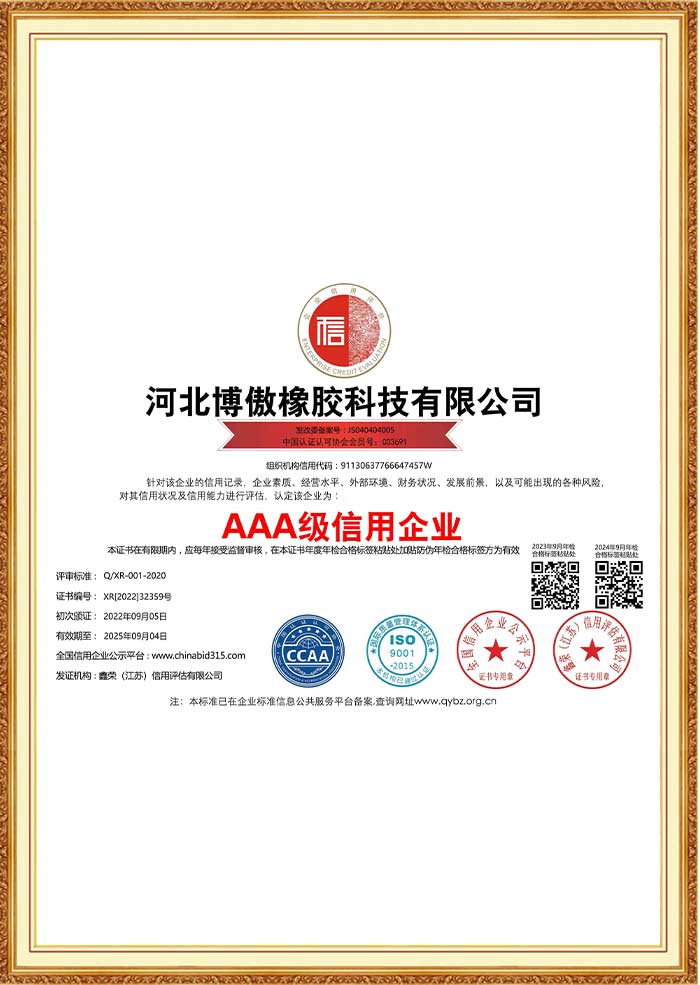
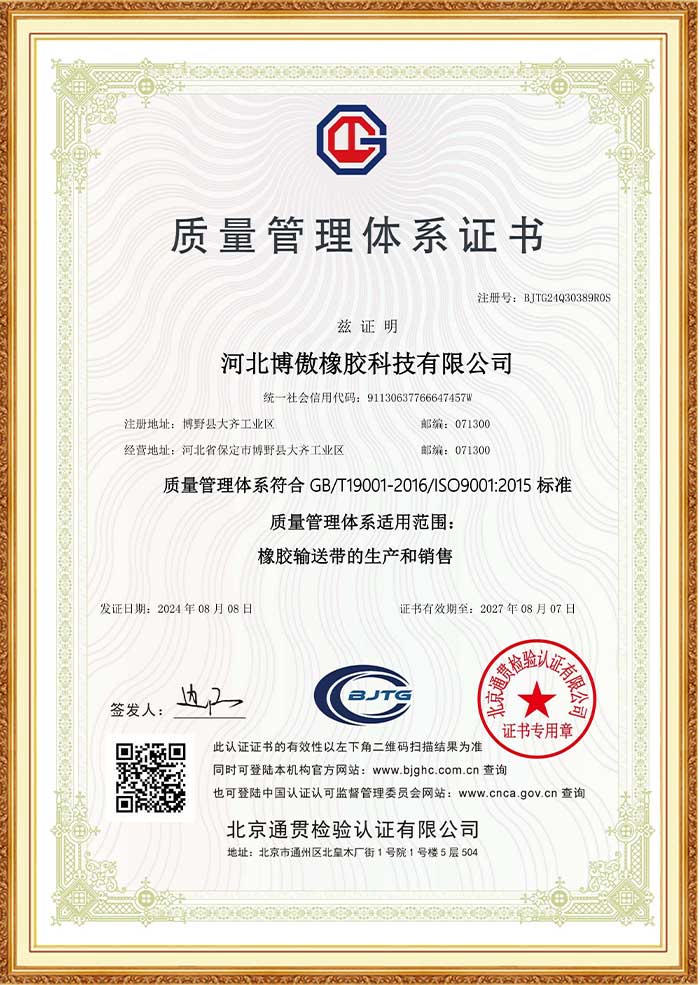
We eliminate sourcing complications by providing unified maintenance, repair, and engineering solutions.
Comprehensive planned replacements, local structural repairs, precision inspections, and round-the-clock emergency support for heavy conveying belts.
Supply of custom belts and raw repair compounds. We manage inventory reserves, direct scheduled vulcanizing splices, fix surface gouges, and audit roller tracking.
We work to boost mechanical efficiency, reduce premature belt wear, minimize downtime, and build sustainable, mutually beneficial industrial partnerships.
Guaranteed steady operations, localized reinforcement strategies, and proactive wear analysis to double the typical lifespan of heavy-duty belts.
Supplying the world's leading industrial conglomerates with high-performance belting systems.
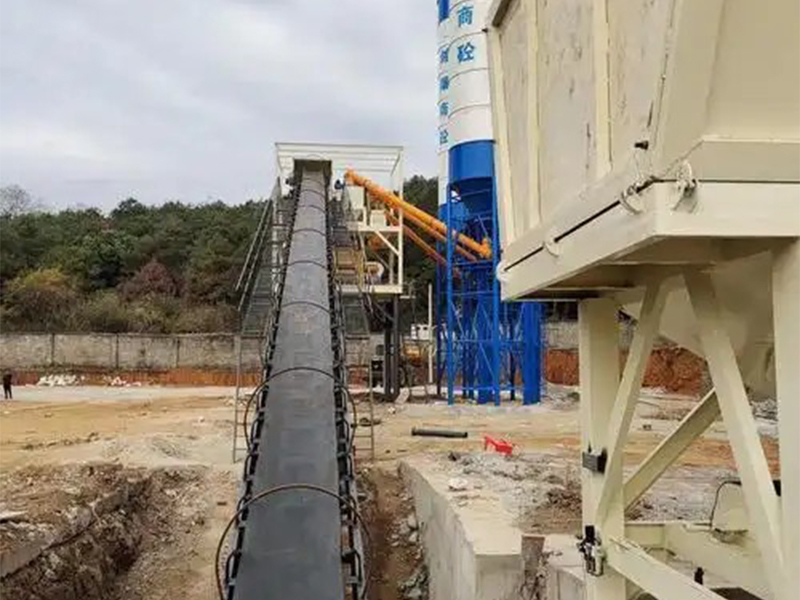
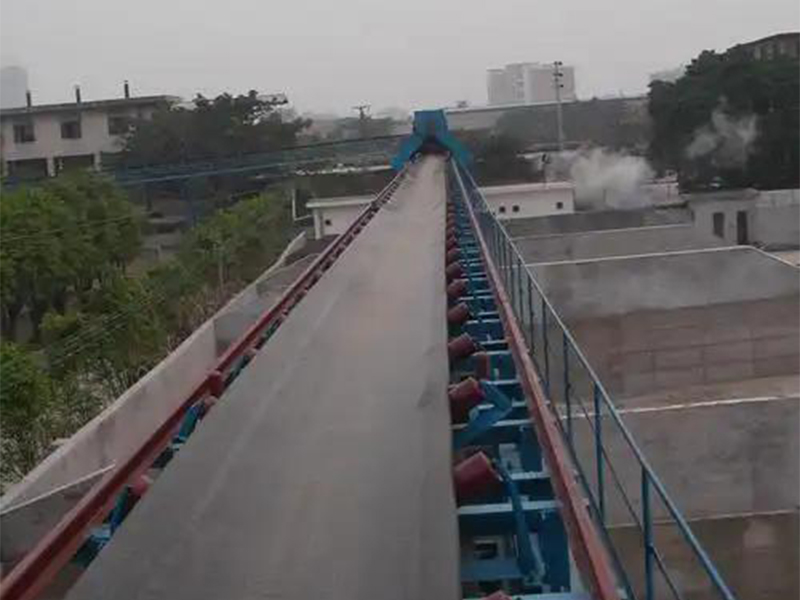
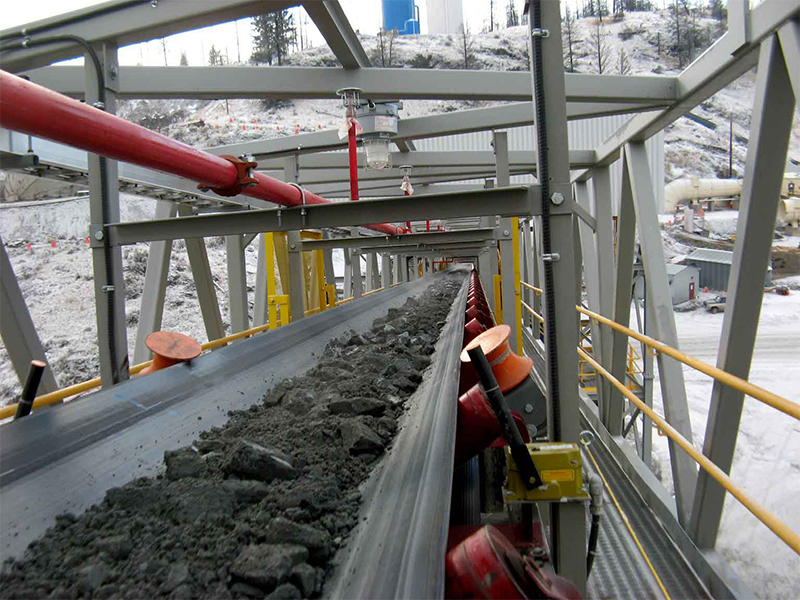
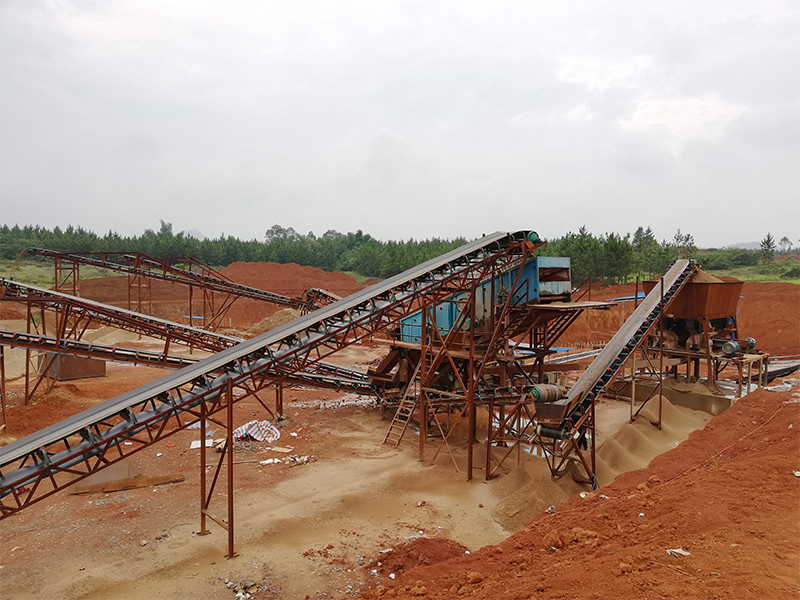
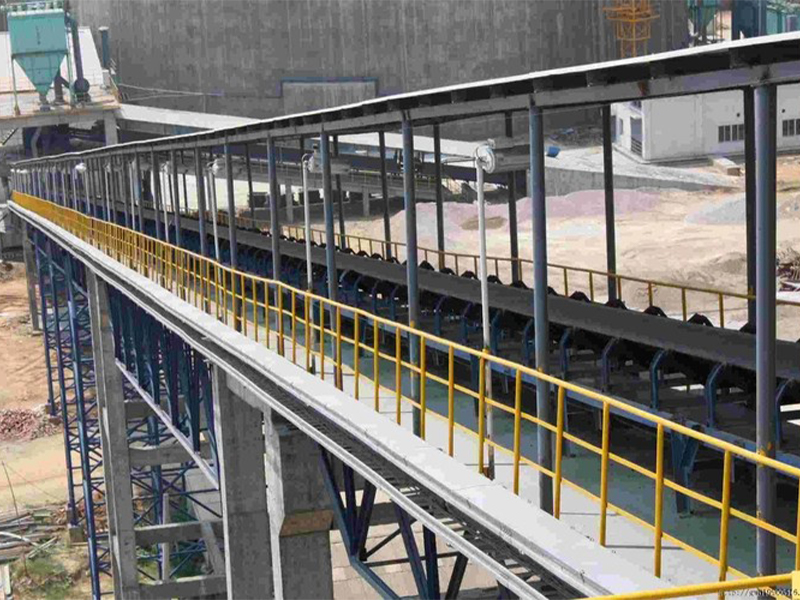
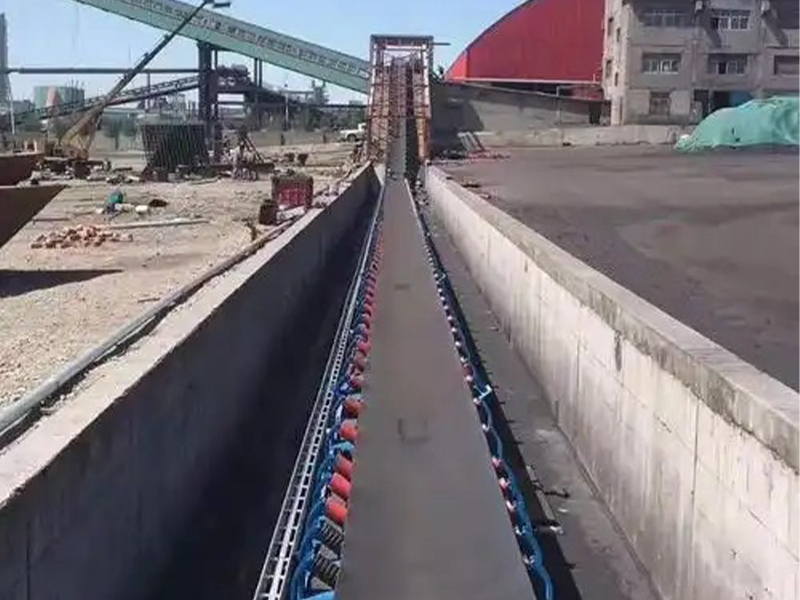
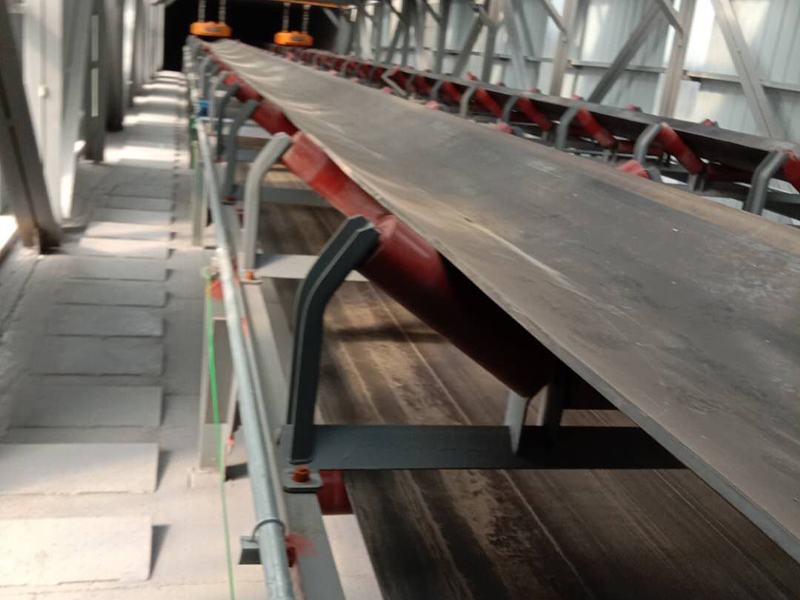
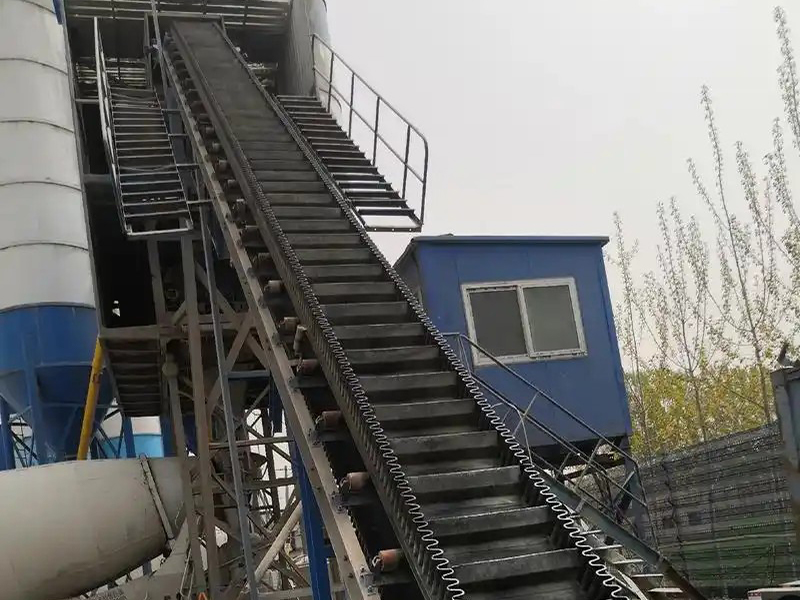
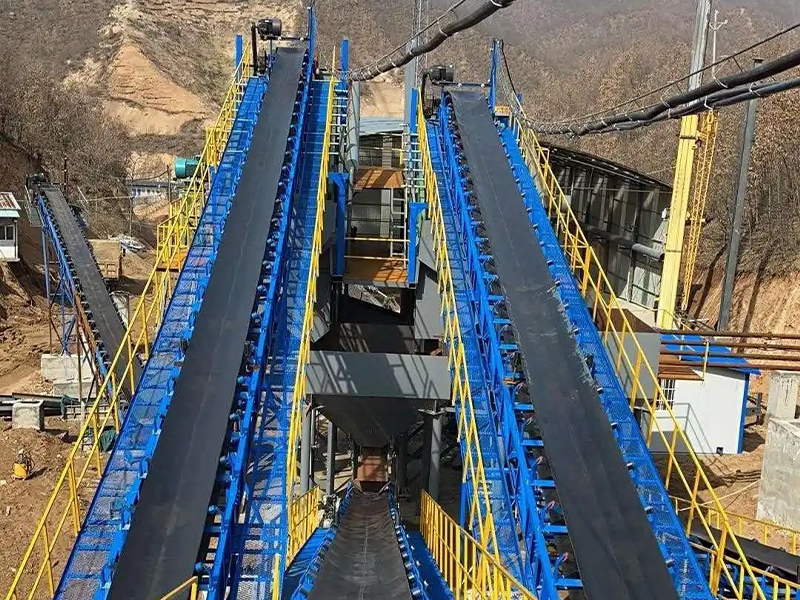
Explore our extensive portfolio of Jinao brand industrial solutions designed for heavy-duty operations.
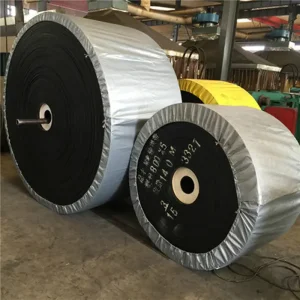
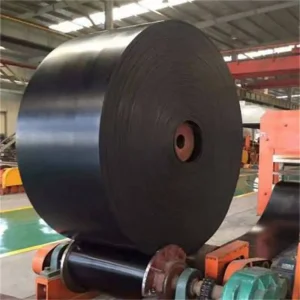
High tensile strength EP, NN, and Cotton core belts designed for bulk material transport across mines, factories, and ports.
Heat-resistant, high-temperature resistant, oil-resistant, chemical-resistant, cold-resistant, and acid/alkali-resistant formulations.
Chevron, herringbone, custom textured, wavy edge sidewall, and cleated belts for high-incline bulk handling up to 45 degrees.
Ultimate tensile strength steel cord reinforcement for high-tension, long-distance heavy overland mining systems.
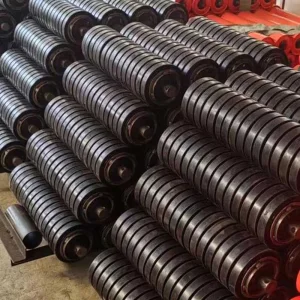
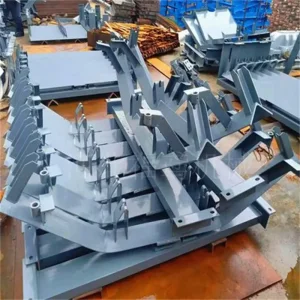
Troughing idler rollers, ceramic rollers, buffer/impact rollers, roller frames, tracking brackets, and tensioning pulleys.
Vulcanized rubber sheet materials, wear-resistant lining plates, and specialized waterstop profiles for structural sealing.
Technical insights straight from our compound engineers and application experts.
Premium specialized belting and structural hardware direct from our Boye County manufacturing facility.
 Boao Rubber