Engineered to withstand extreme tensile stresses, severe abrasion, heat, chemical corrosion, and impact loads in continuous operations.
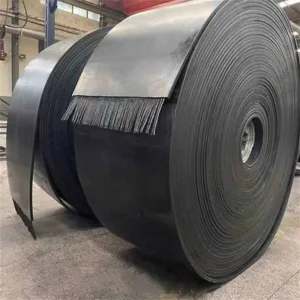
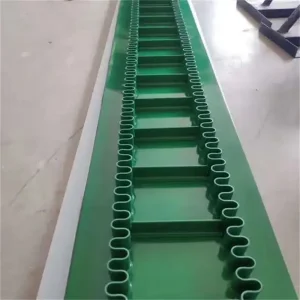
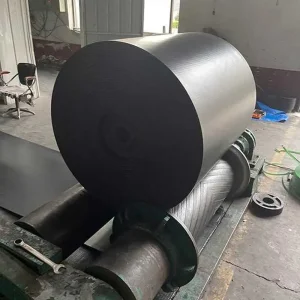
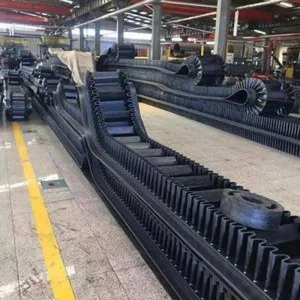
Modern industrial supply chains require resilient bulk conveying systems to feed heavy metallurgy plants, manage coal reserves, move millions of metric tons at deepwater terminals, and sustain cement production pipelines. In these operations, conveyor belt failure is not just an operational delay; it is a systemic threat to downstream productivity, manifesting in millions of dollars of idle labor, fuel wastage, and compromised contract deadlines.
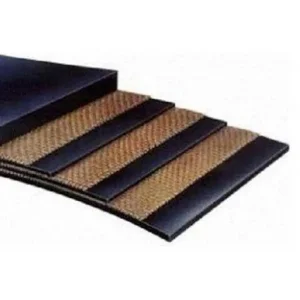
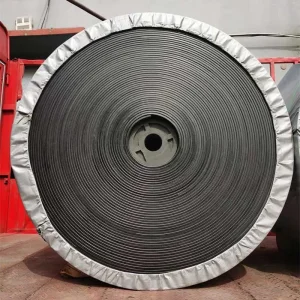
As industrial installations scale up, transporting materials over longer vertical lifts and steeper inclines has driven standard fabric belts to their physical thresholds. The current global landscape dictates an engineering pivot toward advanced multi-ply layered conveyor belts. These systems feature multi-layered synthetic fabrics (such as Polyester-EP, Nylon-NN, or Polypropylene-PP) encased in specialized, vulcanized elastomer matrix covers. This design mitigates inter-ply shear stress, controls longitudinal elongation, and maximizes resistance to tear-propagation from sharp materials like iron ore, sinter, clinker, and jagged limestone.
Understanding carcass selection, adhesion properties, and cover rubber compounds under ISO, DIN, and AS standards.
Utilizing a polyester warp (longitudinal tension) and a nylon/polyamide weft (transverse flexibility), EP conveyor belts provide high modulus, low permanent elongation, and excellent troughability. They are the ideal choice for medium-to-long distance logistics where tension maintenance must remain highly stable under variable moisture conditions, preventing take-up pulley adjustments.
Composed of polyamide warp and weft fibers, NN belts deliver high elasticity, excellent resistance to repetitive flex fatigue, and superior impact shock absorption. NN belts perform well in rugged environments like primary mine-mouth crushers, where heavy run-of-mine (ROM) materials regularly drop from significant drop-heights onto the loading impact zone.
Specifically engineered for extreme wet and chemical-heavy industries. Polypropylene possesses zero water absorption characteristics and has high inertness to both strong alkaline and acid exposure. Often deployed in chemical processing plants, fertilizer packaging installations, and salt mineral harvesting operations.
| Carcass Fabric Type | Tensile Strength (N/mm) | Elongation at Reference Load (%) | Impact Resistance Class | Troughability Coefficient | Key Application Environment |
|---|---|---|---|---|---|
| Polyester (EP) | 100 - 630 per ply | ≤ 1.5% (Very Low) | High | 0.12 - 0.18 | Overland logistics, overland ports, cement clinker transport |
| Nylon (NN) | 100 - 500 per ply | ≤ 2.5% (High Elasticity) | Exceptional | 0.08 - 0.14 | Mine-mouth crushing lines, quarrying, aggregate feeding lines |
| Polypropylene (PP) | 80 - 315 per ply | ≤ 2.0% | Medium | 0.15 - 0.20 | Acid-leaching plants, chemical fertilizer factories, salt fields |
A conveyor belt's carcass provides its structural strength, but the cover rubber acts as its shield. We formulate elastomer matrices to withstand target chemical, physical, and environmental stressors.
Utilizing high-grade Ethylene Propylene Diene Monomer (EPDM) and Chlorobutyl rubber matrices, these belts transport bulk materials up to 220°C (with peak temperatures reaching 250°C). Perfect for cement clinker, sintered ore, chemical fertilizers, and foundry coke handling.
Compounded using Neoprene (CR) or Styrene-Butadiene (SBR) mixed with antimony trioxide and chlorinated paraffin agents. Complies with underground safety standards (MT820, EN12882, MSHA), protecting against ignition risk in hazardous environments.
Formulated with Natural Rubber (NR) and Butadiene Rubber (BR) blends. This structure keeps the belt flexible and prevents crystallization cracks in sub-zero regions like Northern Europe, Canada, and Northern China.
Compounded with specialized inert synthetic polymers (CSM/EPDM) to prevent chemical degradation. This makes them highly resistant to corrosive chemical exposure in refining plants, acidic metal-leaching facilities, and fertilizer manufacturing plants.
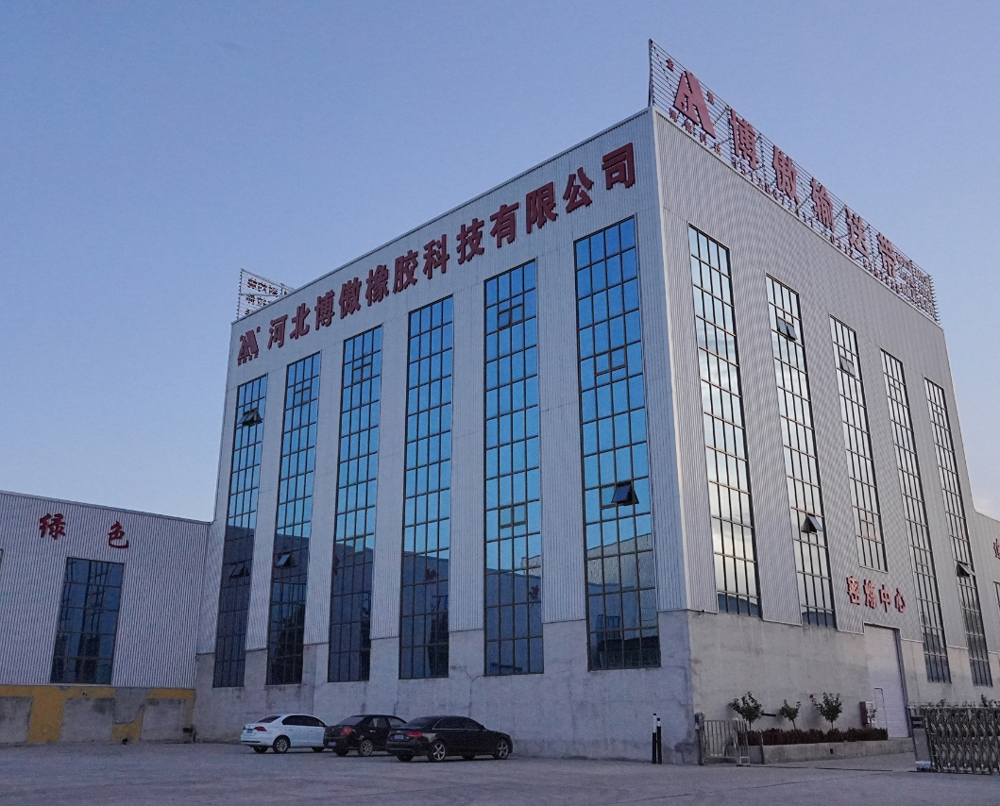
A Premier Industrial Belt Hub in Baoding, Hebei, China since 2004.
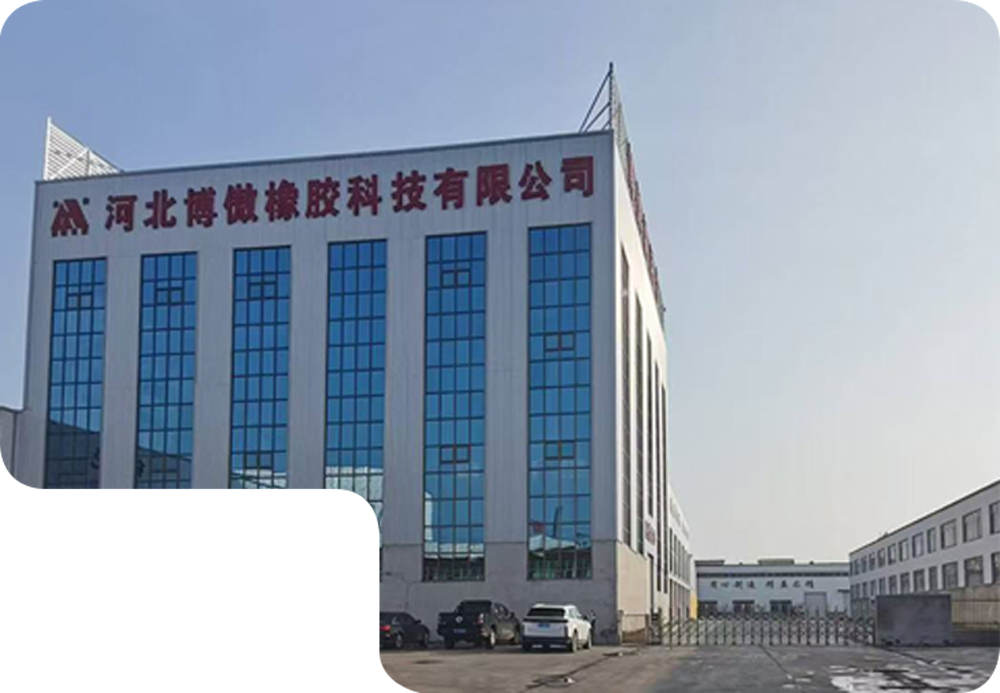
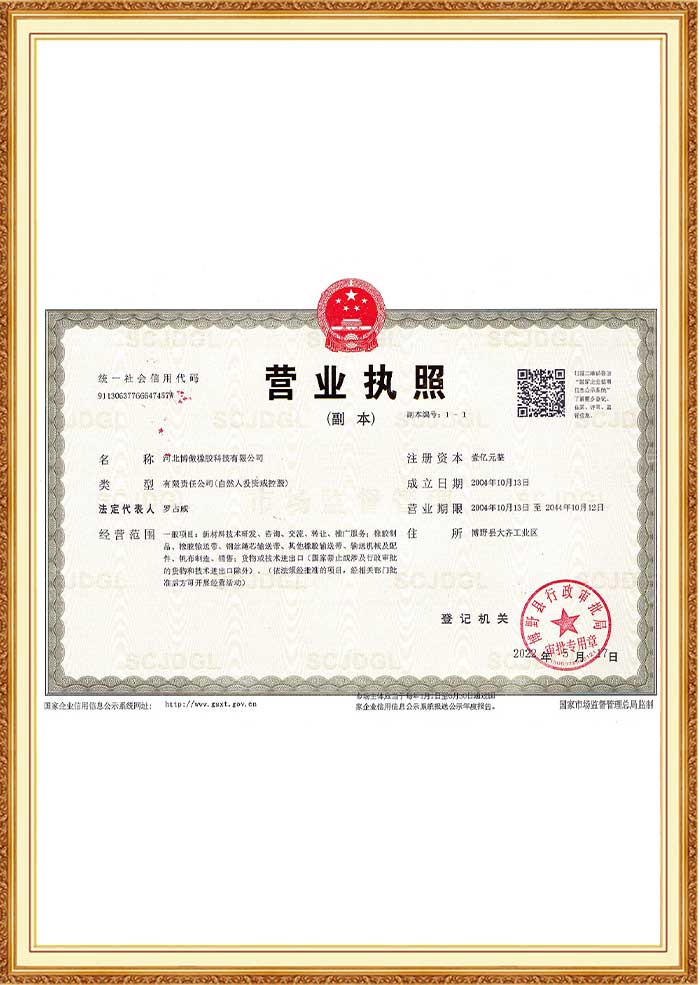
Founded in 2004, Hebei Boao Rubber Technology Co., Ltd. is located in the Rubber Industrial Park of Boye County, Baoding, Hebei Province. Over the last two decades, the company has grown into a major Chinese industrial enterprise, covering more than 30 acres. Operating under our flagship "Jinao" brand, we deliver integrated product development, manufacturing, and technical field services for heavy-duty industrial conveyor belts and supporting machinery components.
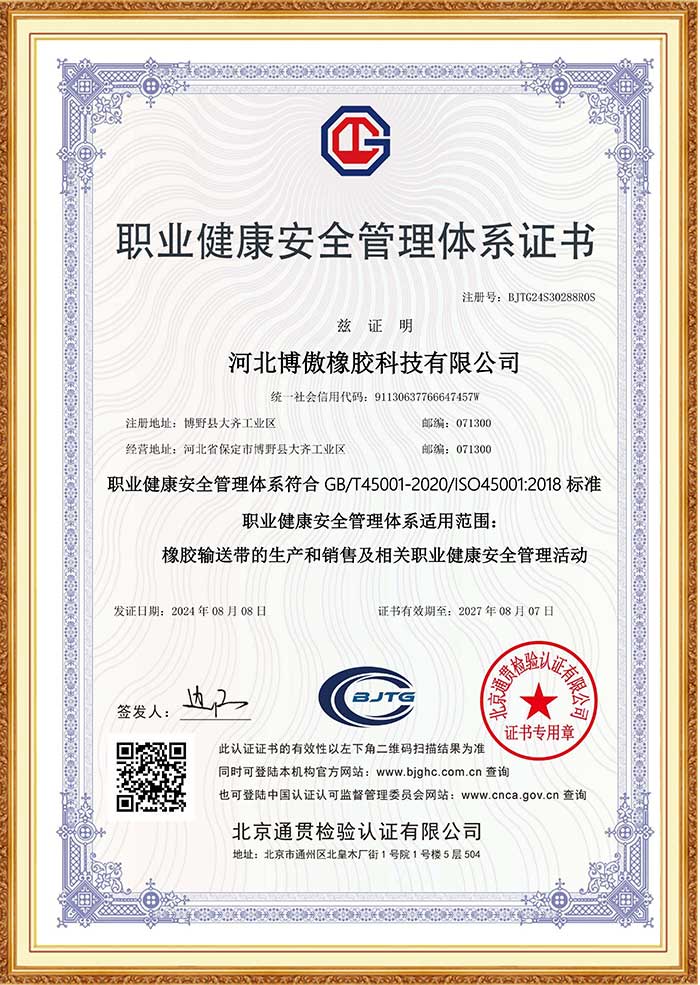
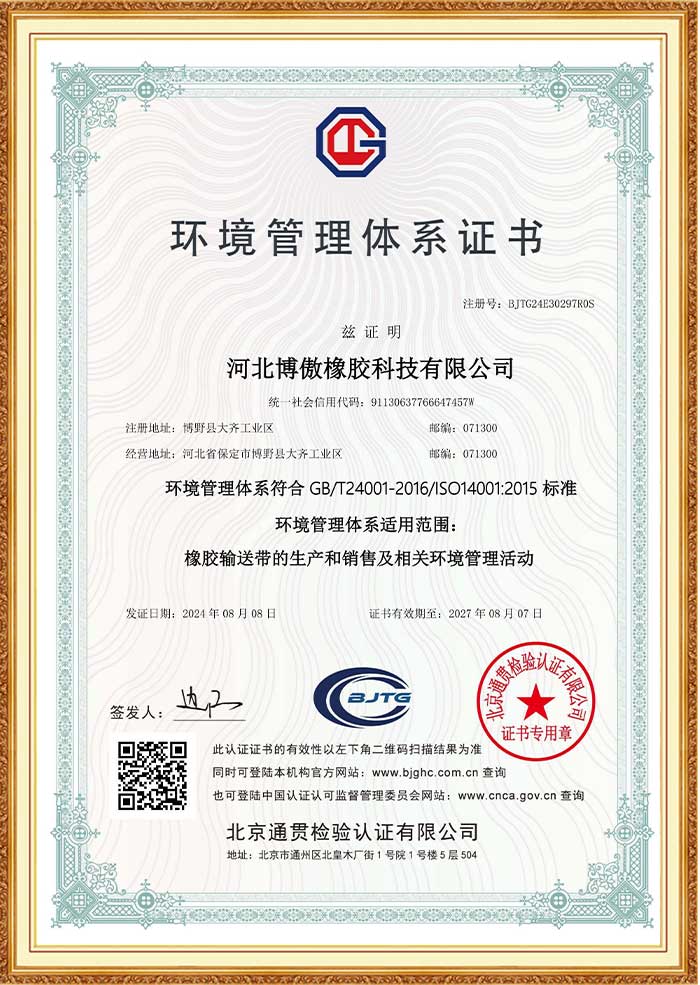
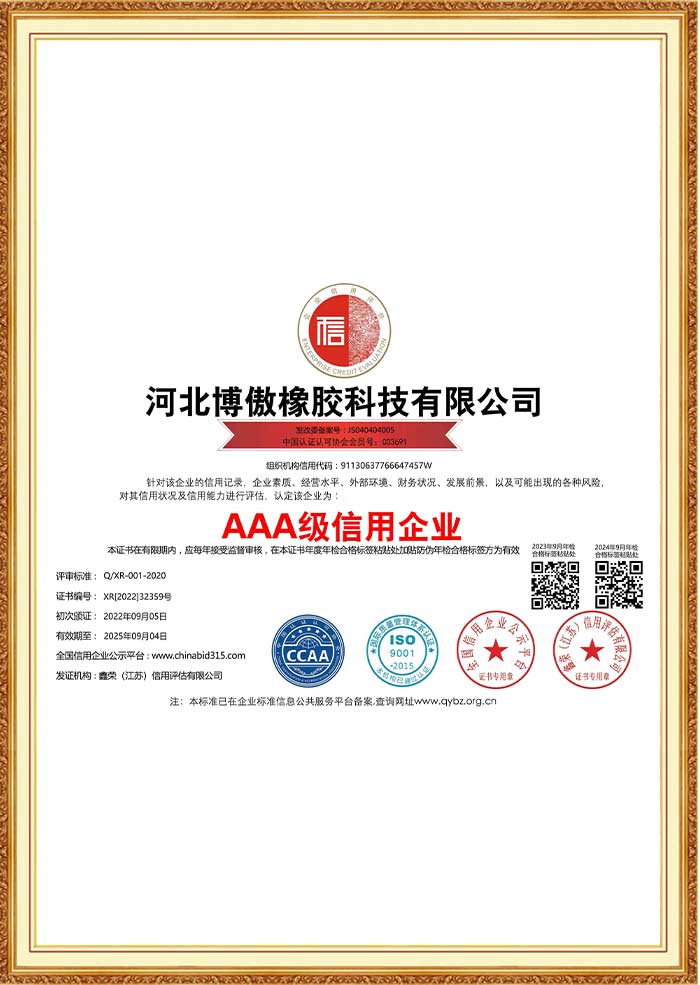
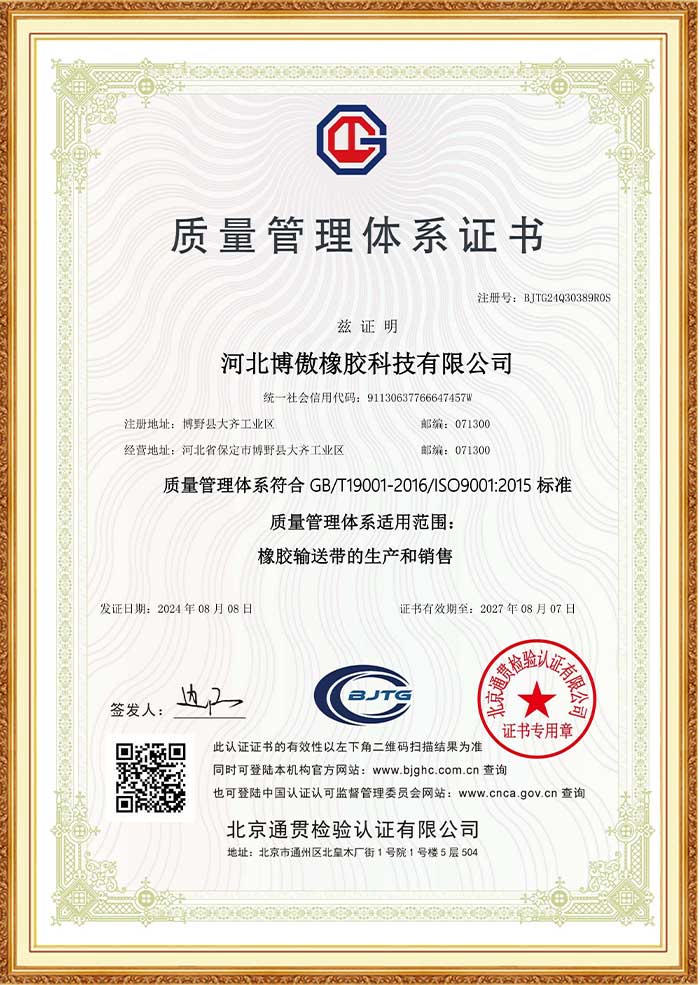
Boao operates state-of-the-art rolling, forming, vulcanizing, and testing production lines. To ensure consistent quality, our in-house testing lab evaluates every step of production—from raw rubber polymer blending to final tensile and abrasion checks. Our facilities are fully certified under ISO international quality management systems.
Optimizing conveyor belt life and ensuring reliable material handling systems with professional engineering support.
A conveyor belt's performance depends heavily on its splicing and maintenance. Improper splicing methods, incorrect tension settings, and poor idler alignment can shorten the lifespan of even the highest-grade conveyor belt. Boao provides a comprehensive range of technical services to help clients get the most out of their equipment:
We supply vulcanizing materials, bonding gums, and heating equipment to complete high-strength hot-cured splices. This method offers excellent joint efficiency, matching up to 90% of the belt's native tensile strength.
Routine inspections monitor edge wear, cover rubber thickness, and pulley tracking. By addressing minor issues early, we help prevent catastrophic tears and unscheduled system shutdowns.
Proper tension settings, correct chute design, and well-positioned idler supports reduce energy consumption, stabilize belt travel, and lower overall operational wear.
From metallurgical complexes to power plants, our belt systems are built for demanding applications.
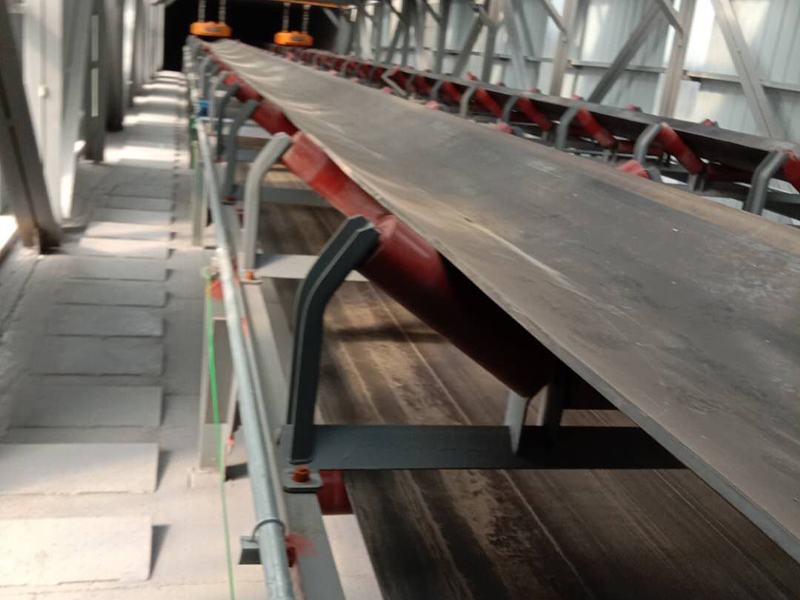
Taihang Steel
Sinter & Coke Transport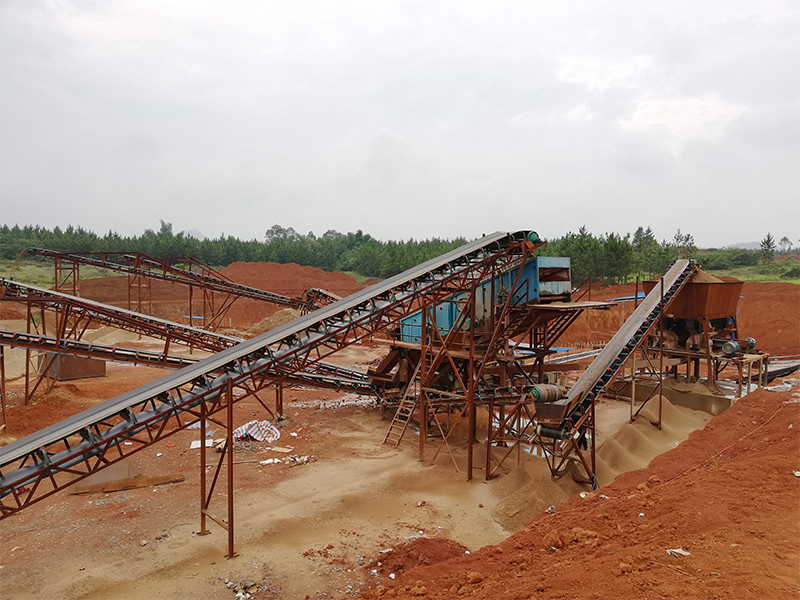
Tsingshan Group
Metallurgy & Nickel Processing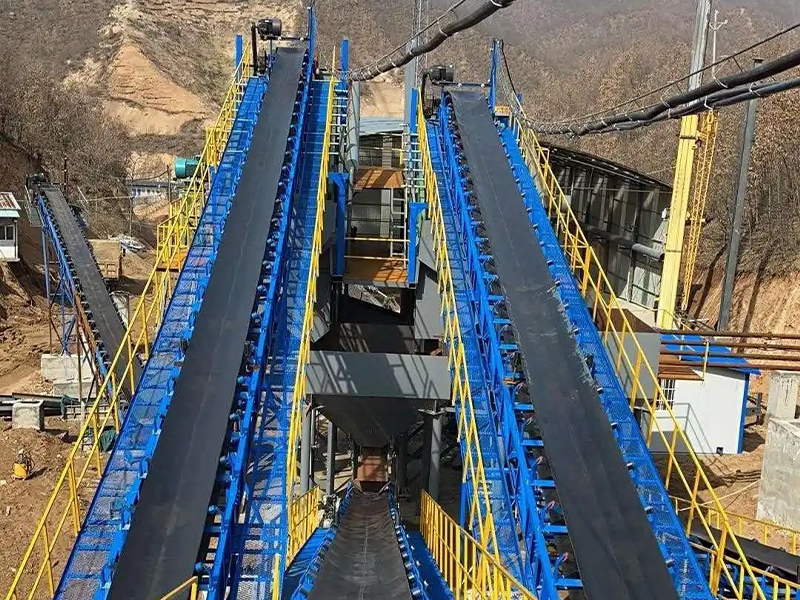
Zijin Mining
Heavy Ore Flotation Lines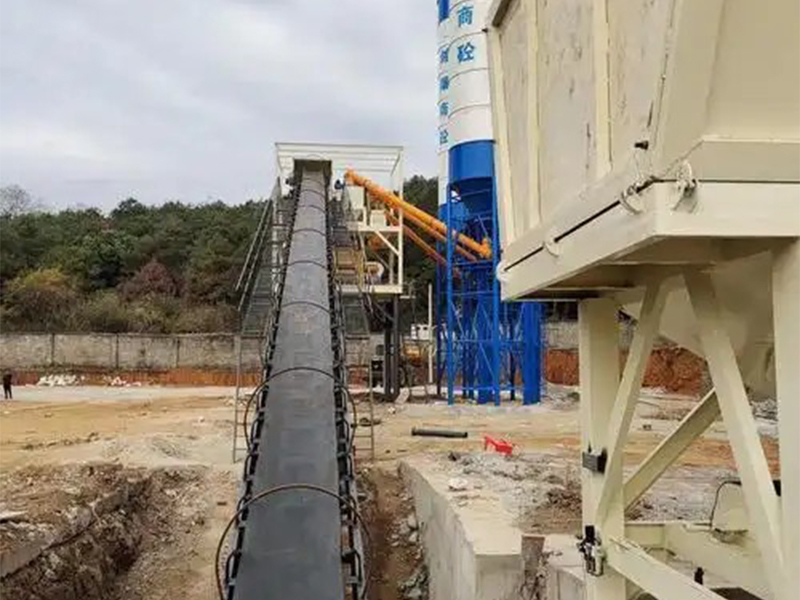
China Railway Group Mixing Plant
Concrete Batching & Infrastructure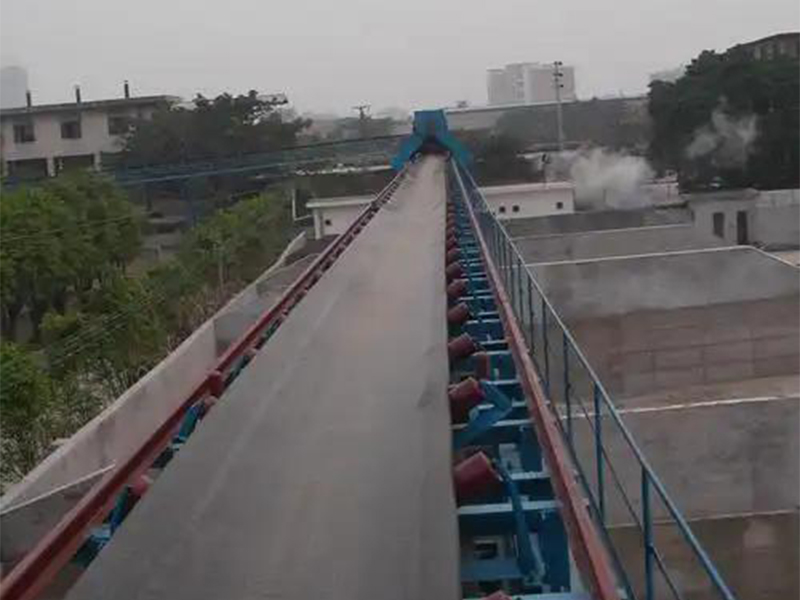
Conch Cement
Raw Meal & Hot Clinker Handling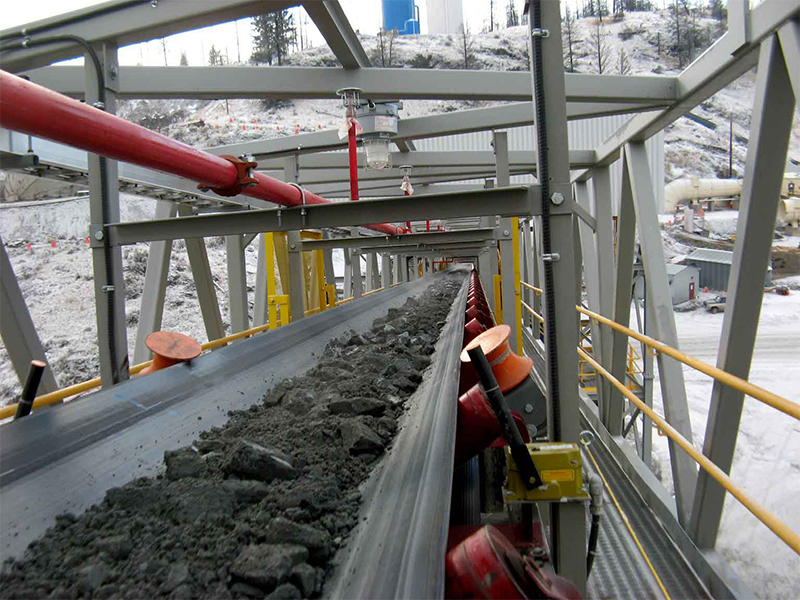
Datong Coal Group
Underground Flame Retardant Lines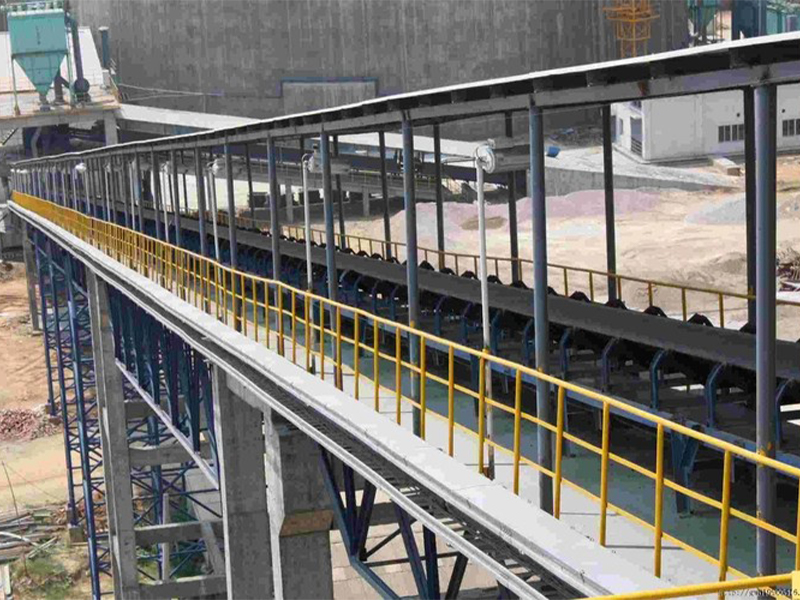
Jidong Cement Group
High-Temperature Conveying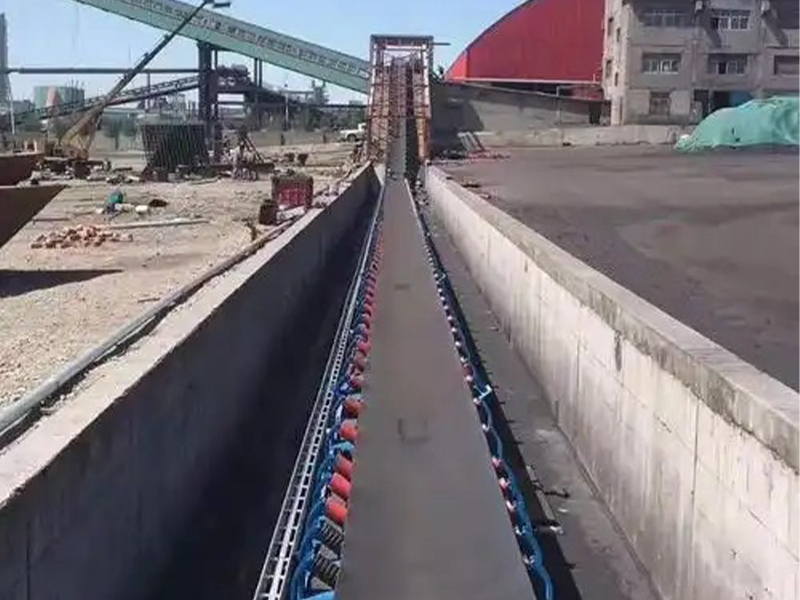
Jinmei Group Coal Conveying Line
High-Capacity Mineral TransportationThe next generation of bulk material handling centers on energy efficiency, safety, and smart systems.
We are developing rubber formulations designed to minimize indentation rolling resistance as the belt passes over idlers. This technology can reduce conveyor drive power requirements by 12% to 18% on long-distance overland runs.
Embedding RFID chips and steel-cord loop sensors directly into the carcass during vulcanization. This allows real-time monitoring to detect tear propagation, off-center tracking, and carcass degradation before failures occur.
We are optimizing our vulcanization systems to capture emissions, using non-toxic accelerators, and incorporating recycled rubber compounds into bottom covers to help reduce our environmental footprint.
Common questions on selecting, specifying, and maintaining industrial-grade multi-ply conveyor belts.
EP (Polyester warp / Nylon weft) has lower dynamic elongation (under 1.5%) and high dimensional stability, making it suitable for long-distance conveyors where take-up travel is limited. NN (Nylon warp & weft) offers higher elasticity, better flex-fatigue resistance, and superior impact absorption, making it the preferred choice for short-to-medium centers with heavy impact zones, such as primary crushing circuits.
Inter-ply separation can be prevented by controlling the vulcanization pressure (1.2–1.5 MPa), holding temperature (145°C–152°C depending on thickness), and cure duration (typically 45–60 seconds per millimeter of total thickness). Using high-quality skim-rubber compounds with proper tackifying resins ensures robust adhesion between plies.
Steel wire rope belts are recommended for high-tension applications (exceeding ST1000 N/mm) and long overland lines without intermediate drive stations. For lower tensions (under 1000 N/mm) or systems with tighter transition curves, multi-ply fabric belts (EP or NN) are typically more cost-effective and easier to maintain.
For highly abrasive materials, we recommend cover rubbers that meet DIN Grade W or ISO Grade D standards (abrasion loss < 90 mm³). For standard materials, DIN Grade X or ISO Grade H (abrasion loss < 120 mm³) provides a good balance of durability and cost-efficiency.
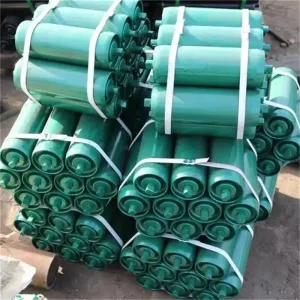
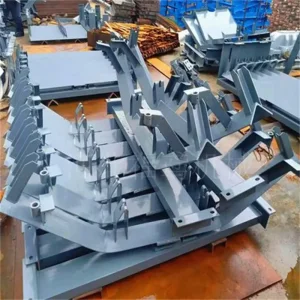
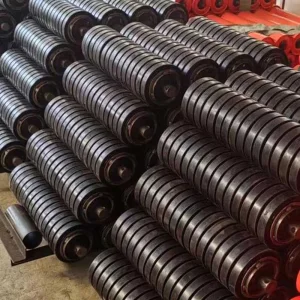
Explore our supporting conveyor products, idlers, structural brackets, and specialized industrial belts.
 Boao Rubber