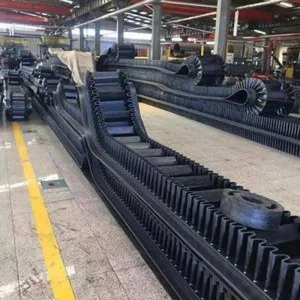
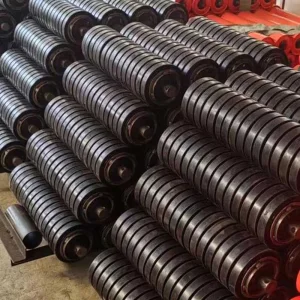
Explore our industrial-grade conveyor belts, mechanical components, and advanced rubber configurations engineered for heavy bulk handling operations.
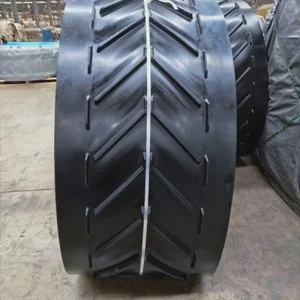
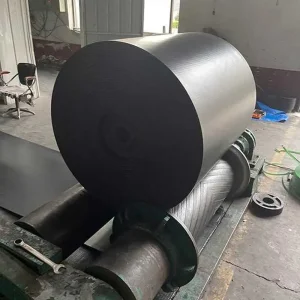
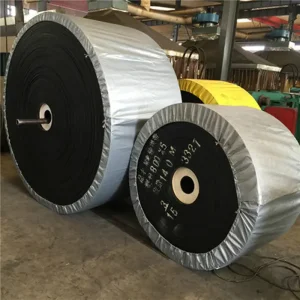
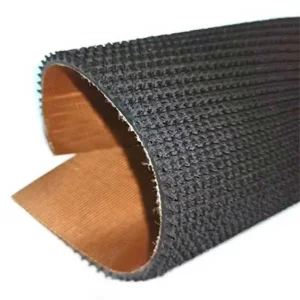
An in-depth analysis of high-performance polymer compounds, adhesive dynamics, and critical joint splicing performance for modern bulk transportation systems.
In heavy bulk material transport systems, the joint is structurally the most vulnerable link of a conveyor belt. The engineering success of a conveyor installation hinges upon the quality, performance, and vulcanization integrity of its joints. Conveyor Belt Joint Gum (often classified into uncured tie gum, cover rubber gum, and vulcanizing solutions) is the specialized material utilized to establish molecular adhesion between belt plies or steel cords during hot vulcanization.
Whether applying hot vulcanized splicing on multi-ply textile fabrics (such as Nylon-NN or Polyester-EP belts) or high-tension steel cord systems, joint gum functions as the primary shear-stress transfer medium. Premium joint gum consists of high-molecular-weight elastomers formulated to match the physical properties of the belt cover. This match ensures that dynamic load distribution, tear resistance, and continuous flexing do not lead to inter-ply separation or micro-fracturing at the splice interface.
When engineering high-strength joints, manufacturers measure specific compound attributes to prevent catastrophic field failure:
China’s rubber industrial clusters, particularly in Boye County, Hebei Province, represent one of the world's most advanced ecosystems for conveyor technology manufacturing. Sourcing Conveyor Belt Joint Gum directly from specialized producers like Hebei Boao Rubber Technology Co., Ltd. (marketing the trusted Jinao brand) offers global enterprises distinct structural advantages:
Boao maintains an independent chemical analysis room and physical laboratory. By testing every raw rubber batch and compounding agent before they enter the processing line, we maintain precise control over molecular viscosity, tackiness, and vulcanization kinetics.
Utilizing high-end calendering, advanced compounding mixers, and custom forming machinery, Boao ensures that the uncured joint gum remains homogeneous, bubble-free, and consistently thickness-controlled to avoid localized stress points during hot splicing.
Operating a massive 30-acre facility with dedicated high-output production lines translates to exceptional structural efficiency. This scale allows us to provide international markets with high-specification joint gum that meets global parameters at optimized pricing.
Additionally, the geographic location of Boye County’s Rubber Industrial Park provides streamlined access to major chemical raw materials and efficient logistics routes to Tianjin Port, facilitating swift export logistics to Asia, the Middle East, Europe, and the Americas.
Conveyor belt jointing requirements vary significantly by application, material type, and operational environment. Premium joint gum must satisfy the unique stresses of these specific industries:
| Industrial Sector | Dominant Stress Vectors | Recommended Splicing Material Configuration | Key Splicing Performance Focus |
|---|---|---|---|
| Steel, Smelting & Metallurgy | High heat exposure, thermal shock, continuous abrasive slag transport. | High-temperature resistant joint gum (EPDM/chlorobutyl base) + specialized hot vulcanizing solutions. | Preventing thermal degradation and mechanical delamination at temperatures up to 200°C. |
| Underground & Surface Coal Mining | Flame hazards, dynamic tension, moisture, severe impact from heavy rocks. | Flame-retardant (FR) uncured cover rubber and tie gum compliant with MSHA and ISO 340 standards. | Self-extinguishing properties combined with high peel strength under continuous moisture. |
| Cement & Clinker Production | Fine particle infiltration, elevated temperatures, intense abrasive wear. | Heat-resistant, high-viscosity uncured tie gum paired with reinforced edge compounds. | Preventing particulate migration into the joint plies and maintaining edge seal integrity. |
| Ports & Maritime Terminals | High-speed transfer lines, salt-spray exposure, UV degradation, high tension. | Ultra-high-wear, weather-resistant cover gum combined with corrosion-resistant steel cord primers. | Superior dynamic fatigue resistance and protection of steel wire cores from saltwater corrosion. |
Industrial procurement managers and engineering contractors must evaluate jointing materials using standard quality criteria. When preparing technical bids or testing samples, look for compliance with the following quality parameters:
Learn about our 22-year journey in manufacturing high-performance conveyor belts, rollers, brackets, and custom splicing components under the "Jinao" brand.
Hebei Boao Rubber Technology Co., Ltd. is strategically located within the Rubber Industrial Park of Boye County, Baoding, Hebei Province. Established in 2004, our facility covers more than 30 acres of modern production and warehousing space.
Under our flagship brand "Jinao", we operate as a fully integrated Chinese manufacturer, driving the research, development, design, manufacturing, and distribution of heavy-duty conveyor belts and supporting mechanical accessories. We hold international quality management system certifications, reflecting our structured approach to quality assurance.
Our production lines feature advanced rolling, forming, vulcanizing, and testing equipment. From raw materials to finished products, our quality control process ensures reliable performance in demanding operating environments.
Our integrated manufacturing program meets diverse bulk handling needs, producing both core belts and their necessary system accessories:
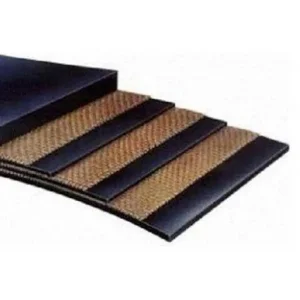
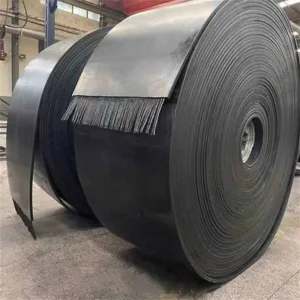
• Nylon & EP Layered Belts (NN, EP, PP)
• Steel Wire Rope Core Belts (Anti-tear)
• High Heat & Temperature Resistant Belts
• Oil, Acid, Alkali & Cold Resistant Belts
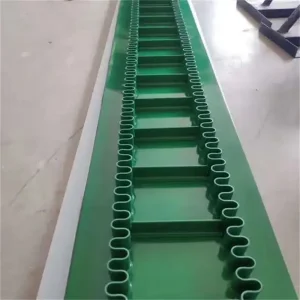
• Wave Edge & High Inclination Belts
• Patterned (Herringbone, Pit) Belts
• Steel & Ceramic Troughing Idlers
• Rubber Buffer / Impact Roller Sets
• Return & Self-Aligning Idlers
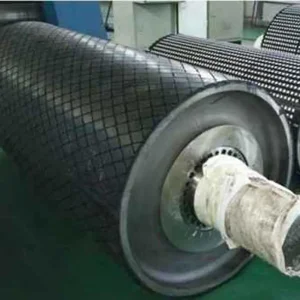
• Heavy-Duty Drum Pulley Assemblies
• Polyurethane-Coated Conveyor Rollers
• Magnetic Separator Pulley Systems
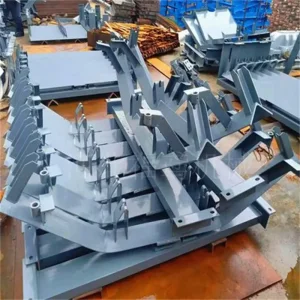
• Standard & Custom Width Brackets
• Heavy Troughing & Centering Frames
• Self-Aligning Carrier Structures
• Tensioning & Impact Roller Brackets
• Hanger Ears & Mounting Plates
• Hot Galvanized Corrosion-Resistant Frames
Our products support material handling systems for major global enterprises in coal, steel, cement, power, and logistics.
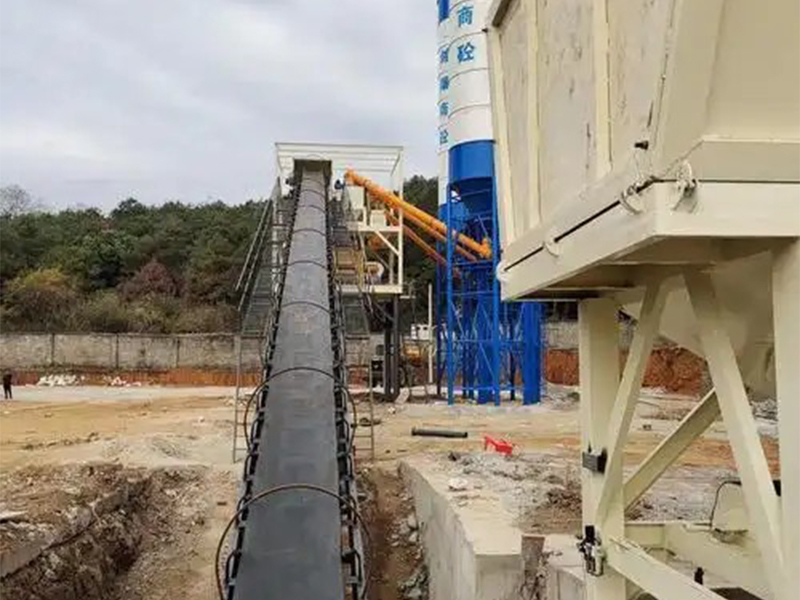
Delivered customized, high-reliability conveyor belts and idler systems designed to withstand continuous batch plant processing.
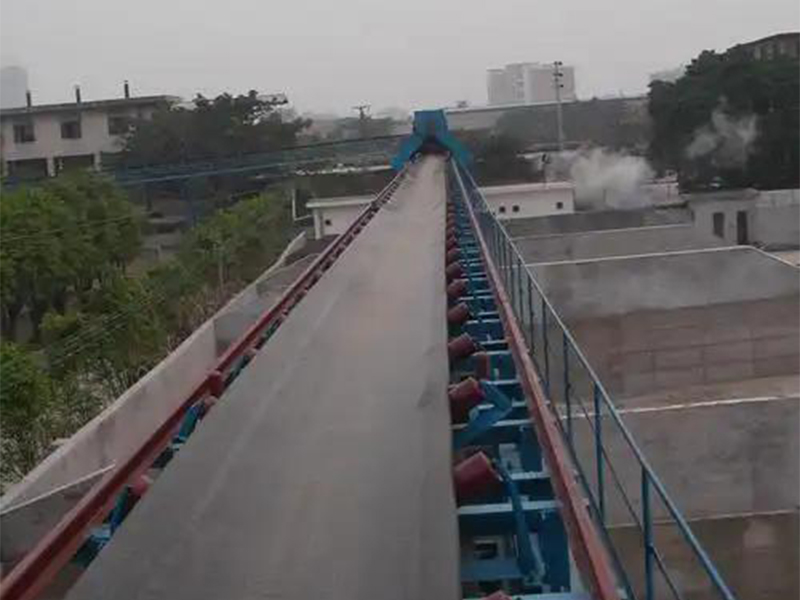
Supplied high heat-resistant EP belts and splicing joint gum to handle high-temperature clinker transport operations.
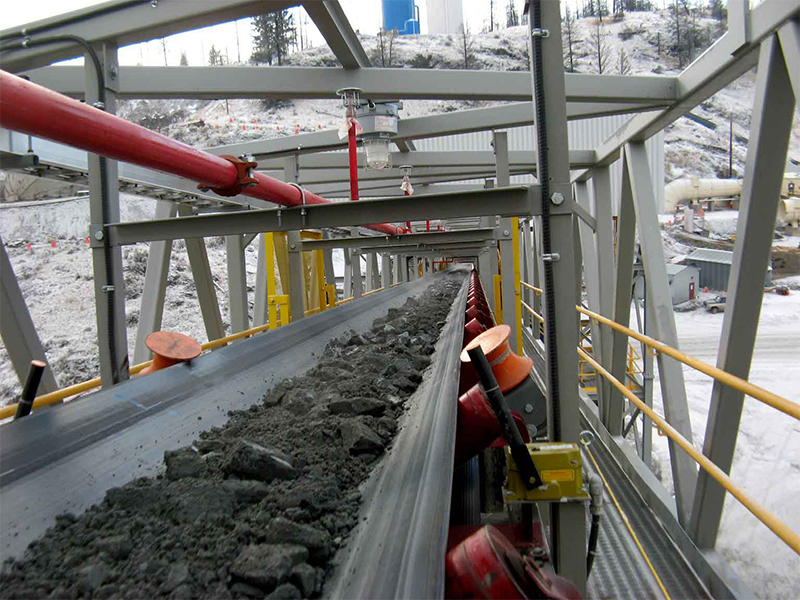
Provided flame-retardant steel wire rope core belts and specialized splicing materials for underground coal operations.
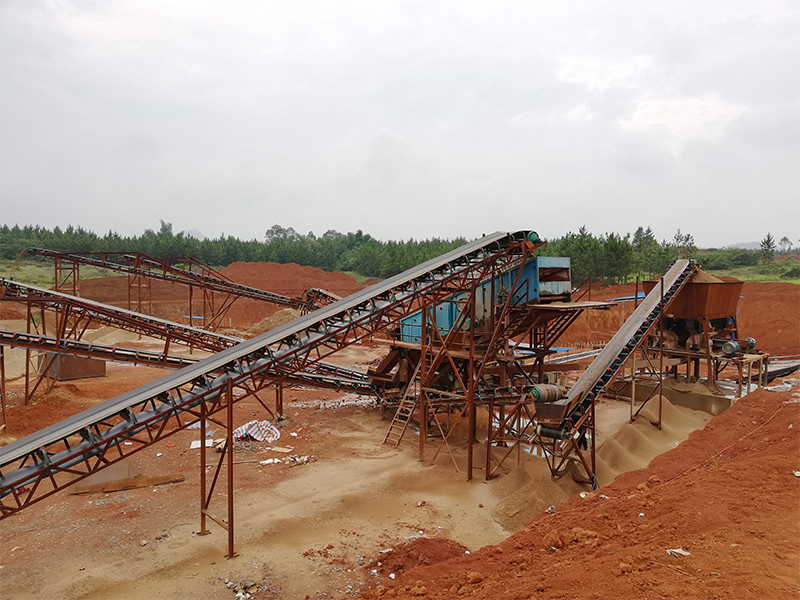
Engineered corrosion-resistant and oil-resistant belts to support aggressive nickel smelting material handling lines.
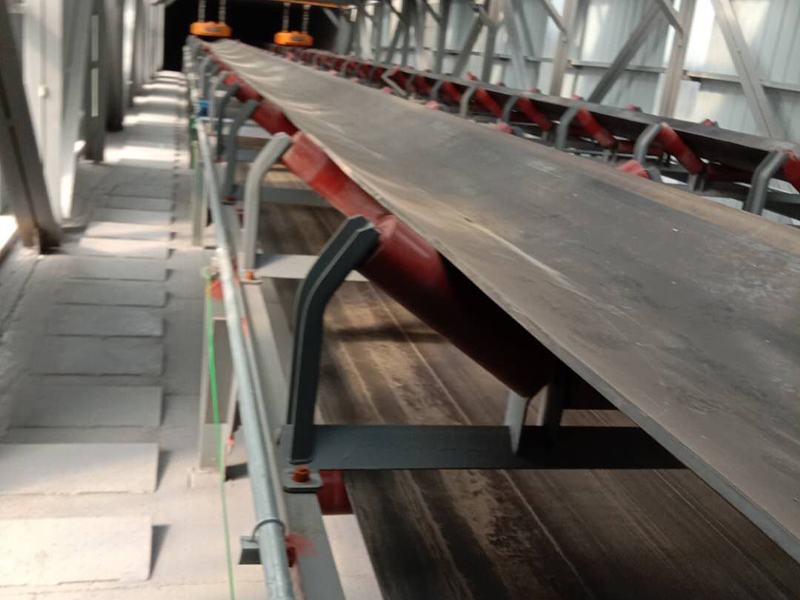
Installed heavy-duty troughing structures, idlers, and heat-stabilized joint splice materials for high-volume sinter transport.
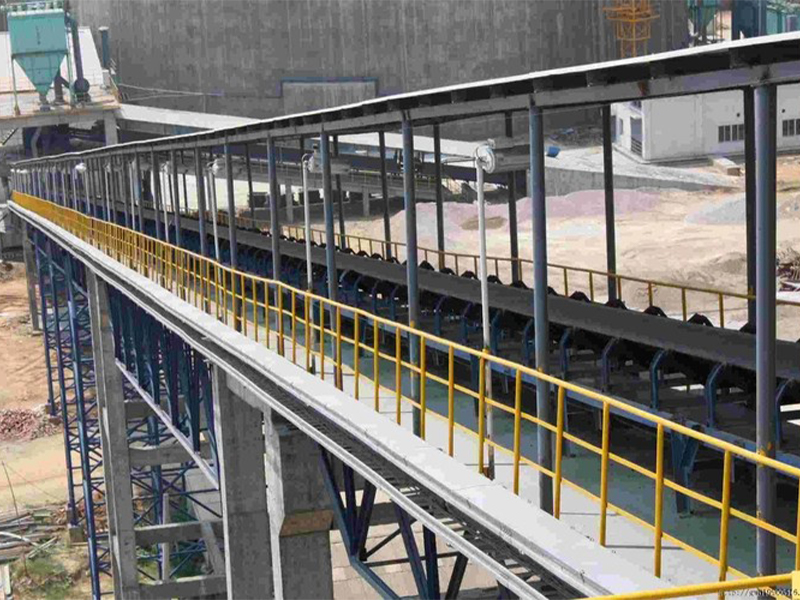
Supplied anti-abrasion and dust-resistant belt installations to optimize processing efficiency at their dry process cement line.
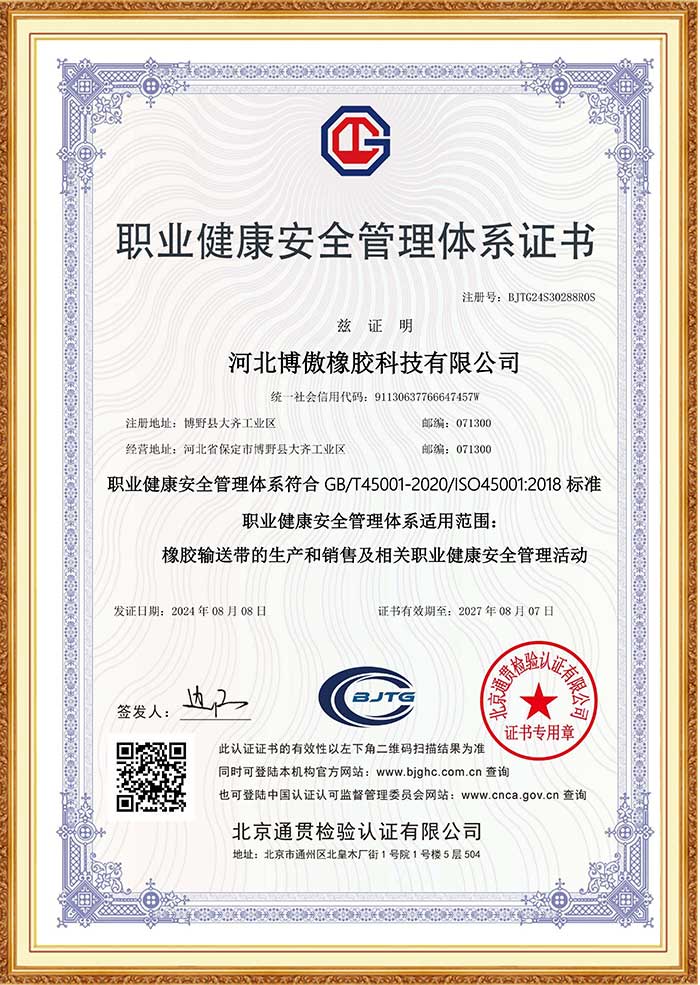
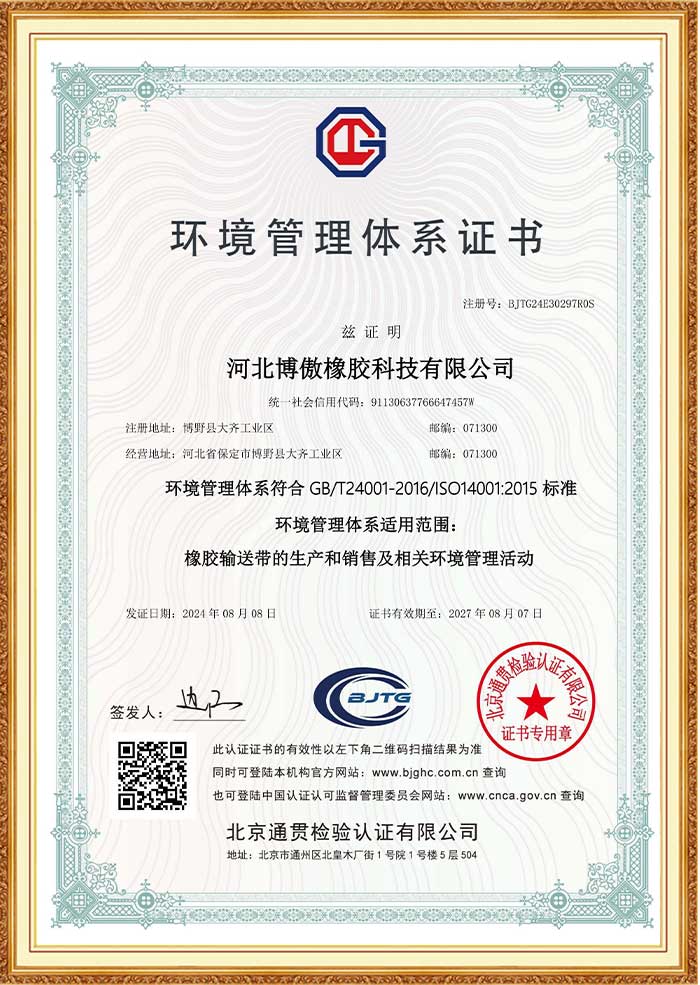
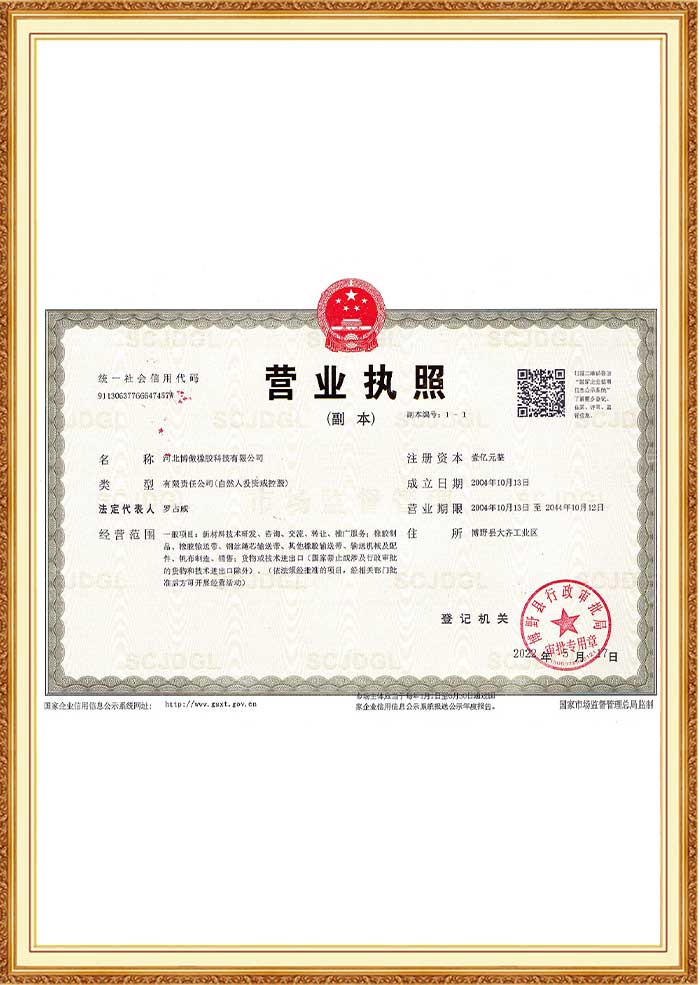
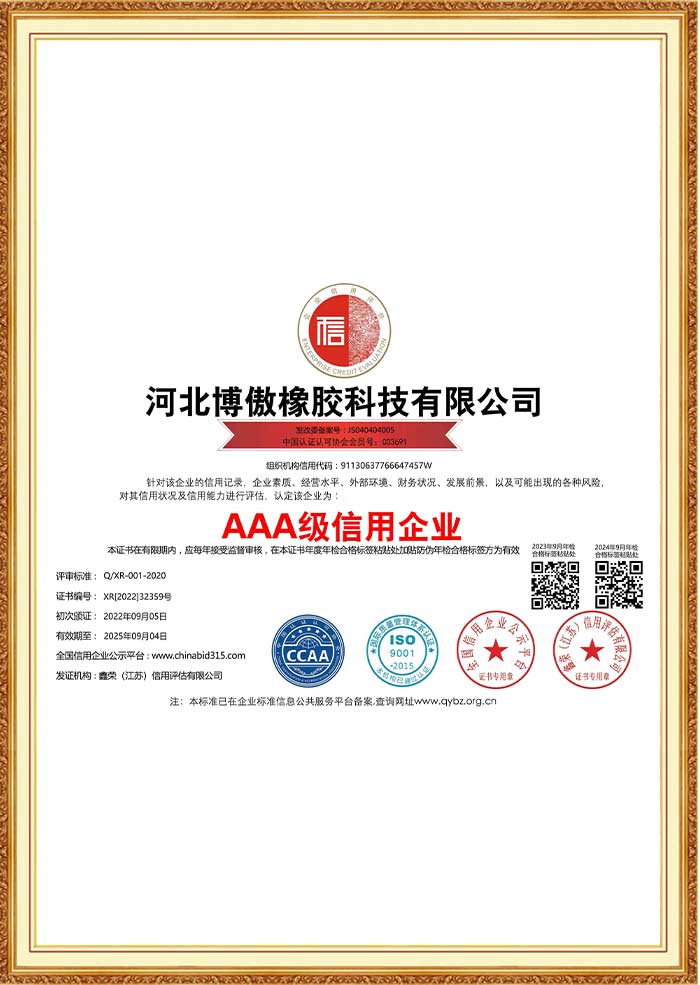
Our facilities and products comply with international quality protocols and safety parameters.
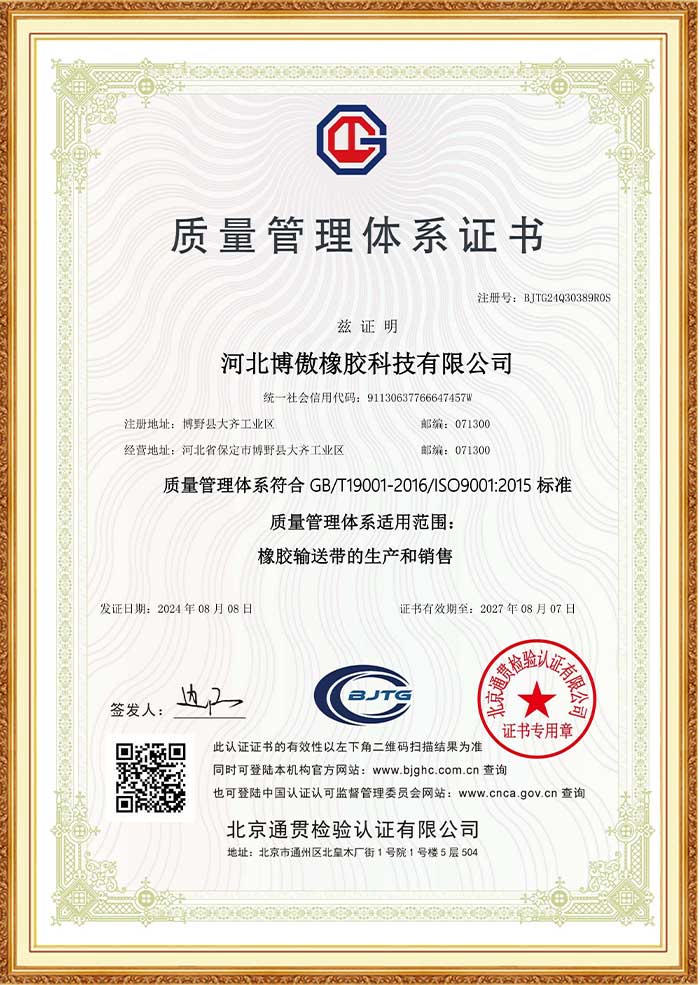
Extending conveyor component life cycle and ensuring operational continuity with proactive service protocols.
A high-quality joint is only effective when paired with correct installation practices and system maintenance. We offer on-site and remote technical support programs to assist our clients with compound application, vulcanization timing, and preventative maintenance:
We analyze joint stress vectors, belt speeds, and environmental conditions to select the appropriate rubber compound configuration for your specific operation.
Our engineers provide guide parameters for temperature ramp-up, pressure dwell, and cooling rates, helping operators achieve optimal vulcanization.
We advise on safety stocks and climate-controlled storage conditions, helping preserve the shelf-life and chemical reactivity of the joint compounds.
Technical answers to common questions about hot vulcanizing, joint gum properties, storage, and application practices.
Direct access to our complete range of certified conveyor belts, structural brackets, and specialized industrial accessories.
 Boao Rubber