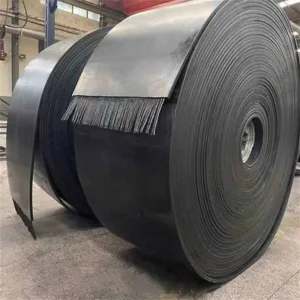
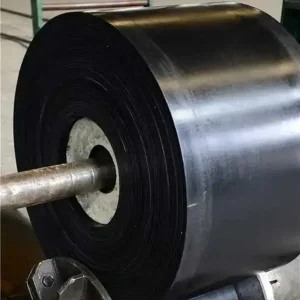
Explore our engineering-grade heavy-duty conveyor parts and specialized industrial conveyor belts
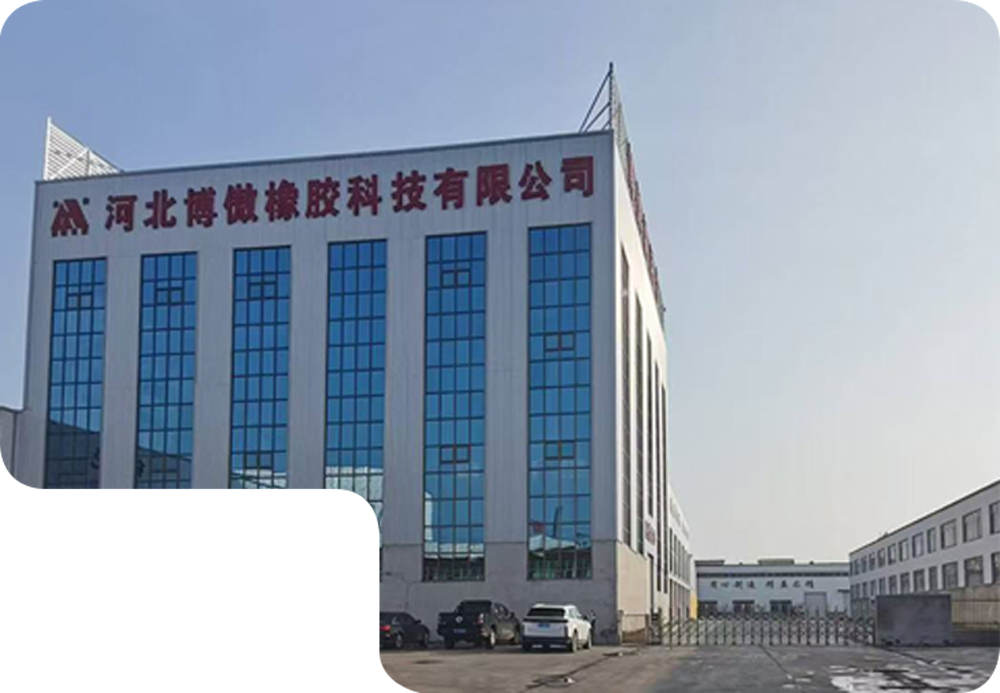
Established in 2004, Hebei Boao Rubber Technology Co., Ltd. is positioned in the prominent Rubber Industrial Park of Boye County, Baoding, Hebei Province. Over the last two decades, the enterprise has developed a footprint covering more than 30 acres, focused strictly on scientific research, design, production, and professional support services for high-grade conveyor belts and structural machinery accessories.
Marketed under our premier "Jinao" brand, our manufacturing systems operate under international quality management certifications. Our production plant features advanced processing configurations for rolling, calendering, molding, vulcanization, and material properties assessment—ensuring full lifecycle tracing from raw materials to heavy-duty finished belts.


A Technical Whitepaper on Rubber Chemistry, Pattern Topography, and Dynamic Coefficient of Friction in Sub-Zero Operations
Standard rubber belts undergo glass transition phase changes at temperatures below -15°C, resulting in brittle cracking, compound separation, and high shear failure. Under extreme winter conditions, our specialized cold-resistant conveyor belts leverage blends of Butadiene Rubber (BR) and Natural Rubber (NR).
By optimizing the vulcanization crosslink density, we shift the glass transition temperature (Tg) down to -50°C. This chemical stability retains structural elongation properties, ensuring that the cover rubber maintains flexibility even during continuous exposure to Arctic conditions.
Ice, frost, and sub-zero humidity dramatically lower the static friction coefficient on rubber conveyor systems. Standard flat rubber belts suffer drive pulley slippage and material backsliding when operating on inclines.
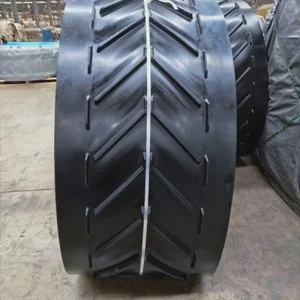
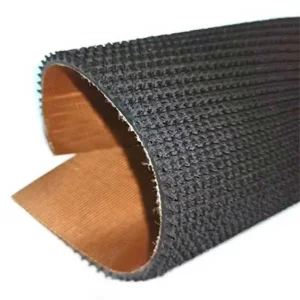
Our anti-slip conveyor designs incorporate advanced surface textures, including Chevron, high-profile herringbone, and self-clearing crescent patterns. These topographies are engineered to squeeze out ice particles and retain mechanical interlock with coarse minerals, grain bulk, or packaged freight, maintaining an optimal dynamic coefficient of friction.
Sub-zero operational environments require conveyor belts to navigate tight pulley wraps without excessive stiffness. Rigid belts increase mechanical resistance, resulting in elevated energy consumption and motor burnout.
Using synthetic carcass plies—specifically Polyester-Polyamide (EP) or Polyamide-Polyamide (NN) fabric with high modulus and low shrinkage—our belts maintain flexibility. This design reduces start-up torque demands and lowers overall energy consumption, ensuring smooth operation in challenging conditions.
Pioneering the next generation of smart, resilient, and eco-friendly material handling solutions
Our research division is developing smart conveyor belts with embedded RFID chips and flexible copper sensing loops. In sub-zero environments, these sensors continuously monitor carcass tension and carcass temperature profiles, warning operations centers of impending thermal contraction stresses or micro-cracks before they cause unscheduled downtime.
As part of our commitment to sustainability, we are transitioning toward bio-butadiene and recycled polymer carriers. By modifying natural rubber structures with renewable agricultural inputs, we aim to match the performance of petrochemical rubber compounds while reducing carbon intensity by 35% over the next decade.
For installations in Arctic regions experiencing temperatures below -55°C, we are prototyping carbon nanotube (CNT) heating plies. When connected to low-voltage slip-ring assemblies, these conductive layers generate moderate heat inside the belt, preventing surface icing and material freezing without degrading the elastomer carcass.
Borrowing patterns from winter tire tread designs, our next-generation anti-slip belts feature variable-angle sipes. These patterns self-open under tension over head pulleys to discharge debris, then compress on straight runs to optimize load-carrying stability on steep inclines.
Customized material transport engineering across key industrial sectors operating in sub-zero climates
Conveying sinter, iron ore, and limestone in sub-zero conditions requires belts that resist sharp impacts from frozen materials. Our impact-absorbing buffer rollers and steel-reinforced belts are engineered to withstand continuous heavy loads without cracking under extreme cold.
For coal and copper mining in northern climates, our belts feature high-strength steel wire rope cores (up to ST5400 grades) that prevent elongation and tracking errors under cold tension, ensuring reliable operation in remote operations.
Continuous loading of frozen coal, grains, and sulfur requires belts with high resistance to salt spray and moisture. Our specialized compounds prevent ozone aging and saltwater ingress, preserving the internal fabric reinforcing layer.
How Hebei Boao Rubber Technology integrates automated manufacturing with structural reliability

Our production facilities utilize automated rubber mixing and compound dosing systems to ensure precise elastomer ratios. We maintain a dedicated chemistry lab and physical testing rooms, evaluating raw materials before they enter the processing line. This rigorous testing checks parameters such as tensile strength, cold-flex performance, and abrasion resistance, ensuring consistent quality across all production batches.
By sourcing raw materials through regional supply chains and leveraging high-output curing presses, we maintain stable production lead times and competitive pricing, protecting our clients from volatility in global material markets.
Important factors for supply chain leaders when selecting industrial conveyor systems
Specify DIN 22102 or ISO 4649 standards for abrasion loss when procuring belts for heavy abrasive materials. In cold climates, specify the exact operating temperatures to ensure the proper elastomeric formulation is supplied.
Ensure that low-temperature rubber belts have adequate adhesion to the drive pulleys. Pulley lagging should match the cold-resistant rating of the belt cover to prevent slippage and excessive wear.
Evaluate belts based on their projected service life and maintenance costs rather than purchase price alone. Higher-grade compounds can prevent cold-weather downtime and extend replacement intervals.
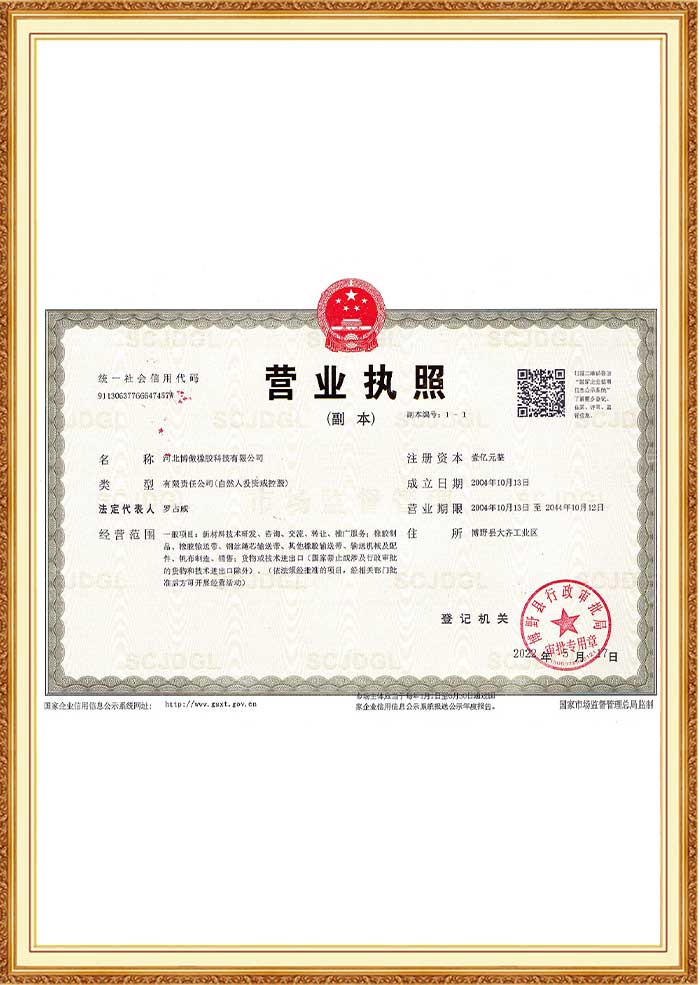
Our quality management systems are certified to meet major international standards
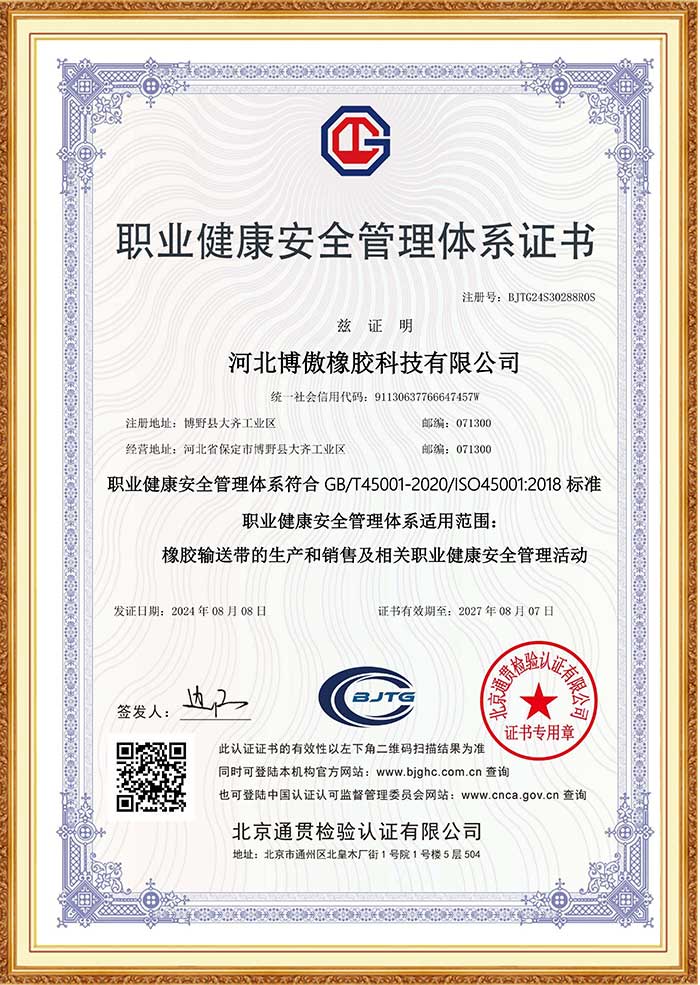
ISO9001:2015
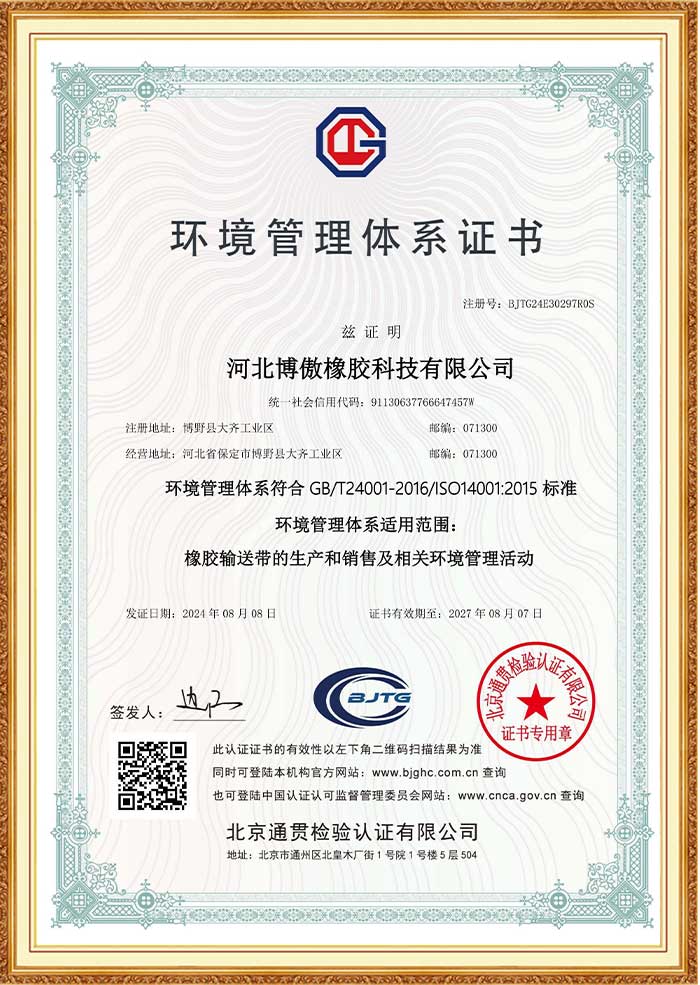
ISO14001:2015
OHSAS18001
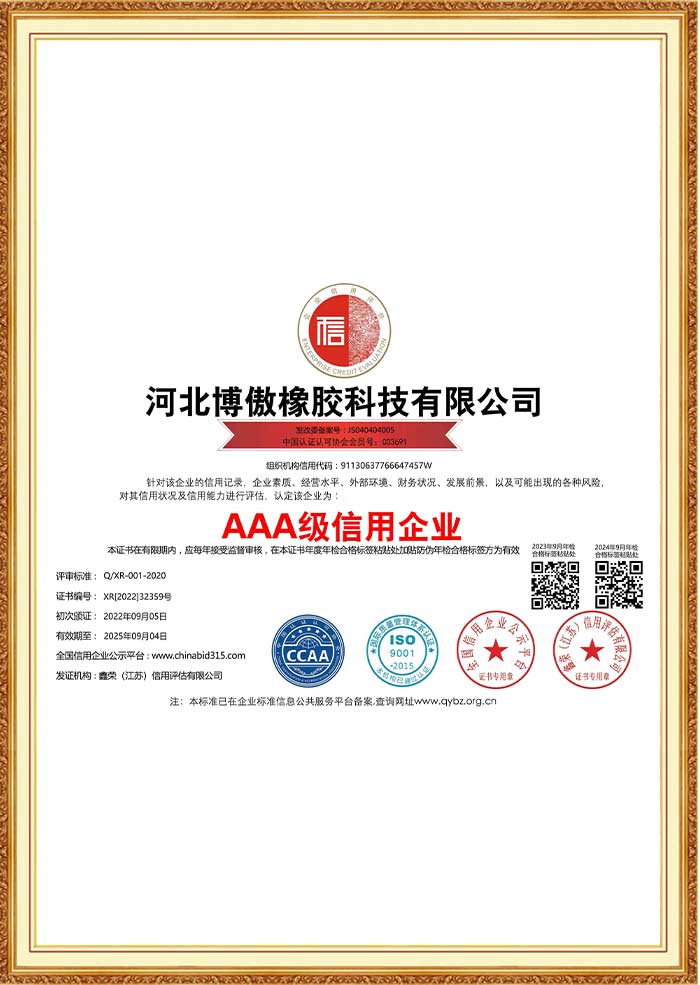
GB/T Standard
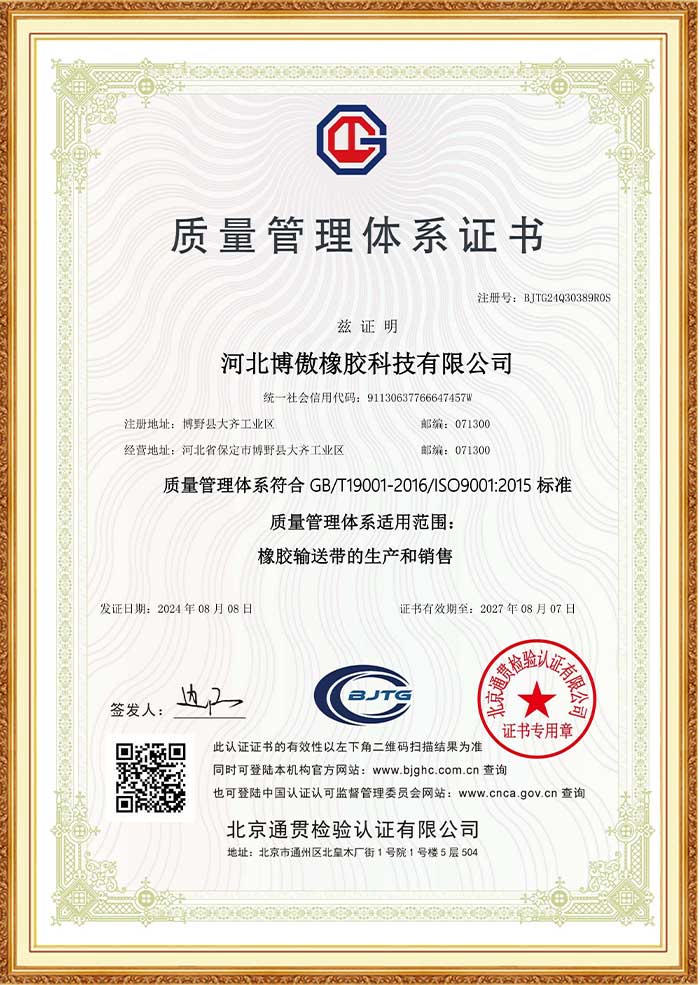
SGS Audited
Providing heavy-duty material transport solutions to leading mining and infrastructure companies
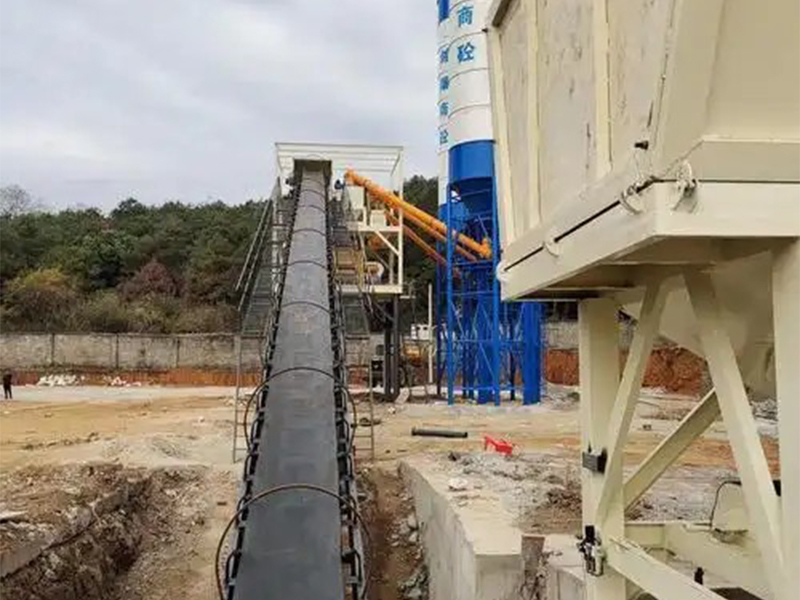
Mixing Plant Site Installation
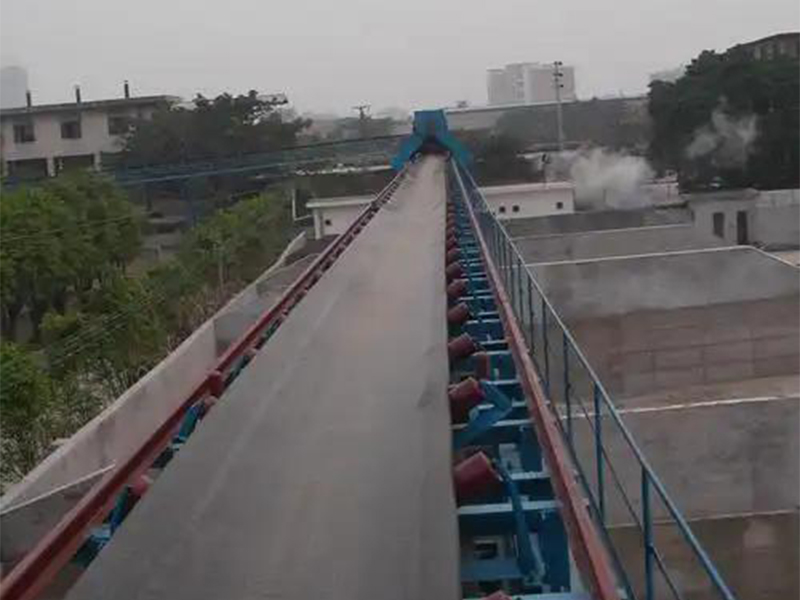
Clinker Conveyor Line Upgrade
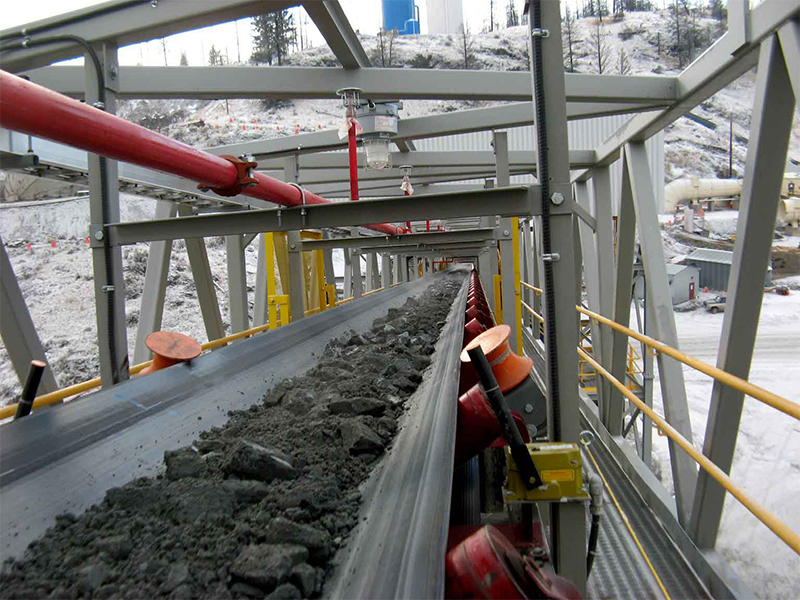
Underground Coal Sizing Feeder
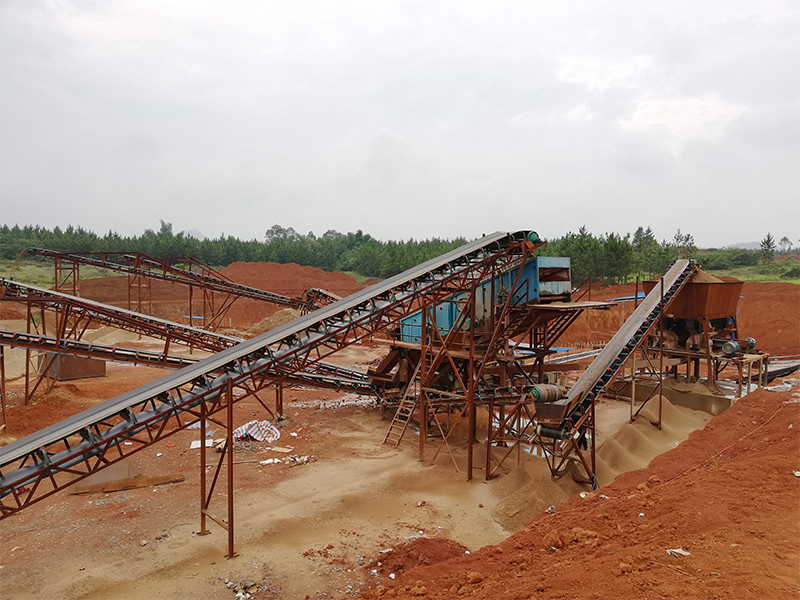
Ore Handling Facilities
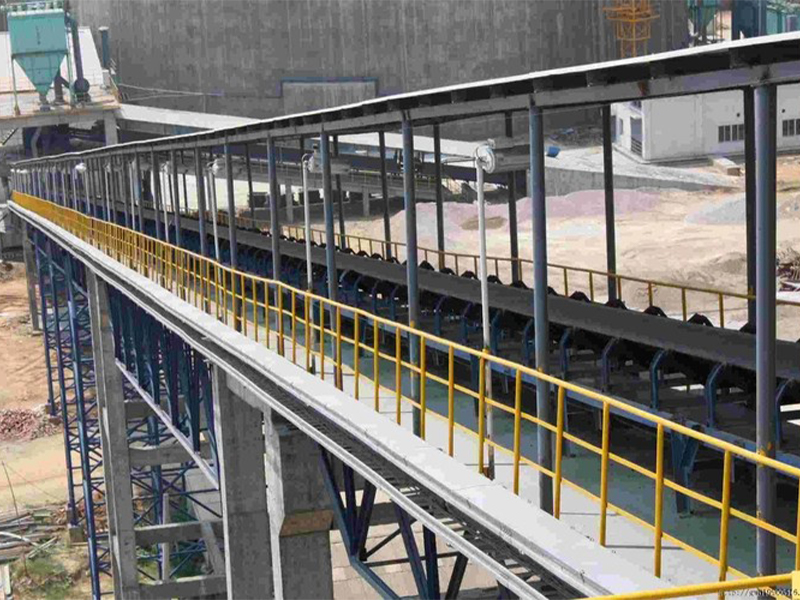
High-Temperature & Cold-Weather Raw Mill
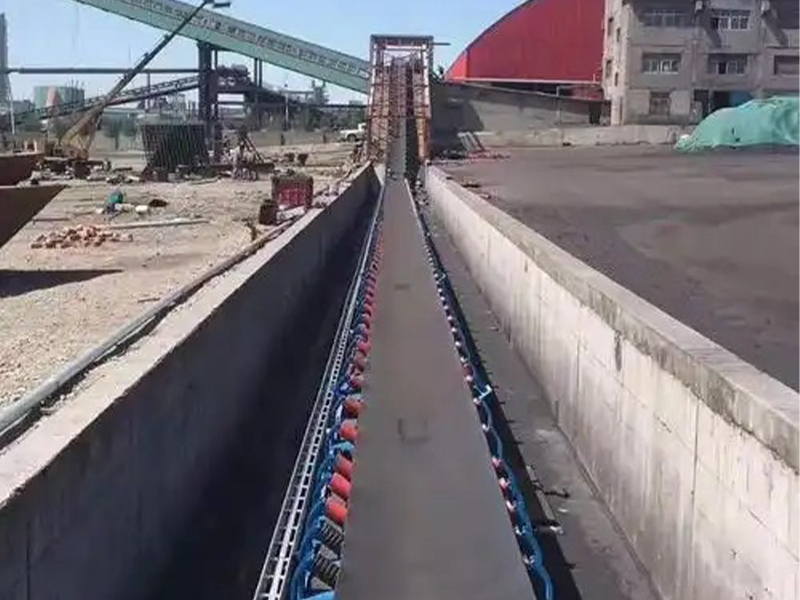
Long-Distance Bulk Coal Handling
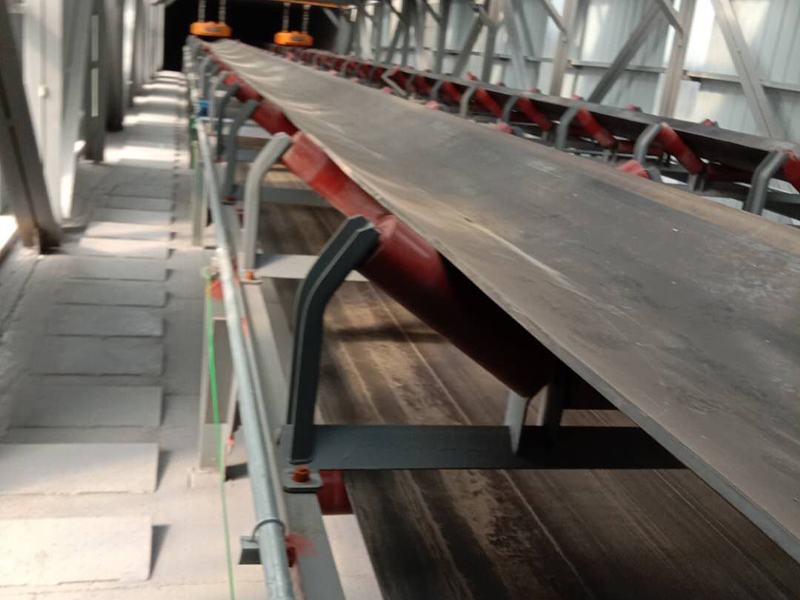
Sinter Transport Conveyor Setup
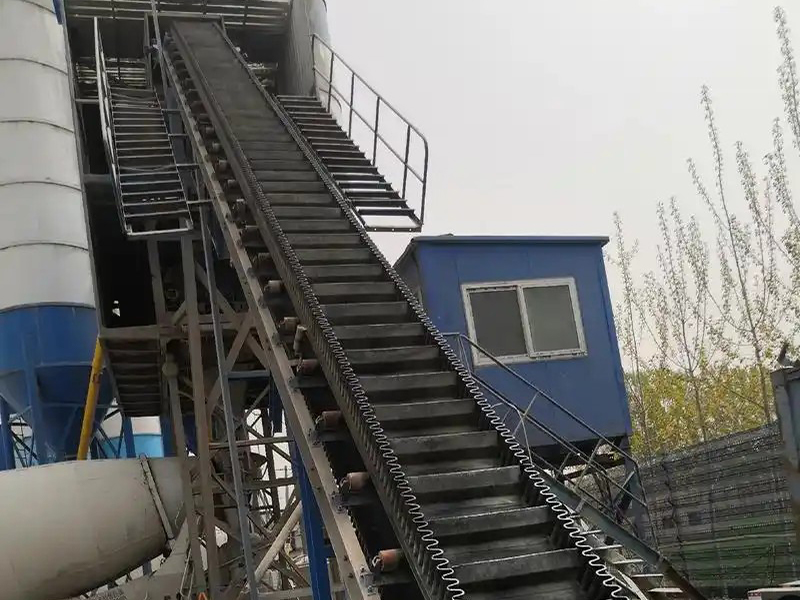
Blast Furnace Feeding Line
Comprehensive support services to maximize the lifecycle and reliability of your conveyor systems
Our service offerings cover all phases of conveyor operations, including installation guidance, splicing, vulcanization, and proactive wear analysis. We provide on-site technical evaluations to help identify issues like belt mistracking, cover wear, and splice deterioration before they result in unscheduled downtime.
Our service teams adhere to global guidelines (such as ISO and DIN standards) for conveyor belt repair and maintenance. We focus on optimizing belt tension, improving tracking, and maintaining structural integrity to reduce energy consumption and extend the service life of your equipment.
For installations in regions with harsh winter conditions, we offer cold-curing repair compounds and tailored splicing protocols designed to maintain bond strength in low ambient temperatures. We also supply custom-profiled cold-resistant repair strips to handle localized damage and minimize operational interruptions.
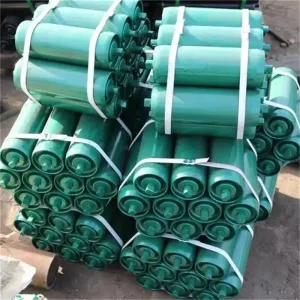
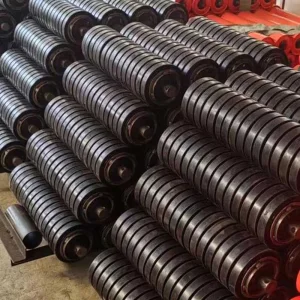
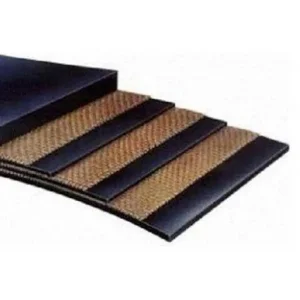
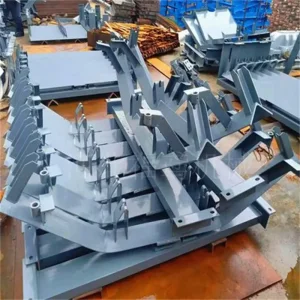
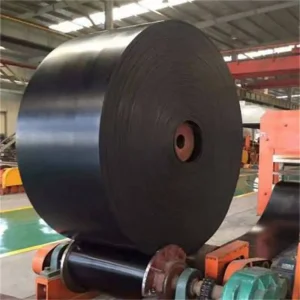
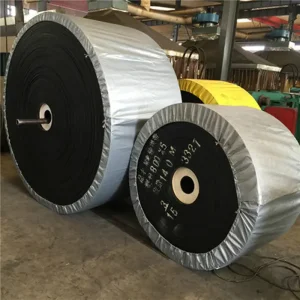
Hebei Boao Rubber Technology manufactures a wide variety of conveyor products, including multi-ply fabric belts (EP, NN, and Cotton), heat-resistant belts, oil-resistant belts, chemical-resistant belts, patterned anti-slip profiles, and steel cord reinforced belts. We also supply supporting hardware such as impact beds, troughing idlers, impact rollers, and mounting frames.
Detailed technical advice for common operating issues in low-temperature and high-slip bulk handling environments
A true cold-resistant belt is characterized by its glass transition temperature (Tg), cold elastic recovery index, and low-temperature impact brittleness. Unlike standard general-purpose belts that stiffen and crack at -15°C, cold-resistant covers are formulated with elastomer blends (such as Natural Rubber/Butadiene Rubber) that maintain flexibility down to -45°C or even -60°C. Standard ISO 4649 testing for abrasion and cold flex tests are used to verify these properties.
Standard flat belts lose material contact friction when carrying wet or frozen materials on inclines above 15 degrees. Patterned belts, such as Chevron or crescent profiles, provide physical support barriers. The profile height (ranging from 5mm to 32mm) creates a mechanical pocket that supports bulk materials, preventing rollback and allowing inclination angles up to 30 or 40 degrees depending on the material type.
Cold splicing with chemical adhesives can fail if the ambient temperature is below the curing agent's activation threshold (typically 15°C). For sub-zero field repairs, we recommend hot vulcanizing using portable heating presses with insulated blankets. If cold splicing must be performed, the splicing area should be enclosed and heated using space heaters to maintain a constant temperature during the curing cycle.
Formulating rubber compounds is a balancing act between low-temperature flexibility and abrasion resistance. Adding raw plasticizing oils to improve cold flexibility can sometimes increase volumetric wear loss. However, Hebei Boao Rubber uses premium grade synthetic polymers and carbon black reinforcing fillers to maintain low-temperature flexibility while keeping abrasion loss within international standards (e.g., DIN Y/X limits).
Complete your material handling infrastructure with high-strength belts and impact-absorbing idlers
 Boao Rubber