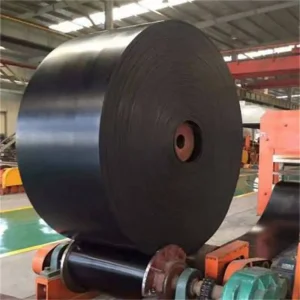
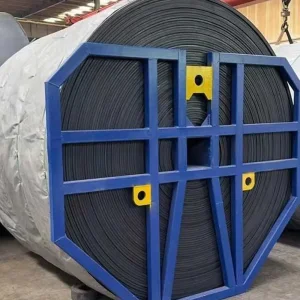
Explore our key industrial-grade rubber conveyor belts and supporting structure assemblies engineered for resilience, efficiency, and heavy bulk material throughput.
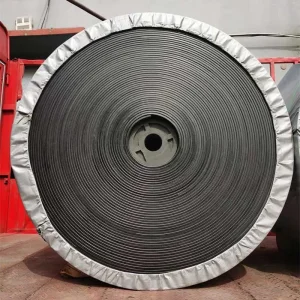
In the modern industrial landscape, rubber conveyor belts have become the backbone of bulk material transport systems across multiple sectors. From mining operations extracting raw materials from deep underground to port facilities handling millions of tons of cargo annually, heavy-duty rubber belts facilitate the seamless movement of materials that power our global economy. The evolution of these critical components reflects decades of engineering innovation, material science breakthroughs, and an unwavering commitment to operational efficiency and safety.
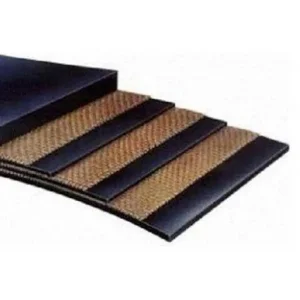
Historically, conveyor belts relied on simple cotton canvas reinforcements that were highly susceptible to moisture, rot, and limited tensile strength. Today's industrial applications demand advanced elastomeric polymer matrix composites reinforced with synthetic fabrics like Nylon (Polyamide, NN) or EP (Polyester-Nylon combination), and steel cord reinforcements. These modern components withstand extreme tensile strain, impact, and prolonged exposure to chemical degradation.
"As global industries pivot toward automation and higher processing capacities, the demands placed on belt conveyor rubber have shifted from basic reliability to advanced material longevity under severe mechanical stress."
Key technological drivers in the rubber belt industry include reducing rolling resistance (energy-optimized covers), introducing self-extinguishing flame retardants for underground mining, and enhancing adhesion layers to prevent delamination. Choosing a qualified manufacturer is no longer just about commodity purchasing—it is a critical calculation of total cost of ownership (TCO) and systemic uptime.
Understanding the critical performance metrics and supply realities that procurement managers handle daily across different geographic sectors.
Procurement teams operating in extreme climates require specific rubber compounds. From cold-resistant belts running in -50°C northern copper mines to heat-resistant covers handling 200°C sintered ores in steel plants, precise compounding is essential to prevent premature cracking.
Large lump materials like run-of-mine coal or heavy granite aggregates create massive drop impact forces. Global operations require steel wire rope cores or breaker-reinforced fabric plies to stop longitudinal tears before catastrophic belt failures occur.
Fertilizer plants, chemical processing facilities, and wood-chip handling sites expose conveyor belts to acids, bases, or organic oils. Standard elastomers swell and soften under these conditions; hence, specialized Nitrile (NBR) or customized synthetic blends are necessary.
In the past, conveyor belts were procured based on the lowest cost per meter. Modern procurement models calculate the TCO, which factors in maintenance costs, downtime loss, splicing efficiency, and belt life cycle expectancy. Purchasing from suppliers who offer integrated quality monitoring, detailed technical support, and strict chemical testing reduces operating expenses (OPEX) by up to 30% over the lifetime of a conveyor installation.
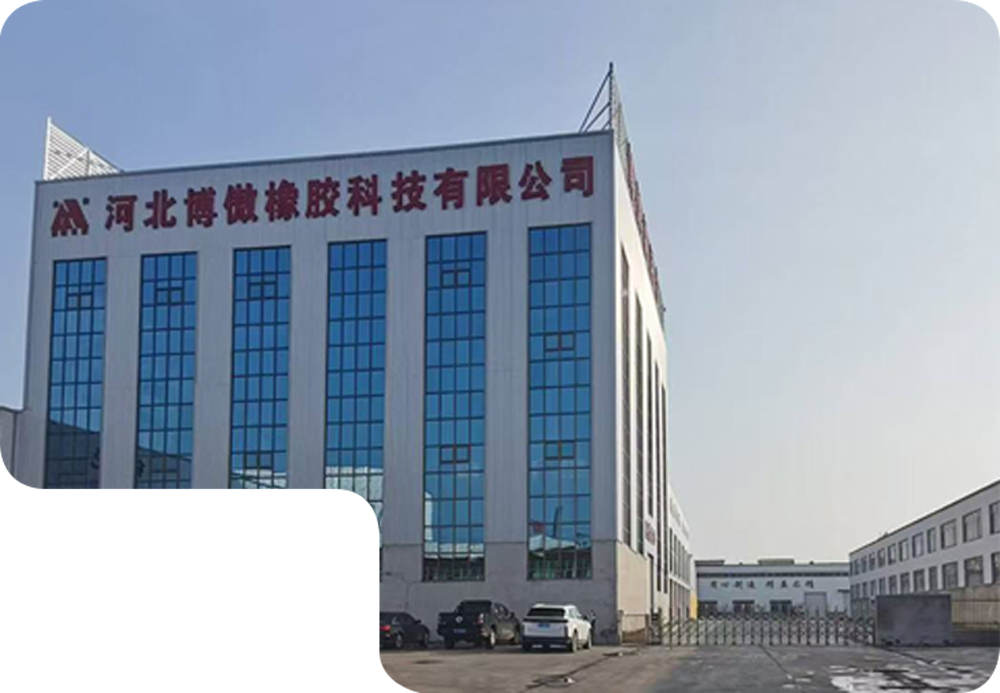
Located in the Rubber Industrial Park of Boye County, Baoding, Hebei Province, Hebei Boao Rubber Technology Co., Ltd. was founded in 2004 and covers an area of over 30 acres. Over 22 years of continuous engineering and structural optimization have made our flagship brand, "Jinao", synonymous with high-performance bulk material handling.
We are a professional manufacturer in China that integrates product development, research, design, manufacturing, and business services for conveyor belts and conveyor machinery accessories. We have also passed the international quality management system certification in one go. The company has multiple advanced equipment production lines for rolling, forming, vulcanization, and rubber testing (from raw materials to finished products).
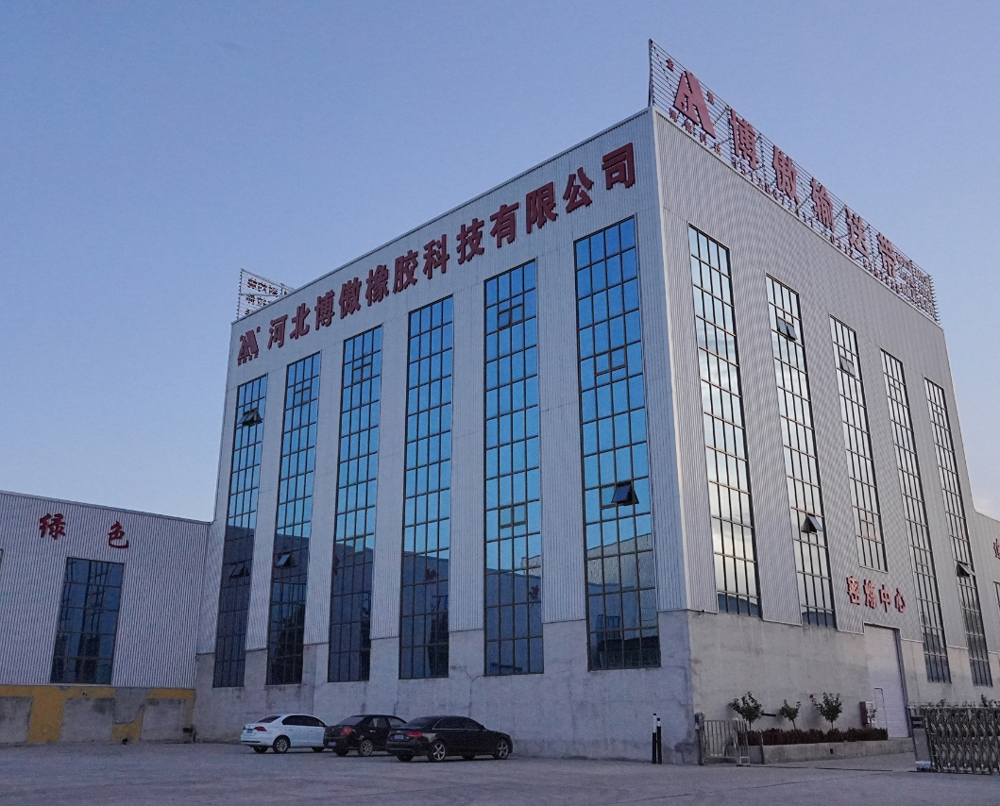
"Our independent physical testing and chemical analysis labs ensure no raw materials enter production unqualified, and no finished product leaves our facility without meeting international standards."
The global materials market demands consistent quality and rapid lead times. Hebei Boao meets this challenge by integrating Factory 4.0 automated control loops into our rubber processing and calenders. Automating rubber compounding ensures precise carbon black dispersion and polymer ratio consistency, which minimizes variations across different production runs.
Our proximity to major logistics hubs and domestic raw material producers protects our supply chain from global transport disruptions. By maintaining direct channels for synthetic fabric weaves and steel reinforcement elements, we ensure uninterrupted production even during peak demand periods.
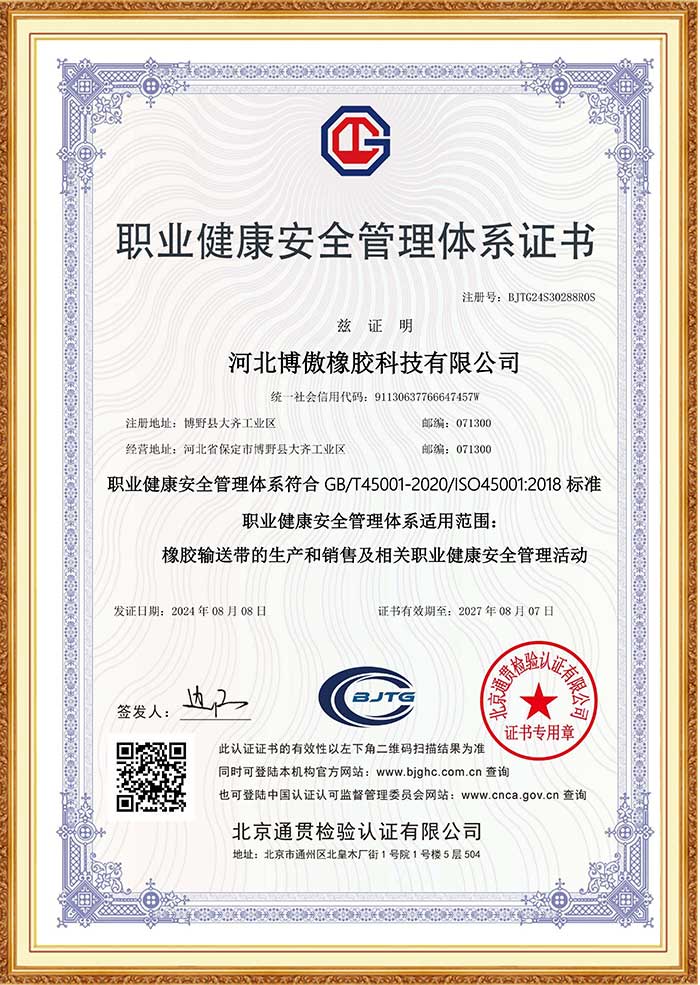
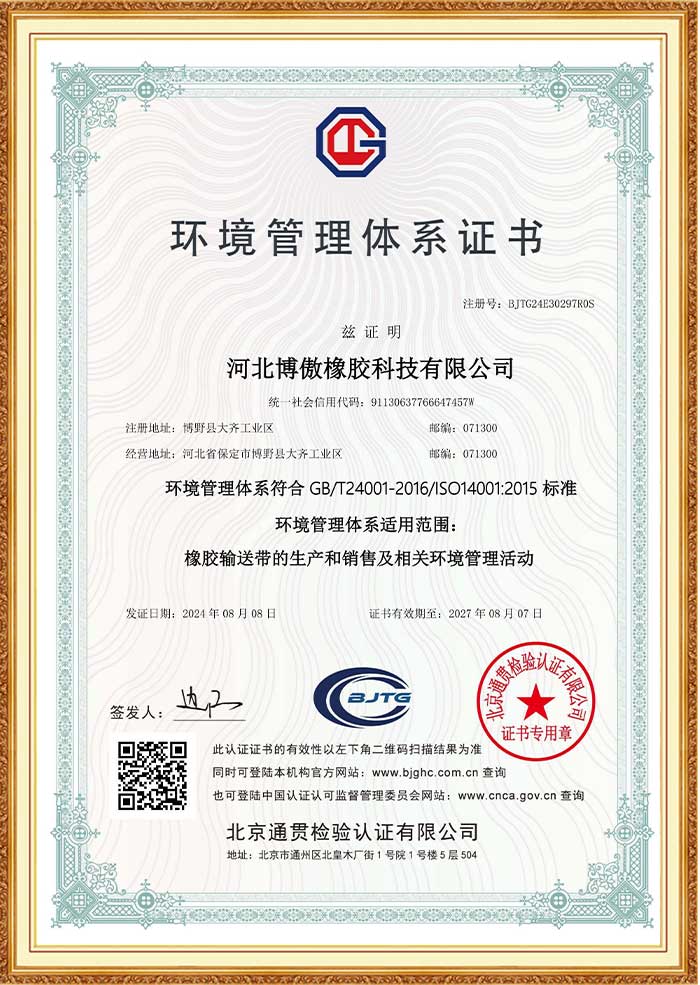
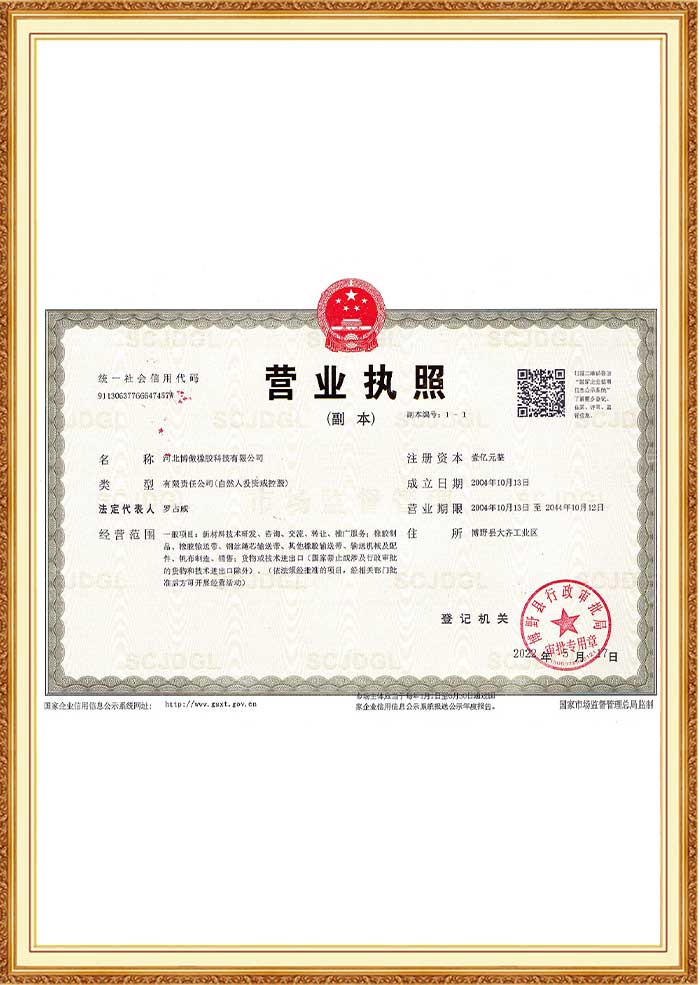
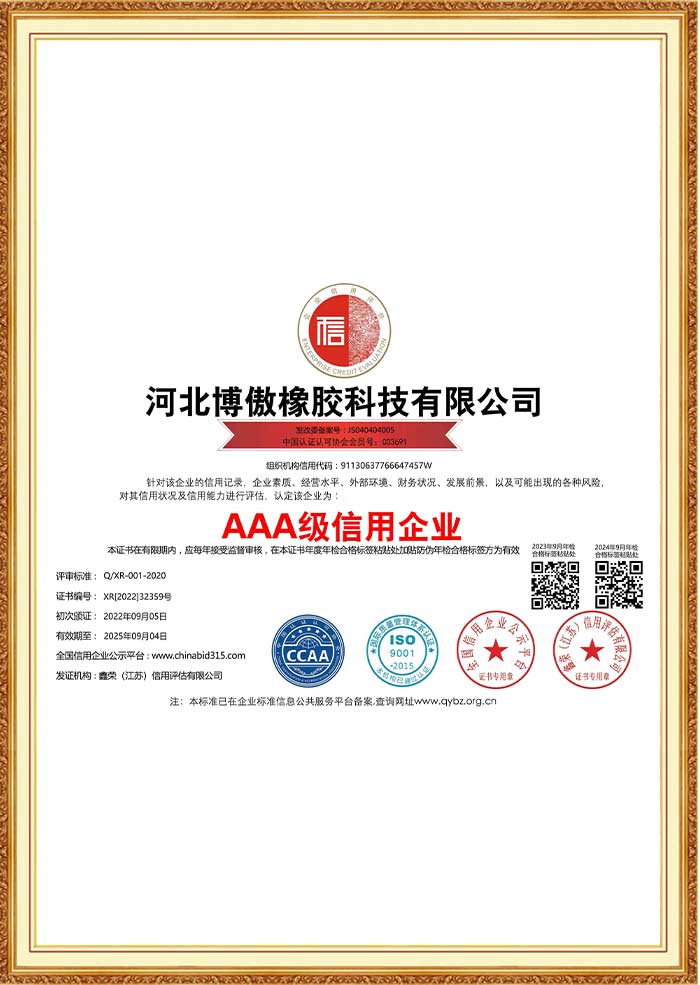
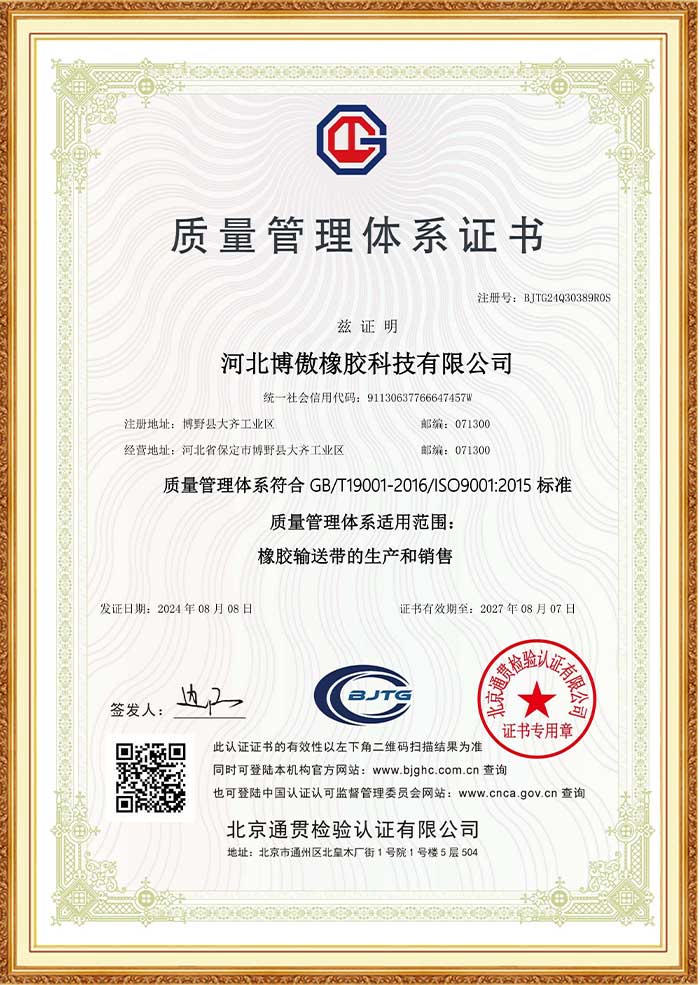
From custom fabric constructions to specialized supporting idlers and frames, we supply all components for bulk conveyor systems.
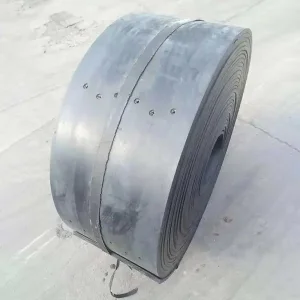
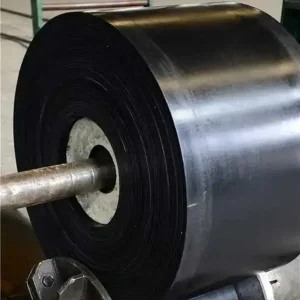
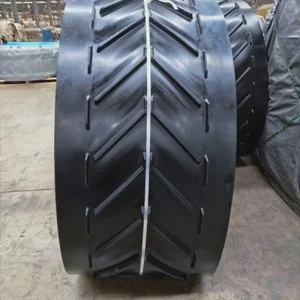
Ordinary conveyor belts (NN, EP, PP), heat-resistant conveyor belts, circular belts, high-temperature resistant belts, cold resistant belts, oil and alkali resistant belts, acid and alkali resistant belts, rubber waterstop belts, patterned belts (herringbone, pit shape), high inclination belts, and corrugated sidewall belts.
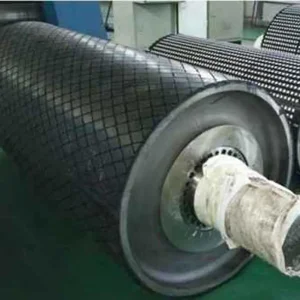
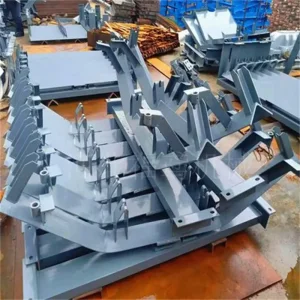
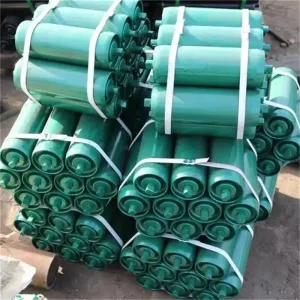
Roller series accessories, ceramic rollers, buffering rollers, roller groups, tracking/guiding rollers, motorized pulleys, rubber coated rollers, drive pulleys, magnetic separators, idler brackets (troughing, centering, tensioning), and lifting ears.
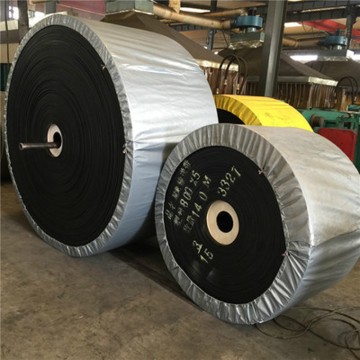
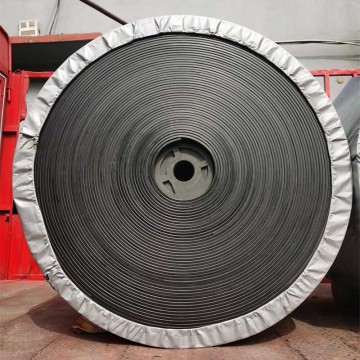
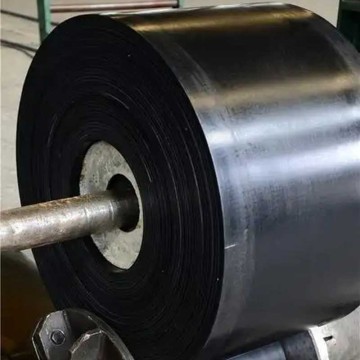
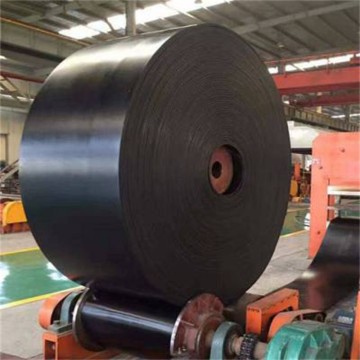
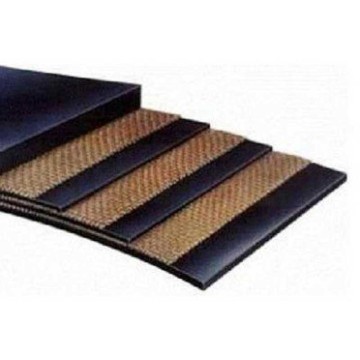
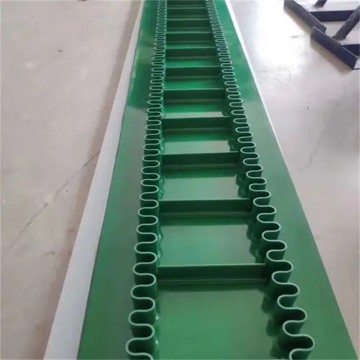
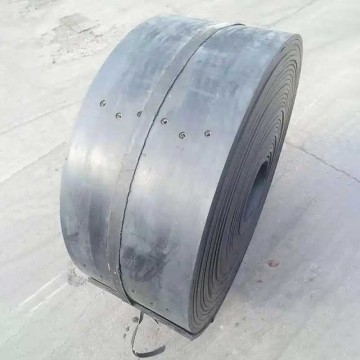
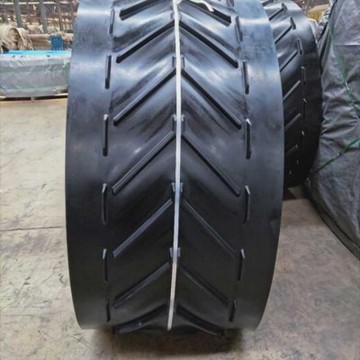
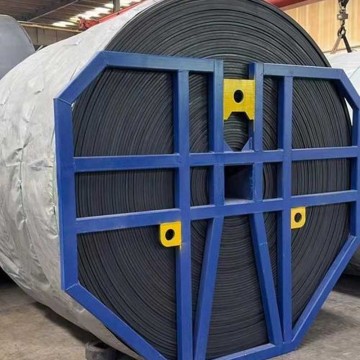
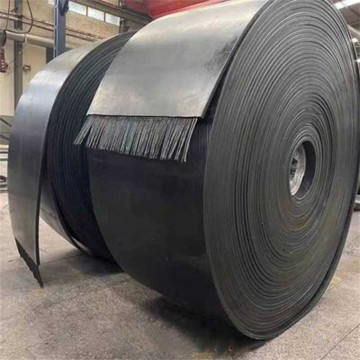
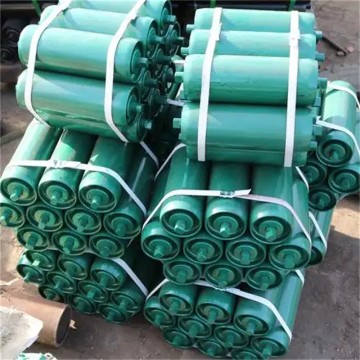
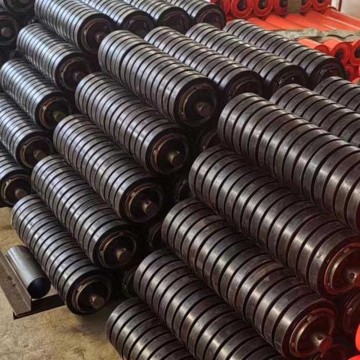
Our belts are tested in demanding commercial operations, serving large-scale steel plants, mining complexes, and energy networks.
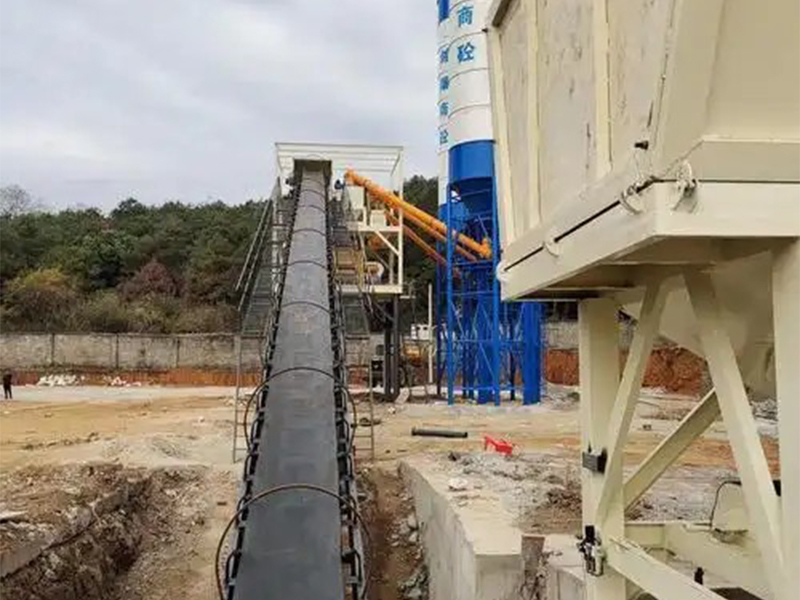
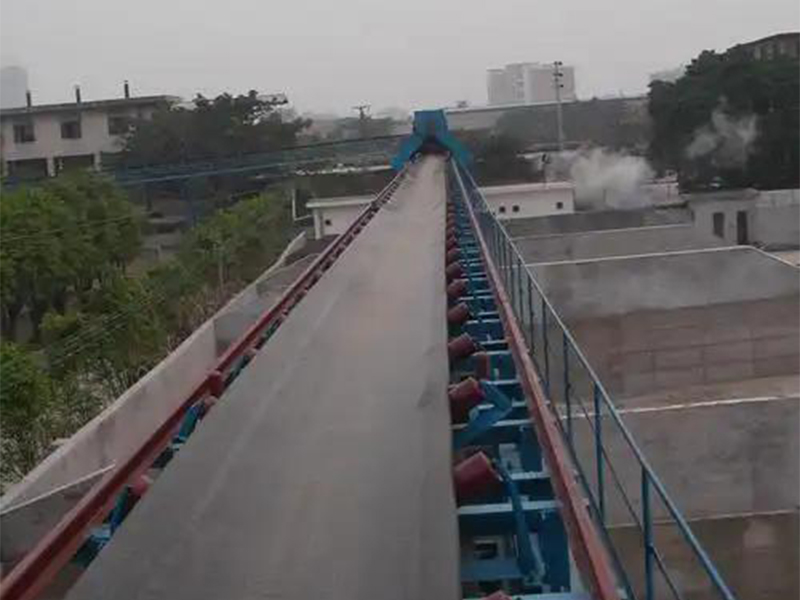
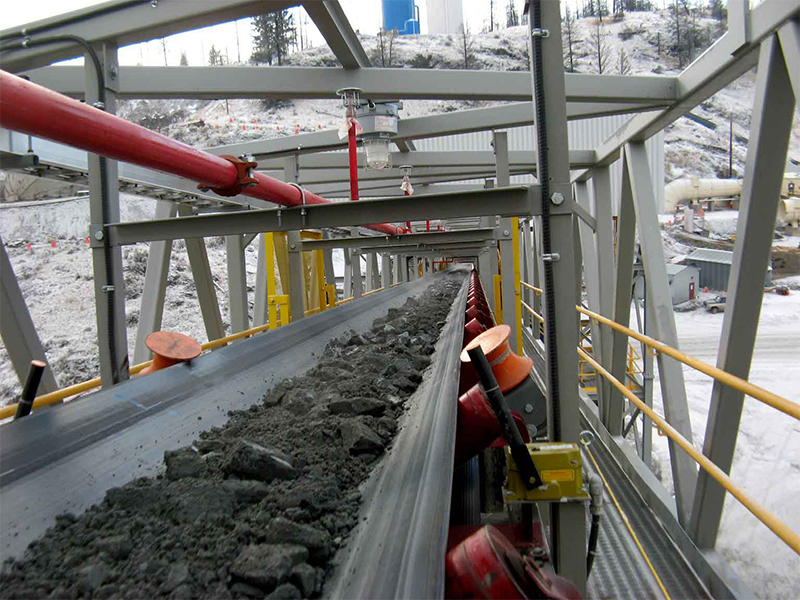
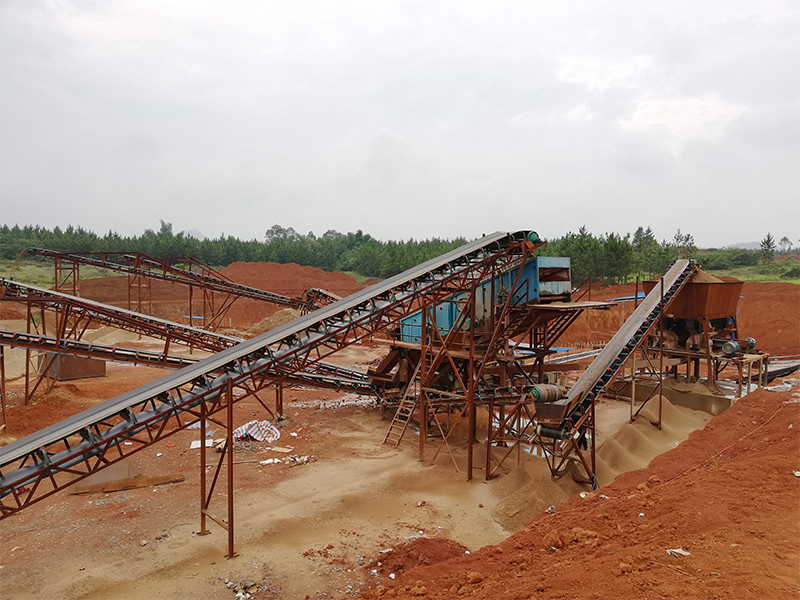
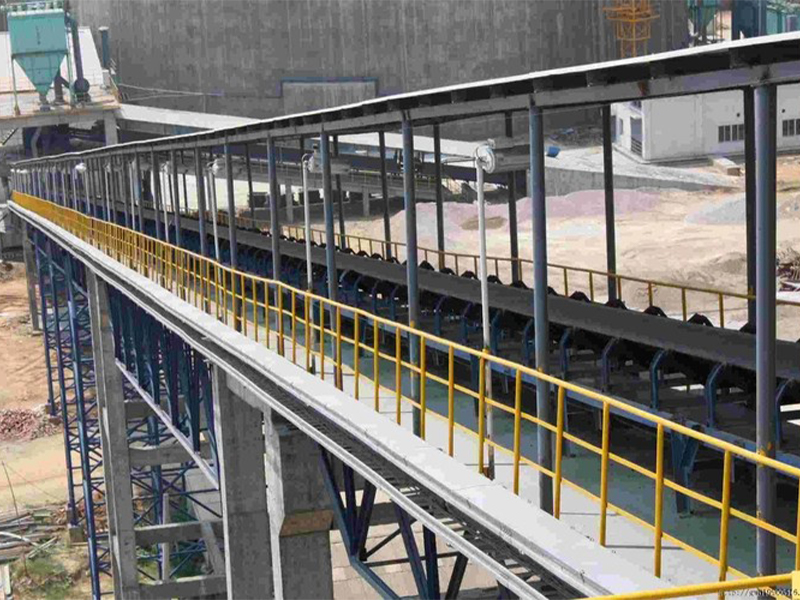
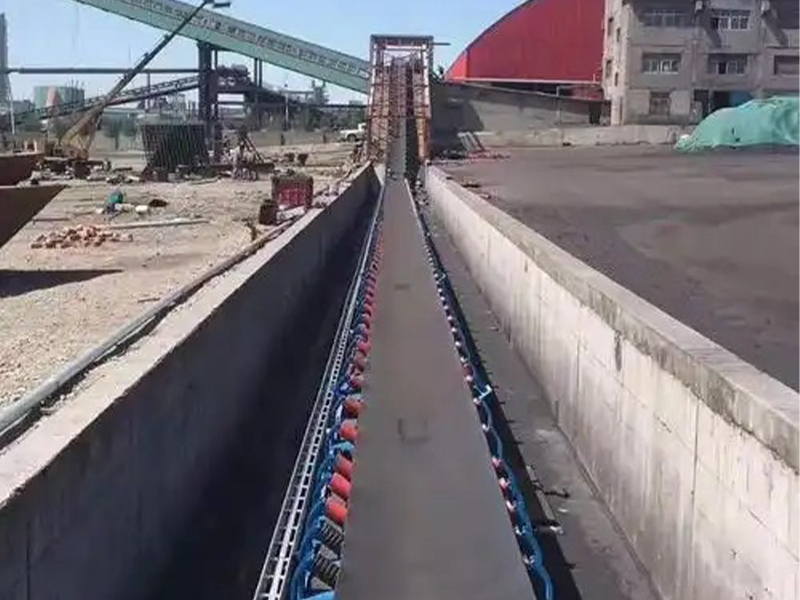
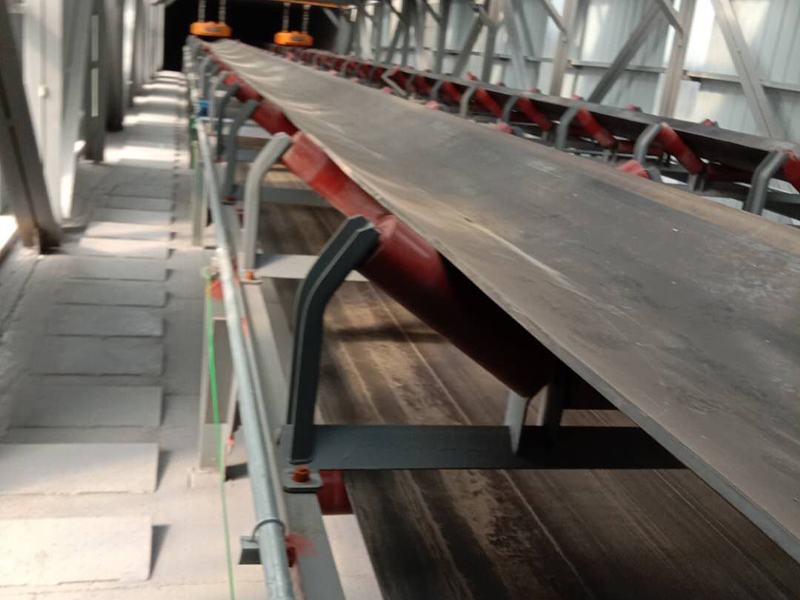
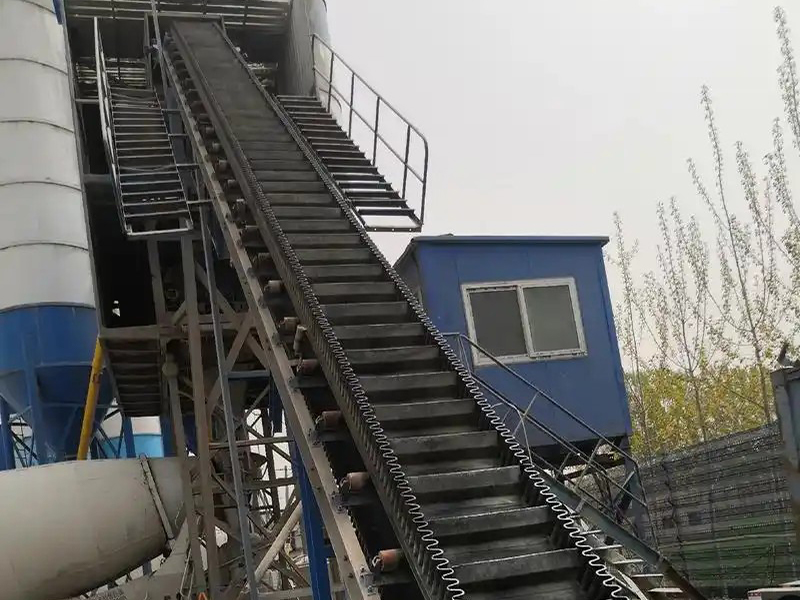
Skip the hassle of sourcing from multiple suppliers – our factory provides your ideal material transport and component solutions in one place. We offer comprehensive service programs to maximize belt operational life and efficiency:
Detailed technical answers to common queries on rubber conveyor belt selection, maintenance, and material characteristics.
Explore our specialized material handling components designed for cold climates, steep inclines, and specific industrial applications.
 Boao Rubber