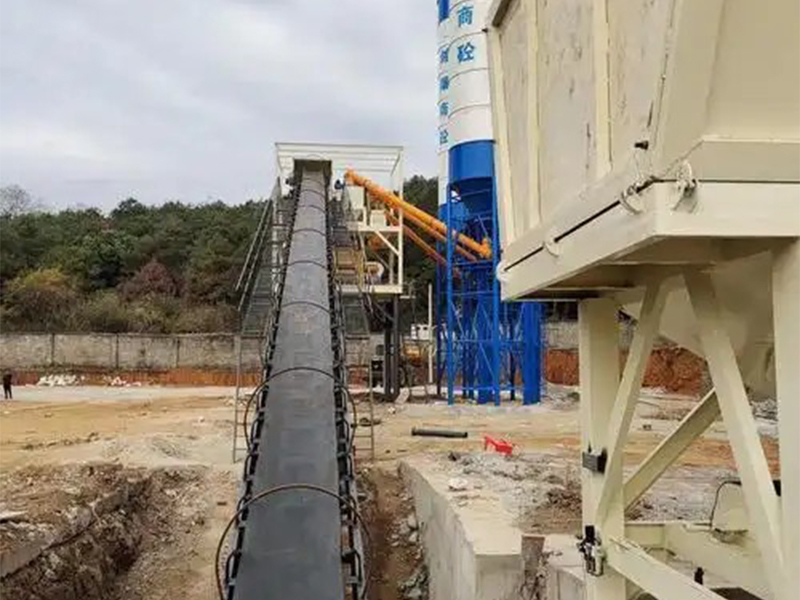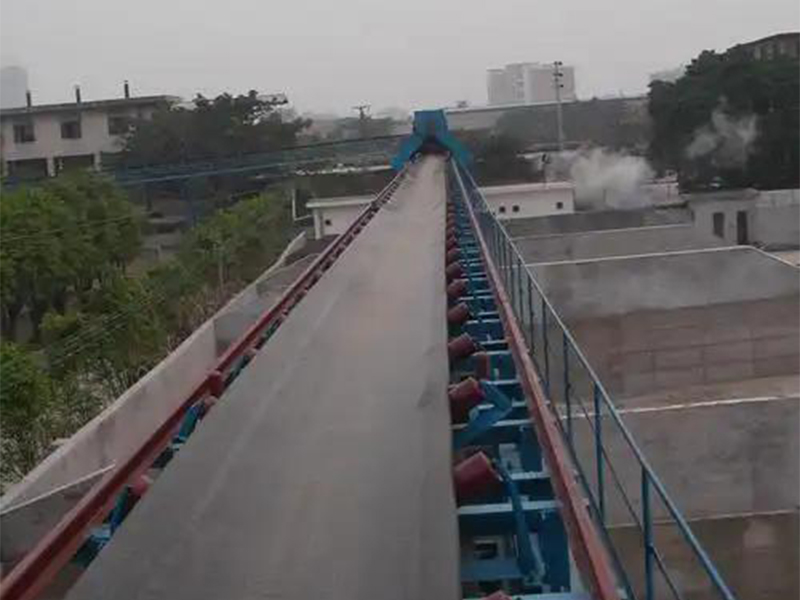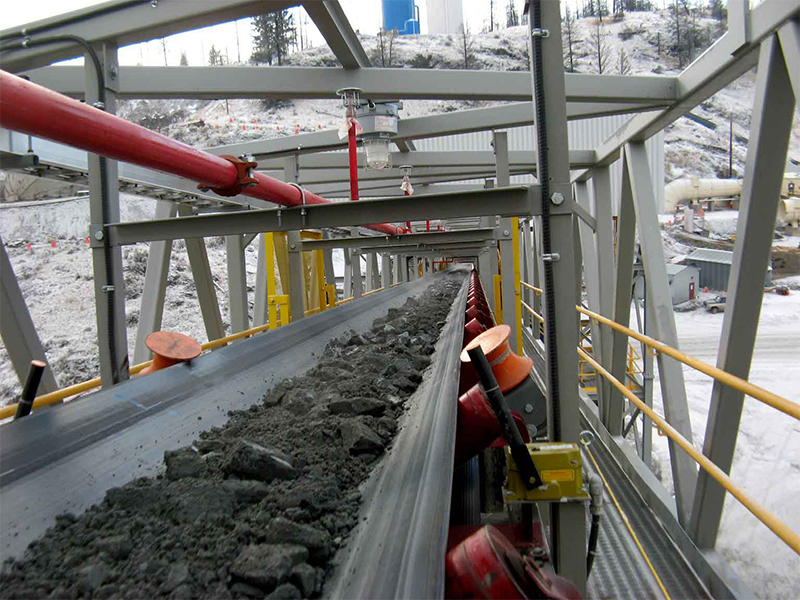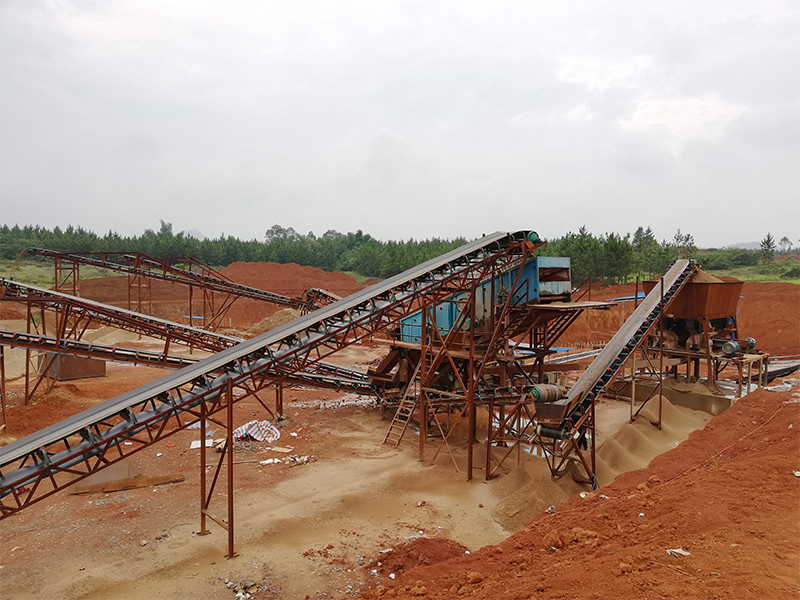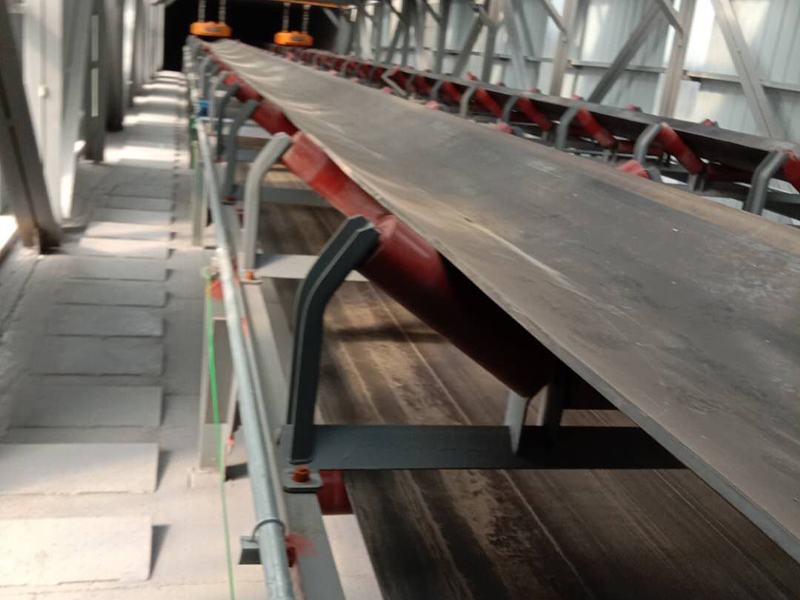
Ultra-high tensile strength steel cord belts built to execute long-distance conveying and high-drop aggregate transfer with minimal elongation.
View Specs
Equipped with transverse reinforcement layers to prevent catastrophic punctures and longitudinal slitting from sharp debris.
View Specs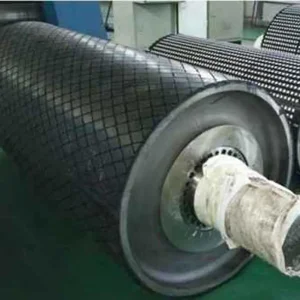
Precision-bearing idler rollers designed to maximize tracking stability and lower energy demands on heavy-duty belt lines.
View Specs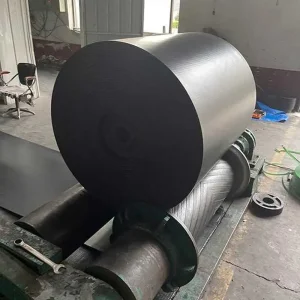
Self-extinguishing cover compounds compliance-certified for confined underground mine routes and grain terminal silos.
View SpecsGreater Boston's industrial ecosystem demand represents a highly specialized market for bulk logistics. From handling road salt terminals in the port zones to processing hard aggregate stone throughout Middlesex and Norfolk counties, bulk movement systems face harsh operational pressures. Cold New England winters combined with coastal moisture accelerate structural corrosion and material freezing, necessitating high-performance solutions.
At the Port of Boston and surrounding transfer points, conveyor belts operate continuously under immense loading conditions. Heavy aggregate aggregates, crushed granite, and coal require transport systems featuring exceptional dynamic splice strength and tear resistance. Standard fabric belts often stretch and slip, resulting in unacceptable operational downtime. The solution lies in specialized Steel Wire Rope Core Belts, designed to offer high tension capacity, minimum stretch, and extended lifespans under severe operating conditions.
Request Localized Project AssessmentConveyor installations operating within Massachusetts must comply with rigorous safety frameworks. The state enforces strict MSHA safety regulations regarding dust containment, explosive prevention, and fire suppression. Our specialized conveyor series feature advanced flame-retardant compound formulations tailored for restricted gallery enclosures and municipal waste-to-energy infrastructures.
The internal core of the conveyor is formed from highly configured zinc-coated steel cords. These cords are split into left-hand and right-hand twists to guarantee optimal tracking alignment. By coating the core strands in pure zinc, they remain completely protected against internal rust and core rot caused by marine moisture or aggregate acidity.
A key issue with standard steel cord belts is cord pull-out. We employ a unique, high-penetration bonding rubber compound that wraps around every individual steel cord filament. This maximizes mechanical adhesion and shear stress limits, making core separation virtually impossible even under intense impact or tight vertical curves.
For operations handling abrasive or sharp materials (such as recycling and granite crushing), we integrate a transverse polyester-steel breaker mesh above the main wire core. This serves as a secondary shield, preventing sharp objects from piercing the belt and causing catastrophic failure down the conveyor line.
Designed to support conveying setups with extreme drop zones and vertical elevation angles. Our vulcanized rubber compounds comply with international DIN and AS standards, showing outstanding resistance to cutting, ozone damage, and continuous surface abrasion.
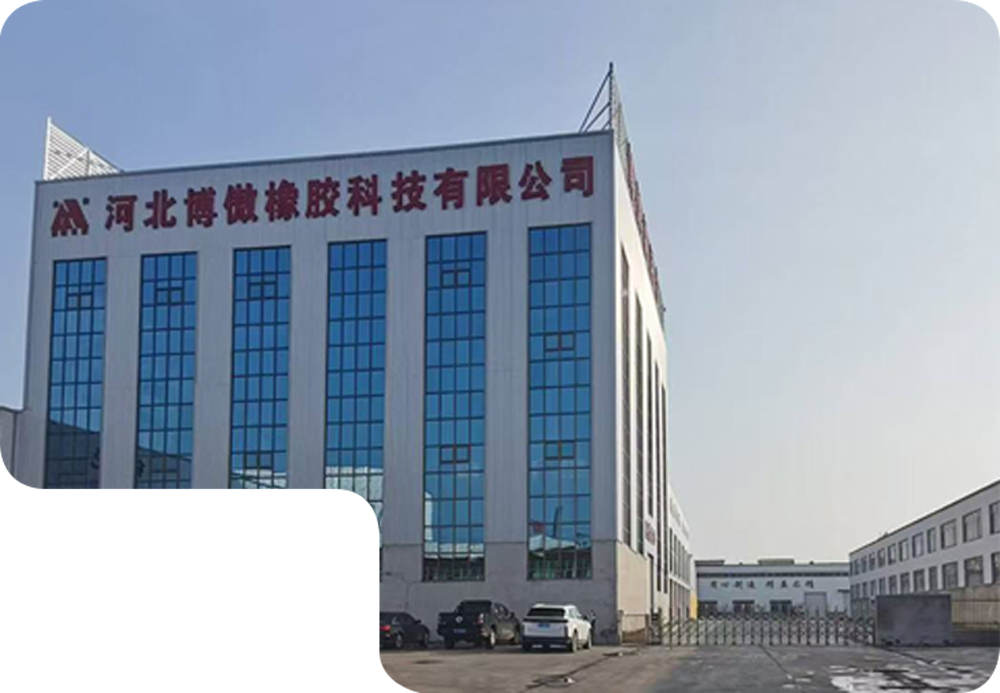

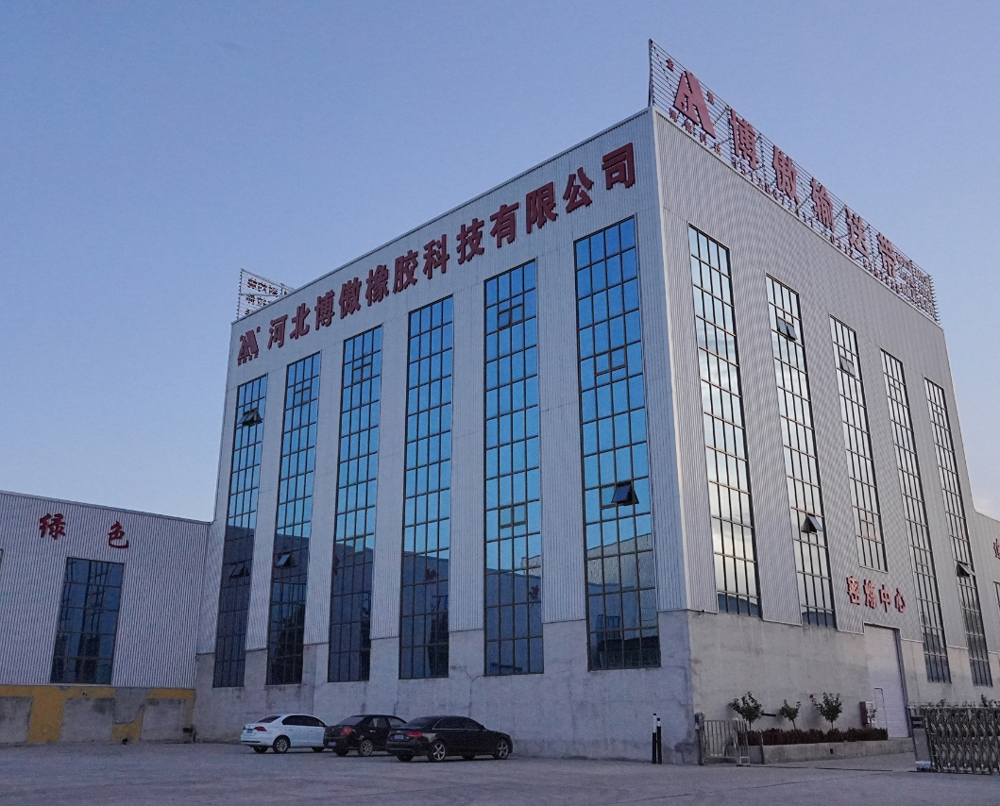
Established in 2004 in the prestigious Rubber Industrial Park of Boye County, Baoding, Hebei Province, Hebei Boao Rubber Technology Co., Ltd. has developed into a premier manufacturer of heavy-duty conveyor systems. Under our flagship brand "Jinao", we operate a 30-acre manufacturing plant integrated with production, material design, and custom fabrication.
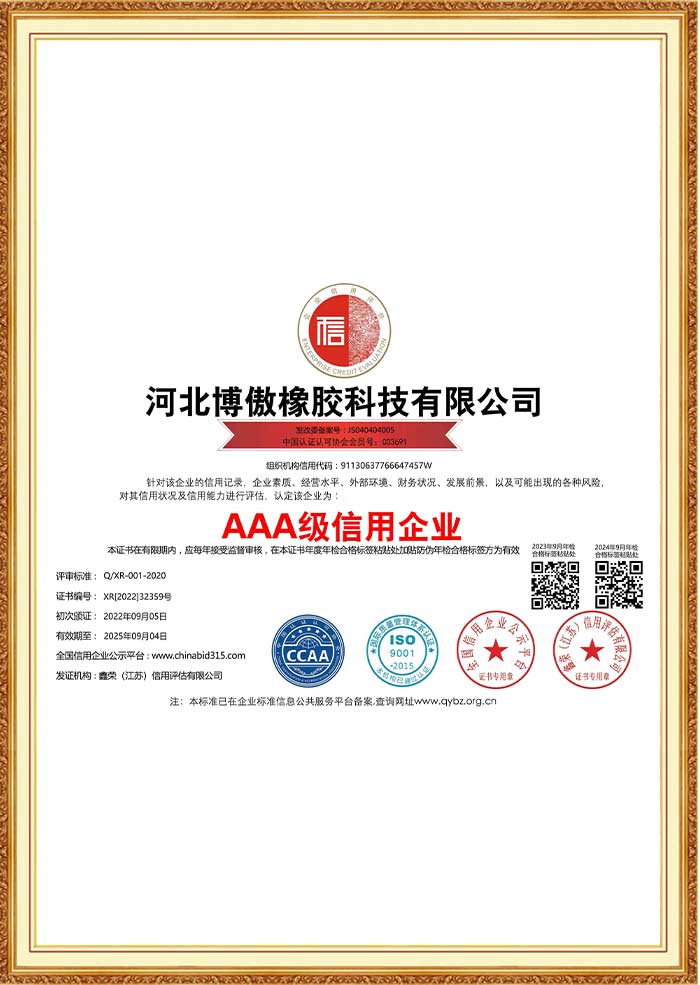
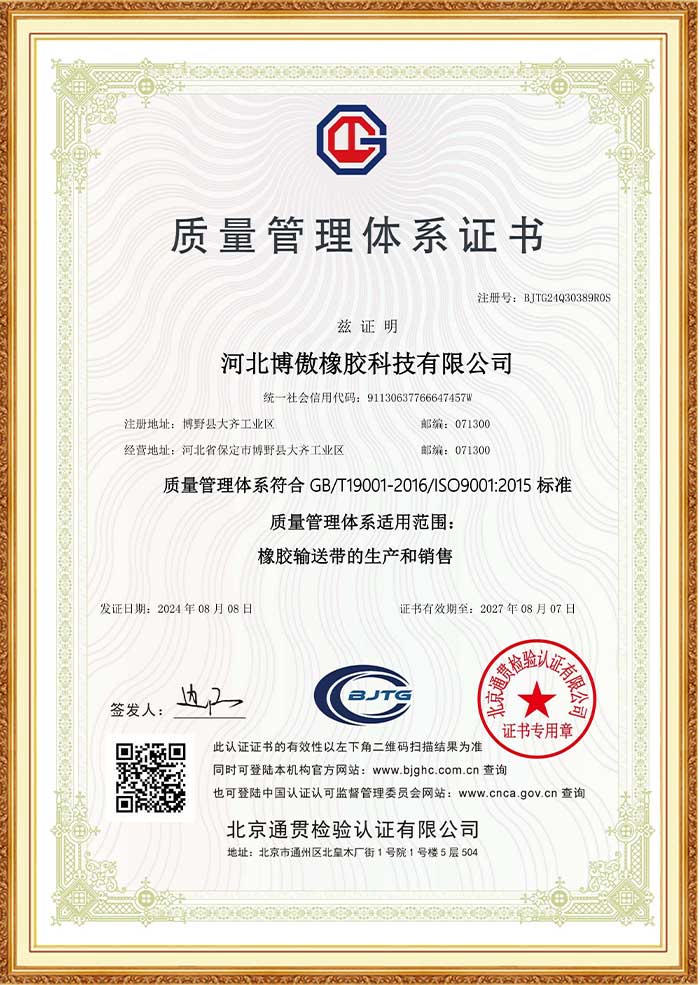
By utilizing advanced production machinery—including high-capacity multi-roller calendering lines, heavy-duty vulcanizing presses, and automated raw material mixing units—we guarantee consistent batch-to-batch quality. Our facility is certified with the international ISO 9001:2015 quality management system, and all production processes are monitored in real time.
Download Factory White Paper





Analyzing rubber formulations ensures premium polymer ratios and uniform carbon black distribution, resisting thermal cracking and atmospheric oxidation in coastal locations.
Verifying the bonding strength between steel wire ropes and surrounding rubber, ensuring no core separation under high-tension operating conditions.
Evaluating the breaking load limit of finished belts and individual steel cords, guaranteeing safety factors conform to global engineering requirements.
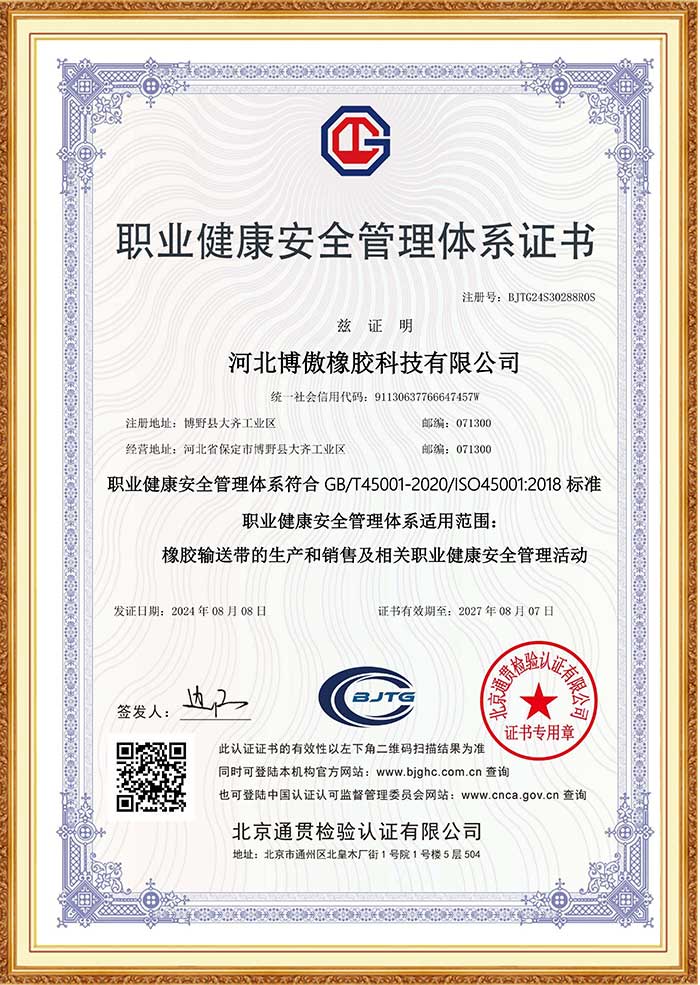
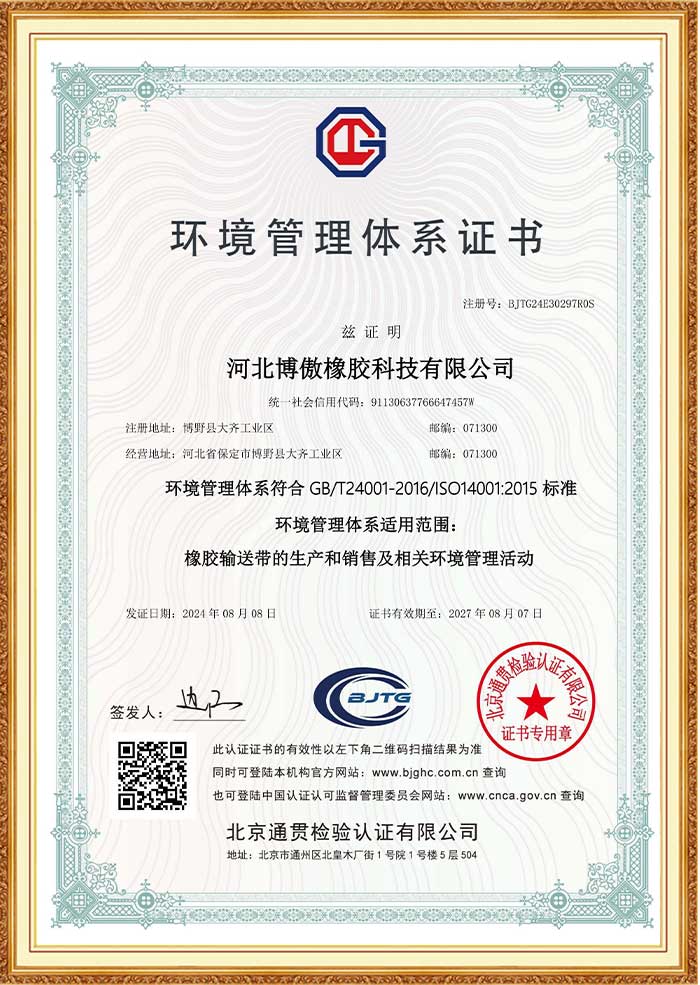
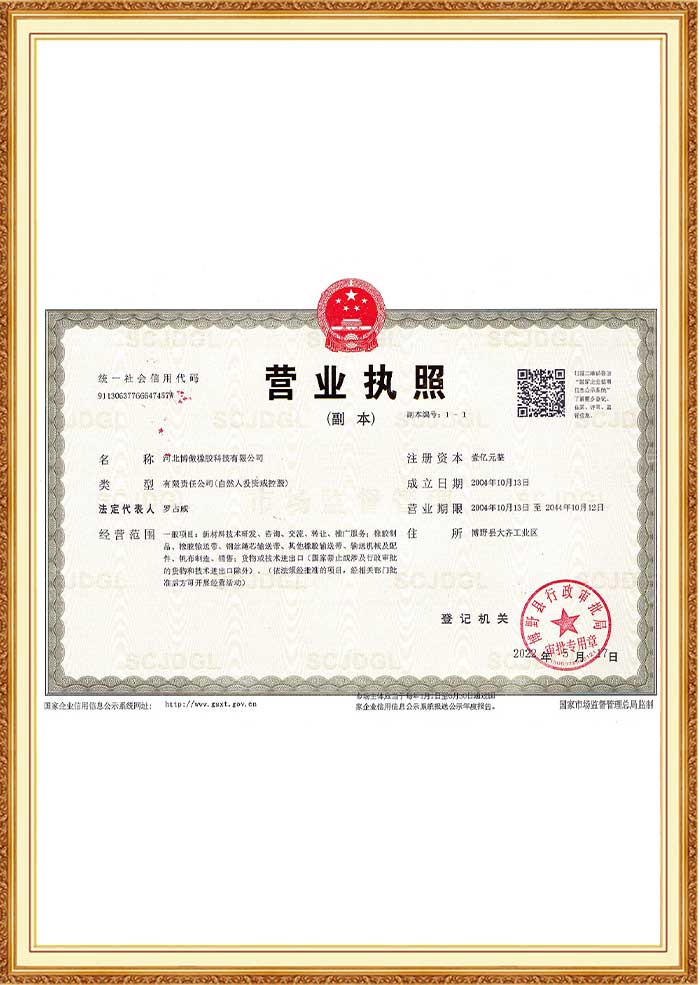
Scheduled assessments, sensor installations, and monitoring protocols designed to detect cord degradation and belt wear prior to failures.
Customized splicing kits and guidelines designed to achieve 100% splice efficiency, matching the rated breaking strength of the belt.
Custom warehousing models and emergency backup stock strategies designed to guarantee immediate dispatch for critical transport components.
Direct access to our engineering division for custom belt path layouts, roller configuration planning, and system calculations.
Optimized for mining and coal handling operations, featuring a robust steel core for long-distance transport.
Learn More
Absorbs shock loads at material loading points, protecting both the conveyor belt structure and internal steel wires.
Learn More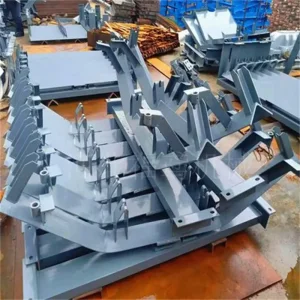
Precision-engineered structural steel brackets, available in standard widths to ensure optimal conveyor alignment.
Learn More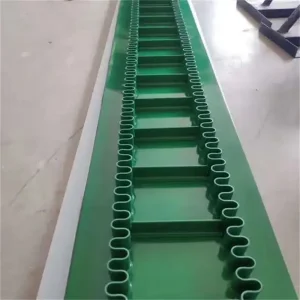
Designed for light aggregate, woodchip sorting, and material packaging lines demanding precision tracking.
Learn More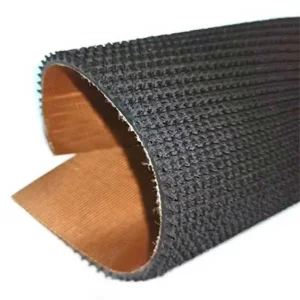
Featuring specialized concave, convex, and chevron patterns to prevent material fallback on inclined systems.
Learn More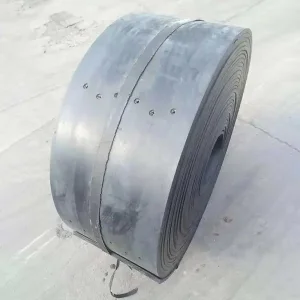
Engineered for vertical lift structures, providing high bolt-holding capacity and tear-resistant rubber layers.
Learn More
Built to withstand friction-induced heat, providing maximum fire safety for underground and grain storage systems.
Learn More
High tensile strength vertical belts optimized for heavy material elevators in ports and industrial hubs.
Learn More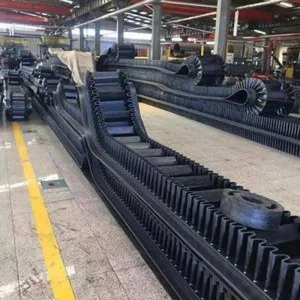
Designed for steep and vertical bulk material handling, preventing slide-backs in confined spaces.
View Product
Optimized vertical elevator belting designed to support heavy bucket arrays for grain and cement handling.
View Product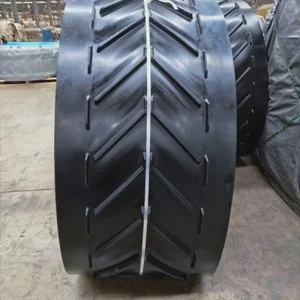
Provides excellent traction for wet or loose bulk products on inclined structural conveyors.
View Product
Protects components and maintains belt tracking in chemical exposure and high-humidity areas.
View ProductFor steel cord conveyor belts, global standards generally mandate a design safety factor between 6.7:1 and 8.0:1. For complex, long-distance installations, dynamic analysis models can optimize this ratio down to 5.0:1, reducing installation weight and structural costs.
Open-air marine transport, such as ports in Boston, exposes belt structures to high humidity and salt spray. Zinc coating creates a sacrificial barrier that prevents core oxidation and subsequent rust propagation even if the outer rubber gets cut.
For handling jagged granite and limestone, we recommend DIN X or RMA Class 1 rubber covers. These heavy-duty compounds offer high resistance to cutting, tearing, and surface abrasion, extending operational lifespans by up to 50% compared to standard compounds.
Splicing a steel cord belt involves cutting the rubber cover back to expose the internal steel cables, matching the wire layout to form an interleaved finger-joint splice, inserting vulcanizing tie-gum rubber, and heating the assembly under a pressure press at 145°C.
We offer direct ocean freight container shipping from Tianjin Port to the Port of Boston. Belts are packaged in heavy-duty steel reels with protective wooden lagging to prevent transport damage, with typical delivery times ranging from 28 to 35 days.
Yes, our specialized flame-retardant conveyor series meet MSHA Title 30 CFR safety requirements and comply with flame-resistance tests. This guarantees self-extinguishing performance in confined underground mining and bulk grain transport facilities.
Get in touch with our engineering team today to receive a detailed cost proposal, custom dimension calculations, or a dynamic splice diagram for your site.
Send Inquiry Now Boao Rubber