Select from our premium lineup of high-precision PVC and Polyurethane lightweight conveyor belts engineered for distribution and packaging efficiency in Mexico City.
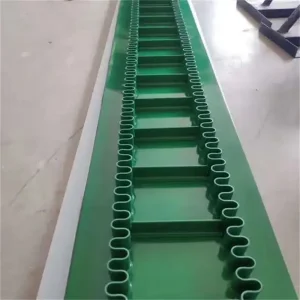
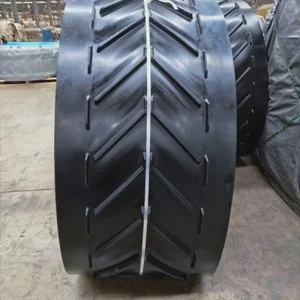
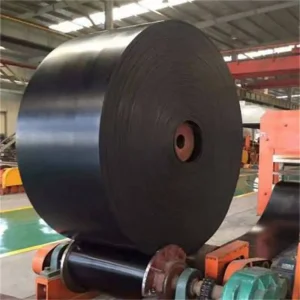
The industrial architecture of Mexico City and its adjacent metropolitan zones, including Cuautitlán Izcalli, Tlalnepantla, and the Vallejo Industrial Corridor, has experienced a profound shift. Driven by global nearshoring trends, e-commerce distribution centers, and an expansive food and beverage sector, the region demands next-generation lightweight belting systems that minimize down-time and satisfy stringent sanitation and precision targets.
For operations managers and procurement executives sourcing from global manufacturers, lightweight PVC and Polyurethane (PU) conveyor belts are no longer simple commodities; they are key structural elements of high-efficiency production lines. In automated packaging, sorting corridors, and assembly areas, the choice of top-face polymers determines the operational lifecycle, cleanability, and processing speed of the entire plant.
Selecting the correct synthetic layer requires analyzing mechanical requirements, FDA/USDA certifications, chemical exposure limits, and working temperatures. Below is a comparative blueprint of both core compounds.
| Property / Specification | Polyvinyl Chloride (PVC) Belts | Polyurethane (PU) Belts |
|---|---|---|
| Main Application Fields | General logistics, airport luggage handling, bulk processing, building materials. | Food processing (direct contact), pharmaceutical manufacturing, precision electronics. |
| Oil & Chemical Resistance | Moderate. Susceptible to swelling when exposed to saturated plant fats and cooking oils. | Excellent. Impervious to animal fats, vegetable oils, and common industrial solvents. |
| Abrasion Resistance | Good, suitable for standard packaging weight profiles. | Superior. Offers up to 3x the puncture and cut resistance of standard PVC. |
| Operating Temp Range | -15°C to +80°C | -30°C to +110°C (Highly stable in deep freeze applications) |
| Knife-Edge Suitability | Fair to moderate. Requires larger pulley diameters to prevent premature cracking. | Outstanding. Exceptional flexibility allows for micro knife-edge transfers down to 3mm. |
| Safety & Certification | Mainly flame-retardant (ISO 340) and anti-static variations. | FDA, USDA, EU 10/2011 food-contact approvals. Non-toxic, zero-leaching. |
Standard specifications often fall short on complex incline systems, packaging line sorting, or hygienic production. Our production line delivers specific tracking modifications to optimize conveyance.
High-frequency welded flights, cleats, tracking guides (V-guides), and corrugated sidewalls. Engineered using matched raw PVC/PU compounds to guarantee high bond strength under tension.
To eliminate fabric fraying and contamination in sensitive environments, we implement mechanical hot-melt edge seal technologies (Kapp-sealing) to lock internal polyester plies.
Essential for electronic component manufacturing, automated print checking, and sorting lines. Integrated conductive carbon wire fabrics prevent electrostatic discharge build-ups.
For multinational corporations routing parts assembly or food processing through central Mexico, compliance documentation is critical. Every conveyor system built using our lightweight PVC-PU materials is configured to ease trade processes and satisfy local industrial checks.
Under the Mexican Federal Commission for the Protection against Sanitary Risks (COFEPRIS) and global bodies like FDA and EU directives, food-contact belting must stay free of plasticizer migration. Our PU and specialized PVC formulations are verified non-porous, reducing chemical breakdown and supporting clean-in-place (CIP) washdowns without structural cracking or bacteria harbor points.
By using direct-factory lines, procurement leads gain access to trace records for raw materials, production heat numbers, and comprehensive laboratory reports, building audit-ready records for end customers.
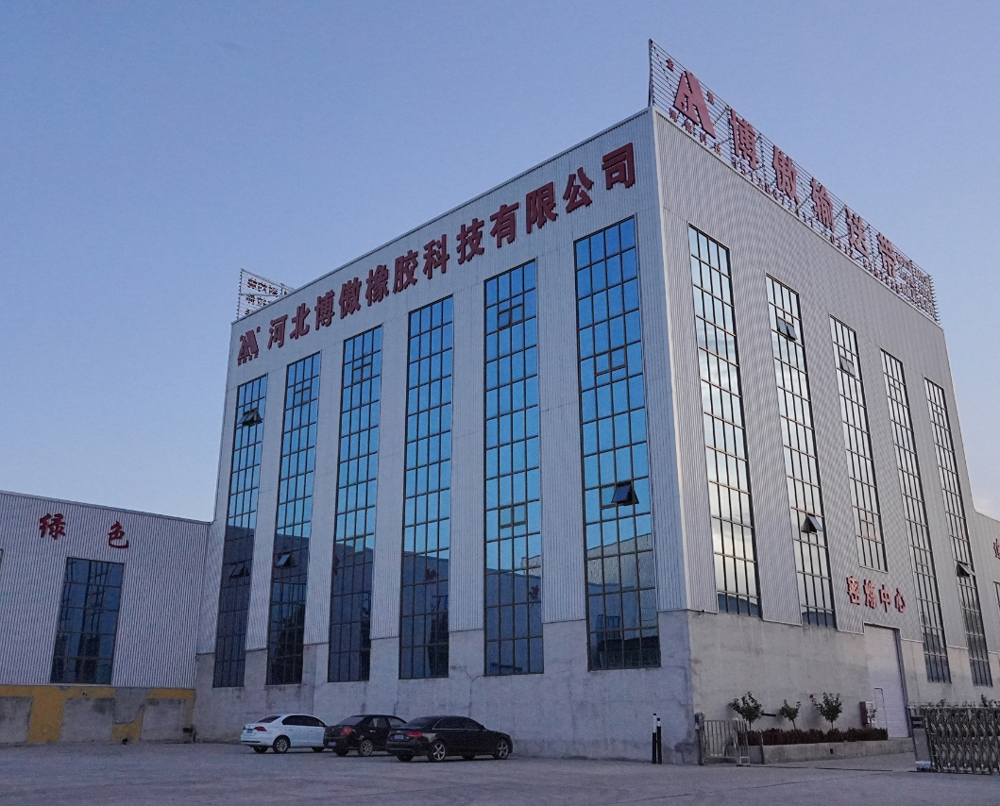
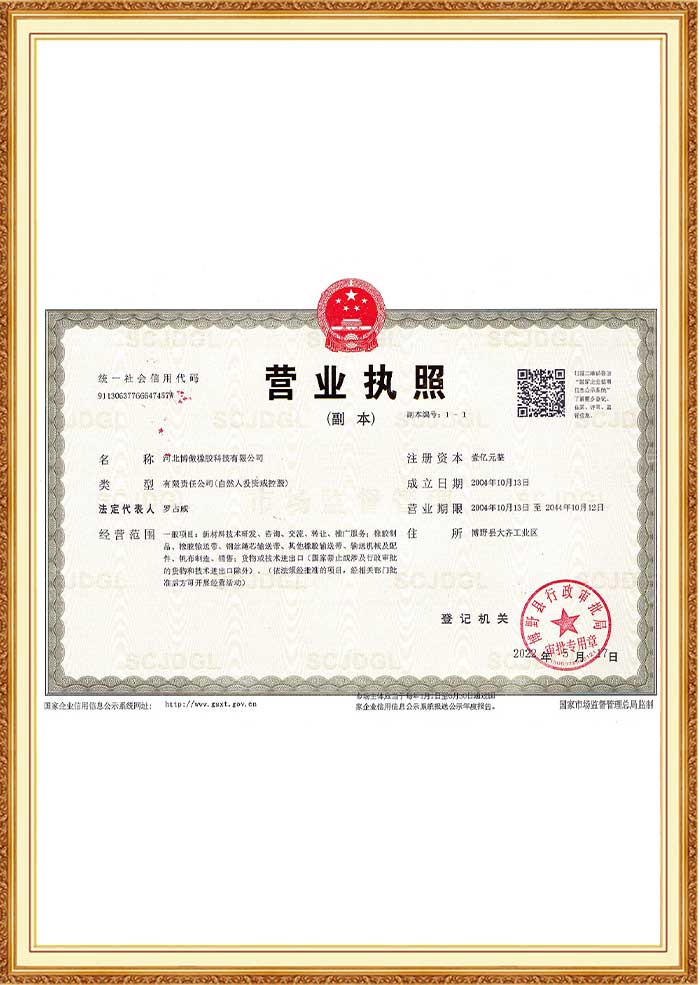
Established in 2004, Hebei Boao Rubber Technology Co., Ltd. (operating under the global mark "Jinao") is a major manufacturing force in China's conveyor technology space. Spanning a 30-acre industrial footprint, Boao offers complete, single-source conveyor design, production, and service networks.
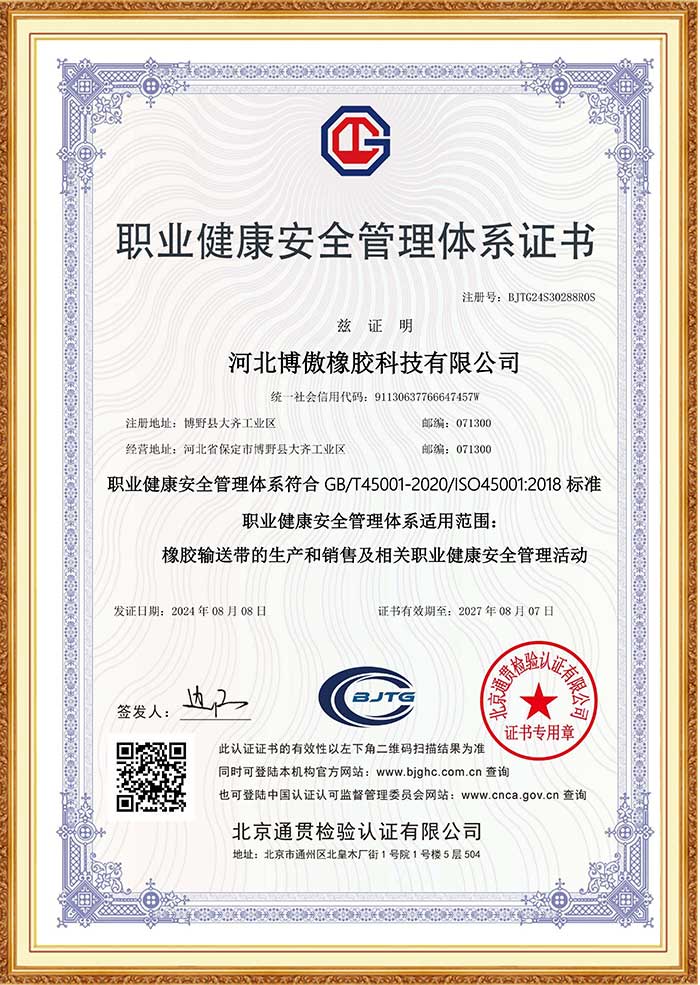
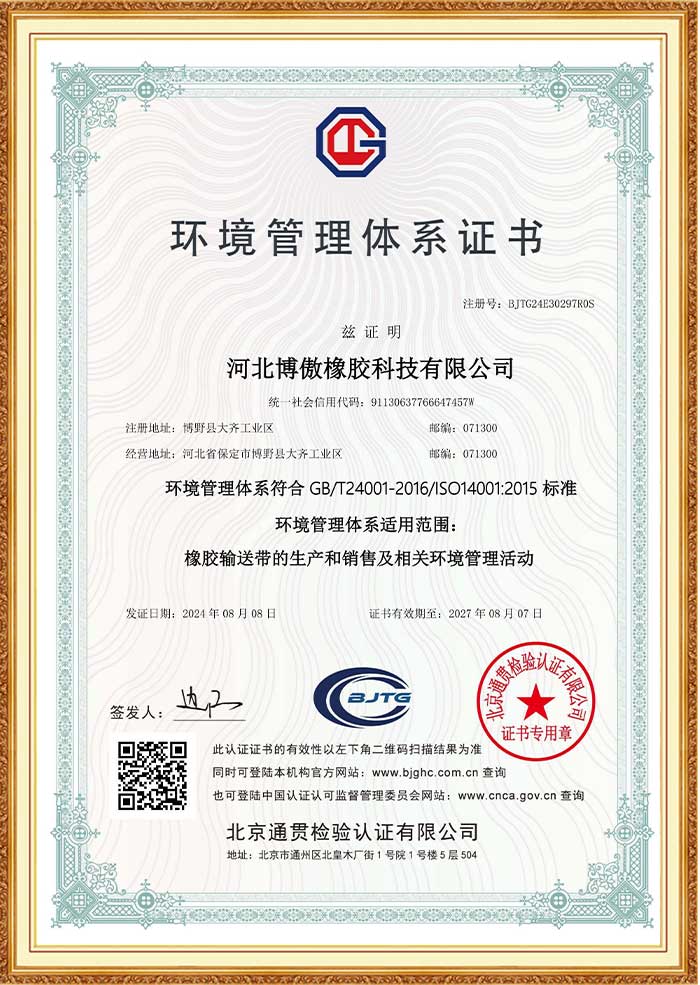
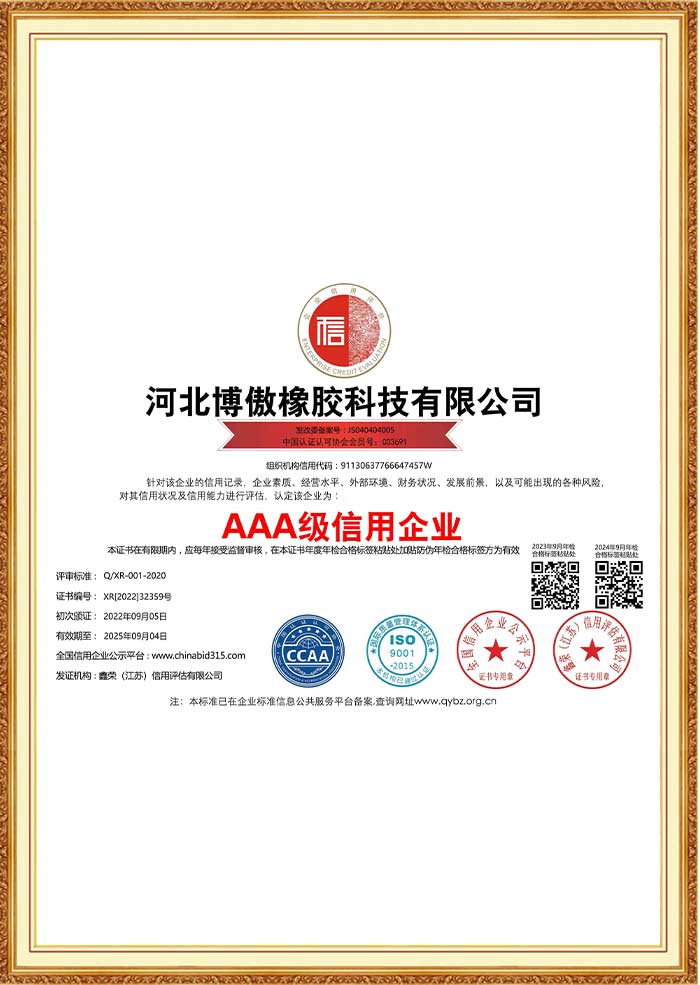
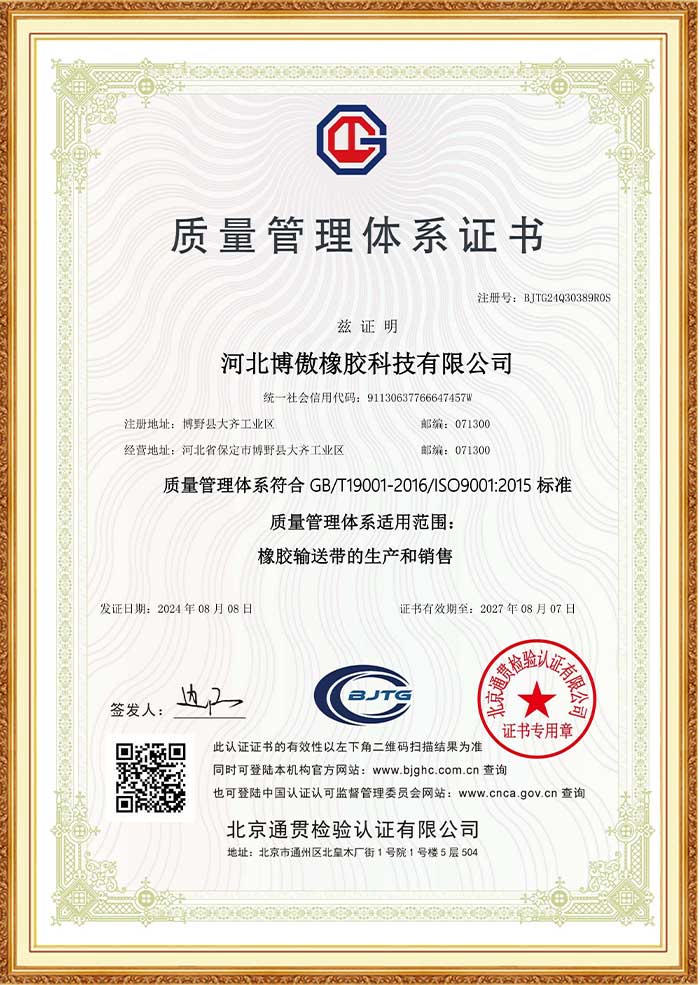
Boao maintains an independent chemical analysis lab and testing department, verifying all stages from compound mixing to curing and shipment. By keeping raw inputs clean and maintaining close process oversight, we stop sub-standard material before it leaves our plant floor. This quality control loop underpins our ISO 9001 and international quality management certifications.
Our Jinao product lines serve heavy mining, metallurgy, cement, power plants, and agricultural facilities worldwide, while our lightweight division addresses e-commerce sorting hubs and sanitizable food lines in North and South American hubs.
Partnering with Boao provides access to a structured engineering framework designed to minimize downtime, optimize mechanical tracking, and extend the performance window of your conveyor systems.
We work with regional distributors and client storage systems to establish safety-stock levels based on your line profiles, ensuring rapid belt replacement when required.
We supply detailed mechanical splice instructions (alligator or zip-link) and hot finger vulcanization blueprints, ensuring high-strength joint integration.
Technical support on pully diameters, crown face dimensions, and scraper positioning to limit edge wear, belt stretch, and tracking errors.
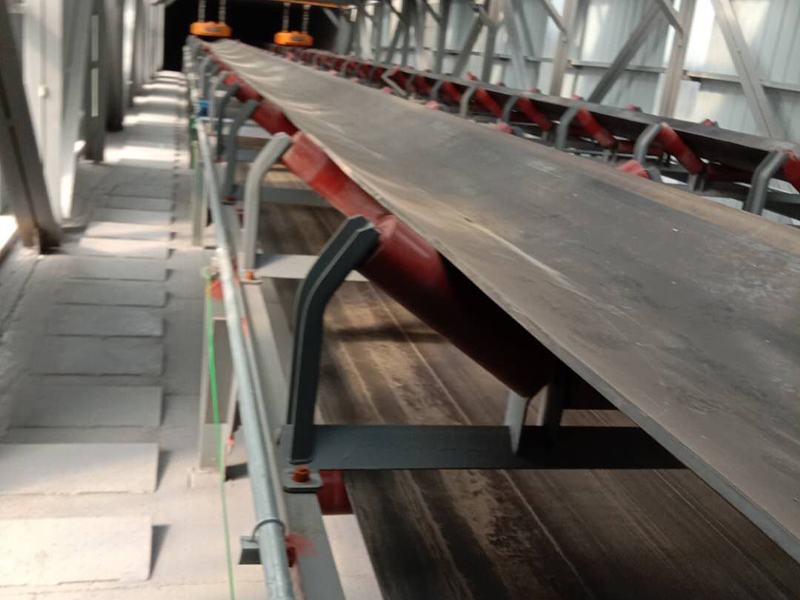
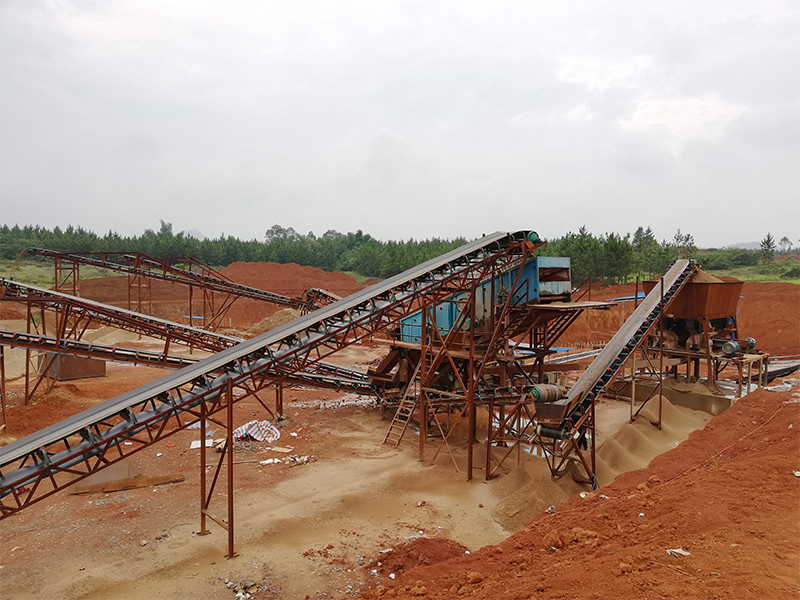
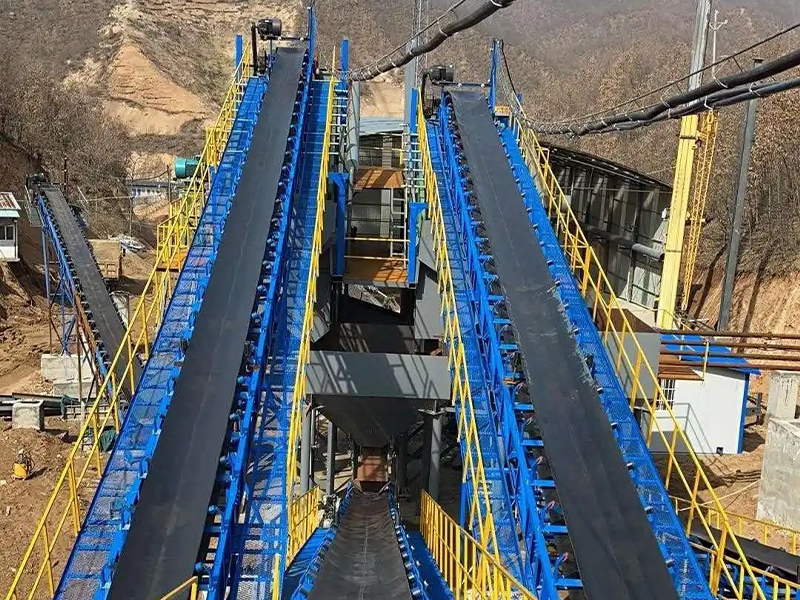
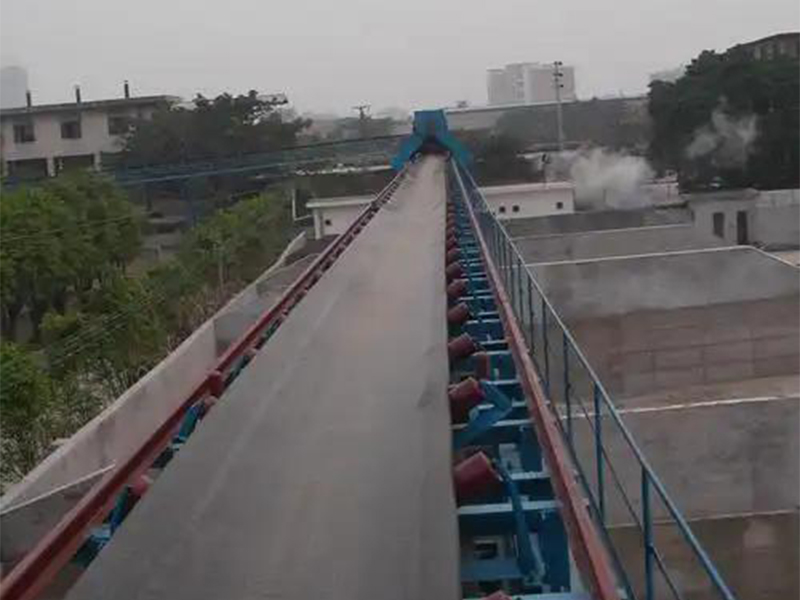
Our materials and conveyor products support key industrial and bulk-material lines worldwide, demonstrating performance under demanding load patterns.
The conveyor industry is adapting to meet clean energy goals and integrate digital diagnostics. The Jinao research division is focused on three primary areas for lightweight systems:
1. Bio-based & Recyclable Polymers: Developing PU covers that replace fossil-fuel raw materials with plant-derived starches and oils. These formulations maintain grease resistance while lowering the carbon footprint of packaging processes.
2. Built-in RFID & Wear Detection: Embedding micro-RFID transponders within the polyester fabric layers. This allows scanning arrays to monitor belt speed, detect splice failure risks, and track operational runtime in real time.
3. Energy-Saving Bottom Layers (Low-Noise Fabric): Replacing standard underside fabrics with specialized impregnation materials that lower friction coefficients against the slider bed. This can reduce drive motor draw by up to 15%, lowering energy costs across large-scale logistics operations.
Direct answers to common technical queries from procurement professionals, system integrators, and plant engineers.
Explore our full selection of special-grade belting, heavy nylon fabrics, steel cord options, and supporting mechanical components for complex industrial applications.
 Boao Rubber