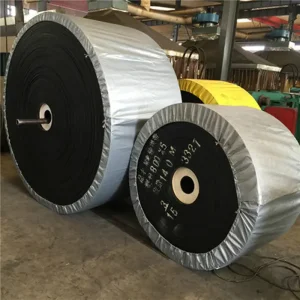
China PVC-PU Lightweight Conveyor Belt Suppliers, Factories

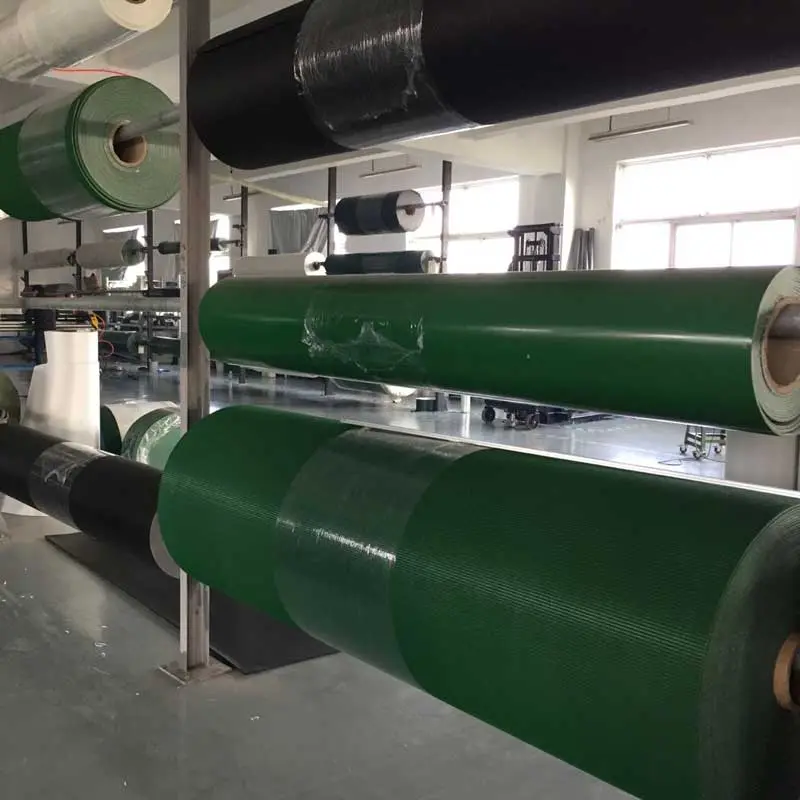
Lightweight conveyor belts mainly include PVC conveyor belts, rubber product conveyor belts, PU conveyor belts, etc

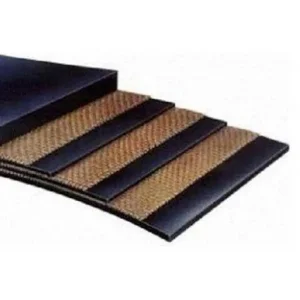
Generally, lightweight conveyor belts have three layers:

â‘  The different materials, thicknesses, and patterns on the surface of the belt determine its adhesion, physical, chemical, and mechanical properties
â‘¡ The fabrics with different materials for the strong layer largely determine the application range of the belt. The guidance, load and elongation, static electricity, smoothness, and suitability for knife edge turning of belts are directly related to the fabric structure.
â‘¢ The design of the bottom belt determines the noise resistance, wear resistance, and adaptability of the belt to support plates or shafts.

Product Description

Folding PVC Conveyor Belt

Thickness Options: 1.0, 1.5, 2.0, 1.8, 2.5, 3.0, 3.5, 4.0, 5.0, 6.0, 9.0 mm.
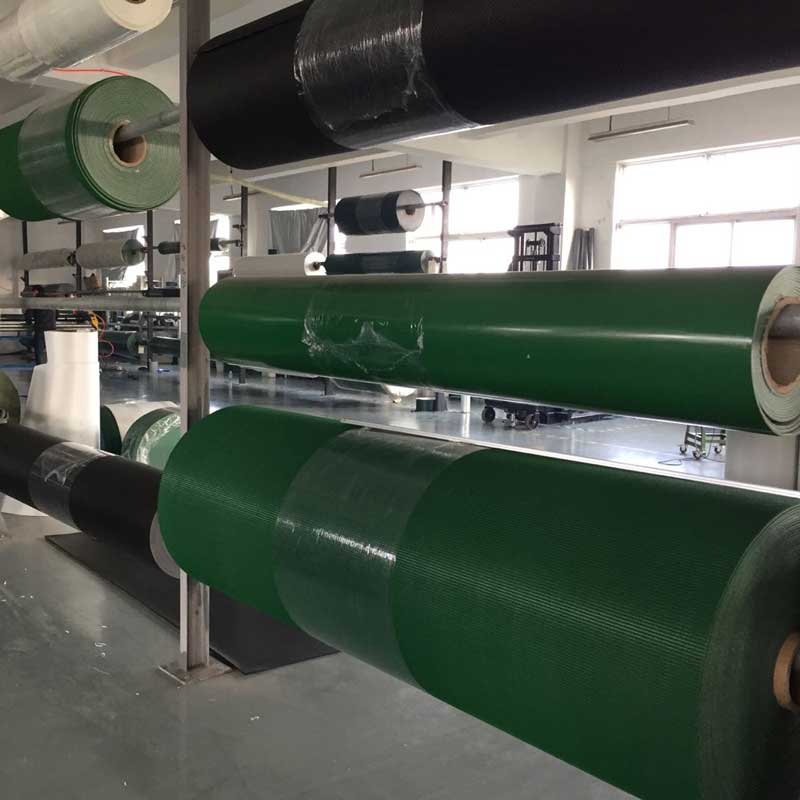
Belt Colors: White, dark blue-green, black, and green conveyor belts.

Featuring a smooth PVC adhesive surface on the top side and conductive fiber original fabric on the bottom side. The joint forms include serrated, stepped oblique joints, or metal buckle joints. It is widely used in the production line belts of food, medicine, electronics, tobacco, printing, packaging, textile, and other industries.

Folding Rubber Product Conveyor Belt

Thickness Options: 0.5-1.5, 1.0-1.5, 1.5-2.0, 2.0-3.0, 1.0-2.0 mm.

This product combines the comprehensive advantages of rubber and plastic, offering excellent performance and a wide range of applications. The conventional product design features one light side and one friction side, with a double-sided light design available for special cases.

Double-sided friction belts are optimized for medium load transmission in food, electronics, tobacco, printing and packaging, textile, printing and dyeing, chemical, postal, airport, tea making, tire, and metallurgy industries. Heavy-load material transmission is suited for metallurgy, wood building materials, postal, and chemical fields. As a process processing belt, it is widely utilized across various production line environments. Except for the white food hygiene grade belt, all other models are treated with a professional anti-static finish.

Folding PU Food Conveyor Belt

Thickness Options: 0.8, 1.4, 2.5 mm (Available in white and green).
Application Industries: Conveyor belt lines in the food industry, chocolate coating, and cake production.

Temperature Resistance: Performance range of -10°C to 80°C.

Anti-slip Tape Green and white, featuring small raised or horseshoe-shaped patterns on the surface, ideal for rising transport of loose or powder materials.
Special Patterned Belt Deep-patterned surface designed for anti-slip safety, suitable for specialized material handling and transportation environments.
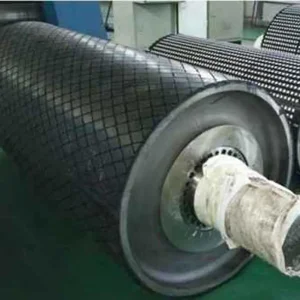
Diamond Grid Pattern Increases surface friction and grip force to prevent slipping, highly suitable for processing and transporting automotive particles.

Through customized processing, these belts can also be fabricated into specialized versions:

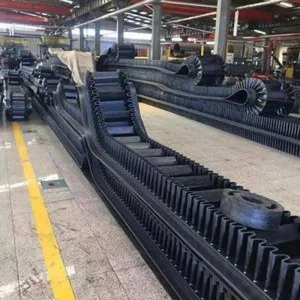
  • Guide Belt: A positioning guide strip is added to the transmission surface to ensure directional and anti-deviation operation of the belt body.
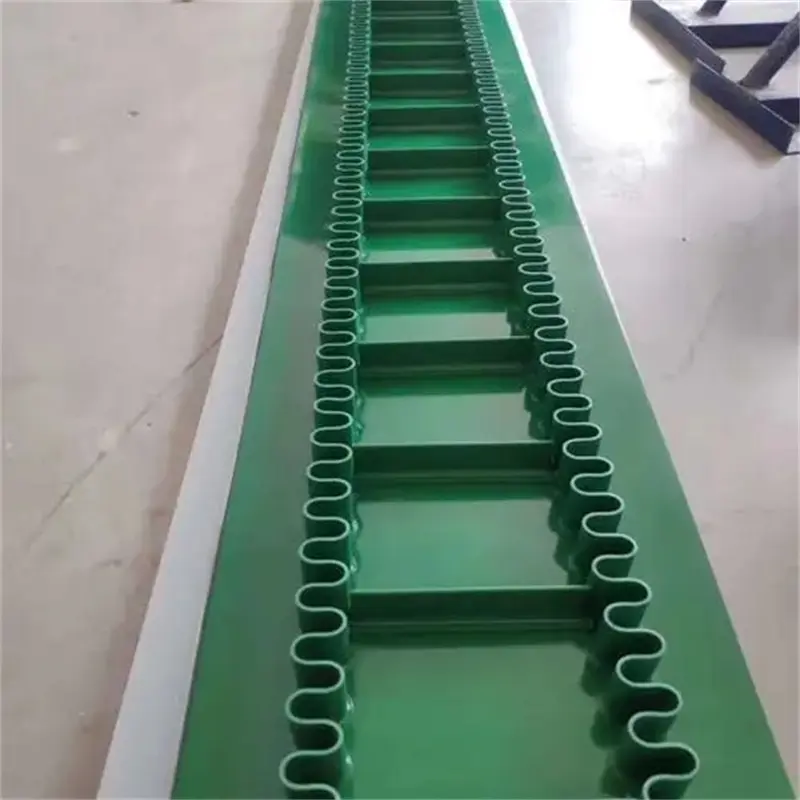
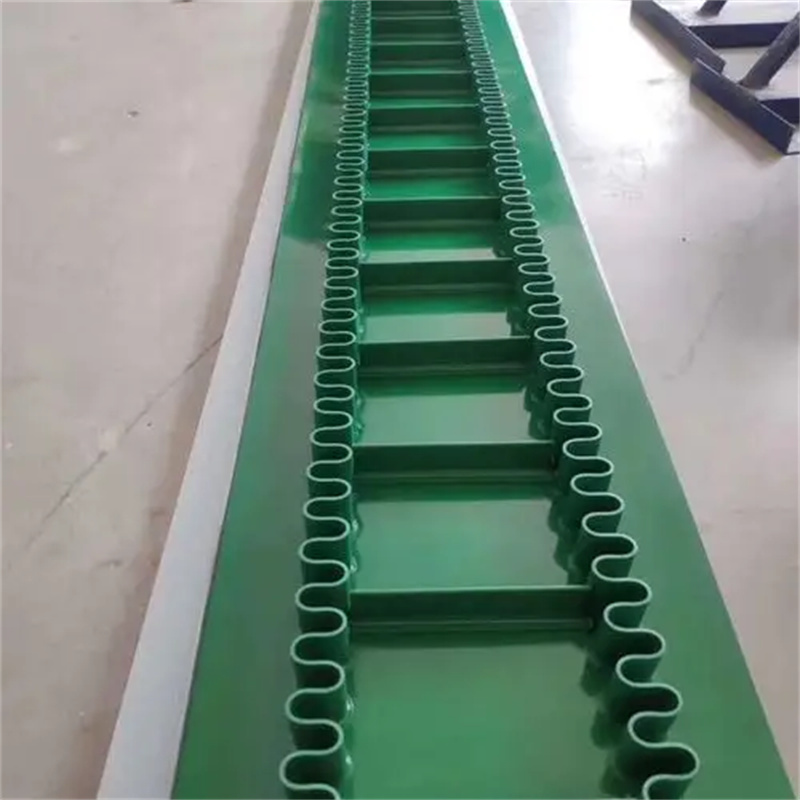
  • Lift Belt: Installs a horizontal barrier on the loading surface to ensure secure material ascent and vertical transport.
  • Skirt Edge Belt: Designed to prevent material scattering and spillage during elevated transport.
  • Sanding Machine Belt: A dedicated belt for wood processing machines, designed with diverse surface patterns to ensure safe and reliable processing technology.

Characteristics of Food Industry Conveyor Belts:

  • Resistant to acid, alkali, organic solvents, as well as animal, plant, and mineral oils and fats.
  • Supports custom additions of guide bars and baffles.
  • Compliant with FDA and FGA food hygiene standards.

In summary, lightweight conveyor belts are widely applicable in various industries such as food, logistics, electronics, tobacco, wood, stone, fitness, and more!
Frequently Asked Questions (FAQ)

Q What are the available thickness specifications for PVC conveyor belts?
PVC conveyor belts are available in various thickness options to suit different operational requirements, including 1.0mm, 1.5mm, 1.8mm, 2.0mm, 2.5mm, 3.0mm, 3.5mm, 4.0mm, 5.0mm, 6.0mm, and 9.0mm.
Q Are these conveyor belts static-resistant?
Yes. Except for the white food hygiene grade belts, all other rubber product conveyor belts are treated with an anti-static treatment to ensure safe operation.
Q What is the operating temperature range for PU food conveyor belts?
The PU food conveyor belts feature a wide temperature resistance range, performing reliably in environments from -10°C to 80°C.
Q Can these conveyor belts be modified with custom accessories?
Yes, through special processing, the belts can be customized with positioning guide strips (guide belts), horizontal barriers (lift belts), and skirt edges to prevent material scattering and deviation.
Q Do the food conveyor belts comply with international hygiene standards?
Absolutely. The food conveyor belts are fully compliant with FDA and FGA food hygiene standards, offering resistance to acids, alkalis, organic solvents, as well as animal, plant, and mineral oils.
Q Which pattern design is best for conveying materials upward?
For transporting loose or powder materials upwards, the anti-slip tape with small raised or horseshoe-shaped patterns is recommended, as it prevents material slipping during incline transportation.

Related Products