Years of Manufacturing Excellence
Acres of Advanced Smart Production Facility
Certified Quality Management Systems
AS1332 & AS4606 Compliance Testing Available
Engineered to withstand the intense friction, temperature variations, and high incline demands of Victoria's primary processing corridors.
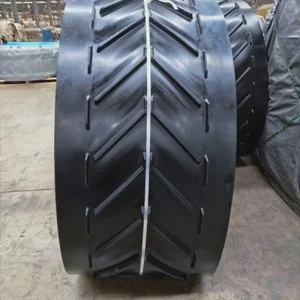
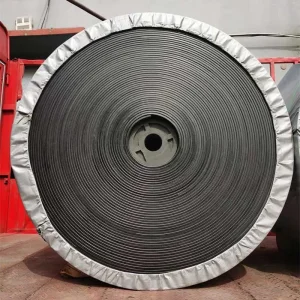
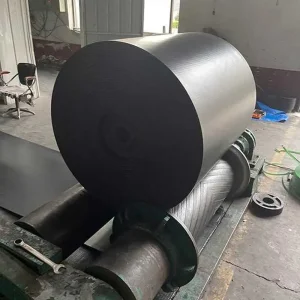
Melbourne is currently witnessing a historic wave of infrastructure expansion, ranging from massive underground transport networks to high-capacity aggregate manufacturing facilities. As Victoria acts as one of the critical logisitical centers of Australia, the movement of raw aggregates, recycled materials, heavy minerals, and grain crops demands mechanical transportation systems that function with zero downtime. Among these, the patterned conveyor belt is a pivotal component.
"According to Australian infrastructure reports, the demand for aggregate and construction materials in Victoria is projected to reach record highs over the next decade. Ensuring supply chain resilience requires mining and aggregate operators to source conveyor belts that minimize material fallback and belt slippage under harsh, fluctuating climatic conditions."
The commercial ecosystem of Melbourne, Geelong, and the surrounding Victorian regions relies heavily on the Port of Melbourne to facilitate raw material import-export flows. Locally, quarrying operations in regions such as the Yarra Valley, Werribee, and the Latrobe Valley form the foundation of concrete production required for urban density projects. These operations frequently require handling wet, semi-wet, and abrasive bulk materials over high-elevation slopes.
Standard smooth-surfaced rubber belts are structurally inadequate for steep-incline transport, leading to high shear stress, aggregate spillages, and elevated energy consumption. This is where patterned rubber conveyor belts (Chevron, Herringbone, Pit, and Wavy Edge patterns) play an irreplaceable role, ensuring materials stay securely positioned during transport and maintaining operational efficiency.
Environmental sustainability and operational costs are reshaping the purchasing guidelines of Australian plant engineers. Modern operations are prioritizing conveyor designs that minimize friction coefficient and belt weight while maximizing wear life. High-quality patterned conveyor belts reduce overall drive-system load, translating into lower electricity usage and fewer carbon emissions.
Hebei Boao Rubber Technology Co., Ltd. - Integrating R&D, Design, and Advanced Rubber Synthesis
Founded in 2004 in Boye County, Baoding, Hebei, China, the company spans over 30 acres. Under our premium brand "Jinao", we have pioneered robust manufacturing standards, incorporating advanced vulcanization presses, computerized calendering, and direct physical-chemical testing laboratories.
Our facility houses an independent physics laboratory and chemical analysis center. From testing the raw polymer chain density of imported natural rubbers to inspecting tensile carcass strengths, we enforce a strict zero-defect policy before any product exits the site.
Our technical design engineering caters to regional needs, ensuring we manufacture conveyor belts aligned with local expectations, including high tensile configurations for coal, metallurgy, cement, grain depots, and port systems globally.
In recent years, the procurement focus of bulk material handling facilities in Victoria has shifted towards balancing immediate cost-efficiencies with long-term mechanical reliability. Partnering directly with high-caliber Chinese manufacturing hubs represents a major shift toward high-performance, precision-engineered products.
At Boao Rubber, we utilize intelligent Industry 4.0 compounding lines. Our chemical mixers integrate precise weight-batching sensors that eliminate human error from the rubber vulcanization process. This level of technical control ensures that every batch of synthetic and natural rubber compound displays uniform tensile strength, elongation, and abrasion resistance.
Additionally, our geographical positioning within Boye County's Rubber Industrial Park gives us direct access to high-purity reinforcing fibers, polyester (EP) plies, nylon (NN) fabrics, and high-tensile steel cord structures. This cluster-based manufacturing model means lower raw material freight costs and highly competitive manufacturing lead times.
For heavy industry procurement officers, the total cost of ownership (TCO) is a critical metric. Choosing belts engineered for lower rolling resistance, coupled with proper pattern geometries (such as V-shapes, Herringbone, or custom cleats), helps operations reduce motor wear and energy consumption. Combined with our digital tracking systems and comprehensive product testing, Boao Rubber offers an efficient, reliable supply chain option for modern industrial operations.
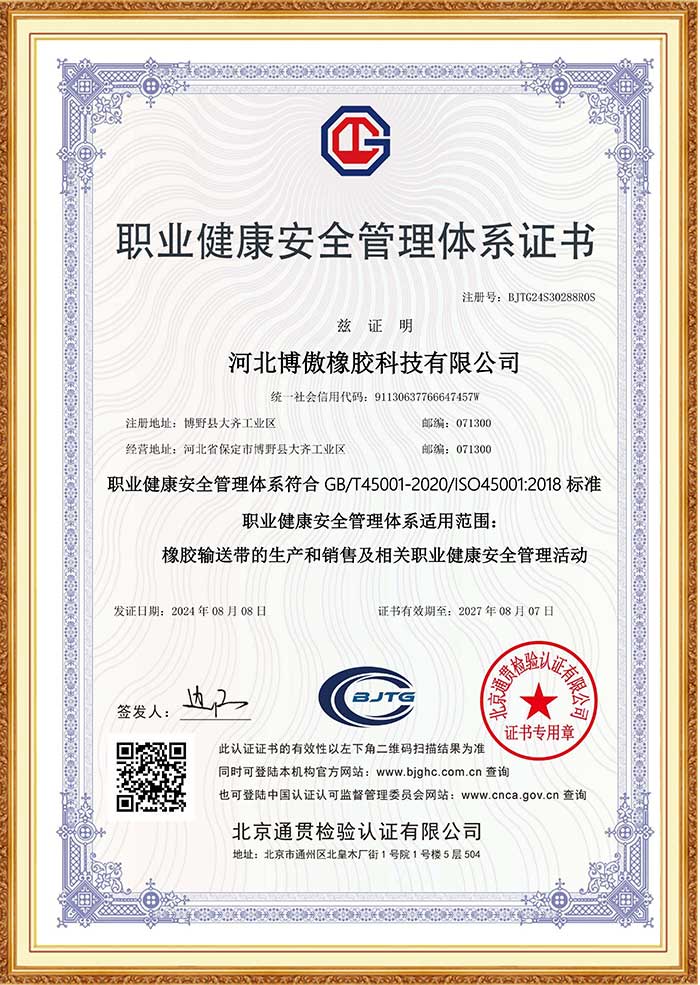
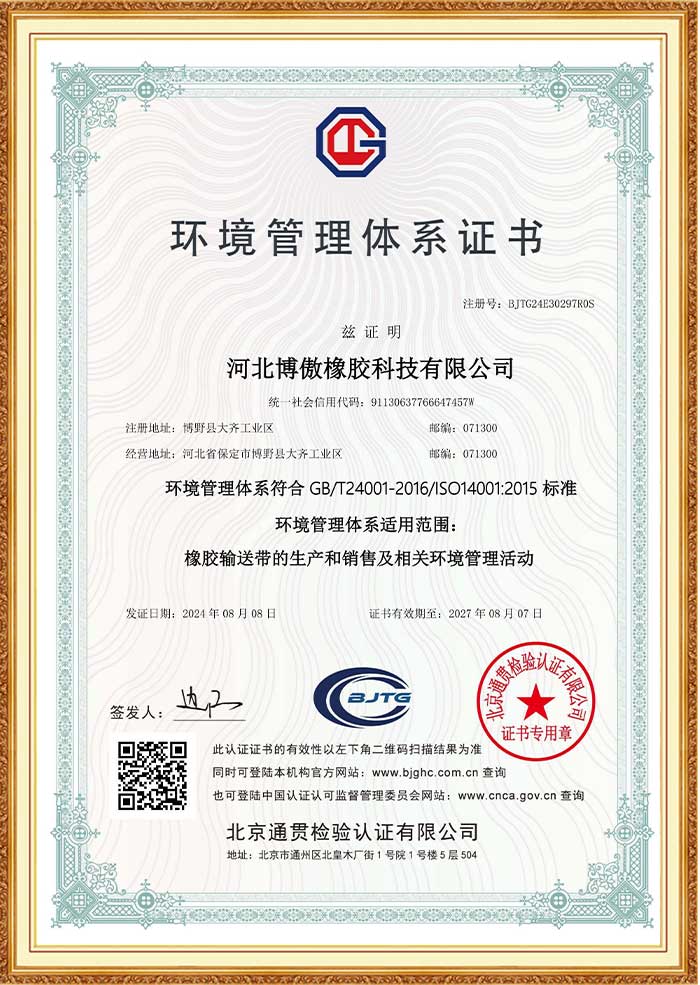
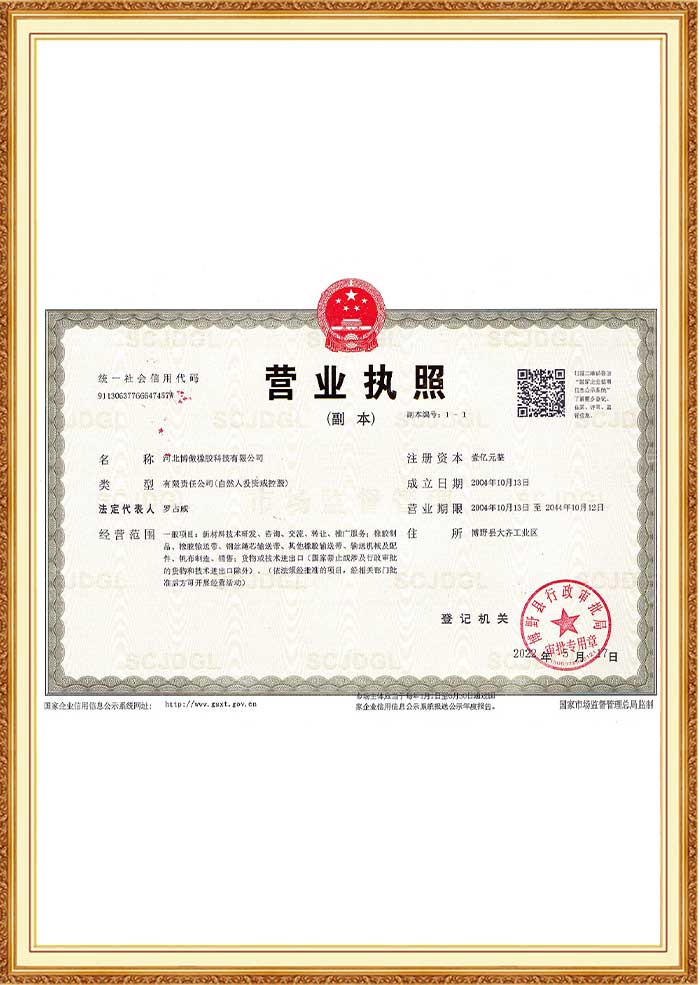
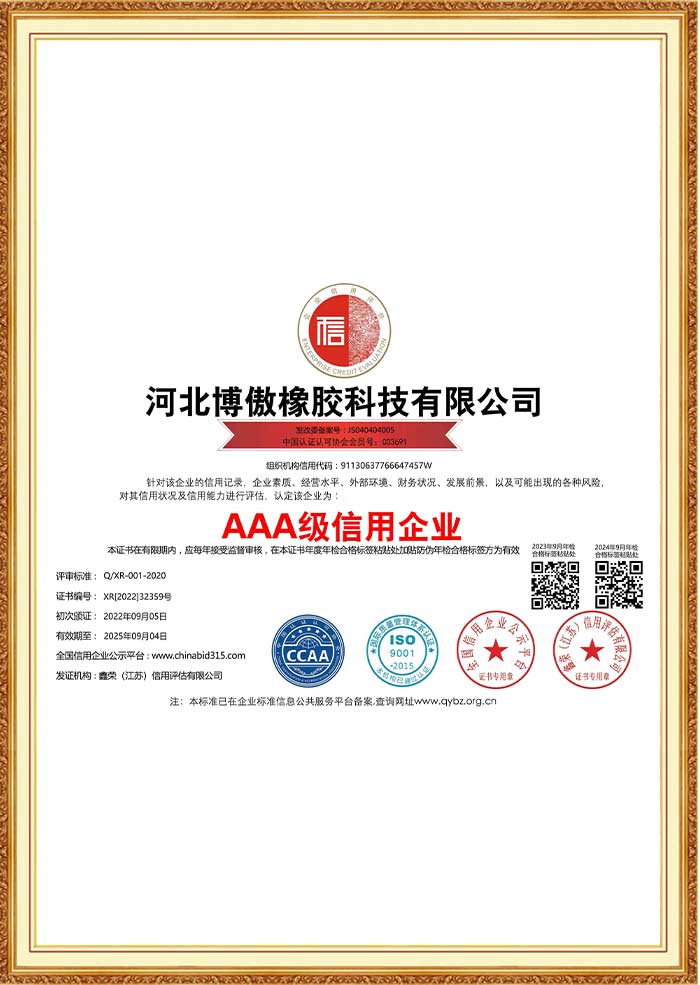
Providing conveyor belting solutions for bulk handling, mining, and concrete mixing operations globally.
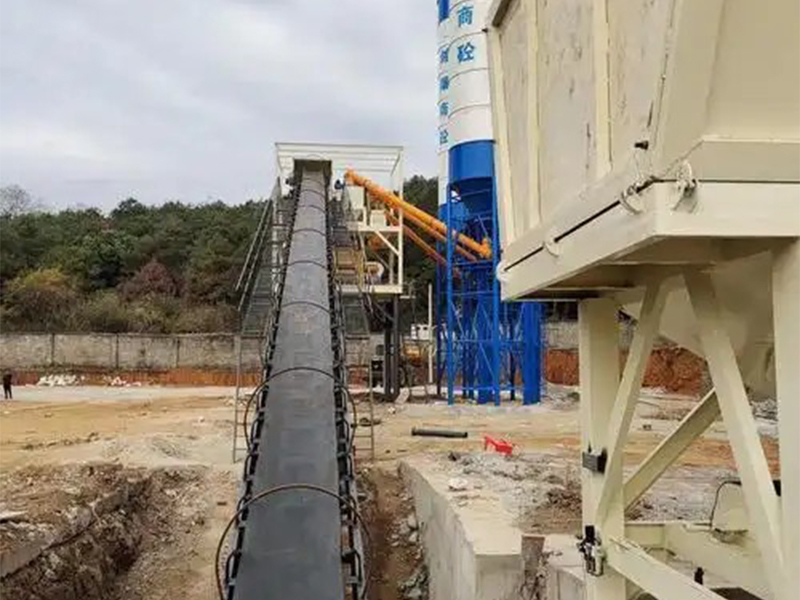
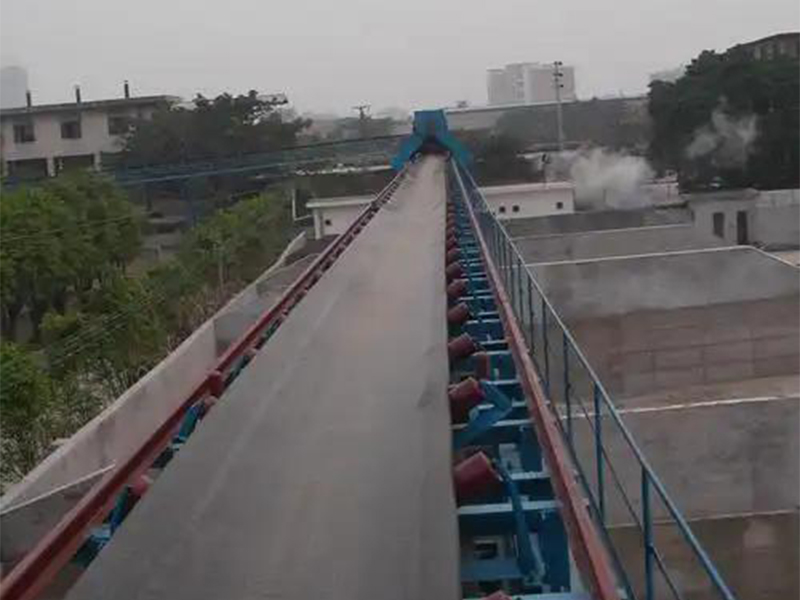
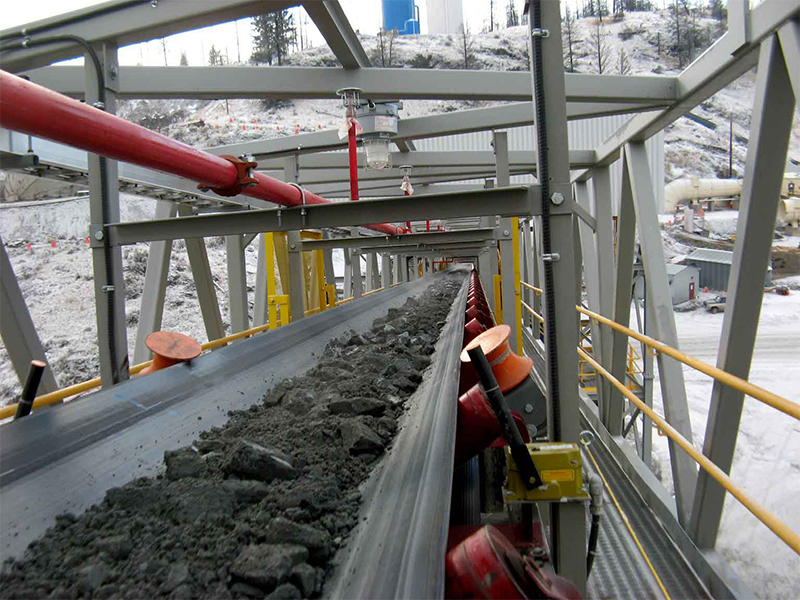
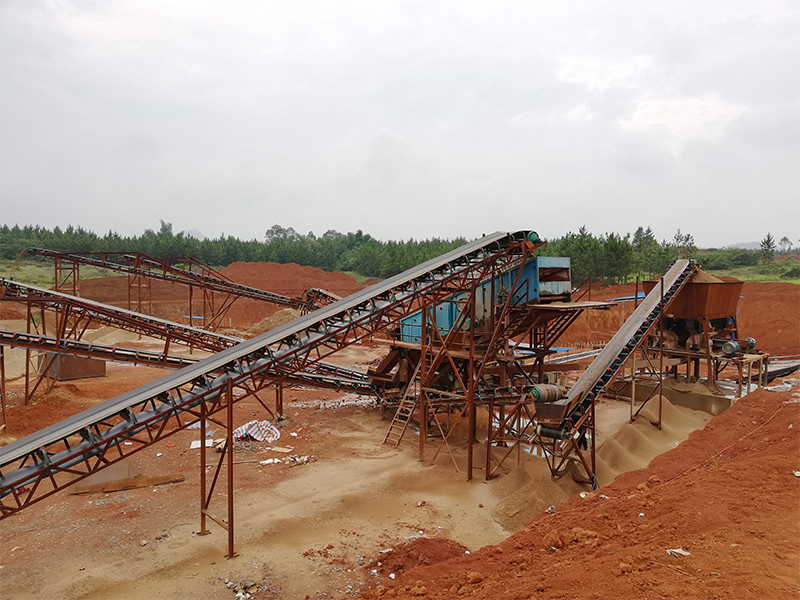
The core function of a patterned conveyor belt is to alter the dynamic interactions between the belt surface and the materials being conveyed. When bulk materials like crushed basalt, wet river sand, or grain are transported, they are subject to gravitational force and mechanical vibrations. If the belt incline exceeds a critical angle (known as the dynamic angle of repose), standard smooth belts fail, causing material fallback and operational hazards.
While flat belts can reliably transport dry bulk materials up to angles of 15° to 18°, patterned rubber conveyor belts can handle inclines ranging from 20° up to 45°. This performance is enabled by vulcanized cleats, which act as barriers to resist downward sliding.
"By matching the appropriate pattern profile with the material's specific moisture content and size distribution, plant operators can minimize slippage, maximize throughput, and reduce structural wear on idlers and tensioners."
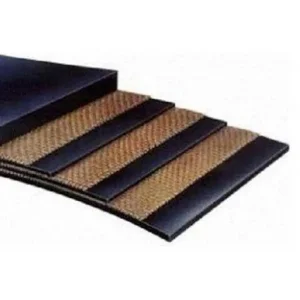
The longevity of the pattern profile depends on the compounding quality of the top rubber cover. The outer compound must withstand continuous compression and friction without peeling or tearing. At Boao Rubber, we use advanced vulcanization techniques to integrate the pattern profile directly with the top cover. This co-vulcanization process creates a seamless structural bond, preventing premature wear and splitting under high-load conditions.
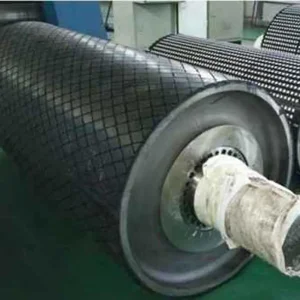
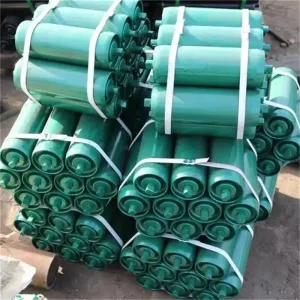
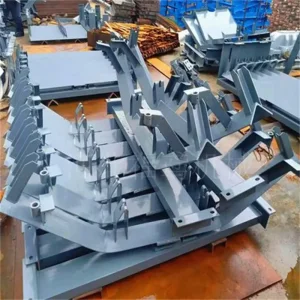
Industrial components manufactured to exact standards, including low-maintenance idlers and durable vulcanized covers.
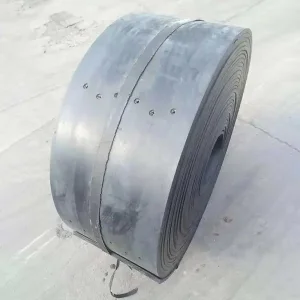
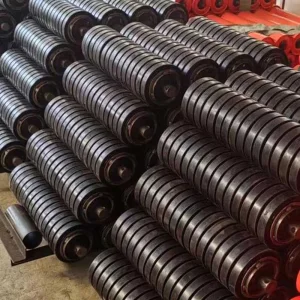
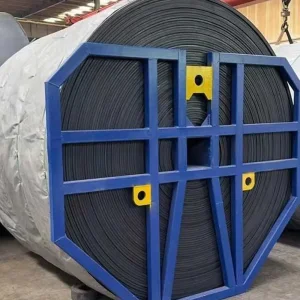
Comprehensive conveyor maintenance services designed to minimize operational downtime.
Planned replacement, hot/cold splicing repair, routine thickness inspections, and emergency breakdown services for regional mining operations.
Stock optimization programs to maintain backup conveyor belts, daily storage monitoring, planned splicing, rubber surface repairs, and roller frame tracking.
Focusing on improving belt tracking, reducing energy requirements, extending operating lifespans, and establishing long-term, mutually beneficial service agreements.
The Evolution of Rubber Belting in High-Load Bulk Conveying: In heavy-duty logistics, conveyor belts serve as critical transport corridors. From mining extractions to major shipping terminals, robust rubber belting facilitates the continuous movement of commodities. Our engineering designs prioritize durability, quality control, and functional safety under heavy loads.
Professional technical answers regarding patterned conveyor belts for Melbourne's industrial and aggregate markets.
Contact our technical team to receive custom belt profiles, material selection advice, and detailed pricing information tailored to your operational requirements.
Send Inquiry Now Boao Rubber