Direct supply of high-spec multi-ply layered belts engineered to meet GOST 20-85 standards under challenging operational loads.
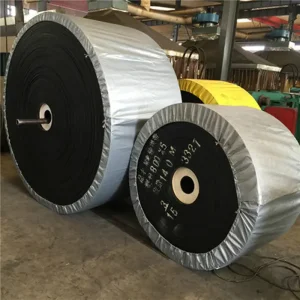
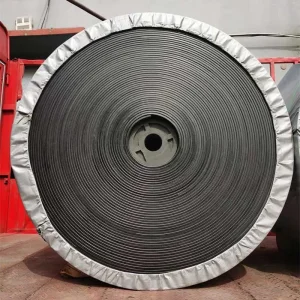
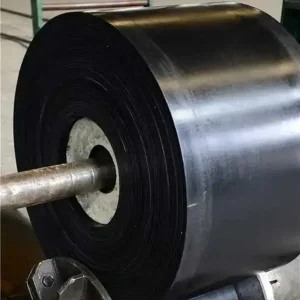
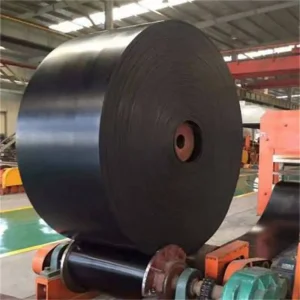
An expert analysis of material handling engineering, carcass performance, and mechanical durability under demanding conditions.
The industrial geography of Russia presents complex challenges for bulk material transport operations. In regions such as the Kuznetsk Basin (Kuzbass), the Ural mining belt, and the arctic mineral zones of Norilsk, material handling systems must maintain high throughput while exposed to severe environmental and mechanical stress. Standard bulk handling setups face dual demands: intense mechanical loading during peak operations and extreme temperature variations ranging from summer peaks to sub-zero winters down to -60°C.
Under these conditions, standard single-layer or low-specification belts are prone to carcass embrittlement, splice separation, and accelerated cover wear. Operations require high-strength multi-ply (layered) conveyor belts constructed with synthetic reinforcement cores—primarily Polyester-Polyamide (EP) and Polyamide-Polyamide (NN). These materials provide the necessary tensile strength, impact absorption, and elastic recovery to handle continuous tonnage in heavy industrial applications.
To operate reliably in Russian mining, metallurgy, and port networks, conveyor belts must align with domestic regulatory frameworks (such as GOST 20-85) and international standards (including DIN 22102 and ISO 22721). These standards define specific test procedures for tensile strength, elongation at break, inter-ply adhesion, and abrasion limits (typically categorized under DIN W, X, or Y grades).
Request Compliance DocumentationGlobally, the demand for multi-ply fabric conveyor belts is driven by the expansion of large-scale infrastructure, open-cast mining, and processing plants. High-integrity synthetic fabrics have largely replaced traditional cotton-ply fabrics due to their superior resistance to moisture, mildew, and rot, combined with a higher strength-to-weight ratio. As plants optimize for energy efficiency, selecting the appropriate carcass material and cover compound directly impacts rolling resistance and overall power consumption.
Chinese manufacturing hubs, particularly the industrial zones in Hebei Province, have established advanced production centers utilizing automated mixing, calender coating, and continuous vulcanization lines. This high-capacity output, supported by strict laboratory validation, offers international buyers a reliable supply chain. For the Russian market, direct logistics corridors enable efficient transport of heavy rubber components, ensuring timely replacement schedules and minimal operational downtime.
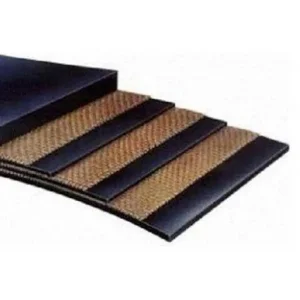
The structural performance of a layered conveyor belt depends on the interaction between its carcass plies and the elastomeric cover. Understanding these components is essential for selecting the correct specification:
Founded in 2004 and spanning over 30 acres in the Rubber Industrial Park of Boye County, Baoding, Hebei Province, Boao Rubber has developed into a dedicated manufacturer of conveyor belts and supporting accessories. Under our brand name "Jinao", we integrate research, engineering design, material testing, and global logistics support.
Our facilities feature automated mixing rooms, multi-roll calendering systems, and heavy-duty vulcanizing presses. An independent chemical analysis laboratory and physical testing facility monitor every phase of production, ensuring all raw materials and finished products meet international quality management certifications before shipment.
Engineered rubber compounds designed for high durability and resistance to wear, impact, heat, and chemicals.
We formulate custom rubber blends using high-grade polymers, carbon blacks, and anti-aging agents to match specific wear profiles, including DIN 22102 specifications for abrasion resistance.
Our heat-resistant belts employ EPDM/SBR compounds capable of handling material temperatures up to 200°C (with peaks up to 250°C), protecting the carcass from thermal degradation.
For sub-zero operating environments, our cold-resistant compounds remain flexible at temperatures as low as -60°C, preventing crack propagation and ply delamination.
During the vulcanization process, we monitor rubber flow and fabric tensioning to prevent core misalignment. Key performance indicators verified by our quality control laboratory include:
| Standard Group | Tensile Strength (MPa) | Abrasion Loss (mm³) | Elongation at Break (%) | Applications |
|---|---|---|---|---|
| Grade X (Heavy Duty) | ≥ 25 | ≤ 120 | ≥ 450 | Hard ores, granite, large-impact limestone |
| Grade Y (General Purpose) | ≥ 20 | ≤ 150 | ≥ 400 | Coal, sand, gravel, general bulk operations |
| Grade W (High Abrasion) | ≥ 18 | ≤ 90 | ≥ 350 | Highly abrasive fine minerals, slag, cement clinker |
Our manufacturing and testing protocols are certified to meet international industrial standards.
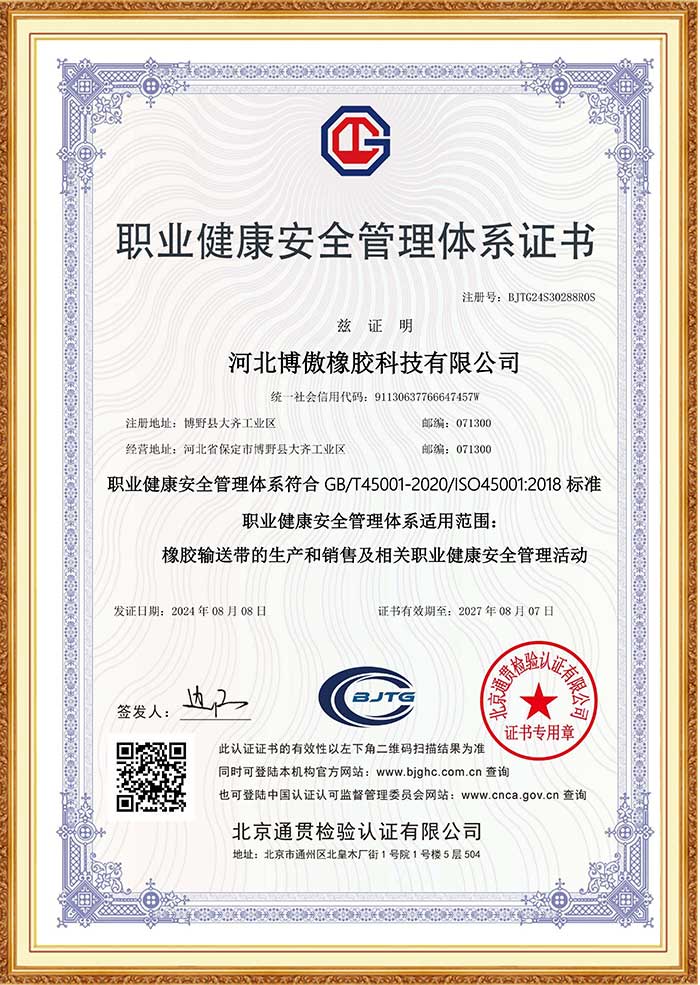
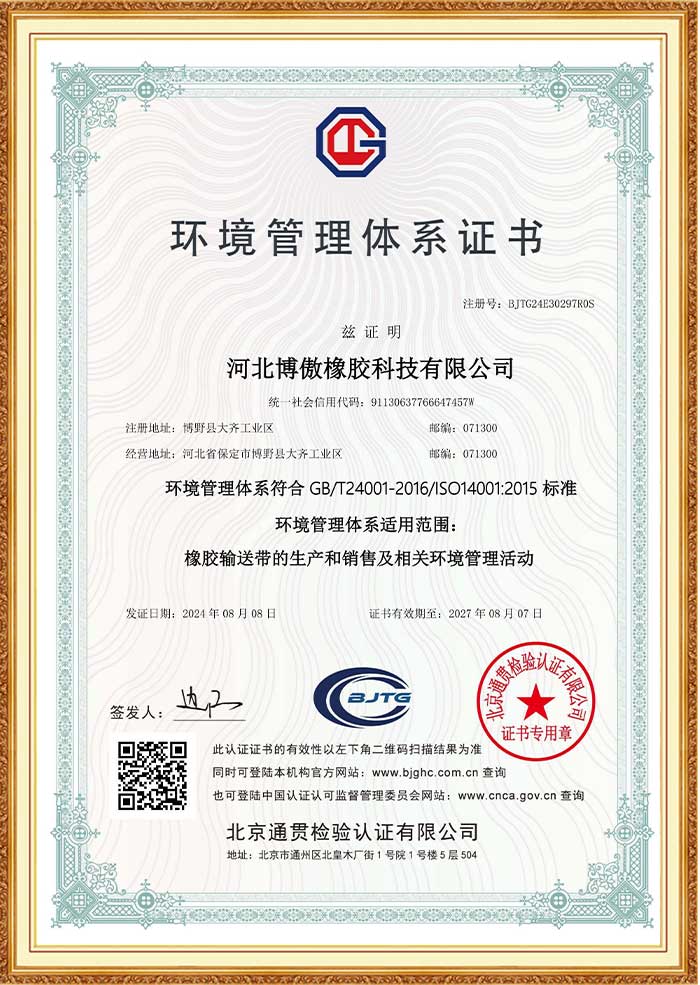
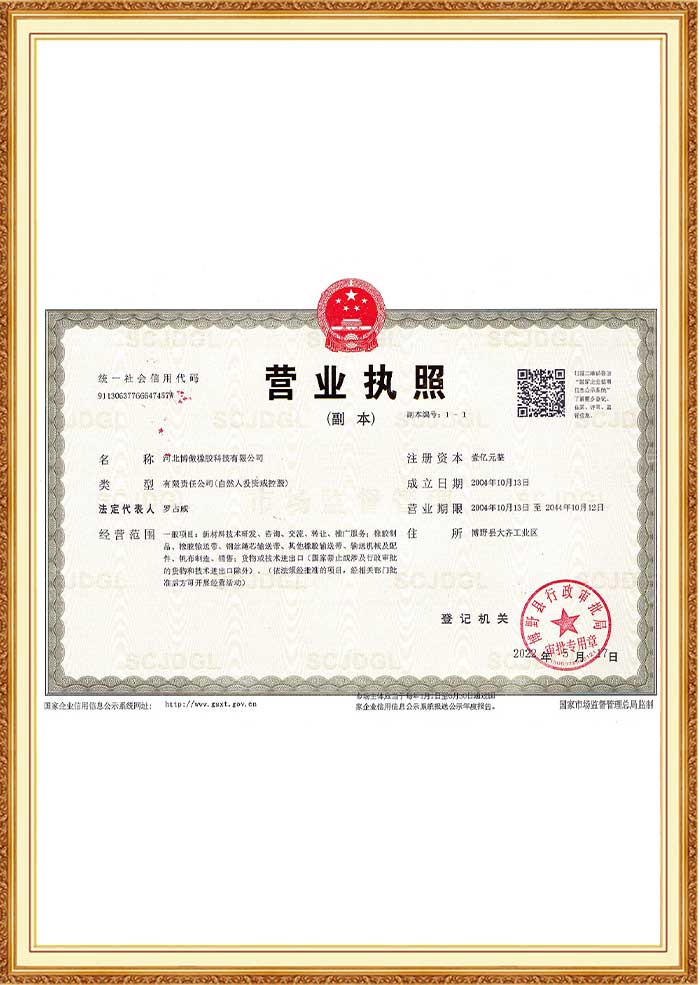
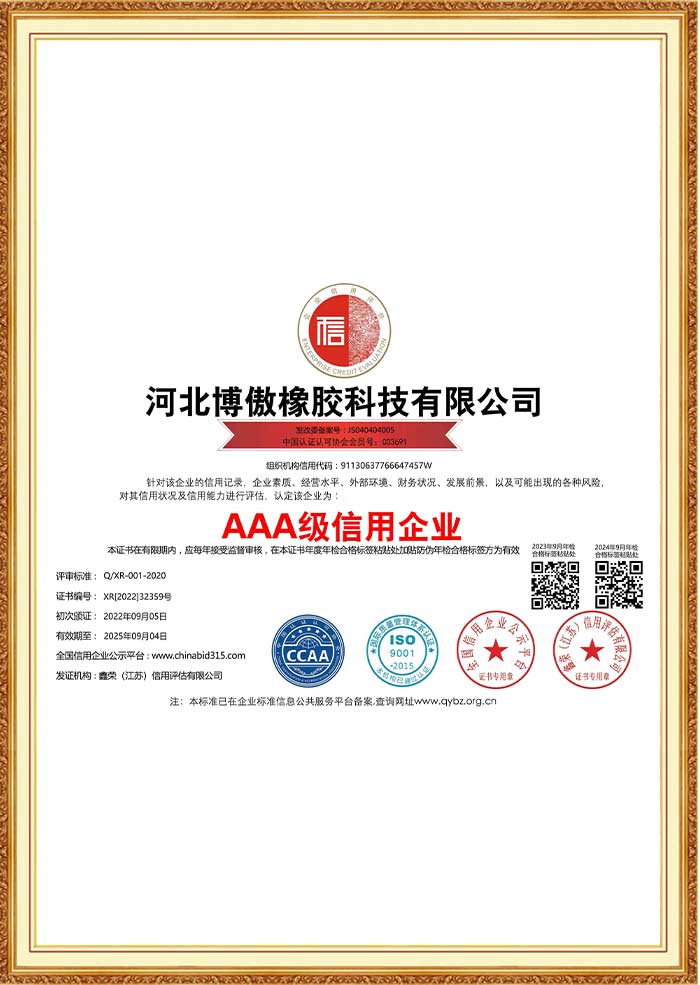
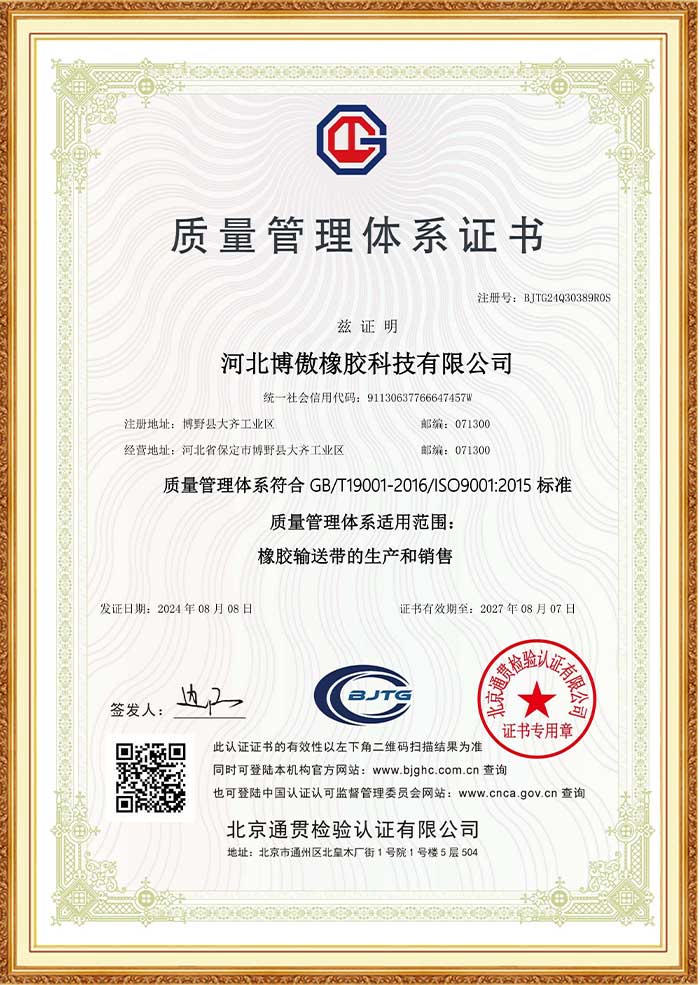
Proven track record supplying material handling operations under demanding conditions.
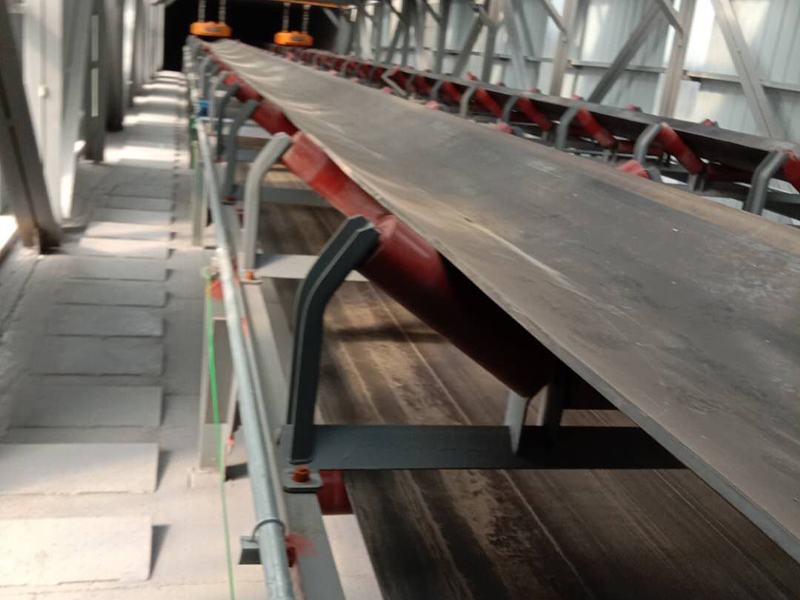
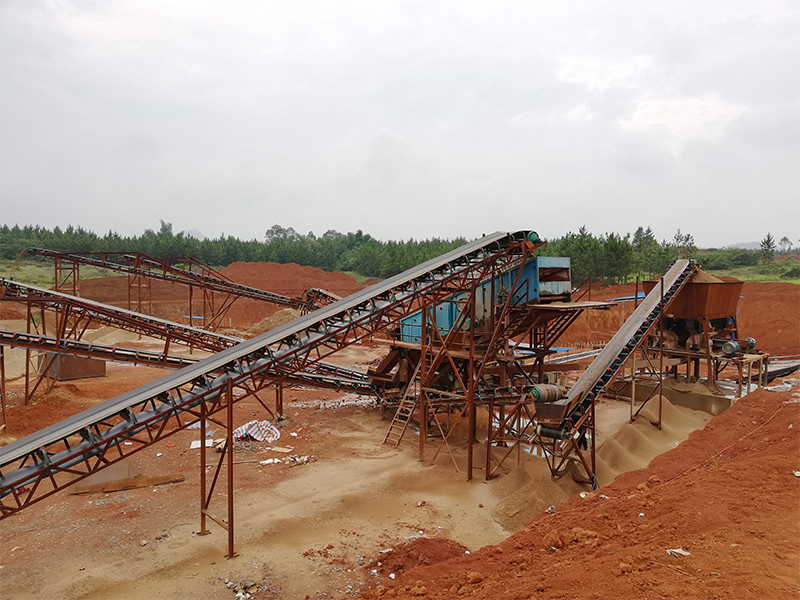
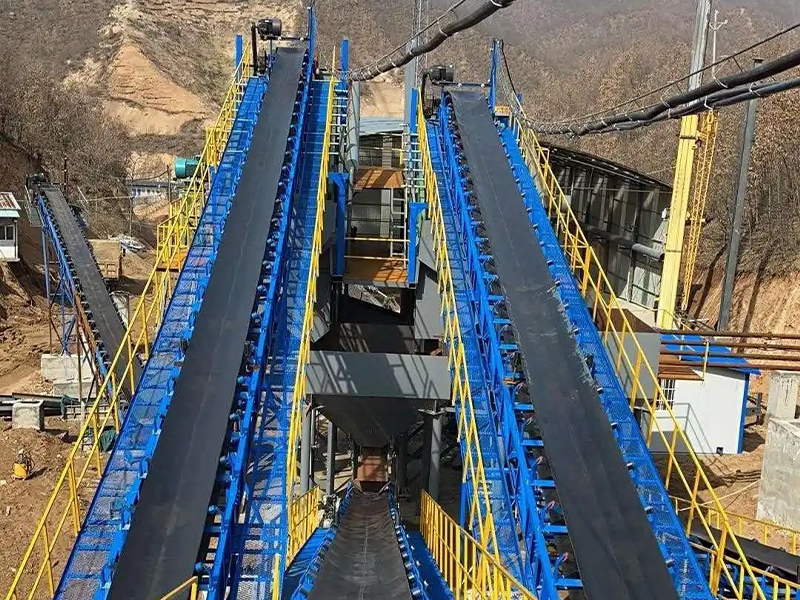
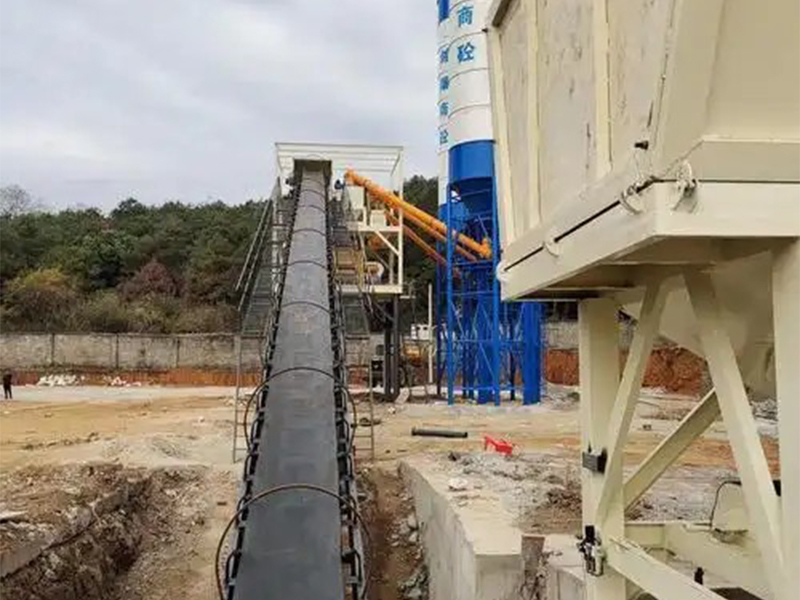
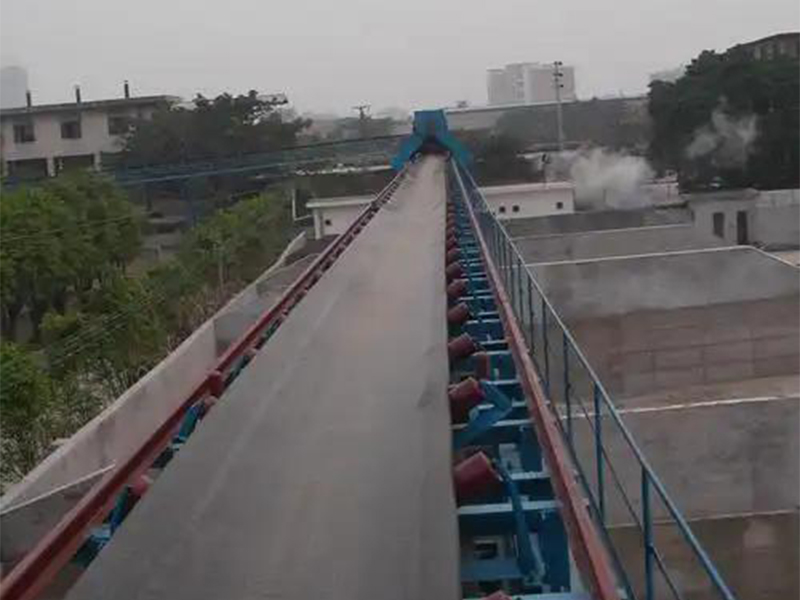
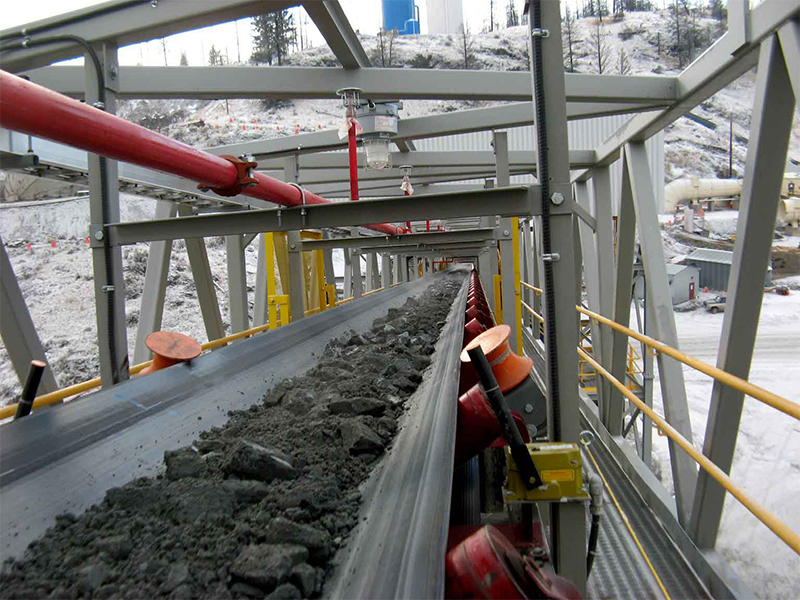
Comprehensive in-house verification ensures material performance and durability before shipment.
Our physical testing laboratory performs routine audits on raw materials, covering compound plasticity, Mooney viscosity, and curing curves. Every batch of calendered fabric undergo ply adhesion tests, checking the bond strength between layers to minimize risk of in-field delamination.
We test cover compounds using DIN abrasion rotating drum testers to verify volume loss metrics. Belts designed for extreme environments, such as heat-resistant or cold-resistant applications, undergo thermal chamber aging and low-temperature impact tests to confirm cover integrity.
Splice zones are critical points on heavy-duty belts. Our laboratory conducts tensile tests on vulcanized joint samples to confirm the efficiency of the splice design. We provide hot vulcanization kits and detailed splicing procedures with each shipment to support proper field installation.
Proactive service plans and engineering support designed to maximize belt service life and minimize operational downtime.
We provide comprehensive lifecycle support for our conveyor belts. Our engineering service plans include recommendation guides on carcass selection, matching ply configurations to layout parameters, and calculating transition distances to reduce edge wear.
Our technical team helps operators evaluate pulley configurations, counterweight settings, and chute designs to optimize belt performance, prevent mistracking, and extend the service life of the system.
Technical answers for material handling engineers and system operators.
For systems handling heavy rock or iron ore with high drop heights, NN (Nylon-Nylon) carcasses are generally preferred due to their high elasticity and superior impact absorption. For long-distance conveying where low structural elongation is required, EP (Polyester-Polyamide) is the standard choice, offering minimal stretch and excellent tracking stability.
Standard SBR or Natural Rubber compounds undergo glass transition (embrittlement) at sub-zero temperatures, leading to surface cracking and structural failure. We formulate our arctic covers with specialized plasticizers and custom synthetic polymers that maintain flexibility and impact resistance under extreme low temperatures, preventing ply separation and crack growth.
For hot, abrasive materials, we recommend our heat-resistant line combined with a heavy-duty cover compound (equivalent to DIN W or X). These formulations utilize EPDM or heat-stabilized SBR to resist thermal degradation while maintaining a high level of wear resistance.
Yes. We manufacture all conveyor belts to comply with either GOST 20-85, DIN 22102, ISO, or AS1332 specifications. This includes matching standard widths, carcass thickness profiles, and specific mechanical ratings, ensuring compatibility with your current conveying systems.
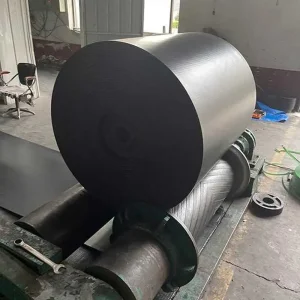
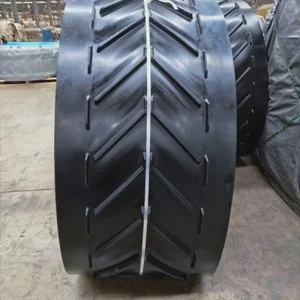
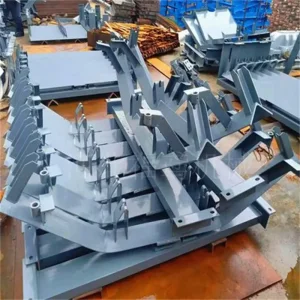
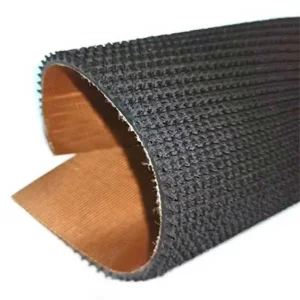
Explore our complete range of multi-ply fabric conveyor belts, patterned profiles, and supporting hardware for high-capacity systems.
Contact our engineering team to select the appropriate fabric carcass, cover thickness, and rubber compound to match your application requirements, climate conditions, and budget.
Send Inquiry Now Boao Rubber