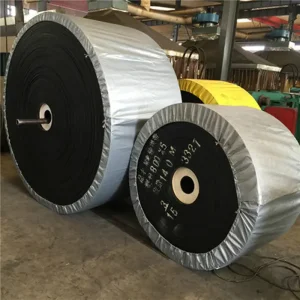
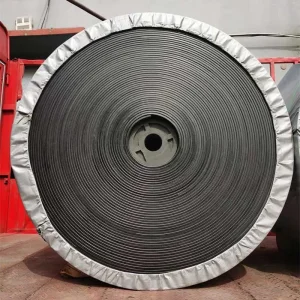
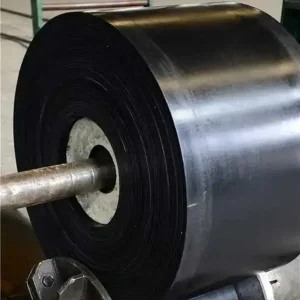
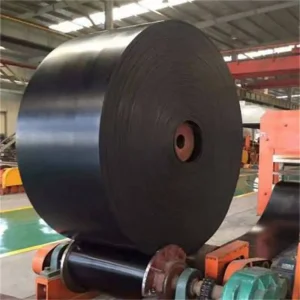
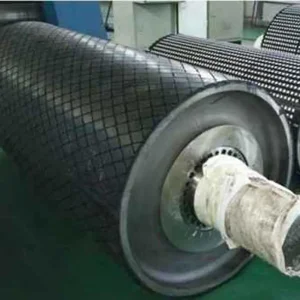
These high-durability layered rubber belts are engineered to meet the structural rigor and material handling capacities demanded by Nagoya's major industrial facilities.
Nagoya, the core city of Japan’s Chubu region, represents one of the world's most dense concentrations of heavy machinery, automotive assembly, and port logistics. Home to the bustling Port of Nagoya—a primary gate of entry for iron ore, coal, and manufacturing materials—the region demands unparalleled efficiency in bulk material handling. In facilities like the massive Tokai steelworks and major petrochemical processing hubs, the reliability of layered conveyor belts is directly tied to factory uptime.
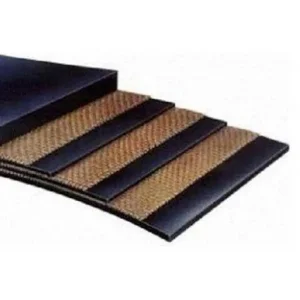
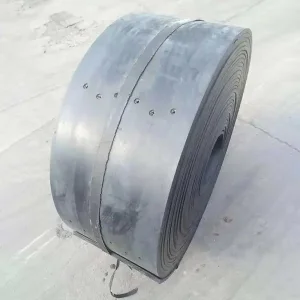
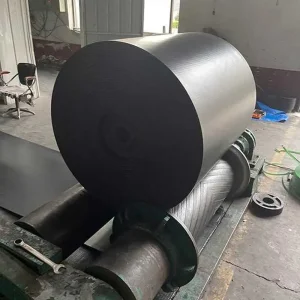
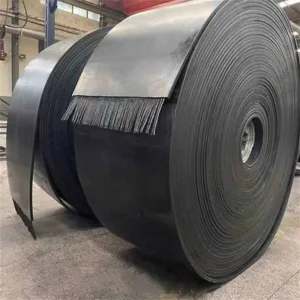
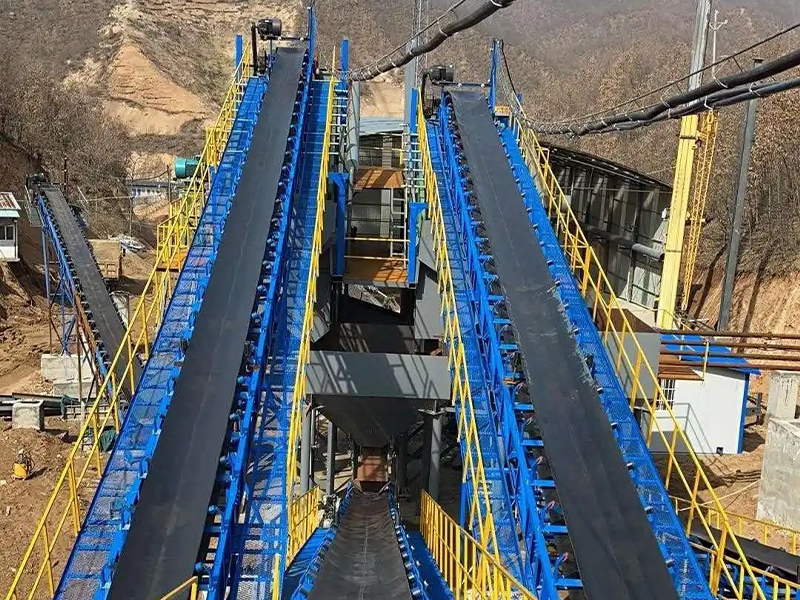
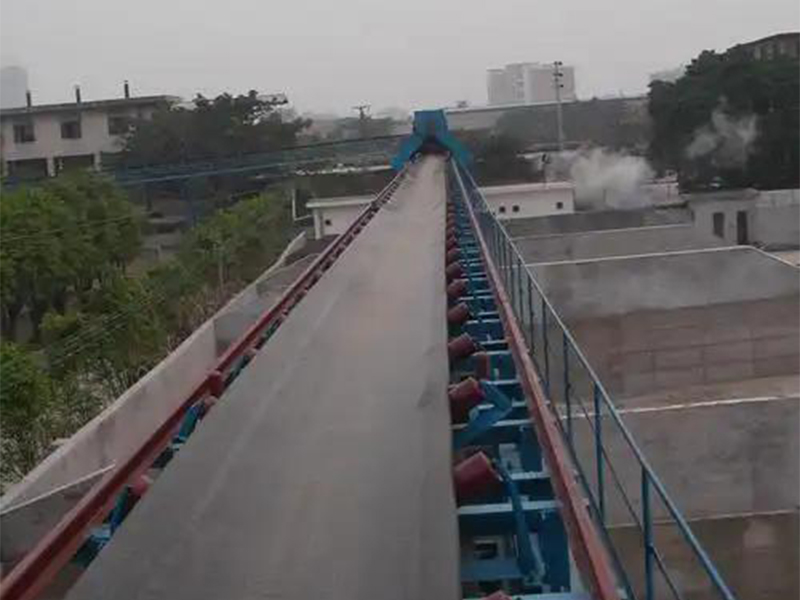
Layered conveyor belts (also known as multi-ply conveyor belts) utilize high-strength fabric layers (EP/NN) bonded with advanced vulcanized rubber. In Nagoya's industrial corridor, these belts must withstand extreme thermal stresses in steel mills, corrosive environments in chemical facilities, and relentless abrasive wear in aggregate terminals. Understanding local operating constraints allows us to deliver solutions customized to Japanese quality and environmental specifications.

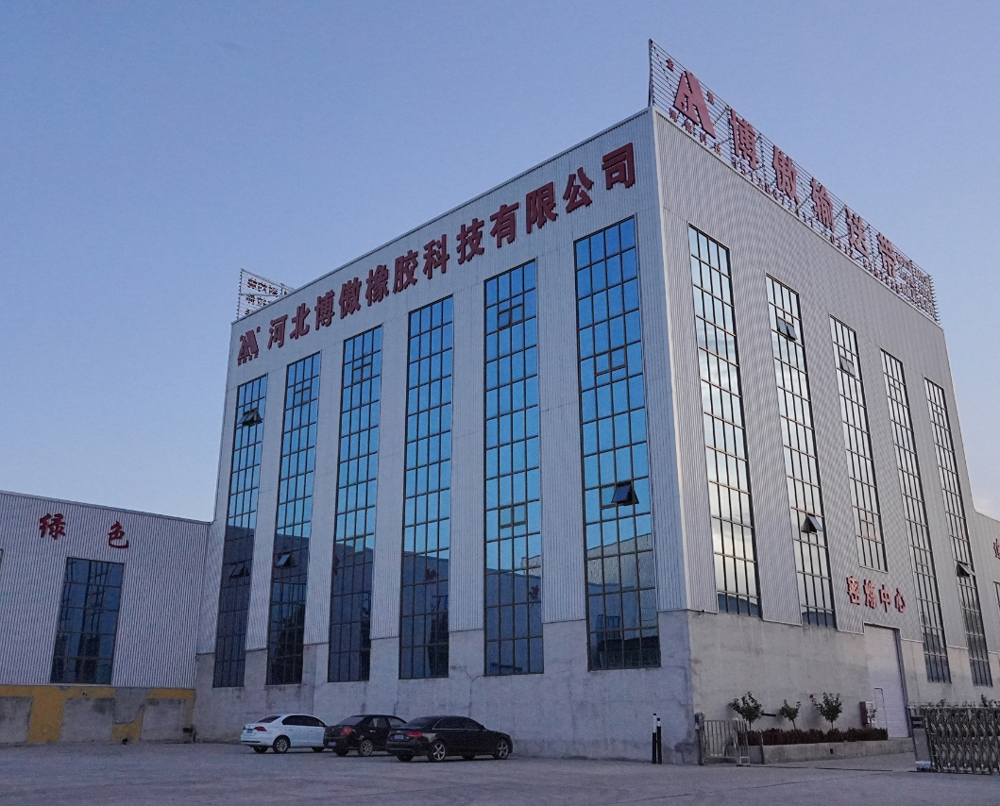
Founded in 2004, Hebei Boao Rubber Technology Co., Ltd. is a leading production-oriented enterprise headquartered in the Rubber Industrial Park of Boye County, Baoding, Hebei Province. Over the last two decades, our flagship "Jinao" brand has become synonymous with durability, compliance, and custom fabrication across global markets.

Operating across a modern facility of over 30 acres, our plant is outfitted with state-of-the-art rolling, forming, vulcanization, and material testing machinery. We specialize in producing rubber conveyor belts that satisfy major international standards, including JIS (Japanese Industrial Standards), DIN, and ISO.
To support Nagoya’s industrial safety mandates, Boao operates an independent chemical analysis laboratory and a physics testing room. Here, every batch of crude rubber and fabric carcass undergoes strict checks for tensile strength, elongation at break, abrasion loss, and flame retardancy. This strict oversight ensures that no substandard product ever leaves our floor.
Our factory’s strategic proximity to major Northern China shipping ports (such as Tianjin and Qingdao) ensures fast, cost-efficient bulk cargo departures. Direct freight shipping routes to the Port of Nagoya guarantee minimal transit times, keeping inventory levels and logistics costs low for Japanese buyers.
By integrating compounding, calendering, carcass weaving, and vulcanization in a single chemical park, Boao eliminates multi-tier supplier markup. We offer industrial-scale pricing while preserving the flexibility to custom-manufacture widths, profiles, and rubber grades to your precise design.
We formulate specialized EPDM, SBR, and Nitrile rubber compounds designed to meet Japanese Industrial Standard JIS K 6322. This alignment ensures seamless machinery compatibility and guarantees that your replacement conveyor belts perform on par with domestic Japanese components.
To minimize unexpected downtime in Nagoya's multi-shift manufacturing environment, Boao provides comprehensive technical coordination. We offer structured technical service programs that cover planning, installation, storage, and splicing.
Our expert technical division works directly with your facility's maintenance staff to supply optimized rubber formulations and precise carcass specs. We establish safety stock thresholds to address unexpected replacement requirements at regional shipping terminals.
We supply step-by-step guidelines for hot vulcanization and cold bonding, ensuring the mechanical joints of our multi-ply belts match the structural strength of the base material.
Our conveyor solutions are trusted by some of the most demanding heavy industrial conglomerates worldwide:
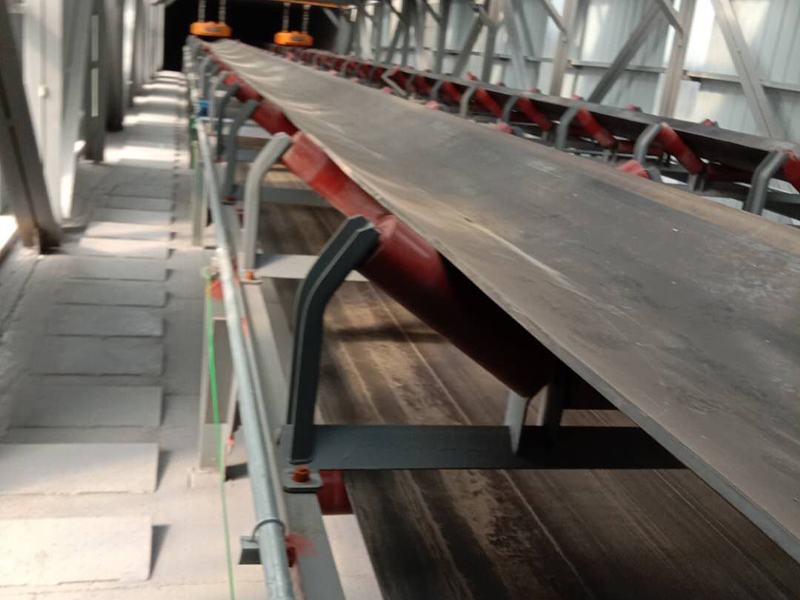
Taihang Steel Group
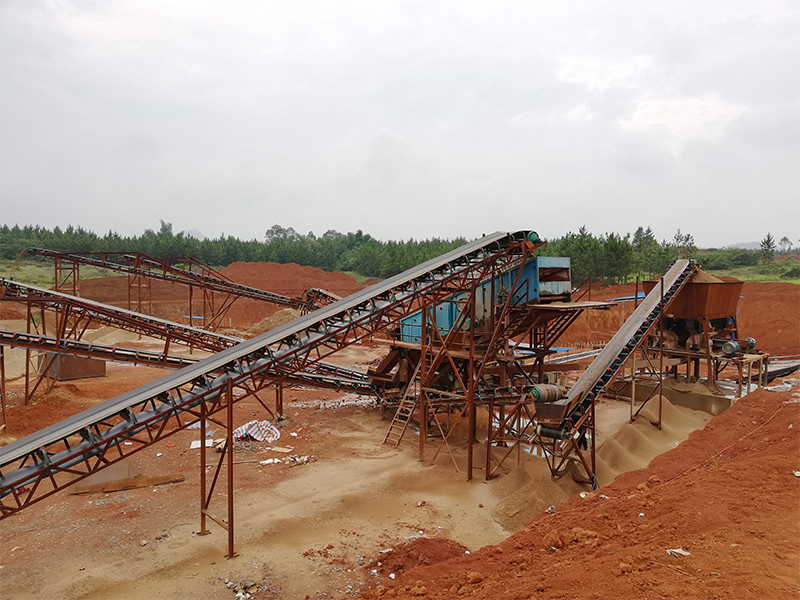
Tsingshan Group
Zijin Mining Group
Conch Cement
Discover our full catalog of multi-ply fabric belts, high-capacity steel cord options, and specialized rollers. Every product is engineered to deliver reliable performance in heavy-duty logistics systems.
As Nagoya’s heavy industries move toward automation and reduced carbon emissions, conveyor system designs are adapting to meet new technical standards.
New rubber compounds are formulated to minimize rolling resistance against idlers. This improvement can lower the energy consumption of long-distance port conveyor systems by up to 15%, reducing operating costs and carbon footprint.
Integrating sensor loops and RFID markers directly into the belt's fabric layers enables real-time wear monitoring. This technology identifies rip points early, preventing catastrophic system failures in continuous-use installations.
To optimize space in congested metropolitan industrial zones, high-angle corrugated sidewall belts allow vertical material movement up to 90 degrees, saving valuable ground space.
Get answers to common technical, logistics, and quality control questions regarding sourcing layered conveyor belts for Chubu region industrial operations.
Consult with our technical engineers to design a custom carcass and compound configuration tailored to your Nagoya facility's requirements. We provide complete technical data sheets, ISO test records, and freight estimates.
Send Inquiry Now Boao Rubber