Providing high-durability, edge-reinforced industrial belts designed to optimize conveyor throughput, reduce spillage, and withstand harsh operating conditions across heavy quarries and maritime transshipment hubs.
Portugal’s industrial infrastructure has undergone a significant modernization program over the last decade, transitioning towards highly efficient, automated dry bulk handling systems. From the limestone quarries in Leiria and Porto de Mós to the expansive cement plants of Secil and Cimpor, and down to the deep-water dry bulk terminals at the Port of Sines and Port of Leixões, the demand for space-saving bulk material handling is at an all-time high.
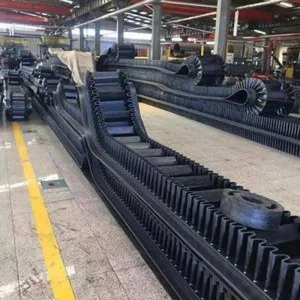
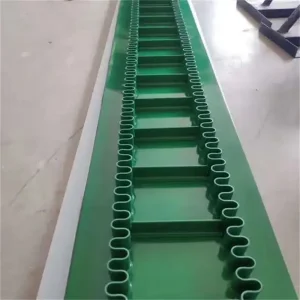
In these environments, traditional flat or troughed conveyor belts often fall short due to structural footprint constraints. This is where wavy edge conveyor belts (also known as corrugated sidewall belts) play a transformative role. By utilizing high-flexibility rubber sidewalls and specialized transverse cleats, these belts allow materials like cement, crushed stone, limestone, fertilizers, and minerals to be lifted at steep angles—even up to 90 degrees vertically. This vertical conveyor configuration eliminates the need for sprawling horizontal conveyors, significantly reducing the capital investment required for transfer towers and saving expensive industrial real estate in Portuguese ports and processing facilities.
Enables reliable bulk material transport at angles up to 90 degrees. Ideal for confined Portuguese maritime terminals, cement mixing silos, and subterranean aggregate mines where horizontal space is constrained.
Flexible vulcanized rubber sidewalls deform perfectly around drive pulleys while retaining fine dust and coarse gravels, cutting material loss down to zero and reducing localized site emissions.
Reinforcing compounds formulated specifically to resist marine salt air degradation, severe oil contamination, and temperature peaks typical in cement production kilns.
Jinao Brand: Over 22 Years of Engineering Experience.
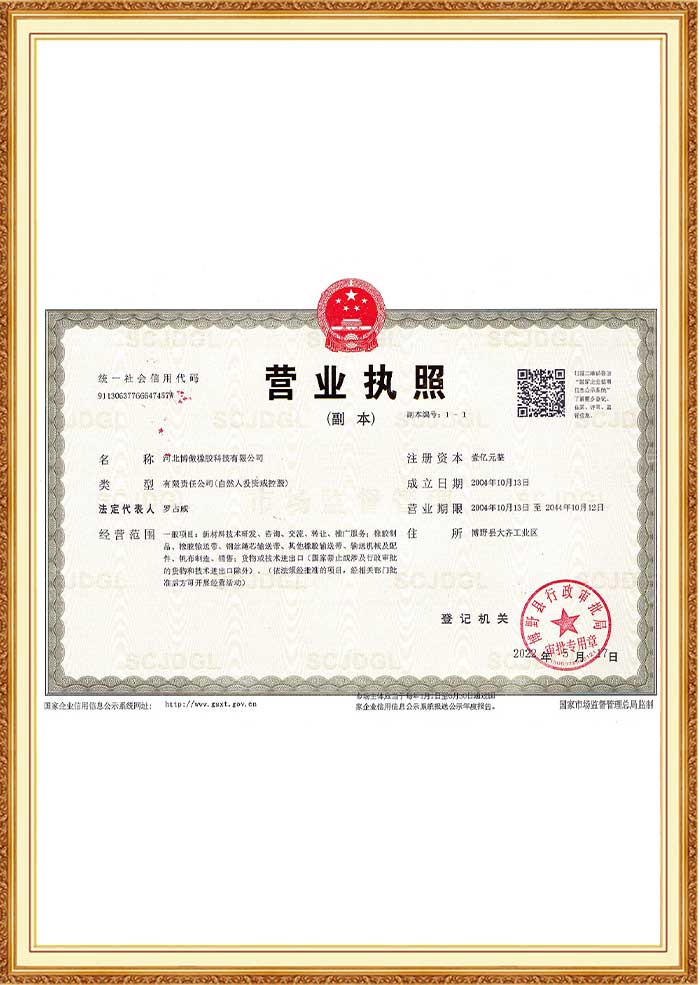
Established in 2004 in the prestigious Rubber Industrial Park of Boye County, Baoding, China, Hebei Boao Rubber Technology Co., Ltd. covers an area exceeding 30 acres. Under our signature brand "Jinao", we have developed a reputation as a leading manufacturer integrating design, advanced R&D, structural simulation, and vertical manufacturing of heavy industrial conveyor belts and technical support components.
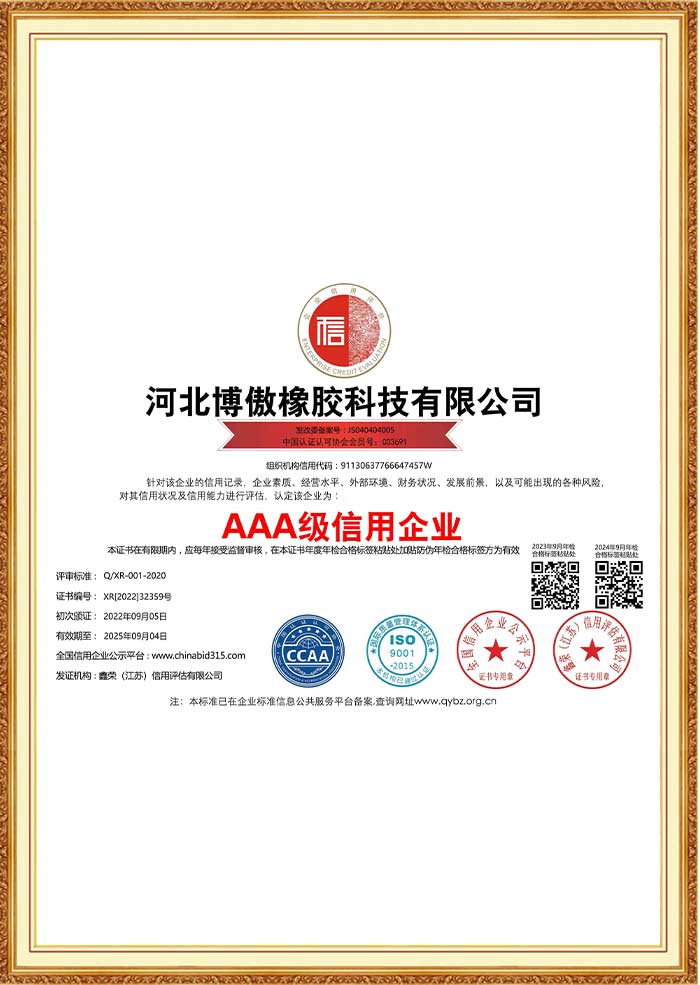
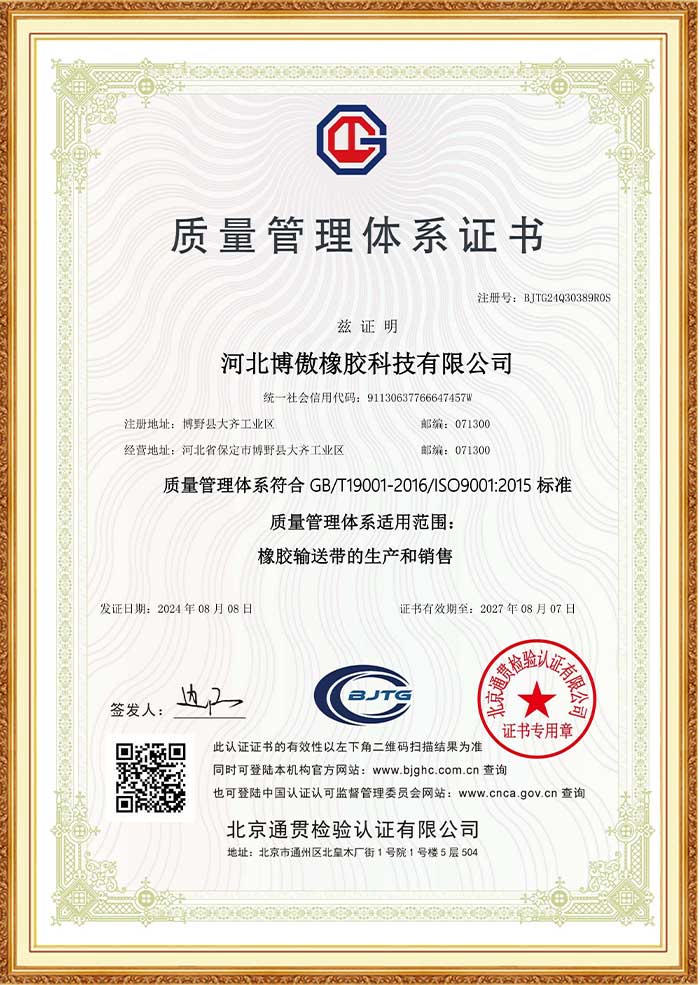
With an independent chemical analysis lab, high-accuracy dynamic vulcanization lines, and multi-stage raw material testing protocols, Boao guarantees every shipment meets global ISO standards. We don't just supply belts; we collaborate directly with design institutes and material handling engineering firms globally to supply robust transport systems.
Procuring heavy-duty edge conveyor belts involves managing strict parameters. System design engineers and plant operations managers in Portugal and globally face continuous challenges related to belt delamination, transverse stiffness failures, cleat wear, and tension member elongations. When high-angle systems fail, the resulting downtime can cost up to thousands of euros per hour in lost output.
At Boao, we address these operational risks by focusing heavily on base belt construction, compound formulas, and precise hot vulcanization procedures.
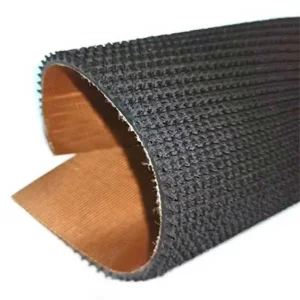
A steep angle conveyor belt requires high cross-rigidity (transverse stiffness) to prevent the belt from bowing, sagging, or collapsing under load when running on return idler rollers. We achieve this by embedding multiple layers of high-modulus polyester (EP) or heavy-duty nylon (NN) fabric, complemented by structural steel-wire tension elements. This cross-rigid design ensures that the belt remains perfectly flat along its transverse axis while remaining fully flexible along its longitudinal axis to loop around drive drums.
The nature of bulk materials transported determines the polymer base compound required. For Portuguese chemical and phosphate handling plants, our Acid and Alkali Resistant Rubber prevents degradation caused by chemical corrosion. For cement plant applications where clinker or hot slag temperatures exceed 200°C, our Heat-Resistant Rubber Belts prevent thermal cracking and hardening, extending the operational life cycle of the belt system.
Unlike cold-bonding methods that can peel over time, Jinao corrugated sidewalls and transverse cleats are integrated onto the base belt using a specialized hot vulcanization process. This thermal bonding creates a unified rubber structure, increasing adhesion strength to withstand shear forces generated when large limestone boulders strike the cleats.
Our conveyor belts, rollers, and custom components are operating reliably across some of the most demanding raw material sites globally. Below are projects where Jinao industrial belts have proven their performance.
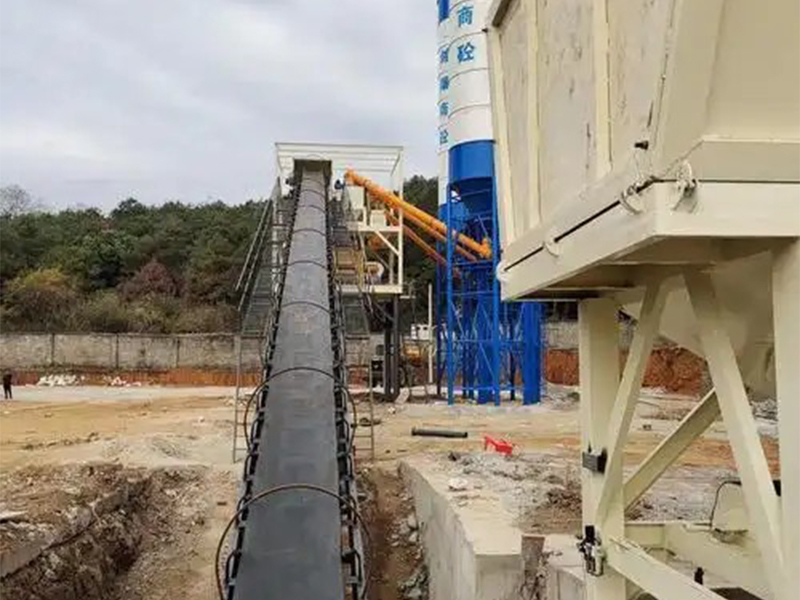
Supplying high-capacity batching belt lines for municipal highway structures.
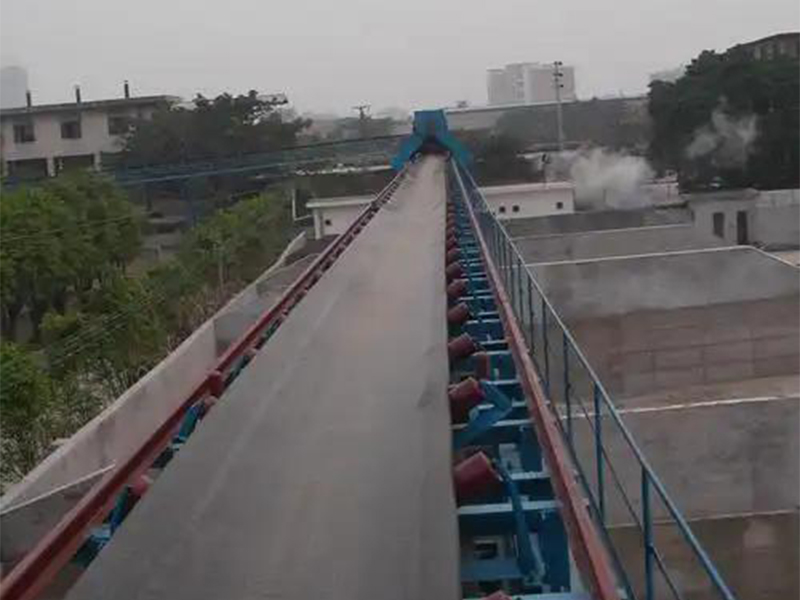
Furnishing high-temperature clinker belts to main production lines globally.
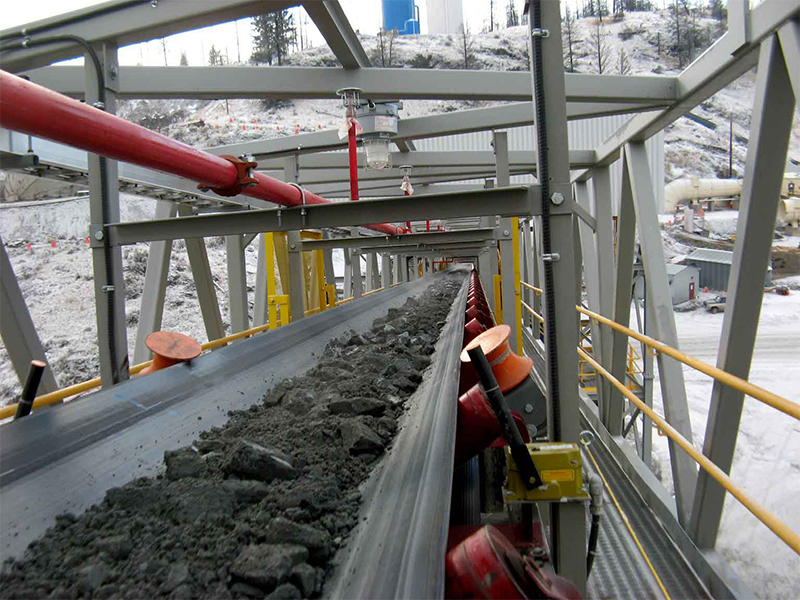
Robust flame-retardant belts designed for vertical shaft hauling systems.
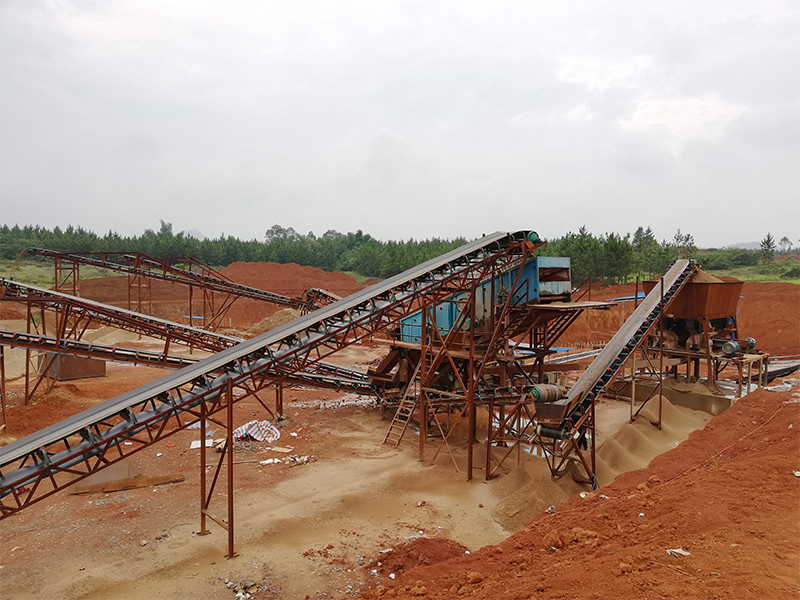
Anti-tear, high-tension steel cord belt lines handling raw minerals.
We also cooperate with key players like Jidong Cement Group, Taihang Steel, Puyang Steel Group, and Jinmei Group Coal Conveying Systems.
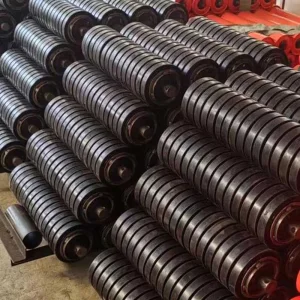
A conveyor system operates as an integrated unit. Sidewall and edge conveyor belts rely on matching rollers, idlers, tensioning brackets, and tracking support to run efficiently. At Hebei Boao, we manufacture both the flexible rubber belt and the mechanical hardware accessories to ensure correct alignment, smooth transition zones, and long-term durability.
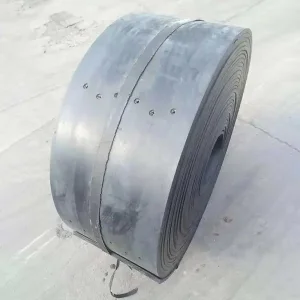
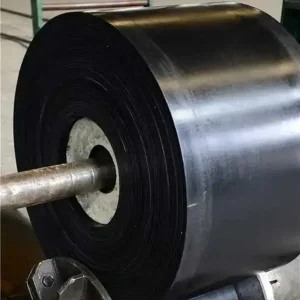
Our belt solutions include multi-ply textile belts (NN, EP, PP) for general conveyance, high-inclination corrugated edge belts, heat-resistant variants, chemical-resistant designs, and patterned chevron layouts for steep slopes.
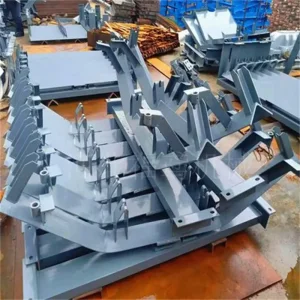
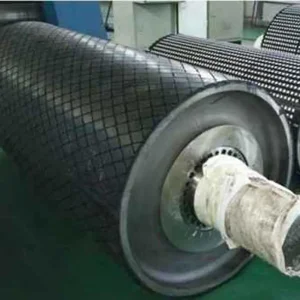
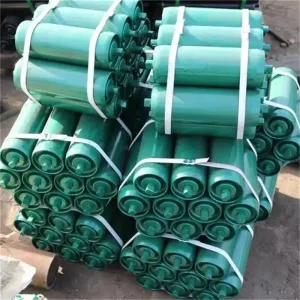
We supply critical structural components including ceramic-lagged drive rollers, impact-absorbing buffer rollers, groove brackets, automatic centering systems, and custom tensioning assemblies.
Managing large bulk materials operations requires minimizing unplanned downtime. Hebei Boao provides a comprehensive technical service program designed to extend belt lifespan and ensure operational reliability.
Contact our technical engineering team for system calculations, custom product drawings, and competitive industrial pricing for the Portugal market.
Find replacement components, heavy impact rollers, chemically resistant belts, and steel-reinforced brackets designed to match major European system specifications.
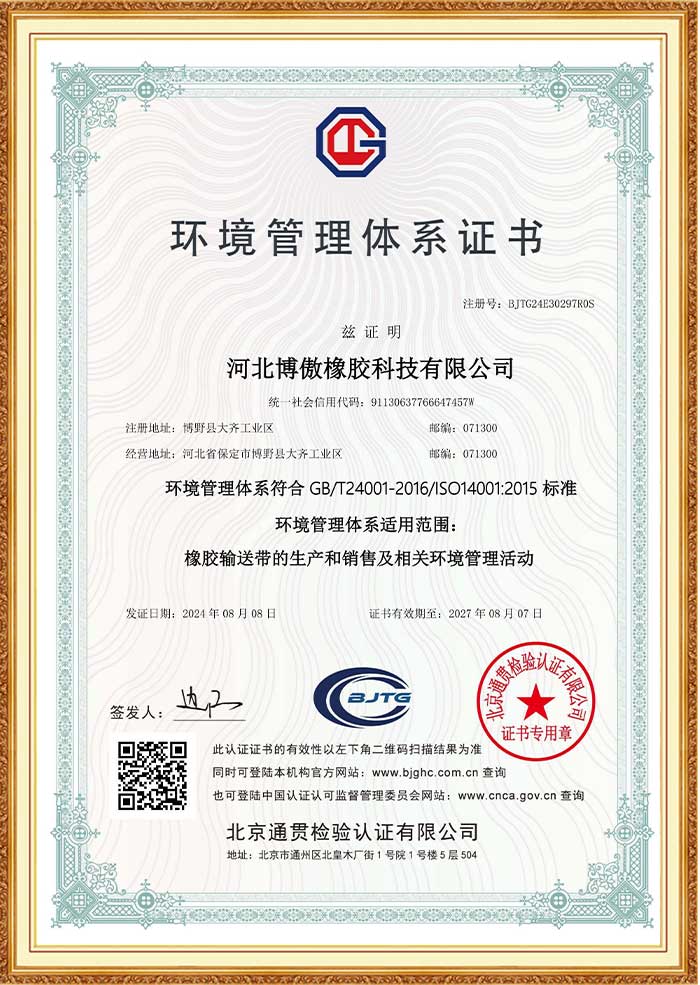
Exporting conveyor components to EU markets like Portugal requires compliance with European safety and environmental standards. Under the REACH regulation, our rubber compounds are monitored to ensure safe chemical levels. For explosive dry dust environments typical in deep mines or closed grain elevators, we supply anti-static and flame-retardant belts designed to match European safety ratings.
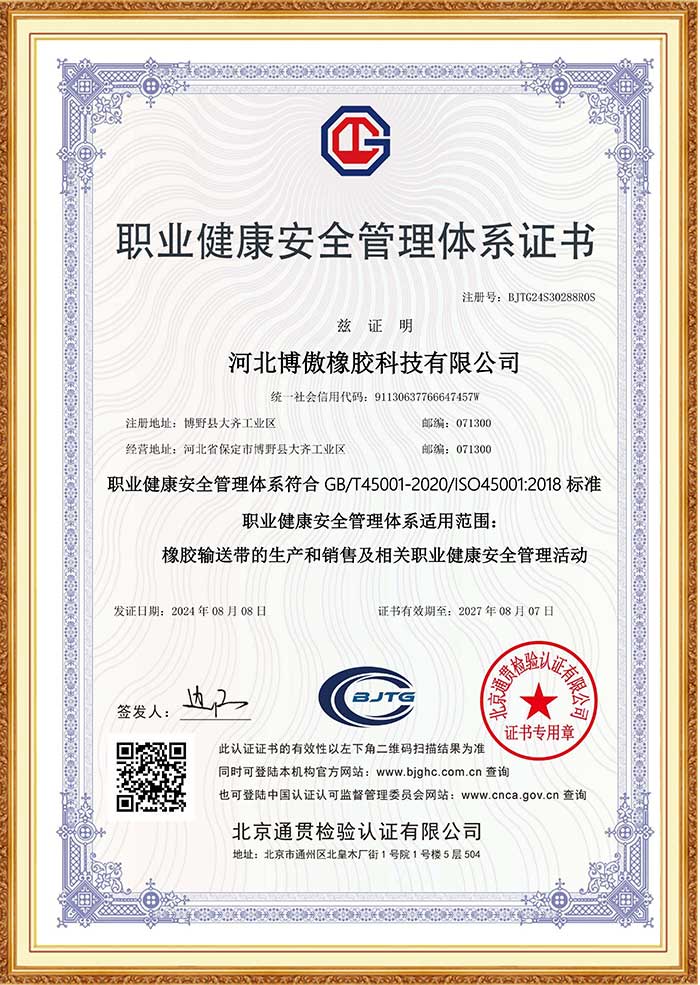
Hebei Boao maintains complete control over documentation, providing material test certificates, dimensional drawings, and wear-resistance data sheets with every shipment to support custom clearance in Lisbon or Leixões.
Corrugated wavy edge belts (sidewall belts) allow bulk material transport at angles up to 90 degrees, whereas standard troughed belts are typically limited to 15-20 degree inclines. Sidewall belts prevent edge spillage, increase loading capacity within a narrower structure, and eliminate transfer points, reducing overall system footprints and power requirements.
We use a hot vulcanization process. The base belt, corrugated sidewalls, and cleats are vulcanized together under temperature and pressure. This cross-links the rubber molecules, creating a durable bond that withstands shear forces and dynamic flexing better than cold-bonded alternatives.
Yes. We formulate our rubber compounds for specific applications. Our heat-resistant compounds withstand hot clinker or ash up to 220°C, and our acid-alkali resistant compound prevents polymer degradation in fertilizer processing, paper pulp production, and chemical transport installations.
We work with global freight forwarders to manage shipping under FOB, CIF, or DDP terms. Products are packed in reinforced steel crates with moisture-barrier wrappers to prevent rust on metal inserts and keep the rubber protected during sea transit to the ports of Sines, Leixões, or Lisbon.
 Boao Rubber