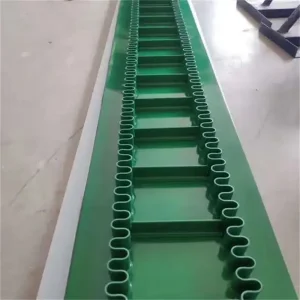
Heavy-duty, precision-engineered conveyor components customized for rugged Latin American mining environments and industrial systems.
Mexico is positioned as a globally dominant hub for mineral extraction, metallurgy, cement production, and advanced manufacturing. Boasting rich geology, the country remains a top global producer of silver, copper, zinc, and gold. Mining corridors stretching across states like Sonora, Chihuahua, Durango, and Zacatecas require extreme industrial durability from bulk handling systems. Transporting highly abrasive ores, heavy aggregates, and dry raw materials requires conveyor components capable of resisting massive mechanical stress, excessive friction, dust accumulation, and fluctuating ambient temperatures.
In parallel, Mexico's cement and logistics industries are scaling up to support fast-developing infrastructure and manufacturing projects in northern and central regions (El Bajío). Leading cement producers (such as CEMEX) and transport terminals require conveyor accessories that minimize unexpected downtime. A single roller seizure or belt tear can translate to thousands of dollars in hourly losses. As such, procurement officers and engineering directors across Mexico are shifting away from cheap, low-grade components in favor of high-spec conveyor belts, idlers, and pulleys that guarantee high reliability and extended service life.
Exporting high-performance conveyor systems from China's premier rubber industrial park to Mexico's leading industrial enterprises.
Established in 2004, Hebei Boao Rubber Technology Co., Ltd. is located within the Boye County Rubber Industrial Park, Baoding, Hebei Province, China. Under the proprietary brand "Jinao", the company has grown into a highly specialized manufacturer that integrates design, research and development, testing, and volume fabrication of conveyor belts and supporting mechanical components.
Boao is equipped with advanced automated production lines for rolling, extrusion molding, vulcanization, and material testing. The factory operates an independent chemical analysis lab alongside a physics testing department to review raw materials before they enter the processing line. This rigorous quality control ensures that only products adhering to global standards (ISO, DIN, CEMA, AS) are shipped to international sites, including mining and industrial projects across Mexico.
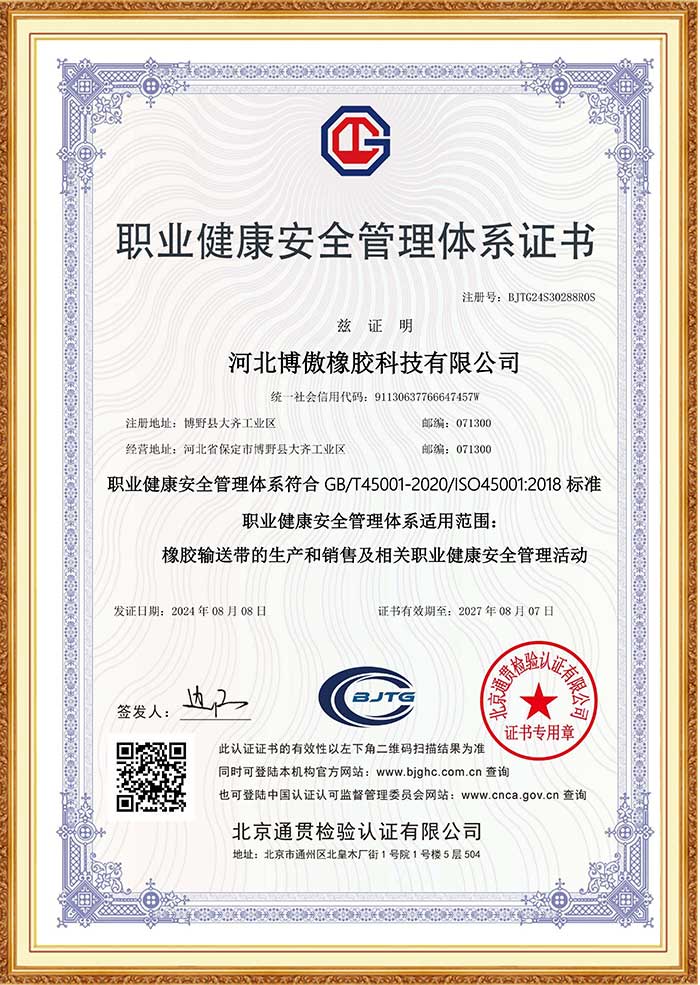
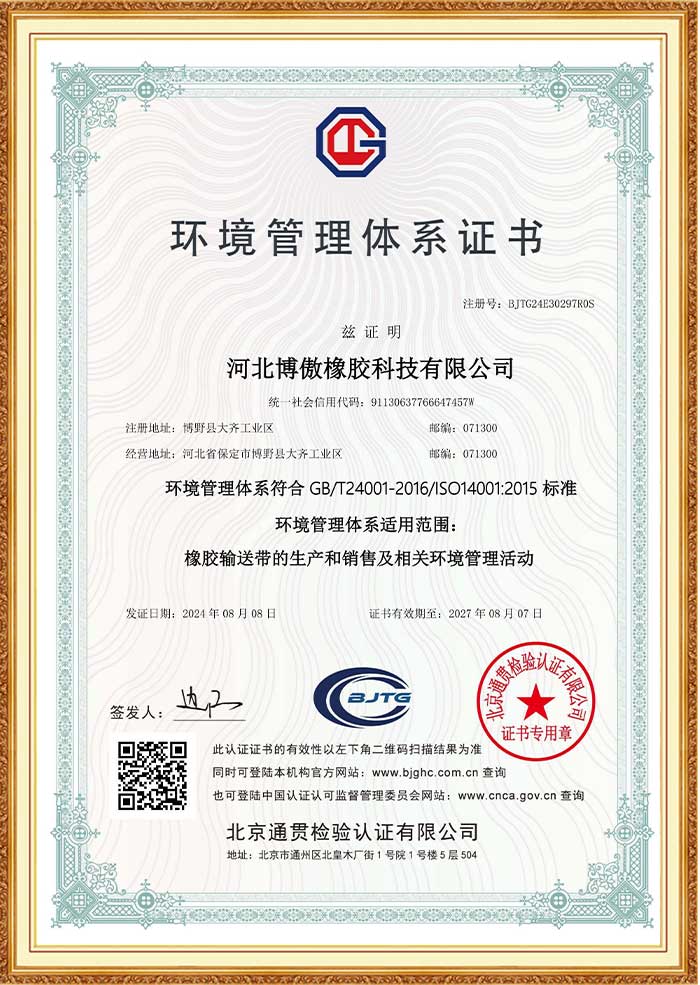
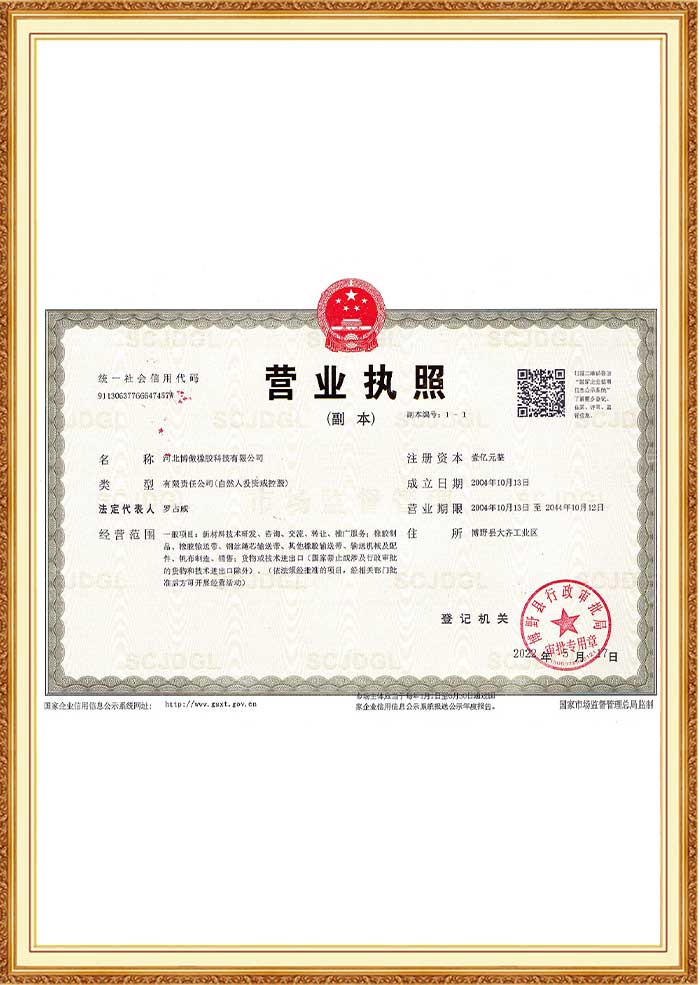
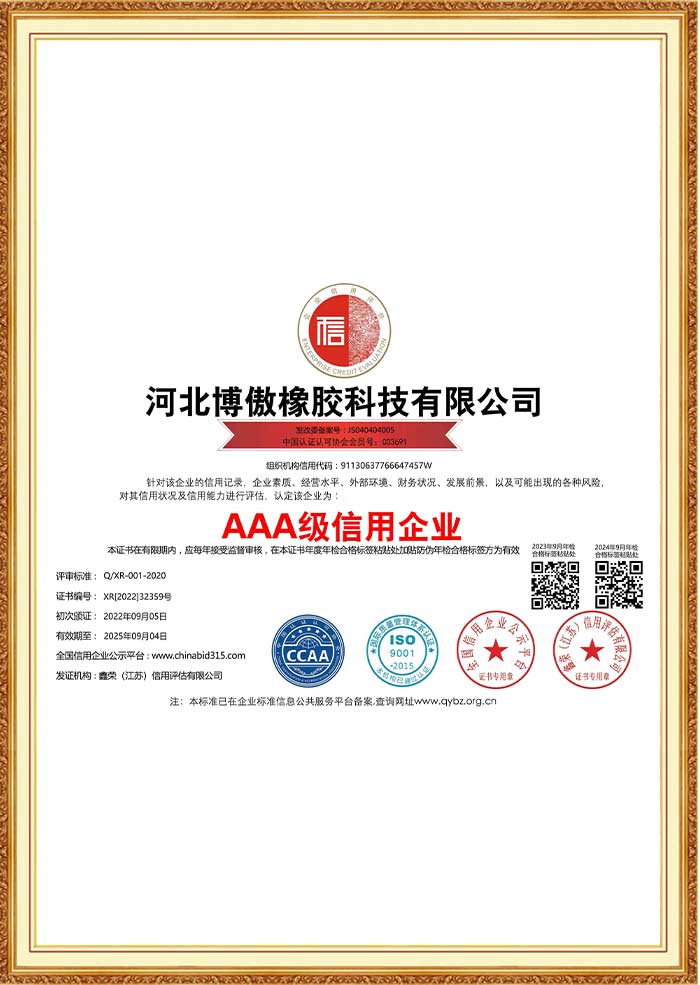
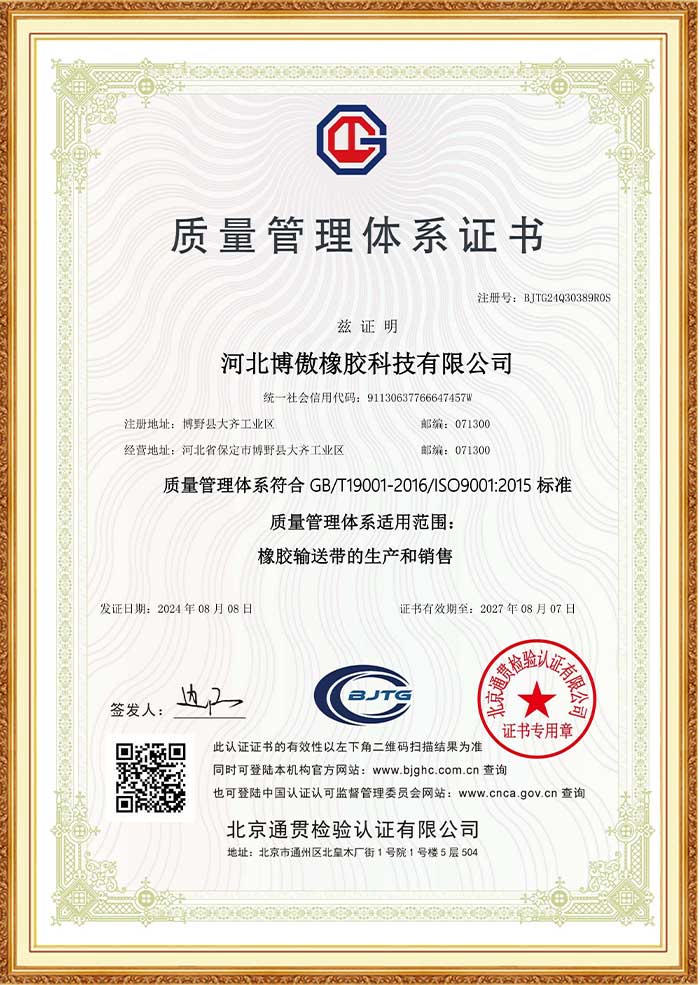
Providing custom, high-reliability engineering configurations to reduce TCO (Total Cost of Ownership) for Mexican industrial operations.
Every batch of raw rubber, synthetic polymer, and steel cord undergoes tensile strength, elongation, and abrasion testing. Unqualified materials are rejected immediately, guaranteeing compliance with standards.
Our conveyor belts (EP, Nylon, Steel Cord) and idler components conform to international standard classifications. This allows drop-in replacements for standard equipment configurations used in Mexico.
Equipped with advanced multi-roller calenders and continuous vulcanization machinery, our facility processes large bulk orders rapidly to ensure timely delivery for critical projects.
Conveyor components must operate under strict, internationally recognized parameters. Selecting accessories requires careful comparison of standard systems. For instance, the **CEMA (Conveyor Equipment Manufacturers Association)** classification rates idler rollers into Classes B, C, D, E, and F based on load capacity and operational speed. Mining operations in Mexico handling high-tonnage ore typically require CEMA D or E components.
Simultaneously, the elastomer compounds used in rubber conveyor belts must align with precise international standards. Under the German **DIN 22102** standard, compounds are classified by wear resistance:
In addition, flame retardancy standards (such as **EN ISO 340** or **MSHA**) are mandatory for underground coal operations and closed grain processing plants. These regulations ensure that belts do not spread fires along the conveyor system. Choosing a manufacturer that tests these parameters in-house protects material handling facilities from safety hazards and catastrophic system failures.
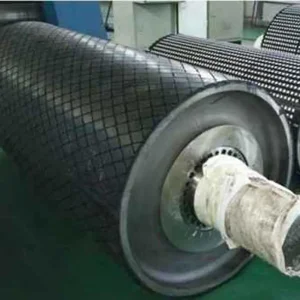
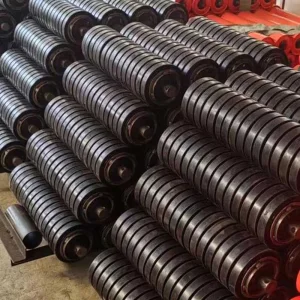
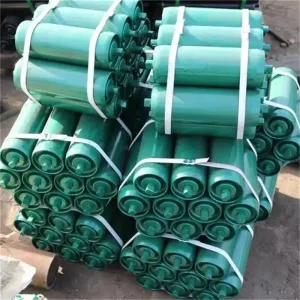
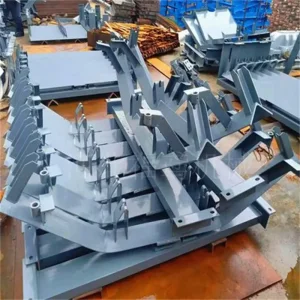
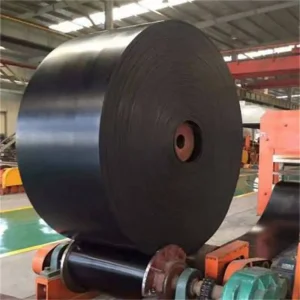
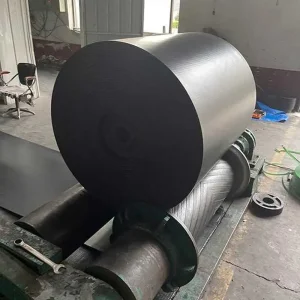
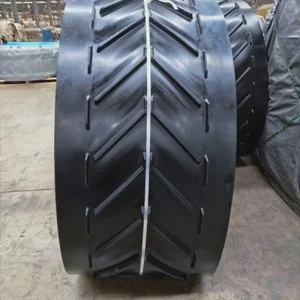
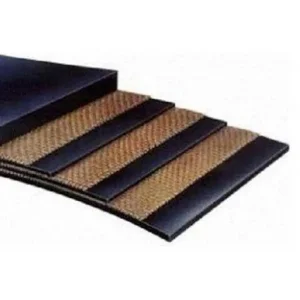
Direct from our factory: heavy-duty fabric-reinforced, steel cord, and patterned rubber belts alongside precision-engineered idler rollers.
Mexican industrial facilities operate in diverse climates, from the arid desert mining fields of Sonora to the humid port zones of Veracruz. Each location requires targeted belt configurations:
High-Impact Copper Extraction (Cananea & Nacozari): The extraction of hard rock copper puts significant stress on loading zones. Standard idlers can deform under continuous impact, leading to belt misalignment. Using heavy-duty impact idlers fitted with energy-absorbing rubber rings helps cushion the fall of large lump ores. This safeguards the conveyor's structural frame and extends the service life of high-tensile steel cord belts.
High-Incline Aggregate Handling (Sierra Madre Regions): Transporting crushed limestone or wet silica sand up steep inclines can cause material slippage on flat belts. Integrating patterned chevron conveyor belts prevents backsliding, stabilizing mass transfer rates at angles up to 40 degrees.
For decades, the Boye County industrial hub in Hebei Province has served as a central cluster for rubber product manufacturing. This concentration brings together raw material sourcing, automated vulcanization technologies, and specialized engineering talents.
Hebei Boao leverages this geographic clustering to streamline production processes. Our continuous vulcanization lines reduce energy consumption, while automated calendering machinery produces precise rubber sheets with uniform gauge control. This high manufacturing efficiency allows us to deliver high-performance conveyor components at competitive price points. This cost-efficiency helps Mexican procurement teams lower capital expenditures and reduce long-term operational costs.
The bulk handling sector is adopting digital technology to optimize maintenance and performance. Modern conveyor systems utilize sensor integrations to monitor operation in real time:
Our solutions have supported major industrial projects globally, demonstrating reliable performance under high-stress operating conditions.
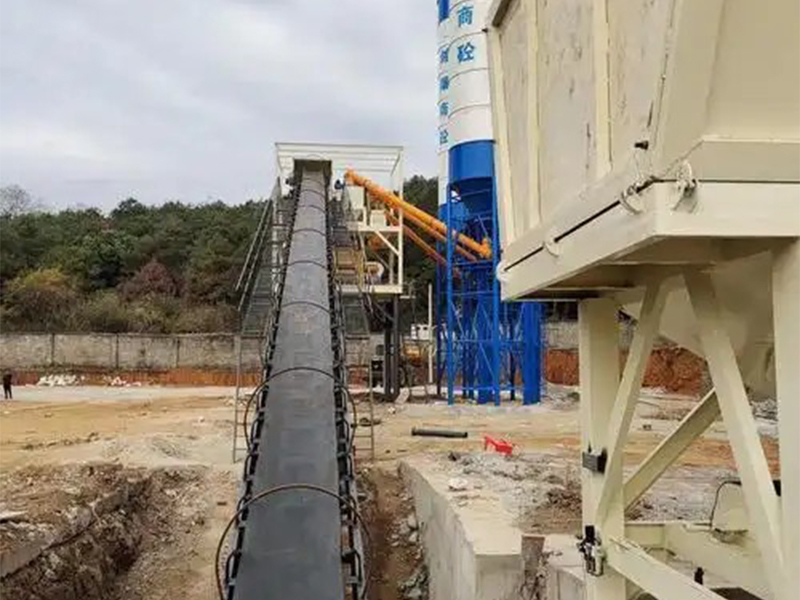
High-volume conveyor systems designed for continuous sand and aggregate transport under tight project timelines.
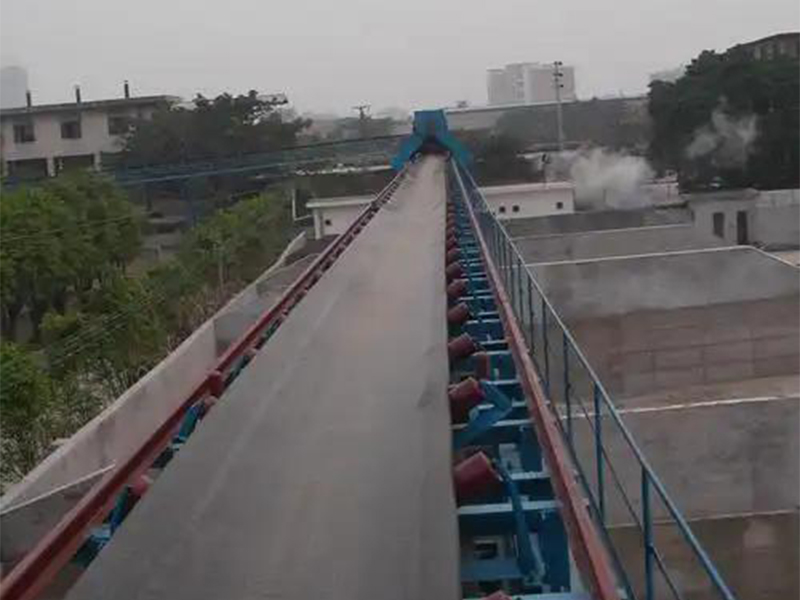
Heat-resistant EP conveyor belts designed for transferring hot clinker material, maintaining structural integrity under high operating temperatures.
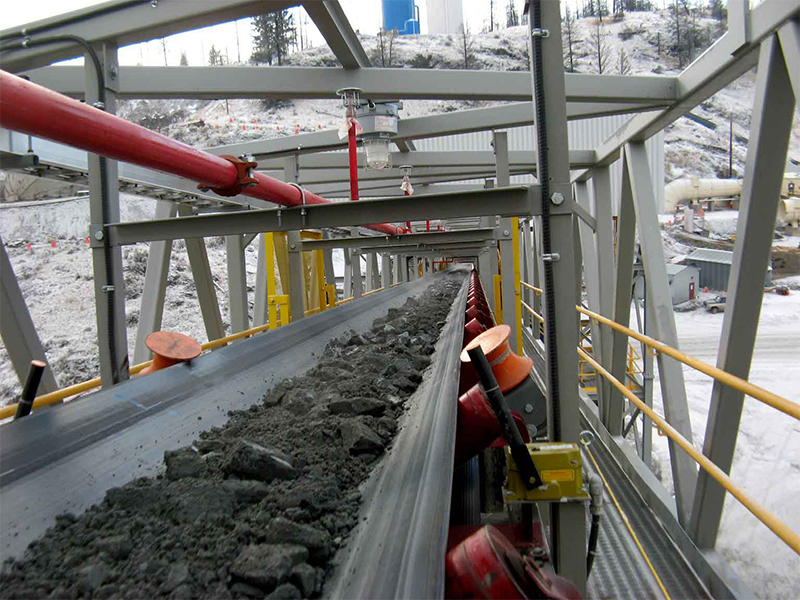
Flame-retardant rubber conveyor belts built for underground operations, meeting strict safety guidelines for coal dust atmospheres.
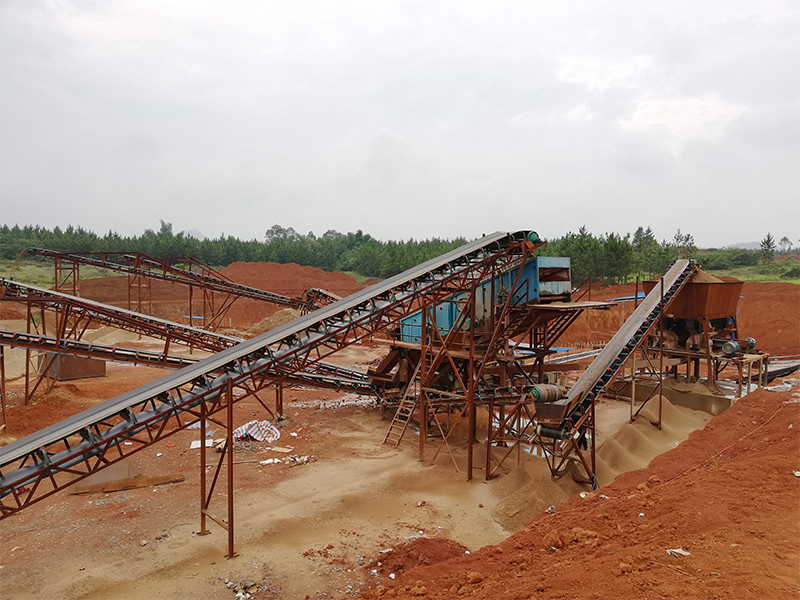
Heavy-duty impact idlers and chemical-resistant belts supporting heavy ore transport in smelting facilities.
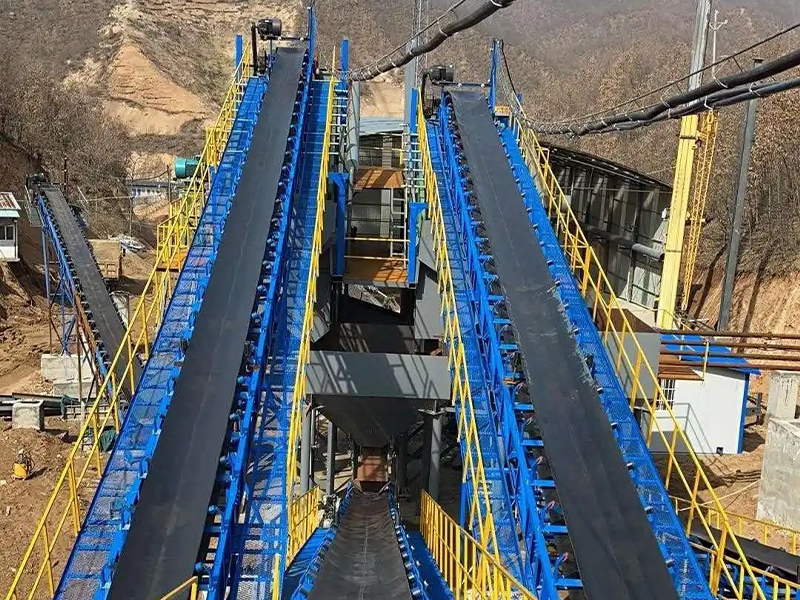
High-tensile steel cord belts engineered for high-altitude ore processing, showing low cover wear rates under abrasive conditions.
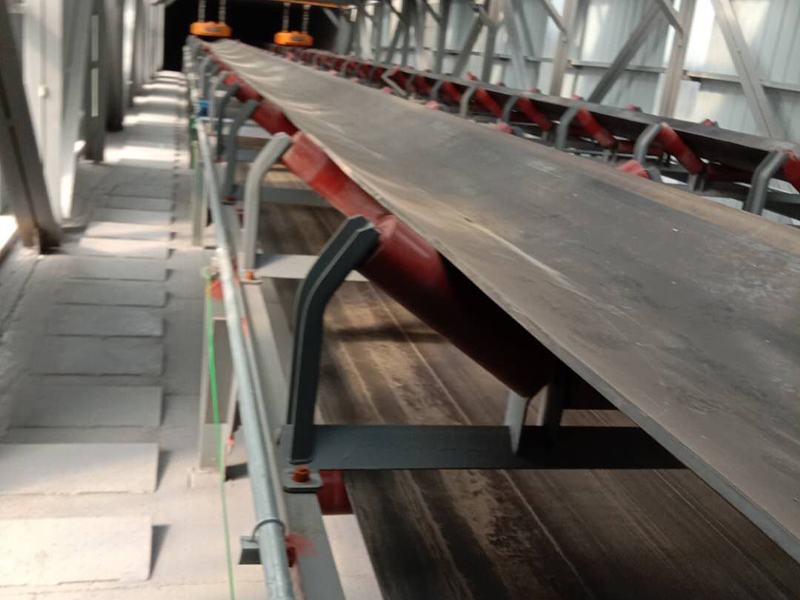
Conveyor components configured for raw sintered ore and scrap steel handling, maintaining alignment under heavy cyclical loads.
To optimize the performance and service life of bulk conveying systems, Hebei Boao provides detailed service plans that cover the entire product lifecycle:
We provide comprehensive installation guides and detailed splicing instructions (hot vulcanization and cold bonding methods) to ensure secure belt joints that minimize splice failure risk.
We assist procurement teams in planning stock levels for critical wear components—including idlers, rollers, and impact bars—ensuring quick access to replacements during planned shutdowns.
Our engineering support team offers maintenance checklists and diagnostics guidelines to help operators identify belt mistracking and bearing wear early, reducing the risk of unplanned downtime.
Our technical support aims to help operators maximize belt life, reduce component wear, and lower the overall cost per ton of material moved.
Technical answers to common questions raised by procurement directors and maintenance engineers in Mexico.
 Boao Rubber