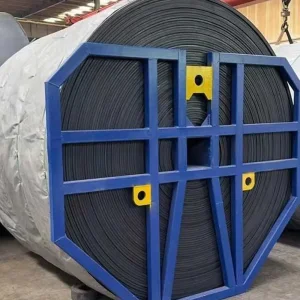
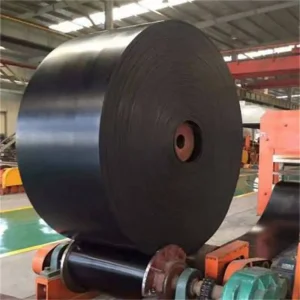
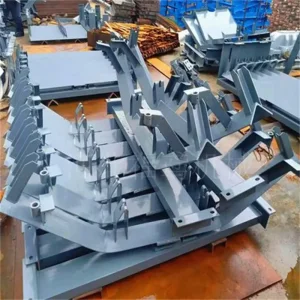
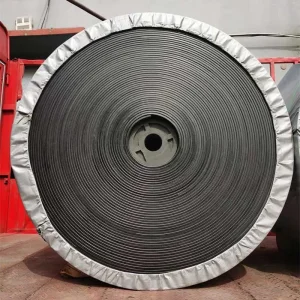
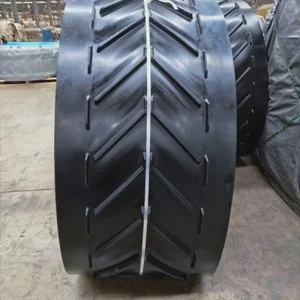
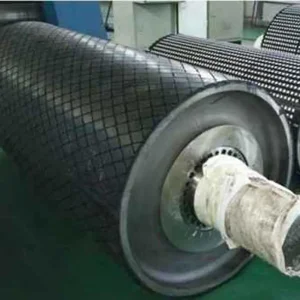
Explore our engineering-grade industrial belts and conveyor supporting products designed for maximum throughput and structural durability.
An in-depth analysis of material formulations, mechanical properties, and structural advantages over traditional steel and rubber options.
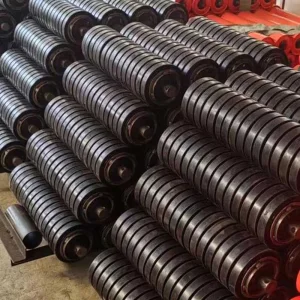
In the modern industrial landscape, bulk material handling systems operate under aggressive environments featuring abrasive particles, heavy mechanical impacts, corrosive chemicals, and fluctuating temperatures. Traditionally, steel rollers and rubber buffer idler rollers served as the standard components. However, systemic limitations such as structural corrosion, premature outer shell wear, material carry-back, and high running noise levels have driven engineers to seek advanced alternatives. This is where Urethane Idler Rollers have revolutionized the industry.
Polyurethane (urethane) combines the elasticity of rubber with the structural strength of hard plastic and steel. In conveyor operations, urethane coatings are applied to roller shells to form a robust, non-stick shield. This layer acts as a mechanical damper that absorbs the impact energy of falling bulk materials. This elastomeric shield protects both the internal bearing assemblies and the conveyor belt carcass from punctures, tearing, and micro-cracking, significantly lowering total cost of ownership (TCO) for mining, metallurgical, and port logistics facilities worldwide.
Not all urethanes are created equal. The physical characteristics of a urethane idler roller are dictated by the chemistry of the prepolymer (typically TDI or MDI systems) and the curing agent used during formulation. By modifying these components, manufacturers can adjust parameters such as Shore Hardness, rebound resilience, and hydrolysis resistance.
Provides customizable flexibility. Lower hardness ratings offer cushioning for fragile materials, while higher Shore D ratings deliver low rolling resistance and high load capacity.
Prevents tearing, chipping, or debonding under heavy shear stresses, ensuring the urethane layer remains structurally fused to the steel core.
Outperforms traditional natural rubber by up to 3 to 5 times in abrasive wear environments, minimizing roller replacement intervals.
Industrial conveyor layouts require tight manufacturing tolerances to achieve high dynamic balancing and prevent structural vibration. Below is an engineering overview of standard technical limits implemented by leading manufacturers in Boye, China.
| Engineering Property | Standard Steel Rollers | Rubber Buffer Rollers | Advanced Urethane Rollers |
|---|---|---|---|
| Service Life Cycle | 12,000 - 15,000 Hours | 8,000 - 12,000 Hours | 35,000 - 50,000+ Hours |
| Coefficient of Friction | Moderate (0.35 - 0.45) | High (0.50 - 0.70) | Low (0.15 - 0.25) |
| Impact Damping Efficiency | Poor (Transfers force to bearing) | Moderate (Deforms and cracks) | Excellent (Viscoelastic absorption) |
| Chemical & Acid Resistance | Highly Susceptible to Rust | Prone to Oxidation/Swelling | Exceptional (Resists Oils/Acids/Alkalis) |
| Material Carry-Back Build-up | High (Severe scaling) | Moderate | Negligible (Self-cleaning property) |
Backed by over two decades of professional industrial manufacturing, research, and technical design under the Jinao Brand.
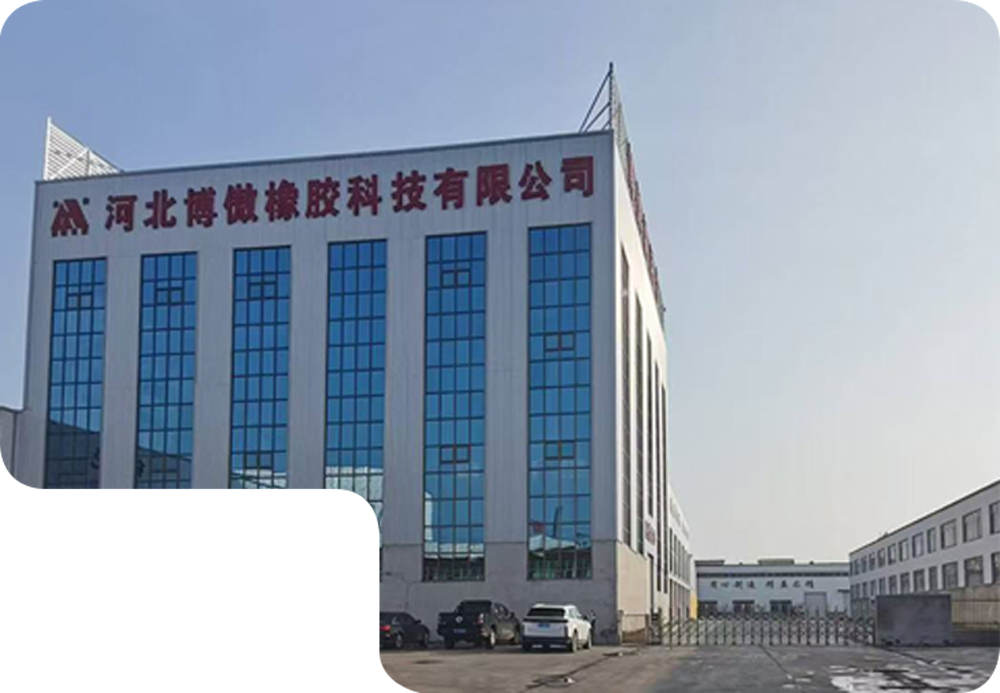
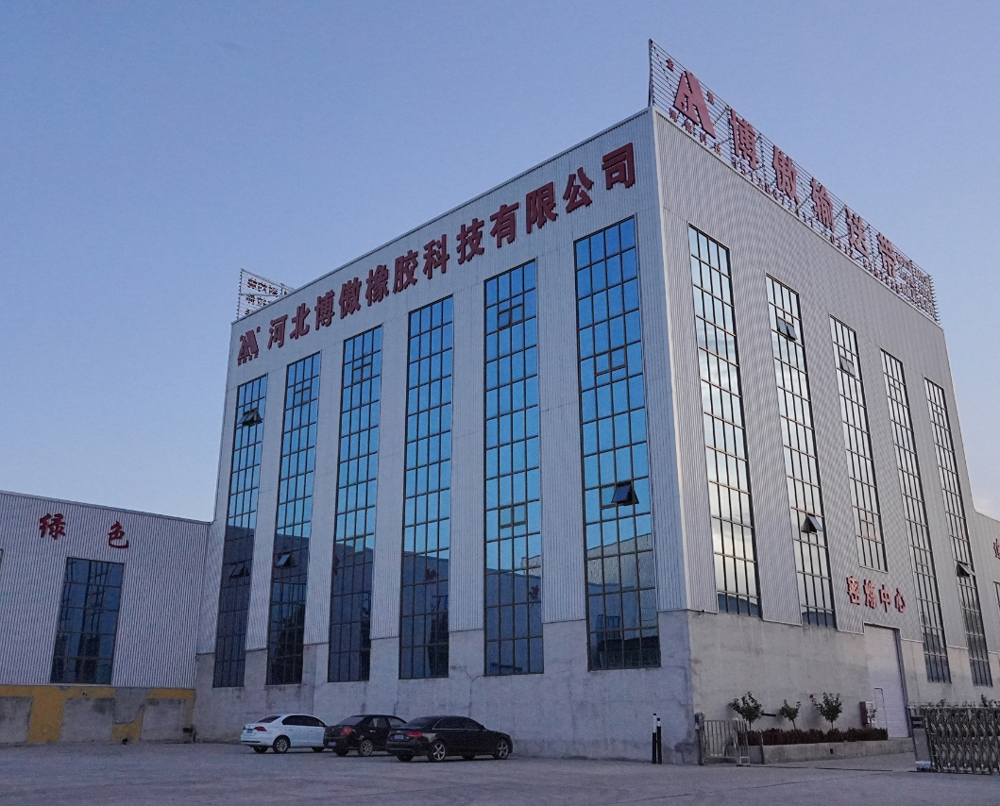
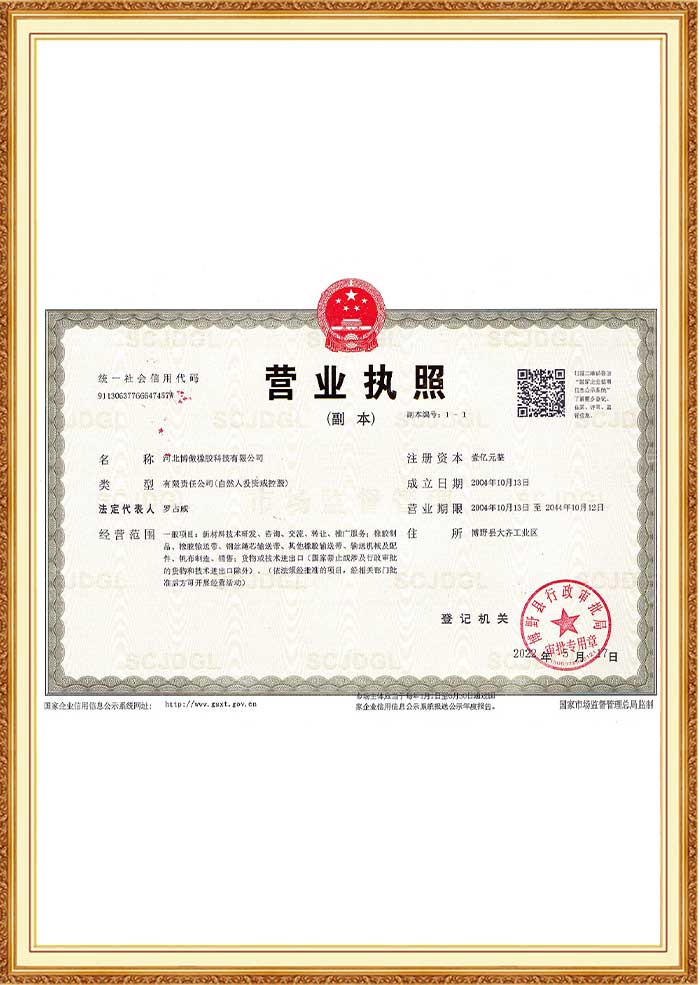
Established in 2004 and spanning a state-of-the-art facility over 30 acres in the Boye County Rubber Industrial Park (Baoding, Hebei Province), we specialize in the comprehensive design, research, manufacturing, and supply of premium industrial conveyor systems. Our products bear our signature quality mark—the "Jinao" brand.
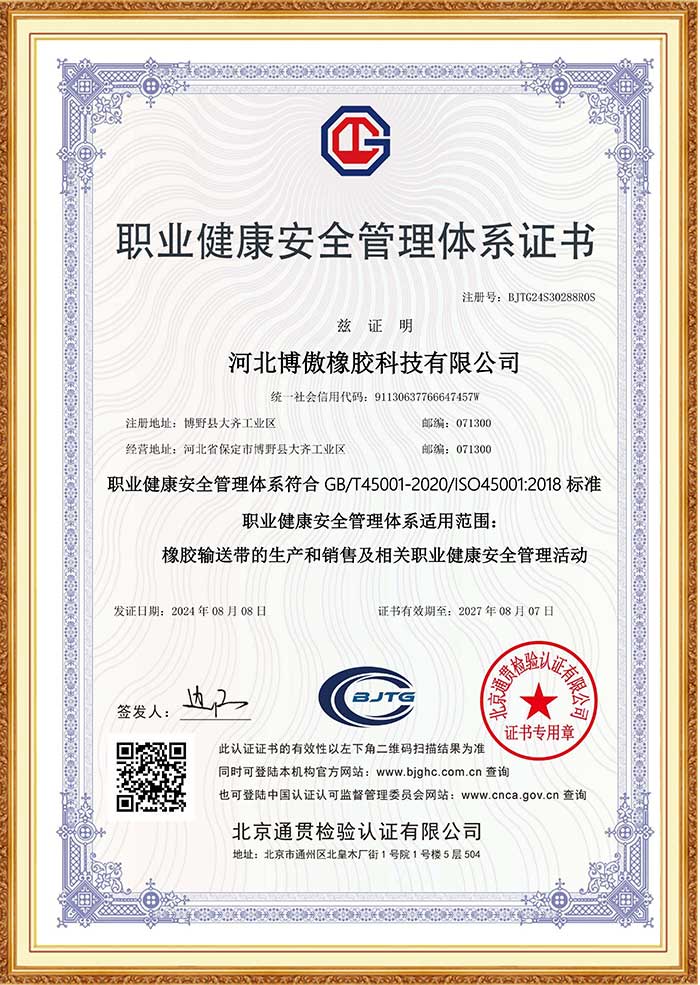
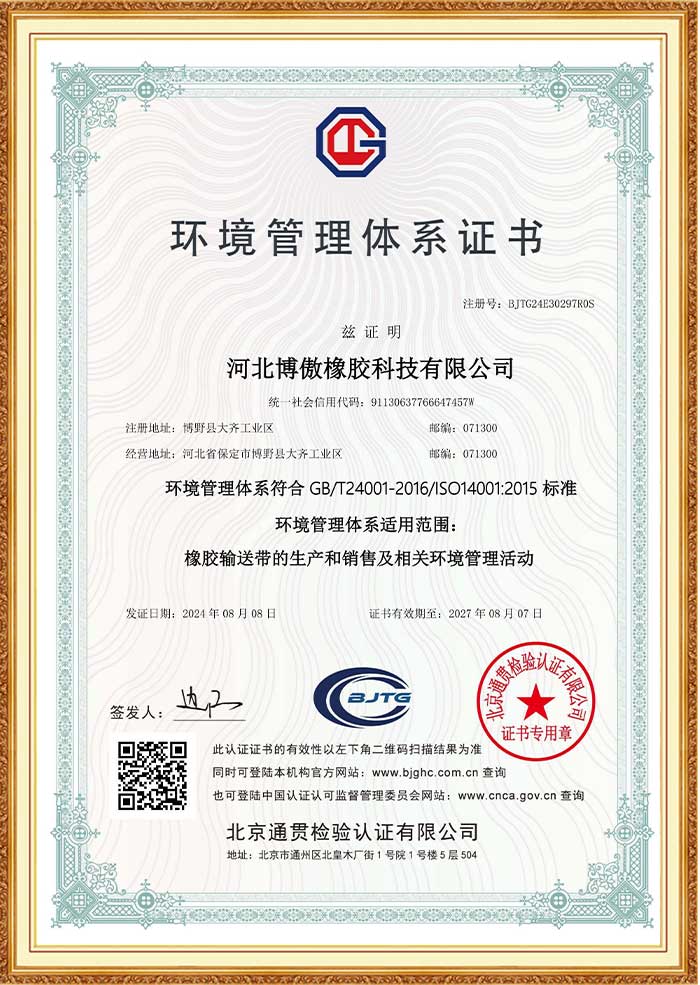
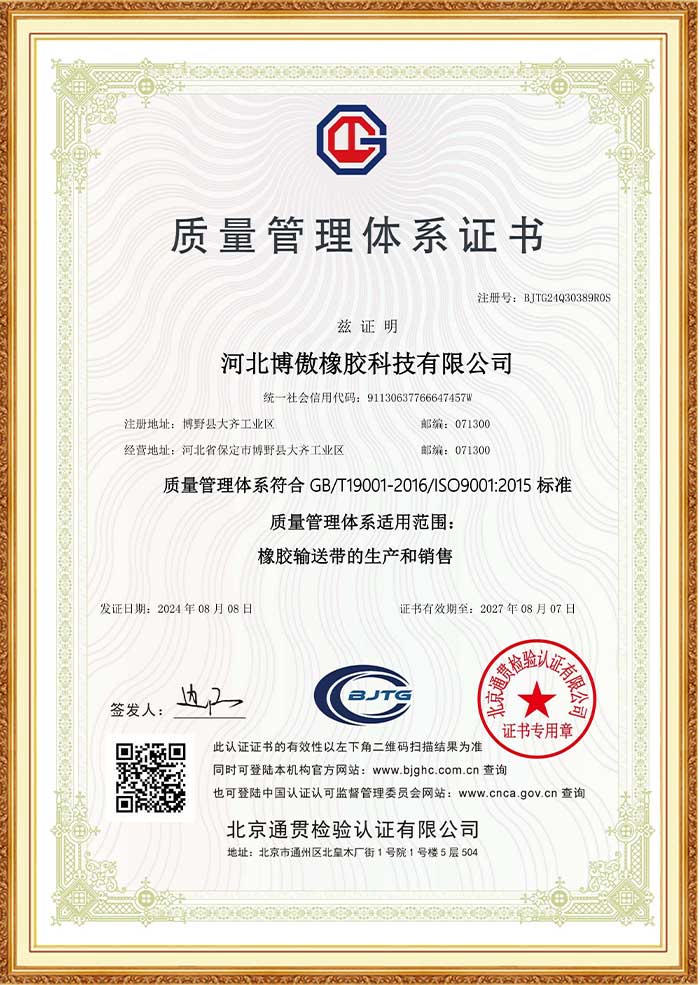
As a leading Chinese manufacturer, our facility houses specialized production lines for raw rubber rolling, thermo-vulcanization, custom polyurethane casting, and testing. Having passed international quality management systems, our quality procedures are tightly managed from raw chemicals to final inspection.
Zero defect tolerance through rigorous physical testing and chemical compound analysis.
We maintain an independent physical and chemical analysis testing room. Every batch of polyurethane prepolymer, steel tubing, and bearing units undergoes strict verification before entering production lines.
Our quality inspectors leverage dynamic balance testing rigs, ultrasonic thickness gauges, concentricity testers, and Shore durometer systems to check alignment, weld integrity, and urethane adhesion.
Backed by extensive stock and domestic freight access, our conveyor systems serve heavy metallurgy, ports, power stations, fertilizer plants, cement kilns, and mines worldwide.
Providing customized urethane idler rollers and high-wear mechanical solutions for key heavy industries worldwide.
Iron ore, copper, coal, and gold processing plants operate under wet, muddy, and highly abrasive conditions. Urethane-coated return rollers prevent sticky fines from building up, eliminating mistracking and belt wear.
Transporting extremely hot, rough, and sharp sinter ore requires idlers that resist severe heat transfer and physical laceration. Customized cast polyurethane rollers handle temperature loads while maintaining shape.
Salt fog and high humidity corrode traditional steel shells within months. Our marine-grade polyurethane formula acts as a barrier, preventing corrosion and reducing operational noise close to residential zones.
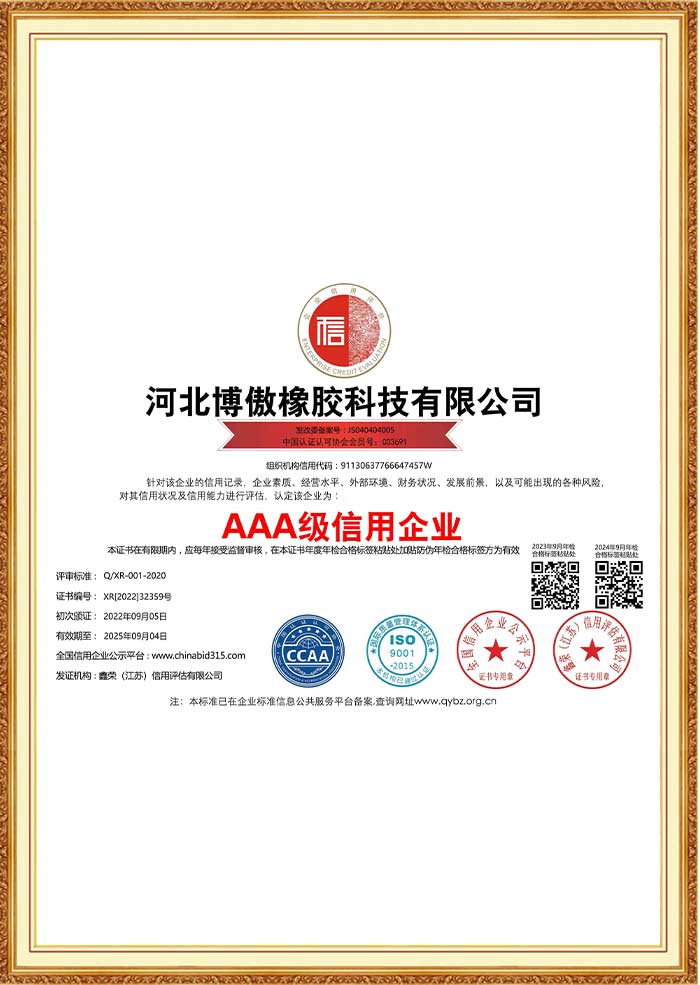
Our systems comply with global quality standards, ensuring long-term field stability for major industrial groups.
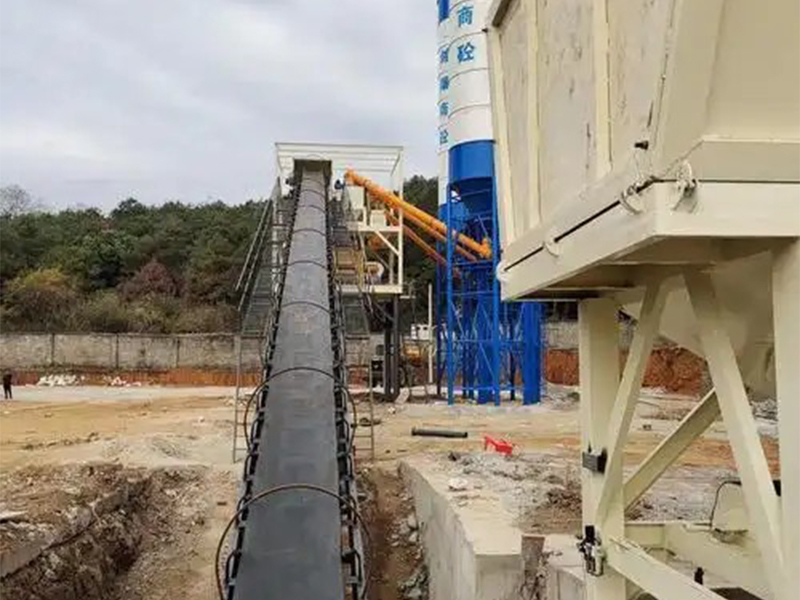
China Railway Group Mixing Plant
Conch Cement
Datong Coal Group
Tsingshan Group
Jidong Cement Group
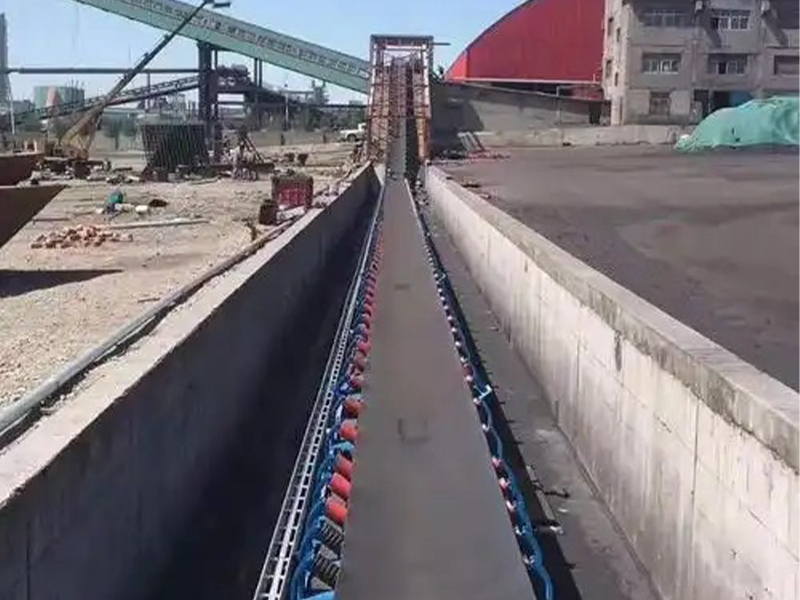
Jinmei Group Coal Conveying Line
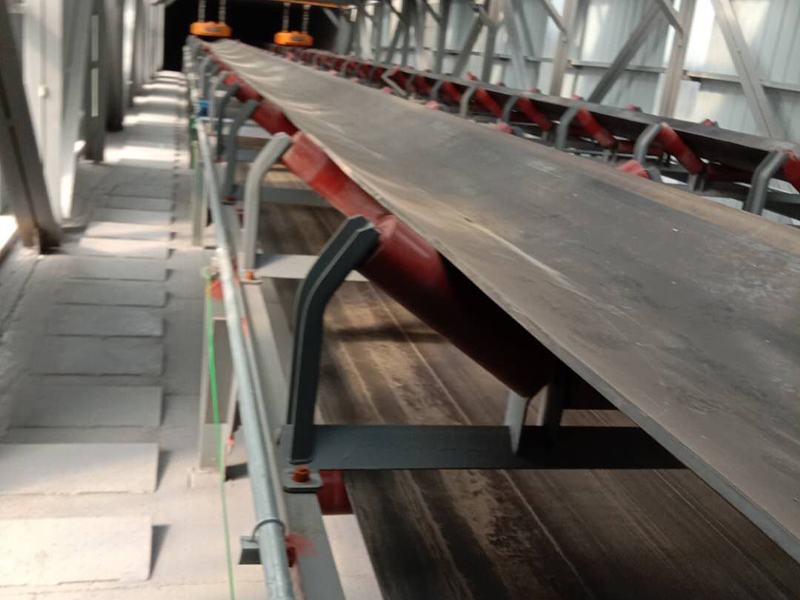
Taihang Steel
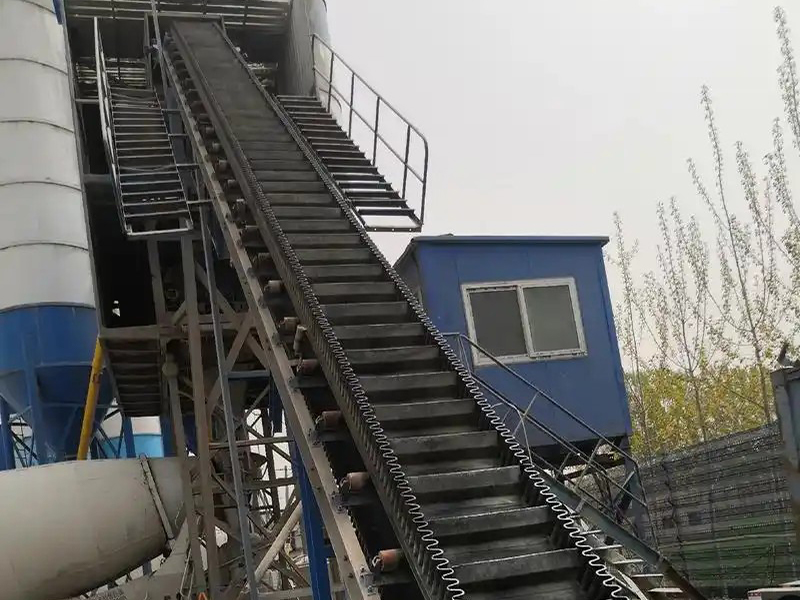
Puyang Steel Group
Comprehensive technical support from system engineering layout and sizing calculations to onsite conveyor diagnostics.
We provide planned equipment replacement, repair, non-destructive inspection, routine maintenance, and critical emergency repair. Partner with our field engineers to design bespoke layouts that eliminate high wear zones.
Includes high-durability conveyor belt supply, support structure design, customized idler groupings, tensioning bracket optimization, safety inventory management, dynamic splicing, and thermal vulcanization support.
Achieve higher system throughput, reduce belt wear, lower conveyor motor power consumption, and lengthen individual system lifecycle runs through our professional mechanical solutions.
Find technical answers regarding compound choices, bearing protection designs, and lifecycle projections.
Premium auxiliary conveyor components designed for long-term field stability and minimal maintenance downtime.
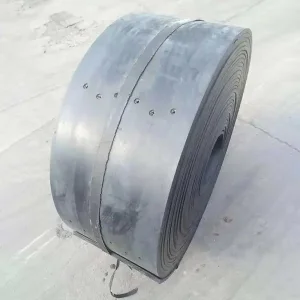
 Boao Rubber