Explore our leading industrial conveyor belts and high-durability idler rollers engineered to meet global standards.
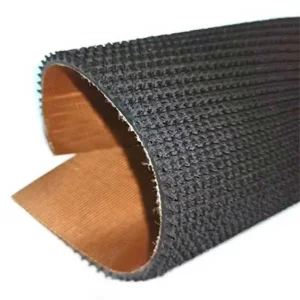
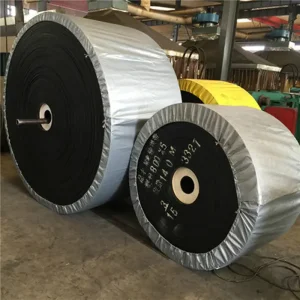
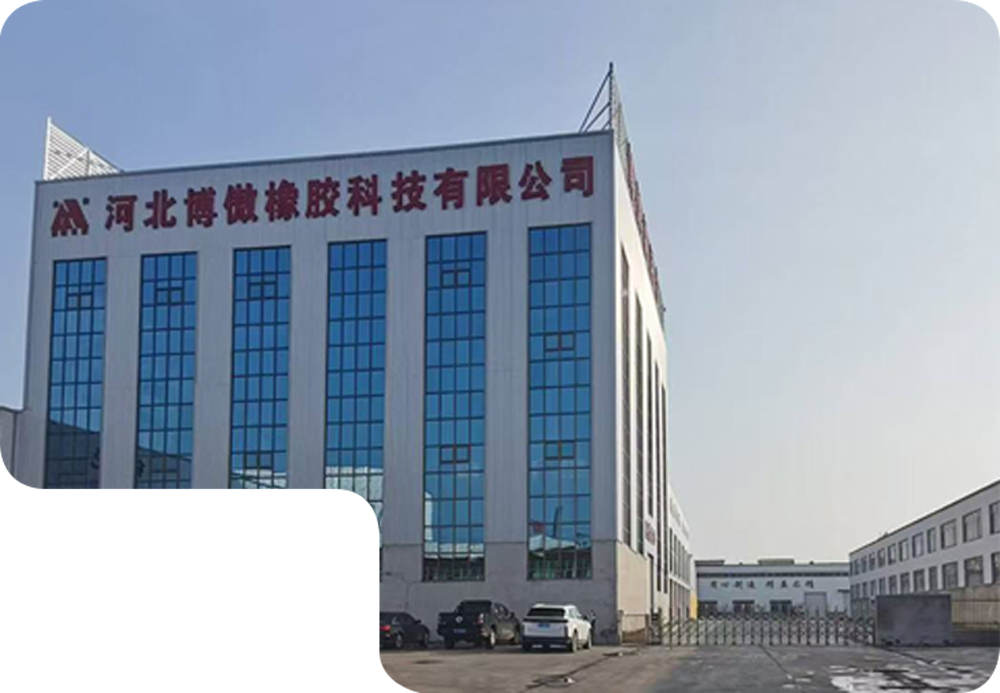
Hebei Boao Rubber Technology Co., Ltd. is strategically located in the premier Rubber Industrial Park of Boye County, Baoding City, Hebei Province, China. The company was founded in 2004, covering a highly optimized manufacturing footprint of over 30 acres.
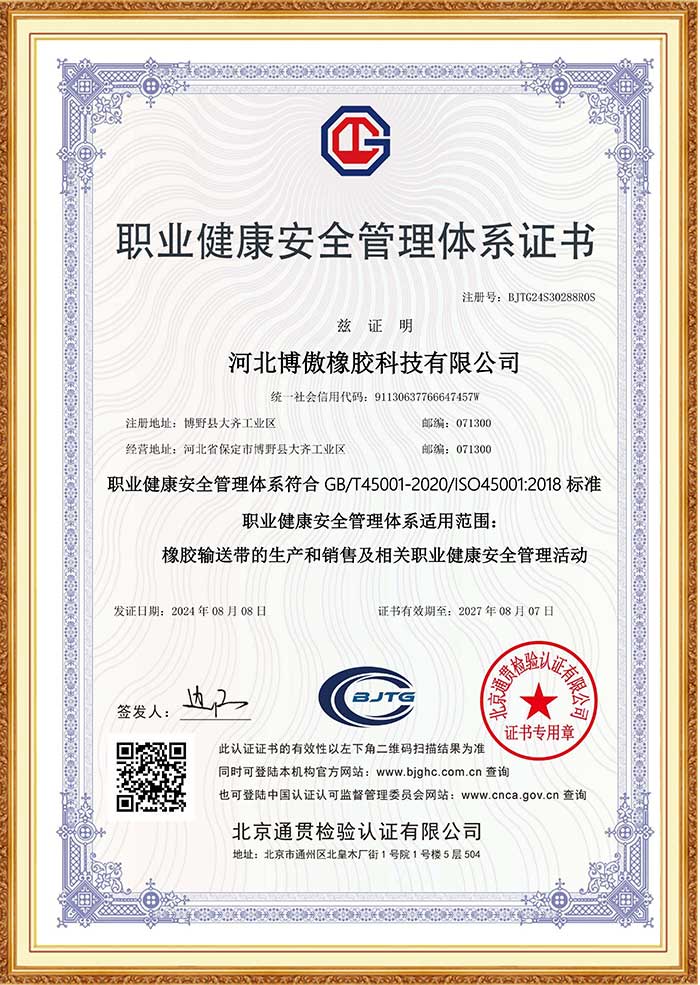
Promoting our landmark brand "Jinao", we operate as a world-class integrated manufacturer specializing in research and development, custom design, structural engineering, precision testing, and logistics services for conveyor belts, trough idler rollers, and associated support infrastructure. Hebei Boao successfully passed the international quality management system certification, cementing our status as a reliable partner in structural bulk transport.
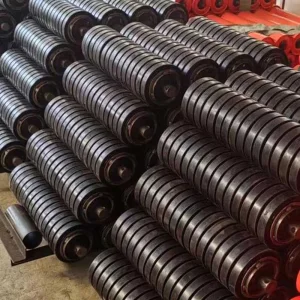
Our factory features multiple cutting-edge, automated production lines designed for steel preparation, forming, precise shell machining, vulcanization, and advanced rubber-performance testing. From raw sheet metal to fully optimized, balanced heavy-duty rollers, we monitor every step to deliver reliable operational uptime.
We host an independent chemical analysis lab and dedicated physical testing facility to run incoming inspection on all steels, bearing components, and rubber compounds. Unqualified components are strictly banned from our shop floor.
Equipped with modern run-out testers, dynamic balancing machines, and simulated environmental dust/moisture chambers, our QC inspectors verify that axial run-out remains under 0.5mm, and rotational resistance is minimized.
Leveraging deep technical experience and robust after-sales systems, our idlers and conveyor systems support harsh operations globally—extensively operating in steel mills, coal mines, cement plants, and ports.
A comprehensive analysis of design methodologies, application standards, sealing advancements, and reliability paradigms in conveyor support systems.
In the modern bulk transport landscape, conveyor system stability is crucial for operational profitability. At the core of these multi-kilometer conveyor runs are trough idler rollers. Troughing idlers are specifically designed with configured angles (typically 20°, 35°, and 45°) to profile the flat conveyor belt into a continuous U-shaped trough. This profile increases the cross-sectional carrying capacity of the belt while preventing material spillage.
The global transition toward high-capacity, high-speed, and long-overland bulk transport systems requires components with optimized mechanical lifespans. Heavy industry operators in the Americas, Europe, and Asia-Pacific are progressively upgrading from legacy, high-maintenance idler frames to low-drag, low-noise precision-aligned idlers. Advanced manufacturing hubs in China, led by specialized production houses like Hebei Boao, now design with advanced metallurgy and proprietary polymer compounds to meet the demanding requirements of global resource sectors.
A high-performing trough idler roller relies on precision-machined elements designed to maintain balance and resist wear. Dynamic eccentric rotational forces can lead to bearing fatigue and premature conveyor belt damage. CEMA (Conveyor Equipment Manufacturers Association) and DIN (Deutsches Institut für Normung) standards establish strict tolerances for idler concentricity and load-carrying limits.
Key structural elements of a high-performance idler include:
| Performance Metric | Standard Specification (ISO/DIN/CEMA) | Hebei Boao "Jinao" Series Engineering Range | Operational Impact |
|---|---|---|---|
| Radial Run-Out (T.I.R) | ≤ 0.7 mm | ≤ 0.3 - 0.5 mm | Minimizes structural belt vibration and increases overall shell life. |
| Axial Displacement | ≤ 0.6 mm | ≤ 0.2 - 0.4 mm | Prevents bearing shifting and maintains precise tracking. |
| Rotational Resistance | ≤ 3.0 N (at 3.5 m/s) | ≤ 1.5 - 2.0 N | Reduces energy consumption across kilometers of conveyors. |
| Sealing Design | Dual-stage contact seal | Triple Labyrinth Seal (Dust & Water Proof) | Blocks dust, slurry, and moisture from entering the bearing chamber. |
| Dynamic Balancing Grade | G16 (ISO 1940) | G6.3 / G16 Precision Balancer | Ensures quiet operation and steady speeds up to 6.5 m/s. |
Industry data shows that over 80% of idler failures are caused by contaminants entering the bearing chamber. When abrasive fines like coal dust, cement particulates, or iron ore slurry bypass the outer seals, they degrade the lubricant and cause bearing lockup.
To address this issue, Hebei Boao utilizes a proprietary Triple Labyrinth Sealing System. The design features a multi-chamber, interlocking labyrinth geometry molded from high-strength ABS or nylon. This path forces contaminants through three directional changes. The inner grease chamber is pre-packed with long-life lithium grease, creating a sealed barrier that keeps water and particulate matter away from the bearing.
Selecting the proper troughing configuration requires an understanding of material density, belt speed, and structural curves. Standard 20° angles are typically used for heavy materials with large grain sizes, such as iron ore or granite blocks, to reduce internal belt stress. In contrast, 35° and 45° troughing configurations are common in coal mines and grain terminals to maximize volume and throughput.
When utilizing high angles, selecting high-quality transition idler sets is critical to prevent belt edge strain. Improper transitions can lead to micro-tears in the belt fabric. Hebei Boao designs custom transition structures and self-aligning troughing sets that automatically pivot to keep the belt centered on its tracking path.
A glimpse into our production plants, specialized machinery, and accredited quality certificates.


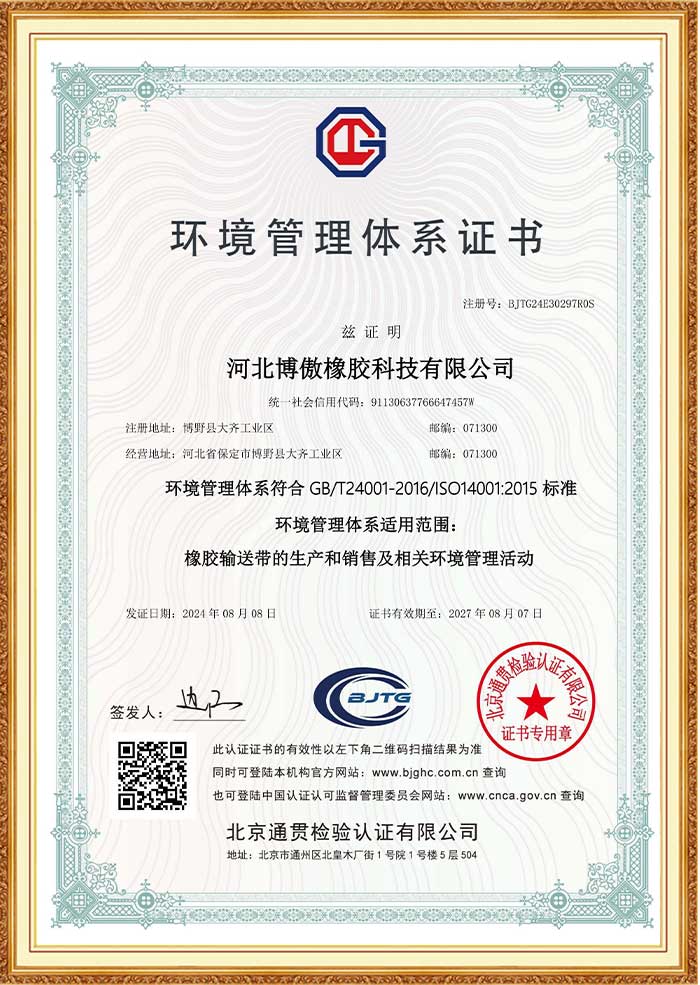
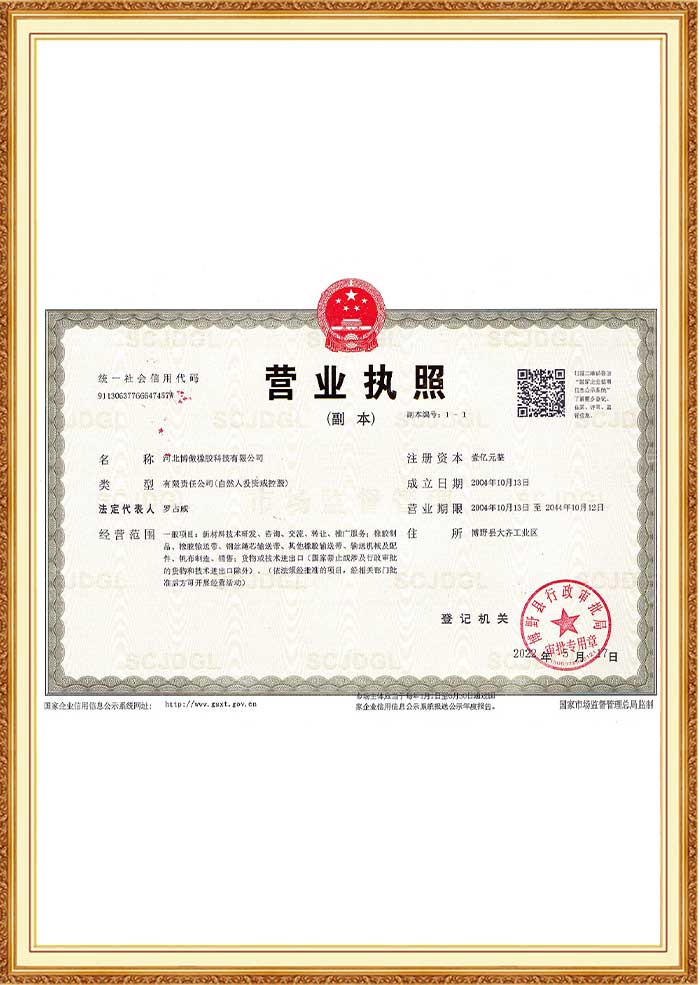
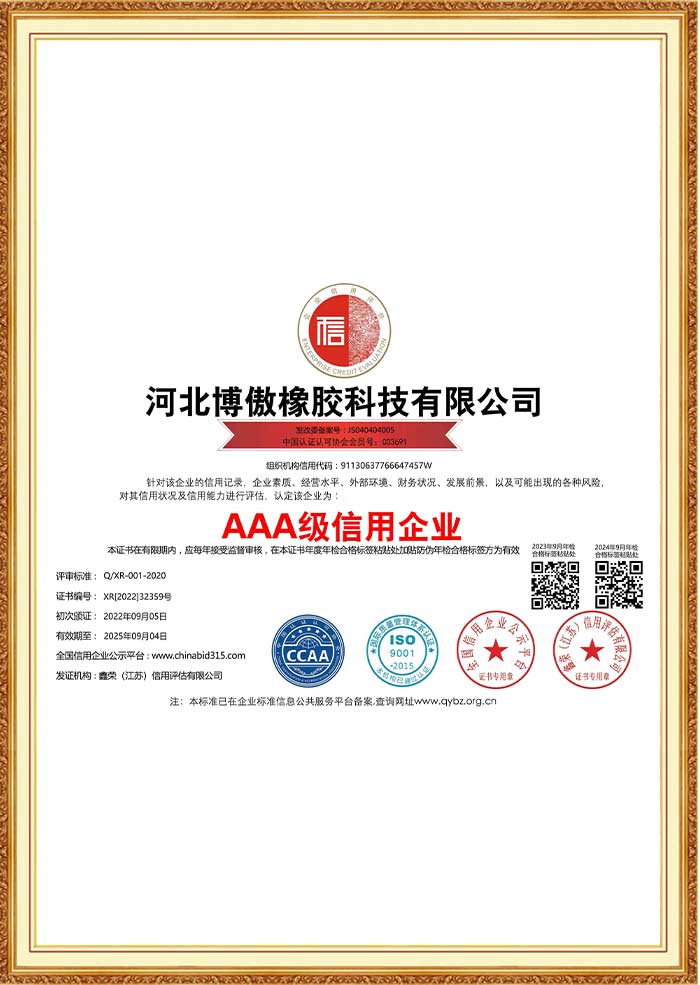
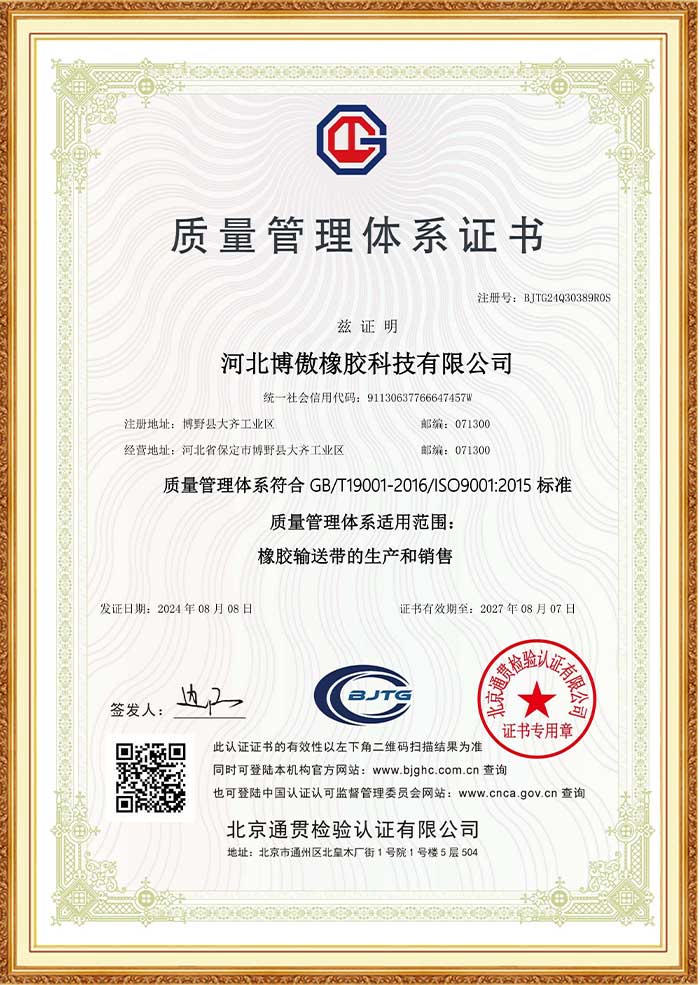
Hebei Boao designs and manufactures system components matching exact engineering and operational parameters.
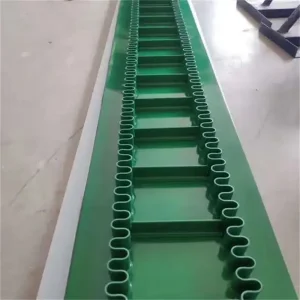
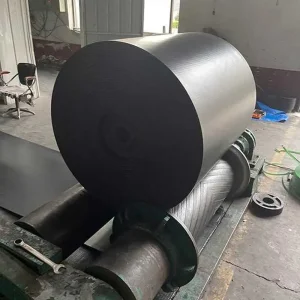
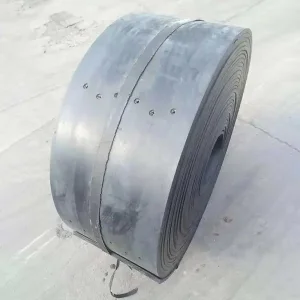
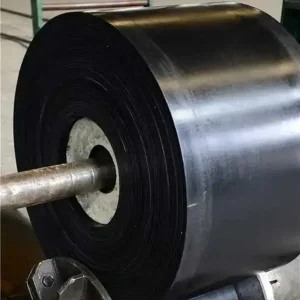
We manufacture a wide range of industrial belting products designed for abrasive, hot, chemical, and sub-zero environments:
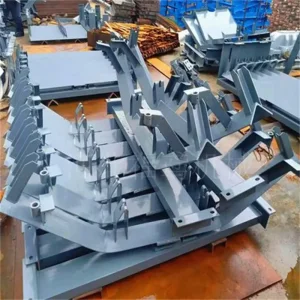
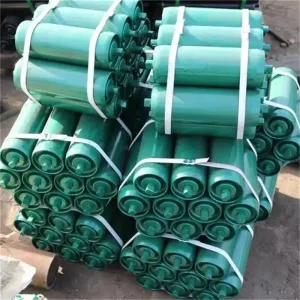
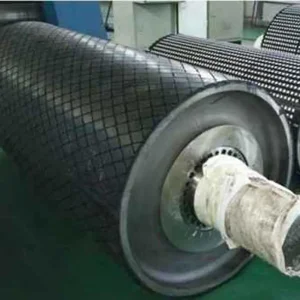
Our heavy-duty hardware components support the structural alignment and long-term durability of conveyor belts:
Our heavy-duty hardware and belting solutions are trusted in demanding bulk handling environments worldwide.
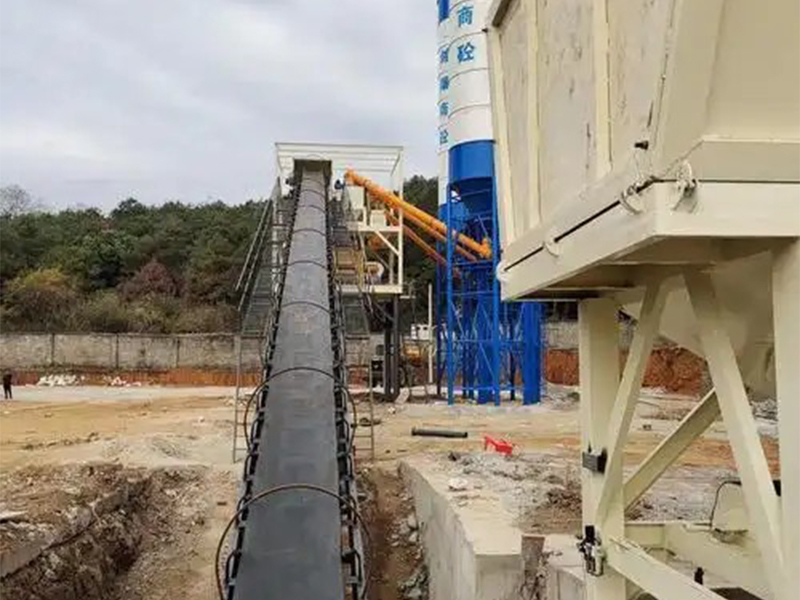
China Railway Group Mixing Plant
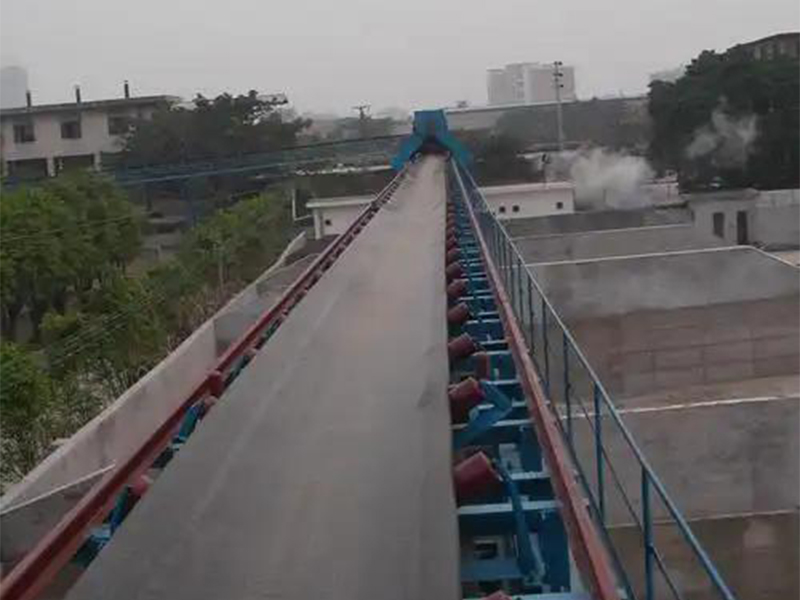
Conch Cement
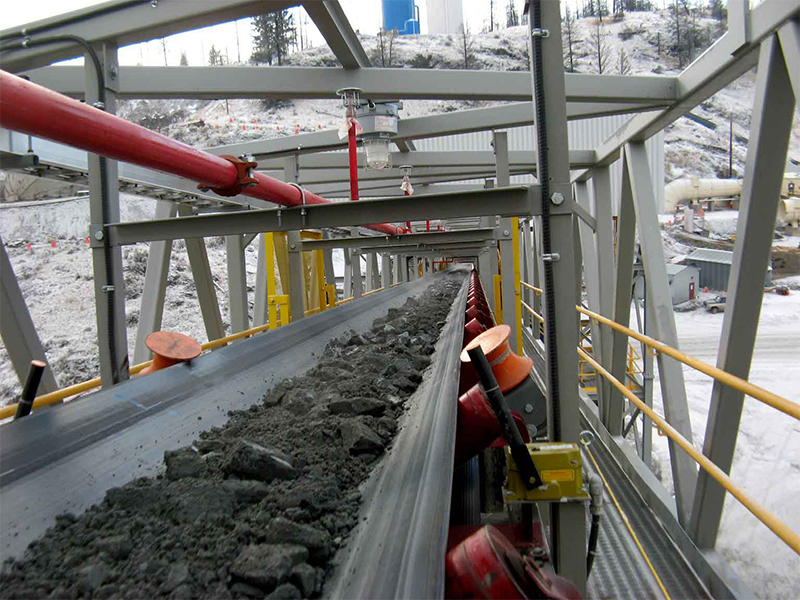
Datong Coal Group
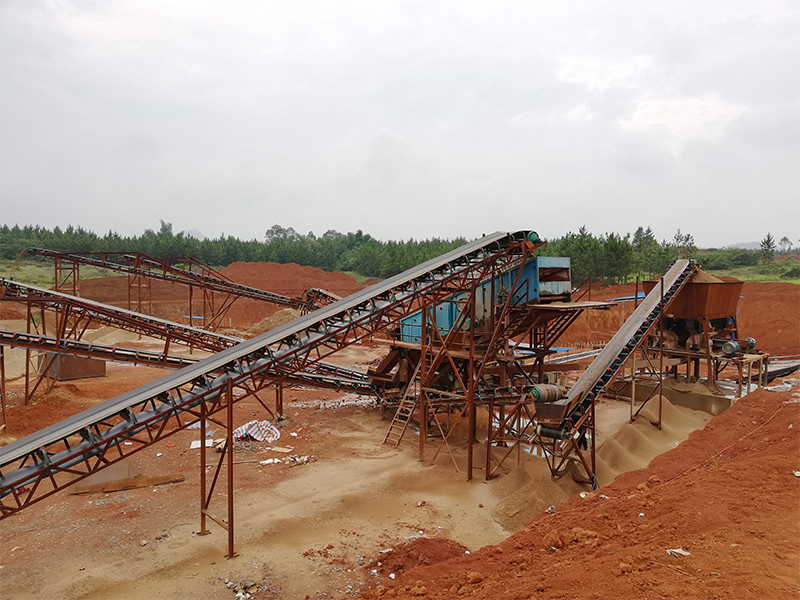
Tsingshan Group
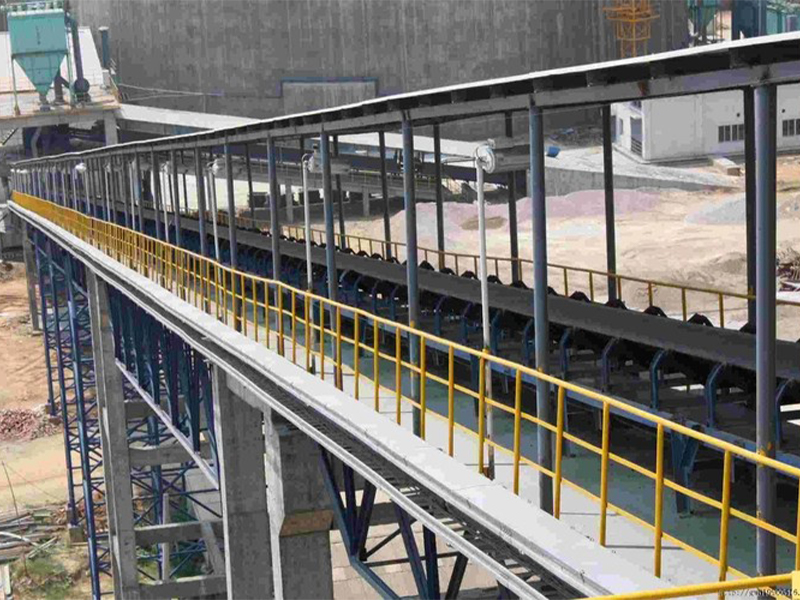
Jidong Cement Group
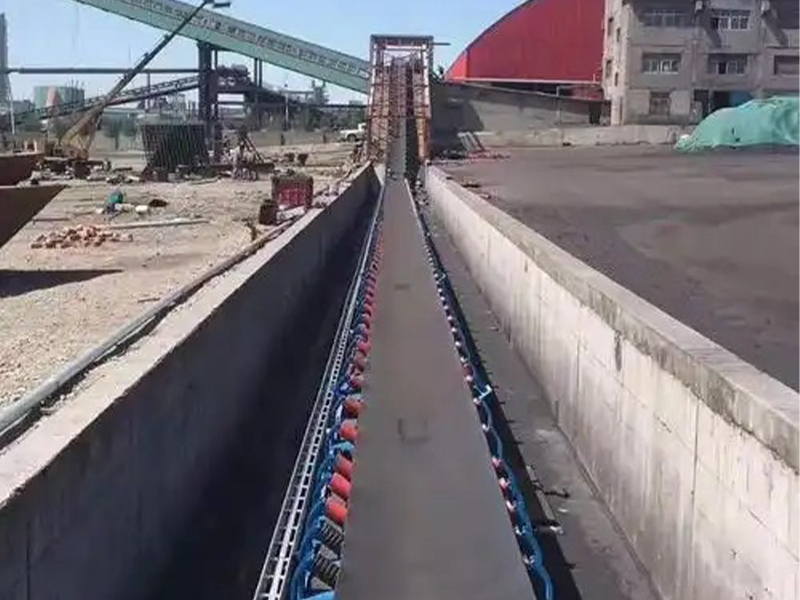
Jinmei Group Coal Conveying Line
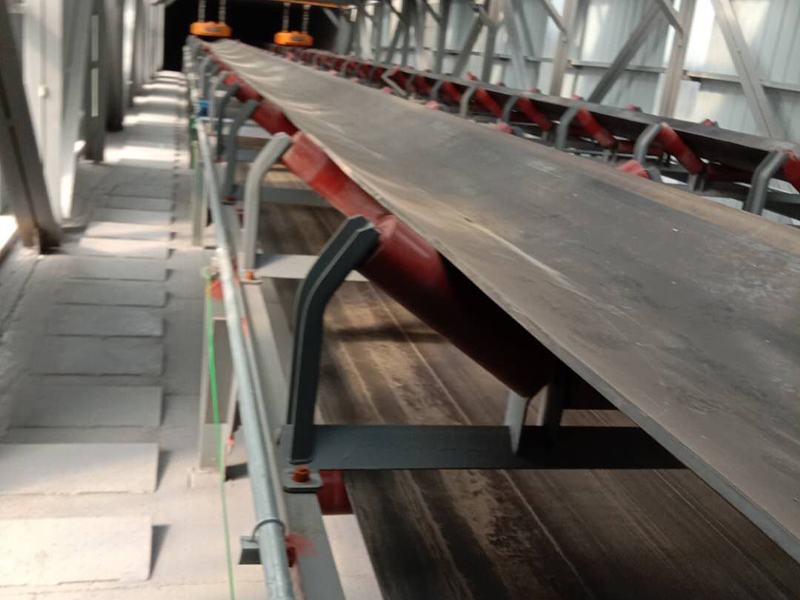
Taihang Steel
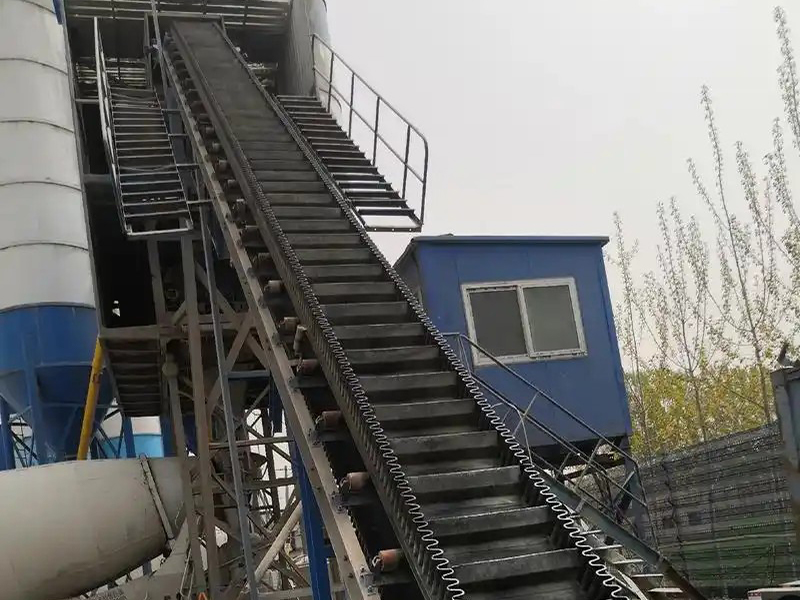
Puyang Steel Group
Minimize downtime and maximize equipment life with our site-level maintenance, inspection, and repair protocols.
Hebei Boao provides comprehensive technical services, including scheduled replacements, structural repairs, regular ultrasonic inspections, mechanical diagnostic checks, and emergency response services for conveyor belts and idler systems. We work closely with our partners to maximize equipment runtime.
We supply high-durability conveyor belts and rubber materials, manage safety stock levels to support continuous site operations, handle warehousing and storage, and execute precision splicing, vulcanization, and hot/cold rubber repairs. Our field engineers conduct routine inspections to detect and resolve alignment and tracking issues before they cause downtime.
Our service model is built on key performance indicators (KPIs) focused on improving conveyor efficiency, reducing material spillage, and lowering total operating costs. We work closely with plant managers to align on shared productivity goals.
By utilizing predictive thermal monitoring on idler bearings and wear-monitoring technology on belt structures, we help operations pivot from reactive maintenance to proactive planning. This approach helps extend equipment service life, lower replacement frequencies, and maintain safe working environments across high-capacity handling systems.
Highly targeted technical answers addressing design selection, performance standards, and common field challenges in conveyor systems.
A: Troughing angles directly define the cross-sectional area of the belt profile. A 20° troughing angle is typically used for heavy materials with large grain sizes to minimize stress on the belt. Upgrading to a 35° or 45° configuration increases the volume capacity of the conveyor path (often by 15-25% compared to 20°), but requires a more flexible belt design to ensure the belt conforms properly to the trough profile when empty.
A: The primary cause of bearing lockup is dust and water bypassing the outer seal, degrading the lubricant and causing abrasive wear on the bearing. A multi-stage labyrinth seal forces contaminants through a winding path, trapping them in the outer grease chambers. This design blocks dust and moisture from reaching the critical deep groove ball bearing.
A: CEMA standards categorize idlers (Classes B, C, D, E, F) based on roll diameter, shaft size, and bearing load capacities under continuous operating hours. DIN standards focus on metric dimensions, shaft run-out tolerances, and strict environmental sealing requirements. High-quality Chinese manufacturers design and manufacture products to meet both standards to support operations worldwide.
A: High radial run-out (eccentricity) creates structural vibrations at high operating speeds. This vibration accelerates bearing fatigue, increases power consumption, and causes belt tracking issues. Maintaining run-out tolerances below 0.5mm helps ensure smooth tracking and extends the operating life of the conveyor belt.
A: Standard troughing idlers feature rigid steel shells to support the belt load along the conveyor path. Impact idler rollers, located under material loading points, are designed with thick rubber or polyurethane discs. These discs absorb shock loads from falling materials, protecting the conveyor belt from punctures and structural damage.
A: Self-aligning idlers should be installed at transition areas, before drive pulleys, and along long conveyor runs (typically every 30 to 45 meters). These units feature a pivoting frame that shifts when the belt drifts off-center, automatically guiding it back to its correct tracking path.
Complete your system design with our high-capacity impact rollers, support brackets, and customized belting options.
 Boao Rubber