Engineered for high tension capacity, impact strength, and extreme environment resistance.
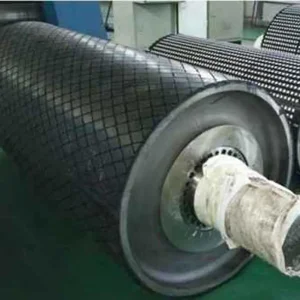
High-efficiency trough-type rollers designed to minimize resistance and optimize bulk handling stability.
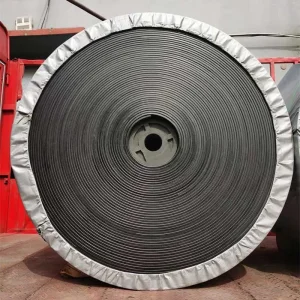
Engineered rubber composite formulated to remain flexible and functional under temperatures down to -50°C.
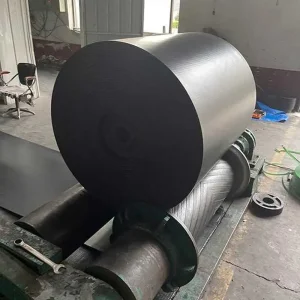
Underground mining grade fire-resistant conveyor belts constructed strictly following MSHA and EN standards.
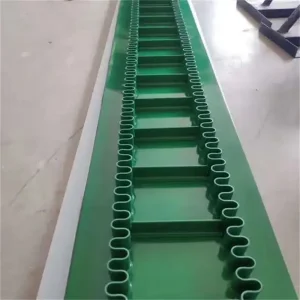
Lightweight thermoplastic polymer belts optimized for food grade, sorting, and packaging automation lines.
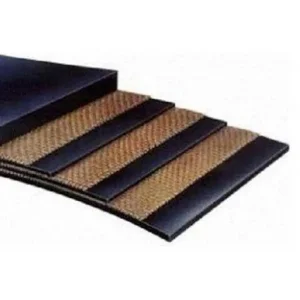
Durable general-purpose rubber belts utilizing high-grade textile reinforcement for aggregate and port usage.
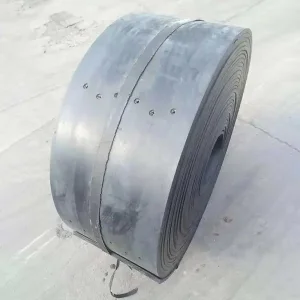
High-integrity carcass layout built for bucket elevator applications demanding minimal elongation under load.
Abrasion-resistant surface layers optimized for logistics, pharmaceutical, and electronic device transport lines.
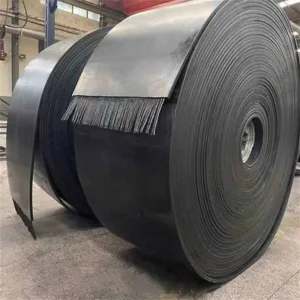
Tension-reinforced steel wire rope cores providing long span operations and superior carcass durability.
Pioneering Next-Generation High-Tension Bulk Handling Technology
In modern mining, heavy industrial processing, and infrastructure, the movement of millions of tons of dry bulk materials requires conveyor networks that can handle continuous operational stress. Steel cord conveyor belts represent the pinnacle of bulk material transportation engineering, utilizing high-tensile steel cords embedded within specialized rubber matrices to carry materials over long, demanding paths.
Over the last decade, heavy-duty logistics demands have changed. Industrial projects require systems that can handle larger capacities, steeper angles, and longer spans, all while consuming less energy. Steel cord conveyor belts are critical to meeting these needs, offering low elongation, high tensile strength, and excellent impact resistance. These qualities help minimize structural down-time and reduce overall operating costs for global logistics operations.
"Global resource demands are pushing operations into more extreme environments. As mines go deeper and ports process higher volumes, the specifications of steel cord conveyor belts must advance, matching customized compounding with strict quality assurance to ensure reliable service under heavy loads."
Modern steel cord conveyor belts are engineered around complex dynamic behaviors. Beyond basic tensile strength, factors like cover rubber elasticity, steel-to-rubber dynamic adhesion, fatigue life under cyclic bending, and energy efficiency are critical to system reliability. This whitepaper details steel cord belt specifications, standard cover ratings, smart manufacturing practices in China, and key factors for sourcing these critical industrial components.
 22+
22+
Technical parameters matching global international standards (ISO 15236, DIN 22131, AS 1333)
Choosing the correct steel cord conveyor belt involves selecting the appropriate tension rating (ST number) and pairing it with cover rubber designed for the specific environment. The "ST" rating indicates the nominal tensile strength of the belt in Newtons per millimeter (N/mm) of width. Steel cords are laid out with alternating left and right-hand twists to balance tension across the belt and maintain straight tracking.
| Specification Type (ST Rating) | Nominal Tensile Strength (N/mm) | Max Steel Cord Diameter (mm) | Cord Pitch (mm) | Top Cover Thickness (mm) | Bottom Cover Thickness (mm) |
|---|---|---|---|---|---|
| ST500 | 500 | 2.8 | 10.0 ± 1.5 | 5.0 - 8.0 | 4.0 - 6.0 |
| ST1000 | 1000 | 4.0 | 12.0 ± 1.5 | 6.0 - 8.0 | 5.0 - 7.0 |
| ST1600 | 1600 | 5.0 | 12.0 ± 1.5 | 6.0 - 10.0 | 5.0 - 8.0 |
| ST2000 | 2000 | 5.6 | 12.0 ± 1.5 | 8.0 - 12.0 | 6.0 - 8.0 |
| ST2500 | 2500 | 7.2 | 15.0 ± 1.5 | 8.0 - 12.0 | 6.0 - 10.0 |
| ST3150 | 3150 | 8.1 | 15.0 ± 1.5 | 8.0 - 15.0 | 6.0 - 10.0 |
| ST4000 | 4000 | 9.0 | 15.0 ± 1.5 | 10.0 - 18.0 | 8.0 - 12.0 |
| ST5400 | 5400 | 11.3 | 17.0 ± 1.5 | 10.0 - 20.0 | 8.0 - 12.0 |
Formulated for durability in demanding industrial conditions
Designed for coal mines and underground transport where safety is critical. Engineered to self-extinguish quickly, prevent ignition from friction, and minimize toxic smoke emissions.
Formulated with high-grade natural rubber compounds that resist brittleness. Operates reliably at temperatures down to -50°C, maintaining elasticity in harsh winter conditions.
Designed to carry hot clinker, cement, metallurgical powders, and ash at temperatures up to 200°C. Protects the core steel cords from thermal degradation and prevents premature aging of the cover.
A specialized polymer formulation resistant to inorganic acids, bases, and salts. Ideal for fertilizer production plants, salt extraction sites, and coastal maritime shipping ports.
Meets DIN standards with low volume loss under abrasion. Optimized for transporting high-impact materials like heavy ore, crushed rock, granite, and abrasive coke.
Designed for port installations where seawater and humidity accelerate rust. Highly resistant to salt spray, ozone weathering, and intense UV exposure.
How Hebei Boao Rubber Technology integrates modern production methods for global projects
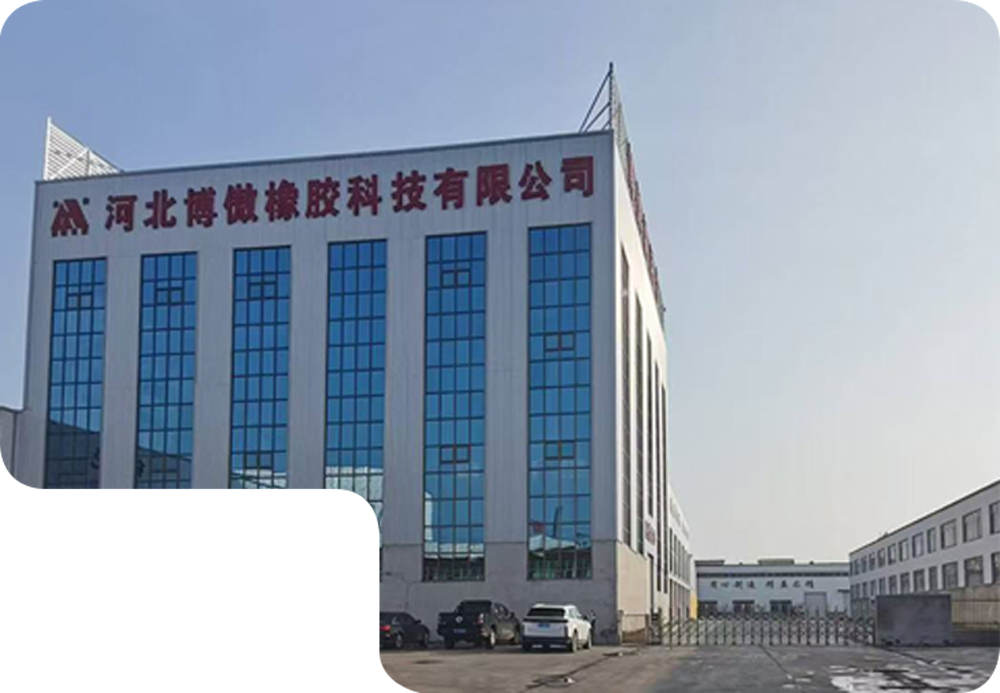
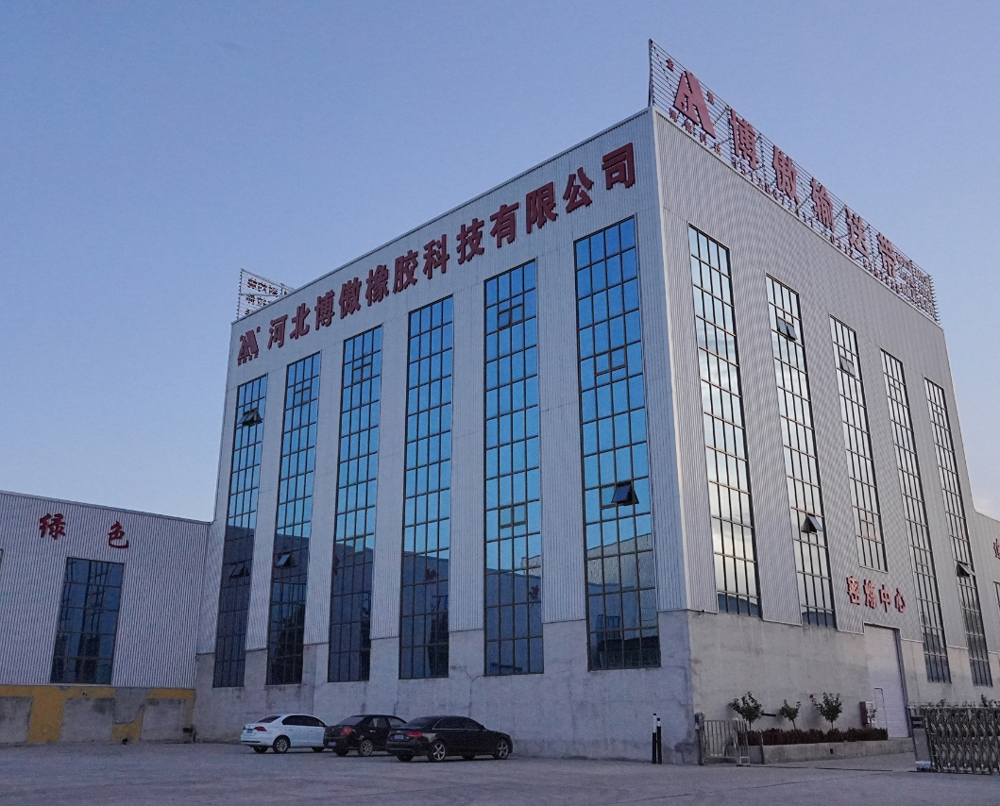
The manufacturing process for steel cord conveyor belts requires precise control. High tension capacity is only achieved when cord alignment, rubber curing, and pressure are consistent throughout the entire roll length. At Hebei Boao Rubber Technology, our production facilities in the Rubber Industrial Park of Boye County utilize modern manufacturing systems designed for consistent quality and tracing.
By using modern calendering systems, raw rubber compounds are applied to the steel cords under tension. Consistent tension on each steel wire prevents uneven stretching during installation, which helps keep the belt running straight over long distances.
Our quality assurance program is backed by an independent chemical analysis lab and a physical testing facility. Standard inspection procedures verify the properties of incoming raw materials (natural rubber, zinc-coated cords) and perform static and dynamic testing on finished belts. Key tests include:
Hebei Boao Rubber Technology Co., Ltd. - Owner of the "Jinao" Brand
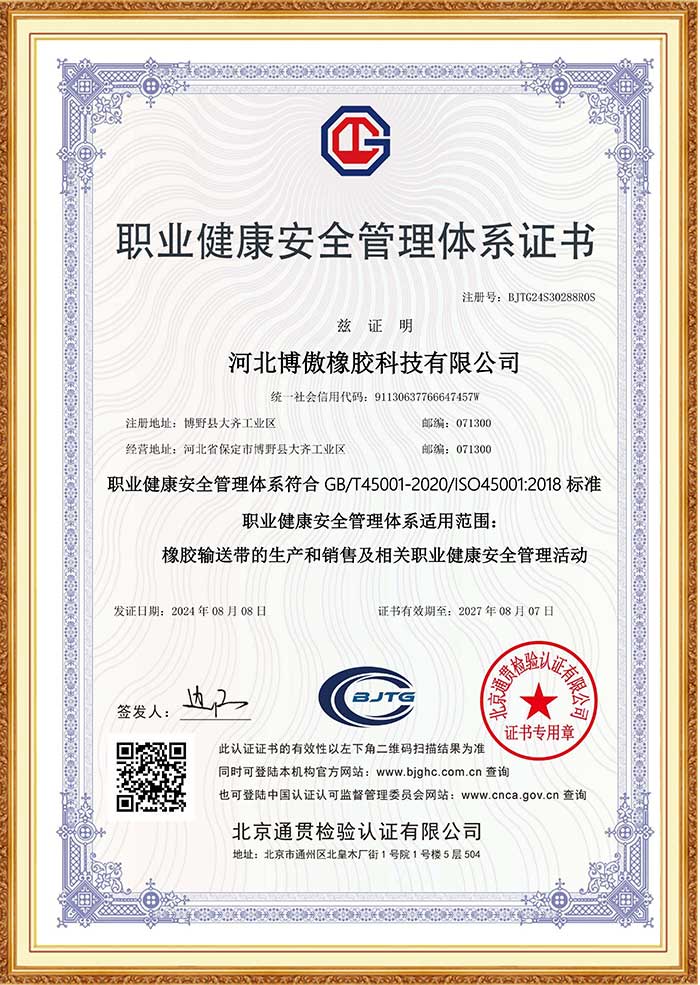
Hebei Boao Rubber Technology Co., Ltd. is located in the Rubber Industrial Park of Boye County, Baoding, Hebei Province. The company was founded in 2004 and covers an area of over 30 acres. Producing under the "Jinao" brand, we are a professional manufacturer in China that integrates product development, research, design, manufacturing, and business services for conveyor belts and conveyor machinery accessories. We have also passed the international quality management system certification in one go.
The company operates advanced equipment production lines for rolling, forming, vulcanization, and rubber testing (from raw materials to finished products). We maintain an independent chemical analysis room and physics laboratory, which allows us to monitor every step from raw material procurement to product delivery. We strictly follow the principle that unqualified materials do not enter production, and products that do not meet standards do not leave the facility.
High-performance material transport systems and matching structural components
Our complete range of vulcanized rubber conveyor belts is designed to perform across diverse industrial environments:
Designed to integrate with our conveyor belts to help reduce friction, optimize tracking, and prolong service life:
Verifying quality standards for global operations
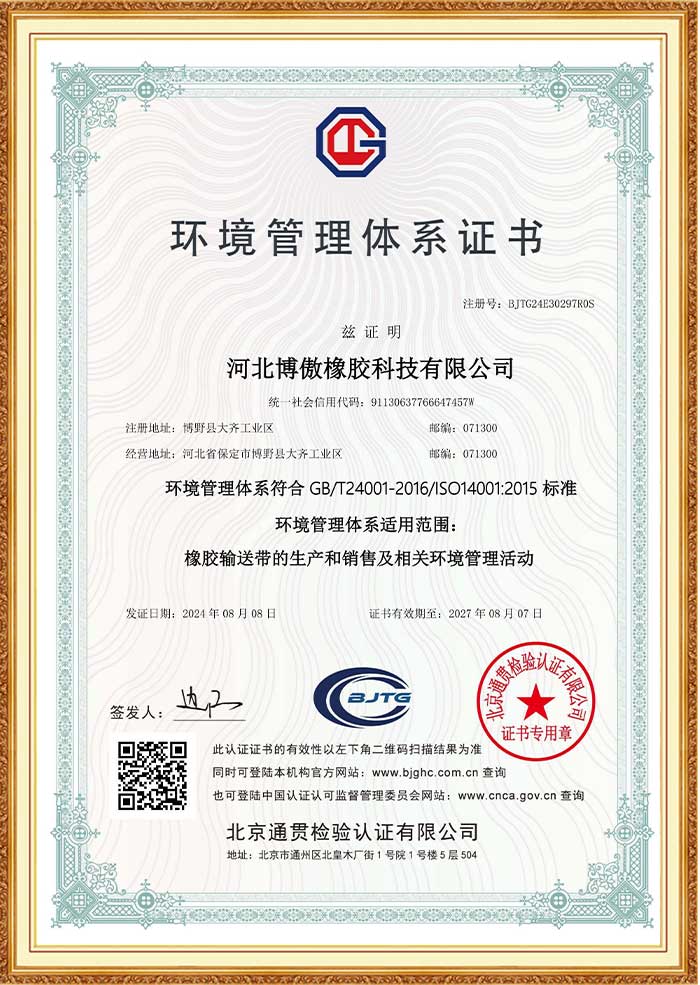
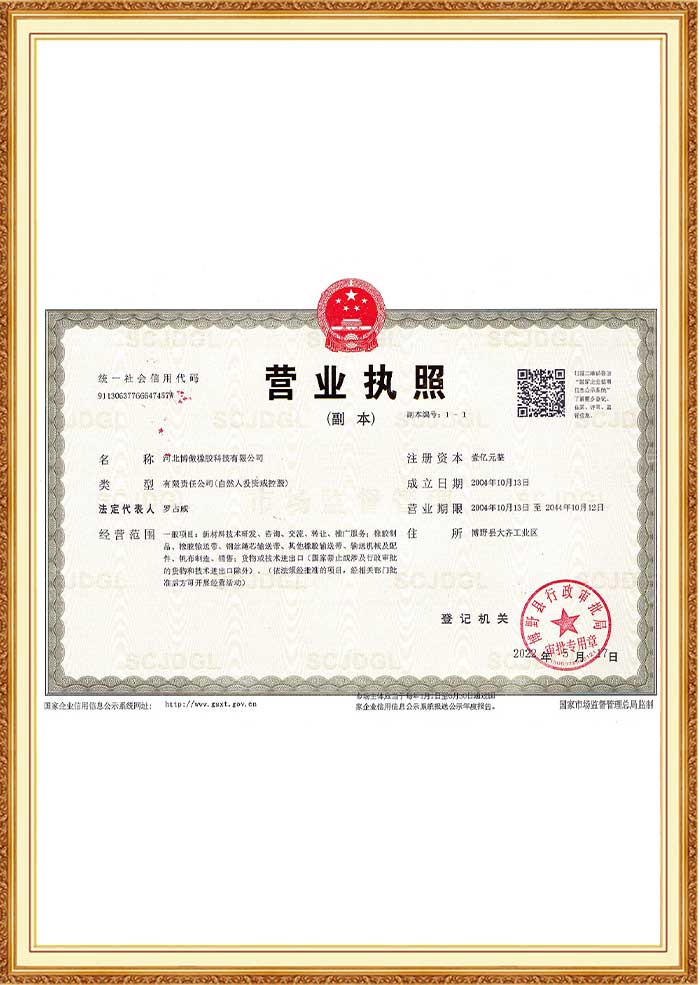
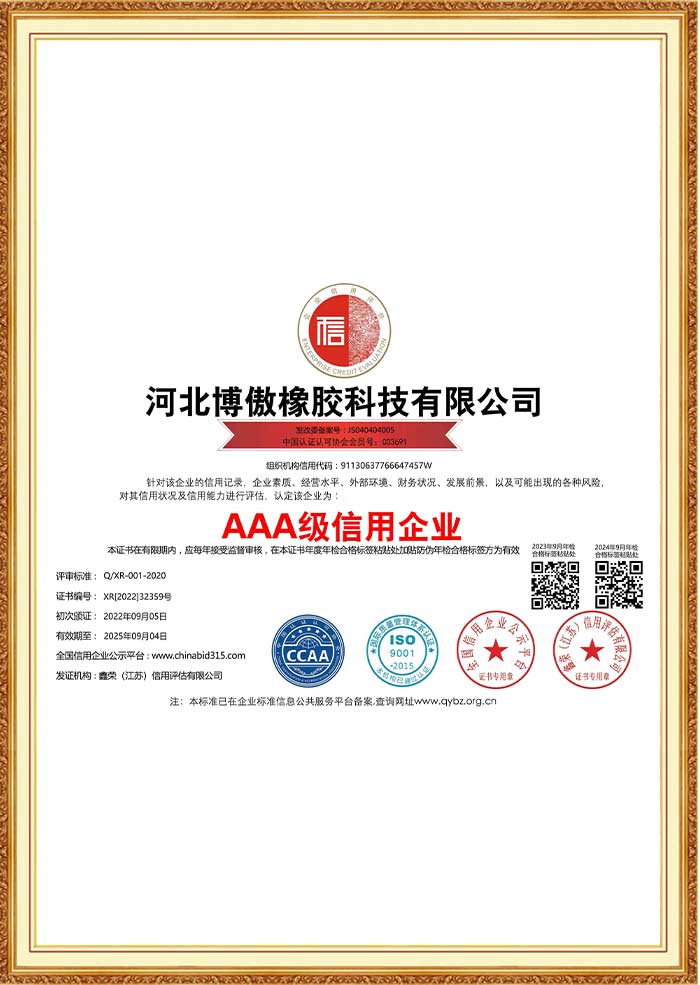
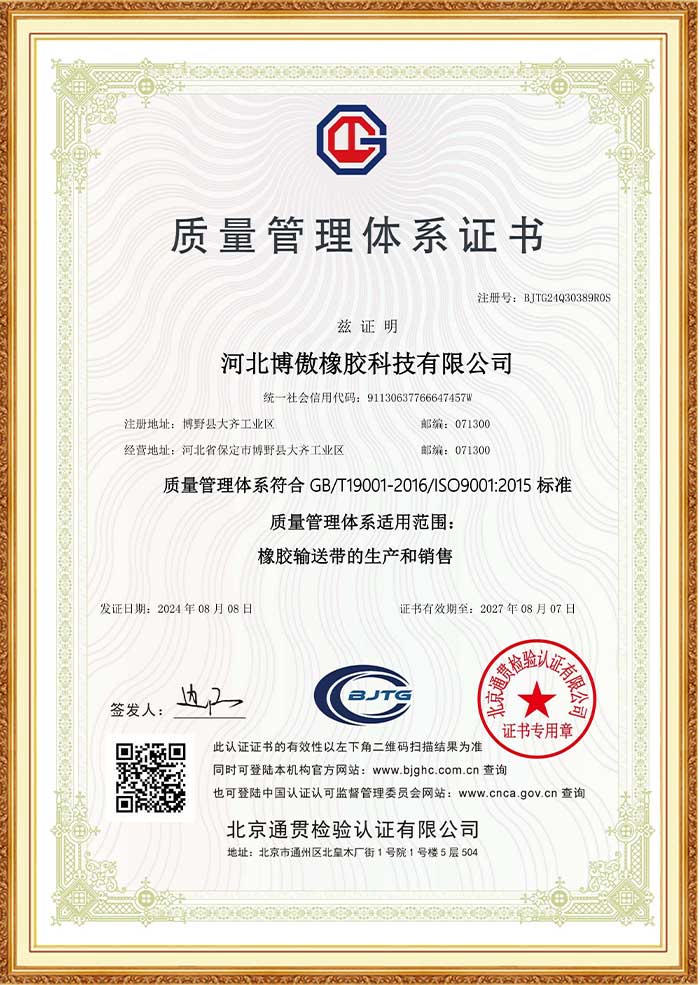
Our systems are used in demanding industries, including mining, heavy metals, cement, and power generation.
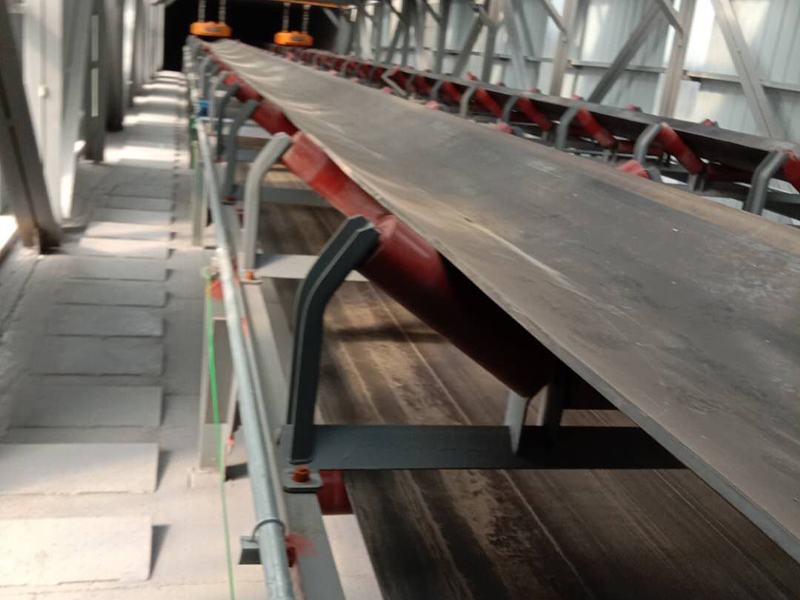
Providing high-temperature sintering conveying lines for iron ore processing.
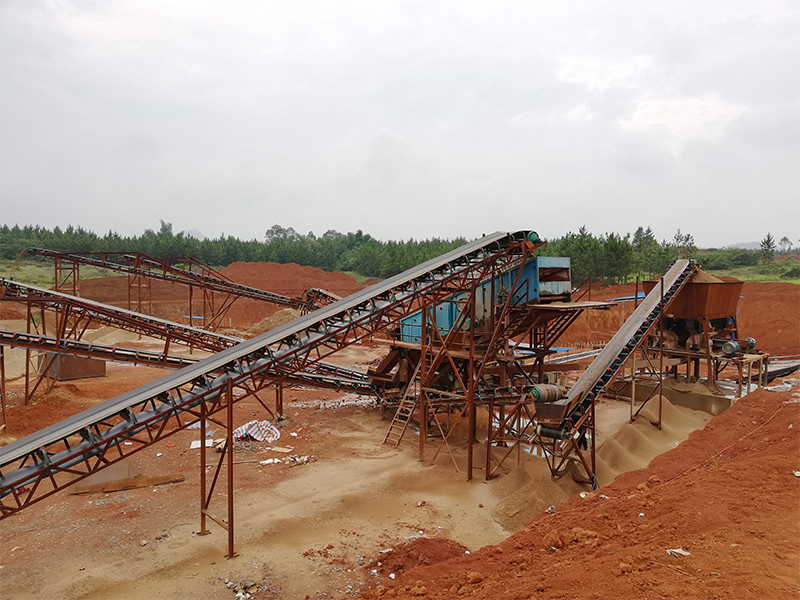
Long-distance raw material feeding systems at metallurgical processing facilities.
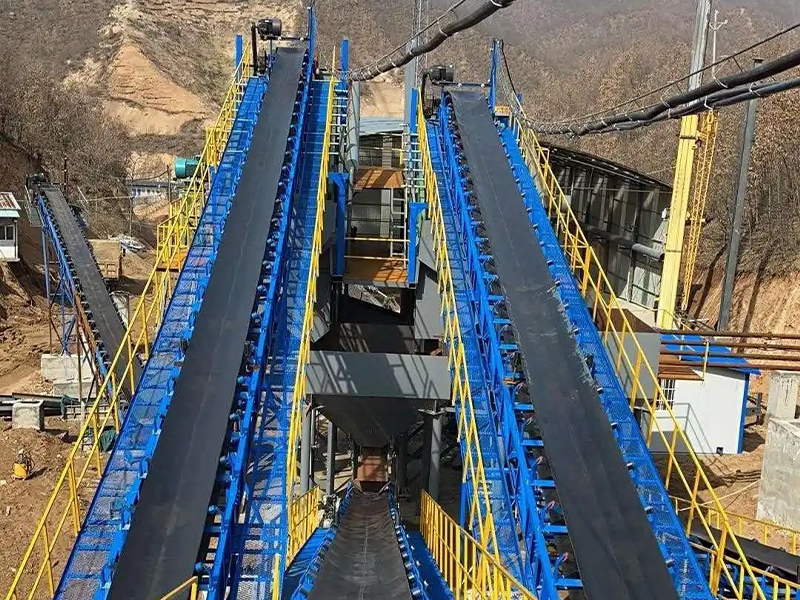
Tension-reinforced steel cord systems designed for copper and gold extraction operations.
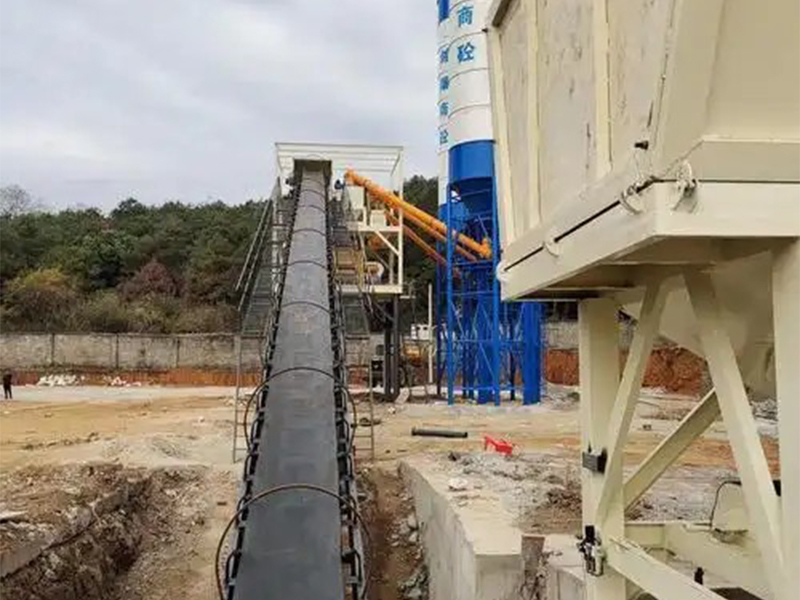
Conveying solutions engineered to handle abrasive aggregate components.
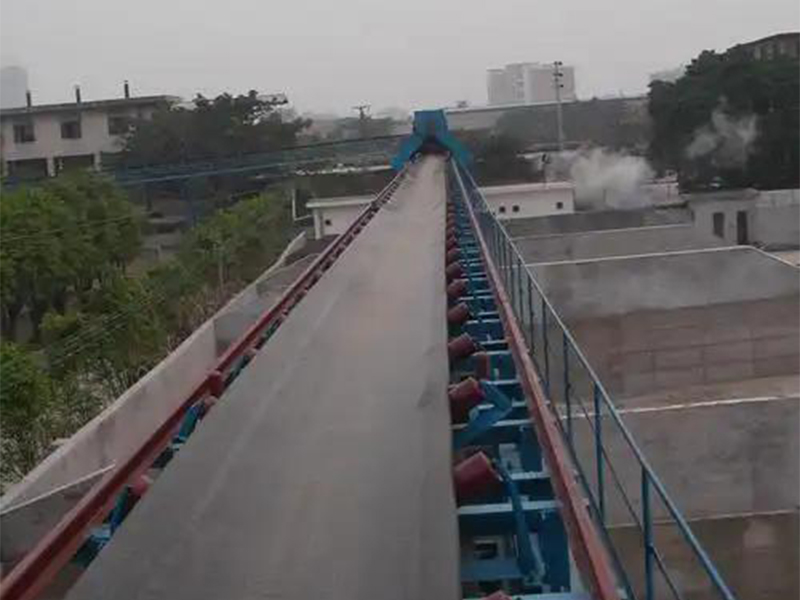
High-temperature belt configurations carrying cement clinker directly from kiln discharges.
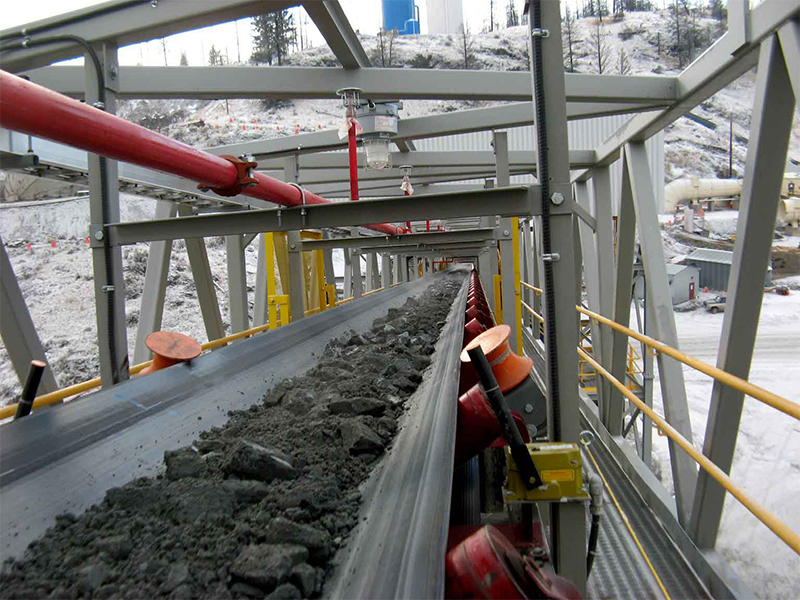
Flame retardant conveyor belts operating in deep underground coal mines.
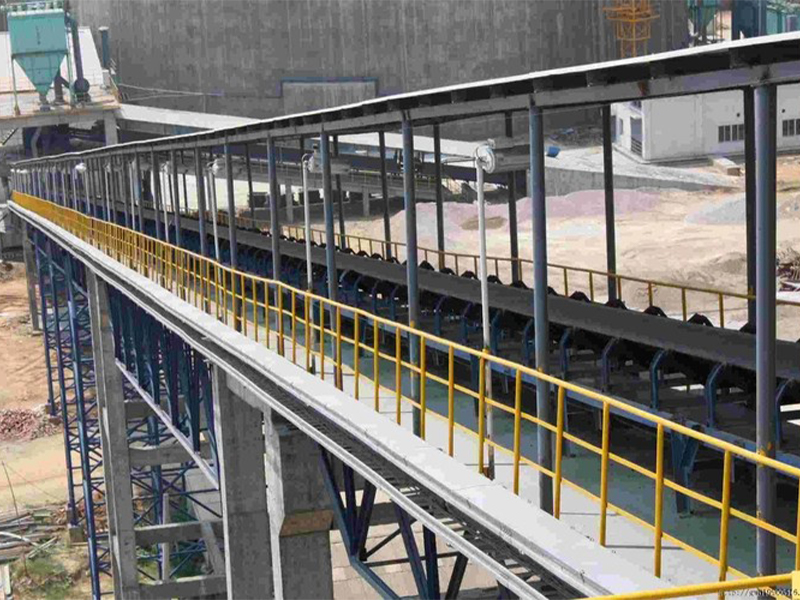
Integrated material feed lines designed for high-capacity limestone transport.
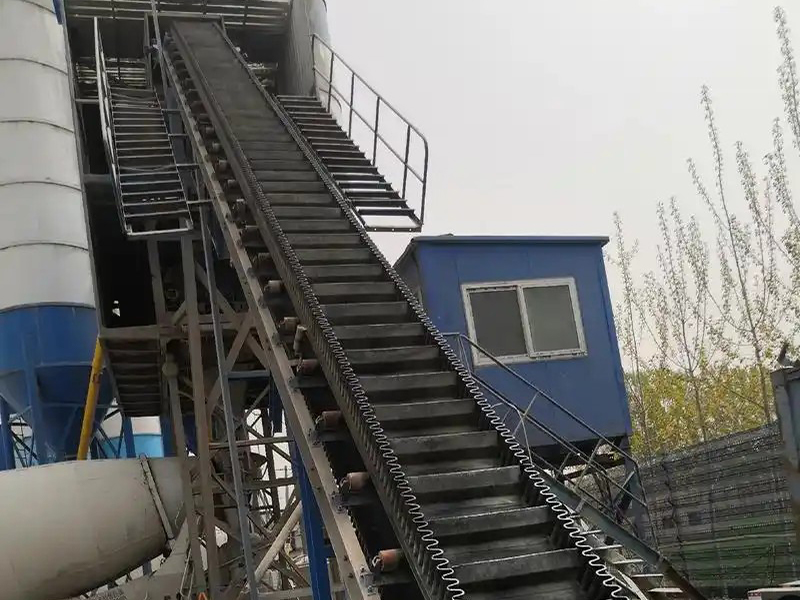
Integrated sintering plant belt system carrying coke and iron ore under continuous cycles.
Support services designed to maximize conveyor belt service life and minimize operating costs
Regular visual inspections, wear profiling, steel cord mapping, and predictive splicing analysis to help schedule maintenance before failures occur.
Hot vulcanization splicing programs matching original factory rubber compounds to maintain high tension capacity at the joints.
Analyzing belt tracking, chute impact design, skirt seals, and pulley lagging to help reduce power consumption and wear.
Answers to common engineering questions regarding specifications, installation, and wear protection.
Submit your project parameters (belt width, ST rating, cover grade) to our engineering team.
Industrial conveyor belts and system components manufactured for international operations
High-tension steel wire core configurations designed for long-distance industrial conveying plants.
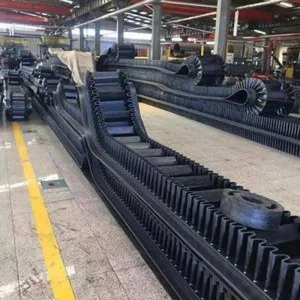
Constructed with reinforced edges to resist friction and wear against conveyor frames.
ISO and MSHA certified fire-retardant belts designed for safety in high-risk environments.
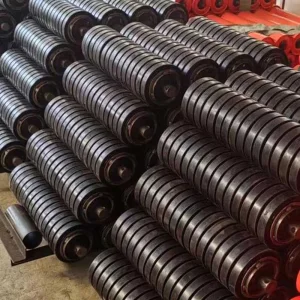
Impact-absorbing rubber buffer rollers designed for mineral processing and mining loading zones.
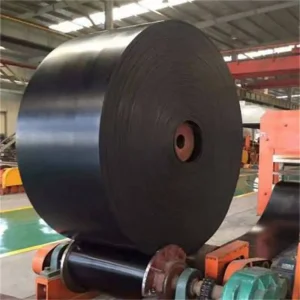
Heavy-duty nylon-reinforced (NN) rubber belts offering high elasticity and impact resistance.
Lightweight polymer belts designed for packaging, automated sorting, and food-grade lines.
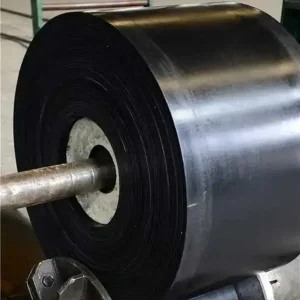
Corrosion-resistant belts designed to handle chemical processing, acidic ores, and maritime transport.
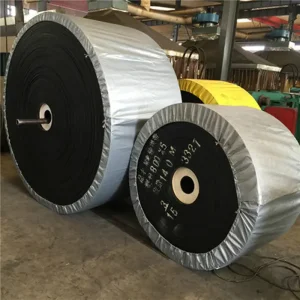
Heat-resistant compounds designed to transport cement, clinker, and steel processing materials.
 Boao Rubber