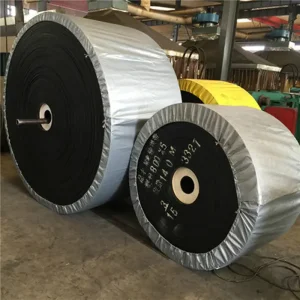
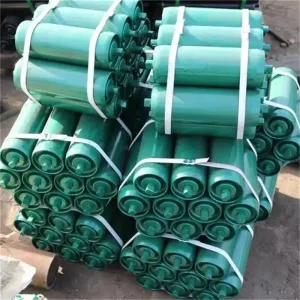
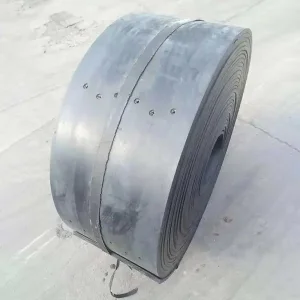
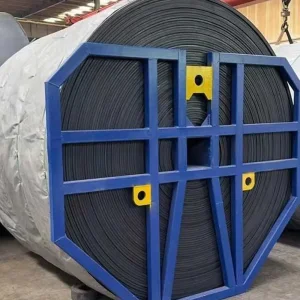
Explore our top-tier industrial product line, engineered to maximize drive efficiency, material routing, and operational lifespan across heavy industries.
In industrial transmission systems, the design of small rubber pulley belts requires balancing high flexibility with structural integrity. Small-diameter pulley configurations force the belt through tight bending angles under high speeds. This generates severe compression forces along the inner dynamic layer and substantial tensile stresses across the outer reinforcement plies.
To combat heat buildup from constant flexing, manufacturers use specialized elastomers like EPDM or hydrogenated nitrile. These materials improve heat dissipation, prevent ozone cracking, and maintain consistent friction. Standard natural rubber configurations often fail in small pulley applications because of rapid thermal buildup, which leads to rubber degradation, glazed surfaces, and belt slippage.
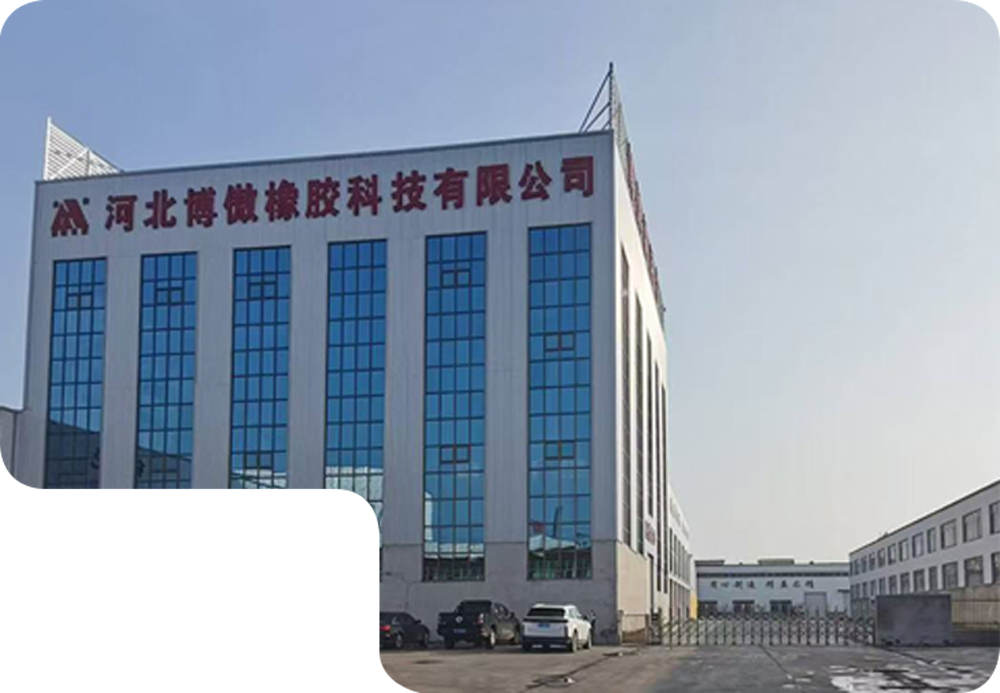
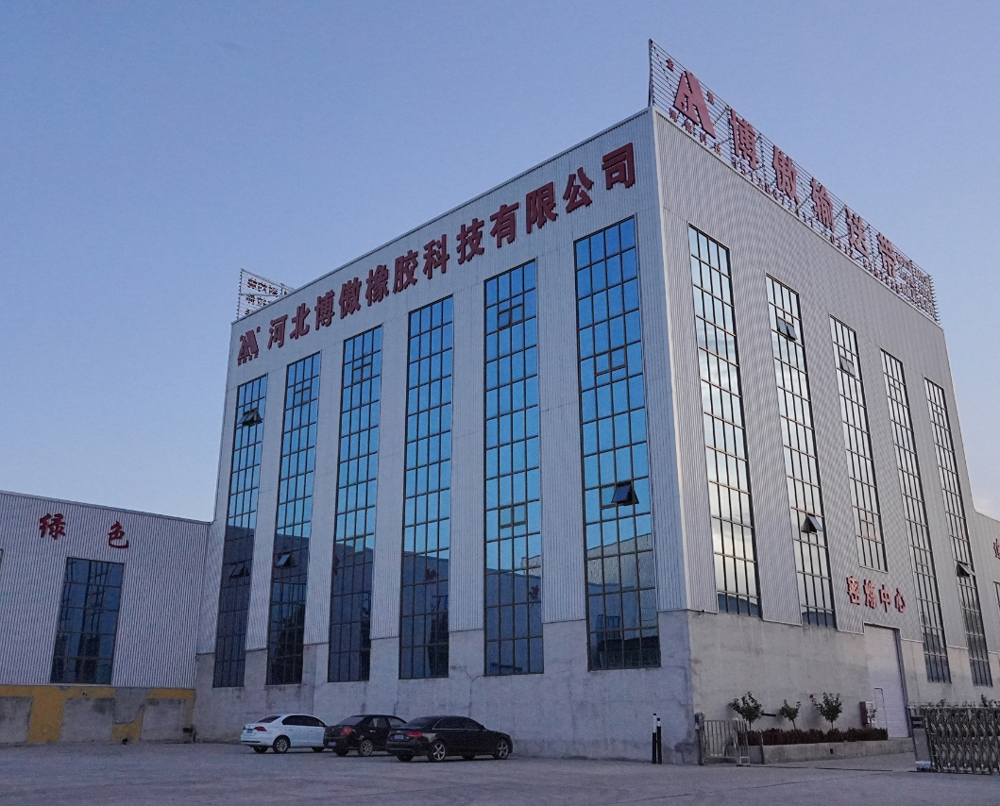
Of Dedicated Rubber Technology Manufacturing and Design Excellence (Founded in 2004)
As heavy industrial operations automate, conveying systems face demanding performance requirements. High-capacity mining, deep-sea port terminals, and energy plants need belt drives that handle continuous loads and extreme environments. In these settings, pulley belts are key components where failures can halt entire production lines.
Hebei Boao Rubber Technology Co., Ltd. addresses these challenges by offering complete system layouts rather than just standalone products. Our macro solutions cover customized drive design, low-rolling-resistance rubber covers, and high-precision pulley-belt interfaces. This integrated approach reduces energy draw in long-distance conveyor systems and extends service life, helping plants improve operational efficiency and lower total cost of ownership.


Our engineering and strict quality control ensure reliability and long-term durability in heavy-duty conveyor systems.
Our chemical analysis rooms and physics laboratories test every batch of raw materials. We follow a strict zero-defect policy, ensuring only qualified products enter the assembly stage and leave the factory.
Professional quality inspectors, sophisticated testing equipment, and standardized evaluation processes maintain consistency across all product groups, including heat-resistant and general-purpose belts.
We export our products nationwide and to key global industrial centers. Our systems are built for steel mills, metallurgy projects, coal operations, cement plants, power utilities, and bulk cargo ports.
We customize elastomer ratios and reinforcement fabrics to meet specific thermal, chemical, and physical performance requirements.
| Belt Grade / Code | Tensile Strength (MPa) | Elongation at Break (%) | DIN Abrasion Loss | Max Temp Range | Primary Application Areas |
|---|---|---|---|---|---|
| General Purpose (NN / EP) | 15 - 24 MPa | ≥ 400% | ≤ 120 mm³ | -20°C to +80°C | Bulk sand, gravel, coal plants, mining run-of-mine materials |
| Heat Resistant (T1/T2/T3) | 12 - 18 MPa | ≥ 350% | ≤ 150 mm³ | Up to +200°C (Sustained) | Cement clinker transport, steel sintering, chemical fertilizers |
| Acid & Alkali Resistant | 14 - 20 MPa | ≥ 380% | ≤ 140 mm³ | -15°C to +60°C | Chemical manufacturing, processing plants, phosphate mines |
| Cold Resistant (C1 / C2) | 15 - 22 MPa | ≥ 400% | ≤ 110 mm³ | Down to -50°C | Arctic mining, outdoor bulk transport in high-latitude ports |
| Steel Wire Core (Anti-Tear) | Up to 5000 N/mm | ≥ 350% | ≤ 90 mm³ | -25°C to +90°C | High-tonnage vertical lifting, deep shaft coal extraction lines |
Our products undergo independent testing and certification to comply with national safety and international performance standards.
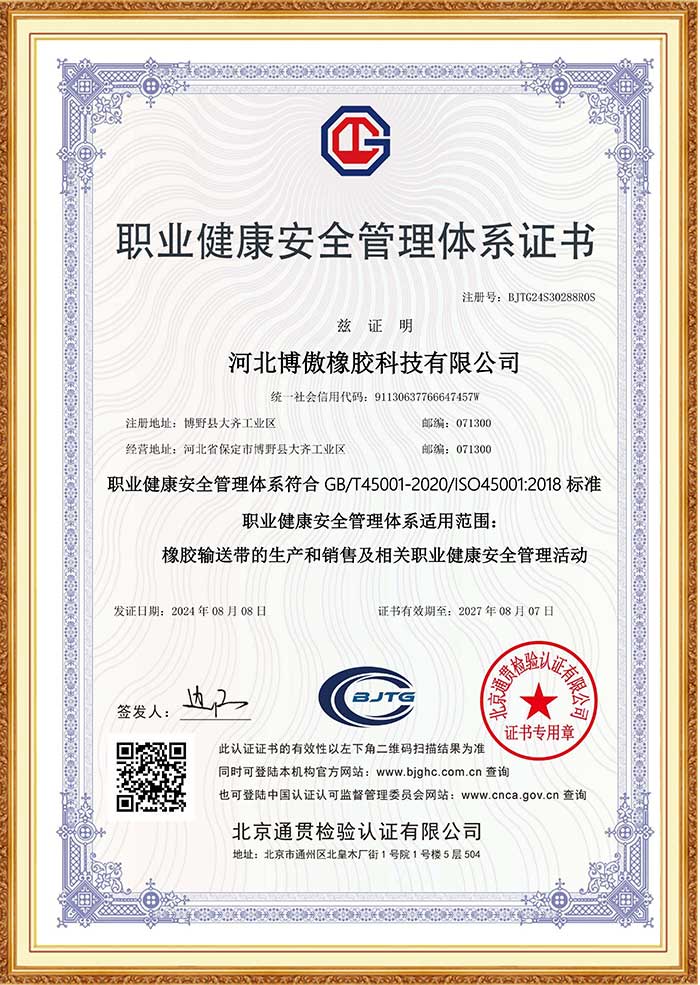
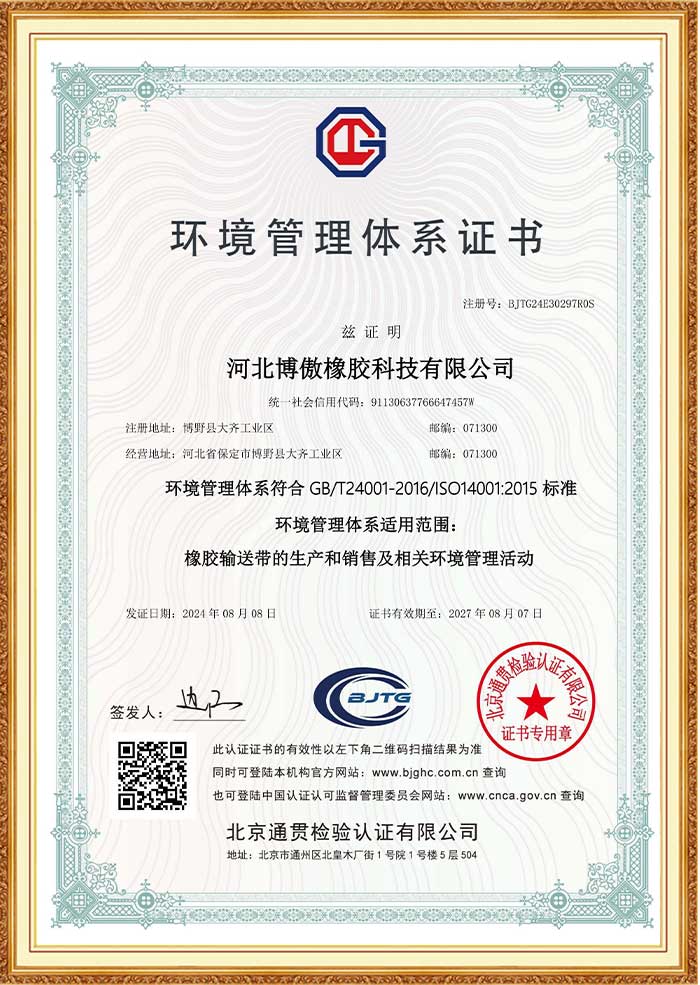
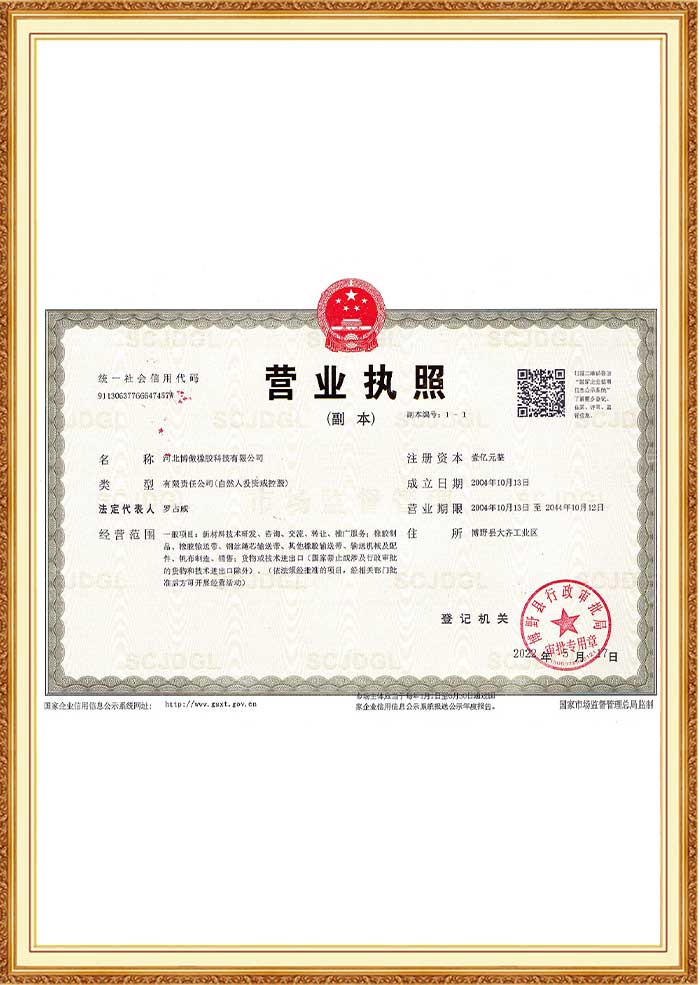
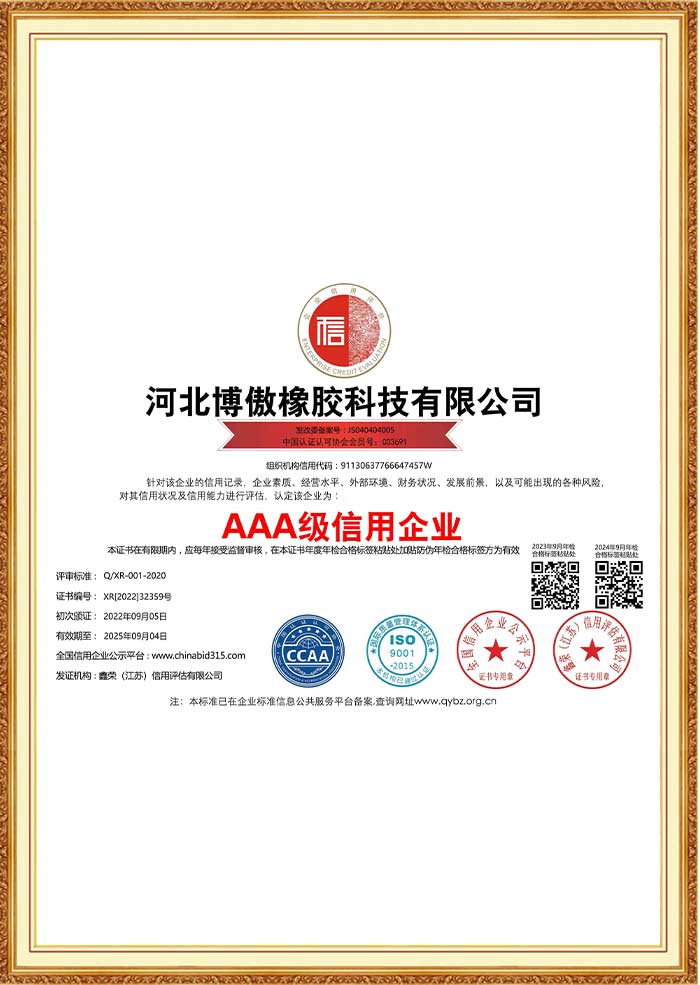
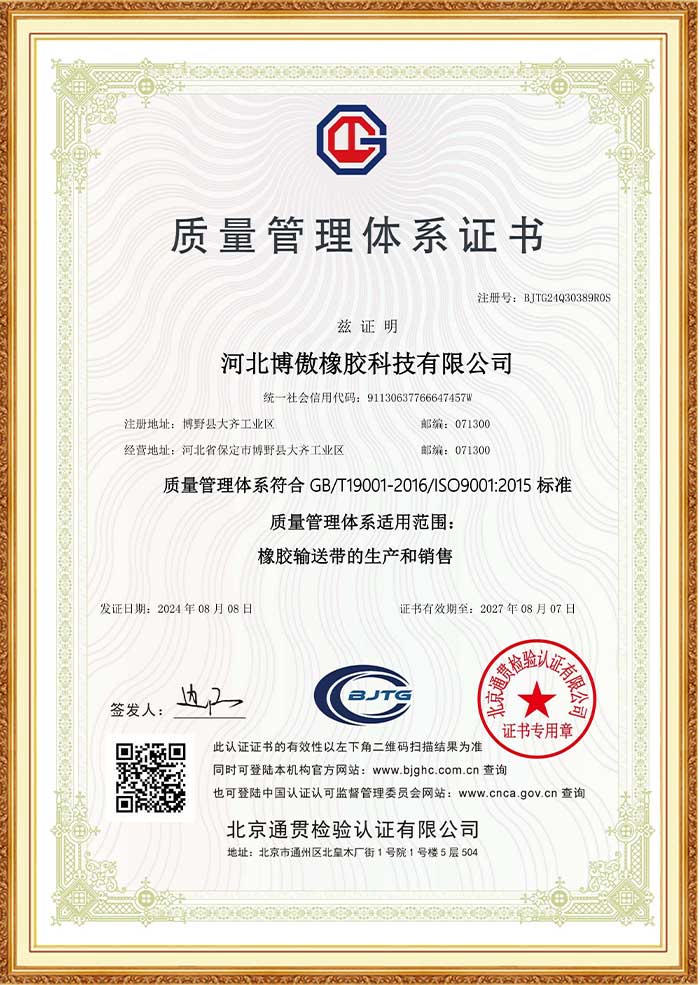
We supply conveyor and drive components to leading global operators in steel, mining, energy, and construction.
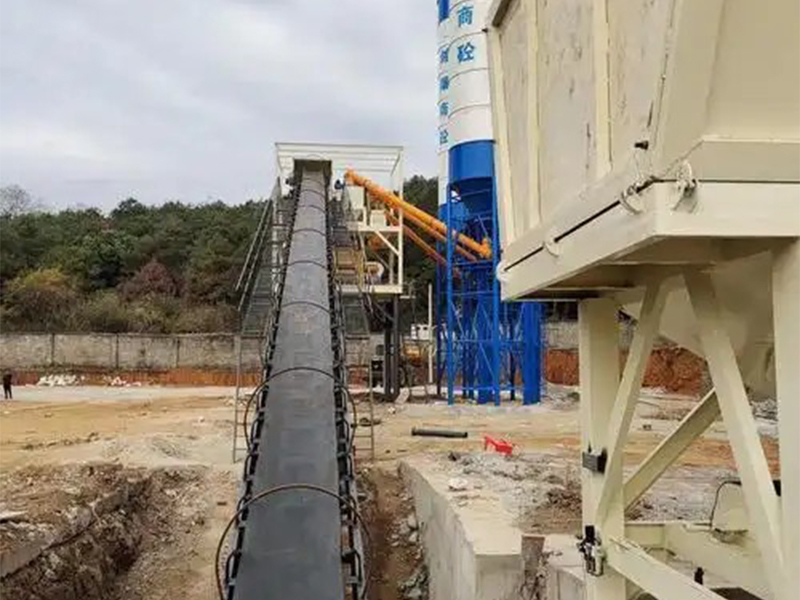
Supplied wear-resistant batching plant conveyor belts to maintain uninterrupted material flows on major high-speed rail construction projects.
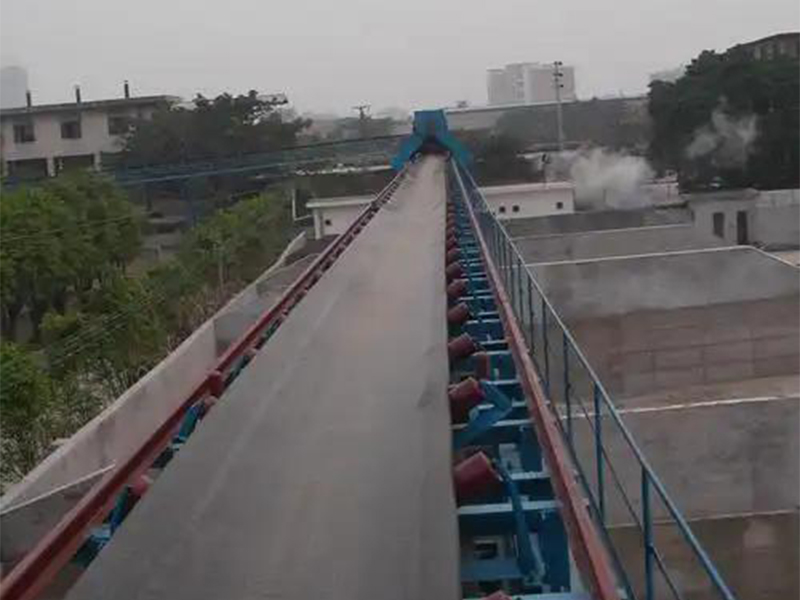
Designed heat-resistant conveyor systems to handle high-temperature dry cement clinkers directly from the kiln exit.
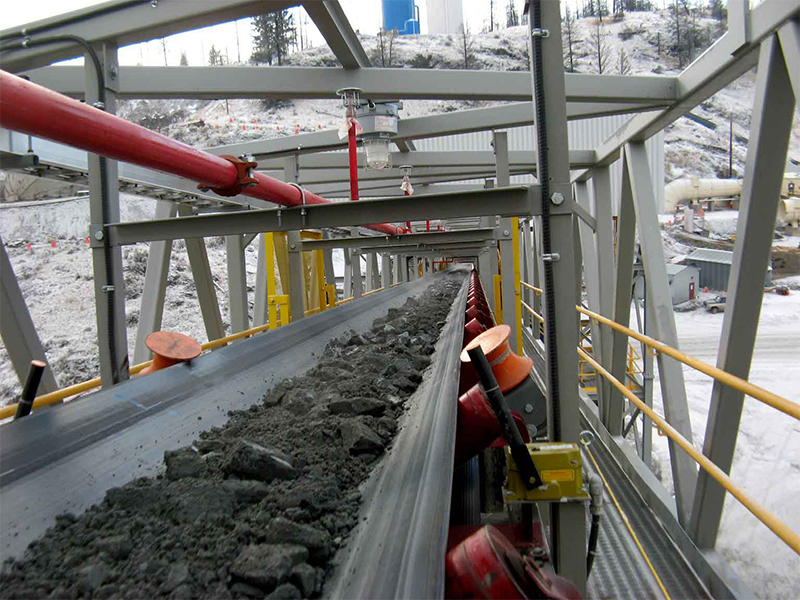
Installed high-tensile, flame-retardant steel wire core conveyor belts for high-volume underground mining operations.
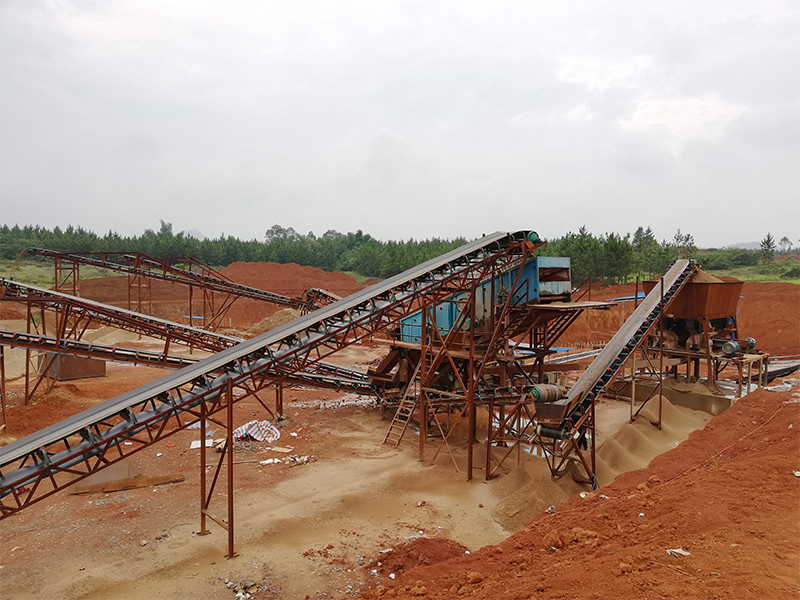
Supplied heavy-duty raw material transport systems for high-tonnage stainless steel slag processing and metal smelting lines.
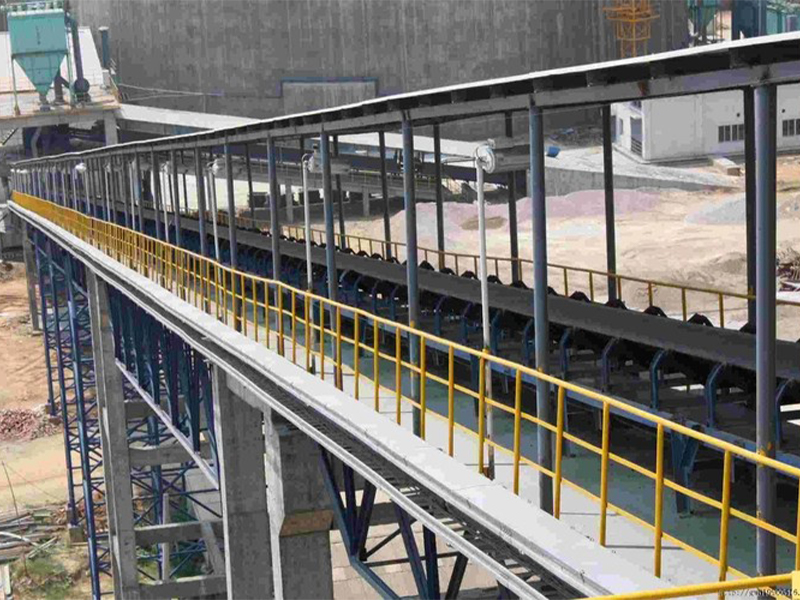
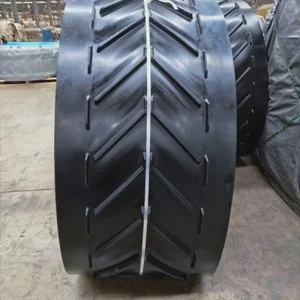
Provided specialized corrugated sidewall conveyor belts to enable space-saving vertical transport of bulk limestone powder.
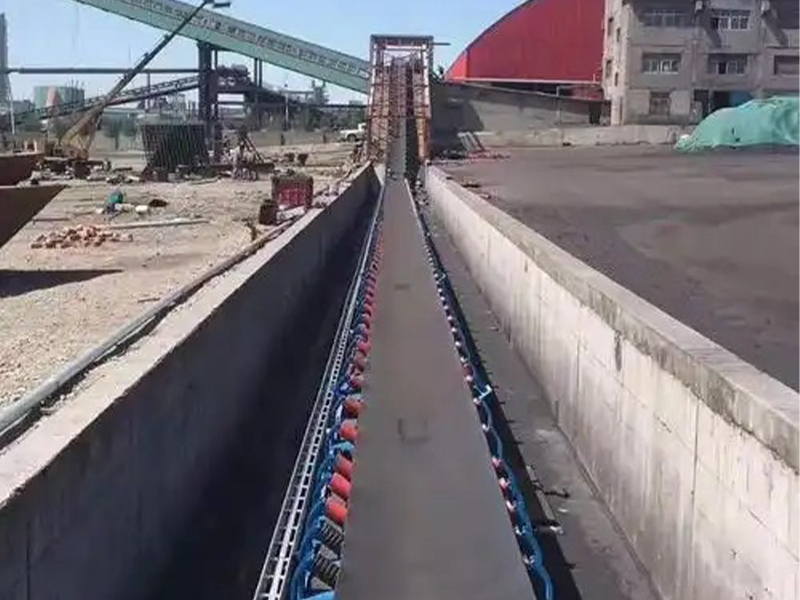
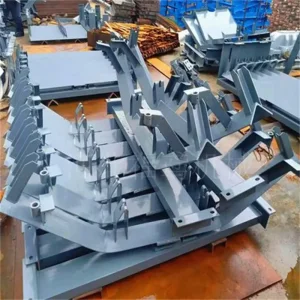
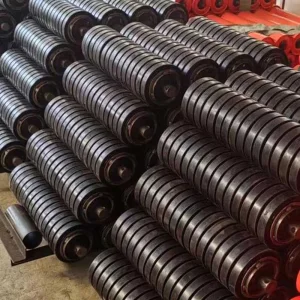
Supplied flame-retardant impact rollers and protective buffer brackets to absorb shocks at deep-pit hopper drop zones.
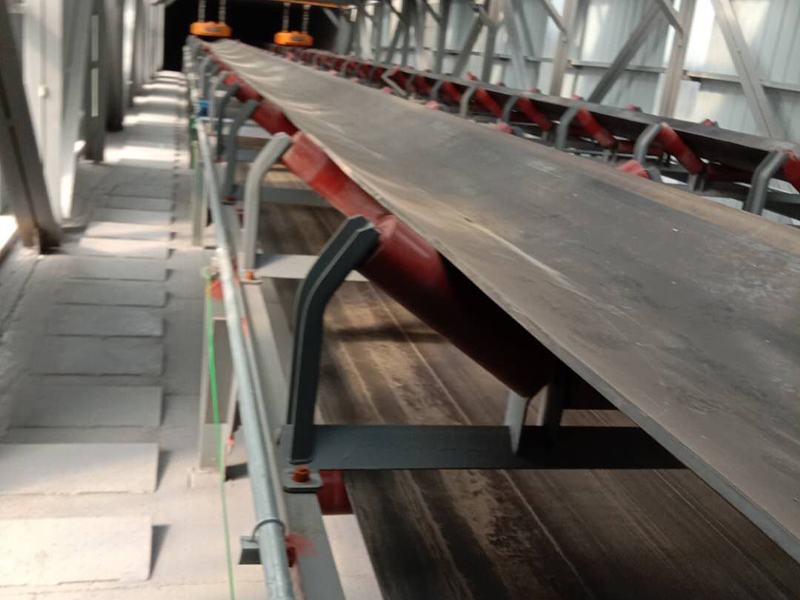
Delivered heat-resistant and high-inclination conveyor systems to transport hot coke and iron ore feedstock in blast furnace areas.
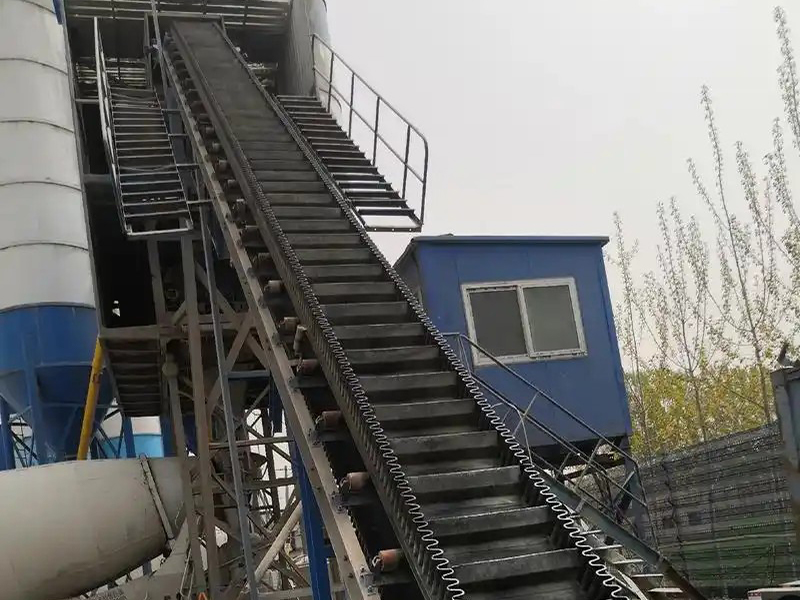
Engineered high-friction pulley drive belts and tracking brackets to reduce slippage on high-load furnace feed elevators.
We support our products with engineering services, on-site diagnostics, and preventive maintenance programs.
We offer planned replacements, structural repairs, scheduled maintenance, and emergency response to minimize conveyor downtime and maintain production throughput.
We handle the supply of rubber belts, manage safety stocks, perform vulcanized hot splicing, make cold repairs, and conduct regular ultrasonic belt thickness testing.
Our goal is to improve conveyor system efficiency, reduce premature belt wear, and lower mechanical energy consumption through precise engineering alignment.
Find expert answers to common technical questions about small pulley belt mechanics, rubber compound choices, and wear prevention.
The minimum pulley diameter determines the bending stress on the belt. Using a pulley that is too small for a thick belt causes fatigue in the rubber layers and leads to ply separation. Selecting the right belt requires matching the thickness and reinforcement layers (such as EP or NN fabrics) with the pulley diameter to prevent heat buildup and cracking.
We use specialized EPDM and synthetic polymers instead of standard natural rubber. This formulation prevents thermal hardening and oxidation at temperatures up to 200°C. We also add antioxidant agents to prevent crack growth during continuous flex cycles over small-diameter pulleys.
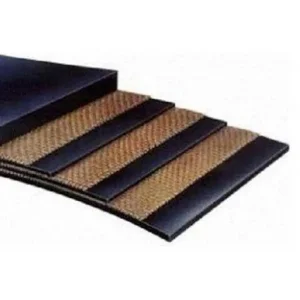
EP belts use polyester fibers in the warp direction (lengthwise) and nylon in the weft direction (crosswise). This design limits elongation under load, which reduces the need for frequent tension adjustments. NN belts offer higher impact resistance and flexibility, making them suitable for long-distance transport, but they exhibit greater stretch under heavy tension.
As a conveyor belt passes over idlers, the rubber compresses and relaxes, absorbing energy. Our low-rolling-resistance (LRR) rubber reduces this indentation energy loss by up to 25%. On long-distance conveyor systems, this reduction in resistance significantly lowers the electricity required to drive the motors, reducing both operational costs and carbon emissions.
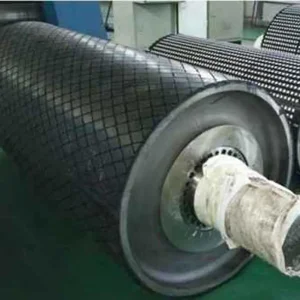
Key maintenance protocols include keeping the tension system calibrated, using self-aligning idlers to prevent tracking issues, and applying high-friction ceramic lagging to the drive pulleys. Regular inspections should also check for material buildup on the pulleys to ensure consistent tension and prevent uneven wear.
Our high-capacity conveyor belts and drive elements are built to maintain structural integrity under high temperatures, chemical exposure, and abrasive conditions.
Our engineering team can assist you with belt selections, load calculations, custom rubber compounds, and system design. Contact us to optimize your conveyor operations.
 Boao Rubber