Explore our comprehensive industrial lineup built for extreme load, extreme temperature, and peak tracking stability.
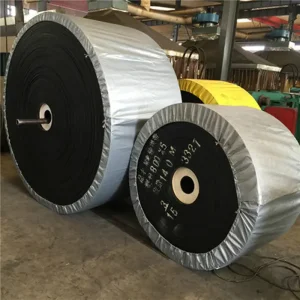
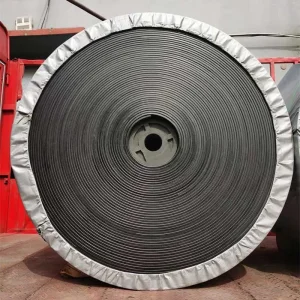
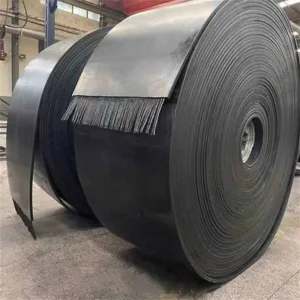
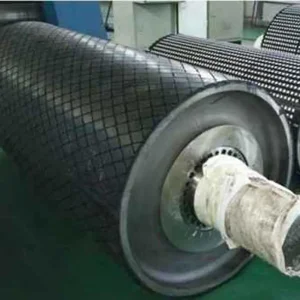
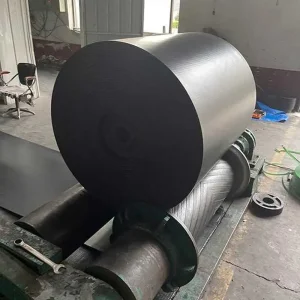
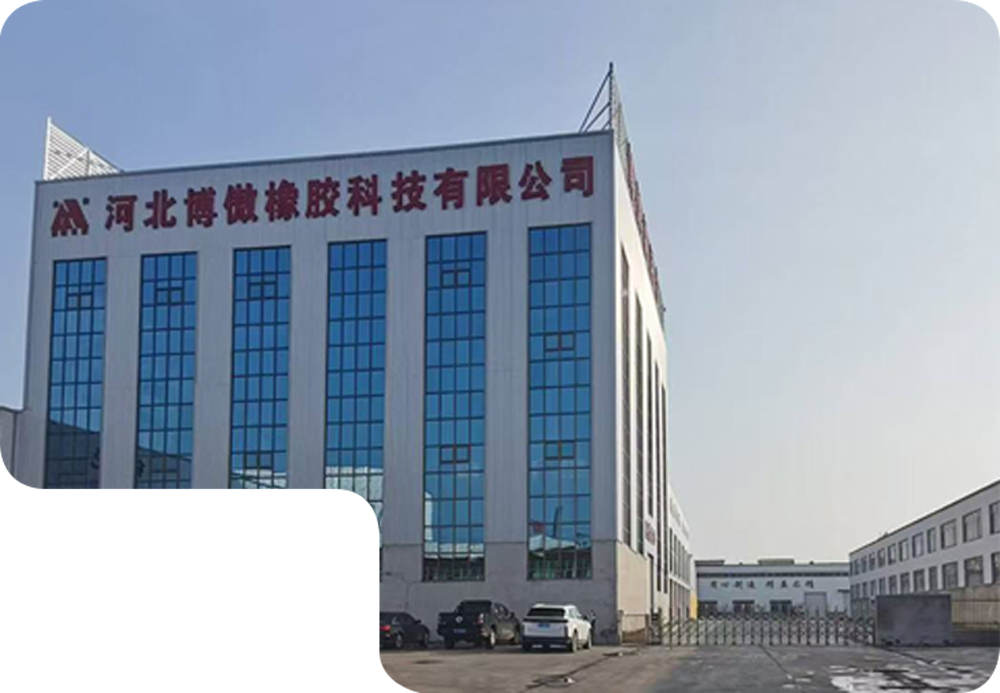
Hebei Boao Rubber Technology Co., Ltd. is strategically located in the premier Rubber Industrial Park of Boye County, Baoding, Hebei Province, China. Established in 2004, our production plant spans an extensive footprint of over 30 acres (approx. 120,000 square meters).
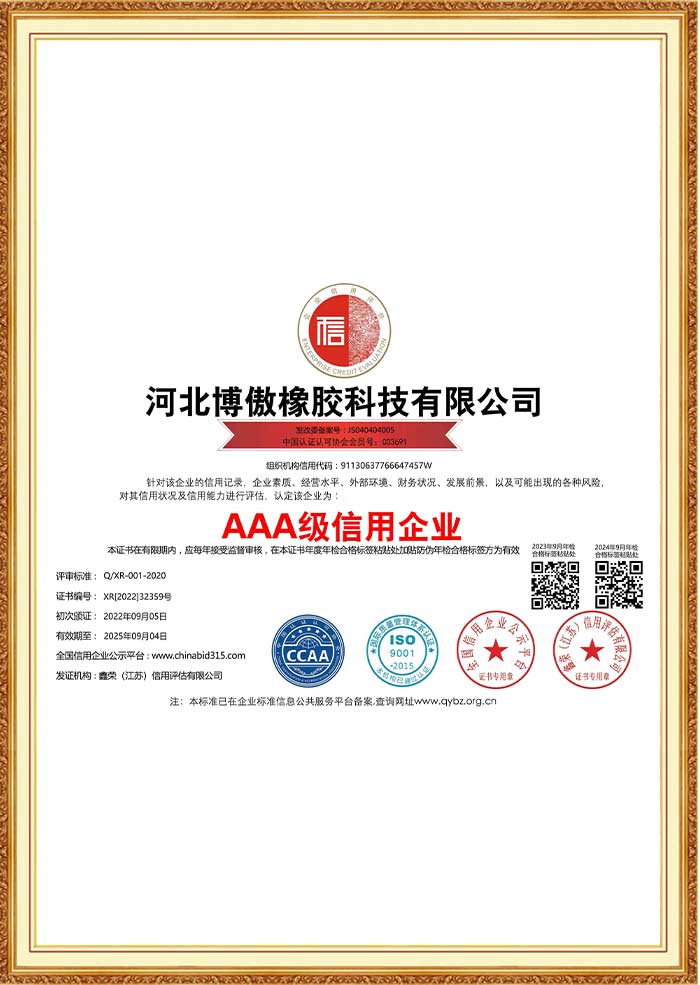
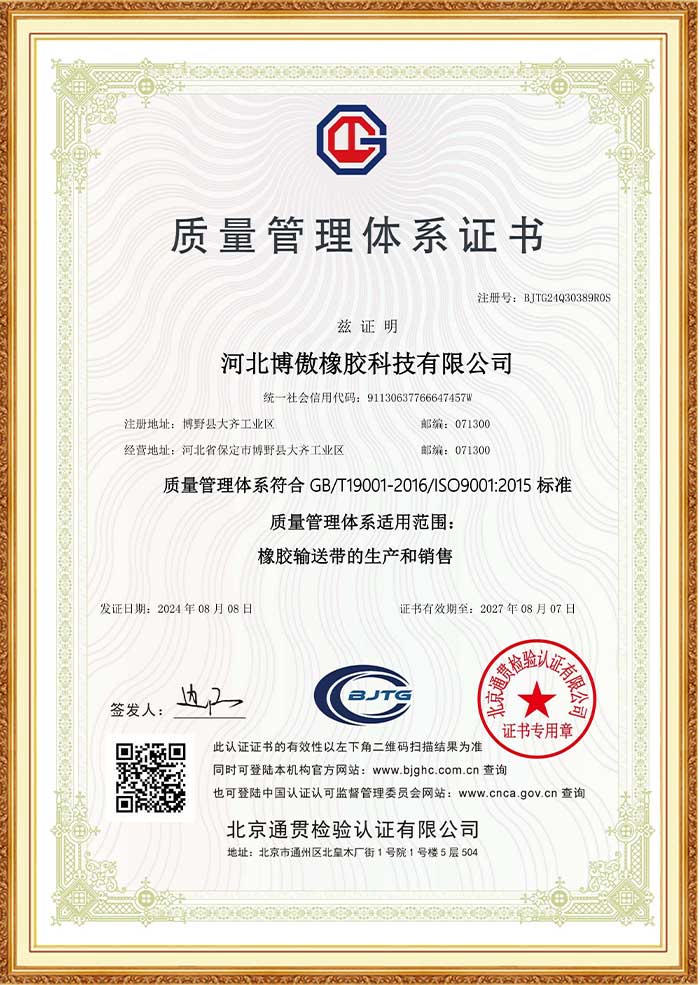
Through our benchmark "Jinao" brand, we have solidified our market presence as an authoritative, ISO 9001 quality system certified developer, designer, and manufacturing giant of industrial heavy-duty conveyor belts and bulk material handling conveyor components.
Equipped with comprehensive, vertically integrated processing lines—encompassing raw rubber mastication, steel reinforcement weaving, automated forming, hydraulic vulcanization presses, and advanced mechanical inspection facilities—we guarantee zero defective components leave our facility.
A definitive guide on how self-aligning idlers dynamically mitigate belt drift, edge wear, and catastrophic material loss.
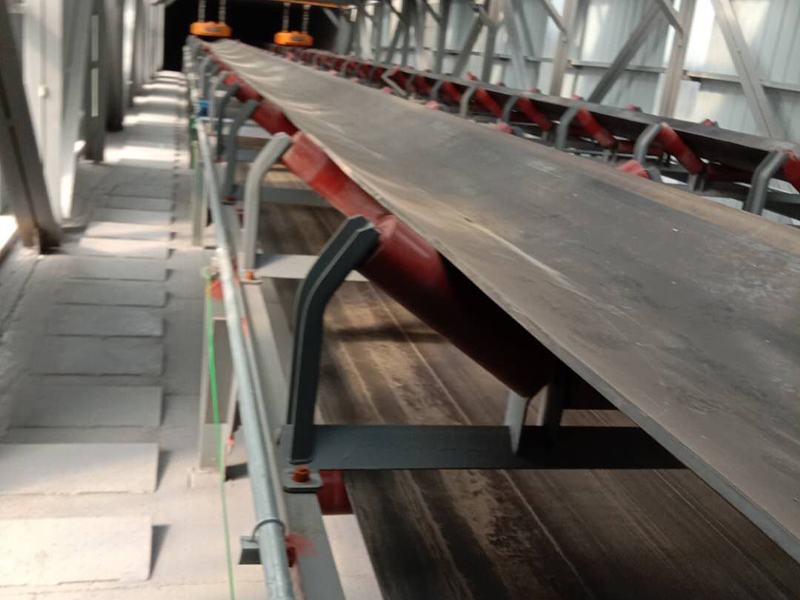
Conveyor belt misalignment occurs when structural deviations, uneven material loading, or off-center splices create transverse forces on the belt. Over time, these dynamic forces push the belt off its designated tracking line, leading to rapid component wear and belt damage.
China Self-Aligning Idlers use a centralized rotary pivot design. When the belt deviates, it engages a side guide roller, causing the entire idler frame to pivot automatically. This angular rotation produces a corrective steering force that guides the belt back to the center.
Uncorrected drift leads to catastrophic failure, including belt tearing, material spillage, and frame damage. Integrating both carrying and return self-aligning idlers prevents misalignment issues, protecting valuable conveyor systems.
Our heavy-duty tracking systems are built using precision engineering, featuring low-runout steel tubing, reinforced central pivots, and dual-layer labyrinth seal configurations that offer dust and water protection in extreme mining and marine loading environments.
| Parameter Details | Troughing Self-Aligning Idler | Friction Self-Aligning Idler | Return Training Idler | |
|---|---|---|---|---|
| Applicable Belt Widths | 500mm – 2400mm | 650mm – 2000mm | 500mm – 2400mm | |
| Pivot Angle range | ± 5° – ± 8° | ± 5° | ± 10° (Heavy Pivot) | |
| Bearing Brand Options | SKF, FAG, NSK, LYC, HRB | LYC, HRB, C&U | SKF, NSK, HRB | |
| Standard Compliance | CEMA, DIN, JIS, AS1332 | CEMA, ISO, DIN | CEMA, DIN, AS | |
| Shell Thickness | 4.0mm – 6.0mm | 4.5mm – 8.0mm | 4.0mm – 6.0mm |
Deploying self-aligning components to match extreme operational demands across global industrial sites.
In enclosed coal mines, airborne coal dust and high humidity create a corrosive paste that jams traditional tracking systems. Boao's self-aligning idlers use multi-layered grease-filled labyrinth seals, ensuring the pivoting mechanism stays responsive and prevents tracking failures in hazardous environments.
Operating near blast furnaces in steel mills and smelting plants exposes conveyor belts to extreme heat. Standard rubber components degrade rapidly under these conditions. Combined with Boao's heat-resistant rubber belts, our heat-treated steel pivots resist thermal expansion to ensure reliable tracking under high temperatures.
Marine terminals face constant exposure to salt spray and high moisture, which accelerates rust on conveyor structures. We utilize specialized polyurethane-coated training idlers and zinc-plated pivot housings, offering long-term protection against marine corrosion and reducing maintenance downtime.
Pioneering smart technologies to design the next generation of conveyor tracking systems.
To reduce overall system weight and lower friction, Boao is incorporating Ultra-High-Molecular-Weight Polyethylene (UHMWPE) and engineered polyurethane into our roller shells. These materials provide excellent wear resistance, reduce material buildup, and lower power consumption compared to traditional steel rollers.
Our future product roadmap focuses on integrating IoT diagnostic sensors into key pivoting points. These sensors track vibration, thermal changes, and rotation angles in real-time, sending data directly to maintenance teams to alert them to issues before a tracking failure occurs.
How Hebei Boao balances raw material security with advanced fabrication technology.
Our location in Hebei's Boye Rubber Industrial District gives us direct access to reliable domestic steel, raw rubber polymer, and industrial chemical supply chains. This regional integration protects our operations from sudden global market shifts and guarantees steady production.
By keeping all stages of production in-house—from rubber compounding to frame fabrication and final testing—we maintain strict quality control and eliminate third-party delays. For global clients, this vertical integration means shorter lead times, consistent product quality, and competitive pricing on large shipments.
Our industrial conveyor solutions support major operations across China and internationally, including Taihang Steel, Tsingshan Group, Zijin Mining, Conch Cement, Datong Coal Group, Jidong Cement Group, Jinmei Group, Puyang Steel Group, and key infrastructure sites like the China Railway Group Mixing Plant.
Built on strict quality control and proven field performance.
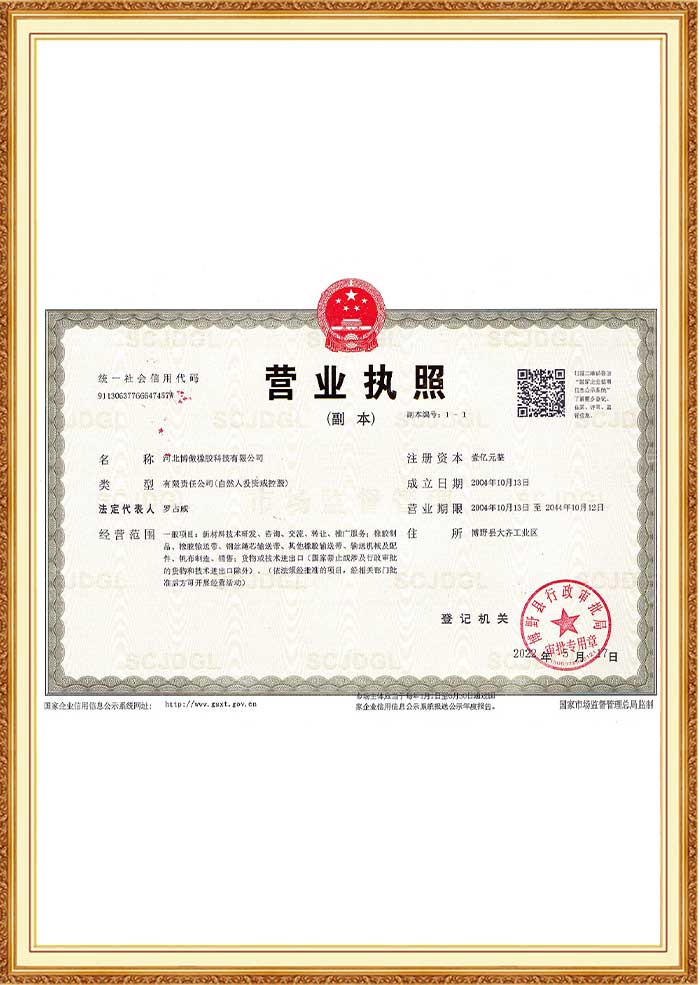
The company has an independent chemical analysis room and physics laboratory, which can ensure timely monitoring of every link from raw material procurement to product delivery. It strictly follows the principle of not entering the site for unqualified products and not leaving the site for products that do not meet standards.
Professional quality inspectors, sophisticated experimental testing equipment, and advanced testing methods ensure the quality of the company's products.
With strong technical strength and a comprehensive after-sales system, our products are exported to various parts of the country. Widely used in industries such as steel, metallurgy, coal, cement, power generation, fertilizers, grain depots, ports, etc.
Taihang Steel
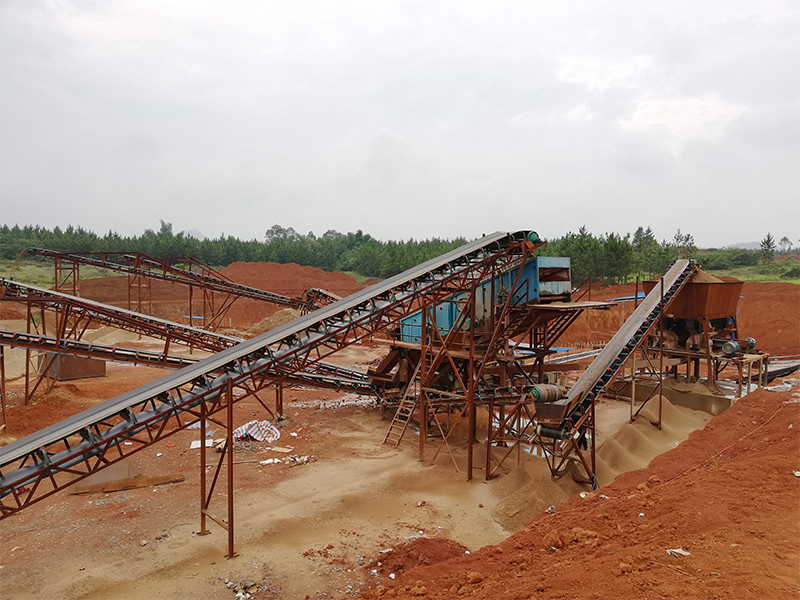
Tsingshan Group
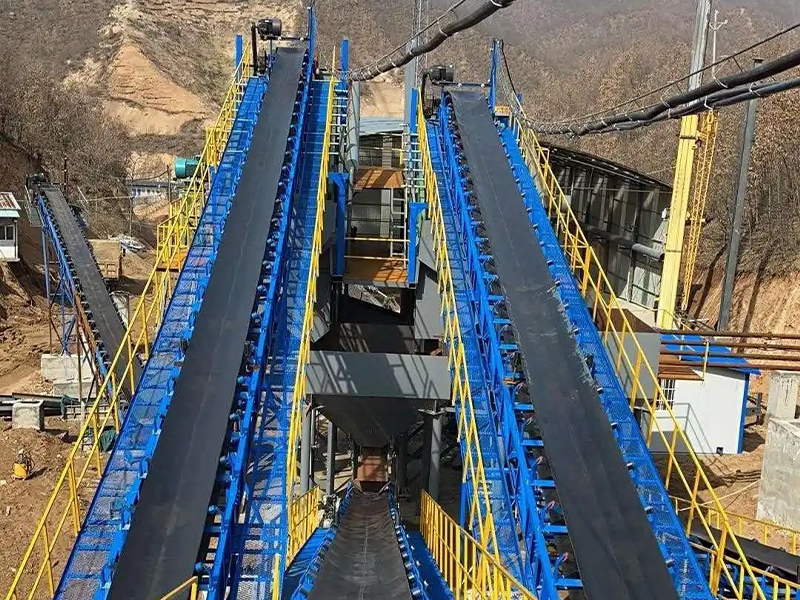
Zijin Mining
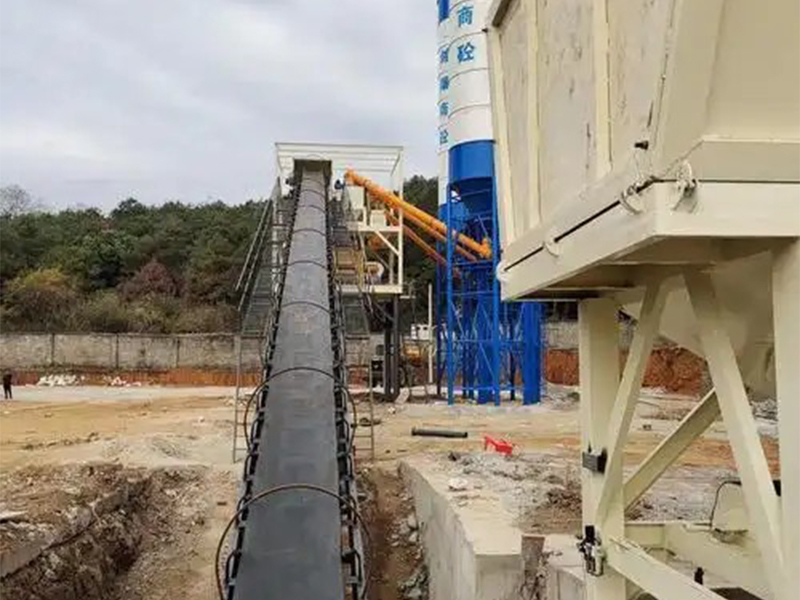
China Railway Mixing Plant
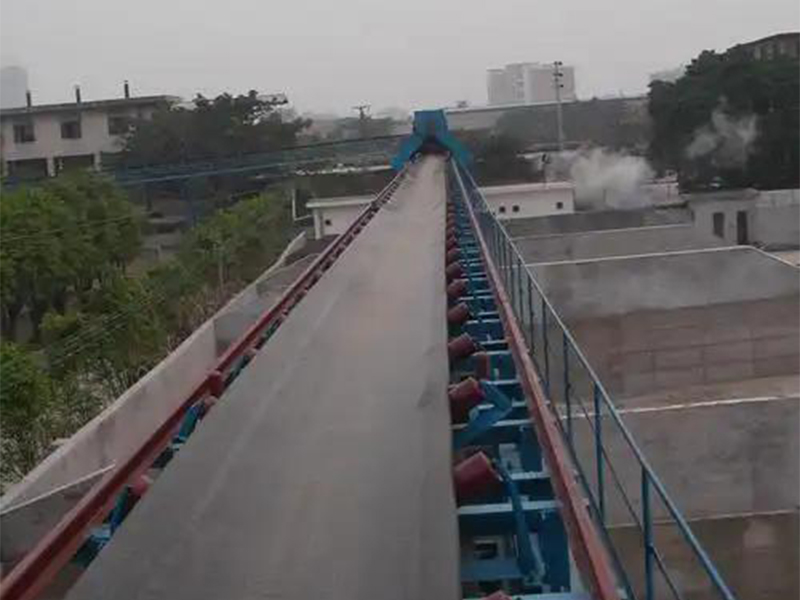
Conch Cement
Datong Coal Group
Customized maintenance and technical support plans designed to extend component lifespan.
Planned replacement, repair, inspection, maintenance, and emergency support for heavy-duty belt conveyor systems.
Supply of conveyor belts and rubber materials, safety stock management, planned joint bonding, cover rubber maintenance, and daily equipment inspections.
Optimizing conveyor efficiency, reducing wear, lowering material loss, and securing reliable operation for our partners.
Ensuring stable and cost-efficient system operations while maximizing the service life of conveyor belts and tracking components.
In the modern industrial landscape, rubber conveyor belts have become the backbone of bulk material transport systems across multiple sectors. From mining operations extracting raw materials from deep underground to port facilities handling millions of tons of cargo annually, heavy-duty rubber belts facilitate the seamless movement of materials that power our global economy. The evolution of these critical components reflects decades of engineering innovation, material science breakthroughs, and an unwavering commitment to operational efficiency and safety.
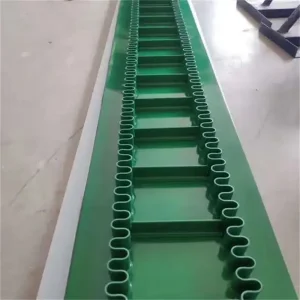
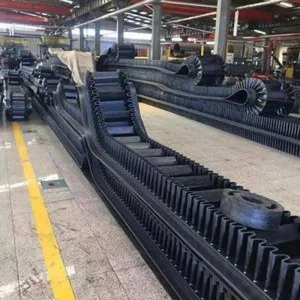
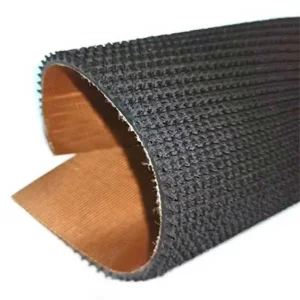
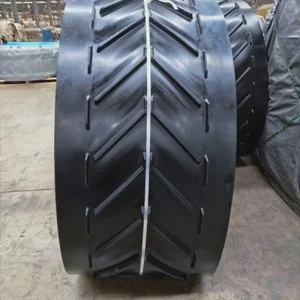
Conveyor Belts: Fabric-reinforced conveyor belts (NN, EP, PP), heat-resistant conveyor belts, endless belts, high-temperature belts, cold-resistant conveyor belts, oil and chemical-resistant belts, rubber waterstop strips, patterned belts (chevron, multi-pattern), steep incline sidewall belts, and corrugated wall belts.
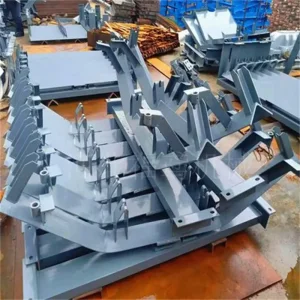
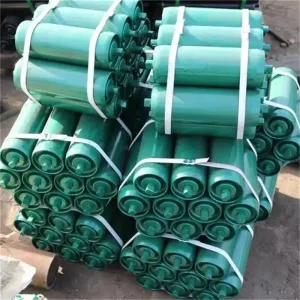
Conveyor Components: Standard roller series, ceramic-lagged rollers, impact rollers, custom roller sets, skirting systems, motorized pulleys, rubber-lagged drive pulleys, magnetic separators, support brackets, troughing frames, and self-aligning brackets.
Detailed engineering answers about self-aligning idlers, conveyor tracking, and custom design options.
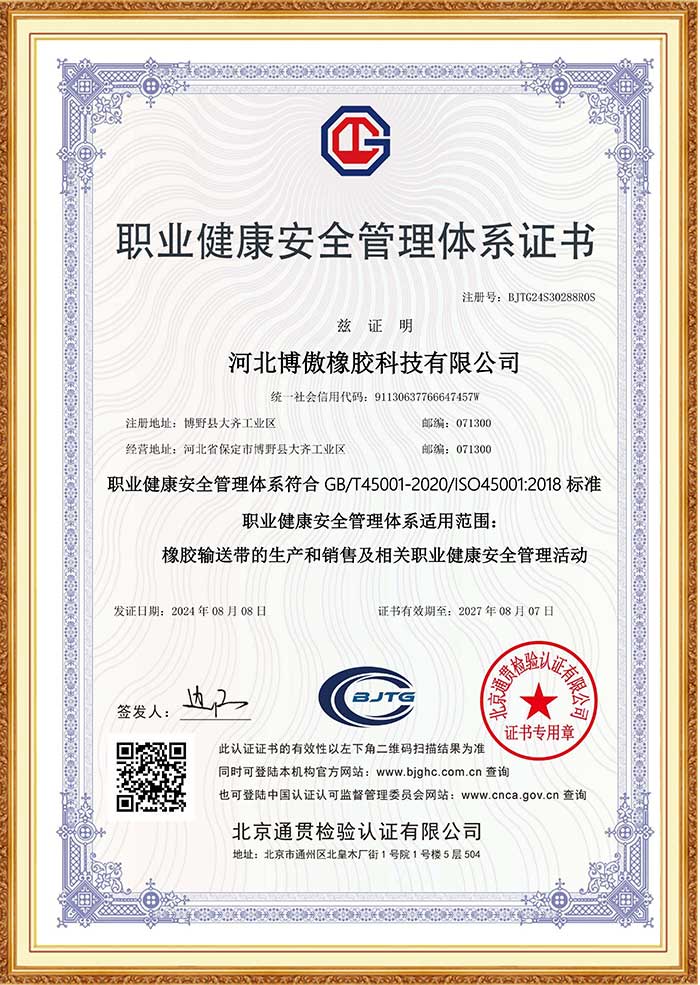
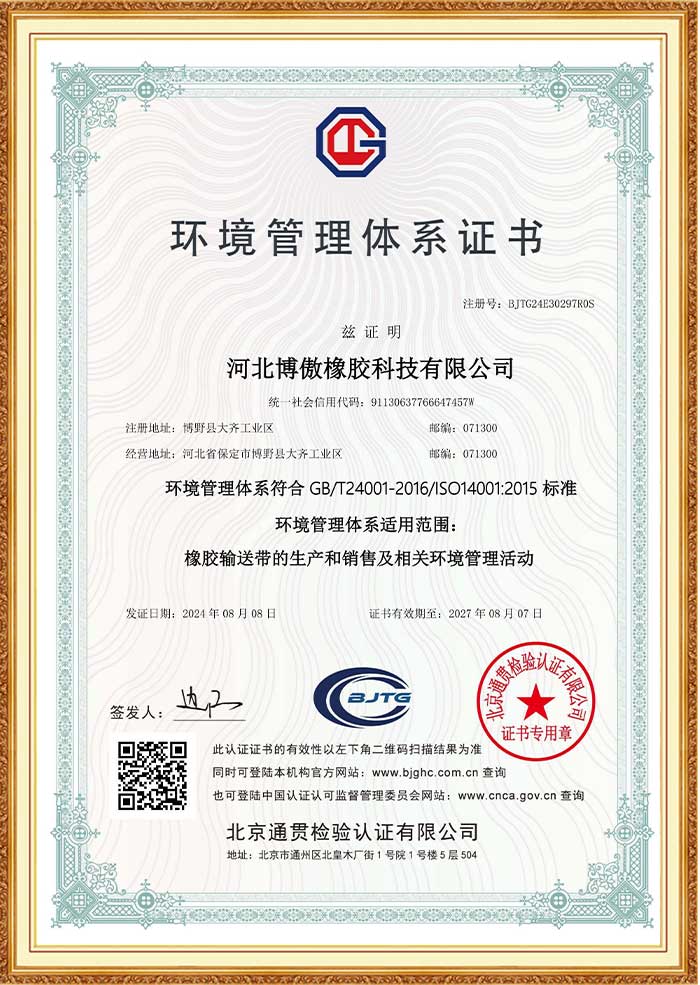
Direct access to our factory products, certified to meet international industrial standards.
 Boao Rubber