Explore our premium factory-direct rubber and polymer conveyor belts manufactured to rigorous ISO, DIN, and RMA international specifications.
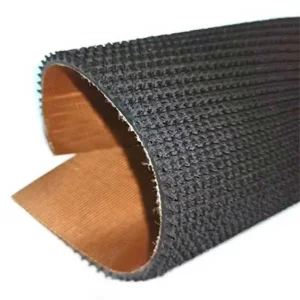
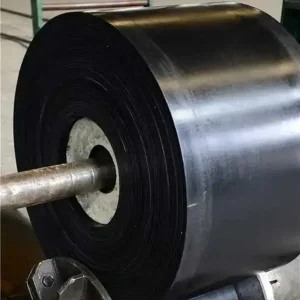
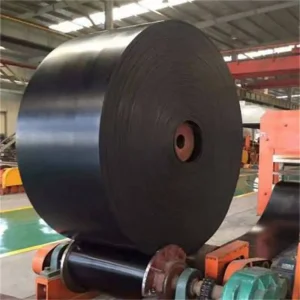
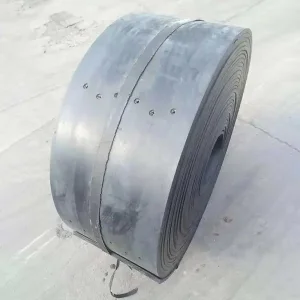
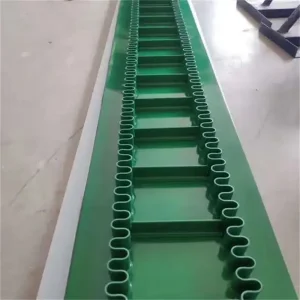
In the design of modern material handling equipment, compound hardness represents the foundational specification dictating conveyor belt utility, surface wear dynamics, and power loss index. A Shore A hardness rating of exactly 60 Shore A indicates a high-performance elastomeric composition that balances elasticity and tensile stiffness. Chemically optimized utilizing a precise ratio of natural rubber (NR), styrene-butadiene rubber (SBR), and butadiene rubber (BR), 60 Shore A formulations provide the ideal mechanical impedance match for medium-density bulk solids handling.
Unlike harder rubber formulations (e.g., Shore 70 A or 80 A), 60 Shore A elastomer matrices exhibit a lower dynamic storage modulus (E') while maintaining exceptional loss modulus (E") controls. This structural combination yields excellent damping characteristics, minimizing impact-induced microfractures in the inner textile reinforcements (such as EP or NN fibers) during vertical dump loads. Furthermore, a 60 Shore A compound provides a highly favorable friction coefficient against steel drive pulleys, limiting slip risk and optimizing traction without increasing cover wear.
How technical innovations and sustainability imperatives are redefining heavy-duty bulk handling infrastructure globally.
Global demand is rapidly shifting toward Low Rolling Resistance (LRR) conveyor belting. By refining the viscoelastic properties of 60 Shore A rubber, manufacturers reduce the indentation energy losses caused by rollers, decreasing system power consumption by up to 15%.
Modern conveyor belts now feature embedded RFID chips and magnetic sensor loops. This technology enables real-time monitoring of wear patterns and internal ply separation, preventing catastrophic field failures in automated logistics lines.
Mining operations in South America and Australia require extreme abrasion resistance. Incorporating nanosilica and functionalized carbon blacks into 60 Shore A rubber provides excellent durability, extending operational life cycles in heavy iron ore and coal applications.
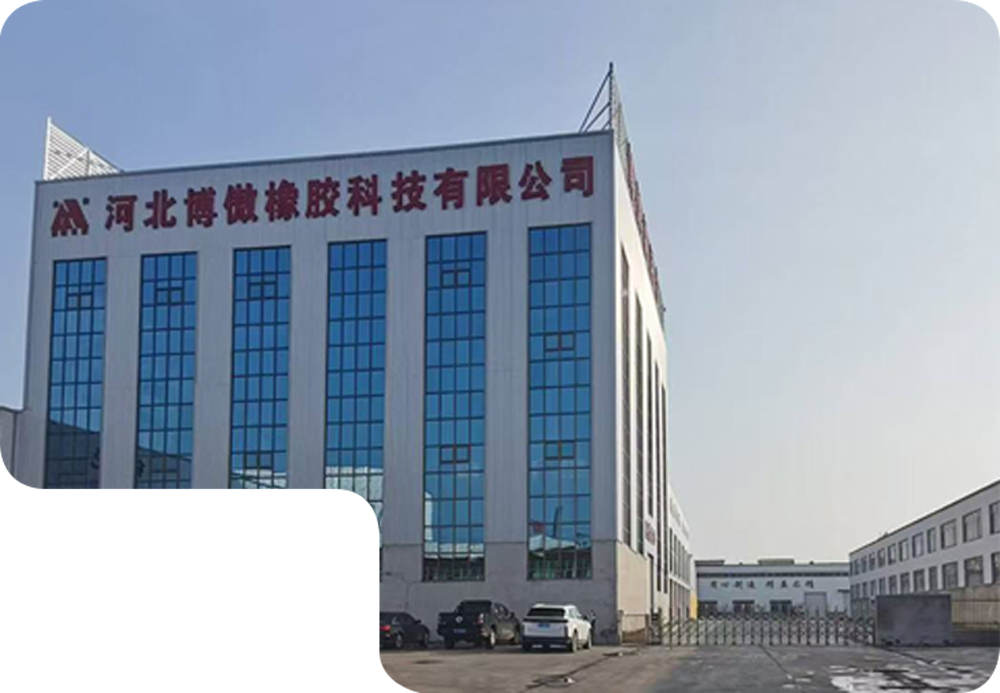
Hebei Boao Rubber Technology Co., Ltd. is located in the Rubber Industrial Park of Boye County, Baoding, Hebei Province. The company was founded in 2004 and covers an area of over 30 acres.
Operating under our flagship brand "Jinao", we are a professional manufacturer in China that integrates product development, research, design, manufacturing, and business services for conveyor belts and conveyor machinery accessories. We have also passed the international quality management system certification in one go. The company has multiple advanced equipment production lines for rolling, forming, vulcanization, and rubber testing (from raw materials to finished products).
Today, Hebei Boao Rubber Technology Co., Ltd. will be built into a domestic production-oriented enterprise with modern equipment, diversified products, and an international market, presenting itself with a brand new attitude.



Swipe horizontally to view our advanced manufacturing infrastructure.
A multi-tiered manufacturing quality management paradigm ensuring high industrial performance in severe environments.
We host an independent chemical analysis room and physics laboratory. This guarantees immediate, real-time testing of rubber compounds, reinforcing yarns, and vulcanization output from raw materials to final packaging. Non-conforming materials are strictly prohibited from entering production.
Our dedicated quality inspectors utilize sophisticated testing equipment—including moving die rheometers, electronic tensile testers, and DIN abrasion testing drums. This structured process guarantees the physical and dimensional accuracy of our products.
Backed by strong engineering capability and a comprehensive field support system, our systems are widely utilized across mining, steel, metallurgy, energy generation, chemical fertilizer, grain storage, and port transport operations nationwide.
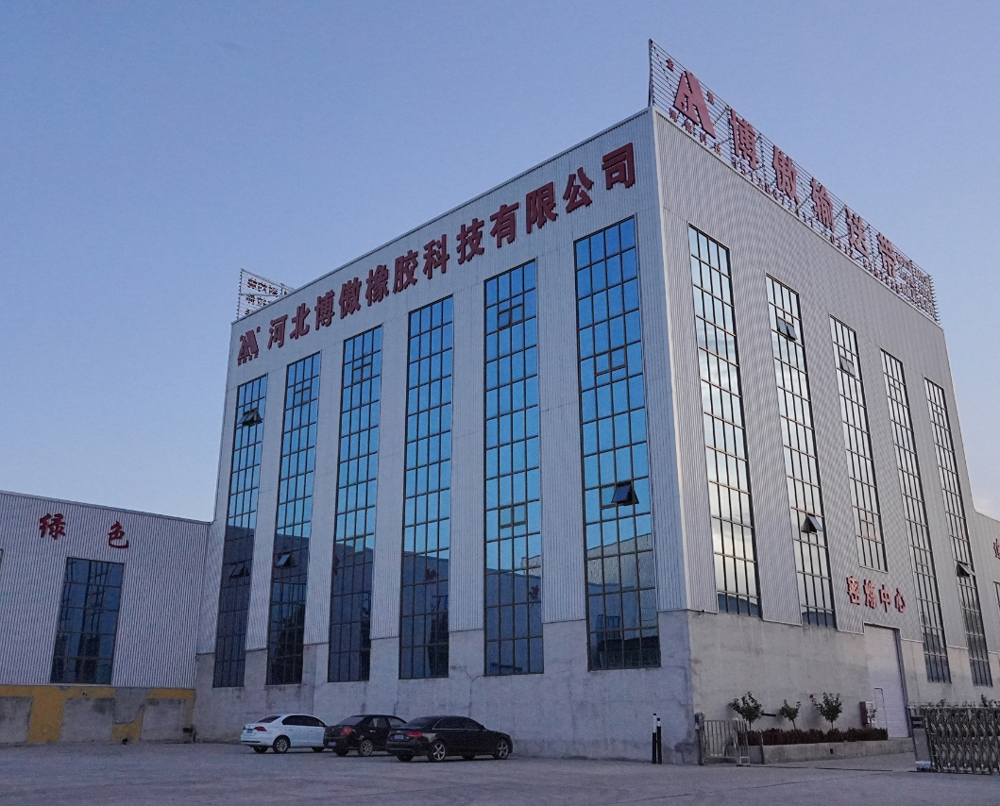
Hebei Boao Rubber Technology Co., Ltd. utilizes advanced manufacturing standards to optimize supply chain resilience for international heavy industries. Operating within the Boye County Industrial Park in Hebei Province, our facility uses local industrial clusters to secure stable raw material supplies, reliable energy reserves, and efficient transport channels to major sea terminals like Tianjin Port. This strategic position minimizes procurement overhead and transit times.
Under our Factory 4.0 roadmap, we have updated our mixing, calendering, and vulcanization lines with electronic control networks. These automated systems control temperature profiles within ±1°C during the rubber curing cycle, ensuring uniform physical properties across large manufacturing batches. By combining automated production with strict laboratory testing, we balance competitive pricing with reliable quality control.
All conveyor belts are designed to comply with DIN 22102 (Germany), AS 1332 (Australia), RMA (USA), and JIS K 6322 (Japan) standards.
Raw rubber and reinforcing plies undergo batch testing to verify chemical composition, tensile strength, and aging properties.
Our modular calendering and vulcanizing lines support rapid setups, allowing for custom widths, thicknesses, and cover designs.
A comprehensive selection of heavy industrial conveyor belts and supporting mechanical structures designed for severe bulk handling service.
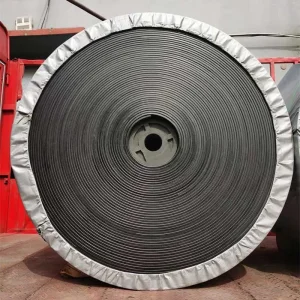
Our core range features textile-reinforced belts (NN, EP, PP) and heavy-duty steel wire rope core designs. We specialize in task-specific elastomeric covers: heat resistant, fire retardant, high-temperature, cold resistant, oil & chemical resistant, acid & alkali resistant, patterned (herringbone, chevron, flat, pattern-molded), high inclination corrugated sidewall, and waterstop rubber membranes.
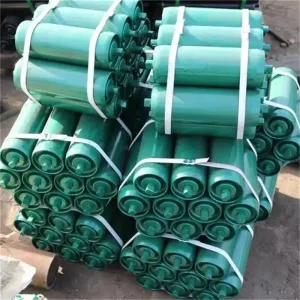
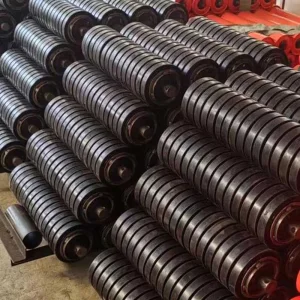
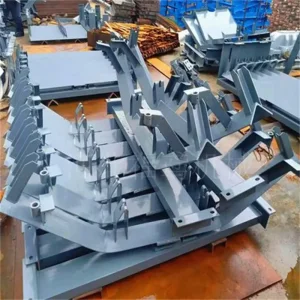
We manufacture a complete line of supporting components: heavy steel idlers, polymer impact rollers, ceramic-lagged drive pulleys, rubber buffer impact rollers, self-aligning training idlers, return idlers, steel brackets, transition panels, and structural accessories.
Our quality management systems are certified to meet international standards for reliable operation in heavy industrial facilities.
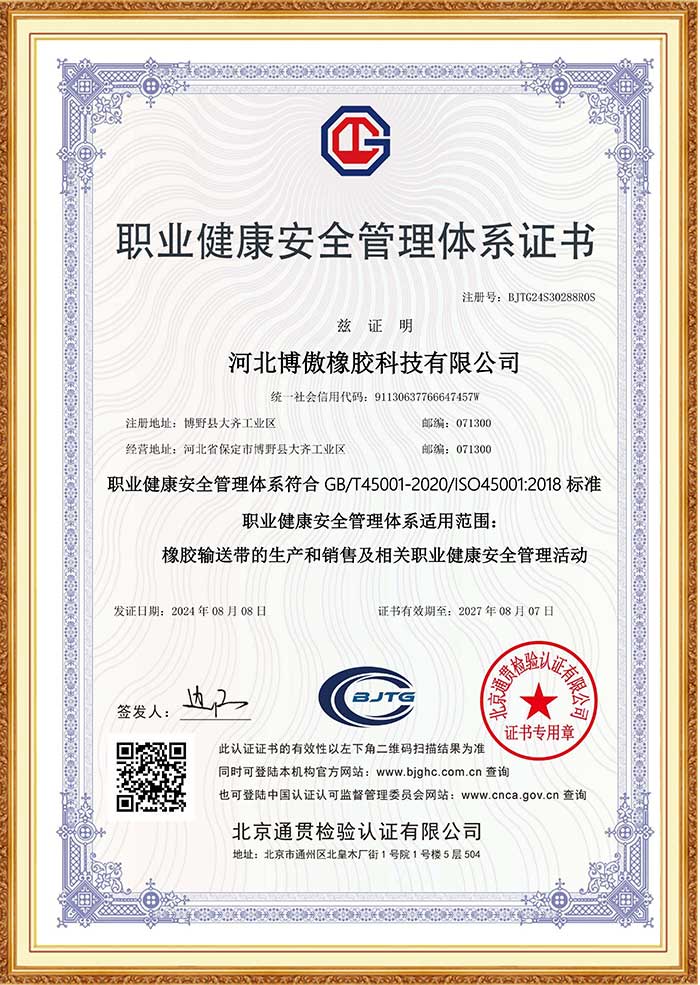
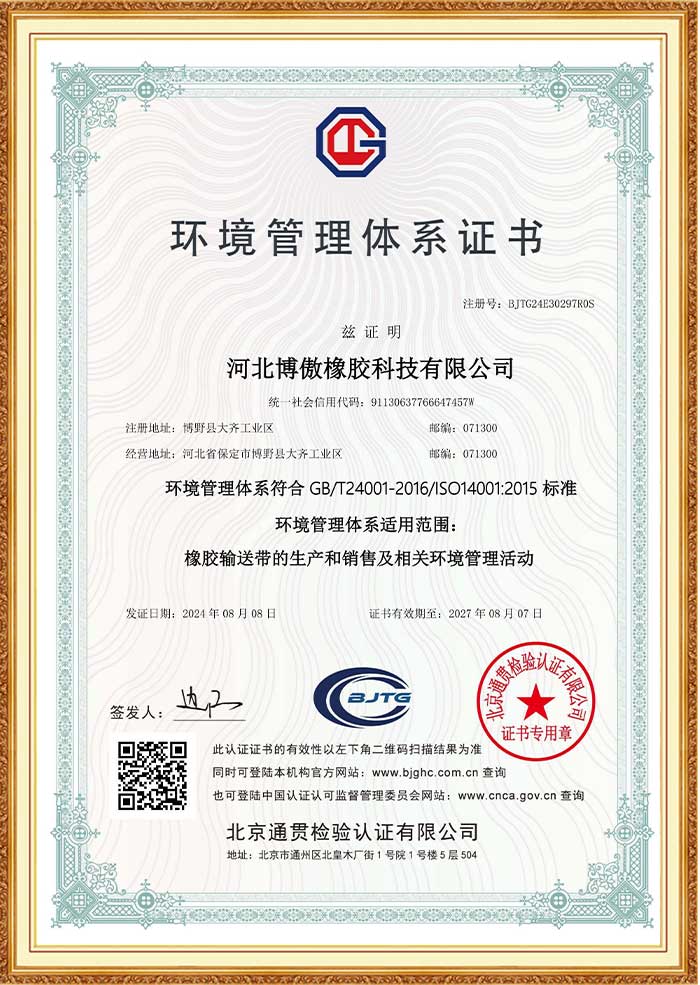
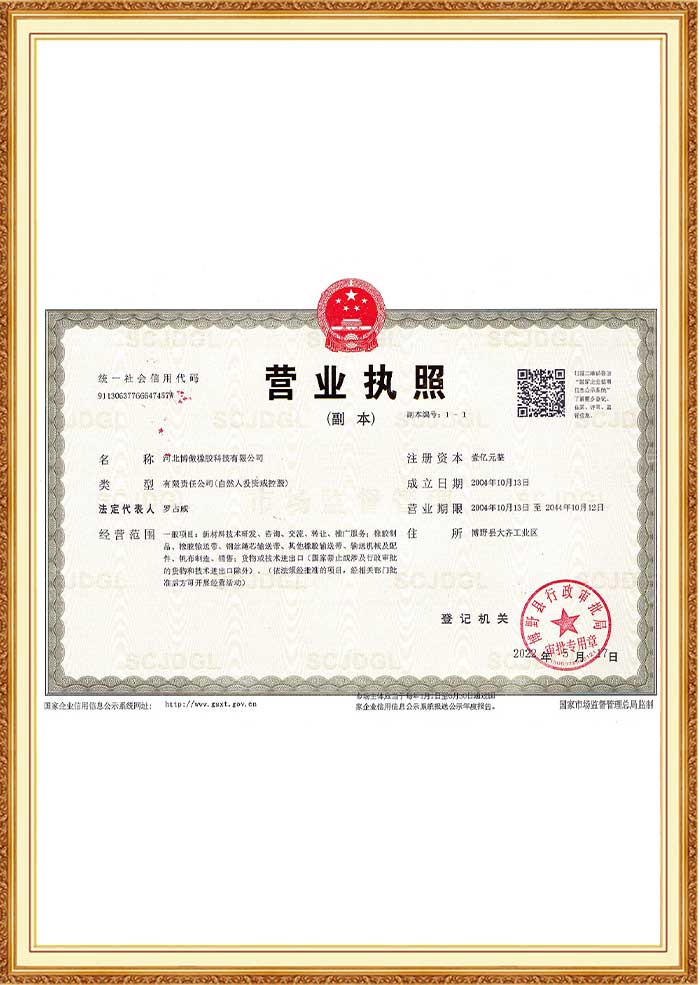
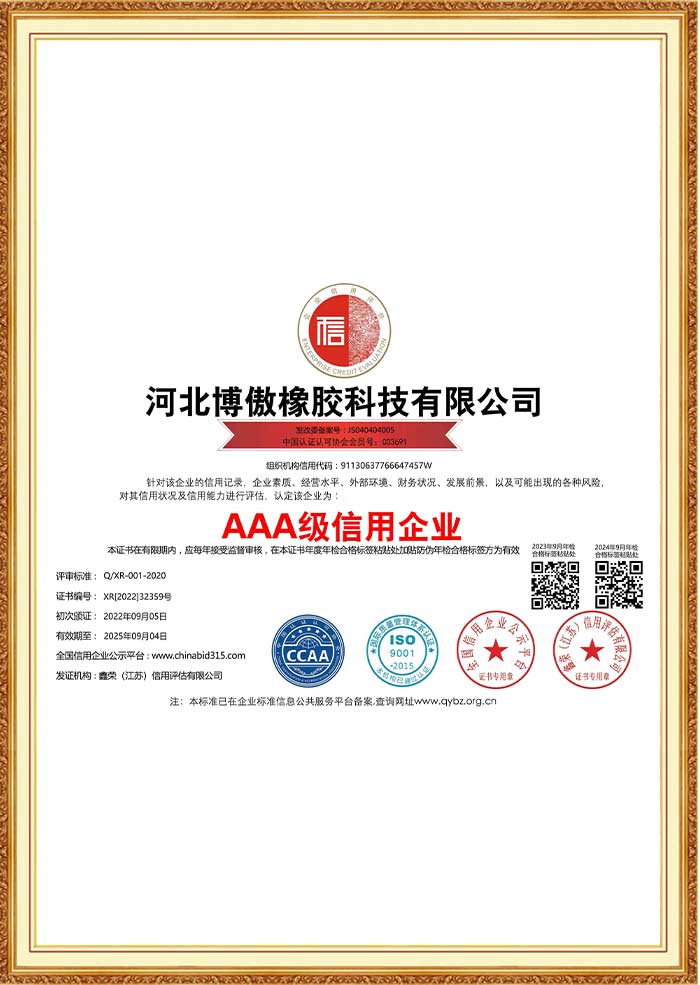
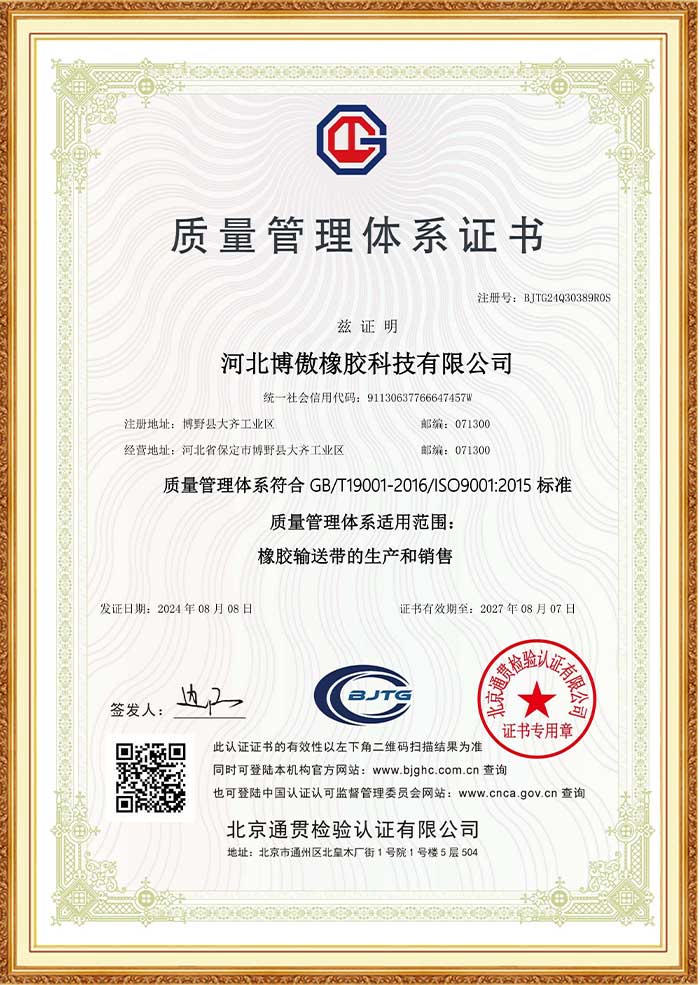
Our heavy-duty conveyor systems are trusted by leading mining, steel, and cement groups for demanding material handling challenges.
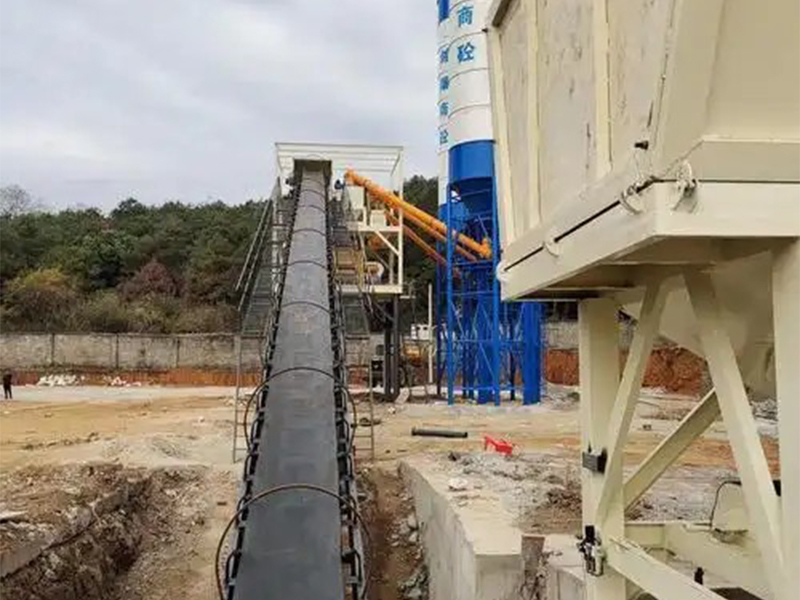
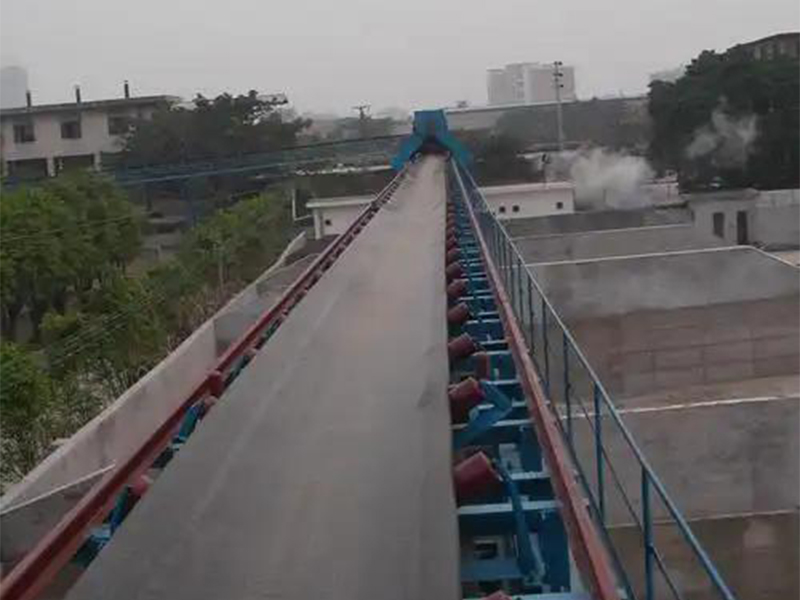
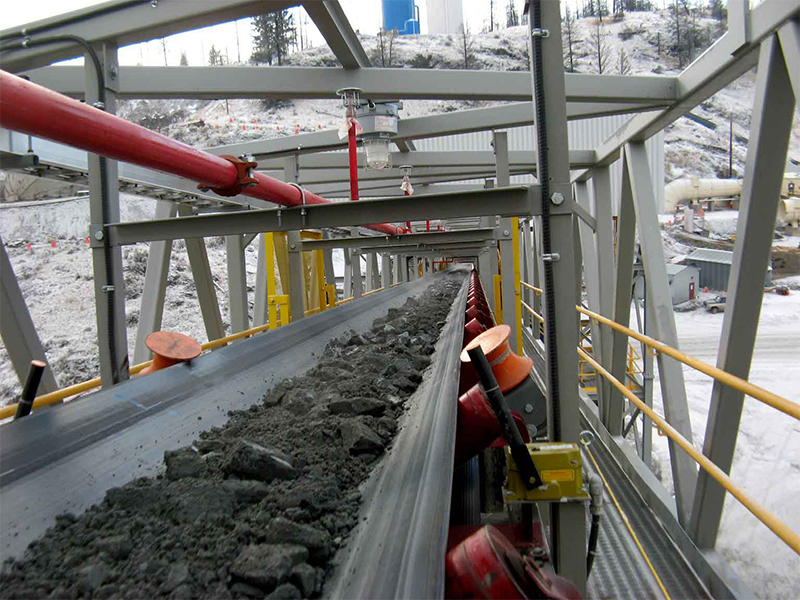
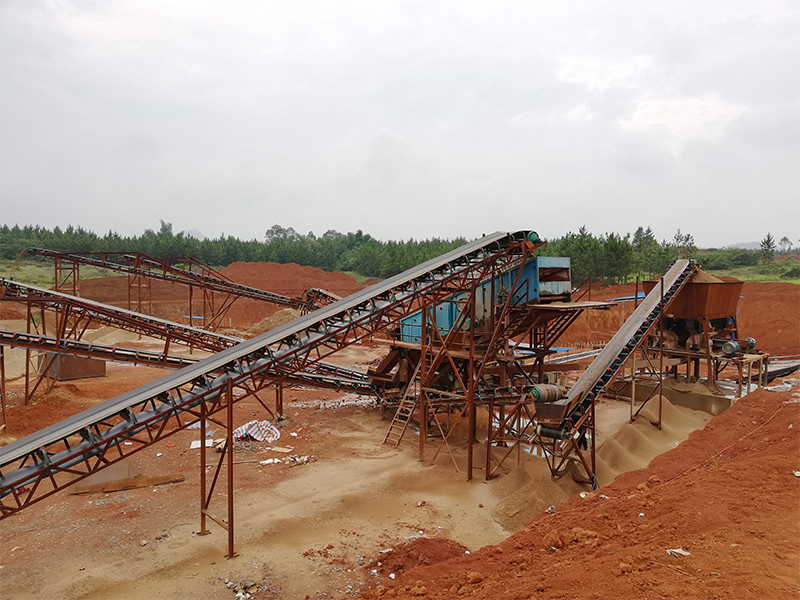
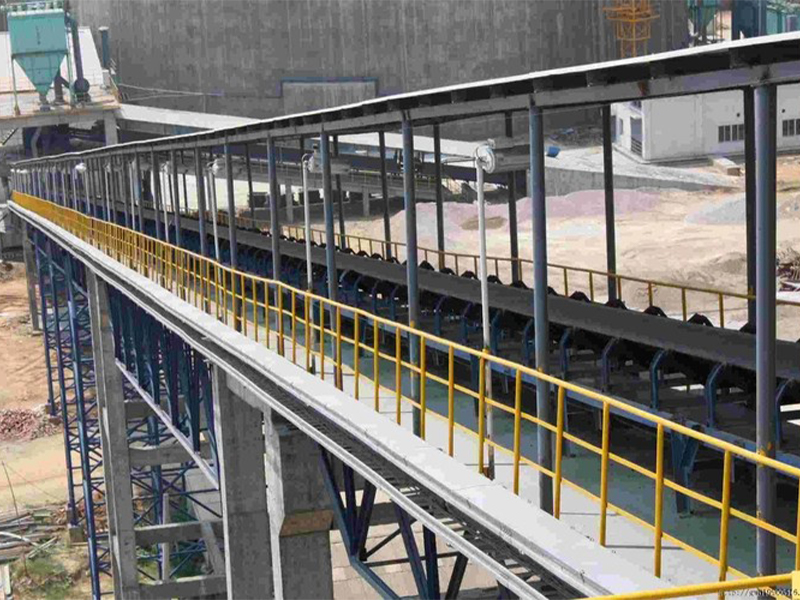
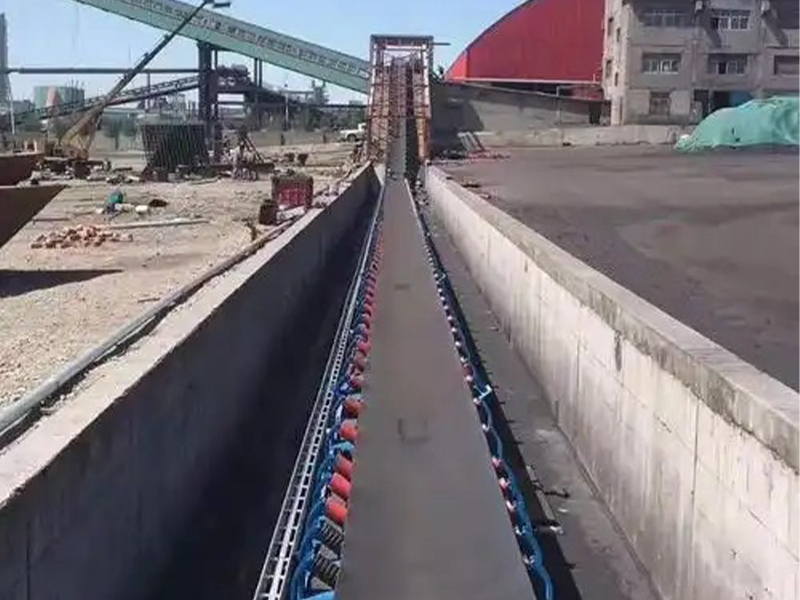
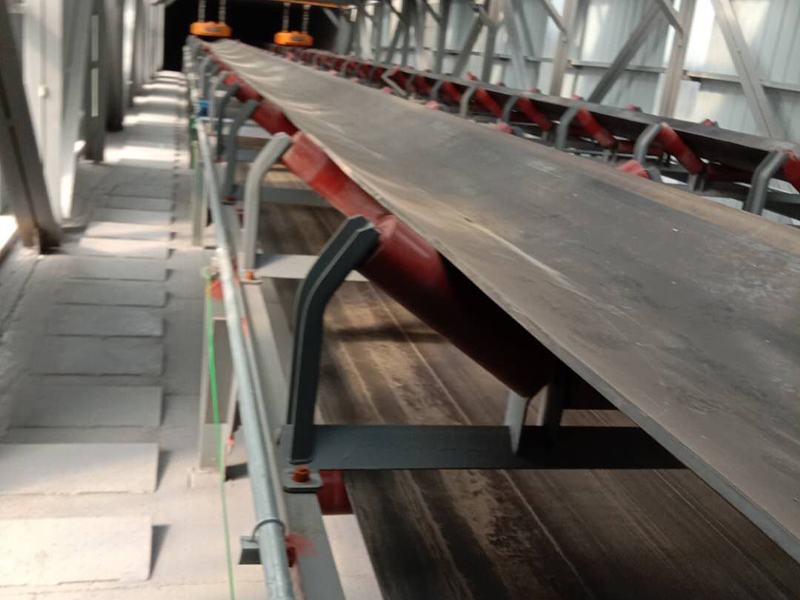
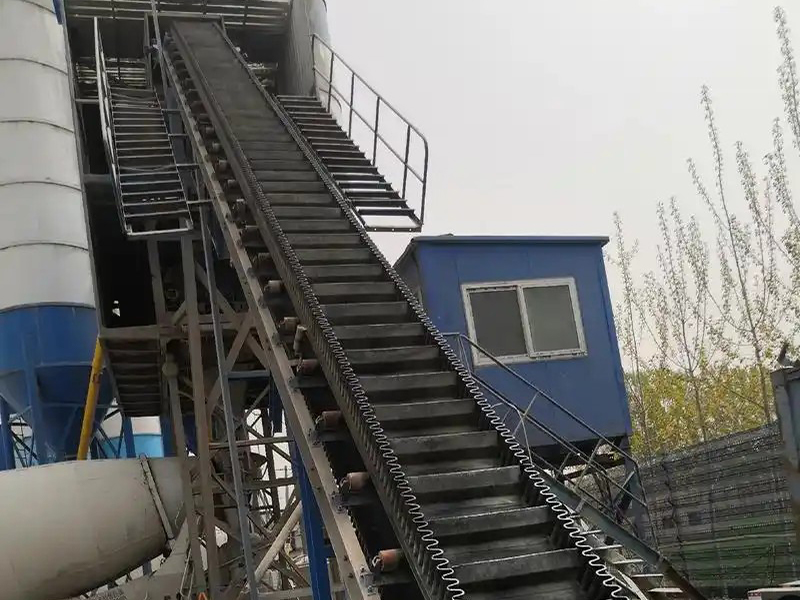
We provide comprehensive onsite support, preventative diagnostics, and emergency repair options to optimize system service life.
We provide planned replacement, hot vulcanized splicing, cold repair bonding, regular inspections, and emergency repair support for critical material handling lines.
We supply replacement conveyor belts and raw repair compounds, manage inventory buffer stock to ensure supply continuity, and perform onsite splicing, mechanical repair, and dynamic belt tracking adjustments.
We focus on improving conveyor operating efficiency, reducing friction losses, preventing cover wear, and lowering operating costs to achieve long-term value for our clients.
Our preventative maintenance plans focus on optimizing pulley wrapping, dynamic alignment, scraper configurations, and impact bed profiles to extend the operating life of your belts.
Common engineering and procurement questions regarding 60 Shore A conveyor belts answered by our technical department.
A hardness of 60 Shore A provides a balanced mix of elasticity and structural strength. It is flexible enough to absorb impact energy from falling rock or coal, reducing fabric ply damage. At the same time, it maintains sufficient surface resistance to prevent premature micro-abrasion from sharp particles during high-speed transport.
EP (polyester warp, polyamide weft) plies have a high tensile modulus and low operational stretch, making them suitable for long-distance conveyor runs. NN (nylon-nylon) plies provide higher elasticity and superior impact resilience, which makes them ideal for short-to-medium systems with high impact forces or tight bending configurations.
Standard rubber compounds will stiffen in sub-zero environments, which increases the risk of cover cracking. For extreme temperatures, we offer customized cold-resistant compounds. These modify the rubber matrix to maintain elasticity and prevent crack propagation down to -40°C or -50°C.
We source raw materials from verified, high-grade rubber and textile suppliers. Our chemical laboratory tests every raw batch before vulcanization. Automated mixing and curing lines maintain precise control parameters, and final physical properties are verified and documented before shipping.
LRR compounds minimize the energy absorbed as the belt deforms over conveyor rollers. Utilizing a specialized 60 Shore A formulation can lower indentation energy losses, reducing drive motor electricity consumption by 8% to 15% depending on system layout and load.
Hot vulcanization is the preferred splicing method for high-tension systems. This process uses matching uncured tie gum and cover rubber cured under heat and pressure, achieving up to 90% of the belt's original tensile strength. For low-tension lines or rapid maintenance, cold bonding agents can be used.
Explore our selection of heavy-duty cold-resistant conveyor belts, support rollers, and system accessories designed for demanding operations.
 Boao Rubber