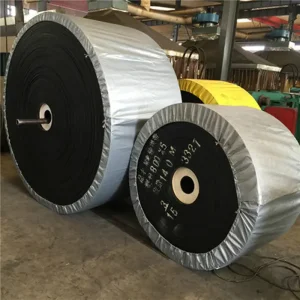
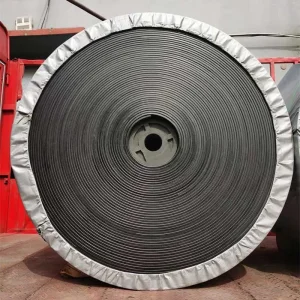
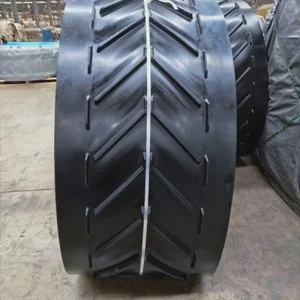
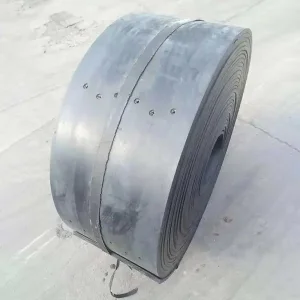
Direct from our accredited manufacturing facility - heavy duty rubber patterned belts and tracking components engineered for high-capacity material handling.
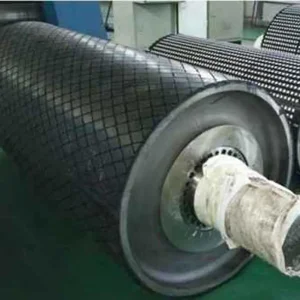
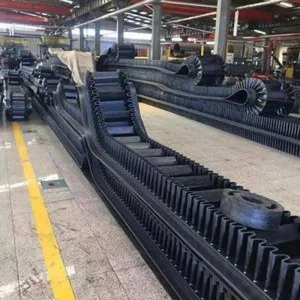
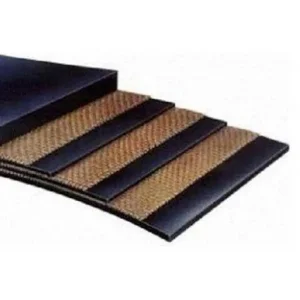
Conveyor belt tracking is a critical operational parameter in high-volume bulk material handling. As belts stretch, suffer uneven wear, or experience asymmetric structural alignment during service, belt drift inevitably occurs. Return Training Idlers, also known as self-aligning return idlers, function as dynamic correction mechanisms that restore the belt to its true center path.
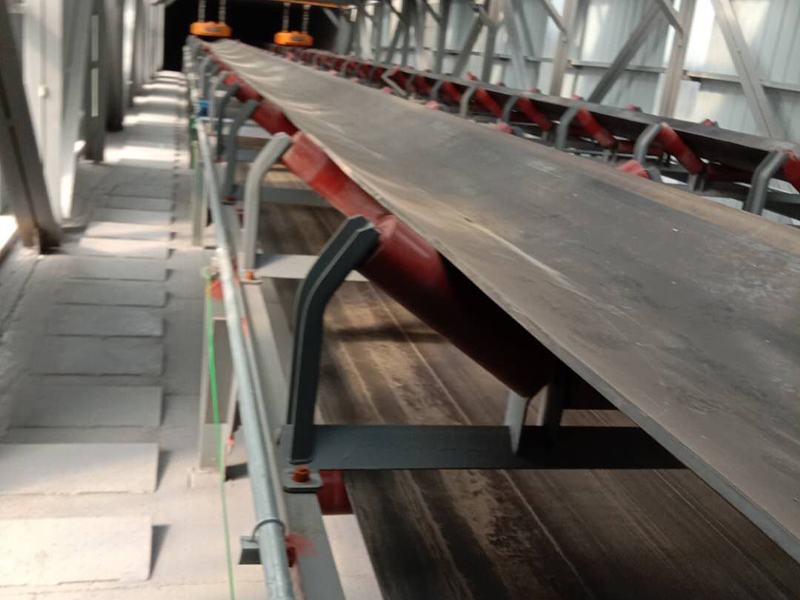
These components employ a pivot-and-tilt mechanism. When the return conveyor belt drifts off-center, it encounters an outer guide roller or causes asymmetric friction on the main roll body. The resulting rotational force shifts the idler frame on its central pivot. This pivot action angles the roller structure relative to the direction of belt travel, guiding the belt smoothly back to the longitudinal centerline.
Without high-quality training idlers, misalignment leads to catastrophic edge wear, structural structural damage, structural fatigue, and severe material spillage. Over our 22 years of experience, we have optimized these tracking mechanisms to function in the most abrasive environments, ensuring continuous, unattended conveyor reliability.
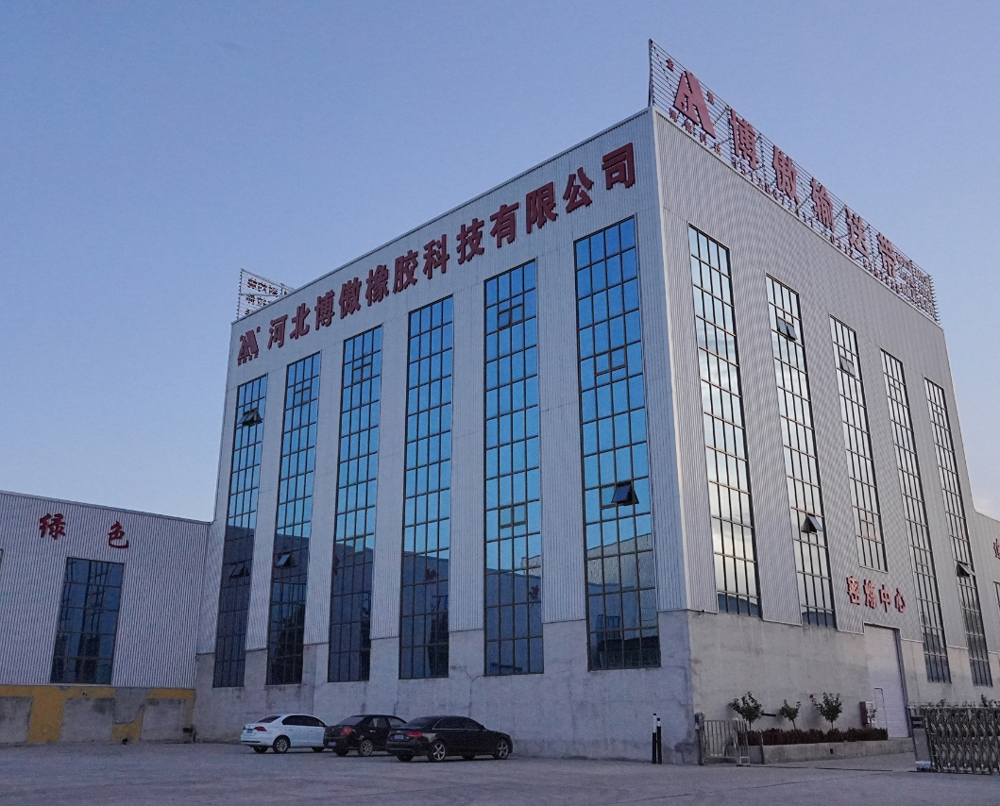
Established in 2004, Hebei Boao Rubber Technology Co., Ltd. has developed into a premier research, design, and manufacturing enterprise in the bulk material handling sector. Situated within the industrial heartland of China, our modern factory covers an area of over 30 acres in the Rubber Industrial Park of Boye County, Baoding, Hebei Province.
Under our flagship brand "Jinao", we engineer and supply complete heavy-duty conveyor systems, high-durability rubber conveyor belts, and complete roller/idler accessories. As an ISO-certified organization, we have passed the international quality management system certification in one go. Our facility operates advanced integrated production lines for rolling, forming, vulcanization, and material testing—taking products from raw chemical compound validation to final load testing under one roof.
Our commitment to industrial longevity rests on strict physical and chemical testing parameters, guaranteeing zero defects leave our factory doors.
We maintain an independent, in-house chemical analysis room and physics laboratory. Every delivery of raw polymer, steel tubing, and bearing assembly undergoes batch verification. Material that does not pass our parameters is strictly blocked from the production floor.
Our Quality Control technicians utilize specialized testing equipment to evaluate idler dynamic balance, rotational resistance, water ingress prevention, and dust-tight seal integrity. This ensures low startup resistance and prolonged bearing service life.
With strong manufacturing roots and a comprehensive service network, Jinao brand components are exported globally and deployed nationally in major steel mills, metallurgical plants, coal mines, power stations, fertilizer factories, and ocean port terminals.
Combining raw material accessibility, scale optimization, and advanced engineering expertise to deliver world-class ROI.
Procuring return training idlers and heavy-duty conveyor belts from China is not merely a cost-saving initiative; it is an optimization strategy for global supply chains. At Hebei Boao Rubber Technology, we leverage several unique structural advantages to deliver unparalleled performance:
Boye County, Hebei, is a globally recognized cluster for industrial rubber and material handling machinery. We source premium steel tubing, precision bearings, and custom polymer additives within a 50km radius. This localized infrastructure dramatically reduces transportation overhead and component lead times.
Our 30-acre facility utilizes automated welding stations, high-capacity rolling mills, and large-scale vulcanization chambers. Whether a client requires standard CEMA-compliant idlers or highly customized heavy-duty training rollers for mine sites, we can configure tooling and scale production rapidly.
We build our return training idlers in compliance with major global standard frameworks including DIN, ISO, JIS, and CEMA. This means global purchasers can seamlessly drop our assemblies into existing transport lines without requiring costly retrofits or frame modifications.
We manufacture both the dynamic transport medium (conveyor belts) and the supporting structures (rollers, idlers, and brackets) to ensure component compatibility.
We formulate custom rubber compounds designed to resist severe physical and environmental stress:
Engineered to handle high static loads and minimize energy draw through low rotational drag:
| Idler Parameter | Technical Specification Details | Applicable Standards | |
|---|---|---|---|
| Roller Diameter Range | Ø89, Ø108, Ø133, Ø159, Ø194 mm | CEMA / DIN / JIS / ISO | |
| Shell Material | Premium Carbon Steel ERW tubing or heavy-wall seamless pipe | GB/T 13793-2008 / ASTM A53 | |
| Shaft Type | Cold-drawn round steel, high-precision machined ends | C1045 Carbon Steel | |
| Bearing Configuration | C3 clearance deep groove ball bearings (2RS or ZZ) | SKF / FAG / NSK / LYC | |
| Sealing System | Multi-stage labyrinth seal (dust & water-resistant) | Nylon / PU triple-labyrinth | |
| Surface Protection | Heavy polyester powder coating or hot-dip galvanizing | ISO 12944 Corrosivity Categories |
How Jinao tracking solutions adapt to diverse climate conditions, harsh operating parameters, and heavy-duty load demands.
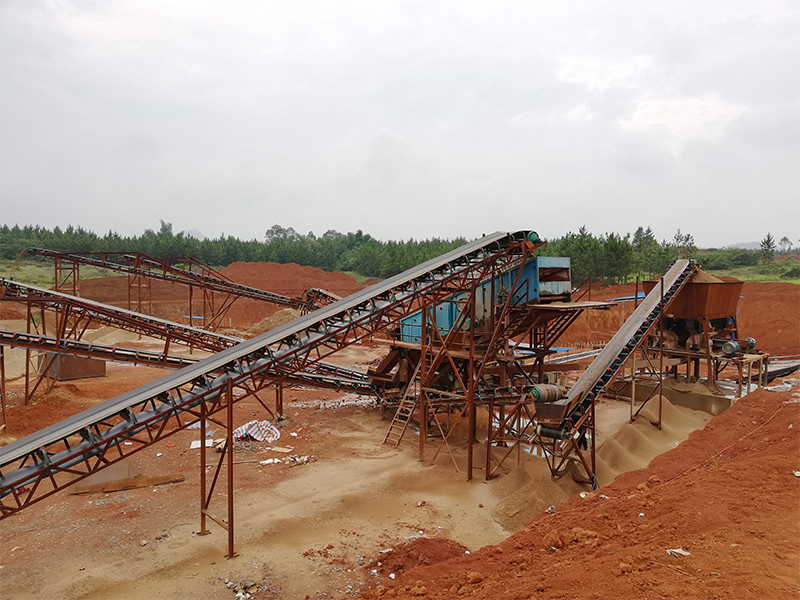
In South American copper and Australian iron ore mines, massive tonnage creates continuous vibration. Our training idlers feature heavy-wall steel shells and reinforced pivot shafts to handle high impact forces without structural failure.
Salt mist, seawater moisture, and sulfur runoffs challenge bearing enclosures. Our dual-seal return rollers feature multi-stage labyrinth paths that exclude moisture, retaining lubricating grease for up to 50,000 service hours.
For installations in Northern Europe or Canada, standard rubber covers and grease compounds stiffen, creating massive drag. We utilize specialized cold-resistant compounds and low-temperature lubricants that remain operational down to -40°C.
Jinao products have been integrated into heavy bulk handling networks owned by major mining, construction, and power conglomerates.
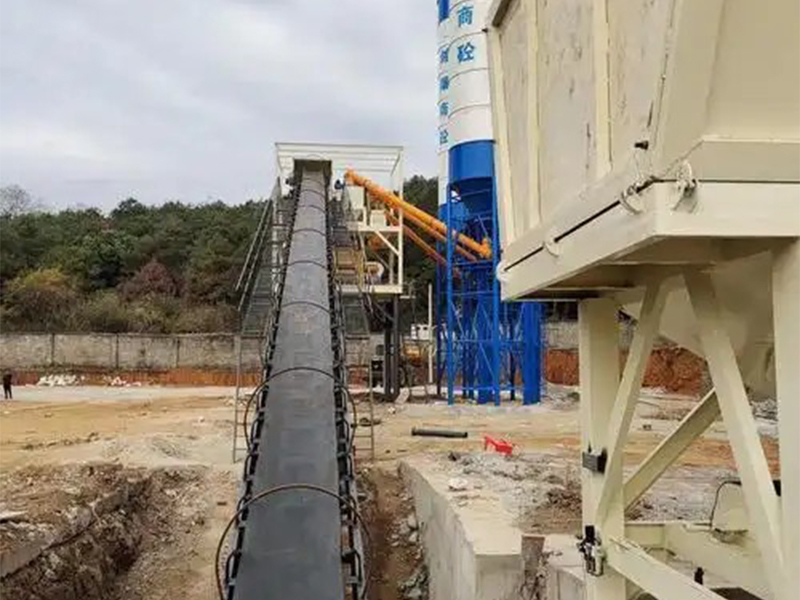
China Railway Group Mixing Plant
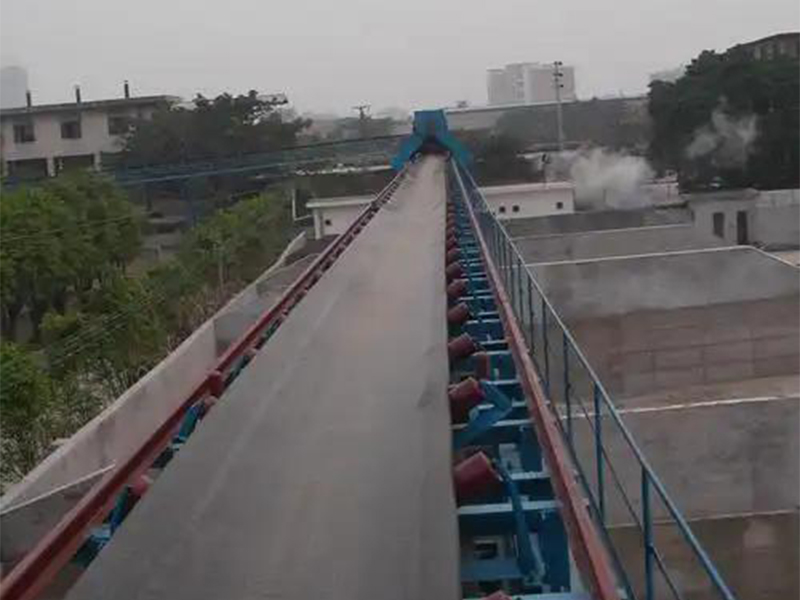
Conch Cement
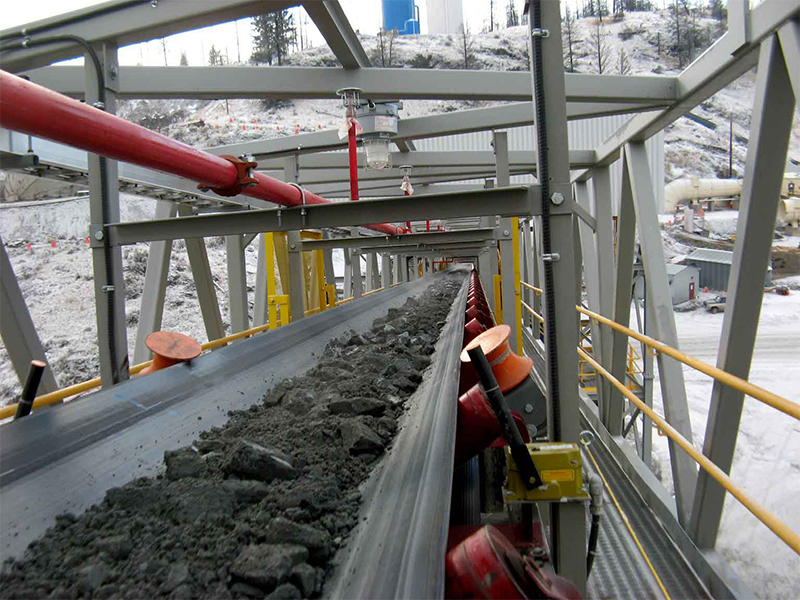
Datong Coal Group
Tsingshan Group
Taihang Steel
Reducing downtime requires more than sourcing quality products; it demands systematic lifecycle engineering and maintenance protocols.
Why manage multiple fabricators, distributors, and technicians when you can establish a direct factory partnership? Our integrated service plan optimizes your operation's structural performance:
Planned component replacements, cold/hot vulcanized belt splicing, system inspections, structural alignment checks, and rapid-response emergency repairs.
We maintain dedicated safety stock levels for strategic clients. This ensures customized return rollers, impact assemblies, and wear-resistant rubber liners are dispatched immediately to prevent structural downtime.
Optimizing return training idler efficiency relies on straight belt joints. We provide step-by-step splice guidelines and raw bonding rubber compounds to guarantee dynamic balance across the belt loop.
How automation, material science, and predictive maintenance are reshaping high-capacity bulk transport systems.
IoT sensors integrated directly into the pivot frames of return training idlers can detect structural misalignment anomalies or bearing temperature spikes, flagging potential failure modes long before a belt drift occurs.
As carbon regulations tighten globally, our chemical engineers are continually testing and deploying eco-friendly vulcanization agents and bio-based rubber extenders to lower overall environmental footprint without sacrificing tensile performance.
To reduce energy consumption, we are pioneering light-weight HDPE and fiber-reinforced composite roller bodies that minimize start-up inertia, decrease rotational resistance, and provide high resistance to corrosive chemicals.
Expert engineering answers to critical installation, troubleshooting, and sourcing questions from global procurement managers.
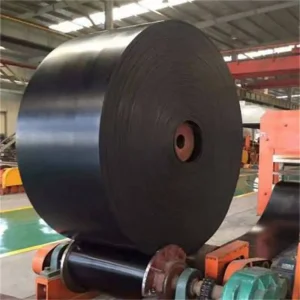
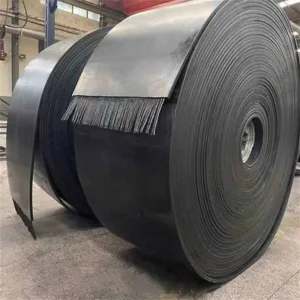
Extended inventory of our specialized industrial belts, including chemical-resistant, steel core, and high-tension variants.
Get in touch with our engineering team today to review your conveyor system drawings, coordinate a bulk manufacturing run, or receive standard dimensional pricing.
Our global support staff typically responds with detailed engineering consultations within 12 business hours.
INQUIRE NOW Boao Rubber