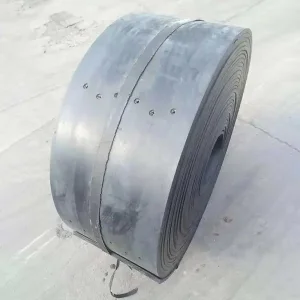
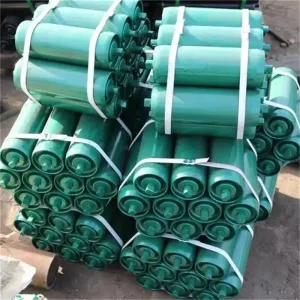
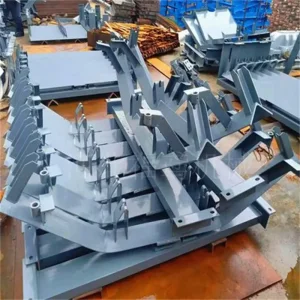
China Portable Conveyor Belt Vulcanizing Machine Manufacturer & Suppliers

Empowering Global Heavy Industries with High-Precision Modular Splice Systems, Advanced Thermodynamic Controls, and Robust Field Maintenance Solutions.

22+
Years of OEM/ODM Expertise
30+
Acres Manufacturing Base
100%
Systemic QA/QC Control
ISO
International Standard Quality

Whitepaper: Industrial Splicing Systems and Portable Conveyor Belt Vulcanizing Engineering

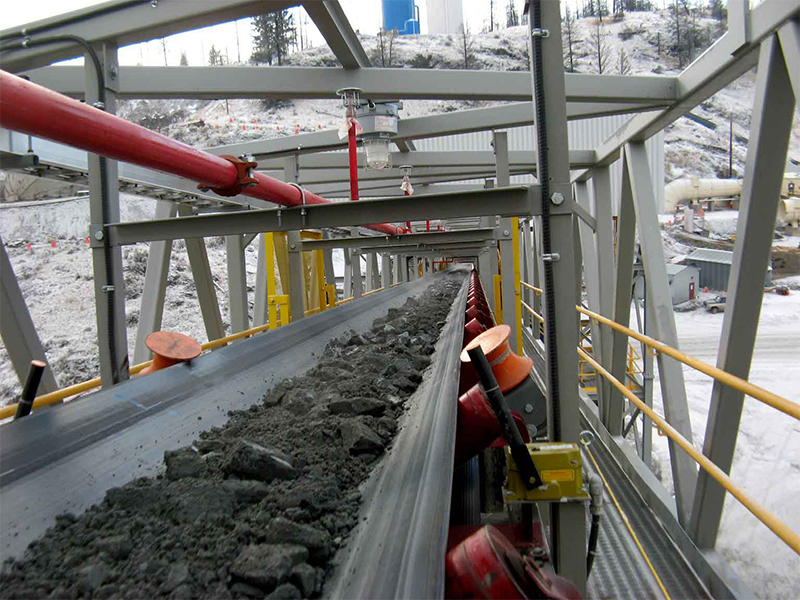
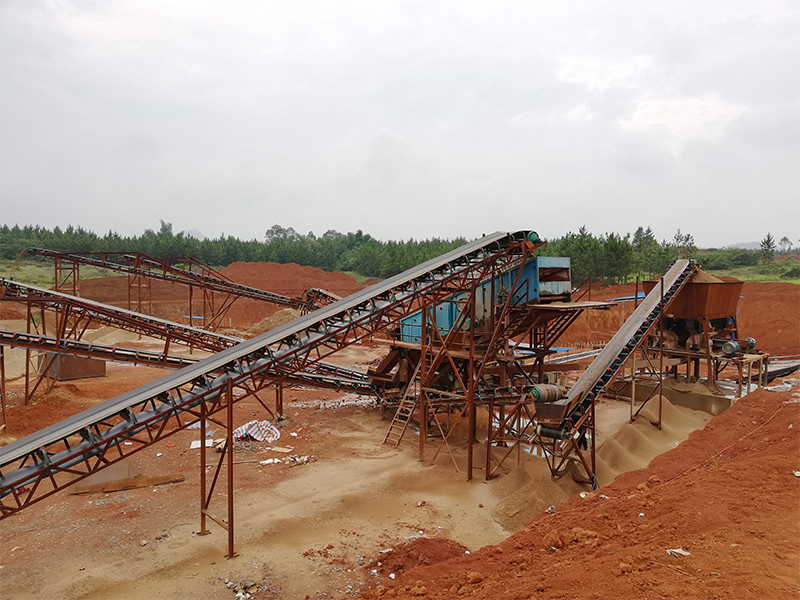
In the modern industrial landscape, conveyor belt systems serve as the lifeblood of bulk material handling. From copper and iron ore mines to municipal coal power plants, concrete batching installations, and heavy maritime shipping terminals, any interruption in belt system operation leads to substantial operational losses. Ensuring the seamless repair, splicing, and continuous joint performance of heavy-duty conveyor belts is paramount. This is where portable conveyor belt vulcanizing machines become critical field maintenance infrastructure.

Historically, splicing conveyor belts required moving heavy machinery sections back to centralized workshops, causing extended down-times. Today, portable vulcanizers enable technicians to perform hot vulcanizing joints directly on-site under high-pressure, uniform heating conditions. Engineered with modular aluminum alloys, advanced electrical pressure bags, and integrated automated control panels, these machines deliver molecular-level rubber integration that matches or exceeds the tensile strength of the original belt.

Technical Focus: A hot vulcanized splice replicates the physical properties of the belt carcass. The process relies on three essential physical components: uniform heat distribution (typically 145°C), high pressure (up to 2.0 MPa), and optimized holding time. Portable vulcanizers must maintain these tight parameters despite extreme ambient conditions, such as freezing mining corridors or high-humidity coastal ports.

Conveyor Belt Splicing Evolution: The Shift to On-Site High-Pressure Vulcanization

The evolution of rubber belting and mechanical splicing reflects decades of metallurgical, polymer, and thermodynamic advancements. Splicing methods are broadly categorized into three approaches: mechanical fasteners, cold bonding, and hot vulcanization. While mechanical fasteners are fast to install, they introduce point stress concentrations, interfere with belt scrapers, and cannot offer a sealed interface, which makes them unsuitable for powdery or abrasive materials. Cold chemical bonding provides a smoother surface, but degrades rapidly when exposed to humidity, elevated temperature, and high-frequency cyclical bending stresses.

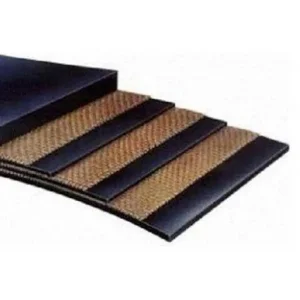
Hot vulcanization remains the gold standard for high-tension, heavy-duty belts (specifically steel cord core and heavy multi-ply fabric belts). By using a portable vulcanizer, technicians apply heat and pressure to raw uncured rubber tie gum and cover stock inserted between step-cut or finger-cut ends of the belt. Under high temperatures (140°C to 150°C), the rubber molecules cross-link via sulfur bonds, transforming from a plastic state to a highly elastic, durable thermoset state.

Core Engineering Elements of Portable Vulcanizing Machines

  • Alloy Platen Design: High-tensile, aircraft-grade extruded aluminum alloy plates are optimized to resist warping under high pressures while maximizing heat transfer efficiency.
  • Integrated Heating Systems: Utilizing customized flat silicone heating elements or rod-style systems to eliminate cold spots, ensuring temperature uniformity across the entire splice area.
  • Uniform Pressure Application: Modern vulcanizers employ flexible pressure bags (hydro-pressure or pneumatic) that distribute pressure evenly over uneven belt profiles, ensuring flawless adhesion of the raw rubber elements.
  • Fully Automated Controls: Digital panels control the ramping temperature, dwell time, and automated water-cooling cycles, limiting human error during the critical cross-linking phase.

For global mining operations, the application of portable vulcanizing machines reduces system repair times from days to hours. Splicing durability increases by up to 300% compared to cold bonding methods, directly driving down the Total Cost of Ownership (TCO) for bulk transport conveyors.

China Factory 4.0: Hebei Boao Rubber Technology

Forging resilient supply chains with 22 years of expert engineering and systemic QA/QC testing.

Located in the Rubber Industrial Park of Boye County, Baoding, Hebei Province, Hebei Boao Rubber Technology Co., Ltd. (founded in 2004) has established itself as an industry-leading manufacturer. With a facility spanning over 30 acres, Boao operates modern production lines for rolling, forming, vulcanization, and testing, producing both heavy-duty belts and high-efficiency accessories under the signature "Jinao" brand.

Operating in the era of Factory 4.0, our manufacturing approach integrates automated material feeding, advanced computerized chemical analysis, and real-time physical testing labs. This closed-loop quality control ensures that every batch of conveyor rubber, splicing compound, and structural accessory conforms to strict international standards.

Quality Assurance

Our independent chemical analysis facility and physical testing laboratories monitor raw materials from procurement to dispatch. We enforce a zero-tolerance policy for substandard materials.

Precision Quality Control

Equipped with sophisticated rheometers, tensile testers, and abrasion monitoring equipment, our QA specialists guarantee that every roll matches specifications.

Global Supply Chain Resilience

From ports to deep mines, our products support major industrial operations globally. We maintain strategic inventories to satisfy emergency replacement and repair orders.

Content of Technical Service Plan & Field Splicing Standards

Procuring high-quality rubber products is only half the battle. Maximizing the lifespan of conveyor belts requires structured preventive maintenance, planned replacement schedules, and expert splicing practices. At Hebei Boao, we offer an all-in-one technical service framework designed to skip the hassle of sourcing from multiple vendors.

Comprehensive Technical Maintenance Framework

Our integrated approach focuses on optimizing the total life-cycle of your material handling equipment:

  • Strategic Inventory & Storage: Helping partners establish local inventory levels of raw splicing rubber, vulcanizing cements, and key replacement belts to prevent emergency downtime.
  • Splice Inspections & Diagnostics: Using non-destructive testing (NDT), ultrasound, and visual inspection to detect micro-cracks, joint slippage, and internal rubber degradation before failure occurs.
  • On-Site Vulcanization Supervision: Providing detailed parameter guidelines, step-by-step hot-bonding manuals, and on-site engineering support to assure splice integrity.
Standard Hot Vulcanizing Parameter Matrix: For standard EP/NN fabric belts, the target vulcanizing temperature is 145°C (293°F). The heating plates must maintain a uniform temperature with a maximum variation of ±5°C. System pressure should reach 1.0 to 1.5 MPa. Once the dwell time is complete, force-cooling using integrated water plates must cool the joint to below 60°C (140°F) before pressure release, preventing bubble formation.

Boao Jinao® Product Catalog

Discover our comprehensive product line, tailored for demanding global industries.

High-Performance Belts

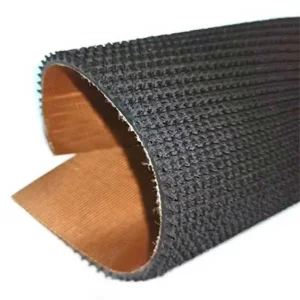
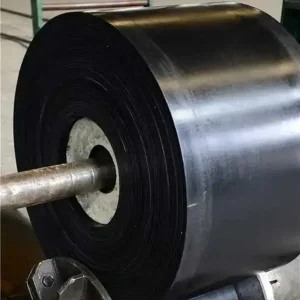
  • Ordinary Conveyor Belts (NN, EP, PP)
  • Heat-Resistant & High-Temperature Belts
  • Cold-Resistant Belts (designed for sub-zero operations)
  • Acid, Alkali, and Oil Resistant Belts
  • High-Inclination & Wavy Edge (Sidewall) Belts
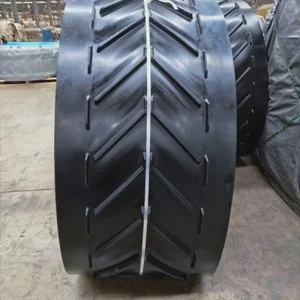
  • Patterned Belts (Herringbone, Pit, Chevron)

Conveyor Hardware & Accessories

  • Steel Wire Rope Core Conveyor Belts
  • Troughing Idlers & Centering Rollers
  • Ceramic Lagging & Buffer Impact Rollers
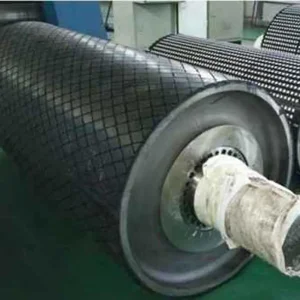
  • Rubber Coated Drive Rollers & Pulleys
  • Groove Brackets, Tensioning Brackets & Tensioners
  • Industrial Rubber Waterstop Belts

Proven Industrial Partnerships

Our products are field-tested in high-load bulk handling operations across diverse industrial sectors.
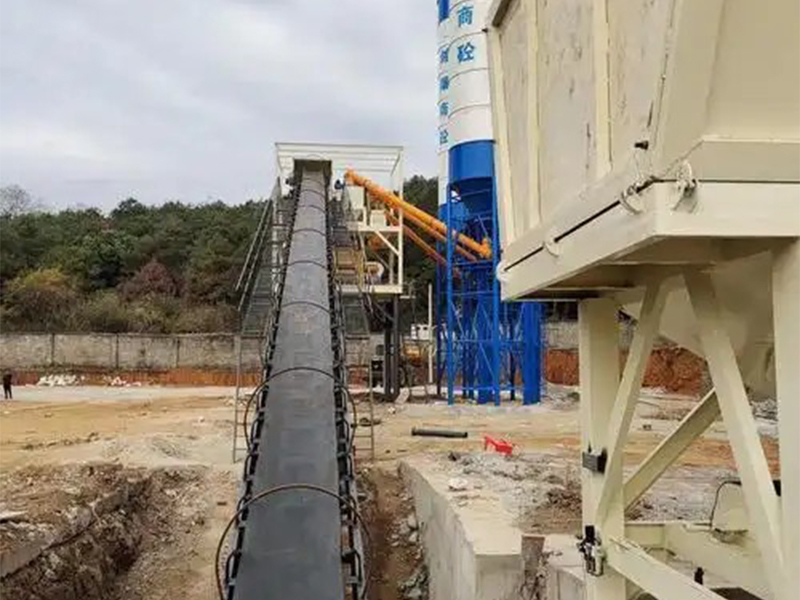
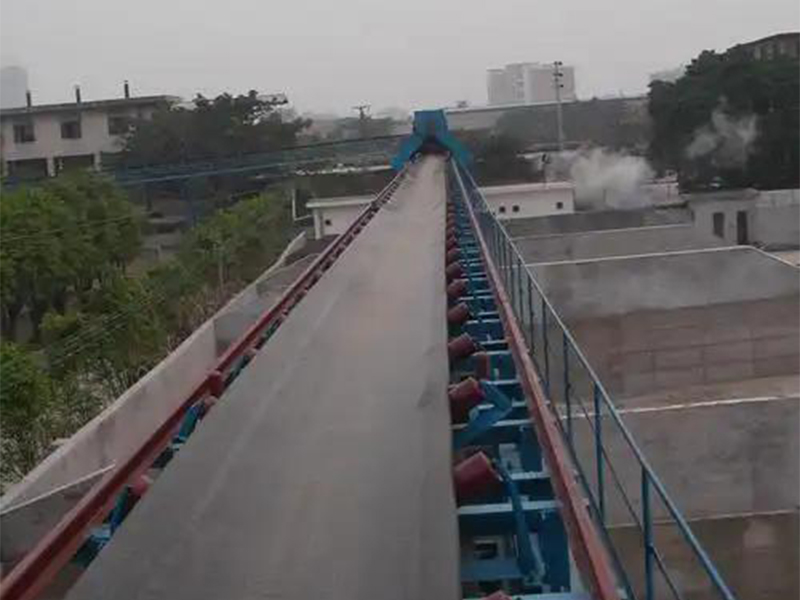
China Railway Group Mixing Plant
Conch Cement
Conch Cement
Datong Coal Group
Datong Coal Group
Tsingshan Group
Tsingshan Group
Jidong Cement Group
Jidong Cement Group
Taihang Steel
Taihang Steel

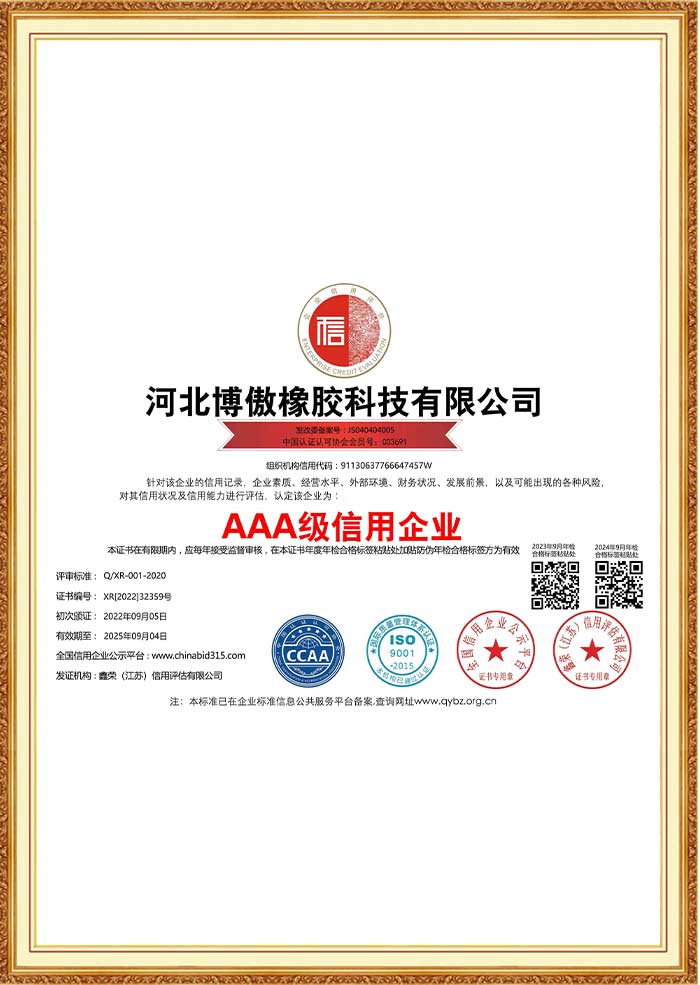
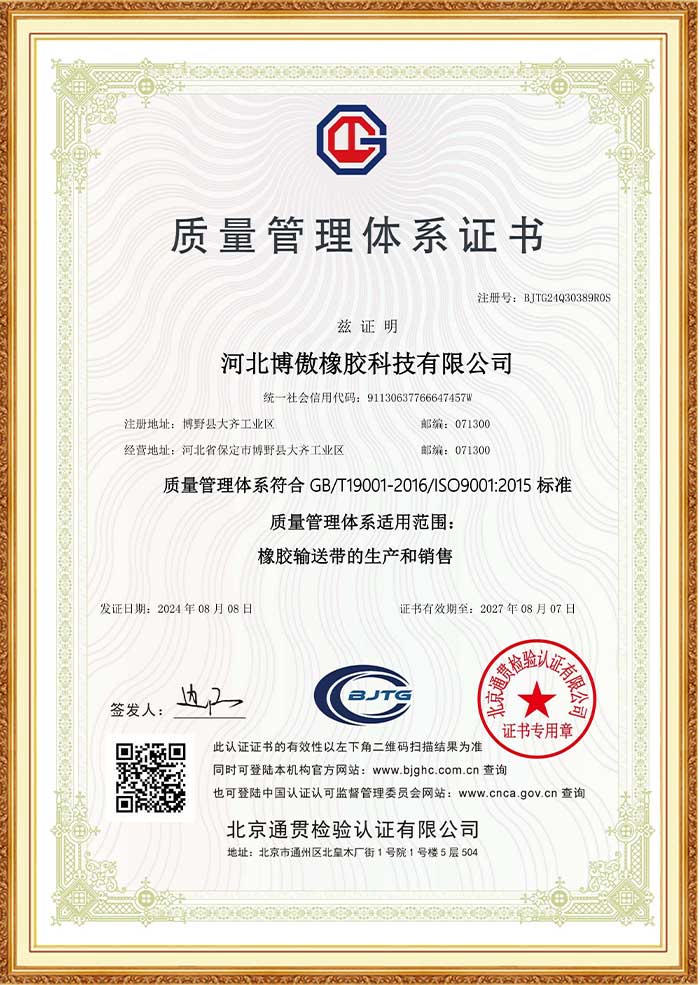
Our Verification & Quality Certificates

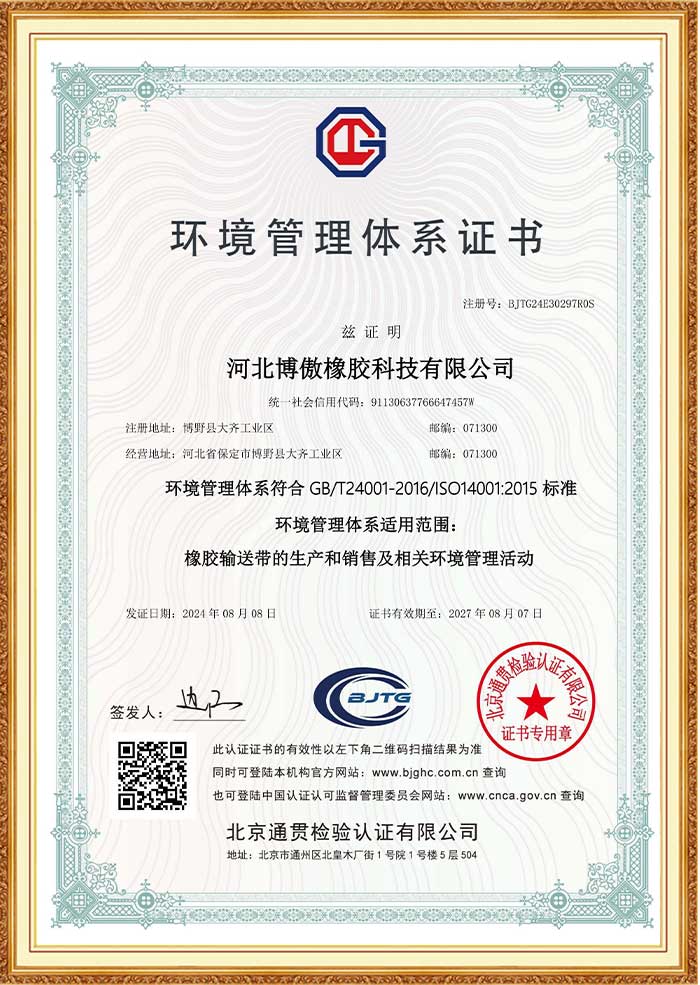
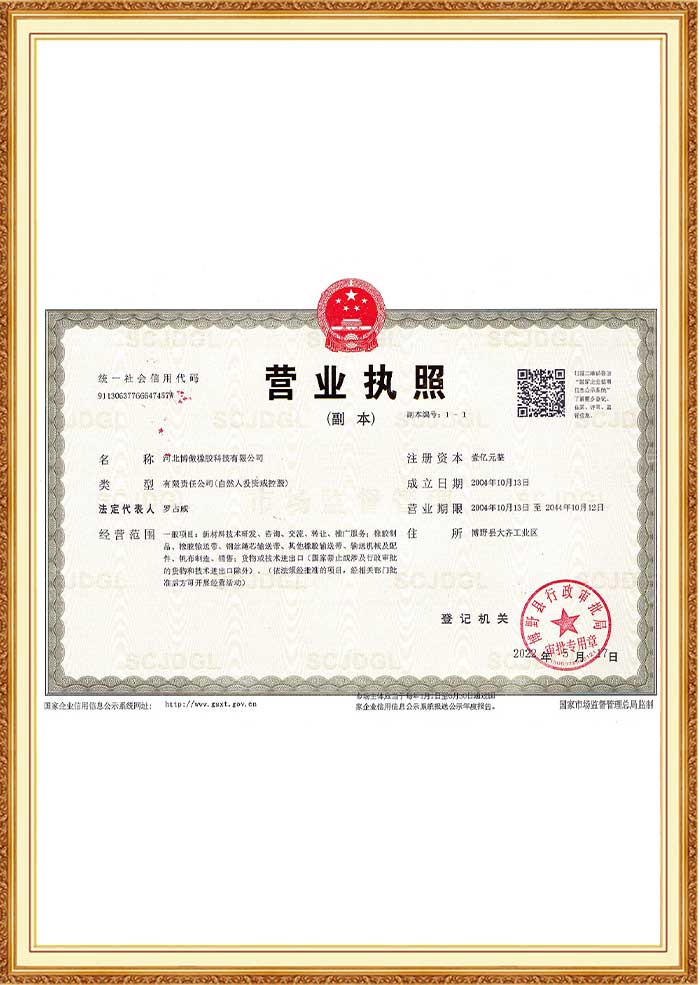
Strict adherence to ISO international standards for reliable industrial performance.
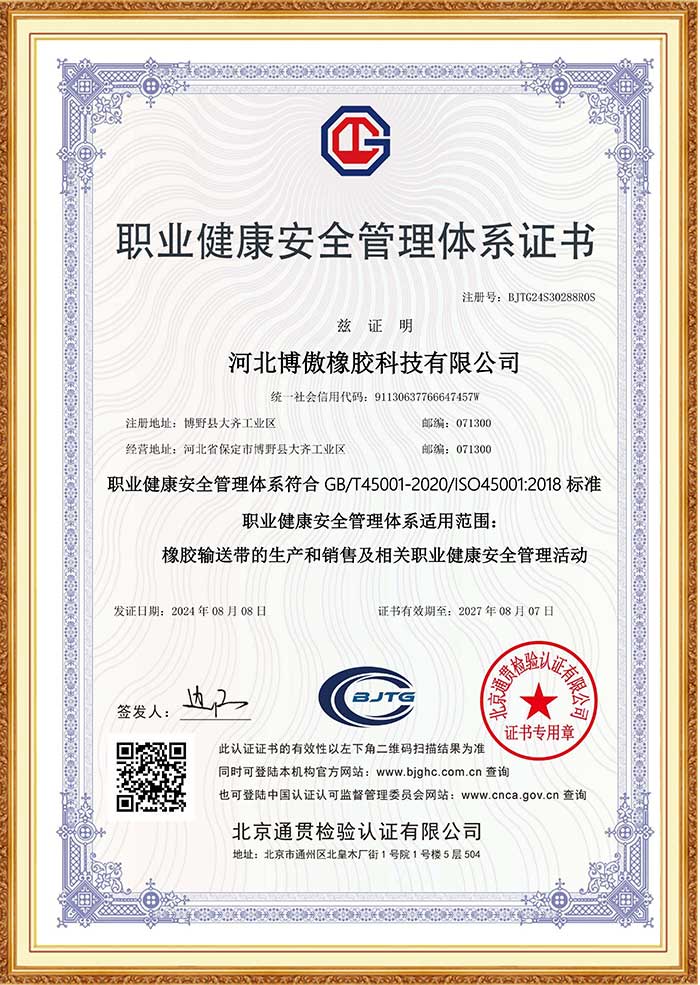
Quality Certificate 1
Quality Certificate 2
Quality Certificate 3
Quality Certificate 4
Quality Certificate 5

Industrial Splicing & Sourcing FAQ

Technical guidance from Boao engineers on choosing vulcanizers, curing parameters, and belt safety.

1. What are the key benefits of hot vulcanizing compared to cold joint bonding?
Hot vulcanizing creates a seamless joint by cross-linking raw rubber compounds under high heat and pressure, restoring up to 90% of the belt's original tensile strength. Unlike cold bonding, which relies on chemical glues that degrade with moisture, dynamic bending, and temperature shifts, hot vulcanized joints are integrated directly into the belt carcass. This provides excellent resistance against scrapers, impact forces, and weathering.
2. What is the optimal temperature range for vulcanizing ordinary rubber conveyor belts?
For ordinary rubber belts (EP/NN), the standard vulcanization temperature range is 143°C to 148°C (approx. 289°F to 298°F). Lower temperatures will under-cure the joint, reducing its structural strength, while exceeding 155°C can burn the rubber and compromise the strength of the fabric carcass.
3. How is uniform pressure maintained across the splice area on site?
Uniform pressure is achieved using specialized pressure bags (either pneumatic or water-filled) positioned between the heating plate and the structural cross-frame. This flexible bladder conforms to the belt's thickness profile, delivering consistent pressure across the entire splice plane to eliminate voids and air pockets.
4. What safety certifications are required for vulcanizers operating in underground coal mines?
Underground coal mining environments contain flammable dust and methane gas, requiring explosion-proof certification for all electrical systems. Control boxes and heating plates must be enclosed in flameproof housings, with intrinsically safe circuits that prevent sparks.
5. Why is rapid cooling necessary after the vulcanization dwell time?
Rapid cooling prevents the rubber from over-curing and thermal degradation while under tension. Using integrated cooling channels inside the heating platens reduces the joint temperature quickly to below 60°C, stabilizing the cross-linked polymer structure before the machine is disassembled.
6. How do I select the right size of portable vulcanizing machine for my facility?
The machine size is determined by your widest conveyor belt and the required splice length. The heating plates must extend at least 150mm beyond the splice area on all sides to prevent edge defects. Splice length is determined by the belt's structural layers, tension rating, and cut style (step or finger joint).
7. What thickness tolerance is acceptable for a finished hot vulcanized splice?
Ideally, the finished joint thickness should match the original belt thickness, with an acceptable tolerance of +1.0mm to -0.5mm. Thick joints can catch on belt scrapers and cause tracking issues, while thin joints create structural weak points susceptible to premature tearing.
8. How long must a newly vulcanized belt cure before returning to service?
The joint must cool to ambient temperature (preferably below 40°C) before tension is reapplied and operation resumes. Reapplying high tension to a warm joint can deform the rubber structure, compromising the splice's service life.
9. What is the shelf life of raw splicing rubber and adhesive vulcanizing cement?
Uncured rubber tie gum and cover stock should be stored in a cool, dry area below 25°C, away from direct sunlight. Under these conditions, the shelf life is typically 6 to 9 months. Vulcanizing cement has a shorter shelf life (about 6 months) and must be sealed tightly to prevent solvent evaporation.
10. Can portable vulcanizers repair localized damage without cutting the entire belt?
Yes, portable spot repair vulcanizers can fix localized damage, gouges, or edge tears. The damaged section is cut back to clean rubber, filled with raw repair materials, and cured locally under pressure to restore the belt surface without requiring a full splice.