Explore our elite portfolio of high-performance industrial belts, specialized idlers, and structural solutions designed for extreme operational environments.
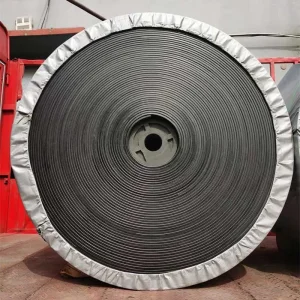
In modern industrial operations, bulk material conveying systems are subject to challenging environmental factors. Among these, exposure to hydrocarbons, synthetic lubricants, animal fats, and vegetable oils represents one of the most severe threats to standard elastomeric polymers. When conventional styrene-butadiene rubber (SBR) or natural rubber (NR) belts transport oily substances, the materials undergo a molecular diffusion process. The oil molecules penetrate the elastomer matrix, causing the polymer chains to untangle, swell, and lose their tensile integrity. This degradation leads to belt elongation, tracking failure, cover delamination, and premature mechanical breakdown.
To prevent these failures, advanced rubber chemistry utilizes Nitrile Butadiene Rubber (NBR), Hydrogenated Nitrile Butadiene Rubber (HNBR), or Polychloroprene (CR) formulations. By carefully adjusting the Acrylonitrile (ACN) content in the NBR matrix, engineers can tailor the belt's oil resistance. A higher ACN concentration increases resistance to swelling and hydrocarbon diffusion, though it reduces elasticity in low-temperature environments. Achieving the optimal balance between cold flexibility and oil resistance requires precise molecular compounding.
| Elastomer Type | ACN Content % | Oil Resistance Rating | Low Temp Limit | Key Applications |
|---|---|---|---|---|
| High Nitrile (NBR) | 33% - 40% | Excellent (Heavy Fuel, Benzene) | -15°C | Petrochemical Refining, Sinter Plant Fuel Conveying |
| Medium Nitrile (NBR/SBR Blend) | 25% - 32% | Good (Vegetable Oils, Lubricants) | -25°C | Agricultural Feed Mills, Fertilizer Plants, Grain Silos |
| Neoprene / Chloroprene (CR) | N/A | Moderate (Fats, Ozone Resistant) | -30°C | Wood Processing, Pulp & Paper, Recycling Plants |
| HNBR (Hydrogenated Nitrile) | 34% - 44% | Exceptional (Corrosive Chemicals, 150°C Oil) | -40°C | Heavy Chemical Synthesis, High-Heat Metal Smelting |
The selection of an oil-resistant conveyor belt must align with the specific material characteristics of local operating environments. Below, we examine key heavy industrial sectors where specialized elastomeric belts are essential for maintaining uptime:
In iron and steel smelting facilities, belts are used to transport hot sinter, coke, and processed iron ore. These materials are often sprayed with mineral oil-based dust suppressants or lubricants. Here, the conveyor belt must withstand temperatures exceeding 120°C while resisting oil absorption. Standard belts rapidly blister under these conditions. Using an NBR/EPDM hybrid compound provides both thermal and hydrocarbon resistance, ensuring stable material transport.
Coal-fired power generation relies on high-speed conveyors to feed pulverization mills. In wet climates, coal reserves are treated with fuel oils to prevent moisture absorption and dust dispersion. This thin film of oil can degrade standard rubber covers, causing them to soften and swell. Installing medium-nitrile oil-resistant belts with EP (Polyester-Nylon) fabric reinforcement helps maintain structural integrity and prevents premature belt failure.
Conveying bulk agricultural goods like soybeans, rapeseed, sunflower seeds, and animal feed components presents a different challenge. These products release natural plant lipids and free fatty acids that penetrate non-polar rubber matrices. In confined grain elevator galleries, this oil accumulation creates a dual risk of cover swelling and static-electric ignition. For these environments, plants specify oil-resistant, anti-static (ISO 284 compliant), and flame-retardant (ISO 340 compliant) conveyor belts to protect both system efficiency and worker safety.
Founded in 2004, Hebei Boao Rubber Technology Co., Ltd. is situated in the Boye County Rubber Industrial Park, Baoding, Hebei Province. Over the last two decades, our facility has grown to cover more than 30 acres, establishing itself as a specialized manufacturer integrating material research, engineering design, and custom compounding. Under our registered brand, "Jinao", we provide high-performance conveyor belts and matched mechanical accessories for heavy industry.
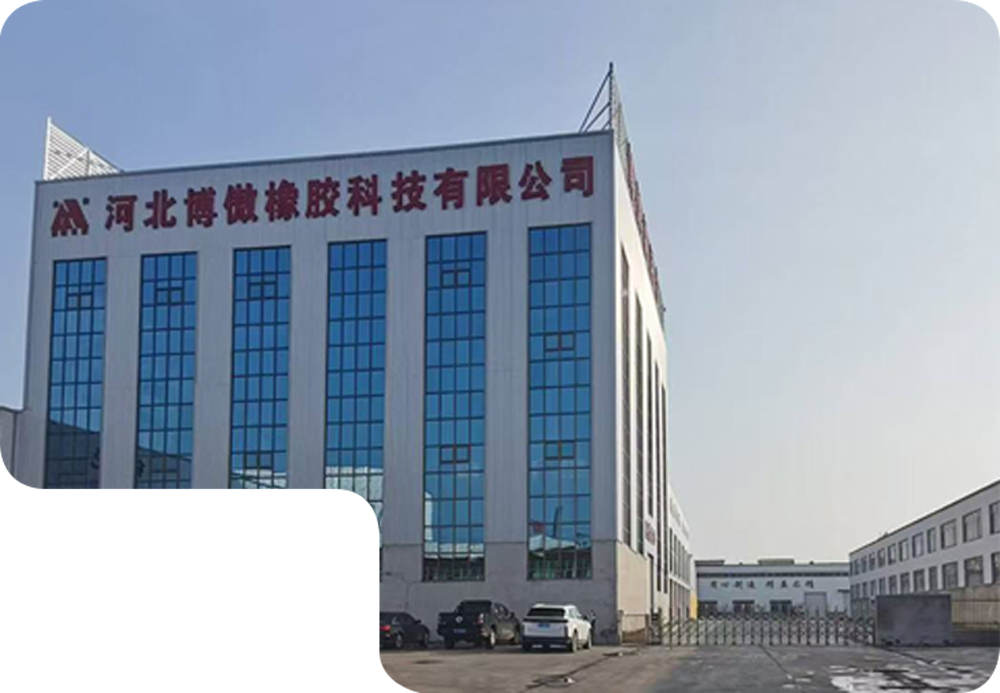
Our state-of-the-art production lines feature automated mixing, precision calendering, and high-pressure vulcanization presses to ensure uniform physical properties throughout the belt.
We maintain an in-house chemical analysis room and physical laboratory. Raw materials are verified before compound blending, and finished belts are tested for tensile strength, elongation, abrasion loss, and swelling behavior under reference oil immersion.
Our quality control protocol monitors each stage of production. Process parameters are tracked from raw compound mixing through multi-plate press vulcanization. Products must meet specified quality standards before release from our facility.
Located within the Boye County industrial cluster, our factory maintains direct access to domestic synthetic rubber precursors, carbon black suppliers, and high-tenacity reinforcement manufacturers, helping to stabilize lead times and material costs.
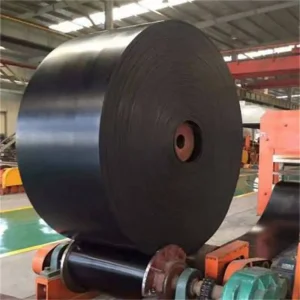
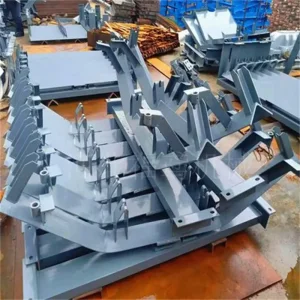
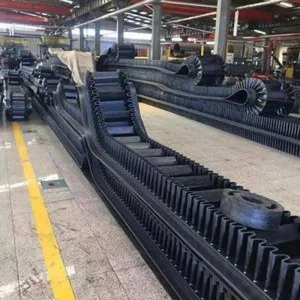
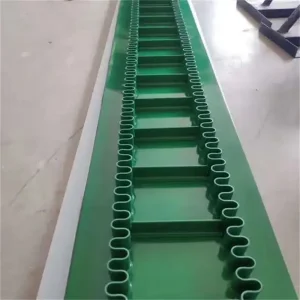
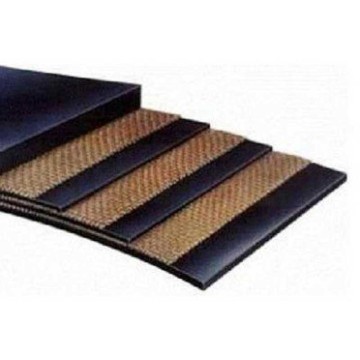
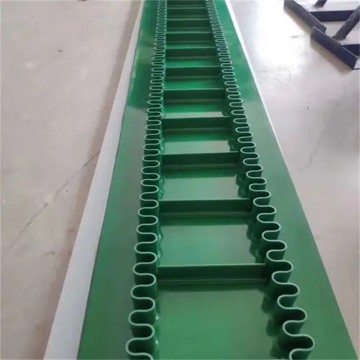
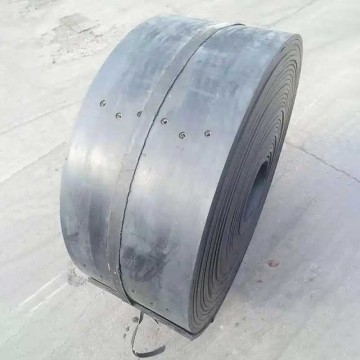
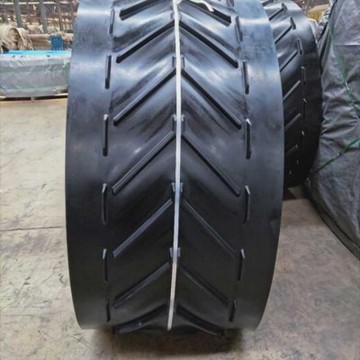
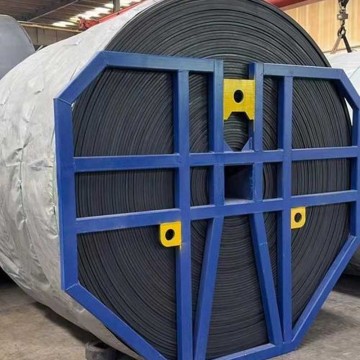
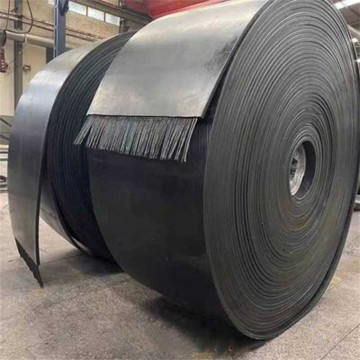
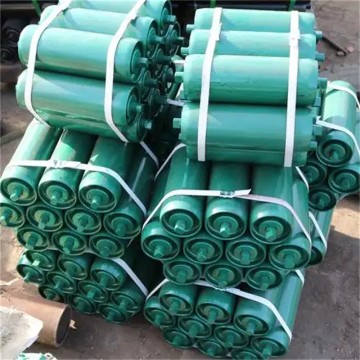
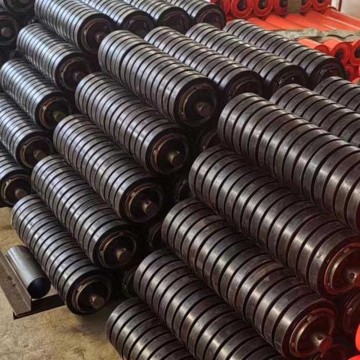
We manufacture a comprehensive range of conveyor belts under the Jinao brand, along with heavy-duty conveyor accessories to support specialized bulk material handling setups.
The requirements for conveyor belting systems are changing as heavy industries focus on reducing carbon emissions and improving efficiency. The development of next-generation oil-resistant belts concentrates on three main areas:
As environmental regulations become stricter, the industry is seeking to replace traditional vulcanization accelerators with eco-friendly chemical alternatives. Researchers are working to formulate NBR composites that maintain hydrocarbon resistance while using bio-based plasticizers instead of phthalates. This shift is designed to ensure compliance with European REACH requirements without compromising physical performance.
Modern material handling operations increasingly utilize real-time diagnostics to prevent unscheduled downtime. Next-generation oil-resistant belts can be built with integrated RFID transponders and conductive sensor loops. These embedded components communicate with ultrasonic scanners installed along the conveyor frame, monitoring real-time cover wear, carcass temperature, and splice degradation. This allows maintenance teams to schedule service based on actual belt condition rather than fixed time intervals.
In applications like metal recycling and cement processing, belts are frequently exposed to a combination of high thermal loads and hot mineral oils. Standard NBR compounds tend to harden and crack when subjected to sustained temperatures above 120°C in the presence of oils. To address this, developers are formulating specialized Nitrile/EPDM terpolymer blends. These materials offer chemical resistance to hydrocarbon swelling alongside the heat-aging resistance of saturated ethylene-propylene backbones.
Global purchasing departments face ongoing challenges in maintaining stable sourcing channels. Purchasing industrial conveyor belts involves managing chemical compliance, logistics costs, and technical specifications. Partnering with established manufacturers in major production hubs, such as the Boye County industrial cluster, offers several key advantages:
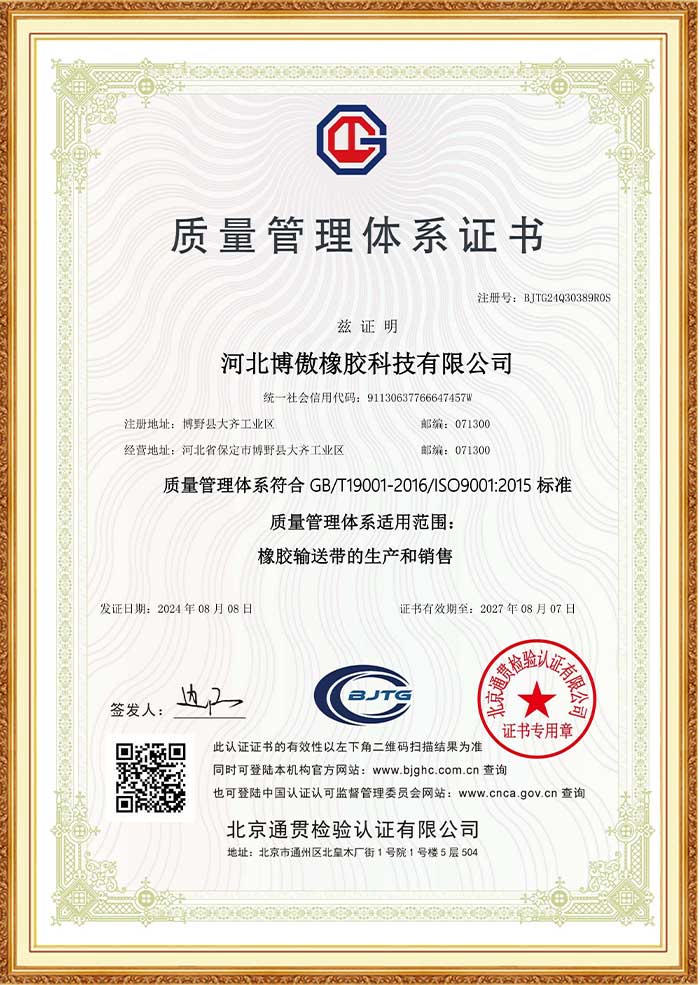
We maintain compliance with global quality management systems, verifying that our conveyor solutions meet international performance requirements.
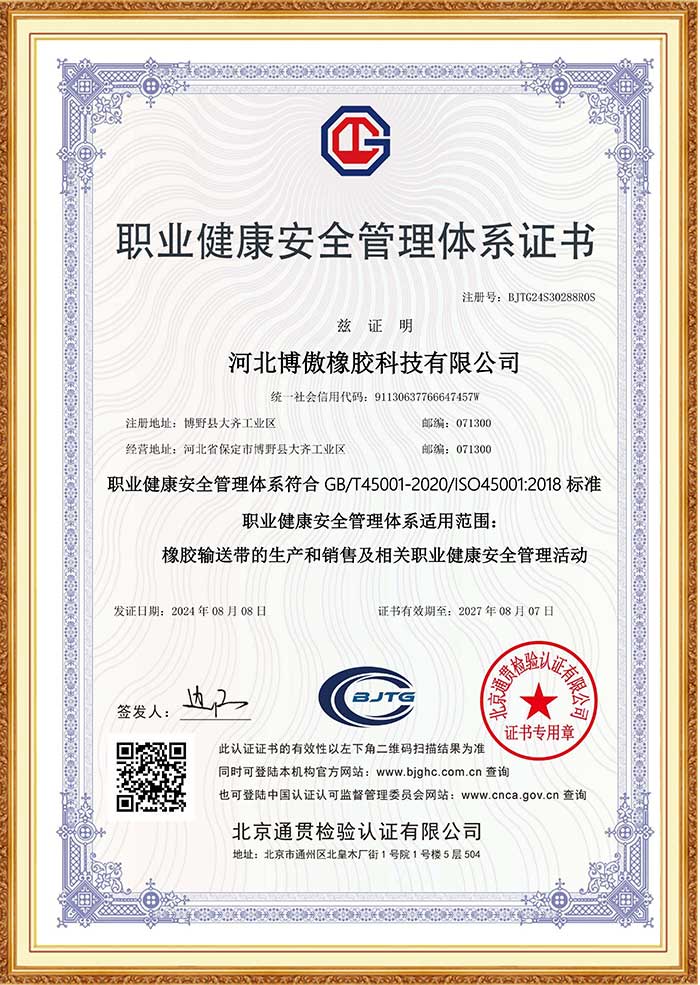
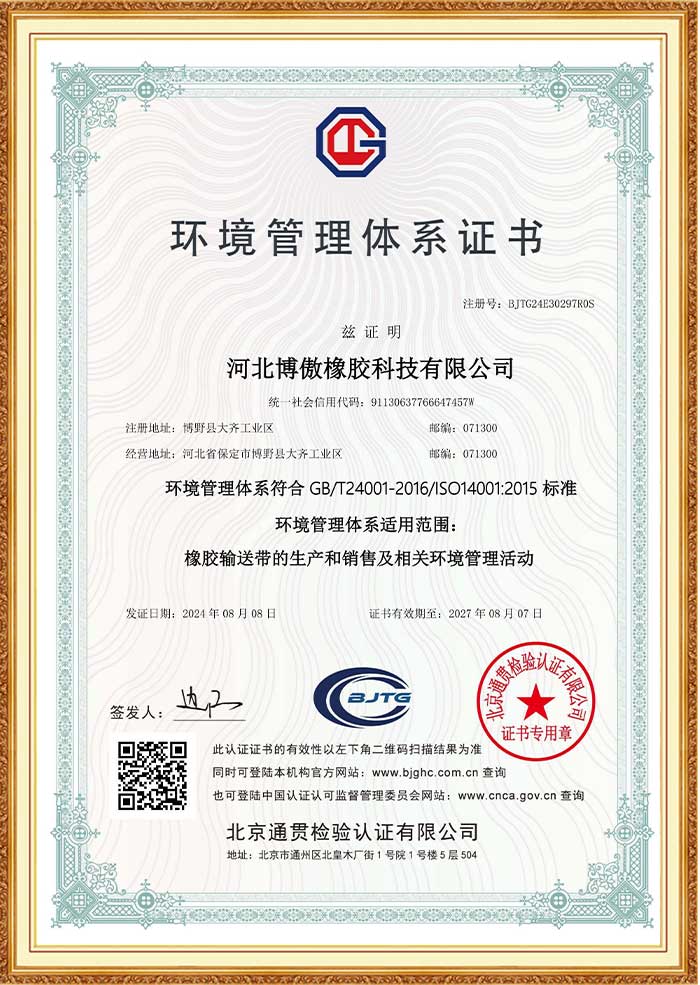
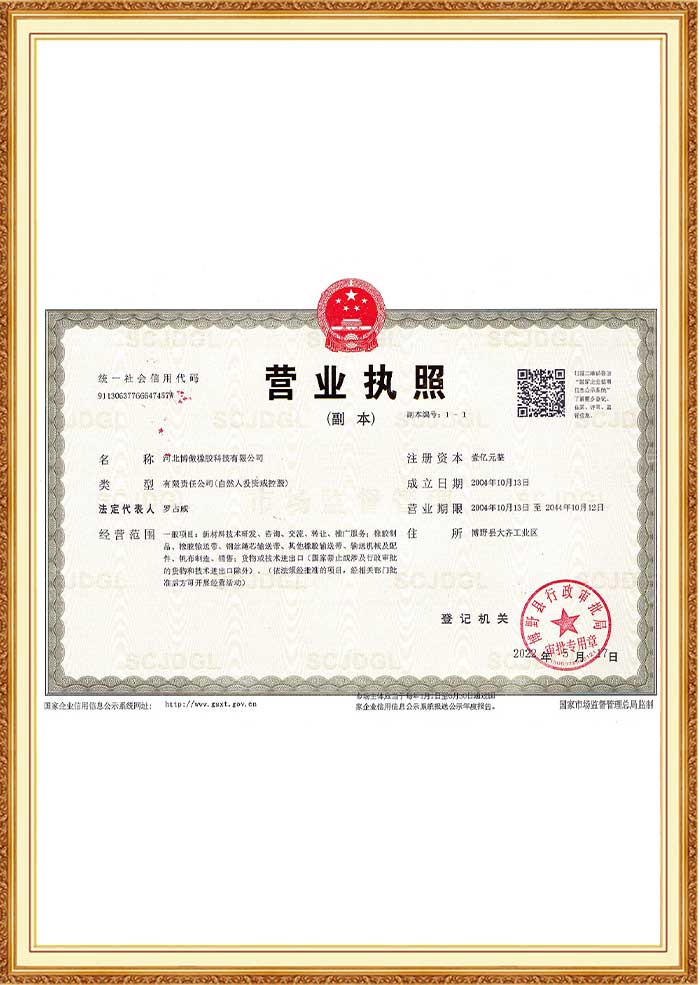
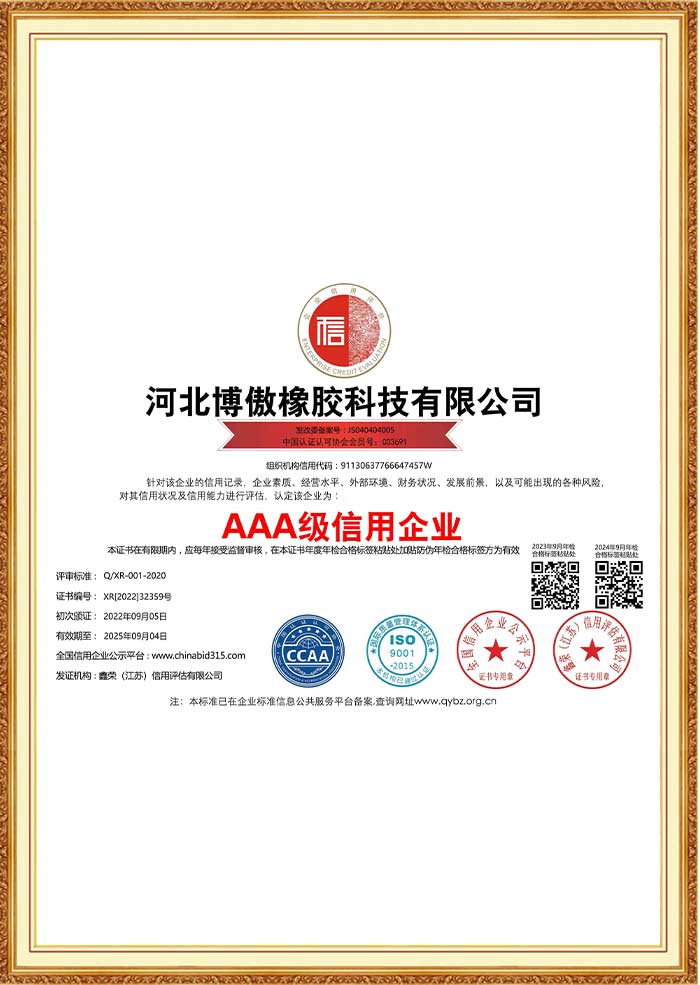
Our belts are utilized in demanding industrial environments by leading organizations across the steel, cement, mining, and infrastructure sectors.
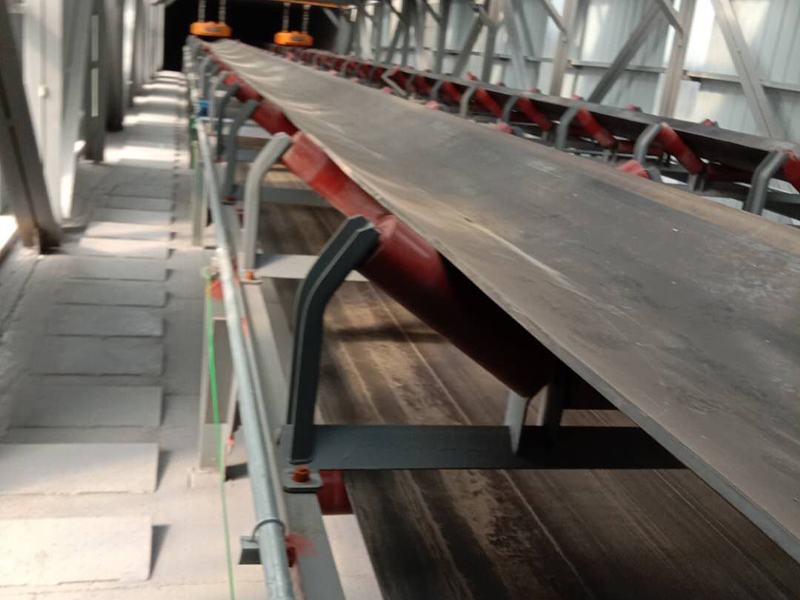
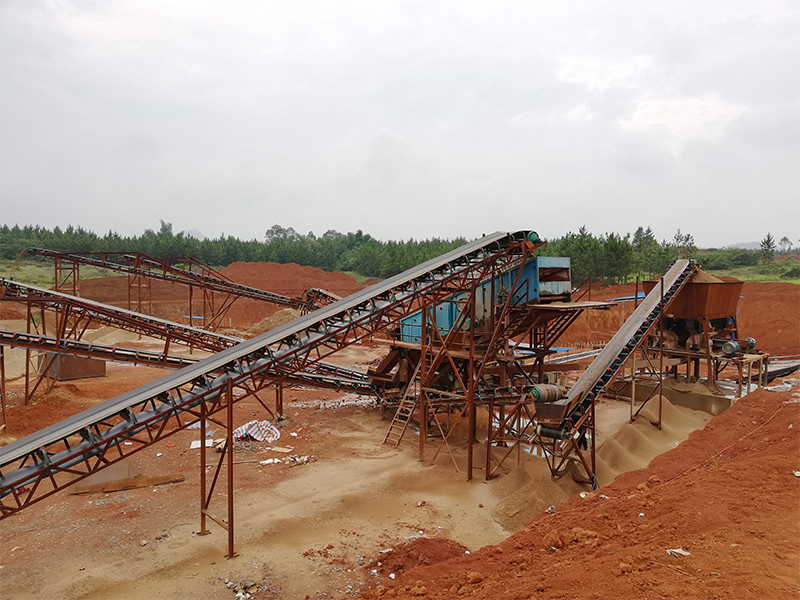
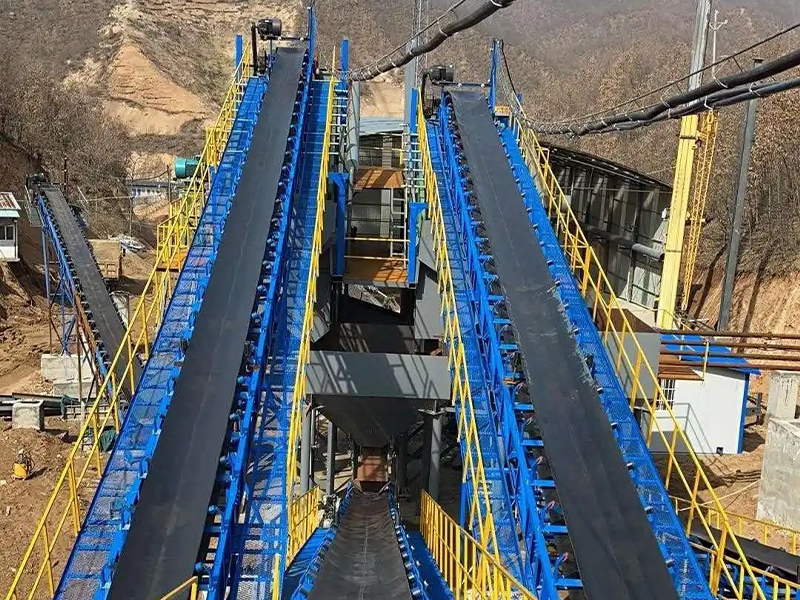
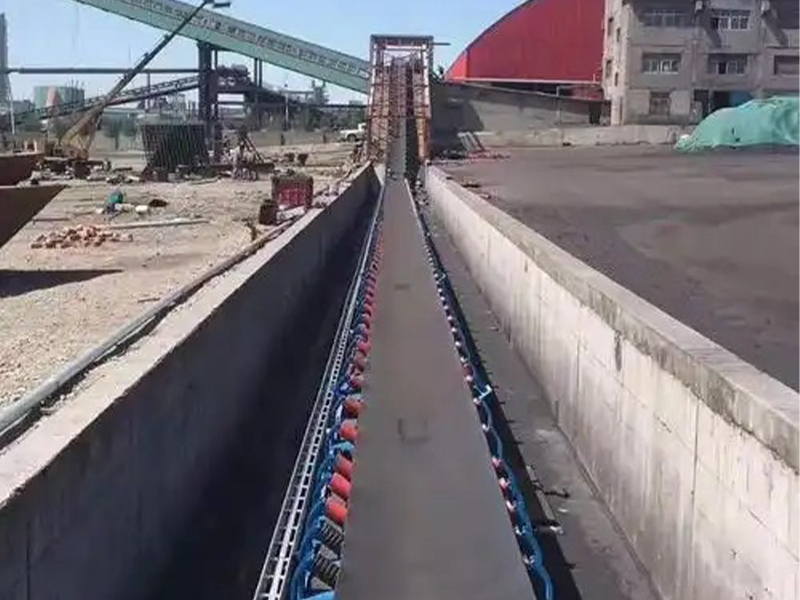
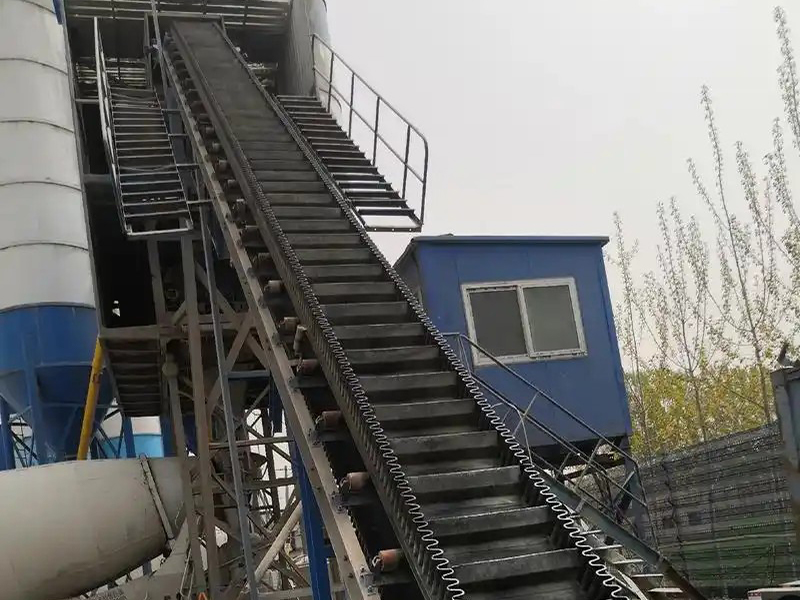
To assist site operations, we offer structured technical service plans intended to support system maintenance and extend the service life of conveyor assets.
We work with site engineering teams to review operating conditions, including conveyor speeds, ambient temperatures, chemical exposures, and material properties, helping to guide correct belt selection.
We assist in establishing safety stock levels for critical conveyor runs, helping customers coordinate spare belt inventories to reduce downtime during emergency replacements.
We provide technical guidelines for vulcanization, cold splicing, and mechanical fastening. Correct splicing is crucial for maintaining the tension rating of reinforced fabric and steel cord belts.
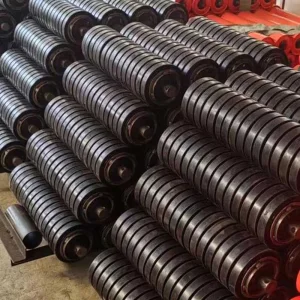
Select from our specialized conveyor components, built to withstand chemical exposure, abrasion, and heavy material loads.
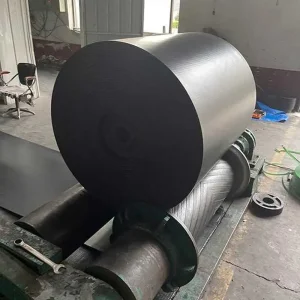
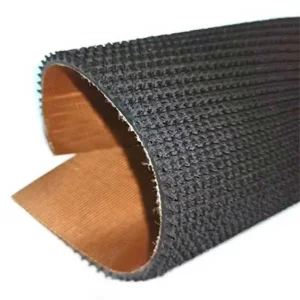
Technical answers to help buyers select and specify the correct conveyor configurations.
Our engineering team can assist you with belt configuration, compound selection, and splicing specifications to match your system requirements. Contact us to discuss your project parameters.
 Boao Rubber