Engineered for high performance, thermal resistance, and durability under demanding industrial conditions.
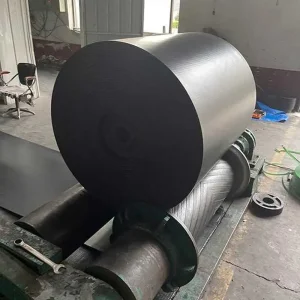
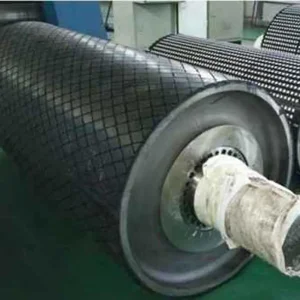
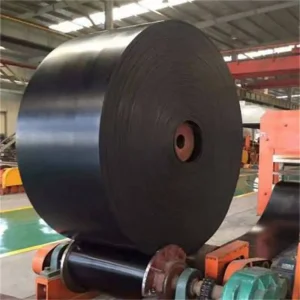
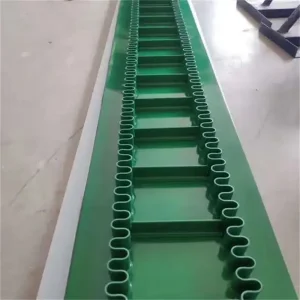
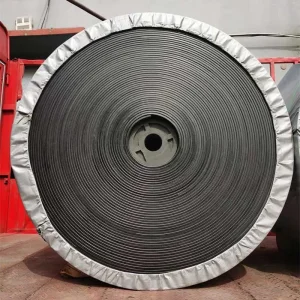
Located in the prestigious Rubber Industrial Park of Boye County, Baoding, Hebei Province, Hebei Boao Rubber Technology Co., Ltd. has established itself as an authoritative manufacturer, setting industry benchmarks for heavy-duty bulk handling systems. Since our inception in 2004, our proprietary "Jinao" brand has become synonymous with durability, safety, and performance. Spanning over 30 acres of advanced manufacturing facilities, our production ecosystem integrates state-of-the-art calendering, dynamic vulcanization, and material testing laboratories.
Under strict international quality management standards, we have successfully developed a comprehensive product portfolio. From heavy-duty cotton (CC), nylon (NN), and polyester (EP) belts to specialized oil, acid, and heat-resistant configurations, Jinao conveyor lines ensure structural integrity in the most punishing operating environments globally.
Our commitment to reliable engineering is validated by our strict compliance with international testing frameworks and chemical analysis procedures.
We maintain fully staffed independent chemical analysis and physics laboratories. Raw materials, from natural rubber blocks to reinforcing cotton fabrics, are audited prior to production entry. Unqualified materials are immediately isolated, preventing any degradation of the finished product.
Every vulcanized roll undergoes rigorous diagnostic testing. We evaluate tensile strength, elongation at break, inter-ply adhesion levels, and wear-abrasion indexes using automated sensors, ensuring alignment with ISO, DIN, and GB standards.
Backing our engineering precision is a comprehensive supply chain and after-sales support system. Our heavy-duty belts are trusted in heavy metal, mining, electrical power generation, and port facilities across China and key global regions.
While synthetic plies like EP (Polyester) and NN (Nylon) dominate long-span and ultra-high tension environments, Cotton Canvas (CC) Conveyor Belts remain highly efficient for medium-distance material transport. Sourced and processed under the Jinao brand, our cotton conveyor belts utilize multi-ply woven cotton fabric (CC-56 or custom densities) in both the warp (longitudinal) and weft (transverse) directions.
The inherent micro-porous structure of cotton fibers ensures exceptional adhesive properties when integrated with raw rubber compounds during vulcanization. This mechanical bond drastically reduces the risk of ply separation under continuous flexing.
Understanding the layout of cotton belting is crucial for plant operators to maximize product life. The cross-section consists of:
Analyzing why global procurement offices prioritize Hebei Boao Rubber for bulk handling components.
Operating out of Boye County's dedicated Rubber Industrial Park, Boao is positioned within a localized supply chain. Sourcing raw synthetic/natural rubber and canvas materials locally minimizes transit costs and accelerates production timelines.
Our plant features advanced multi-drum continuous vulcanizing presses. This machinery ensures uniform pressure distribution and temperature control across the belt's length, eliminating weak zones and variable thickness profiles.
We provide tailored dimensional capabilities, including belt widths up to 2200mm, cover thickness variations from 1.5mm to over 15mm, and multi-ply fabric configurations designed to match your specific transport equipment loads.
Jinao brand conveyor components perform reliably in critical utility operations, manufacturing lines, and mining complexes.
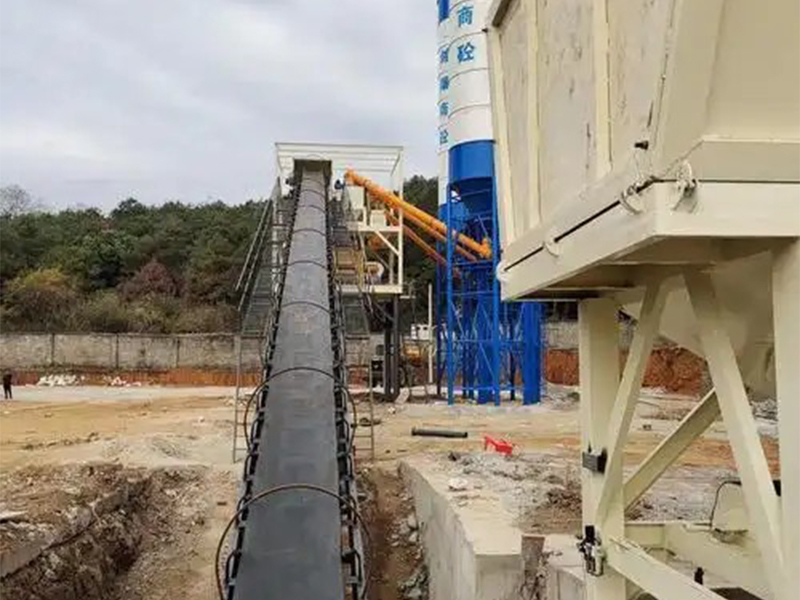
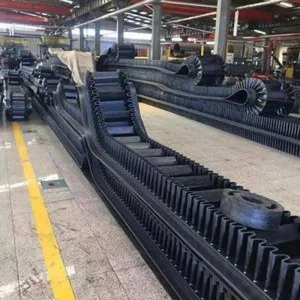
Our heavy-duty patterned and ordinary conveyor belts facilitate high-capacity aggregate transport under continuous load cycles.
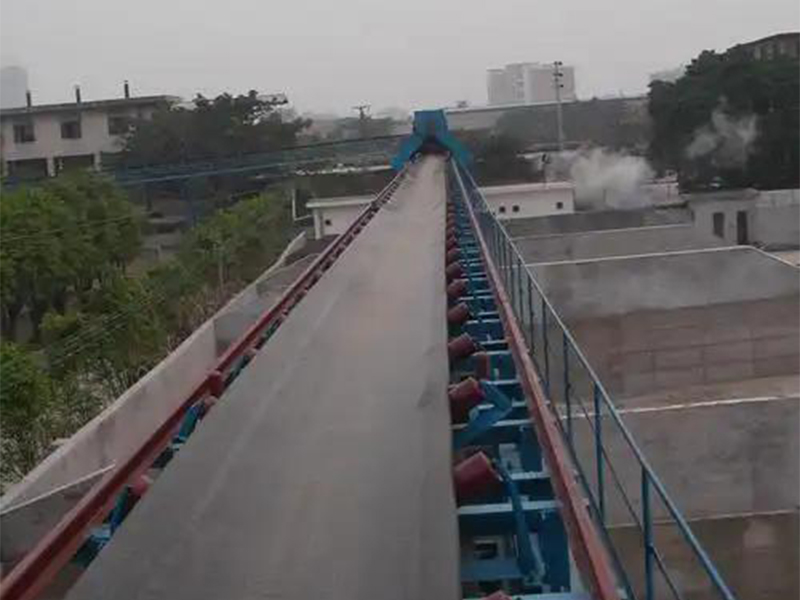
High-temperature and wear-resistant belts are deployed to transport abrasive clinker safely from ovens to storage silos.
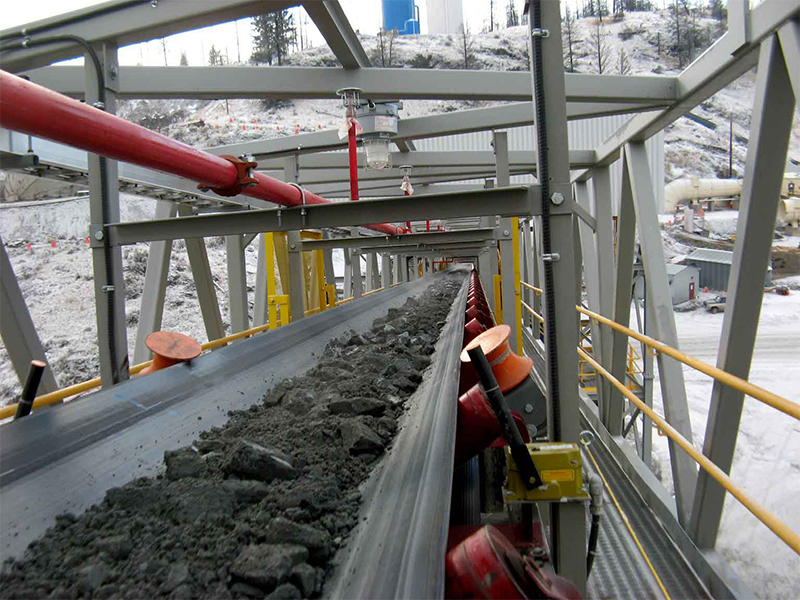
Flame-retardant rubber conveyor belts provide crucial safety compliance in underground coal mining operations.
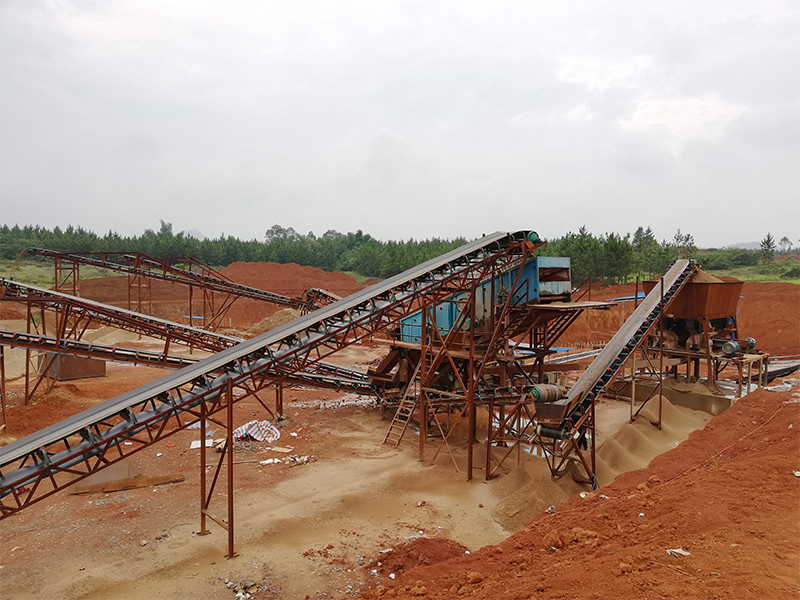
Deploying specialized chemical, oil, and alkali-resistant conveyor belts to transport corrosive industrial materials.
Our engineering team designs tailored solutions for multiple challenging industries:
Supervising safe handling of high-temperature sintered ores using heat-resistant Jinao belts, operating reliably at up to 200°C.
Implementing rubber formulations that resist chemical degradation when exposed to acidic phosphates and alkaline elements.
Minimizing maintenance downtime with high-strength belts capable of continuous loading cycles for grains, coal, and mineral ores.
Acquiring premium-grade conveyor belting represents only the initial phase of bulk handling optimization. At Hebei Boao Rubber Technology, we offer a comprehensive technical service program designed to extend component lifespan, reduce material loss, and ensure operational safety.
Our technical support goes beyond supply to include customized service plans. From maintaining appropriate safety stock levels for urgent replacements to executing cold chemical bonding or hot vulcanized splicing on-site, Jinao engineers assist clients in minimizing operational interruptions.
Routine audits to check belt tracking, joint integrity, cover wear profiles, and idler performance. Early detection prevents sudden belt failures.
Supervision of hot vulcanized splicing processes. Using matching Jinao cover compounds ensures splice strength meets 90% of raw belt rating.
On-site support services to assist with urgent repairs, reducing plant downtime during critical operations.
Analyzing key advancements in materials science and monitoring systems shaping the bulk material handling sector.
Global standards increasingly prioritize eco-friendly manufacturing processes. Jinao research teams are focusing on reducing VOC emissions during vulcanization and incorporating high-durability, low-rolling-resistance compounds that lower conveyor system power requirements by 10-15%.
The integration of RFID chips and copper rip-sensor loops directly into the rubber covers is gaining industry traction. These sensors transmit real-time carcass condition data to control systems, automatically stopping the line during structural failure to prevent tear damage.
By blending synthetic polymers into traditional cotton warps, factories are producing cotton-synthetic hybrids. These hybrid belts offer the high-adhesion advantages of cotton alongside the high tensile strength and chemical resistance of synthetic fabrics.
Partner with Hebei Boao Rubber Technology for specialized technical advice, customized sizing, and reliable industrial solutions.
Detailed technical answers to help purchasing teams and plant engineers optimize conveyor system designs.
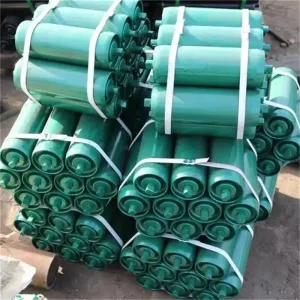
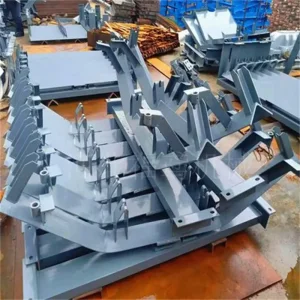
Providing high-durability supporting accessories, rollers, and custom rubber belting options for diverse handling systems.
 Boao Rubber