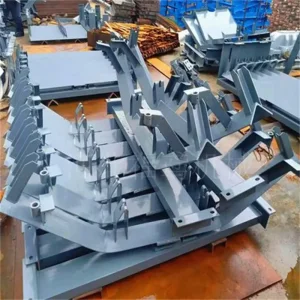
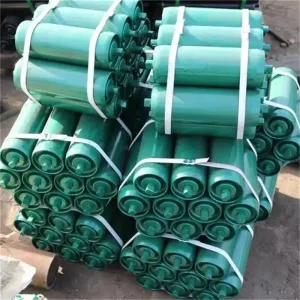
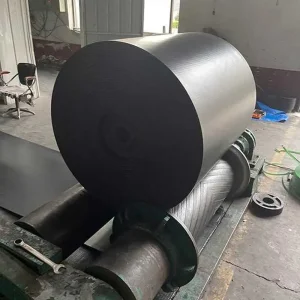
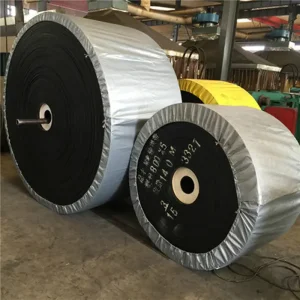
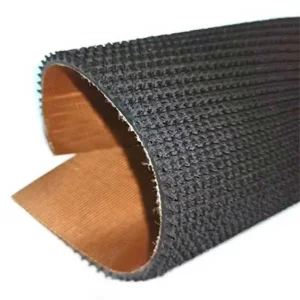
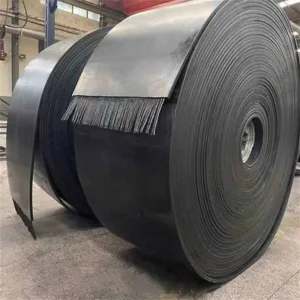
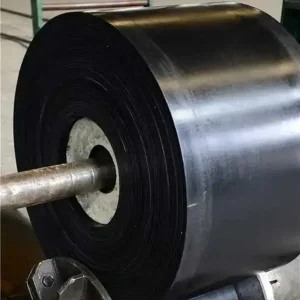
High-durability support structures and custom belt assemblies engineered to withstand intense dynamic loads in harsh polar environments.
Industrial bulk material transport systems operating in arctic or cold-temperate climates face a major engineering bottleneck: cold-induced polymer degradation.
Standard grade rubber conveyor belts suffer rapid elasticity loss when exposed to ambient temperatures below -10°C. As temperature drops towards the glass transition point (Tg), the elastomer molecules lose flexibility, leading to micro-cracking, cover hardening, ply separation, and sudden longitudinal tears. Under these conditions, the entire conveying system is vulnerable to catastrophic failures that cost heavy industries hundreds of thousands of dollars in unscheduled downtime.
To mitigate these risks, modern industrial complexes rely on specialized Cold-Resistant Conveyor Belts. Engineered with custom polymer blends (often integrating natural rubber, butadiene, and EPDM), these belts maintain flexible covers, excellent troughability, and impact absorption properties even at temperatures down to -60°C. Selecting a reliable manufacturer with comprehensive testing facilities is essential for maintaining supply chain resilience in severe climates.
Mapping the worldwide distribution of cold-climate heavy industries and their logistical pain points.
From the iron ore deposits of Northern Sweden and Canada to the coal fields of Siberia, resource extraction thrives in freezing climates. Heavy industries require belts that maintain high tensile strength and impact resistance despite continuous exposure to sub-zero temperatures.
Northern ports handling bulk exports (such as coal, mineral concentrates, and grain) require specialized belt technology. Fast cycle times leave no room for cover cracking or roller slipping, both of which are exacerbated by salt-laden, freezing ocean winds.
Cement manufacturing in mountainous regions requires material transport across varied elevations. Cold-resistant belts prevent rollback by retaining the dynamic friction coefficient between the pulley and belt cover.
As mineral exploration expands into high-latitude regions, procurement managers require comprehensive technical guarantees. Modern buyers look beyond simple thickness dimensions, demanding verified data on abrasion loss (mm³), elongation at break, and low-temperature flexibility retention. Partnering with suppliers that control the entire manufacturing process—from raw polymer blending to final vulcanization—is the key to ensuring operational stability.
A professional Chinese manufacturer integrating product R&D, design, and business services for conveyor systems.
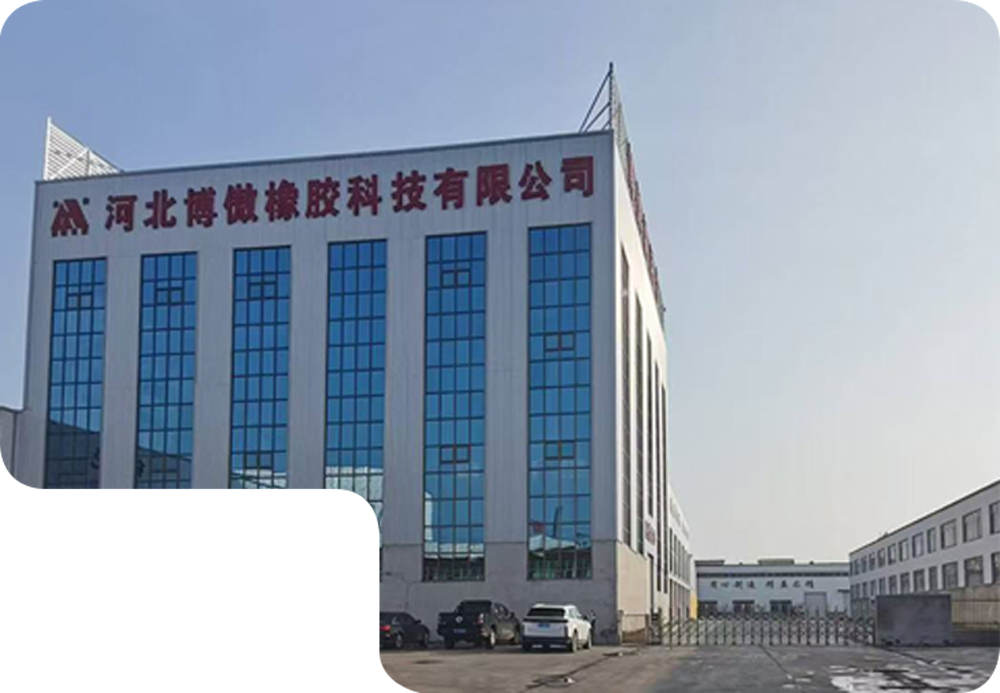
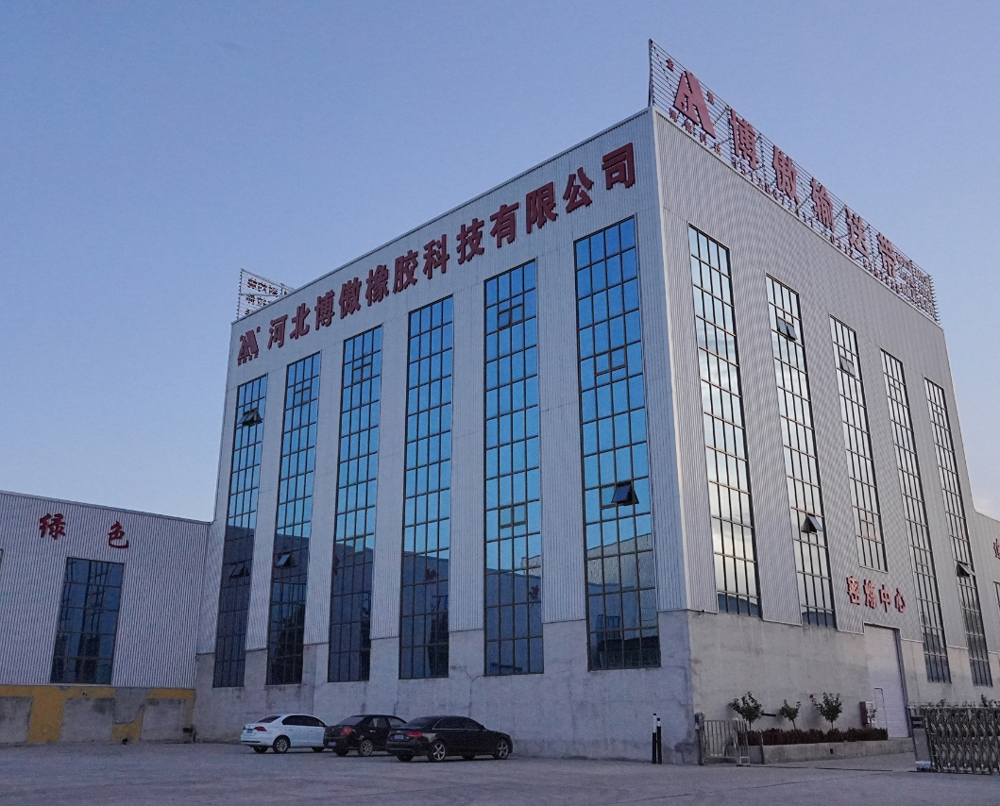
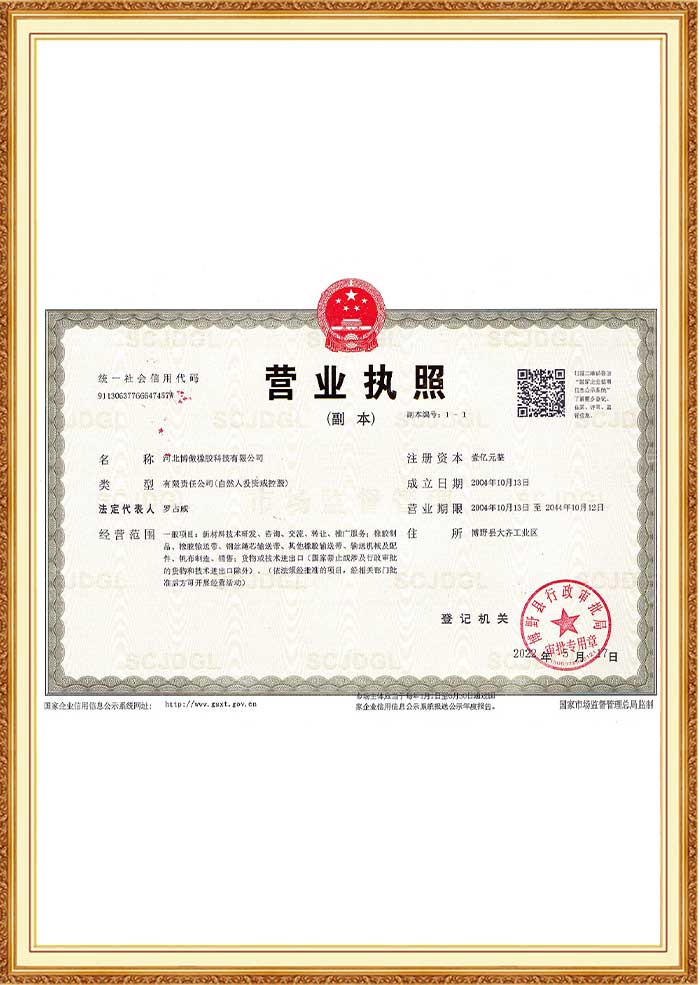
Established in 2004 and situated within the Rubber Industrial Park of Boye County, Baoding, Hebei Province, Hebei Boao Rubber Technology Co., Ltd. covers an area exceeding 30 acres. Over the past 22 years, we have grown into a leading domestic manufacturing hub that integrates state-of-the-art processing systems, raw material testing protocols, and complete logistics pipelines.
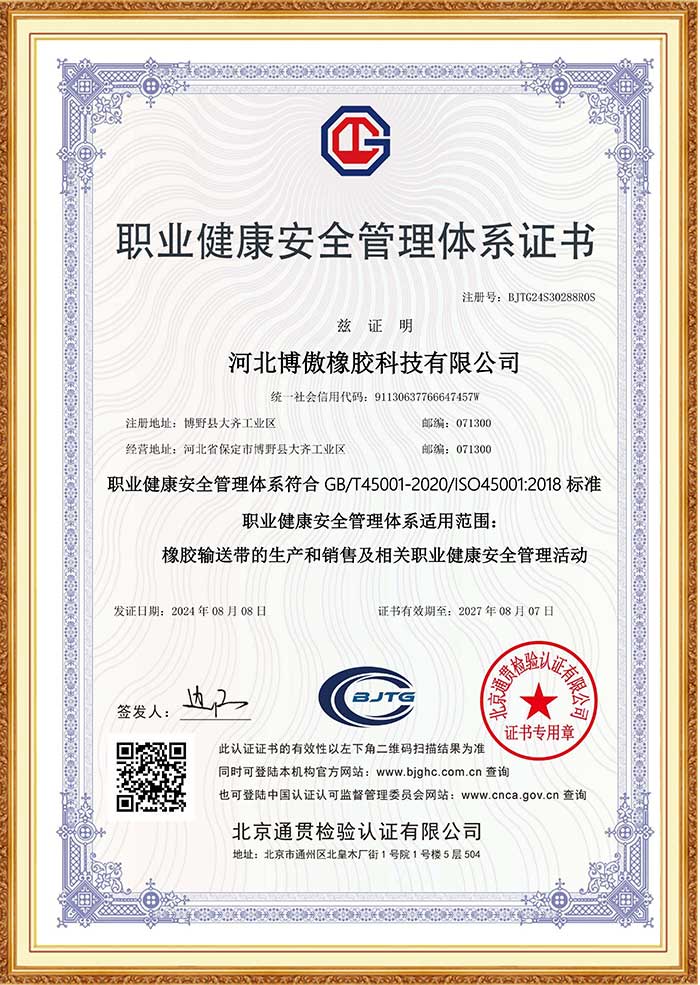
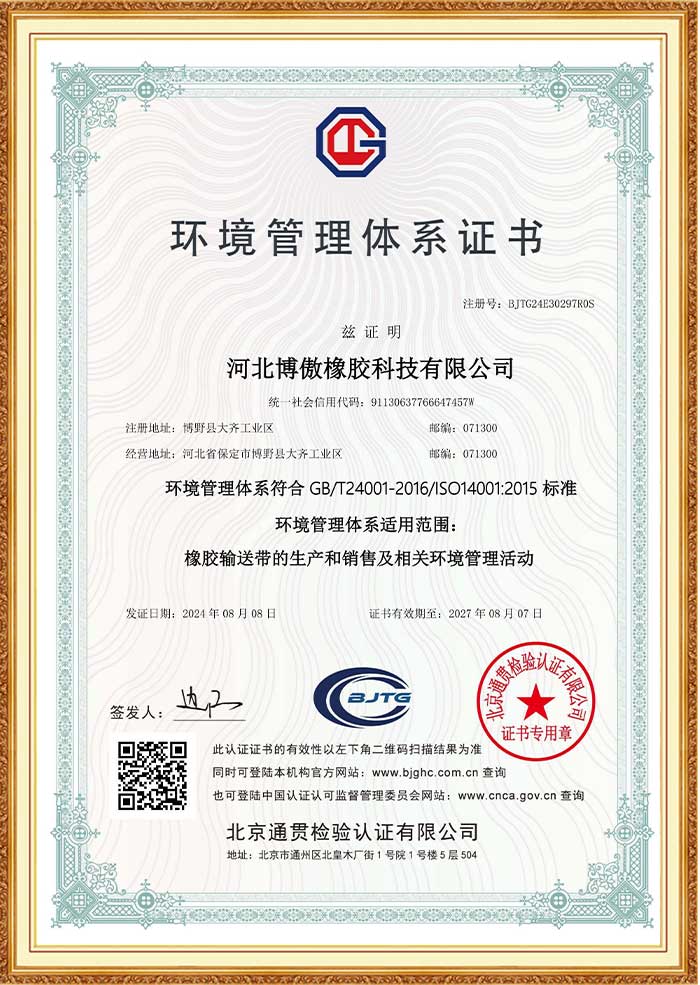
Our specialized brand, "Jinao", represents heavy-duty reliability. Our facilities feature advanced rolling, forming, and vulcanization lines, as well as testing laboratories that monitor the production cycle from raw polymer compounding to finished belt rolls. We hold international quality management system certifications, ensuring every conveyor belt conforms to global standards (DIN, ISO, AS, and GB).
Our independent chemical analysis and physics laboratories monitor every step of production. Unqualified raw materials are rejected, and finished products undergo rigorous quality control testing before shipment.
Equipped with precision testing instruments, our quality control inspectors conduct adhesion tests, low-temperature brittleness trials, dynamic wear evaluations, and tensile strength checks.
Supported by experienced engineering teams and a comprehensive after-sales system, our belts are deployed in mining, steel, power generation, cement, agriculture, and port operations worldwide.
Leveraging automated technology to maintain consistent quality and competitive delivery schedules.
In cold-resistant rubber production, temperature management during vulcanization is critical. A deviation of just a few degrees can alter the density of cross-linked sulfur bonds within the rubber compound. This can compromise either the belt's low-temperature flexibility or its surface wear resistance.
At Hebei Boao Rubber Technology, we use automated compound-mixing machines and PLC-controlled vulcanizing presses to ensure uniform heating across the entire length of the belt. This automation eliminates human error, resulting in stable rubber characteristics from the first meter to the last.
Additionally, our location in China's industrial heartland provides direct access to high-grade synthetic elastomers, reinforced textiles (EP, Nylon), and high-tensile steel cord materials. This localized supply chain allows us to maintain stable production lead times and competitive pricing, even during global market fluctuations.
Engineered to handle abrasive, corrosive, high-impact, and sub-zero materials across diverse heavy industries.
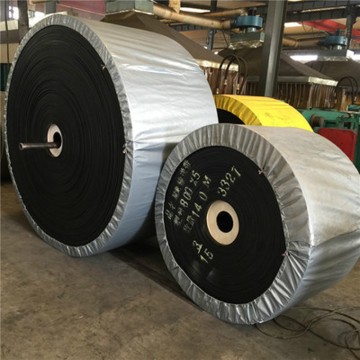
Designed to carry sinter, coke, and cement clinker at temperatures up to 200°C.
Explore Range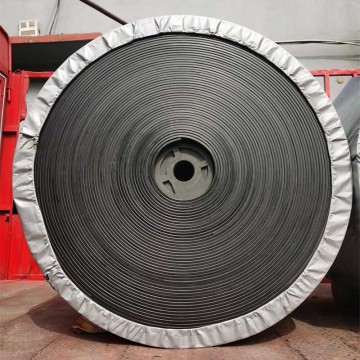
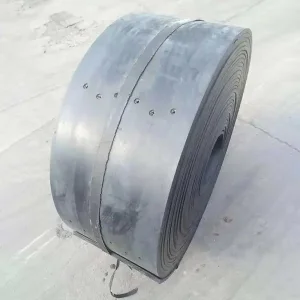
Retains elasticity, flexibility, and wear resistance in environments down to -60°C.
Explore Range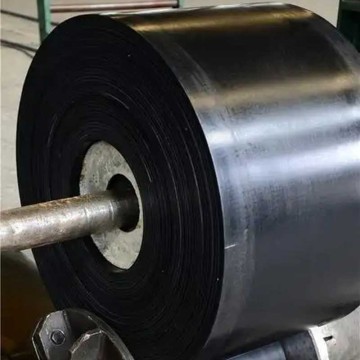
Chemical-resistant covers designed to transport fertilizers, chemical salts, and acidic ores.
Explore Range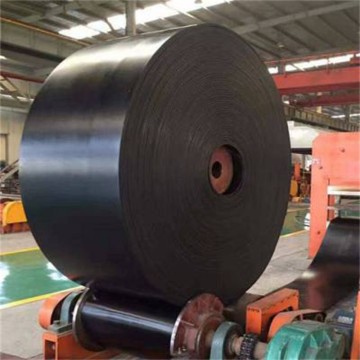
High-elasticity belts with excellent fatigue resistance, perfect for long-distance transport.
Explore Range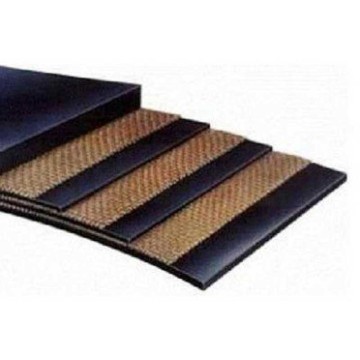
A cost-effective solution for standard sand, gravel, and bulk material conveying.
Explore Range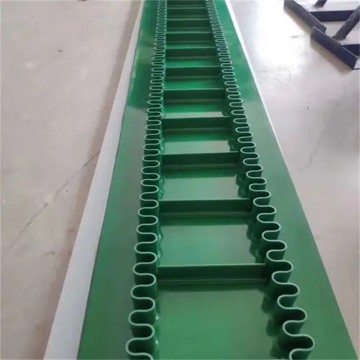
Designed for food processing, packaging lines, and light-duty material distribution.
Explore Range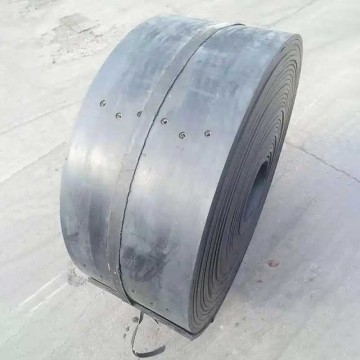
High-tensile designs engineered for vertical bucket elevator systems.
Explore Range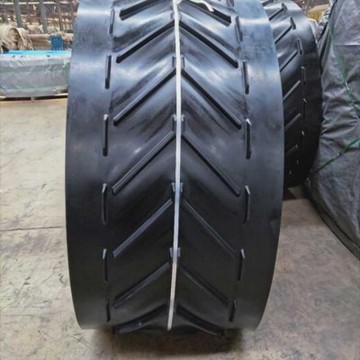
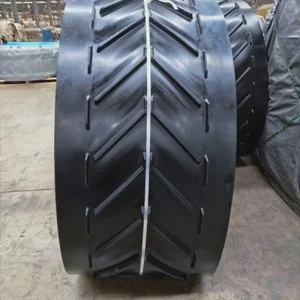
High-friction profiles prevent material rollback on steep conveyor inclines.
Explore Range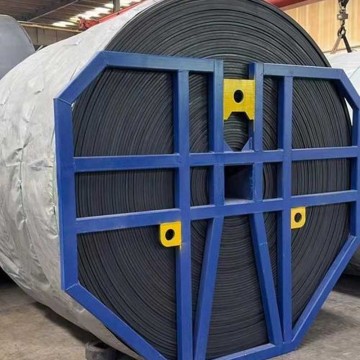
Reinforced steel mesh prevents puncture propagation from sharp materials.
Explore Range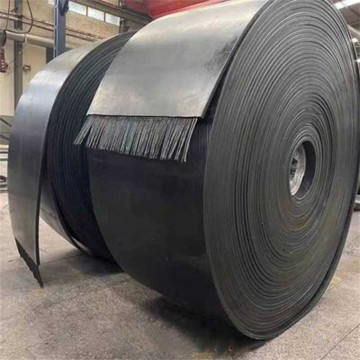
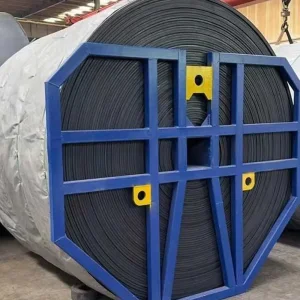
High tensile performance, low elongation, ideal for overland systems.
Explore Range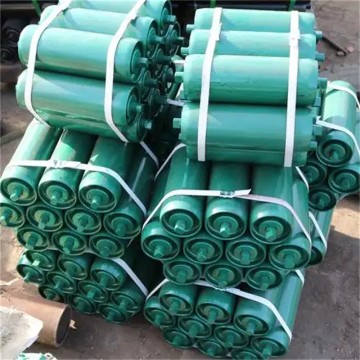
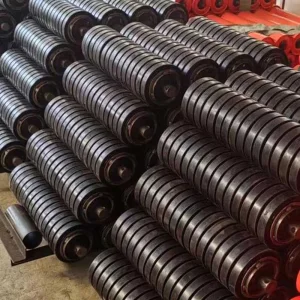
Premium alignment components designed to distribute load stress and reduce belt wear.
Explore Range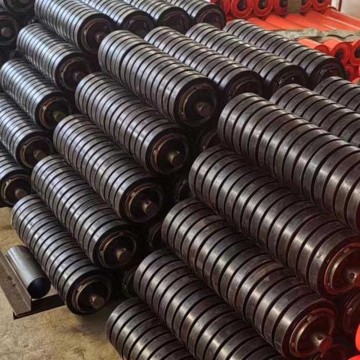
Impact-absorbing rubber rings protect the belt at material loading and transfer points.
Explore RangeEvery conveyor belt is verified through strict testing protocols before shipment.
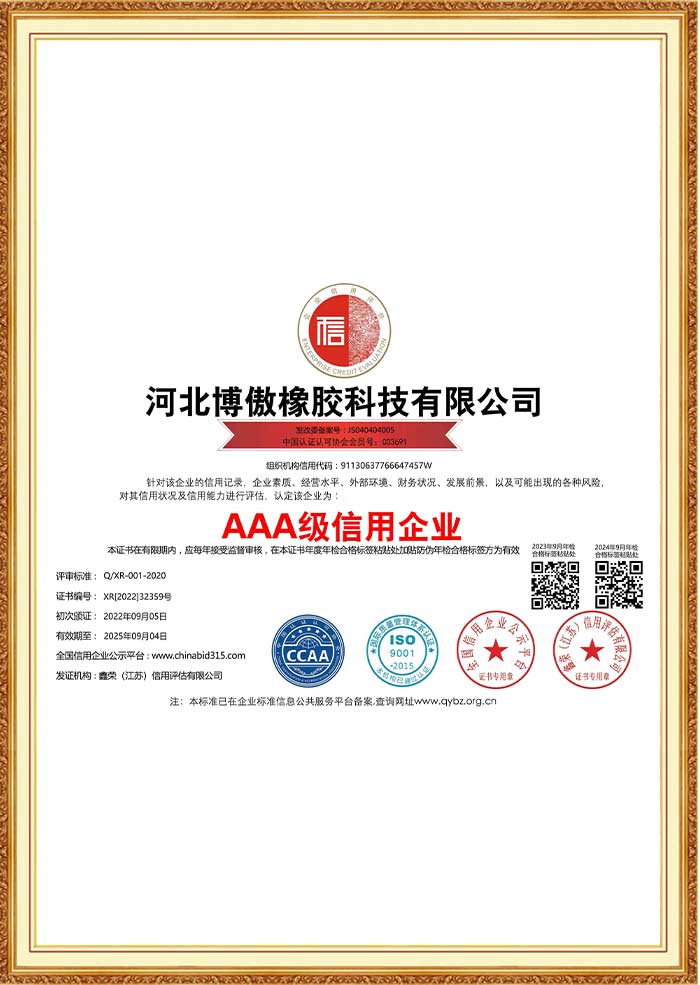
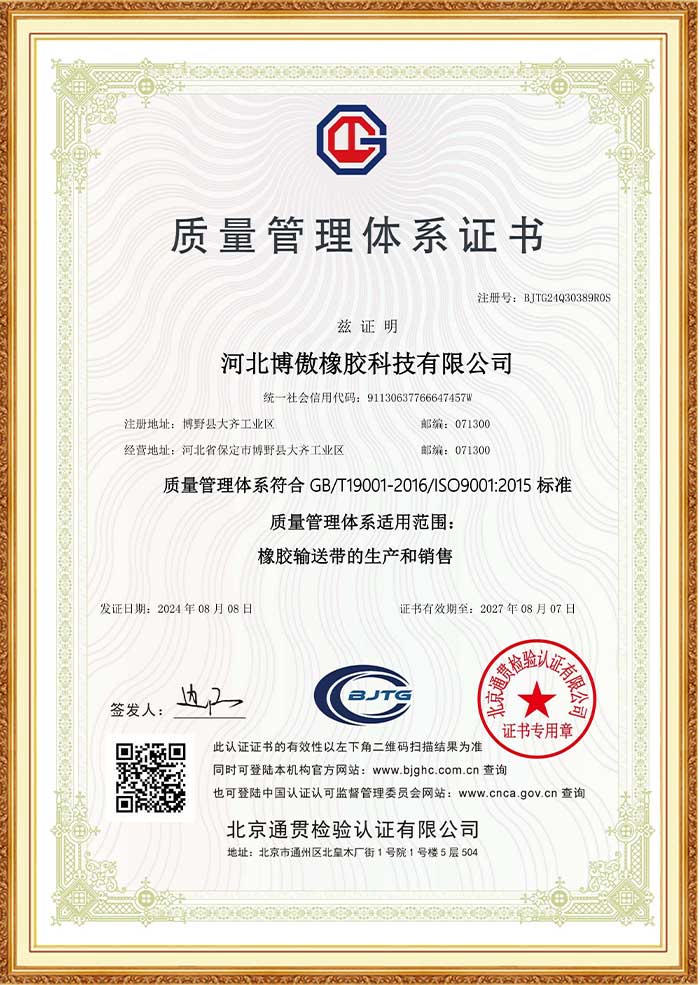
Our commitment to quality is backed by certified production standards. Boao Rubber Technology operates an in-house laboratory to run test protocols for cold resistance, abrasion resistance, and tensile strength. We analyze polymer properties to verify that our belts perform consistently in extreme environments.
Key Quality Control Procedures:
Comprehensive support, from site assessments and belt selection to hot vulcanization splicing and ongoing maintenance.
Planned replacement, repair, inspection, maintenance, and emergency repair of conveyor belts.
Supply of conveyor belts and rubber materials, safety stock management, daily inventory checks, planned vulcanized bonding, cover maintenance, and emergency repairs.
Improving operational efficiency, reducing belt wear, and securing a reliable technical service partnership.
To ensure the long-term performance of cold-resistant conveyor belts, we provide on-site engineering consultations. The performance of a conveyor system depends not only on the rubber formulation but also on proper installation, splicing, and component alignment.
We supply specialized cold-curing adhesives and hot-vulcanizing splicing kits that are chemically matched to our belt covers. This matching helps prevent joints from opening up when exposed to thermal contraction in sub-zero temperatures.
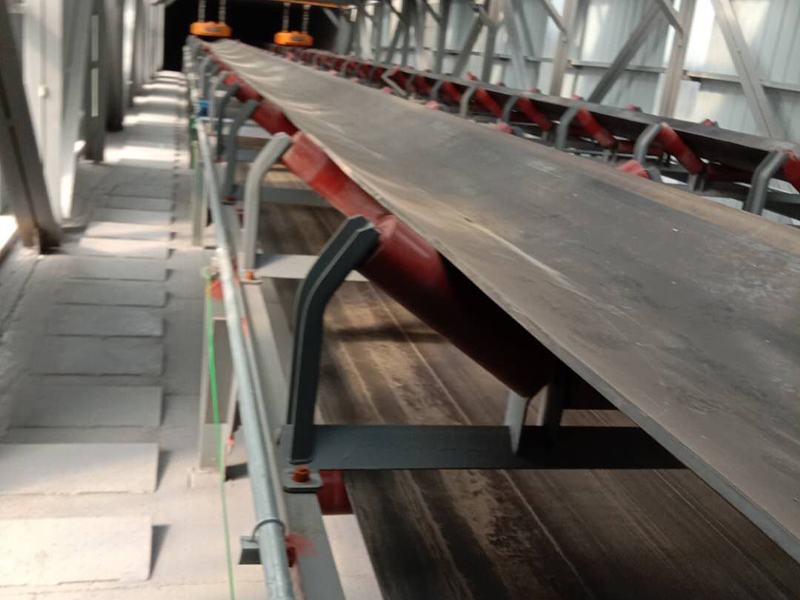
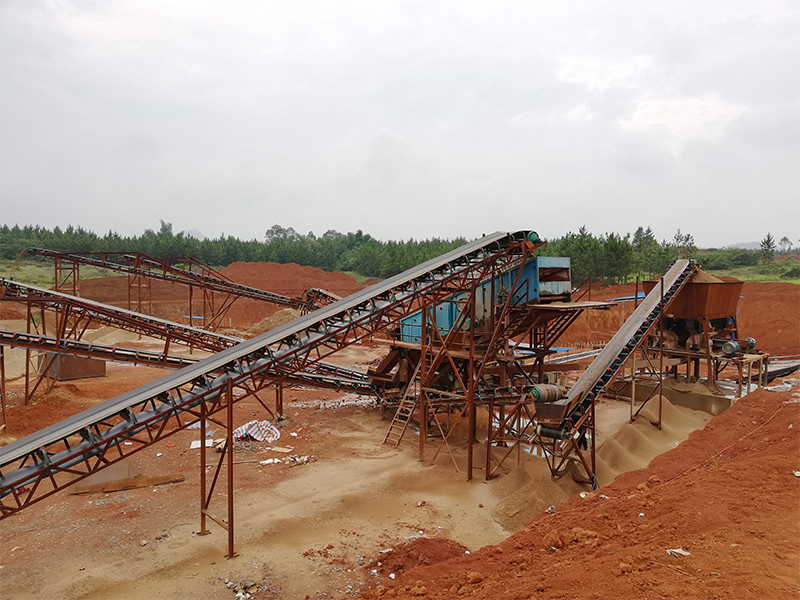
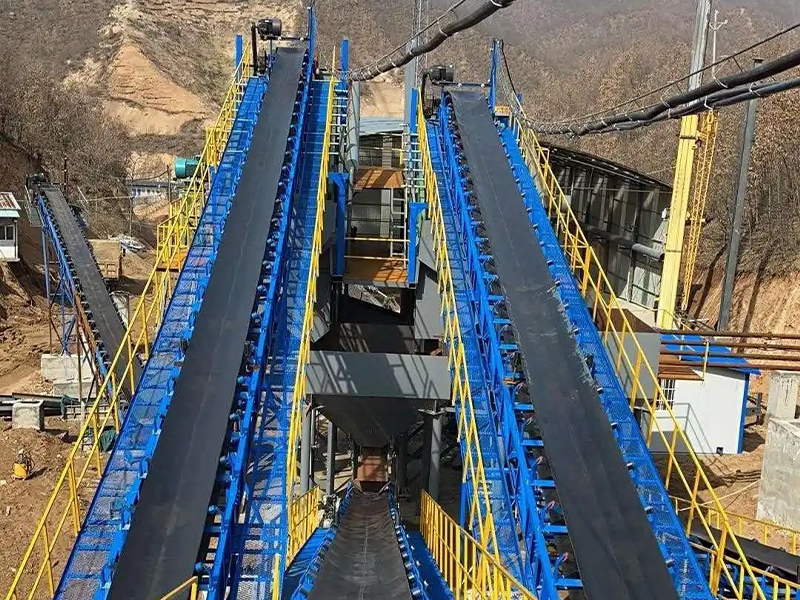
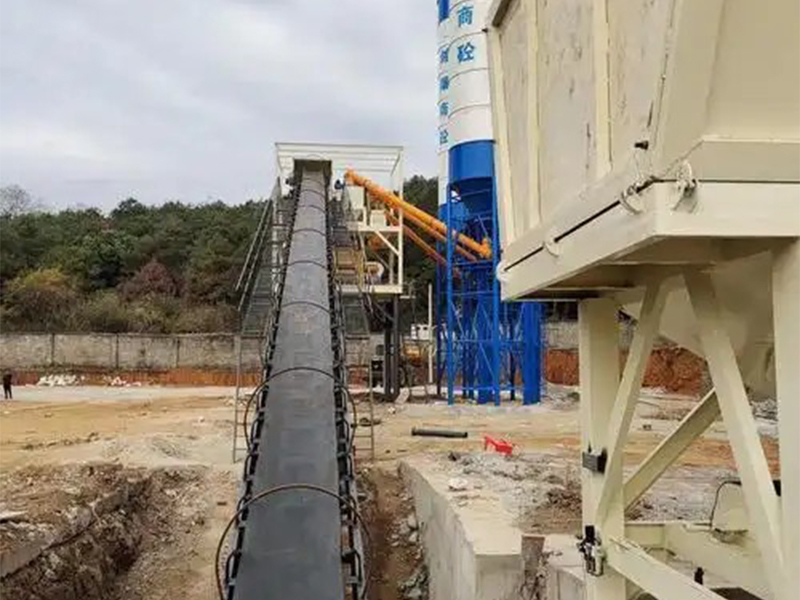
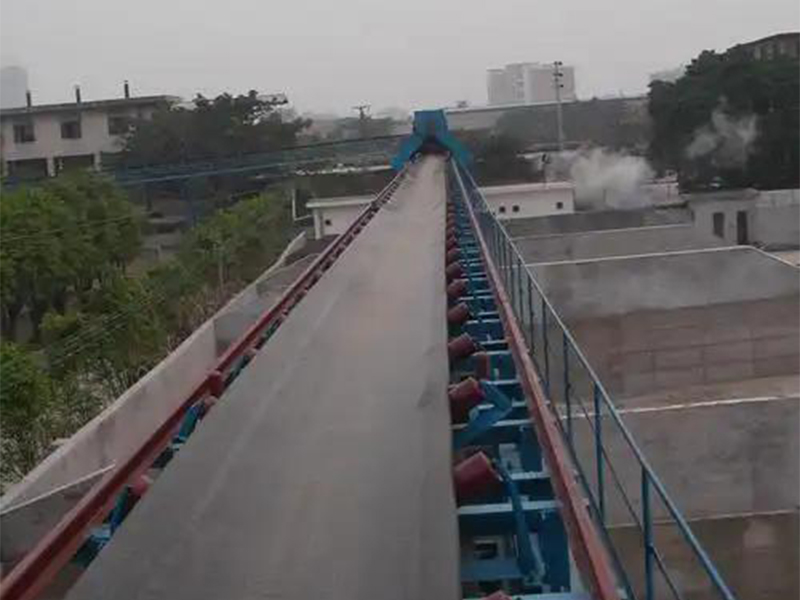
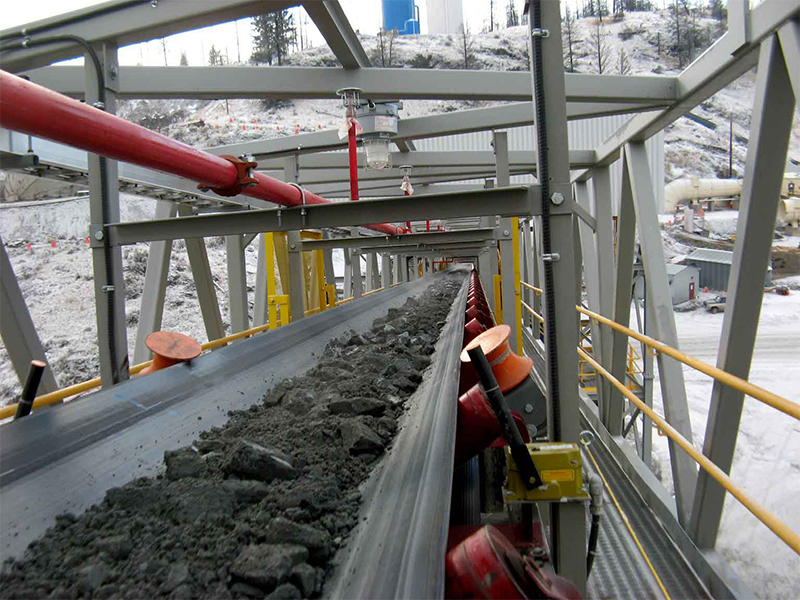
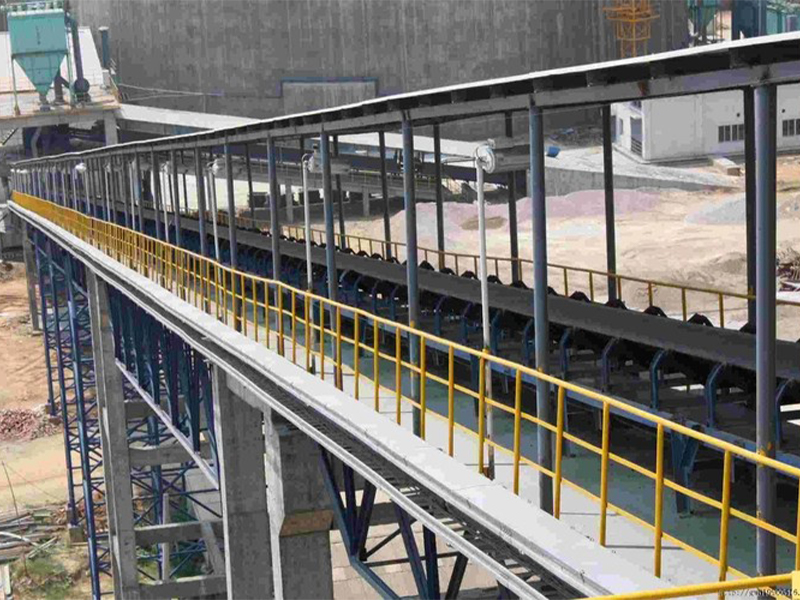
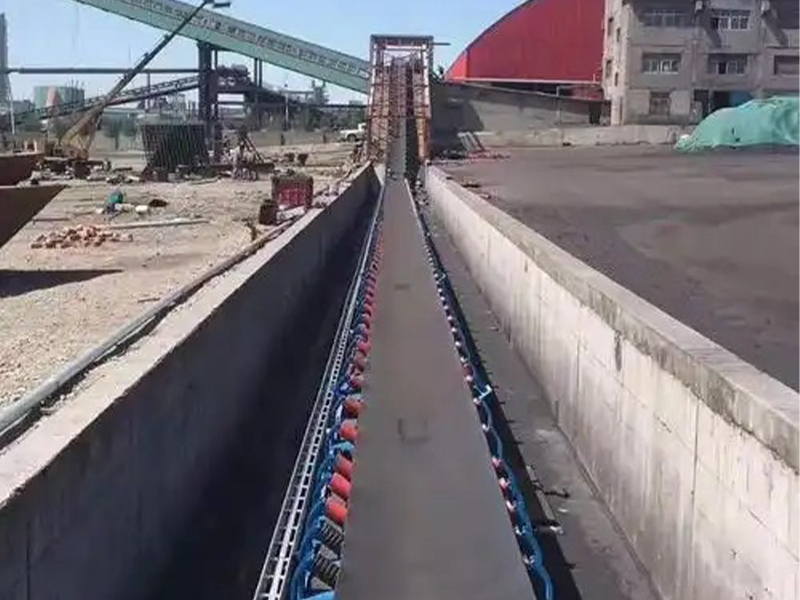
Boao conveyor solutions in active service across major steel mills, mining centers, and heavy manufacturing sites.
Detailed answers to key engineering questions regarding cold-resistant conveyor designs.
Under international standards (such as DIN 22102), cold-resistant belts are categorized based on their low-temperature performance limits. C1 Grade is formulated for environments ranging from -45°C to +50°C. It is typically used in temperate zones that experience severe winters. C2 Grade is designed for extreme conditions from -60°C to +50°C, making it suitable for polar regions, Siberian mining operations, and northern Canadian oil sands.
As standard rubber cools, it hardens and resists deformation. This stiffness prevents the conveyor belt from conforming to the troughing idlers, which can cause belt tracking issues and material spillage. Cold-resistant belts are engineered with synthetic polymer blends (incorporating butadiene and EPDM) that maintain a low elastic modulus at sub-zero temperatures. This allows the belt to track correctly and wrap smoothly around head and tail pulleys without cracking.
Mechanical metal fasteners can become brittle and fail in sub-zero temperatures, and they also risk damaging scraping systems. Vulcanized splicing creates a continuous, flexible joint that matches the properties of the parent belt. Hot-vulcanized splices distribute tension evenly and prevent moisture ingress, which could otherwise freeze, expand, and delaminate the fabric plies.
Polyester-Nylon (EP) fabric is widely preferred for cold-resistant applications. EP fabric has a lower moisture absorption rate than pure Nylon (NN) or cotton, which prevents internal freezing and rot. It also provides excellent dimensional stability and low operational elongation. For high-tension, long-distance overland conveyors in arctic environments, steel cord reinforcement is recommended to minimize stretch and handle extreme start-up loads.
The cover thickness must be calculated based on material abrasiveness, drop height, and feed cycle times. In sub-zero operations, the top cover acts as a thermal barrier for the internal fabric plies. A thicker top cover (e.g., 6mm to 8mm for heavy mining applications) absorbs material impacts and helps protect the core from localized freezing. This extends the service life of the belt.
Belts should be stored in a cool, dry, and dark indoor warehouse, away from direct sunlight, heating sources, and ozone-producing equipment (such as electric motors or transformers). If outdoor storage is necessary, the rolls must be elevated off the ground on pallets and wrapped in heavy-duty, UV-resistant tarpaulins to prevent water accumulation and sun damage.
High-performance specialty belts engineered for aggressive operating environments, steep angles, and demanding logistics pipelines.
 Boao Rubber