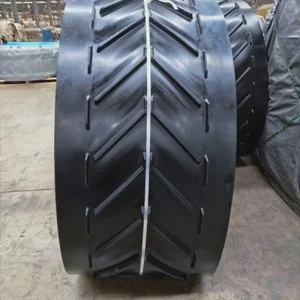
A comprehensive whitepaper on how integration, mechanical alignment, and premium raw materials drive operational efficiency in bulk material handling.
In power transmission and modern bulk material transport systems, the chain idler sprocket is far more than a simple guide component. It acts as the mechanical foundation that maintains chain tension, minimizes wear and friction, and prevents catastrophic track disengagement. For global industrial enterprises running heavy machinery in mining, steel mills, cement factories, and port facilities, a minor failure in an idler sprocket can result in extensive downtime, incurring thousands of dollars in lost operational hours.
Sprockets must manage both dynamic loads and continuous friction. Unlike driving sprockets, chain idler sprockets are free-rotating and positioned to redirect chain movement, absorb slack, and reduce system vibration. When paired with high-tensile steel wire rope core conveyor belts or heavy-duty scraper chains, idler sprockets ensure that tension profiles remain uniform across the entire configuration, protecting drive systems from motor overload and premature shaft fatigue.
To endure the abrasive dust found in heavy-duty material handling environments, sprockets require specific metallurgical profiles. High-grade carbon steels (such as AISI 1045 or 40Cr) are standard, followed by high-frequency induction hardening of the teeth. This process achieves a surface hardness of HRC 45–55 while preserving a ductile core, providing resistance against shock and impact loads without cracking. For harsh chemical environments, specialized acid and alkali-resistant components and high-grade stainless steels are utilized to prevent galvanic corrosion and premature material pitting.
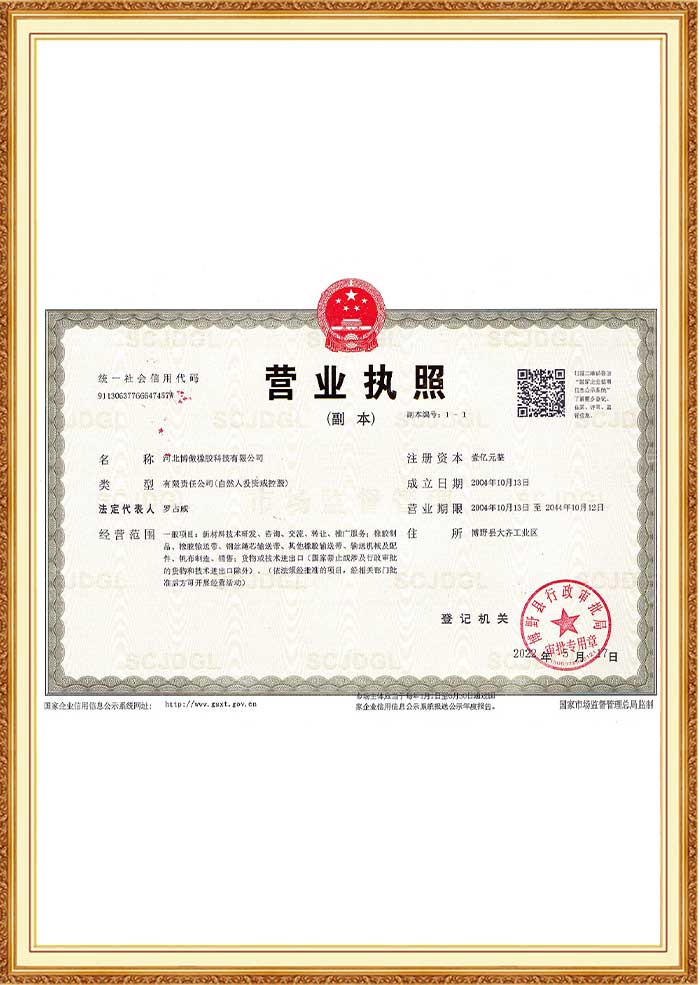
Founded in 2004, Hebei Boao Rubber Technology Co., Ltd. is located in the Rubber Industrial Park of Boye County, Baoding, Hebei Province. Over the last two decades, the company has expanded its manufacturing footprint to cover more than 30 acres, establishing itself as a key domestic manufacturer in China.
Under our brand "Jinao", we provide an integrated suite of services, including custom material development, engineering design, precision manufacturing, and comprehensive global technical support. Our operations are certified under the ISO International Quality Management System. We run advanced production lines for rolling, formulation forming, vulcanization, and material performance analysis, monitoring quality from raw polymers and steels to finished conveyor solutions.
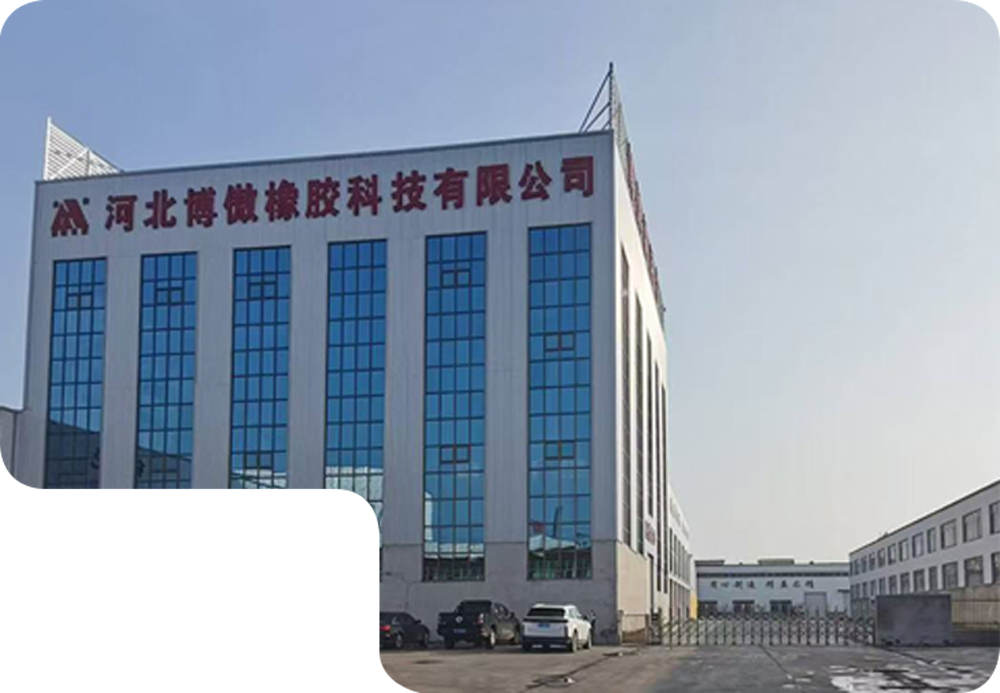
22 Years of Manufacturing Excellence
Our testing laboratories and internal standards guarantee that every component leaving our facility matches international specifications.
We maintain an independent chemical analysis suite and physics laboratory to monitor every phase of processing, from raw materials to final delivery. In accordance with ISO 9001 protocols, substandard materials are rejected at entry, and only fully compliant finished products are cleared for shipping.
Our quality control team utilizes coordinate measuring machines, non-destructive testing equipment, hardness testers, and dynamic balancing machines to ensure that key dimensional tolerances, runout profiles, and dynamic load ratings are maintained within strict parameters.
Leveraging our technical support teams and after-sales network, Boao products are deployed throughout China and exported internationally. Our systems are utilized across heavy industries, including steel manufacturing, metallurgical processing, coal mining, cement production, power generation, and port logistics.
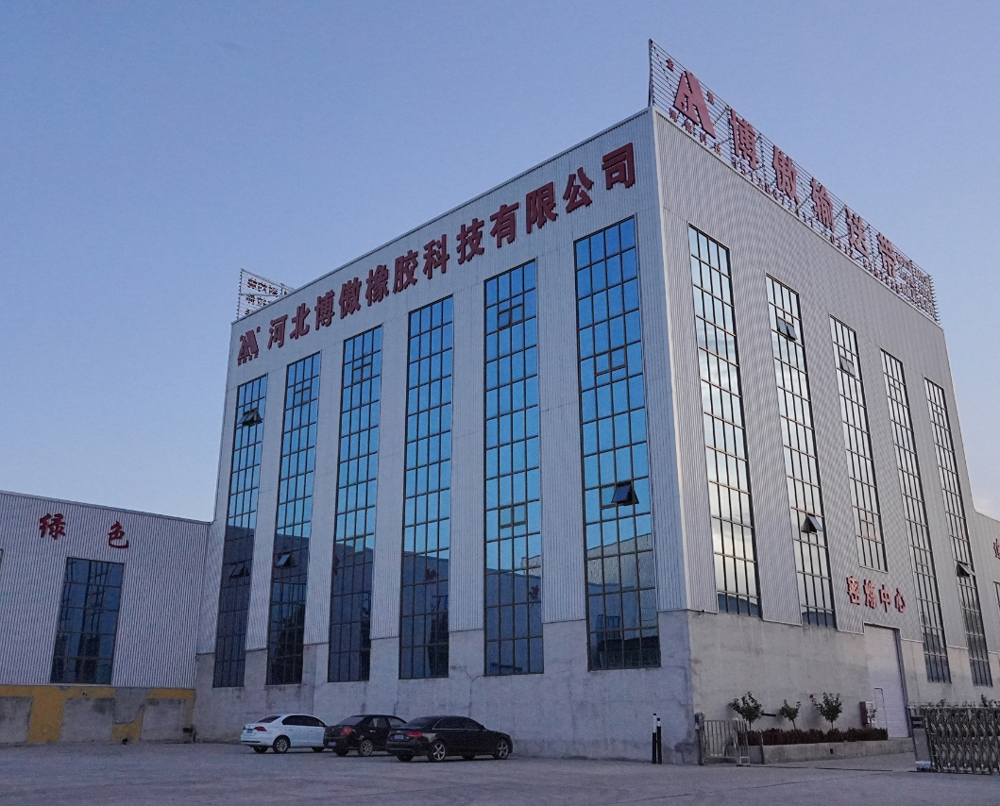
Boao High-Precision Quality Inspection & Physics Testing Center
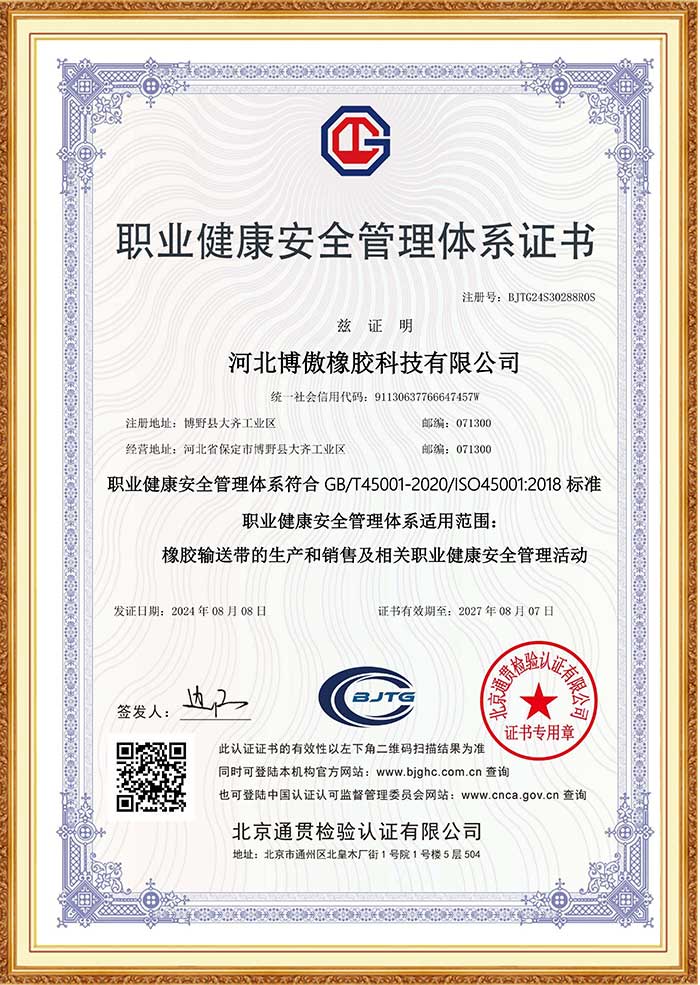
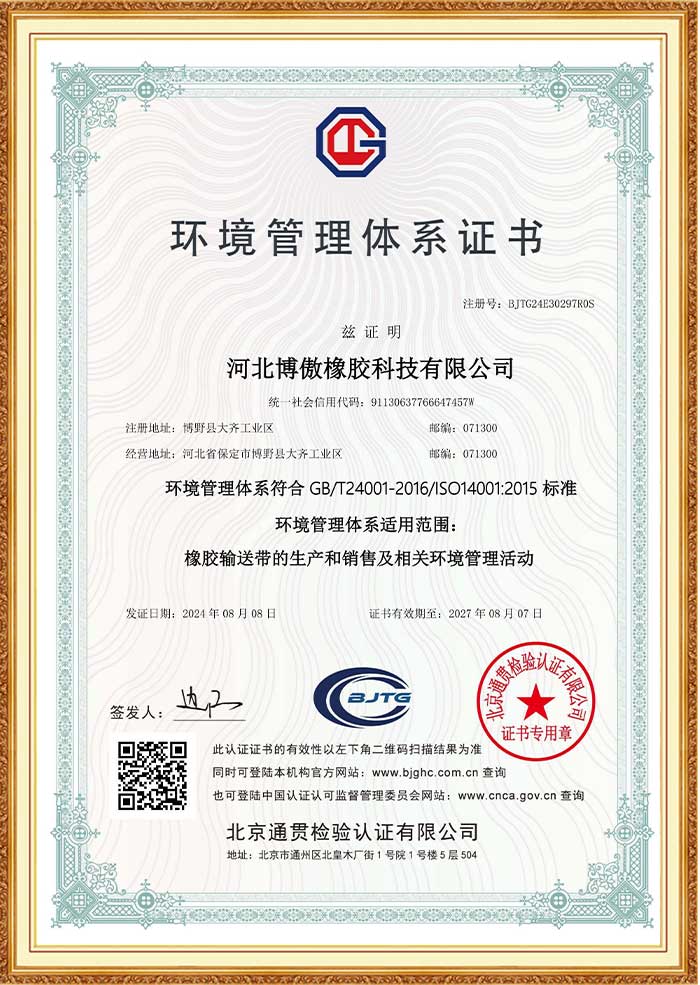
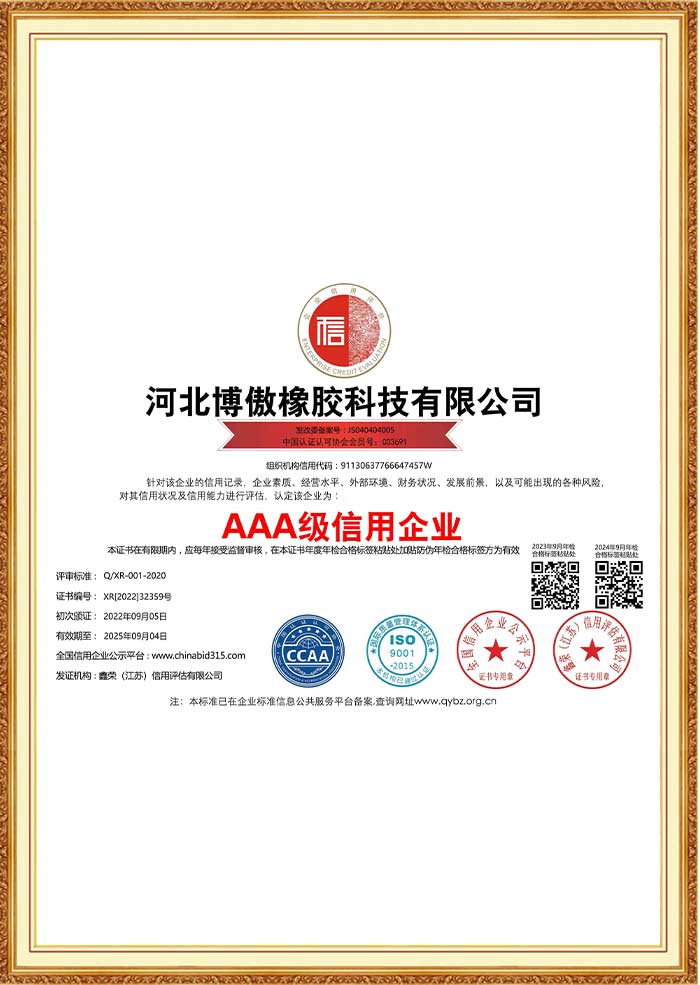
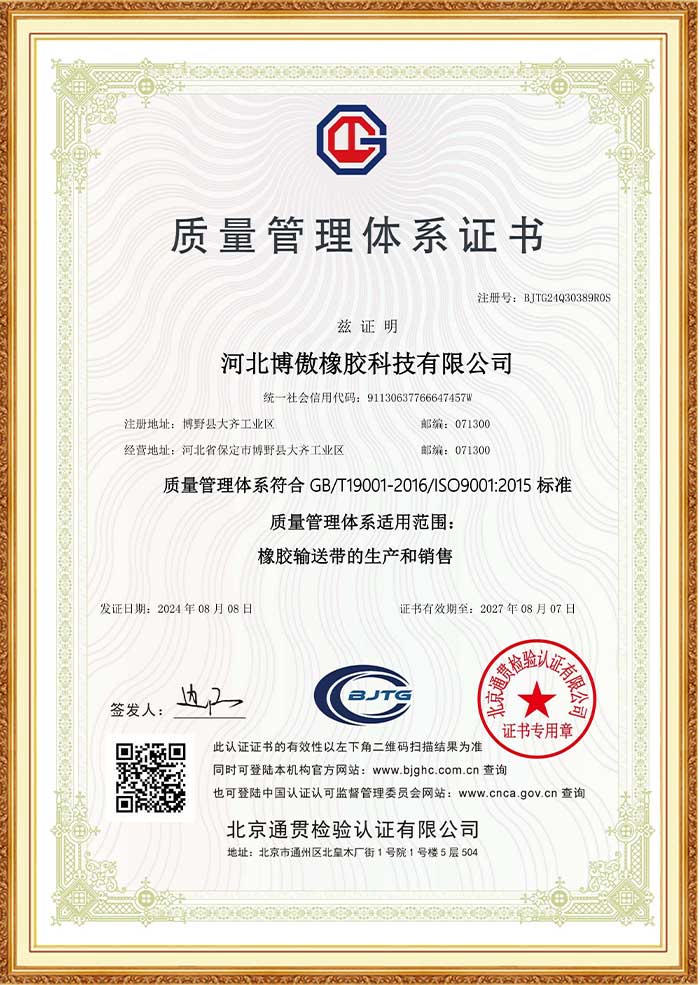
Our production protocols conform to international quality regulations and environmental policies.
Procuring raw materials and heavy industrial equipment from China offers distinct supply chain advantages. Industrial clusters, such as those in Hebei Province, combine raw steel sourcing, precision casting, hardening processes, and mechanical finishing within close proximity. This geographic density lowers transit times and raw material costs, enabling cost-effective custom manufacturing.
For international procurement departments, managing import regulations, compliance certifications (such as REACH, RoHS, or CE), and differing national standards is a key operational challenge. High-quality Chinese suppliers address these issues by providing localized technical support and direct engineering communication. This ensures custom components are fabricated exactly to customer specifications, including ANSI, DIN, ISO, and JIS profiles.
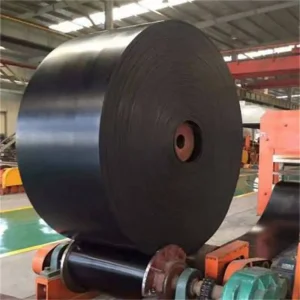
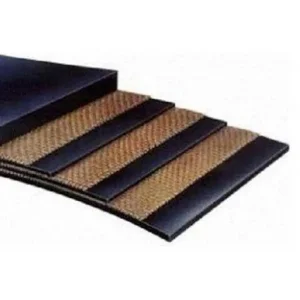
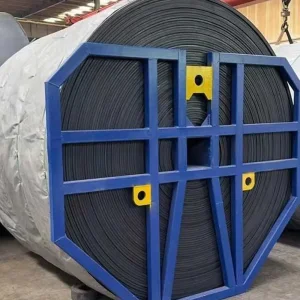
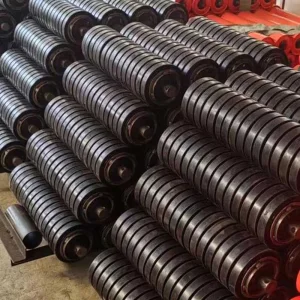
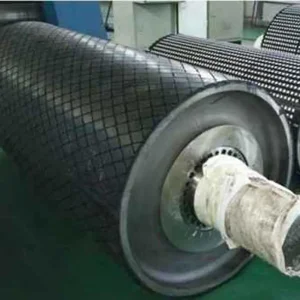
Our heavy-duty conveyor belts, idlers, and support assemblies have been verified in demanding field operations.
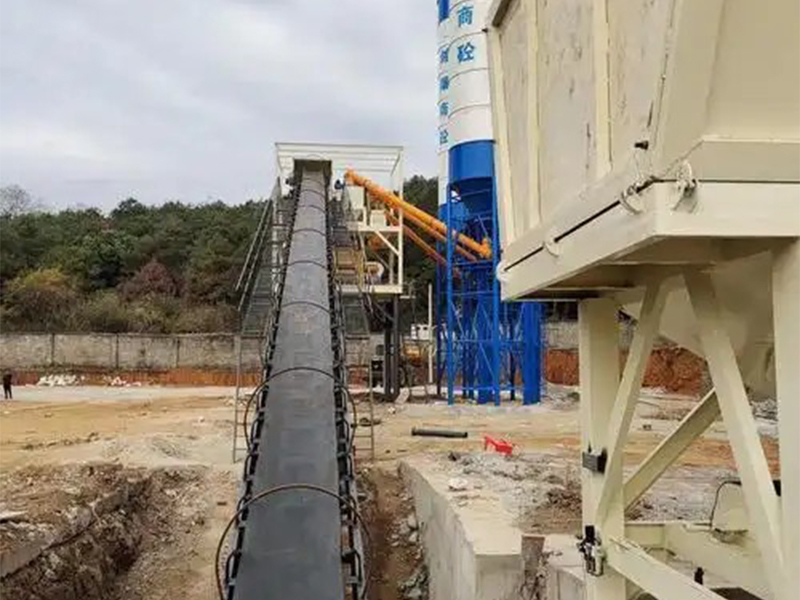
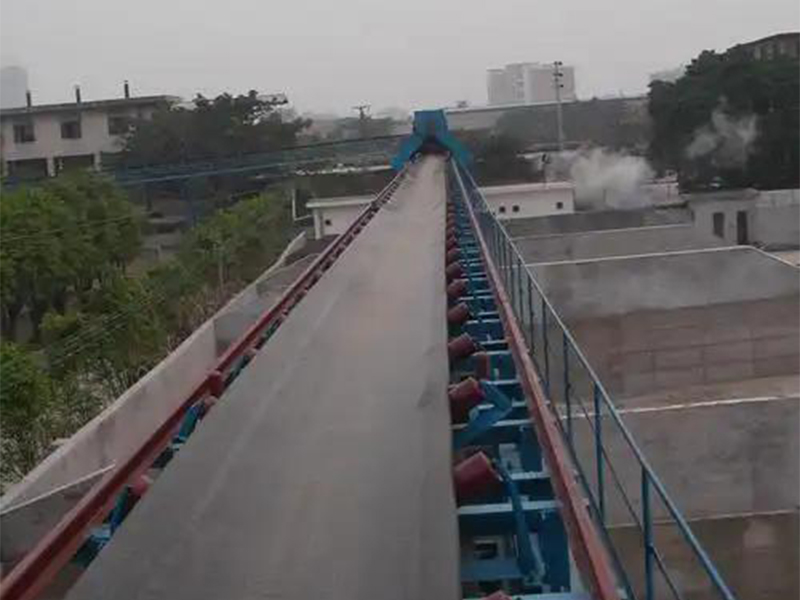
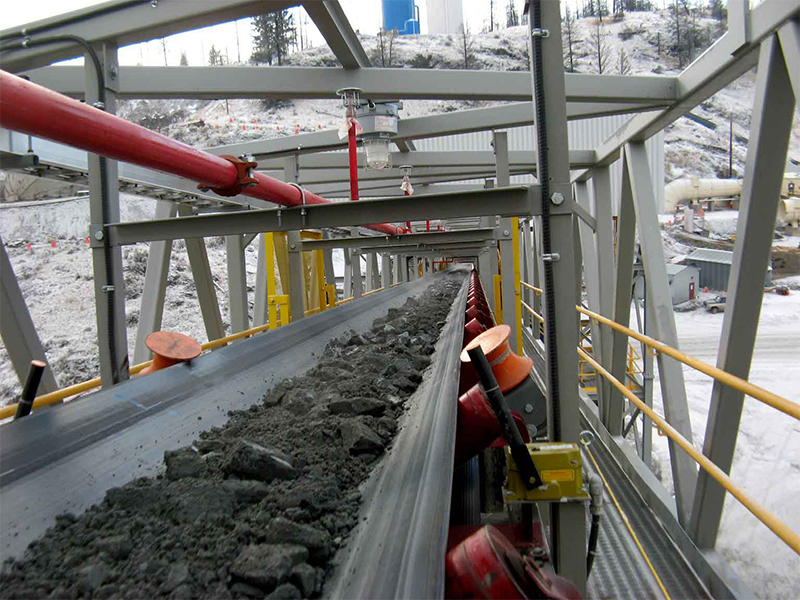
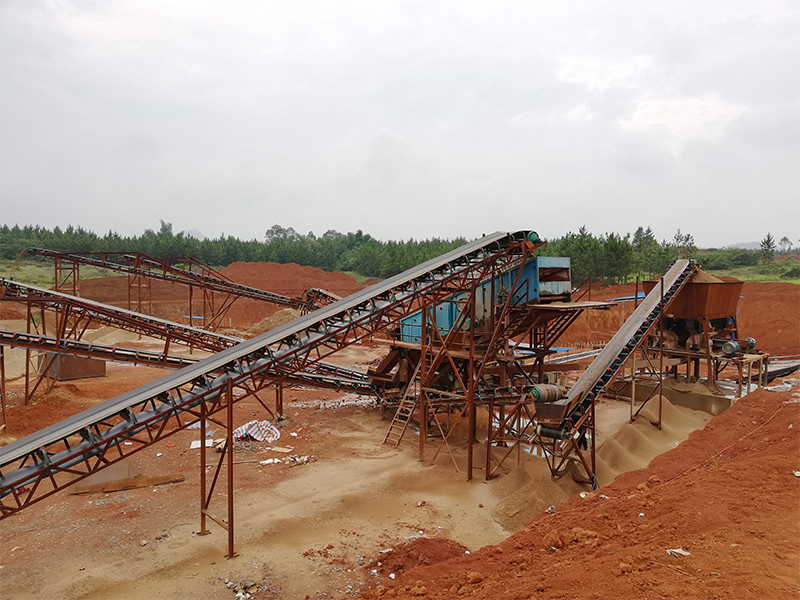
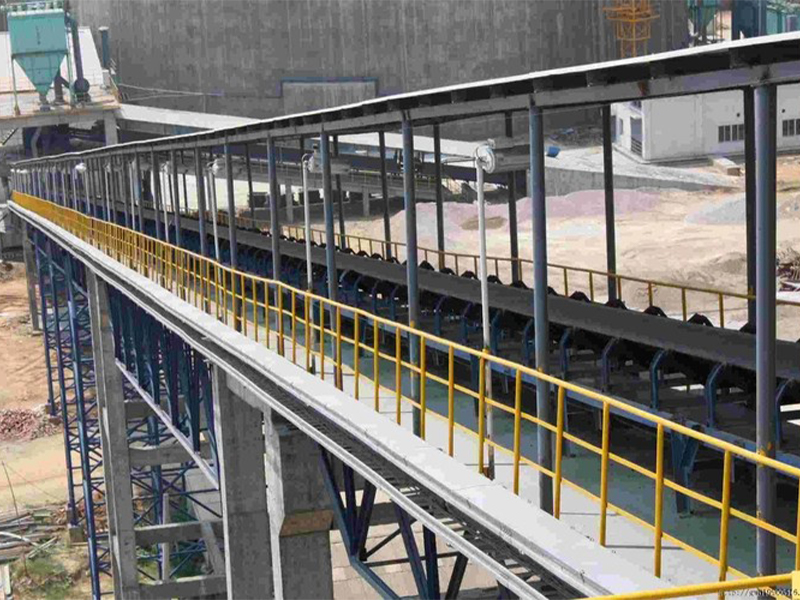
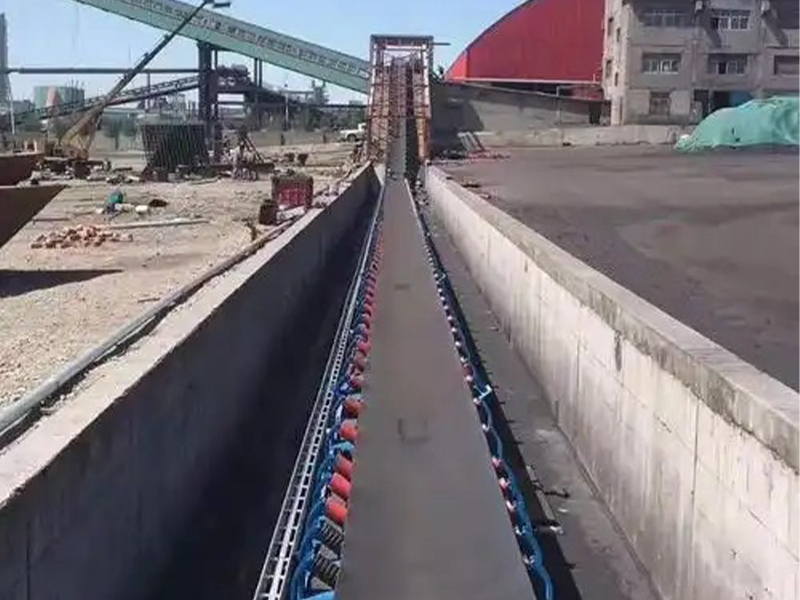
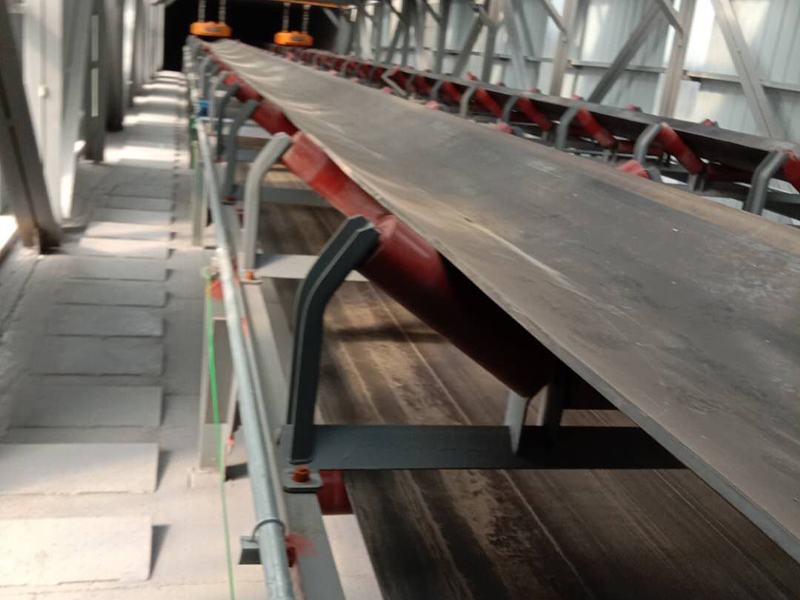
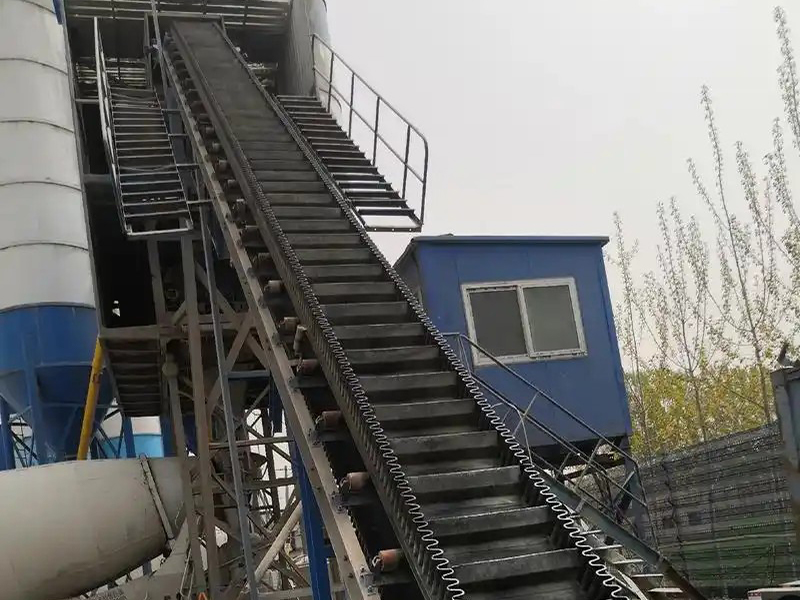
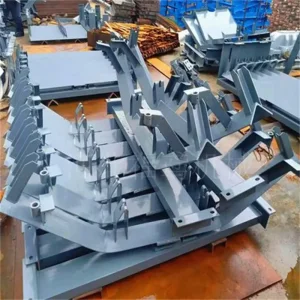
Combining heavy-duty belt fabrication with engineered support and tensioning components.
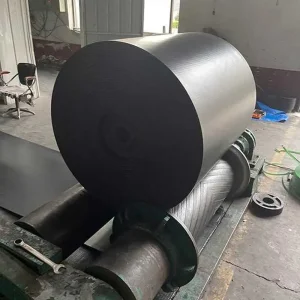
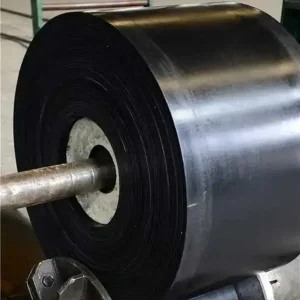
Our conveyor belt systems are engineered for diverse material handling operations under challenging environmental conditions.
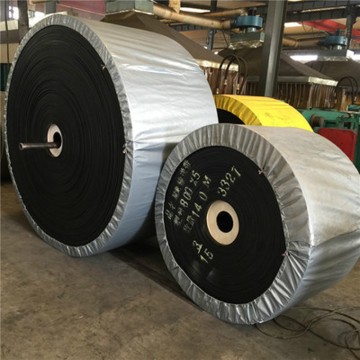
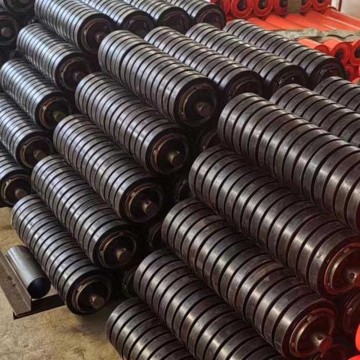
We manufacture matching structural support accessories to ensure reliable tracking and drive tension.
Minimize procurement complexity and reduce unplanned downtime with integrated supply and maintenance programs.
We provide comprehensive supply programs for industrial conveyor belts, specialized rubber materials, and drive parts. Our service team monitors client inventory levels to maintain safety stock, executes scheduled vulcanized splicing, conducts surface repairs, and provides emergency troubleshooting support.
We focus on maximizing conveyor uptime and reducing belt wear. By analyzing alignment profiles, adjusting chain tensioners, and utilizing matching idlers and sprockets, we help operators lower overall energy usage and extend component service life.
Our service packages include regular ultrasonic belt thickness testing, laser checks for sprocket alignment, dynamic balance tuning for drive pulleys, and thermal imaging of bearing housings to resolve potential issues before they cause equipment downtime.
Technical guidance regarding selection, alignment, and procurement of chain idler sprockets and industrial belt systems.
The tooth profile is determined by the pitch of the roller chain (e.g., standard ANSI B29.1 or DIN 8187 specifications), the roller diameter, and the target rotational velocity. Proper tooth geometry ensures smooth chain entry and exit, minimizing friction and wear on the rollers and bushing plates.
Because idler sprockets rotate freely on support shafts, the internal bearing assembly carries the entire system tension load. We utilize dual deep-groove ball bearings or tapered roller bearings with non-contact labyrinth seals to prevent dust and water intrusion, especially in harsh conditions like mining and cement processing.
Induction hardening concentrates heat treatment on the wear-heavy tooth tips, creating a hard shell (HRC 45–55) that resists abrasion. The core of the sprocket remains ductile, allowing it to absorb impact and shock loads without experiencing brittle fracturing during operation.
All carbon steel sprockets undergo anti-rust surface treatments, such as black oxide coating, zinc electroplating, or heavy oil application, followed by vacuum sealing in heavy-duty plastic film. The components are then packed into reinforced, ISPM 15-compliant wooden cases to prevent salt-spray damage.
Yes. For high-temperature environments (up to 400°C), we utilize specialized alloy steels (like 40Cr), high-temperature synthetic greases, and custom carbon-graphite bearings or metal-shielded bearings to prevent thermal seizure and preserve mechanical strength.
We manufacture bores to standard H7 limits, ensuring a precise slide fit on ground shafts. Keyways are machined according to ISO 773 or ANSI B17.1 specifications to ensure secure torque transmission when locked or keyed in place.
Connect directly with our engineering team to review drawings, receive custom material evaluations, or request quotes for bulk procurement of sprockets, idlers, and conveyor systems.
 Boao Rubber